
Is a 10 kW Residential Wind Turbine Right for Your Home? The Definitive Guide to Harnessing Wind Power
Dreaming of slashing your electricity bills and embracing energy independence? A 10 kW residential wind turbine sounds like a powerful solution, capable of generating enough electricity to cover the average American household’s needs. But before you visualize those blades gracefully turning in your backyard, let’s get real. Installing a system of this size is a significant undertaking, requiring specific conditions, a substantial investment, and a clear understanding of what you’re getting into.
Table of Contents
- Is a 10 kW Residential Wind Turbine Right for Your Home? The Definitive Guide to Harnessing Wind Power
- What Exactly is a 10 kW Residential Wind Turbine System?
- Horizontal-Axis Wind Turbines (HAWT) vs. Vertical-Axis Wind Turbines (VAWT) for 10 kW Residential Use
- The Real Costs: Breaking Down Your Investment
- Is Your Home a Good Fit? Site Assessment & Suitability
- 1. Wind Resource Assessment: The Absolute Essential
- 2. Property Size & Zoning: Space to Breathe
- 3. Local Regulations & Permitting: A Major Hurdle
- 4. Noise Considerations: Dispelling Myths, Managing Expectations
- 5. Visual Impact: Aesthetics and Neighborhood Acceptance
- On-Grid vs. Off-Grid: Which System is Right for You?
- On-Grid (Grid-Tied) Systems
- Off-Grid Systems
- The Installation Journey: What to Expect
- Maximizing Your Return on Investment (ROI)
- Long-Term Ownership: Maintenance & Challenges
- Addressing Common Concerns
- 10 kW Wind vs. Solar: A Quick Comparison
- Is a 10 kW Residential Wind Turbine Right For You?
This isn’t a simple plug-and-play gadget. It’s a commitment to a powerful, sustainable energy future. In this guide, we’ll cut through the hype and give you the unvarnished truth about whether a 10 kW wind turbine makes sense for your home, your property, and your wallet.
What Exactly is a 10 kW Residential Wind Turbine System?
When we talk about a 10 kW wind turbine, we’re referring to its rated power output – the maximum electricity it can generate under optimal wind conditions. For most U.S. households, which consume around 10,000 to 12,000 kWh per year, a properly sited and efficient 10 kW turbine could theoretically meet or significantly offset their annual energy needs.
But a turbine isn’t just the blades; it’s a complete system designed to convert wind energy into usable electricity. Here’s what’s typically involved:
- The Turbine Head: This includes the blades (rotor), the generator, and the nacelle (the casing that houses the internal components).
- The Tower: Crucial for elevating the turbine to catch stronger, less turbulent winds. Towers can range from 60 to 120 feet (18-36 meters) for a 10 kW residential unit.
- Charge Controller: Manages the electricity flow from the turbine, preventing overcharging if you have batteries.
- Inverter: Converts the turbine’s generated DC electricity into AC electricity suitable for your home’s appliances and the grid.
- Battery Bank (Optional): Essential for off-grid systems or grid-tied systems with battery backup for power outages.
- Grid Interconnection Equipment: For grid-tied systems, this includes meters and safety disconnects.
Understanding the two main types of turbines is also critical for residential applications:
Horizontal-Axis Wind Turbines (HAWT) vs. Vertical-Axis Wind Turbines (VAWT) for 10 kW Residential Use
| Feature | Horizontal-Axis Wind Turbines (HAWT) | Vertical-Axis Wind Turbines (VAWT) |
|---|---|---|
| Rotor Design | Propeller-like blades, rotate around a horizontal axis. | Blades rotate around a vertical axis (e.g., egg-beater, Darrieus, Savonius designs). |
| Efficiency | Generally more efficient at converting wind energy into electricity. | Less efficient than HAWTs, but improving. |
| Wind Direction | Must be oriented to face the wind (often with a tail fin or yaw motor). | Omnidirectional, no need to orient to wind. Good for turbulent sites. |
| Noise | Can generate aerodynamic noise, especially larger units. | Generally quieter, lower vibration. Often marketed for urban/suburban use. |
| Installation | Typically requires taller towers for optimal performance. Generator often at the top. | Generator can be at ground level, simplifying maintenance. Can be installed on shorter towers or rooftops (with caution). |
| Cost (10 kW) | System costs can vary, but generally competitive for high power output. | Often slightly higher per kW of capacity due to less mature technology at this scale. |
For a 10 kW residential system, HAWTs are currently more common due to their established efficiency, but VAWTs are gaining traction for properties with space constraints or turbulent wind conditions.
The Real Costs: Breaking Down Your Investment
Let’s be blunt: a 10 kW residential wind turbine system is a substantial investment. You’re not just buying the turbine itself; you’re investing in a complete power generation plant for your property. Prices vary wildly based on turbine quality, tower height, installation complexity, and regional labor rates. Forget the cheap online listings; those rarely reflect a complete, installed system.
Here’s a realistic breakdown of the costs you can expect:
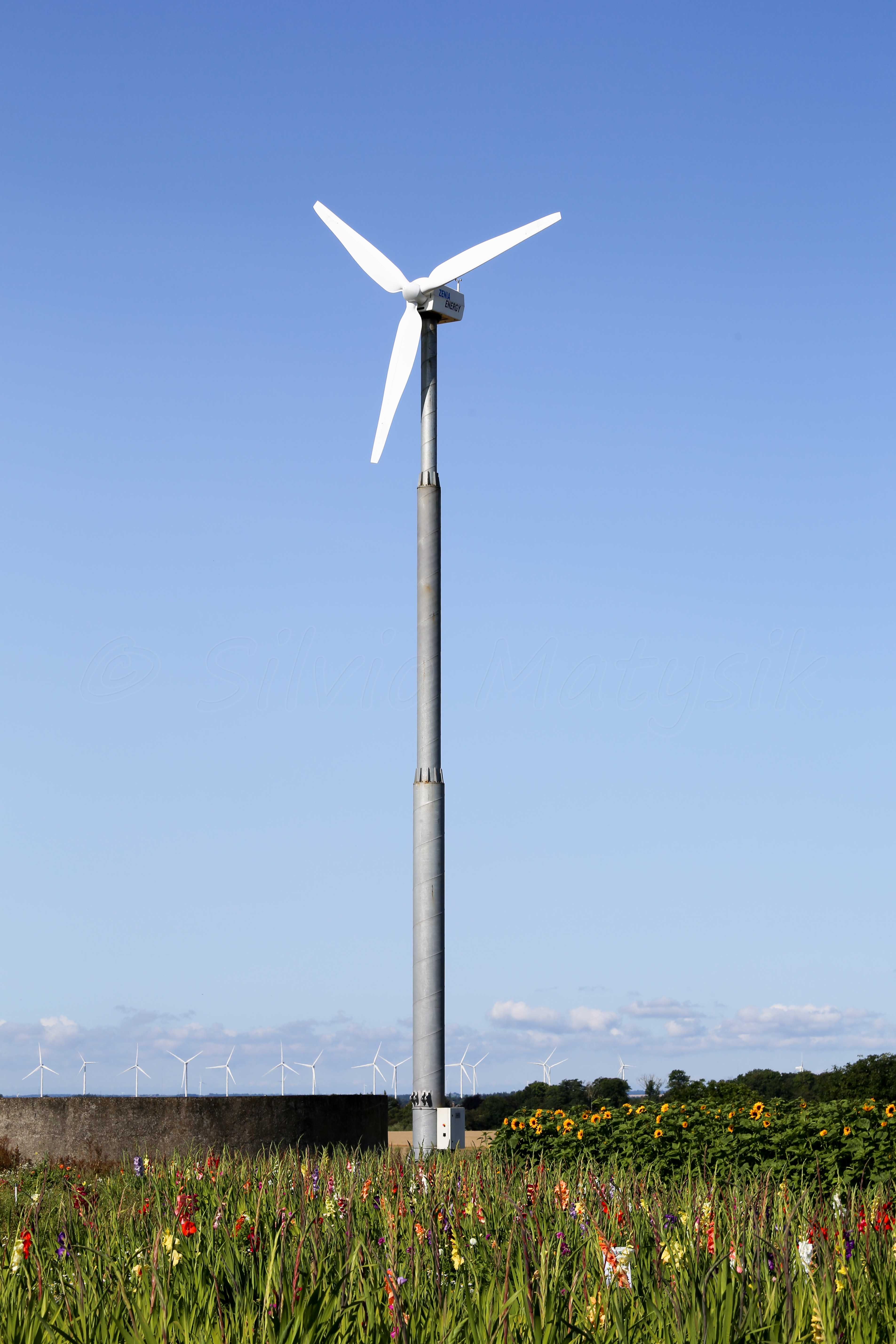
- Turbine Unit Cost: The actual turbine head can range from $8,000 to $30,000+. This depends on the manufacturer, model, and whether it’s a HAWT or VAWT.
- Tower Cost: The tower can be a significant portion, typically $5,000 to $15,000+ depending on height (60-120 ft is common for 10 kW), material, and type (guyed vs. freestanding vs. tilt-up).
- Foundation: A strong concrete foundation is crucial. Expect $2,000 to $7,000.
- Inverter and Charge Controller: Quality components for a 10 kW system will run you $2,000 to $6,000.
- Battery Bank (for off-grid or backup): This is a major cost. A robust battery system for a 10 kW setup could be anywhere from $8,000 to $25,000+, depending on capacity and chemistry (e.g., lead-acid vs. lithium-ion).
- Wiring, Electrical Components, and Safety Gear: Budget $1,000 to $3,000.
- Installation Labor: This is often the largest variable. Skilled labor for tower erection, wiring, and commissioning can cost $10,000 to $30,000+. It’s specialized work.
- Permitting, Engineering & Interconnection Fees: Don’t forget these administrative costs, which can range from $500 to $5,000+ depending on your municipality and utility.
- Maintenance Costs: Expect annual checks and potential component replacements over the turbine’s lifespan. Budget $200-$500 per year, or more for unexpected repairs.
| Cost Component | Estimated Range (USD) | Notes |
|---|---|---|
| Turbine Head (10 kW) | $8,000 – $30,000+ | Brand, type (HAWT/VAWT), features. |
| Tower (60-120 ft) | $5,000 – $15,000+ | Height, material, type (guyed/freestanding). |
| Foundation | $2,000 – $7,000 | Concrete pad, rebar. |
| Inverter/Controller | $2,000 – $6,000 | Quality and capacity. |
| Battery Bank (Optional) | $8,000 – $25,000+ | Capacity, chemistry (e.g., Lithium-ion is higher). |
| Electrical & Wiring | $1,000 – $3,000 | Trenching, cabling, disconnects. |
| Installation Labor | $10,000 – $30,000+ | Specialized crane, crew, expertise. |
| Permitting/Fees | $500 – $5,000+ | Varies by location and utility. |
| Total Estimated Cost (Installed, Grid-Tied, No Battery) | $30,000 – $90,000+ | Varies significantly by location and specific components. |
As you can see, the total upfront cost for a fully installed, operational 10 kW residential wind turbine system (grid-tied, without extensive battery storage) typically falls in the range of $30,000 to $90,000 or more. Off-grid systems with substantial battery banks will push that figure even higher.
Is Your Home a Good Fit? Site Assessment & Suitability
This is where most residential wind turbine dreams either take flight or crash. Unlike solar panels, which can be effective on most sunny rooftops, wind turbines require very specific environmental and property conditions to be viable.
1. Wind Resource Assessment: The Absolute Essential
You can’t just guess. The average wind speed at your proposed turbine height is the single most critical factor. Wind power output doesn’t scale linearly with wind speed; it scales with the cube of the wind speed. This means a small increase in average wind speed results in a disproportionately larger increase in power output. You need:
- Minimum Average Wind Speed: Generally, at least 10-12 mph (4.5-5.5 m/s) average annual wind speed at the proposed turbine height for a 10 kW system to be economically viable.
- Professional Site Assessment: An expert will use anemometers (wind measuring devices) and analyze local wind data, topography, and obstructions (trees, buildings) to predict your actual energy production.
2. Property Size & Zoning: Space to Breathe
A 10 kW turbine needs space. A typical 10 kW HAWT might have a rotor diameter of 20-25 feet, and the tower needs a significant setback from property lines, other buildings, and overhead power lines. Zoning regulations vary wildly by municipality, but expect rules regarding:
- Setbacks: Often 1.5 to 2 times the total height of the turbine (tower + blade tip) from property lines and structures.
- Height Restrictions: Many residential zones have strict height limits that could prevent a sufficiently tall tower for optimal wind capture.
- Acreage Requirements: Some areas require a minimum land parcel size (e.g., 1-5 acres) for small wind installations.
3. Local Regulations & Permitting: A Major Hurdle
This is often the most frustrating and time-consuming part. You will likely need:
- Building Permits: For the tower and foundation.
- Electrical Permits: For all wiring and interconnection.
- Zoning Variances: If your planned turbine height or setbacks exceed local limits.
- Utility Interconnection Agreement: If you plan to tie into the grid (net metering). This involves a separate application and approval process with your local power company.
Be prepared for a bureaucratic journey. Starting early with your local planning department and utility is crucial.
4. Noise Considerations: Dispelling Myths, Managing Expectations
Modern small wind turbines are much quieter than older models, but they are not silent. The whooshing sound of blades and the hum of the generator are present. While usually below disturbing levels at typical residential setbacks, it’s a consideration, especially for close neighbors. VAWTs generally produce less audible noise than HAWTs.
5. Visual Impact: Aesthetics and Neighborhood Acceptance
A 100-foot tall structure with spinning blades is a prominent feature. Consider how it will look from your home, your neighbors’ homes, and public spaces. Neighborhood covenants or homeowner associations might have specific restrictions or require architectural review committee approval.
On-Grid vs. Off-Grid: Which System is Right for You?
Deciding between tying your wind turbine into the existing electrical grid or going completely independent is a fundamental choice with significant implications for cost, complexity, and reliability.

On-Grid (Grid-Tied) Systems
Most residential wind turbine owners opt for a grid-tied system. This means your turbine generates electricity, powers your home, and any excess electricity is fed back into the utility grid, often earning you credits through net metering. When the wind isn’t blowing enough, you draw power from the grid as usual.
- Benefits:
- Cost-Effective: No need for expensive battery banks, reducing upfront costs.
- Reliability: You always have power from the grid when your turbine isn’t producing.
- Net Metering: Allows you to sell excess power back to the utility, reducing or eliminating your electricity bill.
- Drawbacks:
- Grid Reliance: If the grid goes down, your turbine will also shut off for safety reasons (anti-islanding protection), unless you have specific battery backup with an automatic transfer switch.
- Interconnection Process: Requires utility approval, which can be lengthy.
Off-Grid Systems
An off-grid system means your home is completely disconnected from the utility grid. All your power comes from your wind turbine (often supplemented by solar panels) and is stored in a battery bank for use when the wind isn’t generating.
- Benefits:
- Energy Independence: True freedom from utility bills and outages.
- Resilience: You control your power supply.
- Good for Remote Locations: Where extending grid lines is prohibitively expensive.
- Drawbacks:
- High Upfront Cost: The battery bank is a major expense and requires careful sizing.
- Complex Sizing: Requires precise calculations of your energy needs and the capacity of your generation and storage.
- Maintenance: Battery banks require maintenance and eventual replacement.
- Potential for Shortages: If weather conditions are poor for an extended period and batteries drain, you could run out of power.
| Feature | On-Grid (Grid-Tied) System | Off-Grid System |
|---|---|---|
| Battery Storage | Optional (for backup), often smaller. | Mandatory and substantial. |
| Utility Connection | Connected, with net metering. | Completely disconnected. |
| Power Reliability | High (grid acts as backup). Outages cut turbine unless battery backup. | Dependent on generation and battery storage. Risk of running out of power. |
| Overall Cost | Lower upfront, but grid fees may apply. | Higher upfront due to significant battery investment. |
| Best For | Homeowners looking to reduce/eliminate electricity bills, potentially earn credits. | Remote properties, ultimate energy independence, high grid instability areas. |
The Installation Journey: What to Expect
Installing a 10 kW wind turbine is a multi-step process that requires professional expertise. This is not a DIY project.
1. Finding a Qualified Installer: This is paramount. Look for companies with experience in small wind turbine installation, relevant certifications (e.g., NABCEP for renewable energy professionals), and strong local references. Ask for examples of their 10 kW installations.
2. Site Preparation: Once permits are secured, the site needs to be prepared. This involves:
- Foundation Excavation: Digging the large hole for the concrete tower foundation.
- Trenching: For electrical conduits running from the tower to your home’s electrical panel or battery bank.
3. Tower Erection: This is the most visually dramatic part. Depending on the tower type (guyed, freestanding, tilt-up), specialized equipment like cranes will be used to lift and secure the tower sections and the turbine head.
4. Electrical Hookup: Licensed electricians will handle the wiring from the turbine to the charge controller, inverter, and then to your main electrical panel or battery bank. For grid-tied systems, the interconnection point with the utility grid is established.
5. Commissioning & Testing: Once everything is in place, the system is powered up, tested, and calibrated to ensure it’s operating safely and efficiently. This is often done in conjunction with utility inspectors for grid-tied systems.
Maximizing Your Return on Investment (ROI)
The financial return on a 10 kW wind turbine hinges on several factors, including your initial investment, local electricity prices, the actual energy produced, and available incentives.
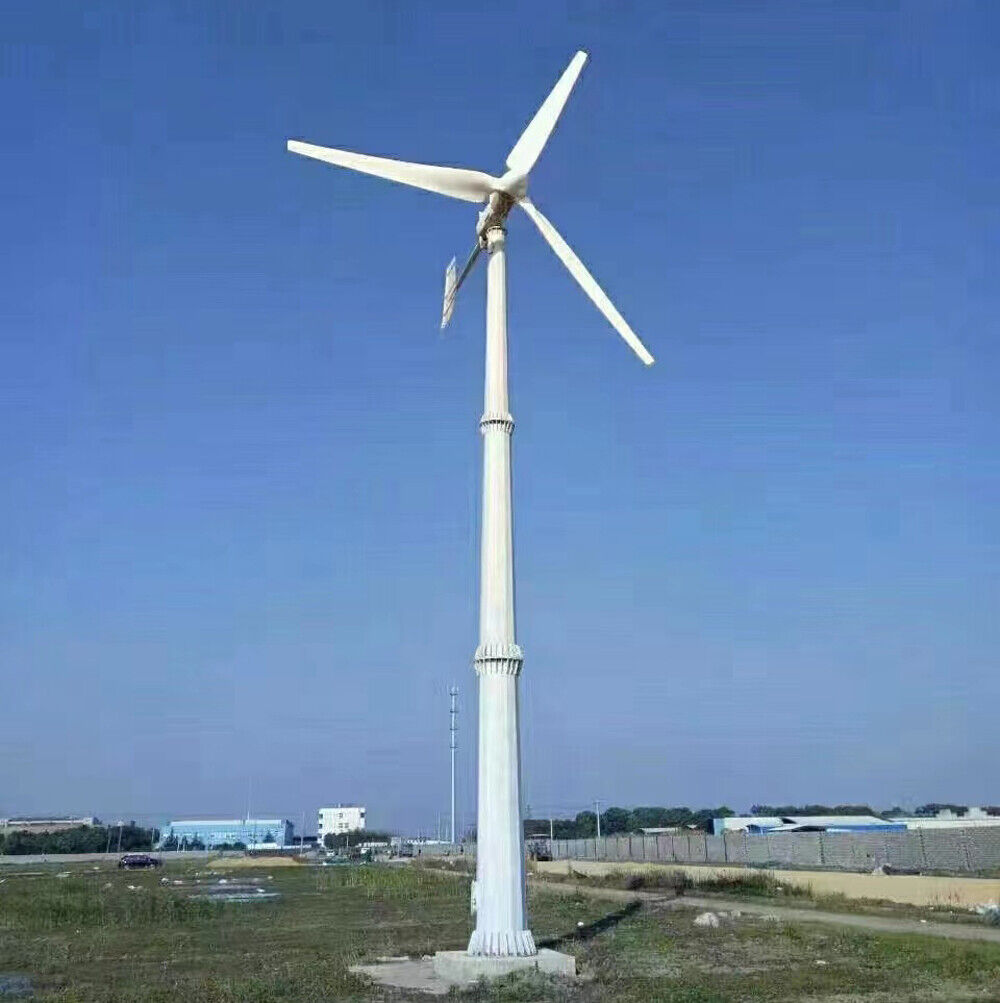
- Energy Savings: This is the primary driver. The more electricity your turbine generates and the higher your utility rates, the faster you’ll see savings. A well-sited 10 kW turbine can produce 10,000-20,000 kWh annually, potentially saving you thousands per year on your electricity bill.
- Incentives & Rebates: These can dramatically improve your ROI.
- Federal Investment Tax Credit (ITC): Currently offers a significant tax credit (often 30%) for residential renewable energy systems, including wind. Check current legislation as this can change.
- State & Local Programs: Many states and municipalities offer their own rebates, grants, or property tax exemptions for renewable energy. Research what’s available in your specific area.
- Renewable Energy Credits (RECs): In some regions, you can sell RECs generated by your turbine, providing an additional revenue stream.
- Property Value Impact: While harder to quantify, a well-maintained renewable energy system can increase your property value, especially in energy-conscious markets.
- Payback Period: This is the time it takes for your energy savings and incentives to offset your initial investment. For a 10 kW wind turbine, realistic payback periods typically range from 10 to 25 years, heavily dependent on the factors listed above. High electricity rates and strong incentives will shorten this considerably.
Long-Term Ownership: Maintenance & Challenges
Like any mechanical system, a wind turbine requires ongoing care to ensure optimal performance and longevity.
- Routine Maintenance Tasks:
- Annual Inspections: Visual checks of blades, tower, guy wires (if applicable), and electrical connections.
- Lubrication: Moving parts may require periodic lubrication.
- Bolt Tightening: Ensure all structural bolts remain secure.
- Cleaning: Keeping blades clean can maintain efficiency.
- Potential Issues:
- Wear and Tear: Bearings, gears (if present), and other components will eventually wear out.
- Extreme Weather: Lightning strikes, severe icing, or exceptionally strong winds can damage turbines. Modern turbines have braking systems to prevent overspeed in high winds.
- Component Failure: Inverters, controllers, or even the generator itself may need replacement over time.
- Lifespan & Warranty: A quality 10 kW wind turbine system is designed to last 20-25 years or more with proper maintenance. Most manufacturers offer warranties on the turbine head (often 5-10 years), and inverters typically have a 5-10 year warranty.
Addressing Common Concerns
- Noise: While mitigated in modern designs, noise can still be a concern. Proper siting and choosing a quieter turbine type (like some VAWTs) are key.
- Wildlife Impact: Small wind turbines generally pose a low risk to birds and bats compared to large utility-scale wind farms, especially with proper siting away from migratory paths.
- Safety: Installation and maintenance must be performed by qualified professionals to ensure safety. Turbines have automatic shutdown features for high winds or faults.
10 kW Wind vs. Solar: A Quick Comparison
It’s natural to compare wind to its more commonly known renewable cousin, solar. Both have their strengths and weaknesses for residential use:
- Space Requirements: Solar panels can be installed on most rooftops, requiring less ground space than a wind turbine with its tall tower and setback requirements.
- Resource Availability: Solar is predictable (sun rises daily). Wind is intermittent and highly site-dependent. You might have sunny days with no wind, or windy nights with no sun.
- Cost: For an equivalent energy output, residential solar systems are often less expensive to install upfront due to simpler installation and no tower requirements.
- Maintenance: Solar panels require very little maintenance beyond occasional cleaning. Wind turbines, with their moving parts, require more active maintenance.
- Output Profile: Solar peaks during midday. Wind can generate power day and night, often peaking during different times than solar, making a hybrid wind-solar system a highly attractive option for consistent energy production.
For many homes, especially those with limited land or less-than-ideal wind resources, solar might be the more straightforward and cost-effective choice. However, for rural properties with excellent wind resources, a 10 kW wind turbine can provide a powerful, consistent energy source, especially when combined with solar to balance out intermittency.
Is a 10 kW Residential Wind Turbine Right For You?
After diving deep, the answer to whether a 10 kW residential wind turbine is right for your home boils down to a few critical questions:
- Do you have consistently strong average annual wind speeds (10-12 mph+) at a suitable height?
- Do you have sufficient property size to meet setback and zoning requirements?
- Are you prepared for the significant upfront investment (typically $30,000 – $90,000+), understanding the payback period?
- Are you ready to navigate local permitting, utility interconnection, and ongoing maintenance?
- Is energy independence, lower utility bills, and a reduced carbon footprint a high priority?
If you answered ‘yes’ to most of these, especially the first two, then a 10 kW wind turbine could be a truly transformative investment for your property. But proceed with your eyes wide open. Get professional wind assessments, multiple quotes from reputable installers, and thoroughly research local regulations and incentives. Harnessing the wind can be incredibly rewarding, but it’s a journey best undertaken with careful planning and expert guidance.
Frequently Asked Questions
How much electricity does a 10 kW residential wind turbine produce annually?
A well-sited 10 kW residential wind turbine, operating with sufficient average wind speeds (e.g., 10-12 mph or more), can realistically produce between 10,000 to 20,000 kilowatt-hours (kWh) of electricity per year. This output can vary significantly based on the specific turbine model, local wind conditions, and tower height. For reference, the average US household consumes around 10,000 to 12,000 kWh annually.
What is the typical cost of a fully installed 10 kW residential wind turbine system?
The total installed cost for a 10 kW residential wind turbine system (grid-tied, without extensive battery storage) typically ranges from $30,000 to $90,000 or more. This includes the turbine itself, tower, foundation, inverter, electrical components, installation labor, permitting fees, and professional site assessment. Off-grid systems with substantial battery banks will be significantly higher.
What kind of property is suitable for a 10 kW wind turbine?
A suitable property requires several key elements: consistently strong average annual wind speeds (at least 10-12 mph at turbine height), sufficient land to meet setback requirements (often 1.5-2 times total turbine height from property lines), and local zoning that permits such structures. Rural properties with open land and minimal obstructions are generally best.
How long does it take for a 10 kW wind turbine to pay for itself (payback period)?
The payback period for a 10 kW residential wind turbine typically ranges from 10 to 25 years. This timeframe is heavily influenced by the initial cost, your local electricity rates, the actual amount of electricity generated, and available financial incentives like federal tax credits or state rebates. Higher energy savings and strong incentives shorten the payback period.
Are residential wind turbines noisy?
Modern small wind turbines are significantly quieter than older models, but they are not silent. You can expect to hear a low-frequency hum or whooshing sound, especially in gusty conditions. Noise levels are generally acceptable at typical residential setbacks, and Vertical-Axis Wind Turbines (VAWTs) are often considered quieter than Horizontal-Axis Wind Turbines (HAWTs). A professional installer can help assess potential noise impact for your specific site.
What is the difference between on-grid and off-grid 10 kW wind systems?
An on-grid (grid-tied) system connects to your local utility grid, feeding excess power back (often through net metering) and drawing power when generation is low. It’s generally more cost-effective as it doesn’t require a large battery bank. An off-grid system is completely independent of the utility, requiring a substantial battery bank to store all generated electricity for continuous use. Off-grid systems offer true energy independence but come with higher costs and more complex sizing/maintenance.


