Understanding Wind Power: The 4 Key Types of Wind Turbines You Need to Know
Ever gazed at those towering giants gracefully slicing through the air and wondered, “Are they all the same?” Or perhaps you’re considering a more sustainable future for your home or business and found yourself asking, “What kind of wind turbine is right for me?” If so, you’re not alone. The world of wind energy is diverse, dynamic, and frankly, a bit more complex than a simple one-size-fits-all solution.
Table of Contents
- Understanding Wind Power: The 4 Key Types of Wind Turbines You Need to Know
- Why “4 Types” Can Be Tricky: Defining Our Focus
- Type 1: Horizontal-Axis Wind Turbines (HAWTs) – The Iconic Workhorses
- What Are HAWTs?
- Advantages of HAWTs
- Disadvantages of HAWTs
- Common Applications
- Type 2: Vertical-Axis Wind Turbines (VAWTs) – The Underestimated Innovators
- What Are VAWTs?
- Sub-Types of VAWTs
- Darrieus Turbines (Egg-Beater)
- Savonius Turbines (S-Shaped)
- Advantages of VAWTs
- Disadvantages of VAWTs
- Common Applications
- Type 3: Utility-Scale Onshore Wind Turbines – Powering Our Land
- Characteristics and Design
- The Good and The Bad
- Pros:
- Cons:
- Impact and Future
- Type 4: Utility-Scale Offshore Wind Turbines – Harnessing the Power of the Sea
- Characteristics and Design
- The Good and The Bad
- Pros:
- Cons:
- Impact and Future
- Beyond the Big Four: Other Important Classifications
- Small-Scale/Residential Wind Turbines
- Generator-Based Types (Type 1-4)
- Airborne Wind Turbines (AWTs)
- HAWT vs. VAWT: A Direct Comparison
- Onshore vs. Offshore: A Head-to-Head Look
- Choosing the Right Wind Turbine: What Matters for You
- The Future of Wind Power: Innovation on the Horizon
As an expert in renewable energy, I’ve seen firsthand how crucial it is to understand the nuances of wind turbine technology. It’s not just about spinning blades; it’s about efficiency, environmental impact, cost, and suitability for specific environments. Cutting through the jargon and misconceptions is key to making informed decisions, whether you’re a curious homeowner, an industry professional, or just someone passionate about clean energy.
This isn’t just a list; it’s your definitive guide to understanding the foundational differences that drive the entire wind energy sector. We’ll unpack the major players, highlight their strengths and weaknesses, and give you the clarity you need. By the end, you’ll not only know the 4 key types but also grasp why each matters for our energy future.
Why “4 Types” Can Be Tricky: Defining Our Focus
When someone asks about “4 types of wind turbines,” the answer isn’t always straightforward. Why? Because “type” can refer to different classification systems:
- Design & Axis: Horizontal vs. Vertical.
- Application & Scale: Residential, utility-scale onshore, utility-scale offshore.
- Generator Technology: Sometimes wind turbines are classified by their electrical generator type (e.g., Type 1, 2, 3, 4, as seen in some highly technical papers).
For this comprehensive guide, we’re going to focus on the first two, as they represent the most common and impactful distinctions for anyone looking to understand wind power. We’ll cover the two fundamental structural designs (Horizontal-Axis and Vertical-Axis) and then delve into the two dominant utility-scale applications (Onshore and Offshore) that shape our global energy landscape. This gives us a practical, holistic view of the four most critical types.
Type 1: Horizontal-Axis Wind Turbines (HAWTs) – The Iconic Workhorses
When you picture a wind turbine, chances are you’re imagining a Horizontal-Axis Wind Turbine, or HAWT. These are the giants of the wind energy world, dominating wind farms across continents and oceans. Their design is a testament to aerodynamic efficiency and structural engineering, making them the most prevalent choice for large-scale power generation.
What Are HAWTs?
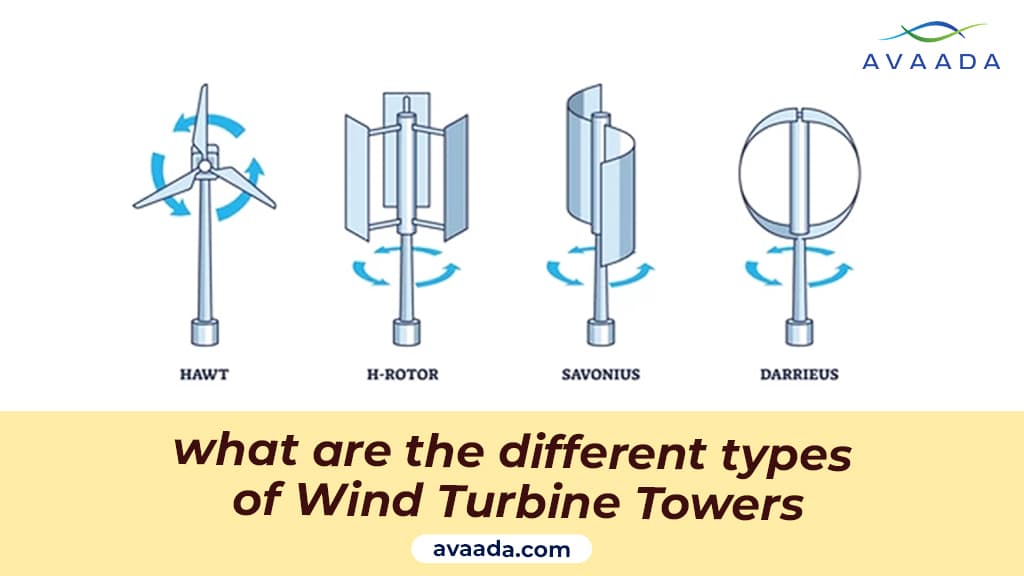
HAWTs are characterized by their rotor shaft being parallel to the ground, much like a traditional windmill. They typically feature three long, slender blades (though some have two) that rotate around a horizontal axis. These blades are meticulously designed to capture the maximum kinetic energy from the wind, converting it into rotational energy.
Here’s a quick breakdown of their core components:
- Blades: Aerodynamically shaped to maximize lift and minimize drag, just like an airplane wing.
- Rotor: The assembly of blades and hub that spins.
- Nacelle: The housing at the top of the tower containing the gearbox, generator, controller, and brake.
- Tower: Supports the nacelle and rotor, elevating them to capture stronger, less turbulent winds.
- Yaw Drive: A crucial mechanism that turns the nacelle and rotor into the wind, ensuring optimal energy capture regardless of wind direction.
As the wind pushes the blades, the rotor spins, driving a shaft connected to a gearbox inside the nacelle. The gearbox increases the rotational speed, which then drives the generator to produce electricity. It’s a marvel of mechanical and electrical engineering working in harmony.
Advantages of HAWTs
HAWTs are the industry standard for several compelling reasons:

- High Efficiency: Their design allows them to capture a larger percentage of wind energy compared to other types, especially at higher wind speeds.
- Proven Technology: Decades of research, development, and deployment mean HAWTs are a highly refined and reliable technology with well-understood performance characteristics.
- Scalability: They can be built to enormous sizes (rotor diameters exceeding 200 meters and capacities over 15 MW), making them ideal for utility-scale power generation.
- Access to Stronger Winds: Their tall towers allow them to tap into faster, more consistent winds found at higher altitudes, away from ground-level turbulence.
Disadvantages of HAWTs
No technology is without its drawbacks, and HAWTs are no exception:
- Wind Direction Dependency: They require a yaw system to constantly orient themselves into the wind, adding mechanical complexity and potential points of failure.
- Noise and Visual Impact: Their size and rotational speed can generate audible noise and create a significant visual presence, sometimes leading to community opposition.
- Bird and Bat Mortality: While often exaggerated, HAWTs can pose a risk to flying wildlife, though mitigation strategies are constantly evolving.
- Installation and Maintenance Challenges: Their immense height and weight make transport, erection, and maintenance operations costly, complex, and highly specialized, often requiring cranes that are among the largest in the world.
Common Applications
HAWTs are the backbone of:
- Utility-Scale Onshore Wind Farms: Vast arrays of turbines generating electricity for national grids.
- Utility-Scale Offshore Wind Farms: Massive installations out at sea, leveraging stronger, more consistent marine winds.
- Some Larger Residential/Agricultural Systems: While smaller, these still typically follow the HAWT design for efficiency.
Type 2: Vertical-Axis Wind Turbines (VAWTs) – The Underestimated Innovators
While HAWTs dominate the utility market, Vertical-Axis Wind Turbines (VAWTs) offer a compelling alternative, especially for niche applications and areas where HAWTs might not be suitable. Their design is radically different, with the main rotor shaft positioned perpendicular to the ground.
What Are VAWTs?
Instead of a propeller-like structure, VAWTs feature blades that extend vertically. This fundamental difference means they operate independently of wind direction, eliminating the need for a yaw mechanism. Their components, including the generator and gearbox, can often be located at ground level, simplifying maintenance.
Sub-Types of VAWTs
VAWTs aren’t a single design; they come in several distinct forms:
Darrieus Turbines (Egg-Beater)
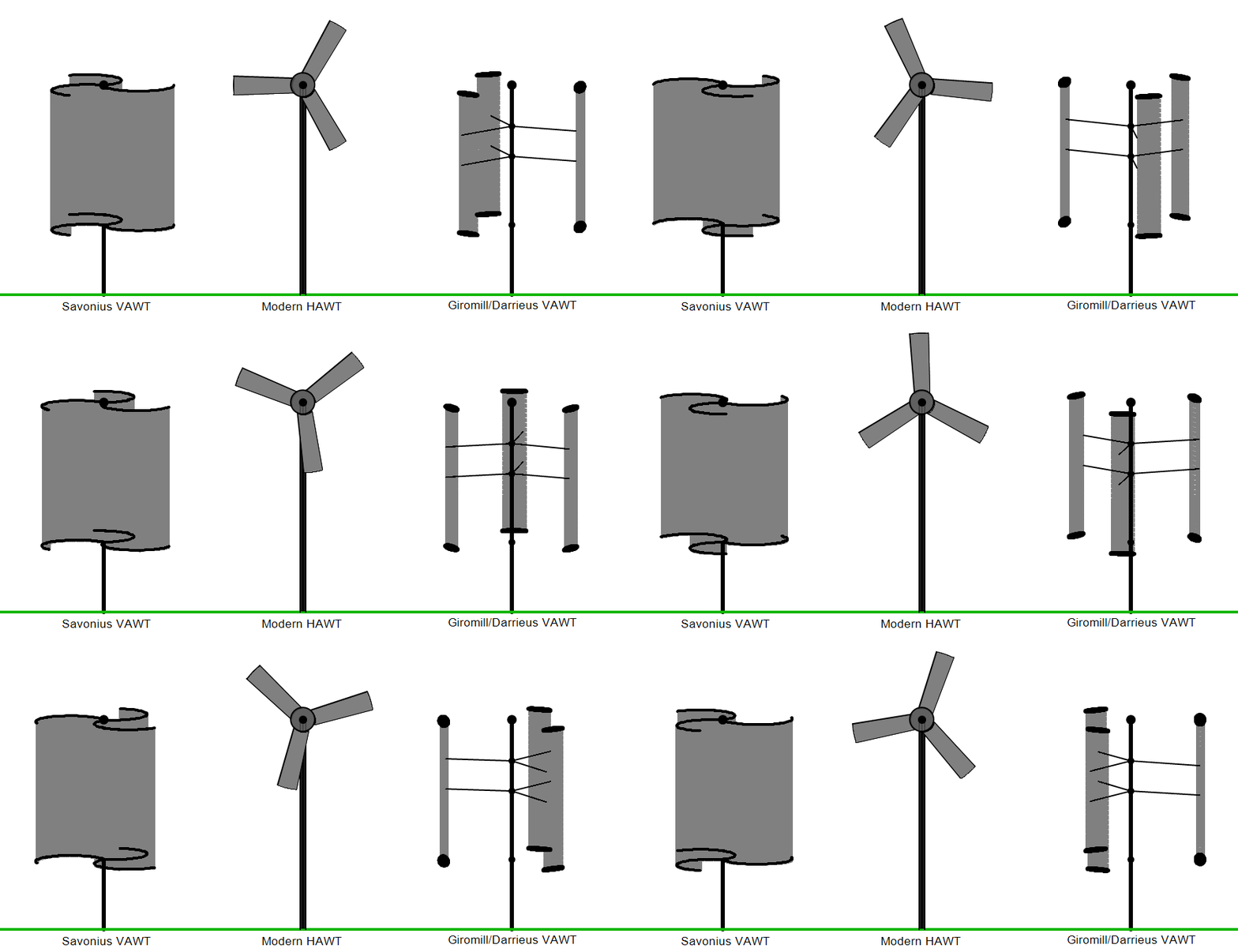
Named after their inventor, Georges Darrieus, these turbines are easily recognizable by their curved, airfoil-shaped blades that resemble an egg-beater or giant whisk. They are lift-based machines, meaning the wind flowing over the airfoil blades generates lift, causing rotation. While they can be efficient at higher wind speeds, they often require an external power source to start spinning (they are not self-starting) or specialized aerodynamic designs to overcome this.
Savonius Turbines (S-Shaped)
Invented by Sigurd Savonius, these turbines are drag-based devices. They typically consist of two or more scoop-like blades (often S-shaped) that catch the wind. Savonius turbines are generally less efficient than Darrieus turbines or HAWTs, but they have excellent starting torque and operate well in turbulent, low-speed winds. They are common in applications like powering ventilation systems or small, remote devices.
Advantages of VAWTs
VAWTs boast several unique benefits:
- Omni-directional: They can capture wind from any direction without needing to orient themselves, making them ideal for turbulent urban environments where wind direction frequently shifts.
- Lower Center of Gravity: With heavier components (like the generator and gearbox) located at ground level, VAWTs are inherently more stable, reducing structural stress and simplifying installation.
- Quieter Operation: Generally, VAWTs produce less noise than HAWTs of comparable size, making them more suitable for residential or urban settings.
- Easier Maintenance: Servicing major components at ground level is safer, faster, and less expensive, eliminating the need for specialized climbing equipment or massive cranes.
- Reduced Bird Impact: Their upright, often slower-moving blades are less likely to be struck by birds and bats, though research is ongoing.
Disadvantages of VAWTs
Despite their advantages, VAWTs face challenges:
- Lower Efficiency (Historically): Many VAWT designs have historically struggled to match the energy capture efficiency of HAWTs, especially at very high wind speeds.
- Starting Torque Issues: Some designs (like classic Darrieus) are not self-starting and require an initial push to get going.
- Limited Scalability (Currently): While VAWTs are great for smaller applications, scaling them up to utility-grade megawatt sizes presents significant engineering hurdles that have yet to be fully overcome economically.
- Vibrations and Fatigue: The cyclical nature of wind forces on vertical blades can lead to more significant structural vibrations and fatigue issues.
Common Applications
VAWTs are finding their niche in:
- Residential and Urban Environments: Due to their lower noise, omni-directional capability, and smaller footprint.
- Small-Scale Power Generation: For off-grid systems, telecommunication towers, or street lighting.
- Niche Applications: Where turbulent, low-speed winds are prevalent.
Type 3: Utility-Scale Onshore Wind Turbines – Powering Our Land
Now that we’ve covered the two fundamental design types, let’s look at how they’re deployed. Our third type, Utility-Scale Onshore Wind Turbines, refers to large HAWTs installed on land, typically grouped together in wind farms. These are the workhorses providing significant renewable energy to national power grids.
Characteristics and Design
These turbines are almost exclusively HAWTs, ranging in capacity from 2 MW to 7 MW or more. They feature massive towers, often exceeding 100 meters (330 feet) in height, topped with equally impressive rotors. The goal is to capture the strongest, most consistent winds available on land. A single wind farm can consist of dozens or even hundreds of these turbines, all connected to a common grid infrastructure.
The Good and The Bad
Onshore wind power comes with a distinct set of pros and cons:
Pros:
- Cost-Effective: Compared to offshore, onshore wind farms have lower installation and maintenance costs due to easier access and less complex foundation requirements.
- Established Infrastructure: Grid connection is generally simpler and more readily available on land.
- Accessibility: Turbines are easier to transport (though still challenging for blades) and service from existing road networks.
- Significant Capacity: Onshore wind already accounts for a massive portion of global renewable energy capacity.
Cons:
- Land Use: Wind farms require large tracts of land, which can compete with agriculture, wildlife habitats, or other land uses.
- Visual Impact: The sheer size of these turbines can be a concern for residents in nearby communities, impacting scenic views.
- Community Opposition: Noise, visual impact, and concerns about property values can lead to local resistance (NIMBYism – Not In My Backyard).
- Intermittency: Wind isn’t always blowing, meaning onshore wind farms need to be balanced with other energy sources or robust energy storage solutions.
- Transportation Challenges: Moving colossal blades and tower sections across public roads requires specialized logistics.
Impact and Future
Onshore wind will continue to be a crucial component of the global energy mix. Advancements focus on taller towers to access better wind resources, more efficient blade designs, and smart grid integration to manage intermittency. It’s a mature technology still rapidly evolving.
Type 4: Utility-Scale Offshore Wind Turbines – Harnessing the Power of the Sea
Our fourth type takes HAWT technology to the extreme: Utility-Scale Offshore Wind Turbines. These are colossal HAWTs installed far out at sea, designed to leverage the powerful and consistent winds found over open water. This rapidly expanding sector represents a massive frontier for renewable energy.
Characteristics and Design
Offshore turbines are typically much larger than their onshore counterparts, often ranging from 5 MW to over 15 MW per turbine. Their sheer scale allows them to capture more energy. Key design distinctions include:
- Specialized Foundations: Unlike onshore turbines, offshore turbines require robust foundations designed to withstand harsh marine environments. Common types include:
- Fixed-Bottom: Monopiles (single large steel tube driven into seabed), jacket foundations (truss-like structures), or gravity-based foundations (heavy concrete structures). These are used in shallower waters.
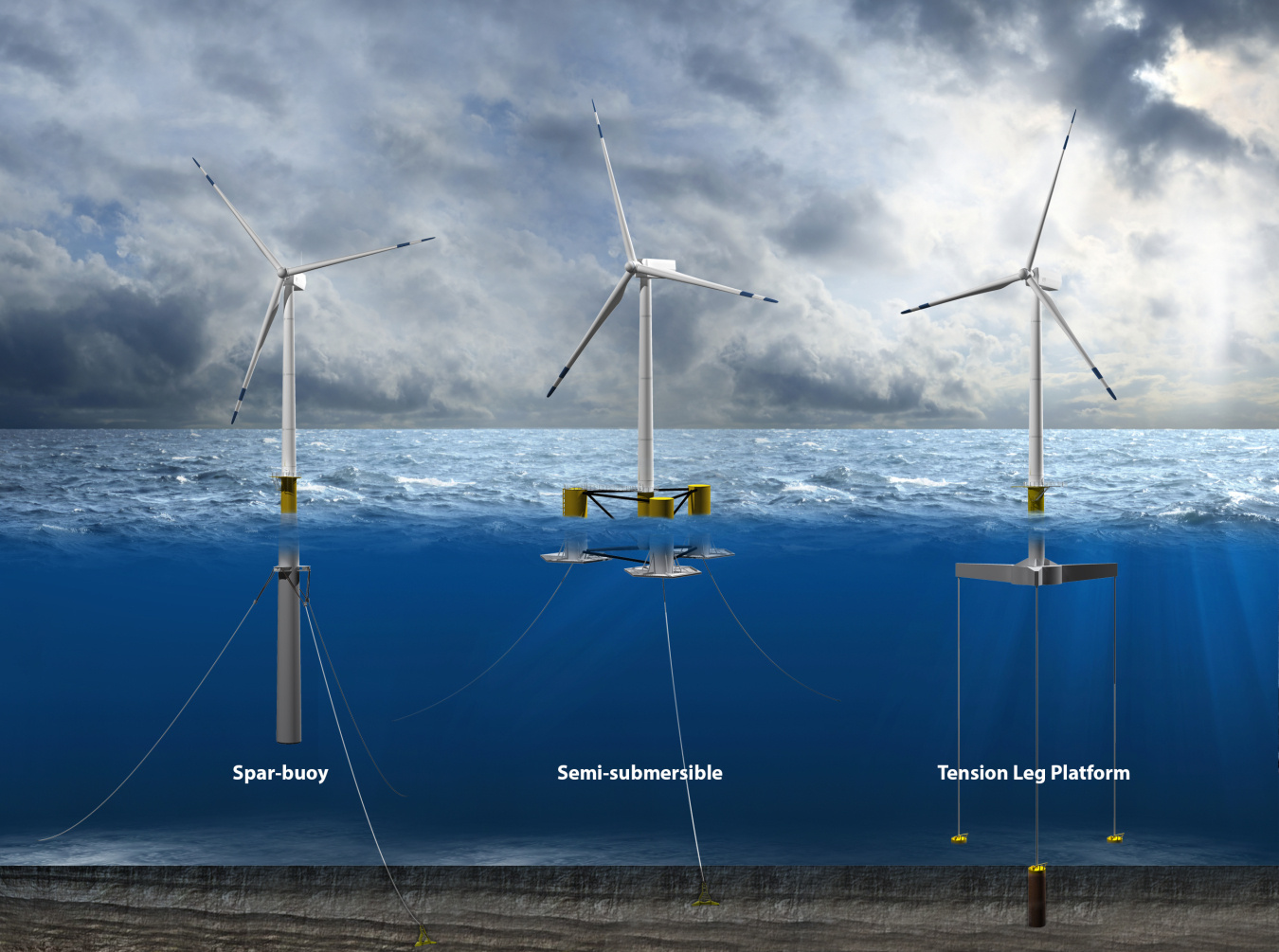
- Floating: For deeper waters, these innovative designs allow the entire turbine structure to float, anchored to the seabed by mooring lines. This technology is still emerging but holds immense promise.
- Reinforced Components: Every part, from the blades to the nacelle, is engineered to resist saltwater corrosion, powerful waves, and extreme weather conditions.
- Subsea Cables: Complex arrays of cables transmit the generated electricity back to shore.
The Good and The Bad
Offshore wind offers immense potential but comes with significant challenges:
Pros:
- Stronger, More Consistent Winds: Offshore locations typically experience higher and less turbulent wind speeds than land, leading to greater energy generation.
- Massive Scale Potential: The vastness of the ocean provides ample space for enormous wind farms, unlocking huge power generation capabilities.
- Less Visual/Noise Impact on Land: Turbines placed far from shore have minimal visual or noise impact on coastal communities.
- Reduced Transportation Bottlenecks: While components are huge, they can often be transported by sea, bypassing road infrastructure limits.
Cons:
- High Cost: Installation, maintenance, and grid connection for offshore wind farms are significantly more expensive than onshore projects due to specialized vessels, deeper foundations, and harsh operating conditions.
- Complex Installation & Maintenance: Work must be done in challenging marine environments, often requiring specialized vessels and highly skilled technicians. Weather windows for work are often limited.
- Grid Connection Challenges: Transmitting power over long distances from sea to shore and integrating it into existing grids is a major engineering feat.
- Environmental Concerns: Potential impacts on marine ecosystems, migratory birds, and shipping lanes must be carefully managed.
- Resource Intensive: Requires vast amounts of steel, concrete, and specialized rare earth metals for construction.
Impact and Future
Offshore wind is a rapidly growing sector, poised to play a pivotal role in achieving global decarbonization targets. Innovations in floating offshore wind technology are particularly exciting, as they will unlock wind resources in even deeper waters, vastly expanding the potential for this clean energy source.
Beyond the Big Four: Other Important Classifications
While the four types above give you a solid foundational understanding, it’s worth briefly touching on a few other important classifications you might encounter.
Small-Scale/Residential Wind Turbines
These are typically smaller turbines (under 100 kW) designed for individual homes, farms, or small businesses. They can be either HAWT or VAWT designs. Often used for off-grid power, to supplement grid electricity, or in hybrid systems with solar panels. Factors like local wind resources, noise, and visual impact are even more critical for these installations.
Generator-Based Types (Type 1-4)
For those diving into more technical literature, you might see wind turbines classified as “Type 1, 2, 3, or 4.” These classifications refer to the electrical generator and power converter technology used within the nacelle to control power output and connect to the grid, rather than the physical structure of the turbine itself. They describe different approaches to managing variable wind speeds and grid requirements:
- Type 1 (Fixed-Speed): Older, simpler induction generators.
- Type 2 (Variable-Slip): Slightly more control over speed.
- Type 3 (Doubly-Fed Induction Generator – DFIG): Most common in modern HAWTs, offering significant control over power and reactive power.
- Type 4 (Full-Converter): Uses a full power electronic converter, allowing for complete control and grid integration capabilities.
While crucial for grid stability and efficiency, these aren’t “types” in the same structural sense as HAWTs or VAWTs.
Airborne Wind Turbines (AWTs)
This is a fascinating, cutting-edge technology still in development. AWTs aim to harvest wind energy at much higher altitudes (up to several thousand feet) where winds are stronger and more consistent, using kites, balloons, or drone-like devices tethered to the ground. While not yet commercially viable on a large scale, AWTs represent a potential future for wind power.
HAWT vs. VAWT: A Direct Comparison
To summarize, here’s a side-by-side look at the two primary structural designs:
| Feature | Horizontal-Axis Wind Turbines (HAWTs) | Vertical-Axis Wind Turbines (VAWTs) |
|---|---|---|
| Rotor Orientation | Parallel to the ground | Perpendicular to the ground |
| Wind Direction | Requires yaw mechanism to face wind | Omni-directional (no yaw needed) |
| Efficiency (General) | Higher, especially at utility-scale | Lower (historically), improving with new designs |
| Noise Levels | Can be significant due to tip speed | Generally quieter |
| Maintenance | Complex; components at height require specialized equipment | Easier; components often at ground level |
| Starting Torque | Excellent (self-starting) | Can be poor for some designs (e.g., Darrieus) |
| Scalability | Highly scalable to utility-scale (MW) | More challenging for large-scale; best for small-medium |
| Ideal Applications | Utility-scale wind farms (onshore & offshore) | Residential, urban, small-scale, turbulent wind sites |
Onshore vs. Offshore: A Head-to-Head Look
And for comparing the two major deployment contexts:
| Characteristic | Utility-Scale Onshore Wind | Utility-Scale Offshore Wind |
|---|---|---|
| Location | Land-based wind farms | Open water (coastal or far out at sea) |
| Turbine Size/Capacity | Typically 2-7 MW; large but constrained by transport/land | Typically 5-15+ MW; larger for higher capacity factor |
| Wind Resource | Good to excellent; can be turbulent; less consistent | Excellent; stronger, more consistent, less turbulent |
| Cost (LCOE) | Lower installation and maintenance costs; established supply chain | Higher installation and maintenance costs; complex logistics |
| Environmental Impact | Land use, visual impact, noise, bird/bat mortality | Marine ecosystems, shipping, underwater noise; less visual/noise on land |
| Grid Connection | Easier, closer to existing infrastructure | Complex, long subsea cables, specialized infrastructure needed |
| Future Growth | Steady growth, optimizing existing sites | Rapid expansion, especially in floating technology |
Choosing the Right Wind Turbine: What Matters for You
Whether you’re an individual, a business, or a government entity, selecting the “right” wind turbine involves a careful assessment of several factors:
- Wind Resource: This is paramount. How strong and consistent is the wind at your specific location? Wind mapping and assessments are essential.
- Space Availability: Do you have the physical land (or sea area) required for a turbine, including necessary setbacks?
- Budget and Economics: What are the upfront capital costs, ongoing operational expenses, and projected energy savings or revenue?
- Desired Output: Are you looking to power a single home, a farm, or contribute to a large-scale grid?
- Local Regulations and Permitting: Zoning laws, environmental impact assessments, and grid connection requirements can significantly influence feasibility.
- Environmental & Community Impact: How will the turbine affect wildlife, noise levels, and the visual landscape?
For residential or small business use, a smaller HAWT or VAWT might be ideal, prioritizing quiet operation, ease of maintenance, and suitability for turbulent wind conditions. For large-scale energy production, utility-scale HAWTs (onshore or offshore) are the current champions, selected for their efficiency and power output.
The Future of Wind Power: Innovation on the Horizon
The journey of wind power is far from over. Expect continued innovation across all turbine types:
- Even Larger Turbines: The trend towards bigger, more powerful HAWTs will continue, particularly offshore, pushing efficiency boundaries.
- Smarter Grids & Storage: Better integration with energy storage solutions and intelligent grid management will mitigate intermittency.
- Material Science: Advances in composite materials will lead to lighter, stronger, and more durable blades and towers.
- Floating Offshore Wind: This technology will revolutionize access to deepwater wind resources, unlocking vast new energy potential.
- Advanced VAWT Designs: Research will continue to improve the efficiency and scalability of VAWTs, potentially expanding their role in urban environments and distributed generation.
- Recyclability: A growing focus on designing turbines for end-of-life recycling to address sustainability challenges.
Understanding the fundamental types of wind turbines is the first step in appreciating the complexity and ingenuity behind one of our planet’s most promising renewable energy sources. From the iconic HAWTs dominating our horizons to the innovative VAWTs finding their niche, and from the vast onshore wind farms to the colossal offshore installations, each type plays a vital role in shaping a sustainable future.
Frequently Asked Questions
What are the two main types of wind turbines by design?
The two main types of wind turbines, based on their rotor axis design, are Horizontal-Axis Wind Turbines (HAWTs) and Vertical-Axis Wind Turbines (VAWTs). HAWTs have blades that rotate around a horizontal shaft (like a propeller), while VAWTs have blades that rotate around a vertical shaft.
What are the advantages of Horizontal-Axis Wind Turbines (HAWTs)?
HAWTs are highly efficient, scalable to very large sizes, and represent a proven technology. Their design allows them to capture more wind energy at higher altitudes, making them ideal for large-scale power generation in utility wind farms.
Why would someone choose a Vertical-Axis Wind Turbine (VAWT) over a HAWT?
VAWTs are omni-directional, meaning they don’t need to turn to face the wind, making them suitable for turbulent urban areas. They also have a lower center of gravity, are generally quieter, and often have components at ground level, simplifying maintenance. They are excellent for residential or small-scale applications.
What’s the difference between onshore and offshore wind turbines?
Onshore wind turbines are installed on land, typically in wind farms, and are generally more cost-effective to install and maintain. Offshore wind turbines are placed in the sea, harnessing stronger, more consistent winds. While more expensive and complex to build and maintain, they offer massive energy potential and less visual/noise impact on coastal communities.
Are there different sub-types of Vertical-Axis Wind Turbines?
Yes, the two most common sub-types of VAWTs are Darrieus turbines (known for their curved, egg-beater shape, which are lift-based) and Savonius turbines (characterized by S-shaped scoops, which are drag-based and excellent for starting in low winds).
What are the ‘Type 1-4’ wind turbines I sometimes hear about?
These classifications (Type 1, 2, 3, 4) refer to the electrical generator and power converter technology used within the wind turbine’s nacelle, not its physical structure. They describe different methods of controlling power output and connecting to the grid, crucial for grid stability, but distinct from the horizontal or vertical axis design.

)