Is 40 GW of US Offshore Wind By 2030 a Reality? Unpacking America’s Ambitious Clean Energy Goals
You’ve heard the buzz: clean energy, massive turbines, and ambitious targets. The phrase “40 GW offshore wind by 2030″ is often tossed around in discussions about the future of renewable energy. It sounds incredibly promising, doesn’t it? A colossal amount of clean power, lighting up millions of homes, all within the decade.
Table of Contents
- Is 40 GW of US Offshore Wind By 2030 a Reality? Unpacking America’s Ambitious Clean Energy Goals
- President Biden’s 30 GW By 2030 Target: The Actual US Mandate
- The Path to 40 GW: An Evolving Timeline for US Offshore Wind (Beyond 2030)
- Navigating the Headwinds: Major Challenges Facing US Offshore Wind Deployment
- Permitting and Regulatory Hurdles
- Supply Chain Bottlenecks
- Financing and Inflationary Pressures
- Grid Infrastructure
- Stakeholder Engagement and Environmental Concerns
- Charting a Course Forward: Strategies for Accelerating US Offshore Wind
- Government Incentives and Policy Support
- Investing in Domestic Supply Chain
- Streamlining Permitting
- Grid Modernization
- International Collaboration and Learning
- What Does US Offshore Wind’s Future Look Like? Economic Impact and Energy Security
- The Global Context: How the US Compares to UK & EU Offshore Wind Ambitions
- Conclusion: A Vision for American Offshore Wind Power
But if you’re in the United States, there’s a crucial distinction you need to understand. While 40 gigawatts (GW) by 2030 is a formidable goal for some nations, America’s official, bold target for offshore wind deployment by 2030 is actually 30 GW. The 40 GW mark? That’s what many industry experts project for the US by 2035. It’s a critical difference that shapes our current strategies, challenges, and the undeniable opportunities ahead.
So, let’s cut through the noise. What are the US’s real offshore wind ambitions? What stands in the way, and how are we planning to overcome those hurdles to build a robust, clean energy future?
President Biden’s 30 GW By 2030 Target: The Actual US Mandate
In 2021, the Biden-Harris administration unveiled an ambitious plan: to deploy 30 gigawatts (GW) of offshore wind capacity by 2030. This isn’t just a number; it’s a strategic pillar in the nation’s efforts to combat climate change, create high-paying jobs, and secure energy independence. This target is designed to power over 10 million American homes with clean electricity, reduce carbon emissions by 78 million metric tons, and catalyze significant investments in coastal communities.
Achieving 30 GW by 2030 would be a monumental feat, especially considering the nascent stage of the US offshore wind industry compared to its European counterparts. It requires a whole-of-government approach, involving multiple agencies, significant private sector investment, and coordinated efforts across states. The initial steps have been promising, with lease auctions in key areas like the New York Bight and off the coasts of California and the Carolinas garnering billions of dollars in bids, signaling strong market interest.
Several landmark projects are already moving through the pipeline, transitioning from concept to tangible infrastructure. These early developments are crucial test beds, revealing both the immense potential and the inherent complexities of building a new energy sector from the ground up.
Table: Key US Offshore Wind Projects (Operational & Under Development)
| Project Name | Location | Capacity (MW) | Status (as of early 2024) |
|---|---|---|---|
| Block Island Wind Farm | Rhode Island | 30 | Operational (Since 2016) |
| Coastal Virginia Offshore Wind (CVOW) | Virginia | 12 (pilot) / 2,600 (full project) | Pilot operational, full project under construction |
| Vineyard Wind 1 | Massachusetts | 800 | Under construction, first power delivered |
| South Fork Wind | New York / Rhode Island | 132 | Operational (First large-scale US project) |
| Empire Wind 1 & 2 | New York | 816 (EW1) / 1,224 (EW2) | Development stage, awaiting final investment decision |
| Revolution Wind | Rhode Island / Connecticut | 704 | Construction expected to begin soon |
The Path to 40 GW: An Evolving Timeline for US Offshore Wind (Beyond 2030)
While 30 GW by 2030 is the immediate national target, the conversation around 40 GW is highly relevant, but often projected for a slightly later horizon in the US context. Market analysts from organizations like the American Clean Power Association (ACP) and the Global Wind Energy Council (GWEC) anticipate the US reaching 40 GW of operational offshore wind capacity by around 2035. This is a realistic adjustment that acknowledges the complexities of large-scale infrastructure development.
Why the five-year difference from the common international 2030 goal? Several factors contribute to this evolving timeline. The US started later than Europe in seriously developing its offshore wind sector. This means we’re still building out our regulatory frameworks, supply chains, and specialized workforce. The sheer scale of development required for 40 GW demands a mature ecosystem, from port infrastructure to manufacturing facilities for turbine components and specialized installation vessels.
The transition from 30 GW to 40 GW by 2035 represents an acceleration curve. As initial projects become operational, lessons are learned, processes are streamlined, and the domestic supply chain gains momentum. This phased approach, while perhaps less aggressive than some might hope for 2030, is a pragmatic one, aiming for sustainable growth rather than rushed deployment that could lead to inefficiencies or project failures.
Navigating the Headwinds: Major Challenges Facing US Offshore Wind Deployment
It’s easy to get swept up in the vision of a clean energy future, but the reality of building a massive new industry is fraught with challenges. The US offshore wind sector faces a unique set of headwinds that, if not addressed effectively, could impede progress towards both the 30 GW and 40 GW targets.
Permitting and Regulatory Hurdles
The process of siting, permitting, and approving offshore wind projects in the US is notoriously complex and time-consuming. It involves numerous federal, state, and local agencies, each with their own review processes. This often leads to lengthy delays, increasing project costs and uncertainty for developers. Coordinating approvals while balancing environmental concerns, navigation, and other ocean uses is a formidable task.
Supply Chain Bottlenecks
A major challenge is the lack of a fully developed domestic supply chain. From specialized vessels capable of installing massive turbines (which are largely built in Europe or Asia) to manufacturing facilities for foundations, blades, and other components, the US is still playing catch-up. Relying heavily on foreign imports can drive up costs and create vulnerabilities. Building out this domestic capacity requires significant investment and lead time.
Financing and Inflationary Pressures
Offshore wind projects are multi-billion-dollar undertakings. Developers face rising interest rates, inflation impacting material costs, and unexpected tariffs (as seen with some recent project disruptions). These economic pressures have led to some high-profile project cancellations or renegotiations, underscoring the delicate balance between ambitious targets and economic viability. Securing stable, long-term financing mechanisms is paramount.
Grid Infrastructure
Connecting massive offshore wind farms to the onshore grid is not a trivial matter. The existing transmission infrastructure in many coastal regions was not designed for the influx of large-scale renewable energy. Upgrading and expanding this grid, creating new interconnections, and ensuring grid stability are crucial but often costly and require extensive planning and public engagement.
Stakeholder Engagement and Environmental Concerns
The ocean is a shared resource, and offshore wind development impacts various stakeholders, including commercial fisheries, recreational users, and coastal communities. Concerns about potential impacts on marine life (e.g., whales), radar interference, and visual aesthetics must be addressed through transparent engagement and mitigation strategies. Building trust and achieving social license are as important as technical feasibility.
Table: US Offshore Wind Challenges & Impact
| Challenge | Primary Impact | Examples/Consequences |
|---|---|---|
| Permitting Delays | Increased project costs, investor uncertainty, slowed deployment | Multi-year review processes for individual projects; difficulty meeting target timelines. |
| Supply Chain Gaps | Reliance on foreign components, higher costs, slower construction | Shortage of specialized installation vessels; limited domestic turbine/foundation manufacturing. |
| Economic Headwinds | Project cancellations, renegotiations, reduced investor confidence | Inflation, rising interest rates, tariffs leading to increased power purchase agreement (PPA) prices. |
| Grid Limitations | Bottlenecks in connecting projects, curtailment, delayed energy delivery | Outdated onshore transmission lines; lengthy interconnection queues for new projects. |
| Stakeholder Opposition | Legal challenges, public backlash, social license issues | Concerns from fisheries regarding fishing grounds; environmental groups on marine mammal impacts. |
Charting a Course Forward: Strategies for Accelerating US Offshore Wind
Despite the formidable challenges, the US government and industry are not standing still. A concerted effort is underway to develop strategies and policies that can accelerate deployment, build domestic capacity, and ensure the sustainable growth of the offshore wind sector.
Government Incentives and Policy Support
The Inflation Reduction Act (IRA) is a game-changer, offering substantial tax credits (e.g., Investment Tax Credit, Production Tax Credit) for renewable energy projects, including offshore wind. Critically, these credits are enhanced for projects that meet domestic content requirements and provide fair wages and apprenticeship programs. This incentivizes developers to invest in US manufacturing and workforce development.

Investing in Domestic Supply Chain
Strategic investments in port infrastructure are vital. New ports or upgrades to existing ones are needed to handle the massive components of offshore wind turbines and to serve as operational hubs. Furthermore, government programs and private capital are supporting the establishment of domestic manufacturing facilities for turbine components, foundations, and subsea cables. This includes funding for specialized vessel construction, reducing reliance on foreign-flagged ships.
Streamlining Permitting
Efforts are being made to improve the efficiency and predictability of the permitting process. This includes increased staffing at key federal agencies (like the Bureau of Ocean Energy Management – BOEM), enhanced inter-agency coordination, and the development of regional frameworks for review. The goal is to create a clearer, more predictable pathway for project approvals without compromising environmental safeguards.
Grid Modernization
Long-term, strategic planning for grid upgrades is underway. This involves investing in new transmission lines, both onshore and offshore, and exploring innovative solutions like meshed grids that can handle large volumes of intermittent renewable energy. Regional transmission organizations (RTOs) are working to integrate offshore wind capacity into their planning processes, ensuring the grid can reliably deliver power to consumers.
International Collaboration and Learning
The US is actively learning from the decades of experience in Europe, particularly the UK and EU. This includes sharing best practices in project development, regulatory frameworks, supply chain management, and environmental monitoring. Collaborating with established global players can help the US avoid common pitfalls and accelerate its own learning curve.
Table: Solutions to Overcome US Offshore Wind Hurdles
| Challenge Addressed | Strategic Solution | Key Implementers/Tools |
|---|---|---|
| Permitting Delays | Streamlined Review Processes, Increased Staffing | BOEM, NOAA, EPA, Inter-agency Task Forces |
| Supply Chain Gaps | Domestic Content Incentives, Port Infrastructure Investment | Inflation Reduction Act (IRA), DOE, DOT, State Development Agencies |
| Economic Headwinds | Stable Tax Credits, Risk Mitigation, Power Purchase Agreement (PPA) Adjustments | IRA, State Energy Agencies, Public Utilities Commissions |
| Grid Limitations | Grid Modernization, Regional Transmission Planning | FERC, DOE, Regional Transmission Organizations (RTOs), Utilities |
| Stakeholder Opposition | Transparent Engagement, Data Sharing, Mitigation Strategies | BOEM, NOAA, Project Developers, Fishing Industry Liaisons |
What Does US Offshore Wind’s Future Look Like? Economic Impact and Energy Security
Achieving the US offshore wind targets isn’t just about clean energy; it’s about reshaping the nation’s economic and strategic landscape. The development of a robust offshore wind industry promises a cascade of benefits:
- Job Creation: Tens of thousands of new jobs are expected, spanning manufacturing, construction, installation, operations, and maintenance. These are often high-paying, skilled positions, fostering a new American workforce.
- Economic Development: Billions of dollars in investment will flow into coastal communities, revitalizing ports, supporting local businesses, and creating new opportunities for innovation and growth.
- Energy Independence: Harnessing a domestic, inexhaustible energy source reduces reliance on volatile global energy markets and strengthens national energy security.
- Clean Energy Transition: Offshore wind plays a critical role in decarbonizing the electricity sector, a necessary step to meet climate goals and improve air quality. It offers a consistent, large-scale power source that complements other renewables like solar.
- Grid Stability: Strategically located offshore wind farms can provide reliable power to densely populated coastal regions, reducing stress on existing grid infrastructure and improving resilience.
The vision is clear: a powerful, sustainable energy source that drives economic prosperity, protects our planet, and secures America’s energy future. While the 40 GW by 2030 target might be ambitious for the US within that specific timeframe, the trajectory towards significant offshore wind capacity, ultimately reaching and surpassing 40 GW, is undeniable.
The Global Context: How the US Compares to UK & EU Offshore Wind Ambitions
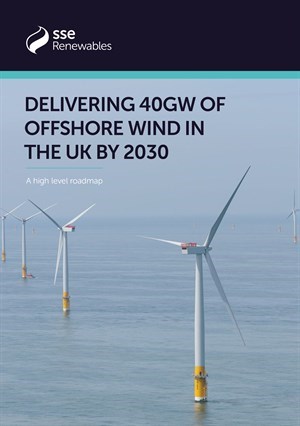
Understanding the US targets is richer when viewed through a global lens. The “40 GW by 2030” figure is often associated with the United Kingdom, which has been a global leader in offshore wind development for decades. The UK government officially committed to this target, recognizing offshore wind as a cornerstone of its net-zero strategy.
Similarly, the European Union has set an even more ambitious collective target of 86-89 GW of offshore renewable energy by 2030, and a staggering 355-366 GW by 2050. These European nations have a significant head start, benefiting from mature supply chains, established regulatory frameworks, and extensive operational experience. Their success provides a valuable blueprint and cautionary tales for the burgeoning US industry.
The US is not alone in its pursuit, nor is it the first. By studying the successes and challenges faced by Europe, America can strategically accelerate its own development, avoiding some of the initial hurdles and leveraging technological advancements.
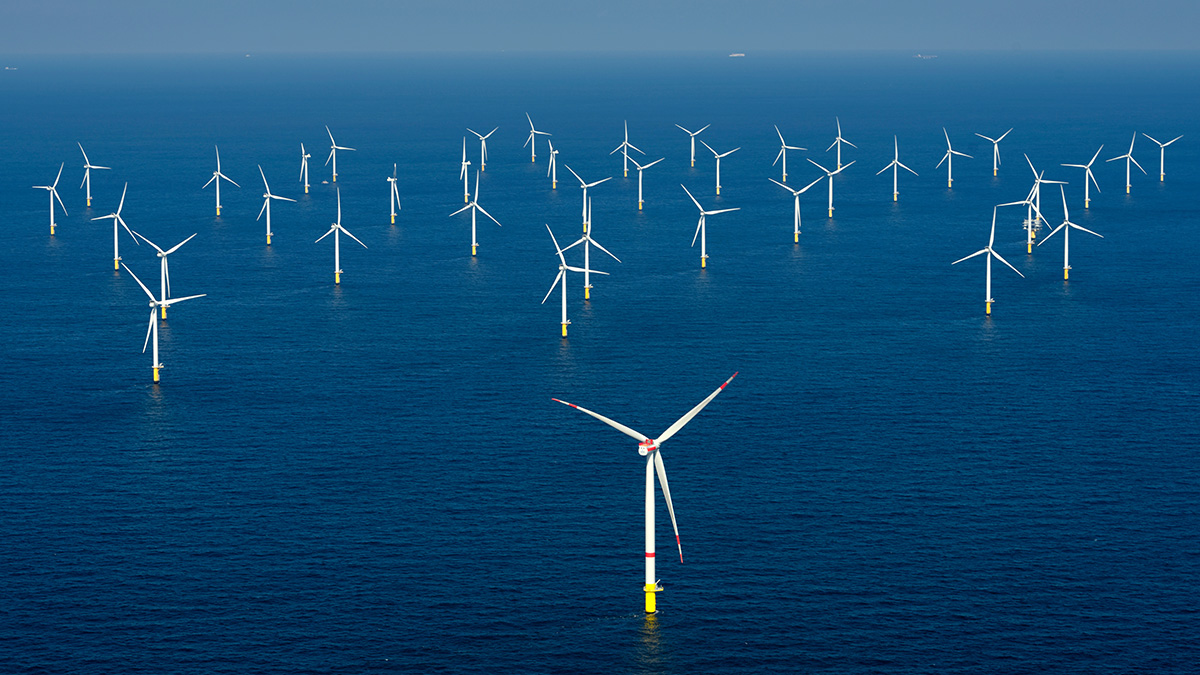
Table: Global Offshore Wind Targets (Selected Regions)
| Region | Target Capacity (GW) | Target Year | Notes |
|---|---|---|---|
| United States | 30 | 2030 | Official Biden-Harris administration goal; 40 GW projected by 2035. |
| United Kingdom | 50 | 2030 | Original target 40 GW, increased to 50 GW (including 5 GW floating) |
| European Union (Collective) | 86-89 | 2030 | Part of broader strategy for 300 GW by 2050. |
| Germany | 30 | 2030 | Specific national target within the EU framework. |
| Japan | 10 | 2030 | Aiming for 30-45 GW by 2040. |
Conclusion: A Vision for American Offshore Wind Power
While the popular headline of “40 GW offshore wind by 2030” might not precisely align with the US’s specific 2030 target, the underlying ambition for massive offshore wind deployment in America is very real. The nation is firmly committed to deploying 30 GW by 2030, and industry projections indicate a path to 40 GW by 2035. This is not merely a semantic distinction but a reflection of a strategic, albeit challenging, journey.
Building this new industry will require sustained political will, innovative financing, significant investment in domestic manufacturing and infrastructure, and continued collaboration across all sectors. The challenges are formidable, but the rewards—a cleaner environment, energy independence, and economic prosperity—are even greater. The turbines rising off America’s coasts will not just generate electricity; they will symbolize a powerful commitment to a sustainable and secure future.
Frequently Asked Questions
What is the official US target for offshore wind by 2030?
The official target set by the Biden-Harris administration for the United States is to deploy 30 gigawatts (GW) of offshore wind capacity by 2030. This goal aims to power over 10 million American homes and significantly reduce carbon emissions.
Is the US expected to reach 40 GW of offshore wind by 2030?
While 40 GW by 2030 is an ambitious target for some international players like the UK, market analysts and industry projections for the US anticipate reaching 40 GW of offshore wind capacity closer to 2035, rather than 2030. The focus for 2030 in the US is on achieving 30 GW.
What are the biggest challenges to deploying offshore wind in the US?
Key challenges include complex and lengthy permitting processes, the need to build out a robust domestic supply chain (e.g., specialized vessels, manufacturing facilities), inflationary pressures and financing hurdles leading to project cancellations, and the necessity to modernize and expand onshore grid infrastructure to handle the new power input. Stakeholder engagement and environmental concerns are also significant factors.
How does the Inflation Reduction Act (IRA) impact US offshore wind?
The Inflation Reduction Act (IRA) is a critical piece of legislation that provides significant financial incentives, such as enhanced tax credits (Investment Tax Credit and Production Tax Credit), for offshore wind projects. These incentives are particularly strong for projects that meet domestic content requirements and adhere to prevailing wage and apprenticeship standards, stimulating US manufacturing and job creation.
How does the US offshore wind target compare to Europe’s goals?
The US target of 30 GW by 2030 is substantial but generally less ambitious than some European nations or the EU collectively, which have been developing offshore wind for decades. For example, the UK aims for 50 GW by 2030, and the European Union has a collective target of 86-89 GW by 2030. Europe benefits from a more mature industry and established supply chains.
What economic benefits does offshore wind bring to the US?
Offshore wind development promises significant economic benefits, including the creation of tens of thousands of high-paying jobs in manufacturing, construction, operations, and maintenance. It also drives billions of dollars in investment into coastal communities, revitalizing ports, stimulating local businesses, and enhancing overall energy independence and security.