
Unlocking Your Home’s Potential: The Definitive Guide to 5kW Residential Wind Turbines
Are you tired of skyrocketing electricity bills? Dreaming of energy independence and a smaller carbon footprint? A 5kW residential wind turbine might just be the powerful, sustainable solution you’ve been looking for. While often overshadowed by solar, a well-placed wind turbine can consistently generate significant clean energy, especially if your property boasts a consistent breeze. But is it right for your home? How much does it cost? What are the practical realities? Let’s cut through the noise and get down to what truly matters. This isn’t just a sales pitch; it’s your comprehensive, no-nonsense guide to understanding if a 5kW residential wind turbine can transform your home’s energy future.
What Exactly is a 5kW Residential Wind Turbine?
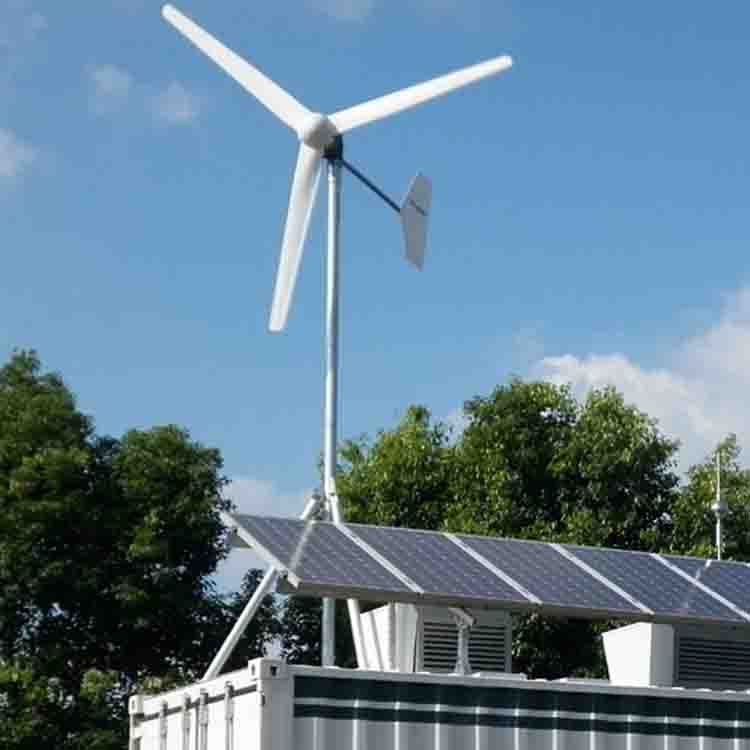
At its core, a 5-kilowatt (5kW) residential wind turbine is a small-scale power generator designed to produce electricity primarily for a single home or a small business. To put it in perspective, 5kW refers to its rated power output – the maximum electricity it can generate under ideal wind conditions. For an average U.S. home consuming around 10,000 kilowatt-hours (kWh) per year, a 5kW turbine, operating efficiently, has the potential to offset a significant portion, if not all, of your annual electricity needs. Think about it: that’s enough to power your refrigerator, lights, HVAC, and all your electronics, turning your property into a mini power plant. These turbines typically feature blades (horizontal or vertical axis) that catch the wind, spinning a rotor connected to a generator. The generator then converts this mechanical energy into usable electricity, which can be fed into your home’s electrical system, stored in batteries, or even sold back to the grid.
Is a 5kW Wind Turbine Right for Your Home? A Suitability Checklist
Before you get swept away by the idea of free wind power, it’s crucial to evaluate if your property is truly a good candidate. Not every home is suitable, and understanding these factors upfront will save you time, money, and potential headaches.
Wind Resource Assessment: Do You Have Enough Wind?
This is the absolute first, non-negotiable step. A wind turbine is only as good as the wind it captures. For a 5kW residential turbine to be economically viable, you generally need an average annual wind speed of at least 10-12 mph (4.5-5.5 m/s). Anything less, and the energy output likely won’t justify the investment. How do you know if you have enough wind?
- Local Wind Maps: Government agencies (like the NREL in the US) often provide detailed wind resource maps.
- Anemometer Study: The most accurate method is to install an anemometer (a wind speed measuring device) on a temporary tower at your proposed turbine height for at least 6-12 months. This gives you site-specific data.
- Neighboring Turbines: Look around. Are there other turbines nearby? While not definitive, it can be a good indicator.
Remember, wind speed increases with height and open terrain. Obstructions like trees, hills, or buildings create turbulence, reducing a turbine’s efficiency.
Space and Siting Requirements
A 5kW turbine isn’t a tiny garden ornament. It requires significant space.
- Tower Height: To access optimal wind, the turbine’s rotor needs to be significantly above any obstacles (trees, buildings) within a few hundred feet. Towers for 5kW residential units typically range from 60 to 120 feet (18-36 meters).
- Setback Rules: Most municipalities have regulations requiring turbines to be set back a certain distance from property lines, roads, and dwellings. This could be 1.5 to 3 times the tower height, meaning you’ll need a sizable plot of land.
- Clearance: The area around the turbine must be clear of obstructions to ensure smooth, laminar airflow, which is critical for efficient operation.
Local Zoning Laws and Permits
This is often the biggest hurdle. Residential wind turbines fall under strict zoning and permitting regulations, which vary widely by county and state.
- Permit Applications: Expect a detailed application process, often requiring engineering plans, site surveys, and noise assessments.
- Height Restrictions: Many areas have strict height limits for structures, which can conflict with the optimal tower height for a wind turbine.
- HOA Considerations: If you live in a homeowner’s association (HOA) community, their rules might prohibit or severely restrict turbine installation, regardless of local zoning.
- Public Hearings: For larger systems or in residential areas, public hearings may be required, allowing neighbors to voice concerns.
My advice: Contact your local planning department early in the process. They can provide specific guidelines and requirements.
Noise and Aesthetics Concerns
Small wind turbines are generally much quieter than their utility-scale counterparts, but they do produce some noise.
- Operational Noise: Modern 5kW turbines are designed to be relatively quiet, often described as a “whooshing” sound, similar to a refrigerator hum or rustling leaves, especially at lower wind speeds. At higher speeds, the sound increases.
- Perception: Even low levels of sound can be perceived as a nuisance, particularly in densely populated areas. This is why setback rules are important.
- Visual Impact: A 100-foot tower with spinning blades is a significant visual presence. Neighbors might object on aesthetic grounds, and local regulations often consider this.
Consider your neighbors and local community landscape. A site visit to an existing residential turbine can give you a realistic idea of the sound and visual impact.
Horizontal Axis vs. Vertical Axis: Which 5kW Turbine is Best for Residential Use?
When considering a 5kW residential wind turbine, you’ll encounter two primary designs: Horizontal Axis Wind Turbines (HAWTs) and Vertical Axis Wind Turbines (VAWTs). Each has distinct characteristics that make them suitable for different applications.
Horizontal Axis Wind Turbines (HAWTs)
These are what most people picture: the classic “windmill” design with propeller-like blades rotating around a horizontal axis.
- Efficiency: HAWTs are generally more efficient at converting wind energy into electricity, especially in consistent, unidirectional winds.
- Maturity: This technology is mature and widely used in both small and large-scale applications.
- Rotor Orientation: They must face directly into the wind, requiring a “yaw” mechanism to constantly adjust their position.
- Tower Height: Typically require taller towers to access higher, less turbulent wind.
- Maintenance: Components are often housed in the nacelle at the top of the tower, making maintenance more complex and costly (requiring special equipment).
Vertical Axis Wind Turbines (VAWTs)
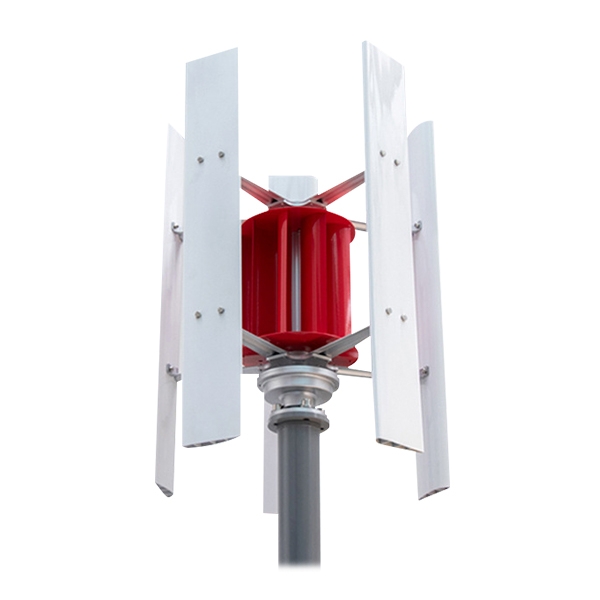
VAWTs feature blades that rotate around a vertical axis. They come in various designs, such as Darrieus (egg-beater shape) or Savonius (S-shaped scoops).
- Omni-Directional: They don’t need to be oriented into the wind, making them suitable for areas with turbulent or frequently changing wind directions.
- Lower Towers: Can operate effectively at lower heights, potentially reducing zoning issues and installation costs.
- Ground-Level Components: Generators and gearboxes are typically located at ground level, simplifying maintenance.
- Noise: Often perceived as quieter due to slower blade tip speeds and ground-level machinery.
- Efficiency: Generally less efficient than HAWTs at the same wind speed, but some modern designs are closing this gap.
- Start-up Wind Speed: Many VAWTs have lower start-up wind speeds, meaning they begin generating power sooner.
Here’s a quick comparison for 5kW residential applications:
Table of Contents
- Unlocking Your Home’s Potential: The Definitive Guide to 5kW Residential Wind Turbines
- What Exactly is a 5kW Residential Wind Turbine?
- Is a 5kW Wind Turbine Right for Your Home? A Suitability Checklist
- Wind Resource Assessment: Do You Have Enough Wind?
- Space and Siting Requirements
- Local Zoning Laws and Permits
- Noise and Aesthetics Concerns
- Horizontal Axis vs. Vertical Axis: Which 5kW Turbine is Best for Residential Use?
- Horizontal Axis Wind Turbines (HAWTs)
- Vertical Axis Wind Turbines (VAWTs)
- The Real Cost of a 5kW Residential Wind Turbine: What to Expect
- Upfront Turbine & Equipment Costs
- Installation Expenses
- Ongoing Maintenance & Insurance
- Maximizing Your Investment: Government Incentives and ROI
- Federal Tax Credits and Programs
- State and Local Incentives
- Calculating Your Return on Investment (ROI)
- The Installation Journey: From Site Survey to Power Generation
- Phase 1: Planning and Permitting
- Phase 2: Foundation and Tower Erection
- Phase 3: Turbine Assembly and Electrical Hookup
- Commissioning and Testing
- Grid-Tied vs. Off-Grid: Connecting Your 5kW Turbine
- Grid-Tied Systems
- Off-Grid Systems
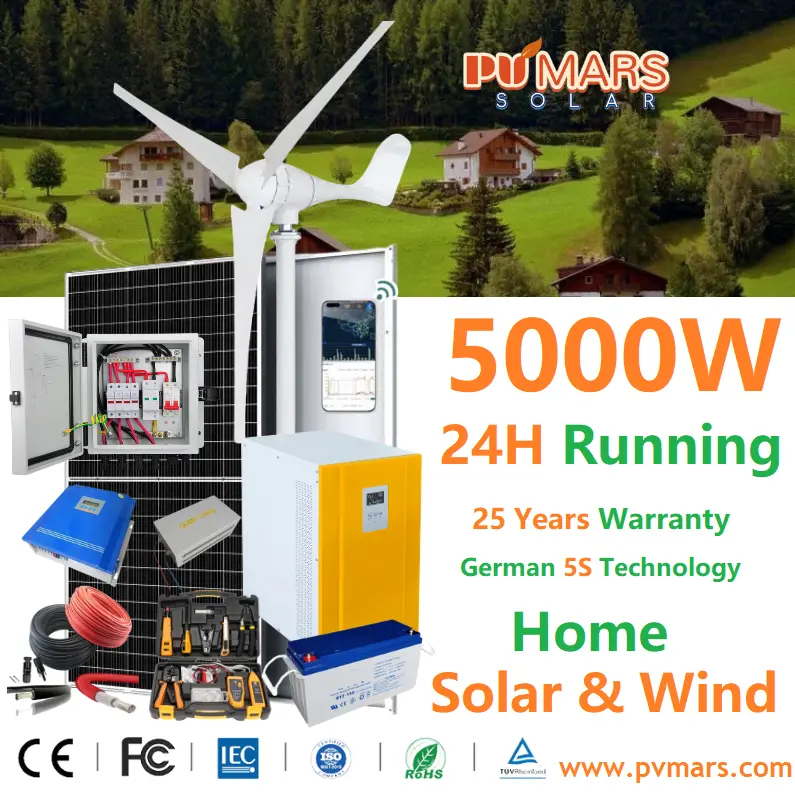
- Hybrid Systems (Wind + Solar)
- Wind vs. Solar: A Balanced Comparison for Homeowners
- Beyond the Basics: Important Considerations for 5kW Wind Power
- Energy Storage Solutions (Batteries)
- Maintenance and Longevity
- Safety Aspects
- Making the Decision: Is a 5kW Residential Wind Turbine For You?
| Feature | Horizontal Axis Wind Turbines (HAWT) | Vertical Axis Wind Turbines (VAWT) |
|---|---|---|
| Efficiency | Generally higher, especially in consistent winds. | Generally lower, but improving; good in turbulent wind. |
| Wind Direction | Requires yaw mechanism to face into the wind. | Omni-directional; no yaw mechanism needed. |
| Tower Height | Typically taller towers (60-120 ft) for optimal wind. | Can operate effectively on shorter towers (40-80 ft). |
| Noise Level | Slightly higher, particularly blade “whooshing.” | Often perceived as quieter; ground-level components. |
| Maintenance | Requires specialized equipment for work at height. | Easier due to ground-level generator and gearbox. |
| Aesthetics | Traditional propeller look, might be more visually imposing. | Often seen as more modern or less intrusive. |
For residential use, the choice often comes down to your specific wind conditions, available space, local regulations, and aesthetic preferences. If you have open, consistent wind, a HAWT might be more efficient. If your site has more turbulent wind or you face height restrictions, a VAWT could be a better fit.
The Real Cost of a 5kW Residential Wind Turbine: What to Expect
Let’s talk money. Investing in a 5kW residential wind turbine is a significant financial commitment. The total cost can vary widely depending on the turbine model, tower type, installation complexity, and your location. It’s not just the turbine itself; there are numerous other components and services involved.
Upfront Turbine & Equipment Costs
This category includes the primary hardware for your system.
- Turbine Unit: The actual wind turbine generator and blades. Prices for a quality 5kW unit typically range from $8,000 to $20,000+. Higher-end models offer better efficiency, durability, and features.
- Inverter: Converts the turbine’s raw AC (or DC if it’s a DC generator) output into usable AC power for your home or the grid. Costs range from $1,500 to $4,000.
- Charge Controller (for battery systems): Regulates the power flow to your battery bank. Expect $500 to $2,000.
- Battery Bank (for off-grid or backup): If you’re going off-grid or want battery backup, this is a substantial cost. A suitable battery bank for a 5kW system could run from $5,000 to $15,000+, depending on capacity and battery chemistry (lead-acid vs. lithium-ion).
- Balance of System (BOS) Components: Wiring, safety disconnects, circuit breakers, grounding equipment, etc. Budget $1,000 to $3,000.
Installation Expenses
This is often where the hidden costs lie, but they are absolutely essential.
- Tower: The structure supporting the turbine. Costs vary significantly with height and type (guyed lattice, tilt-up, freestanding tubular). A 60-100 foot tower can cost anywhere from $4,000 to $15,000+.
- Foundation: A concrete foundation is required to anchor the tower securely. This can be substantial, especially for taller towers, costing $2,000 to $7,000.
- Electrical Work: Running conduit and wiring from the turbine to your home’s electrical panel or battery bank. This requires a licensed electrician and can be $1,000 to $5,000.
- Crane Rental (for larger turbines/towers): A crane is often needed to lift and position the tower sections and the turbine itself. This is a day rate and can be very expensive, $1,000 to $5,000+.
- Labor: Professional installation crews for excavation, assembly, and electrical connections. This is a significant portion of the cost, often calculated per project but typically ranges from $5,000 to $15,000.
- Permits and Inspections: Fees for permits, engineering reviews, and site inspections. These can range from a few hundred to several thousand dollars.
Ongoing Maintenance & Insurance
Don’t forget the long-term costs.
- Routine Maintenance: Annual or bi-annual checks, lubrication, tension adjustments, and inspections. Budget $200 to $500 per year, or more for professional servicing.
- Repairs: Like any mechanical system, parts can wear out. Blades, bearings, or the generator might need replacement over the lifespan.
- Insurance: Your homeowner’s insurance policy may need to be updated to cover the wind turbine. Expect a slight increase in premiums.
Here’s an estimated cost breakdown for a typical 5kW residential wind turbine system in the USA (excluding batteries unless specified for off-grid):
| Cost Category | Estimated Range (USD) | Notes |
|---|---|---|
| Turbine Unit (5kW) | $8,000 – $20,000 | Generator, blades, hub. Varies by brand and quality. |
| Inverter | $1,500 – $4,000 | Converts turbine power for home/grid. |
| Charge Controller (if applicable) | $500 – $2,000 | Required for battery-based systems. |
| Tower (60-100 ft) | $4,000 – $15,000 | Guyed, freestanding, or tilt-up. |
| Foundation | $2,000 – $7,000 | Concrete pad for tower stability. |
| Electrical Wiring & BOS | $2,000 – $8,000 | Conduit, cabling, disconnects, grounding. |
| Installation Labor | $5,000 – $15,000 | Site prep, assembly, electrical hookup. |
| Crane Rental | $1,000 – $5,000 | Often required for tower/turbine lift. |
| Permits & Engineering | $500 – $3,000 | Varies widely by location. |
| Optional: Battery Bank | $5,000 – $15,000+ | For off-grid or significant backup. |
| TOTAL ESTIMATED COST (Grid-Tied) | $24,500 – $79,000+ | Wide range due to variables. |
As you can see, the initial investment for a 5kW residential wind turbine system is substantial, potentially ranging from $25,000 to nearly $80,000 or more, before any incentives.
Maximizing Your Investment: Government Incentives and ROI
While the upfront cost can be daunting, various incentives can significantly reduce your out-of-pocket expenses and improve your return on investment (ROI).
Federal Tax Credits and Programs
The most significant federal incentive is often the Investment Tax Credit (ITC), sometimes called the federal solar tax credit, which also applies to qualified small wind energy property.
- Current ITC Rate: As of late 2023, the ITC provides a 30% tax credit for eligible systems placed in service. This means 30% of your total system cost can be deducted from your federal tax liability. For example, a $50,000 system could net you a $15,000 tax credit.
- Eligibility: The system must be new and placed in service within the tax year. Check IRS guidelines for the latest details.
State and Local Incentives
Beyond federal programs, many states, municipalities, and even utilities offer additional incentives. These can include:
- Rebates: Direct payments for installing renewable energy systems.
- Grants: Especially for rural or agricultural properties.
- Property Tax Exemptions: Preventing your property taxes from increasing due to the added value of the wind turbine.
- Sales Tax Exemptions: Waiving sales tax on the purchase of equipment.
- Renewable Energy Certificates (RECs) or SRECs: You can sell certificates representing the clean energy your turbine generates, creating an additional income stream.
Pro Tip: Use resources like the Database of State Incentives for Renewables & Efficiency (DSIRE) to find specific programs available in your area.
Calculating Your Return on Investment (ROI)
The ROI for a wind turbine comes primarily from two sources:
- Energy Savings: The most direct benefit. By generating your own electricity, you reduce or eliminate your monthly utility bills. Calculate your average monthly kWh usage and multiply it by your electricity rate to estimate savings.
- Incentives: As discussed, tax credits, rebates, and RECs directly reduce costs or provide income.
- Increased Property Value: While harder to quantify, homes with sustainable energy systems often command a higher market value.
The payback period (the time it takes for your savings and incentives to offset the initial investment) for a 5kW residential wind turbine can range anywhere from 8 to 20+ years, depending heavily on your wind resource, electricity rates, and available incentives. In areas with high electricity costs and strong wind, the ROI can be very attractive.
The Installation Journey: From Site Survey to Power Generation
Installing a 5kW residential wind turbine is a multi-step project that requires careful planning, professional expertise, and adherence to safety standards. Here’s a general overview of what you can expect.
Phase 1: Planning and Permitting
This foundational stage is critical for avoiding costly mistakes later on.
- Site Assessment: A qualified installer will conduct a thorough site visit to assess wind resources, terrain, obstructions, and identify the best location for the turbine and tower.
- Wind Data Collection: If a long-term anemometer study hasn’t been done, the installer might use wind mapping tools and historical data to project energy output.
- System Design: Based on the assessment, the installer designs the optimal system, including turbine model, tower height, inverter, and electrical layout.
- Permit Application: This involves submitting detailed plans, engineering drawings, and environmental impact assessments to local authorities. Expect this phase to take several weeks to months.
Phase 2: Foundation and Tower Erection
Once permits are secured, the physical construction begins.
- Foundation Excavation: Digging the necessary trench or hole for the tower’s concrete foundation.
- Concrete Pour: Pouring and curing the concrete foundation, which can take several days to weeks to reach full strength.
- Tower Assembly: The tower sections are transported to the site and assembled, either horizontally on the ground for tilt-up towers or vertically in sections for freestanding towers.
Phase 3: Turbine Assembly and Electrical Hookup
This is when your system starts to look like a wind turbine!
- Turbine Mounting: The generator, nacelle, and blades are assembled (if not pre-assembled) and then carefully hoisted and attached to the top of the tower. This often requires a crane.
- Electrical Wiring: Licensed electricians connect the turbine’s wiring down the tower to the inverter and then to your home’s main electrical panel (for grid-tied) or battery bank (for off-grid).
- Grounding and Safety: Ensuring the system is properly grounded and includes all necessary safety disconnects.
Commissioning and Testing
The final exciting step!
- System Check: A thorough inspection of all components, connections, and safety features.
- Testing: The turbine is started, and its performance is monitored to ensure it’s generating power as expected and communicating correctly with the inverter and grid.
- Utility Interconnection (for grid-tied): If you’re connecting to the grid, the utility company will perform a final inspection and grant approval for interconnection and net metering.
From start to finish, a 5kW residential wind turbine installation can take anywhere from 3 to 6 months or even longer, largely due to permitting timelines. Patience is key!
Grid-Tied vs. Off-Grid: Connecting Your 5kW Turbine
How your wind turbine delivers power to your home is a crucial design decision, primarily falling into grid-tied or off-grid categories.
Grid-Tied Systems
The most common setup for residential wind turbines in areas with access to the utility grid.
- Net Metering: When your turbine produces more electricity than your home consumes, the excess is sent back to the utility grid, and your meter effectively runs backward. You typically receive credits for this excess generation, which can be used to offset future bills (e.g., on calm days).
- Reliability: You remain connected to the utility grid, providing a reliable backup source of power when the wind isn’t blowing strongly enough.
- No Batteries Needed (Optional Backup): Grid-tied systems don’t require batteries, making them simpler and less expensive initially. However, adding a battery backup system can provide power during grid outages.
Off-Grid Systems
Ideal for remote locations without grid access, or for homeowners seeking complete energy independence.
- Battery Storage: Essential for off-grid systems. All generated electricity is stored in a battery bank, which then powers your home.
- Energy Independence: You are entirely self-sufficient, immune to power outages and rising utility rates.
- System Sizing: Requires careful sizing of the turbine, battery bank, and inverter to meet your daily energy demands, even during extended periods of low wind. You must account for “days of autonomy.”
- Higher Cost: The significant cost of a large battery bank and potentially a backup generator makes off-grid systems considerably more expensive than grid-tied ones.
Hybrid Systems (Wind + Solar)
Often the most robust and reliable solution, especially for off-grid or critical backup applications.
- Complementary Generation: Wind and solar power often complement each other. Wind typically blows stronger in winter months and at night, while solar peaks in summer and during the day.
- Increased Reliability: Combining both sources ensures more consistent power generation, reducing reliance on any single weather pattern.
- Optimized Battery Use: With two sources feeding the battery bank, you can often size your battery bank more efficiently and extend its life.
Deciding between grid-tied, off-grid, or hybrid depends on your location, energy goals, and budget.
Wind vs. Solar: A Balanced Comparison for Homeowners
You’re looking into renewable energy, which is fantastic! Often, the choice comes down to wind or solar. While both generate clean electricity, they each have distinct advantages and disadvantages, especially for residential applications.
- Solar (Photovoltaic) Panels:
- Pros: Widely adopted, proven technology; relatively easy to install on rooftops or ground mounts; less complex permitting in many areas; quiet operation; minimal moving parts, leading to lower maintenance.
- Cons: Only generates power during daylight hours; efficiency decreases on cloudy days; seasonal variations in output; requires unobstructed sunlight; roof space can be a limiting factor.
- Wind Turbines (5kW Residential):
- Pros: Can generate power 24/7 if there’s wind; often produces more energy per square foot of land than solar (once tower footprint is accounted for); excellent for regions with consistent wind but less sunshine.
- Cons: High upfront cost; specific wind resource requirements; significant space needed for tower and setbacks; complex permitting and zoning; potential noise and aesthetic concerns; more moving parts leading to slightly higher maintenance needs.
Here’s a comparative look:
| Feature | 5kW Residential Wind Turbine | 5kW Residential Solar System (approx. 15-20 panels) |
|---|---|---|
| Energy Output Profile | Day and night, when wind blows; stronger in winter. | Daylight hours only; stronger in summer. |
| Space Requirements | Large area for tower, foundation, setbacks. | Roof space or ground mount area. |
| Upfront Cost (before incentives) | $25,000 – $80,000+ | $15,000 – $30,000 |
| Permitting Complexity | Highly complex; often involves zoning, height variances. | Generally simpler, but still requires permits. |
| Maintenance | Annual checks, potential for mechanical repairs. | Minimal, occasional cleaning, inverter checks. |
| Noise/Aesthetics | Can have audible noise and significant visual impact. | Silent operation, often blends with roofline. |
In many cases, a hybrid wind and solar system offers the best of both worlds, providing a more consistent and resilient energy supply. However, if your property has exceptional wind resources and limited sun exposure, or if you prefer the unique aesthetic, a wind turbine could be the superior choice.
Beyond the Basics: Important Considerations for 5kW Wind Power
There are a few more critical aspects to consider when thinking about integrating a 5kW wind turbine into your home energy strategy.
Energy Storage Solutions (Batteries)
While not strictly required for grid-tied systems, batteries play a crucial role in enhancing the value and reliability of your wind turbine.
- Off-Grid Necessity: For homes entirely disconnected from the utility grid, a robust battery bank is non-negotiable. It stores excess power generated during windy periods for use during calm spells.
- Grid-Tied Backup: Even with a grid connection, batteries provide critical backup power during outages, ensuring your essential loads remain operational. They can also enable “peak shaving,” where you draw from batteries during high-cost peak utility hours.
- Battery Types: Common options include lead-acid (more affordable upfront, shorter lifespan) and lithium-ion (higher upfront cost, longer lifespan, better efficiency).
Adding batteries will significantly increase the overall system cost, but it dramatically boosts energy resilience and independence.
Maintenance and Longevity
A 5kW wind turbine is a mechanical marvel, and like any machinery, it requires care to ensure a long, productive life.
- Expected Lifespan: A well-maintained residential wind turbine can last 20-25 years or more, similar to solar panels.
- Routine Checks: Annual inspections are recommended. This includes checking blade integrity, tower guy wire tension (if applicable), lubrication of moving parts, and inspecting electrical connections.
- Professional Servicing: Some tasks, like gearbox inspection or replacing major components, will require a qualified wind technician.
- Monitoring: Modern systems often come with monitoring software, allowing you to track performance, identify issues early, and ensure optimal operation.
Factoring in maintenance costs and scheduling regular checks is vital for protecting your investment.
Safety Aspects
Safety is paramount during installation and operation.
- Professional Installation: Never attempt a DIY installation for a system of this size. It involves working at heights, heavy lifting, and complex electrical connections.
- Lightning Protection: Wind turbines are tall, exposed structures and must be adequately grounded and equipped with lightning protection systems to prevent damage during storms.
- Automatic Shutdown: Modern turbines include safety features like automatic shutdowns during extremely high winds or grid outages, protecting the turbine and preventing back-feeding the grid.
Adhering to manufacturer guidelines and local electrical codes is non-negotiable for safe operation.
Making the Decision: Is a 5kW Residential Wind Turbine For You?
Investing in a 5kW residential wind turbine is a powerful step towards energy independence and environmental stewardship. But it’s not a decision to be taken lightly. Before committing, honestly assess your property’s wind resources, available space, local regulations, and budget. If you live in a rural or semi-rural area with consistent, unobstructed wind, sufficient land, and a willingness to navigate the permitting process, a 5kW turbine could be an exceptional investment, potentially eliminating your electricity bills for decades. It offers a unique advantage over solar in its ability to generate power around the clock, whenever the wind blows. By carefully weighing the costs against the long-term savings, incentives, and the undeniable satisfaction of generating your own clean power, you can determine if joining the ranks of residential wind energy producers is the right move for your home. Start by contacting a reputable local wind energy installer for a comprehensive site assessment and a detailed quote. They can help you navigate the complexities and unlock your home’s wind potential.
Frequently Asked Questions
How much does a 5kW residential wind turbine actually cost?
The total cost for a fully installed 5kW residential wind turbine system in the USA typically ranges from $25,000 to $80,000 or more, depending on the turbine model, tower height, installation complexity, and whether you include battery storage. This includes the turbine unit, tower, foundation, inverter, electrical work, labor, and permits.
How much electricity can a 5kW residential wind turbine produce?
A 5kW wind turbine can potentially generate between 8,000 and 15,000 kWh per year, depending heavily on your site’s average annual wind speed. An average U.S. home consumes about 10,000 kWh annually, so a 5kW turbine can significantly offset or even cover your electricity needs in a good wind resource area.
What average wind speed is needed for a 5kW residential wind turbine?
For a 5kW residential wind turbine to be economically viable and produce sufficient electricity, your property should ideally have an average annual wind speed of at least 10-12 mph (4.5-5.5 meters per second). Higher wind speeds lead to significantly greater electricity generation.
Are 5kW residential wind turbines noisy?
Modern 5kW residential wind turbines are designed to be much quieter than large industrial turbines. They typically produce a “whooshing” sound, often compared to rustling leaves or a low hum. However, perceived noise levels can vary, especially at higher wind speeds, making proper siting and setback from homes important.
Can a 5kW wind turbine power my whole house?
Yes, in many cases, a 5kW wind turbine can power an entire average-sized home, especially if your property has excellent wind resources. An average U.S. home consumes around 10,000 kWh/year, and a well-sited 5kW turbine can generate this much or more. For complete energy independence (off-grid), it would require a robust battery storage system.
How long do 5kW residential wind turbines last?
With proper installation, regular maintenance, and favorable operating conditions, a high-quality 5kW residential wind turbine is designed to last 20 to 25 years or even longer. Key components like bearings and blades may require periodic inspection or replacement over this lifespan.
Do I need permits for a 5kW residential wind turbine?
Absolutely. Installing a 5kW residential wind turbine almost always requires multiple permits, including zoning permits, building permits, and electrical permits. Local regulations vary widely, and you may encounter height restrictions, setback requirements, and aesthetic considerations. It’s crucial to consult your local planning department early in the process.

:max_bytes(150000):strip_icc()/wind-turbine-generator-on-house-roof-90967703-b9619befbf954726ae92dfb6154711f2.jpg)