
Vesterhav Nord Offshore Wind Farm: A Deep Dive into Denmark’s Renewable Powerhouse
Offshore wind power isn’t just a buzzword; it’s a cornerstone of the global energy transition. And when we talk about significant advancements in this field, it’s impossible to overlook projects like the Vesterhav Nord Offshore Wind Farm. Nestled off the picturesque west coast of Denmark, Vesterhav Nord represents more than just a collection of turbines; it’s a testament to engineering prowess, strategic planning, and a deep commitment to sustainable energy future.
Table of Contents
- Vesterhav Nord Offshore Wind Farm: A Deep Dive into Denmark’s Renewable Powerhouse
- What Exactly is the Vesterhav Nord Offshore Wind Farm?
- Unpacking the Power: Key Facts and Figures for Vesterhav Nord
- Location and Proximity to Shore
- Capacity and Turbines: The Engine Room of Nord
- Project Ownership and Key Players
- Construction Timeline: From Vision to Operation
- Vesterhav Nord vs. Vesterhav Syd: Understanding the Dynamic Duo
- Shared Vision, Distinct Features
- Why Two Separate Farms?
- The Journey to Completion: Key Milestones and Challenges
- Overcoming Local Concerns
- Construction Logistics: A Symphony of Engineering
- Inauguration and Grid Connection
- More Than Just Turbines: The Impact of Vesterhav Nord
- Boosting Denmark’s Green Transition
- Economic Contributions and Local Benefits
- Environmental Stewardship
- The Future of Offshore Wind: What Vesterhav Nord Teaches Us
- A Model for Sustainable Energy Development
- Continuous Innovation and Optimization
- Vesterhav Nord: A Beacon of Offshore Wind Success
If you’re looking for the definitive source on Vesterhav Nord – its specifications, its story, and its impact – you’ve landed in the right place. We’re going to peel back the layers and explore everything there is to know about this remarkable renewable energy asset, cutting through the noise to give you clear, actionable insights.
What Exactly is the Vesterhav Nord Offshore Wind Farm?
At its heart, the Vesterhav Nord Offshore Wind Farm is a large-scale renewable energy project situated in the Danish sector of the North Sea. Developed and operated by the Swedish state-owned energy company Vattenfall, it’s a vital component of Denmark’s ambitious plan to transition away from fossil fuels and become a leader in green energy production. Inaugurated in late 2023, this wind farm, alongside its sister project Vesterhav Syd, began feeding clean electricity into the Danish grid, marking a significant milestone.
It’s designed not just to generate power, but to do so efficiently and sustainably, leveraging the powerful offshore winds of the North Sea. The strategic location, the advanced turbine technology, and the meticulous planning behind Vesterhav Nord make it a fascinating case study in modern offshore wind development.
Unpacking the Power: Key Facts and Figures for Vesterhav Nord
To truly appreciate Vesterhav Nord, let’s break down its core characteristics. These aren’t just numbers; they tell a story of scale, capability, and environmental commitment.
Location and Proximity to Shore
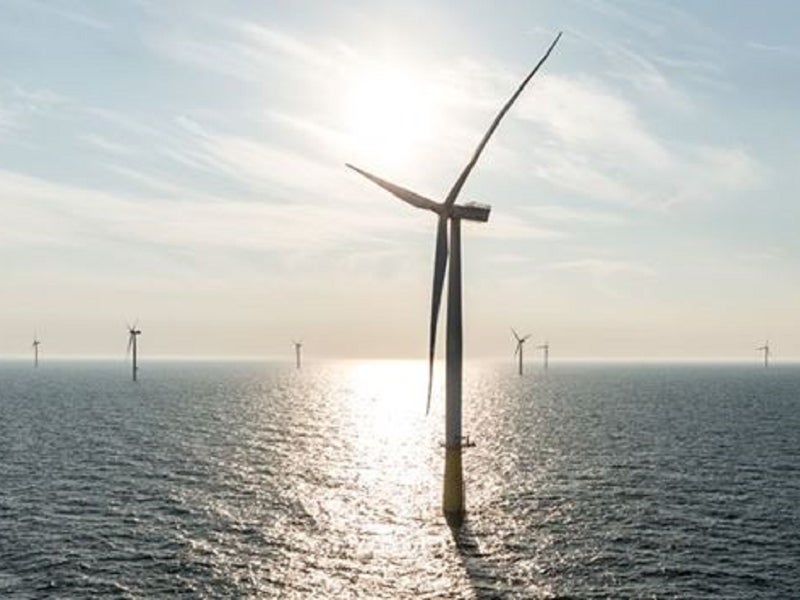
Vesterhav Nord is strategically located approximately 10 kilometers off the coast of Thyborøn on the west coast of Jutland, Denmark. Its sister project, Vesterhav Syd, is closer to Hvide Sande. This proximity to shore, while still offshore, presented unique challenges and considerations for both construction and local engagement, which we’ll delve into shortly. The specific area covered by Vesterhav Nord spans approximately 39.6 square kilometers, providing ample space for its powerful turbines.
Capacity and Turbines: The Engine Room of Nord
The Vesterhav Nord project boasts an impressive installed capacity of 176 MW (megawatts). This substantial output is generated by a fleet of 21 Siemens Gamesa 8.4 MW wind turbines. Each turbine is a marvel of modern engineering, designed to efficiently capture wind energy and convert it into electricity, even in the challenging marine environment of the North Sea. When fully operational, this capacity is enough to power approximately 170,000 Danish households, making a significant dent in the nation’s energy demands and carbon footprint.
Project Ownership and Key Players
As mentioned, the developer and operator of Vesterhav Nord is Vattenfall, a multinational power company with a strong commitment to renewable energy. Their expertise in large-scale energy projects was crucial in bringing Vesterhav Nord to fruition. Key partners in the construction and installation phases included companies like Jan De Nul Group, responsible for the transport and installation of the turbines, highlighting the collaborative nature of such mega-projects.
Construction Timeline: From Vision to Operation
The journey from concept to full operation for offshore wind farms is typically long and complex. For Vesterhav Nord, extensive planning, environmental impact assessments, and local consultations preceded the physical construction phase. The project saw its turbines transported and installed, followed by commissioning and grid connection, culminating in its official inauguration in late 2023. This timeline showcases the dedication required to bring such a significant renewable energy source online.
Here’s a quick overview of Vesterhav Nord’s vital statistics:
| Feature | Detail for Vesterhav Nord |
|---|---|
| Installed Capacity | 176 MW |
| Number of Turbines | 21 |
| Turbine Model | Siemens Gamesa 8.4 MW |
| Developer/Operator | Vattenfall |
| Location | Off Thyborøn, West Coast of Jutland, Denmark |
| Distance from Shore | ~10 kilometers |
| Total Area | 39.6 square kilometers |
| Estimated Households Powered | ~170,000 |
Vesterhav Nord vs. Vesterhav Syd: Understanding the Dynamic Duo
You’ll often hear Vesterhav Nord mentioned in the same breath as Vesterhav Syd. And for good reason! They are twin projects, developed concurrently by Vattenfall, off the same stretch of Denmark’s west coast. While sharing a common vision and many characteristics, they are distinct entities with their own specific details.
Shared Vision, Distinct Features
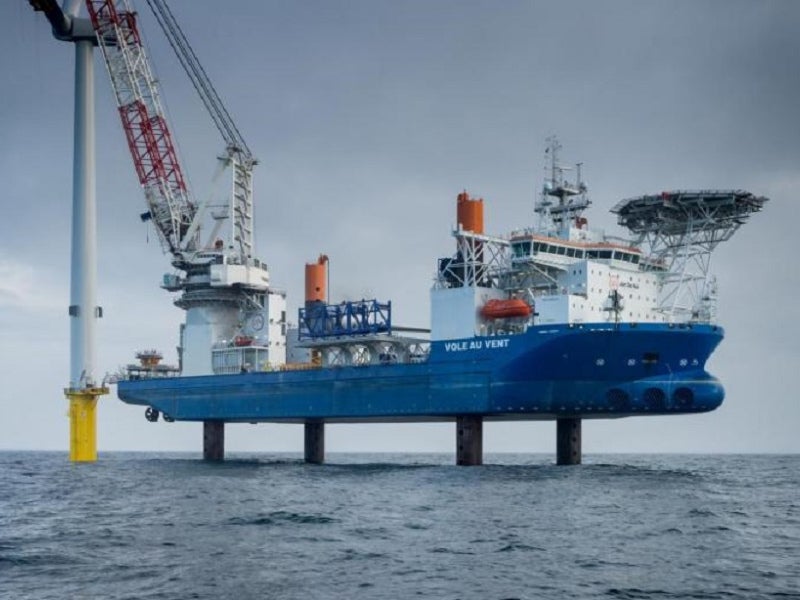
Both Vesterhav Nord and Vesterhav Syd are designed to harness the strong North Sea winds to generate clean, renewable electricity. They both utilize the same powerful Siemens Gamesa 8.4 MW turbines and share Vattenfall as their developer. The combined capacity of both projects is an impressive 344 MW.
However, they differ in size and exact location. Vesterhav Nord, as we’ve discussed, is situated further north and has a slightly larger capacity due to having one more turbine than its southern counterpart. Understanding these distinctions is crucial for a complete picture of Denmark’s offshore wind strategy.
Why Two Separate Farms?
Developing two distinct, albeit closely related, wind farms can offer several advantages. It might be due to differing seabed conditions, varying distances from shore, or optimizing grid connection points. From a regulatory perspective, it can also simplify permitting processes or allow for phased development. For Vattenfall, approaching these as a ‘duo’ allowed for efficiencies in procurement, logistics, and shared expertise, while still tailoring each project to its specific geographical constraints.
Let’s look at how they compare:
| Feature | Vesterhav Nord | Vesterhav Syd |
|---|---|---|
| Installed Capacity | 176 MW | 168 MW |
| Number of Turbines | 21 | 20 |
| Turbine Model (Each) | Siemens Gamesa 8.4 MW | Siemens Gamesa 8.4 MW |
| Combined Capacity | 344 MW | |
| Location | Off Thyborøn | Off Hvide Sande |
| Distance from Shore | ~10 kilometers | ~5.5 to 8 kilometers |
| Developer/Operator | Vattenfall | Vattenfall |
The Journey to Completion: Key Milestones and Challenges
Building an offshore wind farm isn’t like building a house. It’s a colossal undertaking that involves years of planning, overcoming environmental hurdles, engaging with local communities, and deploying highly specialized marine engineering. Vesterhav Nord’s journey is a prime example of this complex process.
Overcoming Local Concerns
One of the most significant aspects of Vesterhav Nord’s development was the extensive dialogue with local communities, particularly in areas like Thyborøn. Early on, concerns were raised regarding the visual impact of the turbines, potential effects on local fishing industries, and other environmental considerations. Vattenfall engaged in what they described as some of the most thorough local dialogues in the history of Danish offshore wind. This engagement led to adaptations and commitments to ensure the project was not only environmentally sound but also integrated respectfully with the local way of life. For instance, measures were often put in place to support the local fishing industry and ensure coexistence, demonstrating that large-scale renewable projects can be developed with local interests in mind.
Construction Logistics: A Symphony of Engineering
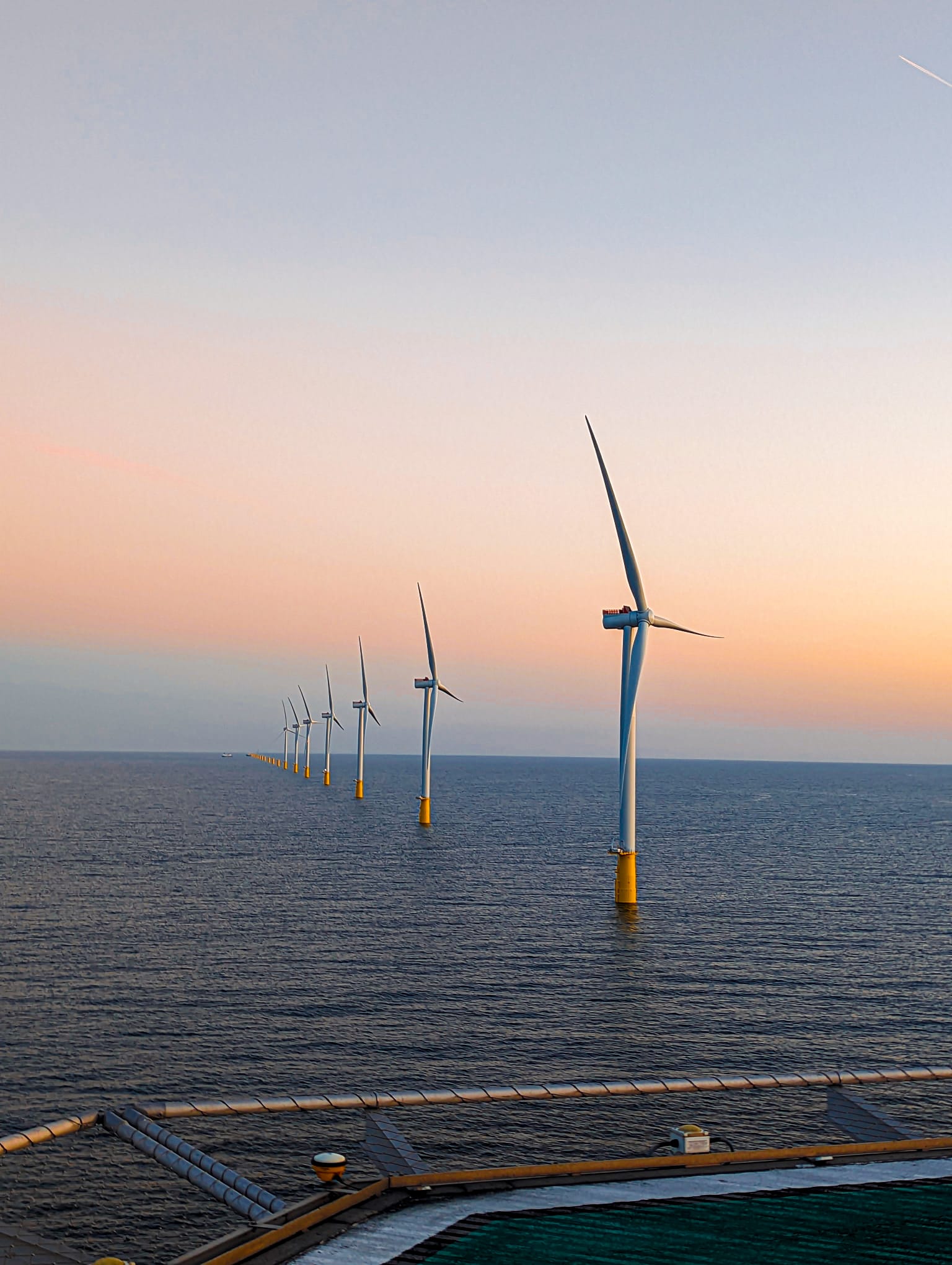
The actual construction phase was a logistical marvel. Imagine transporting massive turbine components – blades, nacelles, and tower sections – to a precise location kilometers offshore, then assembling them in often challenging weather conditions. Specialized vessels and highly trained crews were essential. Jan De Nul Group, a Belgian dredging and marine construction company, played a crucial role in the transport and installation of the 41 Siemens Gamesa 8.4 MW wind turbines for both Vesterhav Nord and Syd. This involved complex heavy lifting operations and precise positioning, a testament to the cutting-edge engineering required for such projects. The assembly of each turbine, from the foundations deep in the seabed to the tip of the blades, required synchronized efforts and adherence to strict safety protocols.
Inauguration and Grid Connection
The successful installation and commissioning of all turbines led to the official inauguration of Vesterhav Nord (and Syd) in late 2023. This event was not just a formality; it marked the moment these powerful machines officially began supplying green electricity to the Danish national grid. The grid connection itself is a complex infrastructure project, involving submarine cables that bring the generated power ashore and link it into the existing electricity network. This final step is critical, transforming raw wind energy into usable power for homes and businesses.
More Than Just Turbines: The Impact of Vesterhav Nord
Vesterhav Nord’s significance extends far beyond its physical infrastructure. It plays a crucial role in Denmark’s energy landscape and offers broader lessons for the global renewable energy transition.
Boosting Denmark’s Green Transition
Denmark has consistently been at the forefront of renewable energy, especially wind power. Projects like Vesterhav Nord are instrumental in helping the nation achieve its ambitious climate targets. By generating 176 MW of clean electricity, the farm significantly reduces reliance on fossil fuels, contributing to a substantial decrease in CO2 emissions. This moves Denmark closer to its goal of a fully fossil-free energy system, demonstrating a tangible commitment to fighting climate change on a national scale.
Economic Contributions and Local Benefits
While some local concerns were initially raised, the construction and ongoing operation of Vesterhav Nord also bring substantial economic benefits. This includes:
- Job Creation: Both direct and indirect jobs were created during the development, construction, and operational phases, benefiting local communities.
- Supply Chain Development: The project stimulated activity in various sectors, from engineering and logistics to maintenance and support services.
- Regional Investment: Vattenfall’s investment in the region provides a long-term economic boost, attracting further green energy-related businesses and expertise.
- Technological Advancement: The demands of such a project drive innovation in offshore engineering, benefiting the broader industry.
Furthermore, Vattenfall’s engagement with local fishermen for innovative solutions, such as using parts of the wind farm area for passive fishing, demonstrates a proactive approach to sharing marine resources and creating local value.
Environmental Stewardship
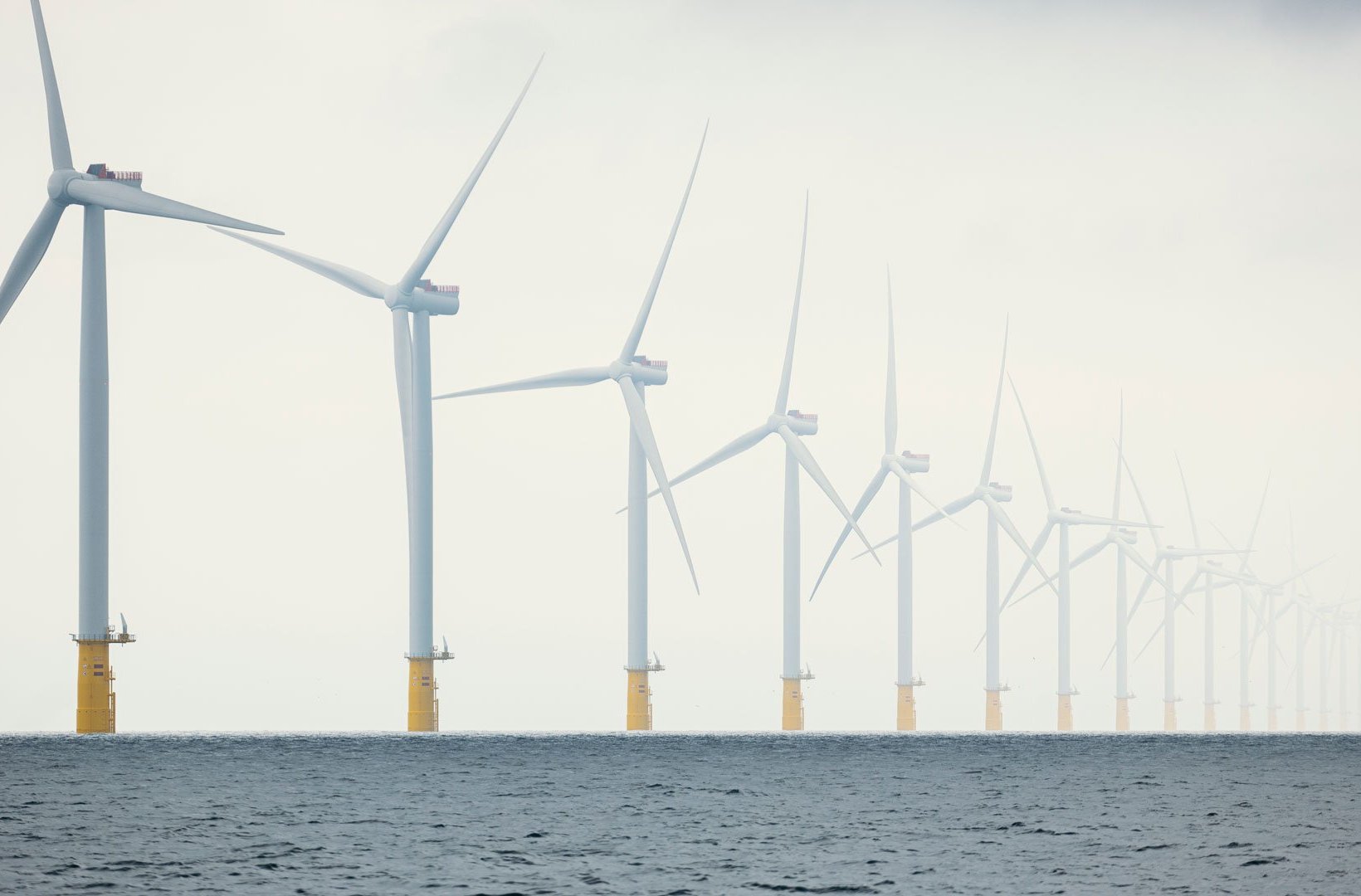
Beyond reducing carbon emissions, modern offshore wind farms like Vesterhav Nord are designed with environmental stewardship in mind. Extensive studies are conducted to minimize impact on marine ecosystems, bird migration, and local wildlife. During the operational phase, continuous monitoring ensures that the farm operates in harmony with its natural surroundings. Occasionally, specific turbines may undergo maintenance, such as the temporary removal of blades for service, as observed on one of Vesterhav Nord’s turbines – a process that speaks to the ongoing commitment to maintain efficiency and environmental integrity.
The Future of Offshore Wind: What Vesterhav Nord Teaches Us
Vesterhav Nord isn’t just an endpoint; it’s a stepping stone. Its successful development and operation offer valuable insights and pave the way for future projects, both in Denmark and globally.
A Model for Sustainable Energy Development
The project showcases how large-scale renewable energy infrastructure can be integrated into national energy grids. It demonstrates that with careful planning, robust engineering, and genuine stakeholder engagement, it’s possible to build significant energy assets that contribute positively to the environment and economy. Vesterhav Nord stands as a powerful example of how to execute complex offshore wind projects effectively, setting a precedent for future developments.
Continuous Innovation and Optimization
The offshore wind industry is characterized by rapid innovation. From larger, more efficient turbines to advanced installation techniques and smarter grid integration, the technology is constantly evolving. Vesterhav Nord’s successful deployment of 8.4 MW turbines, which were cutting-edge at the time of development, highlights the industry’s drive for continuous improvement. Lessons learned from its operation, including maintenance schedules and performance optimization, will feed into the design and execution of subsequent wind farms, ensuring even greater efficiency and reliability in the future.
Vesterhav Nord: A Beacon of Offshore Wind Success
The Vesterhav Nord Offshore Wind Farm stands as a powerful symbol of Denmark’s commitment to a greener future and a global benchmark for offshore wind development. With its 21 powerful turbines generating 176 MW of clean electricity, it significantly contributes to powering Danish homes and reducing carbon emissions. Its journey, marked by extensive local engagement, cutting-edge engineering, and successful grid integration, offers invaluable lessons for the ongoing global energy transition.
As we navigate the complexities of climate change and energy security, projects like Vesterhav Nord illuminate the path forward, demonstrating that ambitious renewable energy goals are not only achievable but essential for a sustainable planet. It’s a true powerhouse, not just in terms of electricity generation, but also as an inspiration for the next generation of green energy solutions.

Frequently Asked Questions
What is the installed capacity of the Vesterhav Nord Offshore Wind Farm?
The Vesterhav Nord Offshore Wind Farm has an installed capacity of 176 MW (megawatts), making it a significant contributor to Denmark’s renewable energy supply.
Where is the Vesterhav Nord Offshore Wind Farm located?
Vesterhav Nord is located approximately 10 kilometers off the coast of Thyborøn, on the west coast of Jutland, Denmark, in the Danish sector of the North Sea.
Who developed and operates Vesterhav Nord?
The Vesterhav Nord Offshore Wind Farm was developed and is operated by Vattenfall, a Swedish state-owned multinational power company.
How many turbines does Vesterhav Nord have, and what is their individual capacity?
Vesterhav Nord features 21 wind turbines, each with an individual capacity of 8.4 MW. These are Siemens Gamesa turbines.
What is the primary purpose of the Vesterhav Nord Offshore Wind Farm?
Its primary purpose is to generate clean, renewable electricity from offshore wind, significantly contributing to Denmark’s green energy transition and reducing its carbon emissions.
How far is Vesterhav Nord from the Danish coastline?
The Vesterhav Nord Offshore Wind Farm is located approximately 10 kilometers from the Danish coastline.
Is Vesterhav Nord part of a larger wind farm project?
Yes, Vesterhav Nord is part of a twin project alongside Vesterhav Syd. Together, they form a combined offshore wind farm with a total capacity of 344 MW, though they are distinct entities.
