
North Sea Wind Farms: The Definitive Facts You Need to Know
Ever wondered about the colossal structures spinning out in the North Sea, quietly powering millions of homes? You’re not alone. The North Sea has emerged as an undisputed titan in the world of renewable energy, a vast natural resource being harnessed by an ambitious lineup of countries to deliver clean, sustainable power. It’s not just a European story; it’s a global blueprint for tackling climate change and securing energy independence.
Table of Contents
- North Sea Wind Farms: The Definitive Facts You Need to Know
- Why the North Sea? The Ideal Conditions for Offshore Wind Power
- Geographical Advantages and Wind Resources
- Shallow Waters and Stable Seabed
- Proximity to High Energy Demand
- The Astonishing Scale: Key Statistics and Major Projects
- Unpacking the Numbers: Current Capacity and Future Projections
- Flagship Farms: A Look at the Giants
- The Mega-Projects on the Horizon (e.g., North Sea Wind Power Hub)
- How North Sea Wind Farms Work: Technology and Innovation
- Turbine Design and Foundations (Fixed-Bottom vs. Floating)
- Subsea Cables and Grid Connection
- The Concept of Energy Islands and Hybrid Assets
- Environmental Impact: Balancing Green Energy with Ecological Concerns
- The Good: Carbon Reduction and Climate Benefits
- The Bad & The Ugly: Marine Life, Habitat Disturbance, and Noise Pollution
- Mitigation Strategies and Research Efforts
- Economic Impact and Energy Security
- Investment, Job Creation, and Supply Chain Development
- Boosting Energy Independence for Europe
- Cost Reduction Over Time: The Learning Curve
- The Future of North Sea Wind: Challenges and Opportunities
- Grid Integration and Interconnection Challenges
- Policy, Regulation, and Cross-Border Cooperation
- Innovation Beyond Electricity: Green Hydrogen Production
- The North Sea: A Beacon for Global Renewable Energy
- North Sea Wind Farms: The Definitive Facts You Need to Know
- Why the North Sea? The Ideal Conditions for Offshore Wind Power
- Geographical Advantages and Wind Resources
- Shallow Waters and Stable Seabed
- Proximity to High Energy Demand
- The Astonishing Scale: Key Statistics and Major Projects
- Unpacking the Numbers: Current Capacity and Future Projections
- Flagship Farms: A Look at the Giants
- The Mega-Projects on the Horizon (e.g., North Sea Wind Power Hub)
- How North Sea Wind Farms Work: Technology and Innovation
- Turbine Design and Foundations (Fixed-Bottom vs. Floating)
- Subsea Cables and Grid Connection
- The Concept of Energy Islands and Hybrid Assets
- Environmental Impact: Balancing Green Energy with Ecological Concerns
- The Good: Carbon Reduction and Climate Benefits
- The Bad & The Ugly: Marine Life, Habitat Disturbance, and Noise Pollution
- Mitigation Strategies and Research Efforts
- Economic Impact and Energy Security
- Investment, Job Creation, and Supply Chain Development
- Boosting Energy Independence for Europe
- Cost Reduction Over Time: The Learning Curve
- The Future of North Sea Wind: Challenges and Opportunities
- Grid Integration and Interconnection Challenges
- Policy, Regulation, and Cross-Border Cooperation
- Innovation Beyond Electricity: Green Hydrogen Production
- The North Sea: A Beacon for Global Renewable Energy
In this comprehensive guide, we’re cutting through the noise to bring you the definitive facts about North Sea wind farms. We’ll explore why this specific body of water is so crucial, the mind-boggling scale of its current and future projects, the ingenious technology making it all possible, and the intricate balance between environmental benefits and ecological considerations. If you want to understand the true power and potential of offshore wind, this is where you start.
Why the North Sea? The Ideal Conditions for Offshore Wind Power
It’s no accident that the North Sea has become the epicenter of offshore wind development. This isn’t just about politicians making decisions; it’s about physics, geography, and sheer logistical advantage. Let’s break down why this particular stretch of ocean is so uniquely suited for wind energy generation.
Geographical Advantages and Wind Resources
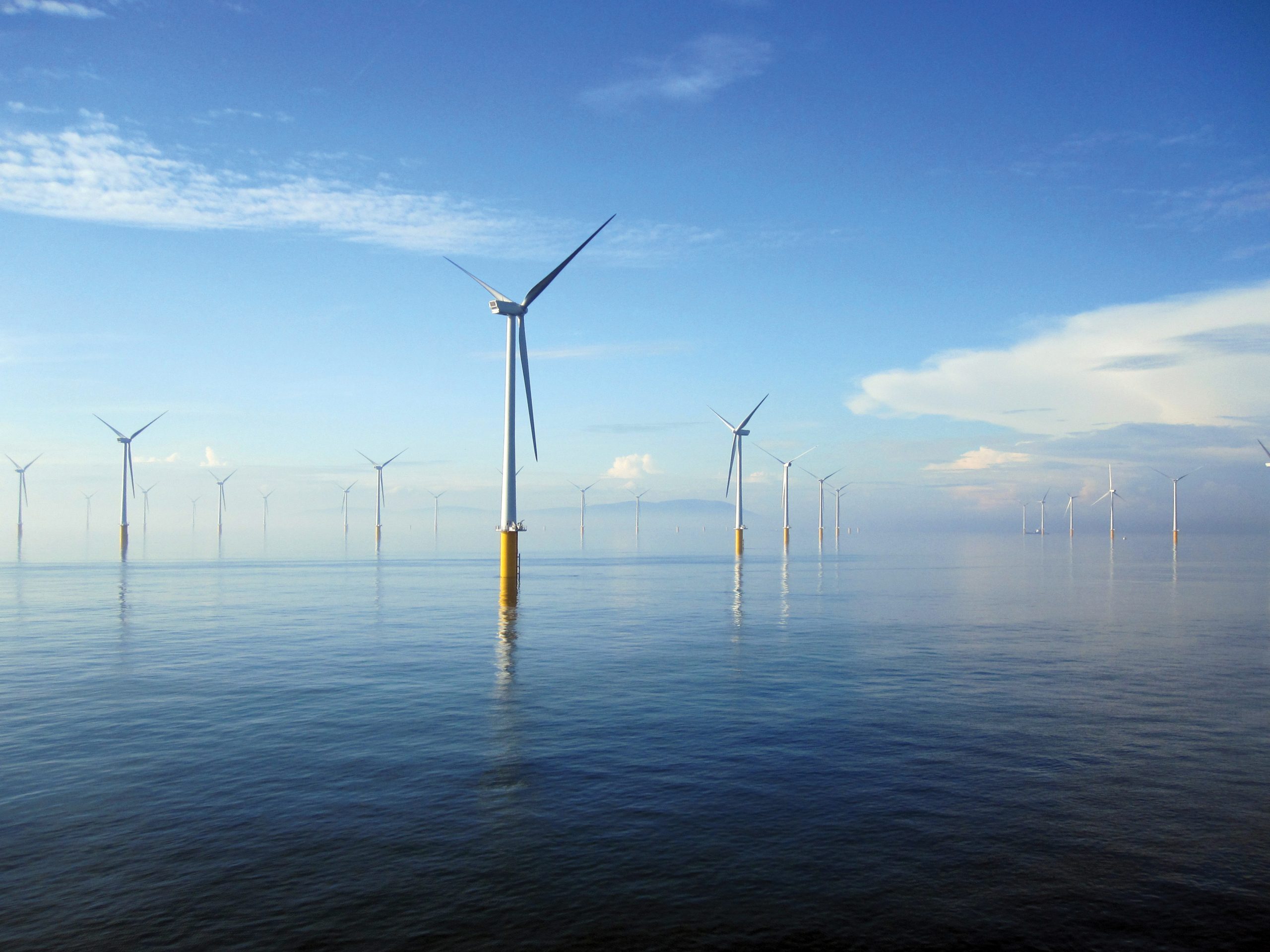
First and foremost, the North Sea is a wind factory. Its expansive, uninterrupted surface allows powerful, consistent winds to build up speed without encountering landmasses or significant obstacles. These winds are not only stronger than onshore breezes but also far more predictable, which is a huge advantage for reliable energy generation. The sheer volume of wind energy available here is astounding, making it an incredibly potent natural resource for clean power.
Shallow Waters and Stable Seabed
Another critical factor is the relatively shallow depth of much of the North Sea. Shallow waters reduce the engineering complexity and cost of installing fixed-bottom wind turbines, which currently make up the vast majority of offshore installations. A stable, sandy seabed also provides an excellent foundation for these massive structures, minimizing construction challenges and long-term maintenance issues. While floating wind technology is advancing, fixed-bottom still reigns, and the North Sea offers prime real estate for it.
Proximity to High Energy Demand
The North Sea is bordered by highly industrialized nations with dense populations, including the UK, Germany, Denmark, Belgium, and the Netherlands. These countries have a massive and growing demand for electricity. The relative proximity of the wind farms to these major consumption centers means shorter transmission lines, less energy loss during transmission, and easier integration into existing national grids. It’s a perfect storm of resource availability and demand proximity.
The Astonishing Scale: Key Statistics and Major Projects
When we talk about North Sea wind farms, we’re not talking about a few turbines here and there. We’re talking about industrial-scale energy production that redefines what’s possible for renewable power. The numbers are truly impressive, and they’re only set to grow.
Unpacking the Numbers: Current Capacity and Future Projections
The ambition in the North Sea is unparalleled. Countries like the UK, Germany, and the Netherlands have set aggressive targets, aiming to turn the North Sea into a veritable ‘green powerhouse.’ The investment is monumental, the technology is cutting-edge, and the collective vision is to power a continent with clean energy.
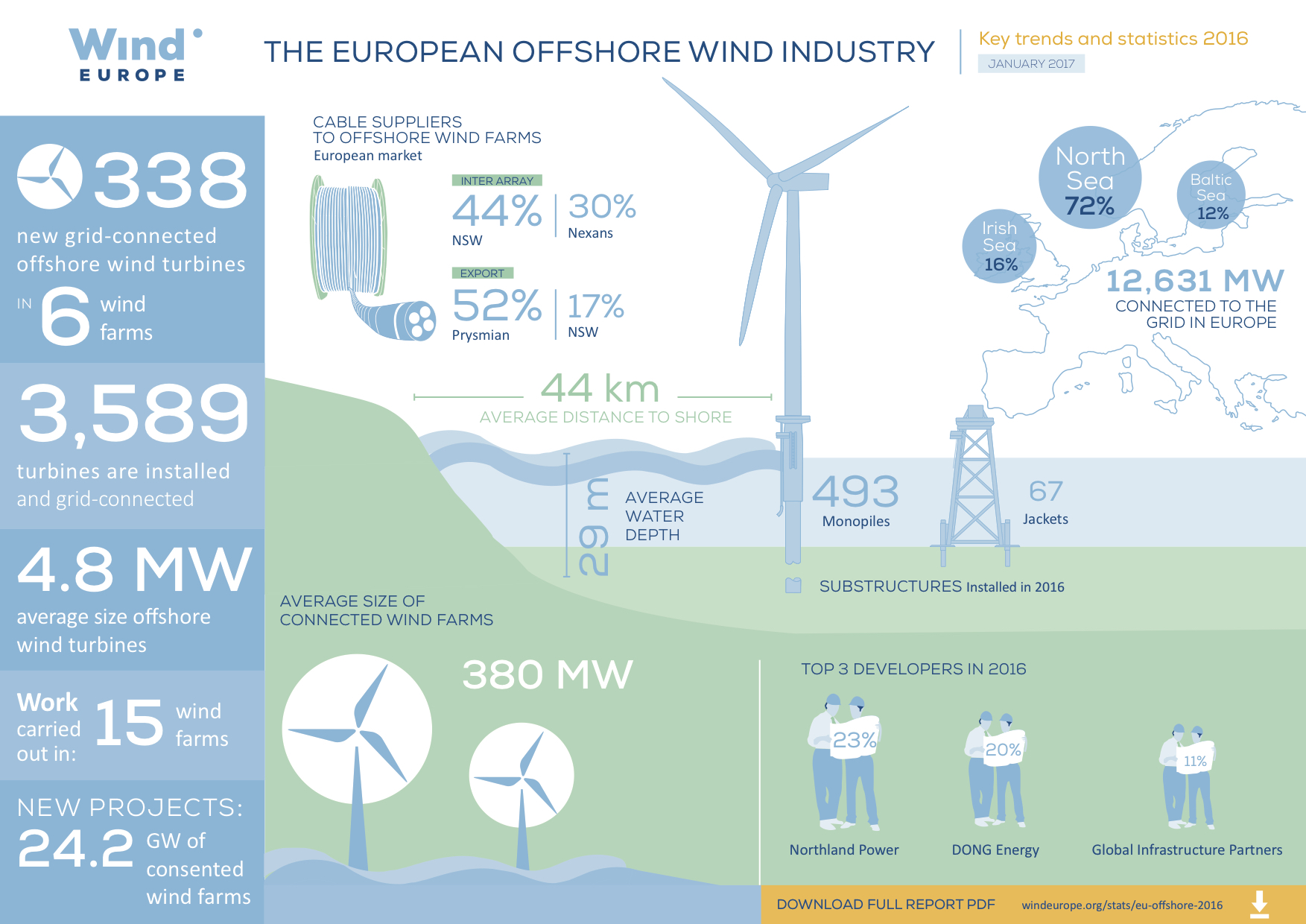
| Metric | Current Status (Approx. 2024) | Future Projections (2030) | Long-Term Vision (2050) |
|---|---|---|---|
| Total Operational Capacity (GW) | ~30 GW | ~120 GW (EU North Sea Pledges) | ~300 GW (European targets) |
| Number of Turbines (Approx.) | ~6,000 – 7,000 | Tens of thousands | Potentially over 50,000 |
| Homes Powered (Millions) | ~30 million | Over 120 million | Hundreds of millions |
| Investment (Billions EUR/USD) | Hundreds of billions committed | Trillions projected | Massive ongoing investment |
| Key Countries Involved | UK, Germany, Denmark, Netherlands, Belgium | Same, with increased collaboration | Pan-European energy grid |
Flagship Farms: A Look at the Giants
To truly grasp the scale, let’s look at some of the marquee projects that are already operational or under construction:
- Dogger Bank Wind Farm (UK): Currently under construction, Dogger Bank is set to become the world’s largest offshore wind farm upon completion. Located off the coast of Yorkshire, it will have a total capacity of 3.6 GW, enough to power 6 million homes. Its three phases (A, B, and C) demonstrate the modular, yet massive, approach to development.
- Hornsea Wind Farm (UK): Also off the Yorkshire coast, Hornsea One was once the world’s largest, with 1.2 GW capacity. Hornsea Two, even larger at 1.3 GW, is now operational. These projects showcase the rapid increase in turbine size and overall farm capacity, driving down costs and maximizing output.
- Triton Knoll Wind Farm (UK): Located off the Lincolnshire coast, this operational wind farm boasts 857 MW of capacity from 90 turbines, providing power to approximately 800,000 homes. It’s a prime example of the substantial contributions smaller, yet still massive, farms make to the overall energy mix.
- Borssele Wind Farm (Netherlands): Located off the coast of Zeeland, Borssele is a complex of several wind farm zones. Phases I to V collectively offer a significant portion of the Netherlands’ renewable energy, emphasizing competitive tenders to drive down the cost of offshore wind.
The Mega-Projects on the Horizon (e.g., North Sea Wind Power Hub)
Beyond individual farms, the vision extends to entirely new energy infrastructures. The concept of the North Sea Wind Power Hub is one such ambitious project. Envisioned as an artificial island or series of islands, these hubs would serve as central points for collecting power from surrounding wind farms, converting it into hydrogen, and then transmitting it to multiple North Sea countries. This isn’t just about electricity; it’s about creating a green industrial backbone for Europe, transforming the energy landscape for generations.
How North Sea Wind Farms Work: Technology and Innovation
The sheer engineering involved in these projects is nothing short of incredible. From the colossal turbines themselves to the intricate network connecting them, North Sea wind farms are a testament to human ingenuity.
Turbine Design and Foundations (Fixed-Bottom vs. Floating)
- Turbine Size: Modern offshore wind turbines are gargantuan. Their blades can be over 100 meters long, with hub heights exceeding 150 meters, making them taller than some of the world’s most famous landmarks. Each rotation of these massive blades can generate enough electricity to power a home for an entire day.
- Fixed-Bottom Foundations: For shallower waters (up to 60-70 meters), fixed-bottom foundations are standard. These include:
- Monopiles: A single, large-diameter steel pile driven deep into the seabed.
- Jacket foundations: A lattice-like steel structure anchored to the seabed with piles, ideal for deeper waters than monopiles.
- Gravity-based foundations: Large concrete structures that rest on the seabed, held in place by their own weight and ballast.
- Floating Foundations: For ultra-deep waters where fixed-bottom solutions become uneconomical or impossible, floating wind turbines are the future. These turbines are mounted on platforms that float on the sea surface, anchored to the seabed with mooring lines. While less common in the North Sea’s shallower areas, they are crucial for unlocking deeper water wind resources globally.
Subsea Cables and Grid Connection
Once the electricity is generated, it needs to get to shore. This happens via an intricate network of subsea cables. Each turbine connects to an offshore substation, which collects the power from multiple turbines and boosts its voltage. From there, massive export cables, often carrying high-voltage alternating current (HVAC) or high-voltage direct current (HVDC), transmit the electricity to onshore substations. These cables are buried beneath the seabed to protect them from shipping and fishing activities, and to minimize environmental impact.
The Concept of Energy Islands and Hybrid Assets
This is where the future gets really exciting. Instead of individual wind farms connecting directly to national grids, the concept of ‘energy islands’ or ‘hybrid assets’ is gaining traction. Imagine a man-made island in the middle of the sea, acting as a central hub for multiple wind farms. This island could:
- Collect and convert electricity: Transforming AC power from wind farms into more efficient DC for long-distance transmission.
- Facilitate cross-border connections: Acting as an interconnector, allowing countries to share excess power and balance grids.
- Integrate other technologies: Potentially hosting facilities for green hydrogen production, converting excess wind electricity into hydrogen gas, which can be stored and transported.
These innovations promise greater efficiency, lower costs, and enhanced energy security for the entire region.
Environmental Impact: Balancing Green Energy with Ecological Concerns
No energy solution is without its trade-offs. While offshore wind offers immense environmental benefits, it’s also crucial to understand and mitigate its potential ecological impacts on the delicate North Sea ecosystem.
The Good: Carbon Reduction and Climate Benefits
The primary benefit is undeniably the massive reduction in carbon emissions. By replacing fossil fuel-generated electricity with clean wind power, North Sea wind farms play a critical role in combating climate change. They contribute to improved air quality, reduce reliance on volatile fossil fuel markets, and help achieve ambitious national and international climate targets. The lifecycle emissions of offshore wind are significantly lower than conventional power sources, making it a cornerstone of a sustainable energy future.
The Bad & The Ugly: Marine Life, Habitat Disturbance, and Noise Pollution
Despite their green credentials, offshore wind farms do present challenges for marine environments:

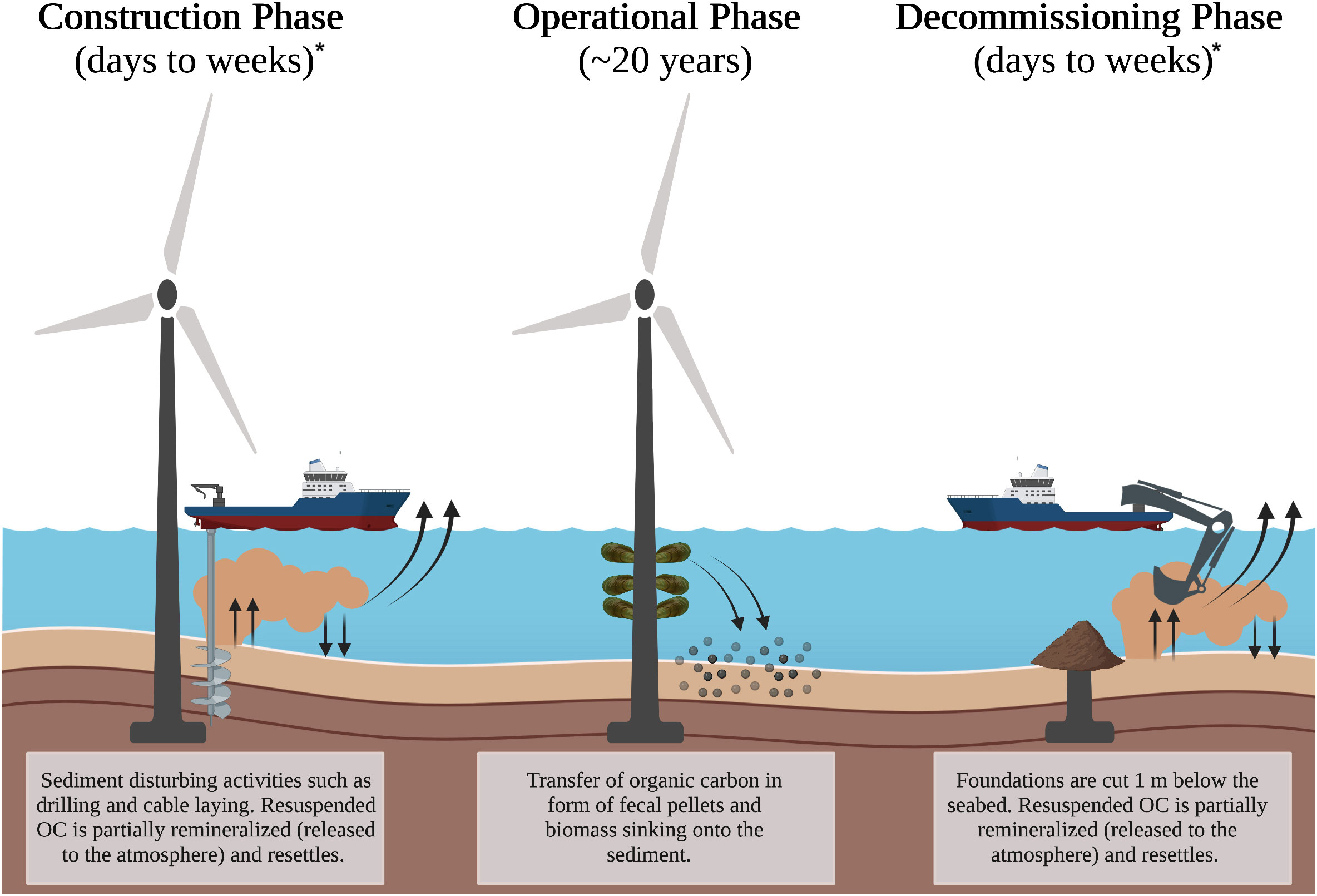
- Construction Noise: Pile driving during installation creates intense underwater noise that can disorient, injure, or even kill marine mammals like porpoises and seals, which rely on sound for navigation and communication.
- Habitat Disturbance: The physical presence of turbines, foundations, and cables alters the seabed habitat. This can impact benthic (seabed dwelling) organisms and potentially disrupt food chains.
- Collision Risk for Birds: Migratory birds, especially those that traverse the North Sea, face a risk of collision with turbine blades, particularly in poor visibility or during high traffic periods.
- Electromagnetic Fields (EMF) from Cables: While generally localized, the electromagnetic fields generated by subsea cables can potentially affect species sensitive to these fields, such as sharks and rays.
Mitigation Strategies and Research Efforts
Thankfully, the industry is actively working to minimize these impacts:
- Noise Reduction Technologies: Innovations like ‘bubble curtains’ (creating a wall of air bubbles around pile drivers) and quieter drilling techniques significantly reduce underwater noise during construction.
- Strategic Siting: Wind farms are carefully sited to avoid critical bird migration routes, marine mammal breeding grounds, and sensitive habitats.
- Monitoring and Research: Extensive environmental impact assessments are conducted before, during, and after construction. Ongoing research helps us understand long-term effects and develop better mitigation strategies.
- Artificial Reef Effect: In some cases, turbine foundations can act as artificial reefs, attracting marine life and increasing biodiversity around the base, though this is a complex and still debated ecological outcome.
Economic Impact and Energy Security
Beyond the environmental benefits, North Sea wind farms are powerful economic engines and crucial pillars of energy security for participating nations.
Investment, Job Creation, and Supply Chain Development
The scale of investment in North Sea wind is staggering, running into hundreds of billions of Euros. This investment fuels:
- Job Creation: Thousands of high-skilled jobs in manufacturing, engineering, installation, operations, and maintenance. These aren’t just temporary construction jobs; they are long-term career opportunities.
- Supply Chain Growth: A robust domestic and international supply chain is developing, encompassing everything from specialized vessels and port infrastructure to advanced materials and digital solutions. This creates economic activity far beyond the immediate wind farm sites.
- Regional Economic Benefits: Coastal towns and cities often become hubs for offshore wind operations and maintenance, revitalizing local economies.
Boosting Energy Independence for Europe
For European nations, the geopolitical significance of North Sea wind cannot be overstated. By diversifying energy sources and reducing reliance on imported fossil fuels, these wind farms enhance energy security and reduce exposure to volatile international energy markets. This independence is a key driver for the rapid expansion of offshore wind capacity.
Cost Reduction Over Time: The Learning Curve
Initially, offshore wind was expensive. However, thanks to technological advancements, economies of scale, and fierce competition, the cost of offshore wind power has plummeted dramatically over the past decade. It’s now competitive with, and in some cases cheaper than, new fossil fuel power plants. This ‘learning curve’ effect makes future projects even more economically viable, attracting further investment.
The Future of North Sea Wind: Challenges and Opportunities
The path forward for North Sea wind is exciting, but it’s not without its hurdles. Understanding these challenges is key to appreciating the monumental effort required to realize its full potential.
Grid Integration and Interconnection Challenges
Imagine plugging dozens of massive power plants into an existing electrical grid that wasn’t designed for such fluctuating, distributed input. That’s the challenge. Integrating gigawatts of offshore wind into national grids requires significant upgrades to transmission infrastructure, both onshore and offshore. Furthermore, connecting multiple national grids (interconnection) is complex but crucial for sharing power, optimizing renewable energy use, and preventing blackouts.
Policy, Regulation, and Cross-Border Cooperation
The North Sea is shared by multiple sovereign nations, each with its own regulatory frameworks, environmental laws, and energy policies. Developing multi-billion dollar, cross-border infrastructure requires unprecedented levels of international cooperation, harmonized regulations, and stable long-term policy commitments to attract the necessary investment and streamline development.
Innovation Beyond Electricity: Green Hydrogen Production
One of the most promising future opportunities is the production of green hydrogen. Excess wind power, when electricity demand is low, can be used to electrolyze water, producing hydrogen gas without any carbon emissions. This ‘green hydrogen’ can then be stored, transported, and used in hard-to-decarbonize sectors like heavy industry, shipping, and aviation. The North Sea has the potential to become a global leader in green hydrogen production, further expanding its role beyond just electricity generation.
| Wind Farm Name | Location (Sea/Country) | Operational Capacity (MW) | Number of Turbines | Key Feature |
|---|---|---|---|---|
| Dogger Bank Wind Farm (A, B, C) | North Sea / UK | 3,600 (Under construction, phases commissioning) | 277 (GE Haliade-X 13-14 MW) | Set to be the world’s largest offshore wind farm. |
| Hornsea Two | North Sea / UK | 1,320 (Operational) | 165 (Siemens Gamesa 8 MW) | Among the largest operational wind farms globally. |
| Hornsea One | North Sea / UK | 1,218 (Operational) | 174 (Siemens Gamesa 7 MW) | Pioneering large-scale offshore wind development. |
| Triton Knoll | North Sea / UK | 857 (Operational) | 90 (MHI Vestas 9.5 MW) | Powers approximately 800,000 UK homes. |
| Borssele (total across zones) | North Sea / Netherlands | ~1,500 (Operational) | Various (MHI Vestas, Siemens Gamesa 8-10 MW) | Significant contribution to Dutch renewable targets. |
The North Sea: A Beacon for Global Renewable Energy
The North Sea wind farms represent more than just massive infrastructure projects; they are a living, breathing testament to what’s possible when ambition meets innovation and international cooperation. From its unique geographical advantages to the cutting-edge technology deployed, the North Sea is a global leader in offshore wind.
Yes, there are challenges – from protecting marine ecosystems to integrating vast amounts of intermittent power into complex grids. But the relentless drive for solutions, coupled with significant economic and environmental imperatives, means the North Sea will continue to be a beacon for renewable energy, powering millions of homes, creating jobs, and playing an indispensable role in our collective journey towards a sustainable future. It’s a story of human ingenuity harnessing the raw power of nature, and it’s a story that’s still very much in the making.
”
}
{ “content”: “
North Sea Wind Farms: The Definitive Facts You Need to Know
Ever wondered about the colossal structures spinning out in the North Sea, quietly powering millions of homes? You’re not alone. The North Sea has emerged as an undisputed titan in the world of renewable energy, a vast natural resource being harnessed by an ambitious lineup of countries to deliver clean, sustainable power. It’s not just a European story; it’s a global blueprint for tackling climate change and securing energy independence.
In this comprehensive guide, we’re cutting through the noise to bring you the definitive facts about North Sea wind farms. We’ll explore why this specific body of water is so crucial, the mind-boggling scale of its current and future projects, the ingenious technology making it all possible, and the intricate balance between environmental benefits and ecological considerations. If you want to understand the true power and potential of offshore wind, this is where you start.
Why the North Sea? The Ideal Conditions for Offshore Wind Power
It’s no accident that the North Sea has become the epicenter of offshore wind development. This isn’t just about politicians making decisions; it’s about physics, geography, and sheer logistical advantage. Let’s break down why this particular stretch of ocean is so uniquely suited for wind energy generation.
Geographical Advantages and Wind Resources
First and foremost, the North Sea is a wind factory. Its expansive, uninterrupted surface allows powerful, consistent winds to build up speed without encountering landmasses or significant obstacles. These winds are not only stronger than onshore breezes but also far more predictable, which is a huge advantage for reliable energy generation. The sheer volume of wind energy available here is astounding, making it an incredibly potent natural resource for clean power.
Shallow Waters and Stable Seabed
Another critical factor is the relatively shallow depth of much of the North Sea. Shallow waters reduce the engineering complexity and cost of installing fixed-bottom wind turbines, which currently make up the vast majority of offshore installations. A stable, sandy seabed also provides an excellent foundation for these massive structures, minimizing construction challenges and long-term maintenance issues. While floating wind technology is advancing, fixed-bottom still reigns, and the North Sea offers prime real estate for it.
Proximity to High Energy Demand
The North Sea is bordered by highly industrialized nations with dense populations, including the UK, Germany, Denmark, Belgium, and the Netherlands. These countries have a massive and growing demand for electricity. The relative proximity of the wind farms to these major consumption centers means shorter transmission lines, less energy loss during transmission, and easier integration into existing national grids. It’s a perfect storm of resource availability and demand proximity.
The Astonishing Scale: Key Statistics and Major Projects
When we talk about North Sea wind farms, we’re not talking about a few turbines here and there. We’re talking about industrial-scale energy production that redefines what’s possible for renewable power. The numbers are truly impressive, and they’re only set to grow.
Unpacking the Numbers: Current Capacity and Future Projections
The ambition in the North Sea is unparalleled. Countries like the UK, Germany, and the Netherlands have set aggressive targets, aiming to turn the North Sea into a veritable ‘green powerhouse.’ The investment is monumental, the technology is cutting-edge, and the collective vision is to power a continent with clean energy.
| Metric | Current Status (Approx. 2024) | Future Projections (2030) | Long-Term Vision (2050) |
|---|---|---|---|
| Total Operational Capacity (GW) | ~30 GW | ~120 GW (EU North Sea Pledges) | ~300 GW (European targets) |
| Number of Turbines (Approx.) | ~6,000 – 7,000 | Tens of thousands | Potentially over 50,000 |
| Homes Powered (Millions) | ~30 million | Over 120 million | Hundreds of millions |
| Investment (Billions EUR/USD) | Hundreds of billions committed | Trillions projected | Massive ongoing investment |
| Key Countries Involved | UK, Germany, Denmark, Netherlands, Belgium | Same, with increased collaboration | Pan-European energy grid |
Flagship Farms: A Look at the Giants
To truly grasp the scale, let’s look at some of the marquee projects that are already operational or under construction:
- Dogger Bank Wind Farm (UK): Currently under construction, Dogger Bank is set to become the world’s largest offshore wind farm upon completion. Located off the coast of Yorkshire, it will have a total capacity of 3.6 GW, enough to power 6 million homes. Its three phases (A, B, and C) demonstrate the modular, yet massive, approach to development.
- Hornsea Wind Farm (UK): Also off the Yorkshire coast, Hornsea One was once the world’s largest, with 1.2 GW capacity. Hornsea Two, even larger at 1.3 GW, is now operational. These projects showcase the rapid increase in turbine size and overall farm capacity, driving down costs and maximizing output.
- Triton Knoll Wind Farm (UK): Located off the Lincolnshire coast, this operational wind farm boasts 857 MW of capacity from 90 turbines, providing power to approximately 800,000 homes. It’s a prime example of the substantial contributions smaller, yet still massive, farms make to the overall energy mix.
- Borssele Wind Farm (Netherlands): Located off the coast of Zeeland, Borssele is a complex of several wind farm zones. Phases I to V collectively offer a significant portion of the Netherlands’ renewable energy, emphasizing competitive tenders to drive down the cost of offshore wind.
The Mega-Projects on the Horizon (e.g., North Sea Wind Power Hub)
Beyond individual farms, the vision extends to entirely new energy infrastructures. The concept of the North Sea Wind Power Hub is one such ambitious project. Envisioned as an artificial island or series of islands, these hubs would serve as central points for collecting power from surrounding wind farms, converting it into hydrogen, and then transmitting it to multiple North Sea countries. This isn’t just about electricity; it’s about creating a green industrial backbone for Europe, transforming the energy landscape for generations.
How North Sea Wind Farms Work: Technology and Innovation
The sheer engineering involved in these projects is nothing short of incredible. From the colossal turbines themselves to the intricate network connecting them, North Sea wind farms are a testament to human ingenuity.
Turbine Design and Foundations (Fixed-Bottom vs. Floating)
- Turbine Size: Modern offshore wind turbines are gargantuan. Their blades can be over 100 meters long, with hub heights exceeding 150 meters, making them taller than some of the world’s most famous landmarks. Each rotation of these massive blades can generate enough electricity to power a home for an entire day.
- Fixed-Bottom Foundations: For shallower waters (up to 60-70 meters), fixed-bottom foundations are standard. These include:
- Monopiles: A single, large-diameter steel pile driven deep into the seabed.
- Jacket foundations: A lattice-like steel structure anchored to the seabed with piles, ideal for deeper waters than monopiles.
- Gravity-based foundations: Large concrete structures that rest on the seabed, held in place by their own weight and ballast.
- Floating Foundations: For ultra-deep waters where fixed-bottom solutions become uneconomical or impossible, floating wind turbines are the future. These turbines are mounted on platforms that float on the sea surface, anchored to the seabed with mooring lines. While less common in the North Sea’s shallower areas, they are crucial for unlocking deeper water wind resources globally.
Subsea Cables and Grid Connection
Once the electricity is generated, it needs to get to shore. This happens via an intricate network of subsea cables. Each turbine connects to an offshore substation, which collects the power from multiple turbines and boosts its voltage. From there, massive export cables, often carrying high-voltage alternating current (HVAC) or high-voltage direct current (HVDC), transmit the electricity to onshore substations. These cables are buried beneath the seabed to protect them from shipping and fishing activities, and to minimize environmental impact.
The Concept of Energy Islands and Hybrid Assets
This is where the future gets really exciting. Instead of individual wind farms connecting directly to national grids, the concept of ‘energy islands’ or ‘hybrid assets’ is gaining traction. Imagine a man-made island in the middle of the sea, acting as a central hub for multiple wind farms. This island could:
- Collect and convert electricity: Transforming AC power from wind farms into more efficient DC for long-distance transmission.
- Facilitate cross-border connections: Acting as an interconnector, allowing countries to share excess power and balance grids.
- Integrate other technologies: Potentially hosting facilities for green hydrogen production, converting excess wind electricity into hydrogen gas, which can be stored and transported.
These innovations promise greater efficiency, lower costs, and enhanced energy security for the entire region.
Environmental Impact: Balancing Green Energy with Ecological Concerns
No energy solution is without its trade-offs. While offshore wind offers immense environmental benefits, it’s also crucial to understand and mitigate its potential ecological impacts on the delicate North Sea ecosystem.
The Good: Carbon Reduction and Climate Benefits
The primary benefit is undeniably the massive reduction in carbon emissions. By replacing fossil fuel-generated electricity with clean wind power, North Sea wind farms play a critical role in combating climate change. They contribute to improved air quality, reduce reliance on volatile fossil fuel markets, and help achieve ambitious national and international climate targets. The lifecycle emissions of offshore wind are significantly lower than conventional power sources, making it a cornerstone of a sustainable energy future.

The Bad & The Ugly: Marine Life, Habitat Disturbance, and Noise Pollution
Despite their green credentials, offshore wind farms do present challenges for marine environments:
- Construction Noise: Pile driving during installation creates intense underwater noise that can disorient, injure, or even kill marine mammals like porpoises and seals, which rely on sound for navigation and communication.
- Habitat Disturbance: The physical presence of turbines, foundations, and cables alters the seabed habitat. This can impact benthic (seabed dwelling) organisms and potentially disrupt food chains.
- Collision Risk for Birds: Migratory birds, especially those that traverse the North Sea, face a risk of collision with turbine blades, particularly in poor visibility or during high traffic periods.
- Electromagnetic Fields (EMF) from Cables: While generally localized, the electromagnetic fields generated by subsea cables can potentially affect species sensitive to these fields, such as sharks and rays.
Mitigation Strategies and Research Efforts
Thankfully, the industry is actively working to minimize these impacts:
- Noise Reduction Technologies: Innovations like ‘bubble curtains’ (creating a wall of air bubbles around pile drivers) and quieter drilling techniques significantly reduce underwater noise during construction.
- Strategic Siting: Wind farms are carefully sited to avoid critical bird migration routes, marine mammal breeding grounds, and sensitive habitats.
- Monitoring and Research: Extensive environmental impact assessments are conducted before, during, and after construction. Ongoing research helps us understand long-term effects and develop better mitigation strategies.
- Artificial Reef Effect: In some cases, turbine foundations can act as artificial reefs, attracting marine life and increasing biodiversity around the base, though this is a complex and still debated ecological outcome.
Economic Impact and Energy Security
Beyond the environmental benefits, North Sea wind farms are powerful economic engines and crucial pillars of energy security for participating nations.
Investment, Job Creation, and Supply Chain Development
The scale of investment in North Sea wind is staggering, running into hundreds of billions of Euros. This investment fuels:
- Job Creation: Thousands of high-skilled jobs in manufacturing, engineering, installation, operations, and maintenance. These aren’t just temporary construction jobs; they are long-term career opportunities.
- Supply Chain Growth: A robust domestic and international supply chain is developing, encompassing everything from specialized vessels and port infrastructure to advanced materials and digital solutions. This creates economic activity far beyond the immediate wind farm sites.
- Regional Economic Benefits: Coastal towns and cities often become hubs for offshore wind operations and maintenance, revitalizing local economies.
Boosting Energy Independence for Europe
For European nations, the geopolitical significance of North Sea wind cannot be overstated. By diversifying energy sources and reducing reliance on imported fossil fuels, these wind farms enhance energy security and reduce exposure to volatile international energy markets. This independence is a key driver for the rapid expansion of offshore wind capacity.
Cost Reduction Over Time: The Learning Curve
Initially, offshore wind was expensive. However, thanks to technological advancements, economies of scale, and fierce competition, the cost of offshore wind power has plummeted dramatically over the past decade. It’s now competitive with, and in some cases cheaper than, new fossil fuel power plants. This ‘learning curve’ effect makes future projects even more economically viable, attracting further investment.
The Future of North Sea Wind: Challenges and Opportunities
The path forward for North Sea wind is exciting, but it’s not without its hurdles. Understanding these challenges is key to appreciating the monumental effort required to realize its full potential.
Grid Integration and Interconnection Challenges
Imagine plugging dozens of massive power plants into an existing electrical grid that wasn’t designed for such fluctuating, distributed input. That’s the challenge. Integrating gigawatts of offshore wind into national grids requires significant upgrades to transmission infrastructure, both onshore and offshore. Furthermore, connecting multiple national grids (interconnection) is complex but crucial for sharing power, optimizing renewable energy use, and preventing blackouts.
Policy, Regulation, and Cross-Border Cooperation
The North Sea is shared by multiple sovereign nations, each with its own regulatory frameworks, environmental laws, and energy policies. Developing multi-billion dollar, cross-border infrastructure requires unprecedented levels of international cooperation, harmonized regulations, and stable long-term policy commitments to attract the necessary investment and streamline development.
Innovation Beyond Electricity: Green Hydrogen Production
One of the most promising future opportunities is the production of green hydrogen. Excess wind power, when electricity demand is low, can be used to electrolyze water, producing hydrogen gas without any carbon emissions. This ‘green hydrogen’ can then be stored, transported, and used in hard-to-decarbonize sectors like heavy industry, shipping, and aviation. The North Sea has the potential to become a global leader in green hydrogen production, further expanding its role beyond just electricity generation.
| Wind Farm Name | Location (Sea/Country) | Operational Capacity (MW) | Number of Turbines | Key Feature |
|---|---|---|---|---|
| Dogger Bank Wind Farm (A, B, C) | North Sea / UK | 3,600 (Under construction, phases commissioning) | 277 (GE Haliade-X 13-14 MW) | Set to be the world’s largest offshore wind farm. |
| Hornsea Two | North Sea / UK | 1,320 (Operational) | 165 (Siemens Gamesa 8 MW) | Among the largest operational wind farms globally. |
| Hornsea One | North Sea / UK | 1,218 (Operational) | 174 (Siemens Gamesa 7 MW) | Pioneering large-scale offshore wind development. |
| Triton Knoll | North Sea / UK | 857 (Operational) | 90 (MHI Vestas 9.5 MW) | Powers approximately 800,000 UK homes. |
| Borssele (total across zones) | North Sea / Netherlands | ~1,500 (Operational) | Various (MHI Vestas, Siemens Gamesa 8-10 MW) | Significant contribution to Dutch renewable targets. |
The North Sea: A Beacon for Global Renewable Energy
The North Sea wind farms represent more than just massive infrastructure projects; they are a living, breathing testament to what’s possible when ambition meets innovation and international cooperation. From its unique geographical advantages to the cutting-edge technology deployed, the North Sea is a global leader in offshore wind.
Yes, there are challenges – from protecting marine ecosystems to integrating vast amounts of intermittent power into complex grids. But the relentless drive for solutions, coupled with significant economic and environmental imperatives, means the North Sea will continue to be a beacon for renewable energy, powering millions of homes, creating jobs, and playing an indispensable role in our collective journey towards a sustainable future. It’s a story of human ingenuity harnessing the raw power of nature, and it’s a story that’s still very much in the making.
