
Formosa 2 Offshore Wind Farm: A Definitive Guide to Taiwan’s Renewable Energy Giant
Ever wondered what it takes to build a colossal wind farm miles offshore, battling ocean currents, typhoons, and complex logistics? Welcome to the world of the Formosa 2 Offshore Wind Farm. This isn’t just another energy project; it’s a testament to engineering ambition, international collaboration, and Taiwan’s unwavering commitment to a greener future. If you’re keen to understand the vanguard of global offshore wind, especially as the US ramps up its own efforts, then Formosa 2 offers invaluable insights. Let’s dive in.
Table of Contents
- Formosa 2 Offshore Wind Farm: A Definitive Guide to Taiwan’s Renewable Energy Giant
- What Exactly is Formosa 2 and Why Should You Care?
- The Journey to Power: Key Milestones and Timeline
- Who’s Behind the Turbines? Developers, Investors, and Contractors
- The Joint Venture Powerhouses
- Key Contractors and Suppliers
- Diving Deep into the Technical Specs: The Engineering Marvels of Formosa 2
- Formosa 2’s Impact: Powering Taiwan’s Green Future
- Contribution to Taiwan’s Renewable Energy Targets
- Environmental Benefits
- Economic Impact and Local Content
- Lessons Learned for Future Projects
- Challenges and Innovations: Overcoming the Offshore Frontier
- Looking Ahead: The Broader Context of Offshore Wind in Asia and Beyond
What Exactly is Formosa 2 and Why Should You Care?
At its core, the Formosa 2 Offshore Wind Farm is a monumental 376-megawatt (MW) offshore wind power station located off the coast of Miaoli County, Taiwan. It’s a powerhouse, designed to generate enough clean electricity to power hundreds of thousands of homes annually, significantly reducing reliance on fossil fuels.
But why should this project, located halfway across the world, matter to you? For those in the United States, watching our own nascent offshore wind industry develop, Formosa 2 serves as a critical case study. It showcases the intricate dance of development, financing, construction, and operation on a massive scale. It highlights the challenges overcome and the innovative solutions deployed, providing a valuable blueprint (and perhaps a few cautionary tales) for similar projects globally, including those planned for the East and West Coasts of the US.
This isn’t just about megawatts; it’s about energy independence, environmental stewardship, and proving that large-scale renewable energy is not just a dream, but a tangible, operational reality.

The Journey to Power: Key Milestones and Timeline
Bringing a project like Formosa 2 from concept to full operation is a multi-year odyssey. It involves meticulous planning, significant capital investment, and overcoming unforeseen hurdles. The Formosa 2 journey began years before its first turbine spun, progressing through various stages of development, permitting, financing, and ultimately, construction.
The construction phase itself was a monumental undertaking, involving specialized vessels, advanced marine engineering techniques, and a vast international workforce. The installation of foundations, followed by the towering wind turbines, and then the crucial subsea export cables connecting the farm to the onshore grid, all had to be executed with precision.
A significant milestone was the successful transmission of first power, gradually bringing individual turbines online, before achieving full commercial operation. This phased approach allows for testing and optimization, ensuring the entire system functions efficiently and reliably.
| Phase/Event | Approximate Year/Period | Significance |
|---|---|---|
| Project Inception & Development | Mid-2010s | Initial planning, feasibility studies, securing permits. |
| Financial Close & Investment Decisions | 2019 | Securing necessary funding, formalizing joint ventures. |
| Onshore & Offshore Construction Begins | Early 2020s | Groundwork for substation, fabrication of foundations, cable laying. |
| Turbine Installation Commencement | 2022 | First wind turbine components installed offshore. |
| First Power Delivery | 2022 | Initial generation and connection to the grid. |
| Full Commercial Operation | Early 2023 | All 47 turbines fully commissioned and delivering power. |
Who’s Behind the Turbines? Developers, Investors, and Contractors
No project of this magnitude is built by a single entity. Formosa 2 is a shining example of global collaboration, bringing together expertise, capital, and technology from various corners of the world. Understanding the key players is crucial to appreciating the complexity and scale of such an undertaking.
The Joint Venture Powerhouses
The primary ownership and development of Formosa 2 is a joint venture, demonstrating how major energy players pool resources to tackle ambitious renewable energy goals. Initially, Macquarie’s Green Investment Group (GIG) played a significant role, later evolving into Synera Renewable Energy (SRE).
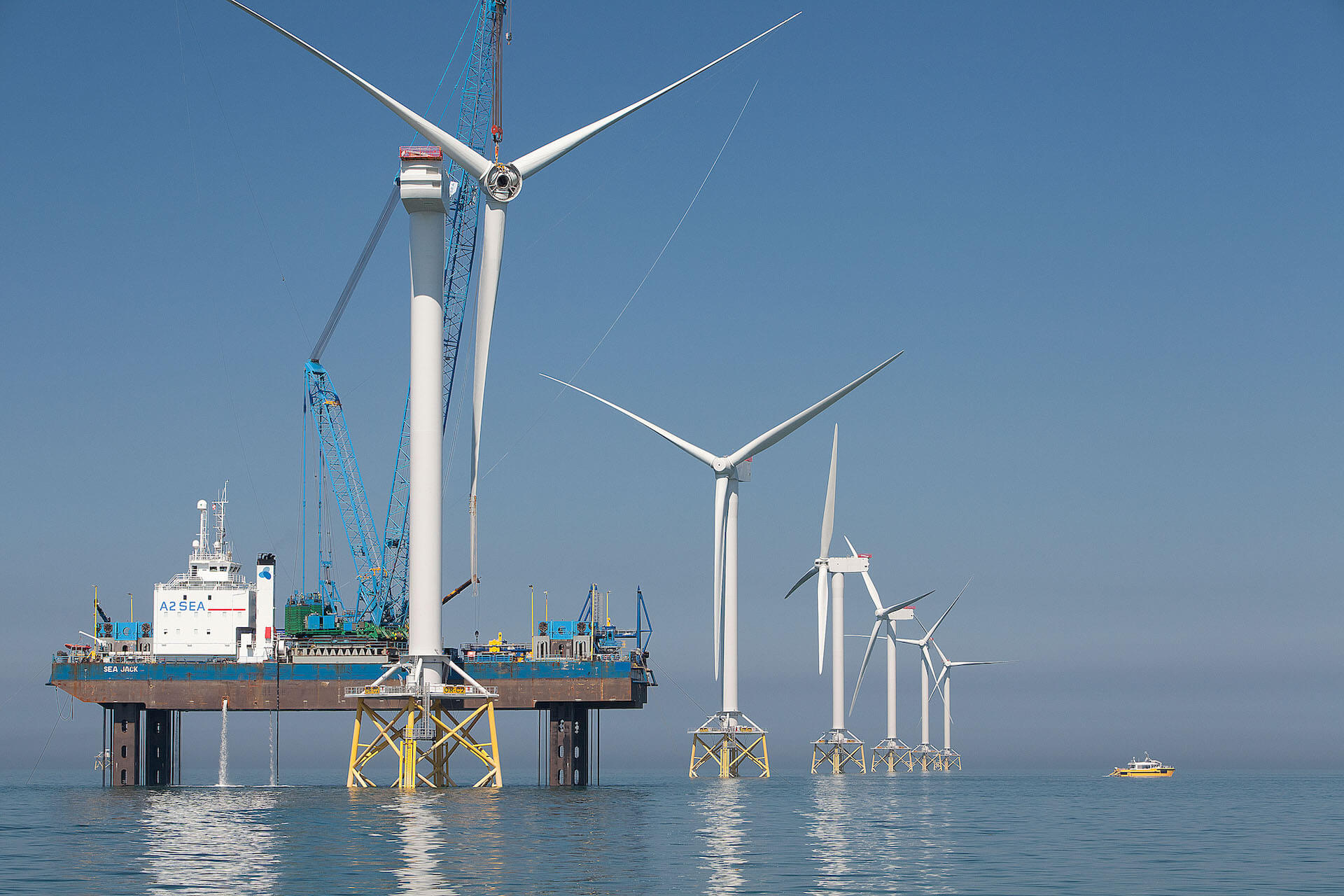
- Synera Renewable Energy Group (SRE): This Taiwanese-headquartered company holds the majority stake (51%) in Formosa 2. SRE has positioned itself as a key player in the Asian offshore wind market, committed to driving the energy transition in the region. Their local expertise is invaluable for navigating the regulatory and logistical landscape of Taiwan.
- JERA Nex bp: This entity represents a powerful partnership between JERA, Japan’s largest utility company, and bp, the global energy giant. JERA Nex bp holds a 49% stake in Formosa 2. Their involvement brings extensive experience in large-scale energy project development, operational excellence, and access to international financing.
The evolution of ownership stakes over time is common in large infrastructure projects, reflecting strategic shifts and market dynamics. The current structure underscores a strong commitment to local partnership combined with international industry leadership.
Key Contractors and Suppliers
Beyond the core developers, a cadre of specialized contractors and suppliers are essential for realizing such a project. These firms bring the critical engineering, construction, and manufacturing capabilities.
- Jan De Nul: This renowned Belgian marine construction company was awarded the Engineering, Procurement, Construction, and Installation (EPCI) contract for the foundations and subsea cables. Their expertise in complex offshore operations, including the installation of jacket foundations in significant water depths, was crucial for Formosa 2.
- Siemens Gamesa Renewable Energy: As the turbine supplier, Siemens Gamesa is a cornerstone of the project’s generating capacity. They provided the 47 wind turbines that capture the powerful offshore winds.
- Taiwan Power Company (Taipower): While not a developer, Taipower is a critical partner as the off-taker of the electricity generated by Formosa 2. The project operates under a 20-year Power Purchase Agreement (PPA) with Taipower, providing a stable revenue stream and demonstrating Taiwan’s long-term commitment to offshore wind.
| Stakeholder | Primary Role | Key Contributions |
|---|---|---|
| Synera Renewable Energy (SRE) | Majority Developer/Owner (51%) | Local expertise, project management, driving green energy transition. |
| JERA Nex bp | Minority Developer/Owner (49%) | International project development experience, financial backing. |
| Jan De Nul | EPCI Contractor (Foundations & Cables) | Marine construction, installation of jacket foundations and subsea cables. |
| Siemens Gamesa Renewable Energy | Wind Turbine Supplier | Manufacture and supply of 47 x 8 MW offshore wind turbines. |
| Taiwan Power Company (Taipower) | Off-taker / PPA Partner | Guaranteed electricity purchase, grid connection. |
Diving Deep into the Technical Specs: The Engineering Marvels of Formosa 2
The true genius of Formosa 2 lies in its engineering. Offshore wind farms are incredibly complex systems, designed to withstand harsh marine environments while efficiently converting wind into electricity. Let’s break down the key technical specifications that make Formosa 2 tick.
- Capacity and Energy Output: The farm boasts an installed capacity of 376 MW. While annual energy generation fluctuates with wind patterns, this capacity is designed to provide substantial clean power to the grid, contributing significantly to Taiwan’s energy needs.
- Turbine Technology: Formosa 2 employs 47 Siemens Gamesa 8 MW wind turbines. These are powerful, utility-scale machines designed for maximum efficiency in offshore conditions. An 8 MW turbine is an impressive piece of machinery, capable of generating immense power, making it a workhorse for offshore wind.
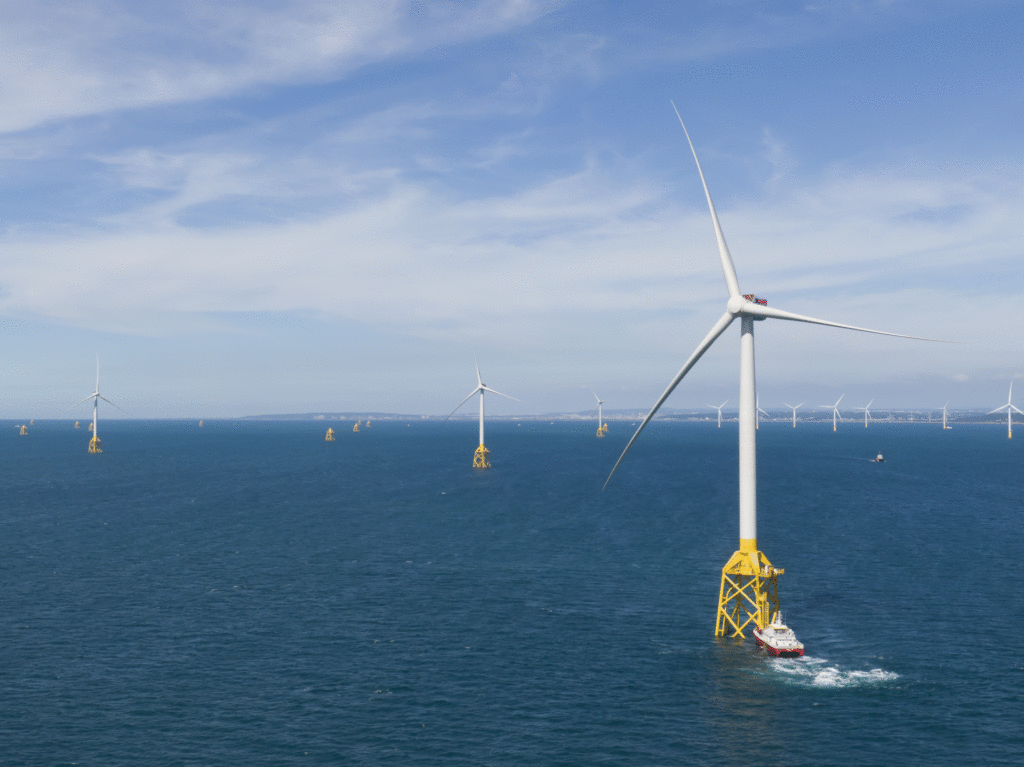
- Foundation Type: The turbines are supported by jacket foundations. These are lattice-like steel structures, typically anchored to the seabed with piles. Jacket foundations are particularly suitable for deeper waters (up to 55 meters in Formosa 2’s case) and provide robust stability against strong waves and currents, a critical consideration in Taiwan’s typhoon-prone waters.
- Water Depths: The project operates in water depths ranging from approximately 4 to 55 meters. This variability requires careful planning and specialized installation techniques to ensure the integrity of each foundation.
- Location: The wind farm is strategically located approximately 4 to 10 kilometers off the coast of Miaoli County, Taiwan. This proximity to shore helps minimize cable lengths while still benefiting from stronger, more consistent offshore winds.
- Offshore Substation and Export Cables: The electricity generated by individual turbines is collected and stepped up in voltage at an offshore substation before being transmitted to shore via high-voltage subsea export cables. These cables are critical arteries, efficiently transferring power to the onshore grid.
| Specification | Detail |
|---|---|
| Total Installed Capacity | 376 MW |
| Number of Turbines | 47 |
| Turbine Model | Siemens Gamesa 8 MW |
| Foundation Type | Jacket foundations |
| Water Depth Range | Approx. 4 to 55 meters |
| Location | Off Miaoli County, Taiwan (4-10 km offshore) |
| Power Off-take Agreement | 20-year PPA with Taiwan Power Company |
Formosa 2’s Impact: Powering Taiwan’s Green Future
The significance of Formosa 2 extends far beyond its impressive technical specifications. It’s a cornerstone of Taiwan’s ambitious energy transition, delivering tangible benefits across environmental, economic, and strategic fronts.
Contribution to Taiwan’s Renewable Energy Targets
Taiwan, like many industrialized nations, is striving to diversify its energy mix and reduce its carbon footprint. Offshore wind is central to this strategy. Formosa 2 directly contributes to Taiwan’s goal of significantly increasing its renewable energy generation, helping the nation meet its climate commitments and reduce reliance on imported fossil fuels.

By providing a consistent, large-scale source of clean electricity, Formosa 2 helps stabilize the grid and enhances Taiwan’s energy security, a critical factor in a geopolitically dynamic region.
Environmental Benefits
The primary environmental benefit of Formosa 2 is the substantial reduction in greenhouse gas emissions. By replacing fossil fuel-derived electricity, the wind farm mitigates thousands of tons of CO2 annually, improving air quality and combating climate change. This move towards cleaner energy also lessens the environmental impact associated with mining, transportation, and burning traditional fuels.
Economic Impact and Local Content
Large-scale infrastructure projects like Formosa 2 are powerful economic drivers. During its development and construction, the project created numerous direct and indirect jobs, from highly specialized marine engineers to logistics personnel. It also fostered growth in the local supply chain, encouraging Taiwanese companies to develop expertise in offshore wind components and services. This push for local content is a strategic move to build a sustainable domestic industry, ensuring long-term economic benefits beyond the initial construction phase.
Lessons Learned for Future Projects
Formosa 2 isn’t operating in isolation. It’s part of a broader development of offshore wind in Taiwan, including the Formosa 1 (the nation’s first) and planned Formosa 3 and 4 projects. The experiences gained from Formosa 2, particularly regarding typhoon resilience, local supply chain development, and navigating complex permitting processes, are invaluable. These lessons help optimize future projects, making them more efficient, cost-effective, and environmentally sound.
Challenges and Innovations: Overcoming the Offshore Frontier
Building an offshore wind farm is an inherently challenging endeavor. The ocean is a dynamic and often unforgiving environment. Formosa 2 faced and overcame many typical hurdles, demonstrating the resilience and ingenuity required for such projects.
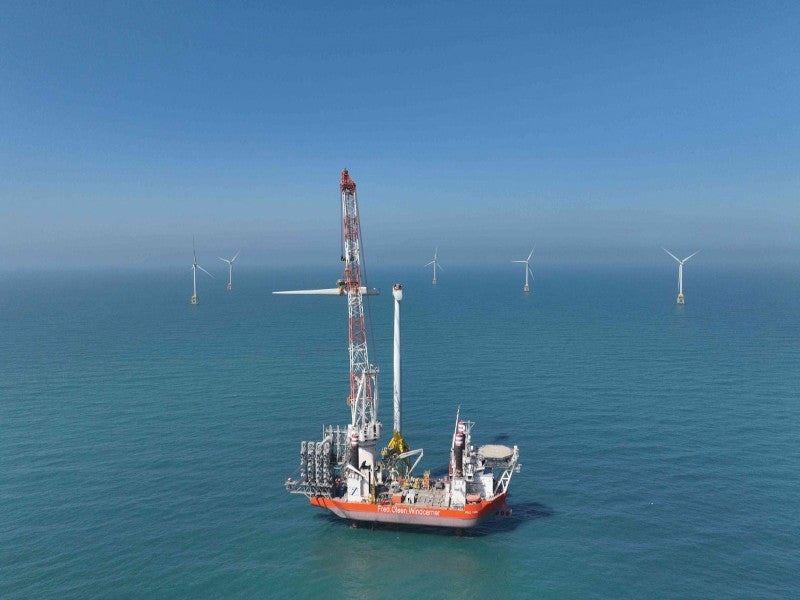
- Challenging Marine Environment: Taiwan is situated in a region prone to typhoons and seismic activity. The design and installation of Formosa 2’s foundations and turbines had to account for extreme weather conditions, requiring robust engineering solutions. This included specialized vessels and innovative installation techniques to work safely and effectively in turbulent waters.
- Logistical Complexities: Transporting massive turbine components, foundations, and specialized equipment from manufacturing sites to the offshore location is a logistical marvel. This involves meticulous planning, coordination between multiple international and local partners, and adherence to strict safety protocols.
- Financial Structuring and Power Purchase Agreements: Securing the enormous capital required for such a project necessitates complex financial arrangements. The 20-year PPA with Taiwan Power Company was instrumental in providing long-term revenue certainty, attracting international investors and lenders. This kind of stable agreement is a blueprint for mitigating investment risk in renewable energy.
- Technological Advancements: The project leveraged state-of-the-art technology, from the advanced 8 MW Siemens Gamesa turbines to sophisticated marine installation vessels. Continuous innovation in materials science, turbine design, and predictive maintenance systems are critical for maximizing efficiency and minimizing downtime in the harsh offshore environment.
Looking Ahead: The Broader Context of Offshore Wind in Asia and Beyond
Formosa 2 is more than just a successful project in Taiwan; it’s a significant marker for the global offshore wind industry. It reinforces Taiwan’s position as a leader in offshore wind development in Asia, setting a high standard for future projects in the region, including South Korea, Vietnam, and Japan.
For the United States, Formosa 2 provides valuable parallels. As the US accelerates its offshore wind ambitions, particularly with projects planned for the Atlantic and Pacific coasts, understanding the successes and challenges of mature projects like Formosa 2 is critical. Key takeaways include:
- The Importance of a Stable Regulatory Framework: Taiwan’s clear policy support and PPAs have been crucial.
- Building a Domestic Supply Chain: The emphasis on local content in Taiwan can inform US strategies for creating lasting economic benefits.
- Overcoming Environmental Challenges: Lessons from typhoon-prone Taiwan can offer insights into designing for hurricane-prone US East Coast waters.
- The Power of International Partnerships: Collaborations between local expertise and global industry leaders are essential for scaling up.
Formosa 2 stands as a beacon of progress in the global race towards decarbonization. It demonstrates that with vision, collaboration, and cutting-edge engineering, humanity can harness the immense power of the ocean to create a sustainable energy future. It’s a tangible success story that continues to inspire and inform offshore wind development worldwide.
Frequently Asked Questions
What is the Formosa 2 Offshore Wind Farm?
The Formosa 2 Offshore Wind Farm is a large-scale, 376-megawatt (MW) renewable energy project located off the coast of Miaoli County, Taiwan. It comprises 47 wind turbines designed to generate clean electricity.
Where is the Formosa 2 Offshore Wind Farm located?
It is situated approximately 4 to 10 kilometers off the coast of Miaoli County in northwestern Taiwan, operating in water depths ranging from 4 to 55 meters.
Who are the main developers and operators of Formosa 2?
Formosa 2 is a joint venture primarily developed and operated by Synera Renewable Energy Group (51% ownership) and JERA Nex bp (49% ownership), a partnership between JERA and bp.
What is the installed capacity of Formosa 2?
The Formosa 2 Offshore Wind Farm has a total installed capacity of 376 megawatts (MW).
When did Formosa 2 become fully operational?
The Formosa 2 Offshore Wind Farm achieved full commercial operation in early 2023, with all 47 turbines connected to the grid and generating power.
What type of wind turbines are used at Formosa 2?
The project utilizes 47 Siemens Gamesa 8 MW offshore wind turbines, known for their efficiency and robustness in marine environments.
How does Formosa 2 contribute to Taiwan’s energy goals?
Formosa 2 is a key component of Taiwan’s renewable energy strategy, significantly contributing to its clean energy targets, reducing greenhouse gas emissions, enhancing energy security, and fostering a local offshore wind supply chain.
