
Debunking the 40 GW Target: What’s the Real U.S. Offshore Wind Goal for 2030?
The buzz around offshore wind in the United States is electrifying, and for good reason. It promises clean energy, job creation, and energy independence. But amidst the excitement, a common figure often circulates: the “40 GW offshore wind by 2030” target. While ambitious, this specific number, for that timeframe, often leads to confusion when discussing U.S. objectives. Let’s set the record straight: the official U.S. government target is 30 GW of offshore wind by 2030. So, where does the 40 GW figure come from, and what does it actually mean for America’s clean energy future?
Table of Contents
- Debunking the 40 GW Target: What’s the Real U.S. Offshore Wind Goal for 2030?
- The Official U.S. Offshore Wind Target: 30 GW by 2030
- Origins of the 30 GW Goal: Biden-Harris Administration’s Vision
- The “40 GW” Figure: Where Does it Fit (or Not Fit) for the U.S.?
- Why Offshore Wind Matters: Beyond Just Megawatts
- Economic Windfall: Jobs and Supply Chain Development
- Climate Imperative: Decarbonizing the Grid
- Energy Independence and Grid Resiliency
- The Roadmap to 30 GW: Key Pillars and Progress
- Policy and Regulatory Framework
- Technological Advancements and Scalability
- Supply Chain and Workforce Development
- Current Status and Key Projects in the Pipeline
- Operational Projects: A Glimpse of the Future
- Major Lease Areas and Planned Developments
- Navigating the Headwinds: Challenges to Reaching 30 GW
- Permitting and Environmental Review Delays
- Supply Chain Bottlenecks and Cost Escalation
- Grid Infrastructure and Interconnection
- Public Acceptance and Siting Conflicts
- Beyond 2030: The Path to 40 GW and Beyond
- Accelerating Momentum Post-2030
- The Potential for 40 GW and What it Means for the U.S.
The Official U.S. Offshore Wind Target: 30 GW by 2030
In March 2021, the Biden-Harris Administration announced a bold vision to deploy 30 gigawatts (GW) of offshore wind capacity by 2030. This isn’t just a number; it’s a commitment to power millions of homes, catalyze billions in investments, and create tens of thousands of American jobs. This target is a cornerstone of the nation’s strategy to combat climate change, transition to a clean energy economy, and establish the U.S. as a global leader in renewable energy.
Origins of the 30 GW Goal: Biden-Harris Administration’s Vision
This 30 GW goal emerged from a clear understanding of offshore wind’s immense potential. The Administration recognized it as a powerful tool to:
- Combat Climate Change: Significantly reduce carbon emissions from the electricity sector.
- Boost Economic Growth: Drive investment in manufacturing, shipbuilding, and port infrastructure, particularly in coastal communities.
- Create Jobs: Support an estimated 77,000 jobs across the offshore wind supply chain by 2030.
- Enhance Energy Independence: Diversify the energy mix and provide a stable, domestic source of power.
Achieving 30 GW by 2030 would be enough to power over 10 million American homes with clean electricity, marking a monumental shift in the nation’s energy landscape.
The “40 GW” Figure: Where Does it Fit (or Not Fit) for the U.S.?
Here’s where the confusion often arises. While the U.S. doesn’t have an operational 40 GW by 2030 target, the number does appear in a few contexts:
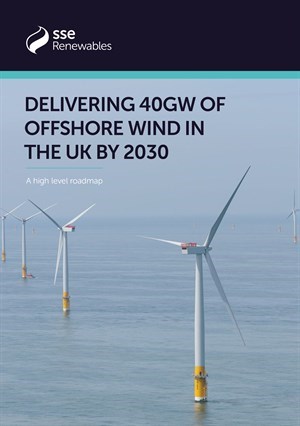
- The UK’s Target: The United Kingdom, a global leader in offshore wind, has indeed set a target of 40 GW by 2030. Given the global nature of renewable energy discussions, it’s easy for this figure to get conflated with U.S. goals.
- U.S. Development Pipeline: The U.S. Department of Energy (DOE) has noted that there are approximately 40 GW of offshore wind projects in various stages of development (e.g., early planning, lease acquired, permitting). This represents the potential or aspirational pipeline, not necessarily what will be operational by 2030.
- Longer-Term U.S. Ambition: Some market analysts and industry groups project the U.S. could reach 40 GW by 2035 or slightly later, demonstrating the long-term potential beyond the initial 2030 goal.
It’s crucial to differentiate these contexts to understand the actual U.S. trajectory. While 40 GW by 2030 is an inspiring number, for the U.S., the immediate, actionable focus remains squarely on the 30 GW target.
| Region/Country | Official Offshore Wind Target | Target Year | Status for 40 GW by 2030 |
|---|---|---|---|
| United States | 30 GW | 2030 | 40 GW often refers to total development pipeline or a 2035+ target. |
| United Kingdom | 40 GW | 2030 | This is their official, ambitious target. |
| European Union | 86-89 GW | 2030 | Collective regional goal, significantly higher than 40 GW. |
Why Offshore Wind Matters: Beyond Just Megawatts
The push for offshore wind isn’t just about reaching a numerical target; it’s about harnessing a powerful resource with far-reaching benefits for the nation.
Economic Windfall: Jobs and Supply Chain Development
The development of 30 GW of offshore wind is a massive economic engine. It requires a dedicated and skilled workforce across various sectors:
- Manufacturing: Building turbines, blades, foundations, and cables. This means revitalizing domestic factories and creating new ones.
- Construction: Installing turbines, substations, and transmission infrastructure offshore, and upgrading ports onshore.
- Operations & Maintenance (O&M): Long-term jobs to keep the wind farms running efficiently for decades.
- Supporting Industries: Logistics, engineering, maritime services, and research and development.
Investments in port infrastructure alone are expected to reach billions, transforming coastal areas into hubs of renewable energy activity. This isn’t just green energy; it’s green jobs, fostering a skilled American workforce ready for the future.
Climate Imperative: Decarbonizing the Grid
Our planet needs clean energy now. Offshore wind offers a critical solution for decarbonizing the electricity grid, especially in densely populated coastal regions. Wind power is clean, emitting no greenhouse gases or air pollutants once operational. Its deployment helps reduce reliance on fossil fuels, directly contributing to the U.S.’s climate goals and commitments.
Energy Independence and Grid Resiliency
Offshore wind provides a significant boost to national energy security. By diversifying our energy sources, we reduce vulnerability to price fluctuations and geopolitical events impacting traditional fuel supplies. Furthermore, offshore wind farms often generate power closest to major coastal load centers, where electricity demand is highest. This proximity can reduce transmission losses, improve grid stability, and enhance overall resiliency during extreme weather events or other disruptions.
The Roadmap to 30 GW: Key Pillars and Progress
Achieving 30 GW by 2030 requires a coordinated, multi-faceted approach involving federal and state governments, industry, and local communities. Here’s how the U.S. is building this new industry:
Policy and Regulatory Framework
The federal government, primarily through the Department of the Interior’s Bureau of Ocean Energy Management (BOEM), is streamlining the permitting and leasing process for offshore wind development. This includes:

- Accelerated Lease Sales: Designating new Wind Energy Areas (WEAs) and conducting competitive lease auctions in strategic locations like the New York Bight, Carolina Long Bay, and the Gulf of Mexico.
- Efficient Permitting: Improving the environmental review process for projects while ensuring robust protections for marine ecosystems and stakeholders.
- Incentives: Leveraging federal tax credits, such as the Investment Tax Credit (ITC) and Production Tax Credit (PTC), which have been enhanced by legislation like the Inflation Reduction Act (IRA), to drive private investment.
Crucially, several states have set their own ambitious offshore wind targets, driving demand and creating a stable market for developers. States like New York, New Jersey, Massachusetts, Maryland, and Virginia are at the forefront, committing to significant procurement targets and investing in critical infrastructure.
Technological Advancements and Scalability
The technology behind offshore wind is rapidly evolving. Larger, more powerful turbines (15 MW+ capacity) are becoming standard, increasing energy capture and reducing the number of turbines needed for a given capacity. Additionally, advancements in floating offshore wind technology are opening up vast new areas for development in deeper waters, particularly off the West Coast and in the Gulf of Maine, which will be critical for long-term growth beyond 2030.
Supply Chain and Workforce Development
A robust domestic supply chain is vital to avoid bottlenecks and ensure economic benefits stay within the U.S. The federal government is pushing for requirements that incentivize domestic content for projects. This includes:
- Port Modernization: Investing in upgrading ports to handle the immense components of offshore wind turbines and foundations.
- Manufacturing Hubs: Encouraging the establishment of factories for blades, towers, and foundations in the U.S.
- Workforce Training: Collaborating with community colleges, universities, and labor unions to develop specialized training programs for offshore wind technicians, engineers, and construction workers.
| Year | Key Milestones/Progress | Approx. Operational GW (Cumulative) |
|---|---|---|
| 2022 | First major commercial-scale project (Vineyard Wind 1) starts construction. Multiple lease auctions held. | ~0.04 GW (Block Island Wind Farm) |
| 2023-2024 | First projects begin delivering power. Continued federal lease sales and state procurements. | ~0.15-0.5 GW (Initial phases of Vineyard Wind 1, South Fork Wind) |
| 2025-2027 | Several large-scale projects complete construction and come online. Significant supply chain ramp-up. | ~5-10 GW |
| 2028-2030 | Peak construction and commissioning of numerous utility-scale projects. Floating wind pilots scale up. | ~20-30 GW (Target Achievement) |
Current Status and Key Projects in the Pipeline
The U.S. offshore wind industry is rapidly moving from planning to realization. While a full 30 GW isn’t yet operational, the groundwork is being laid with significant projects underway.
Operational Projects: A Glimpse of the Future
Currently, the U.S. has a few operational projects, primarily serving as trailblazers:
- Block Island Wind Farm (Rhode Island): The nation’s first offshore wind farm, a 30 MW project, operational since 2016.
- Coastal Virginia Offshore Wind (Virginia): A small 12 MW pilot project, operational since 2020. This is a precursor to a much larger utility-scale project.
More significantly, commercial-scale projects are now beginning to deliver power, such as the initial phases of South Fork Wind (New York) and Vineyard Wind 1 (Massachusetts).
Major Lease Areas and Planned Developments
The majority of the 30 GW target will come from a robust pipeline of projects in various stages of development across designated Wind Energy Areas:
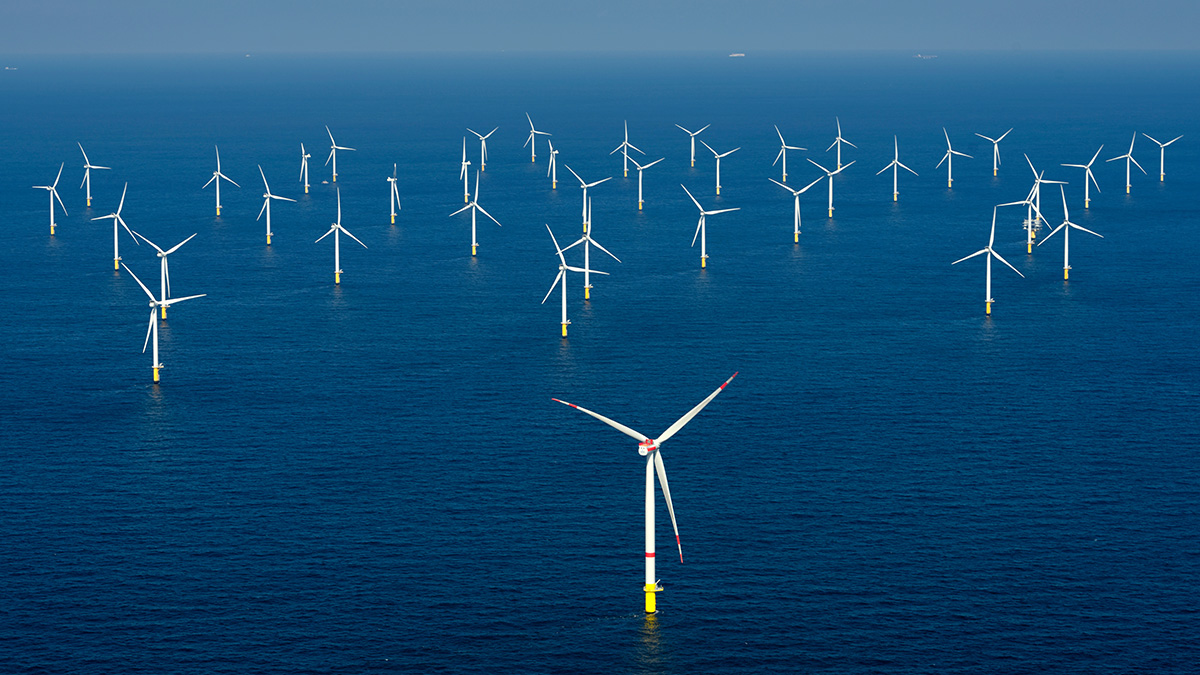
- Northeast: The New York Bight and areas off Massachusetts are hotspots. Key projects include Empire Wind (NY), Sunrise Wind (NY), Revolution Wind (CT/RI), South Fork Wind (NY), and Vineyard Wind 1 & 2 (MA). These projects alone account for many gigawatts of planned capacity.
- Mid-Atlantic: States like New Jersey, Maryland, and Virginia have large-scale developments. Examples include Ocean Wind (NJ) and Coastal Virginia Offshore Wind (CVOW), which is set to become one of the largest offshore wind farms in the world.
- West Coast: While still in earlier stages, California is a key player for floating offshore wind, with initial lease auctions held. The deep waters off its coast necessitate this advanced technology, paving the way for future capacity beyond fixed-bottom turbines.
| Project Name | State/Region | Capacity (MW) | Developer(s) | Status (as of late 2023/early 2024) |
|---|---|---|---|---|
| Block Island Wind Farm | Rhode Island | 30 | Ørsted | Operational since 2016 |
| Coastal Virginia Offshore Wind (Pilot) | Virginia | 12 | Dominion Energy | Operational since 2020 |
| South Fork Wind | New York | 132 | Ørsted & Eversource | Partially operational, delivering power |
| Vineyard Wind 1 | Massachusetts | 800 | CIP & Avangrid Renewables | Under construction, delivering first power |
| Empire Wind 1 & 2 | New York | 810 + 1224 | Equinor & BP | Power purchase agreements secured, final permitting |
| Coastal Virginia Offshore Wind (Commercial) | Virginia | 2640 | Dominion Energy | Under construction, expected completion by 2026 |
Navigating the Headwinds: Challenges to Reaching 30 GW
While the momentum is strong, achieving 30 GW by 2030 is not without significant challenges. These are the hurdles the industry and government must clear together:
Permitting and Environmental Review Delays
The rigorous federal and state permitting processes are designed to ensure environmental protection and address stakeholder concerns. However, these can be lengthy and complex. Balancing the urgency of climate action with thorough environmental review, particularly concerning marine life (like the North Atlantic Right Whale), fishing communities, and other ocean users (shipping, military), requires continuous collaboration and refined processes.
Supply Chain Bottlenecks and Cost Escalation
Building an entirely new industry from scratch on a tight timeline is expensive. The specialized vessels needed for turbine installation are limited globally, and domestic manufacturing capacity for large components is still developing. Inflation, rising interest rates, and global supply chain disruptions have led to increased project costs, causing some developers to re-evaluate or even cancel existing power purchase agreements. This puts pressure on states and the federal government to ensure stable market conditions and attractive incentives.
Grid Infrastructure and Interconnection
Offshore wind farms generate power far from existing onshore transmission grids. Connecting these new sources requires substantial investment in new subsea cables, offshore substations, and upgrades to onshore grid infrastructure. Planning and building these complex grid connections can take years, and a lack of coordinated, regional transmission planning can create bottlenecks, hindering the efficient delivery of power to consumers.
Public Acceptance and Siting Conflicts
While broad support for clean energy exists, specific project proposals can face local opposition. Concerns about visual impacts, disruption to fishing grounds, and potential impacts on tourism or coastal aesthetics can lead to “Not In My Backyard” (NIMBY) sentiment. Effective community engagement, transparent communication, and thoughtful project siting are crucial to building public acceptance and minimizing conflicts.
Beyond 2030: The Path to 40 GW and Beyond
Even as the U.S. races towards its 30 GW by 2030 target, the long-term vision for offshore wind is even grander. The potential of this resource is immense, and the lessons learned in the next few years will pave the way for accelerated growth.
Accelerating Momentum Post-2030
The foundational work being done now—establishing a supply chain, building expertise, and refining regulatory processes—will create a robust ecosystem that can support even faster deployment post-2030. Many analyses suggest that once the industry reaches critical mass, the pace of development could increase significantly, making higher targets more achievable.
The Potential for 40 GW and What it Means for the U.S.
While 40 GW by 2030 is an aspirational figure for the U.S., achieving it by 2035 or slightly later is entirely within reach with continued policy support, technological innovation (especially floating wind), and sustained investment. Reaching 40 GW would solidify the U.S. position as a global offshore wind powerhouse, delivering even greater economic benefits, deeper decarbonization, and enhanced energy security. It would signify not just a shift in energy policy, but a transformation of the nation’s industrial and energy identity.
The journey to 30 GW by 2030 is ambitious, complex, and requires unwavering commitment. But the benefits—a cleaner environment, a stronger economy, and a more secure energy future—make it a goal worth pursuing with every ounce of national resolve. Let’s focus on the achievable target, overcome the challenges, and set the stage for a truly transformative energy future where offshore wind plays a central role.
