
Unpacking the Cape Cod Wind Farm Story: From Controversy to America’s Offshore Energy Future
If you’ve heard whispers about a “Cape Cod Wind Farm,” you might be picturing giant turbines spinning off the coast of this iconic Massachusetts peninsula. But the truth is, the story of offshore wind in this region is far more complex and captivating than a single project. It’s a narrative of bold ambition, fierce opposition, technological evolution, and ultimately, a groundbreaking success that’s now powering homes across New England.
Table of Contents
- Unpacking the Cape Cod Wind Farm Story: From Controversy to America’s Offshore Energy Future
- The Ghost of Cape Wind: America’s First Offshore Wind Battle
- A Vision Ahead of Its Time: What Was Cape Wind?
- The Tides of Opposition: Why Cape Wind Faced Such Strong Resistance
- The Project’s Demise: When and Why Cape Wind Ultimately Failed
- Vineyard Wind 1: A New Dawn for Offshore Energy Off Cape Cod
- From Concept to Reality: The Journey of Vineyard Wind 1
- Powering the Future: How Vineyard Wind 1 Works and What It Delivers
- Learning from the Past: How Vineyard Wind Navigated Challenges
- The Economic and Environmental Impact on Cape Cod and Beyond
- Powering Homes and Creating Jobs: The Economic Upside
- Navigating the Transmission Challenge: Why Cape Cod is Critical
- Balancing Act: Environmental Considerations and Mitigation Efforts
- What’s Next? The Future of Offshore Wind in the Northeast
- SouthCoast Wind: The Next Big Player
- Gulf of Maine: Expanding Horizons
- The Road Ahead: Challenges and Opportunities for Offshore Wind
- Lessons Learned: Building America’s Offshore Wind Industry
- The Power of Collaboration and Adaptive Planning
- Prioritizing Community Engagement
- Strategic Siting and Technology Advancement
Many people confuse two distinct endeavors: the controversial Cape Wind Project, which never saw a single turbine built, and the operational Vineyard Wind 1, America’s first utility-scale offshore wind farm. This isn’t just a tale of two projects; it’s a critical chapter in the nation’s energy transition, and understanding it means understanding the future of renewable power.
The Ghost of Cape Wind: America’s First Offshore Wind Battle
Before any steel was fabricated or foundations laid, there was Cape Wind. Proposed in 2001, it ignited a fiery debate that captivated local communities, national media, and environmentalists alike. It became the ultimate litmus test for offshore wind in the U.S., defining what not to do as much as what to aspire to.
A Vision Ahead of Its Time: What Was Cape Wind?
The Cape Wind project envisioned a sprawling wind farm on Horseshoe Shoal in Nantucket Sound, a relatively shallow body of water between Cape Cod, Martha’s Vineyard, and Nantucket. The plan was ambitious for its time: 130 turbines, each standing over 400 feet tall, designed to generate 420 megawatts (MW) of power. This capacity was projected to meet up to 75% of the electricity demand for Cape Cod and the Islands, promising a significant stride towards energy independence and climate action.
It was America’s inaugural commercial-scale offshore wind proposal, and its developers believed it would pave the way for a new clean energy industry. But the road ahead was anything but smooth.
The Tides of Opposition: Why Cape Wind Faced Such Strong Resistance
Cape Wind faced a perfect storm of opposition, drawing critics from all corners. This wasn’t just a simple case of “Not In My Backyard” (NIMBYism); it was a multi-faceted battle with deep roots:
- Visual Impact: For residents of affluent coastal communities on Cape Cod and the Islands, the sight of towering turbines just miles offshore was a major sticking point. Opponents argued it would spoil pristine views and damage tourism, a cornerstone of the regional economy.
- Native American Concerns: The Wampanoag Tribe, whose ancestral lands included Nantucket Sound, voiced strong objections. They argued the project would desecrate sacred cultural sites and disrupt traditional fishing grounds.
- Environmental Worries: Despite its green energy premise, critics raised concerns about the impact on marine life, particularly migratory birds and marine mammals like the critically endangered North Atlantic right whale. Fishermen also worried about disruptions to their livelihoods and access to fishing grounds.
- Regulatory Hurdles: As the first of its kind, Cape Wind navigated an unprecedented maze of state, federal, and local permitting processes, often facing delays and legal challenges.
- Political Resistance: The project became highly politicized, with powerful figures both for and against it, leading to years of legislative and legal battles.
The debate was fierce, lengthy, and ultimately, exhausting for all involved.
The Project’s Demise: When and Why Cape Wind Ultimately Failed
After more than a decade of regulatory approvals, legal battles, and community outreach, Cape Wind’s fate was sealed in 2015. Despite securing federal permits and initially having power purchase agreements (PPAs) with utility companies, these critical contracts were ultimately canceled. The project struggled to secure the necessary financing amidst ongoing legal challenges, strong opposition, and a changing energy market landscape. The financial backing dried up, and the ambitious dream of Cape Wind evaporated, leaving behind a crucial blueprint of challenges and lessons learned for future projects.
Vineyard Wind 1: A New Dawn for Offshore Energy Off Cape Cod
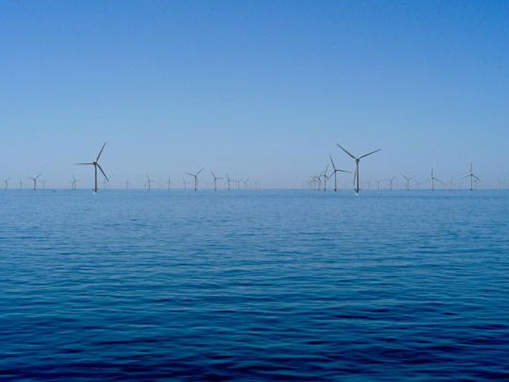
Where Cape Wind faltered, Vineyard Wind 1 soared. This project represents a pivotal moment for renewable energy in the United States, officially becoming the nation’s first large-scale offshore wind farm to begin operations. It demonstrates that with refined strategies, technological advancements, and robust community engagement, offshore wind is not just possible, but essential.
From Concept to Reality: The Journey of Vineyard Wind 1
Vineyard Wind 1 is located approximately 15 miles south of Martha’s Vineyard and 35 miles south of Barnstable on Cape Cod. Its location, further offshore than the proposed Cape Wind site, was a strategic move to mitigate visual impact concerns. The project is a joint venture between Avangrid Renewables and Copenhagen Infrastructure Partners.
The journey from concept to reality for Vineyard Wind 1 began with careful planning and extensive stakeholder engagement. After securing federal lease areas, the project underwent a rigorous permitting process, learning from the protracted struggles of its predecessor. Construction began in earnest, involving massive vessels, specialized engineering, and a workforce dedicated to building a new energy infrastructure.
Powering the Future: How Vineyard Wind 1 Works and What It Delivers
Vineyard Wind 1 is designed to deliver a staggering 800 megawatts (MW) of clean energy, enough to power over 400,000 homes across Massachusetts. It consists of 62 GE Haliade-X turbines, each capable of generating substantial power. As of early 2024, the project has begun delivering electricity to the New England grid, with more turbines coming online incrementally.
The benefits extend beyond just clean power:
- Economic Boost: The project has generated over 1,000 union jobs during construction, alongside significant investment in port infrastructure and a burgeoning local supply chain. This translates to substantial economic activity and new career opportunities in the region.
- Energy Independence: By harnessing the powerful winds off the coast, New England can reduce its reliance on fossil fuels, contributing to a more resilient and secure energy grid.
- Climate Action: Annually, Vineyard Wind 1 is expected to reduce carbon emissions by over 1.6 million metric tons, a crucial step in combating climate change.
Learning from the Past: How Vineyard Wind Navigated Challenges
Vineyard Wind’s success wasn’t accidental. It was built on the lessons learned from Cape Wind’s difficulties:
- Strategic Siting: By locating the project further offshore, Vineyard Wind significantly reduced concerns about visual impact from coastal communities.
- Robust Community Engagement: Developers made concerted efforts to engage with local communities, fishing industries, and tribal nations early and often, seeking input and offering mitigation strategies. This included agreements with local towns and compensation for potential impacts on fishing.
- Technological Advancement: Newer, more powerful turbines mean fewer towers are needed to generate more electricity, reducing the overall footprint.
- Clear Regulatory Pathway: By the time Vineyard Wind was proposed, the federal and state regulatory processes for offshore wind were more defined, streamlining approvals, albeit still rigorous.
The stark contrast between these two projects highlights the evolution of the offshore wind industry in the U.S.
| Feature | Cape Wind Project (Proposed) | Vineyard Wind 1 (Operational) |
|---|---|---|
| Status | Failed / Cancelled (Proposed 2001) | Operational (First power delivered 2024) |
| Location | Horseshoe Shoal, Nantucket Sound (relatively close to shore) | South of Martha’s Vineyard (further offshore) |
| Proposed/Operational Capacity | 420 MW | 800 MW |
| Number of Turbines | 130 | 62 |
| Key Controversies/Success Factors | Visual impact, tribal concerns, fishing conflicts, regulatory fatigue, PPA cancellations. | Strategic siting, robust community engagement, advanced technology, clear regulatory pathway, strong political backing. |
| Turbine Height (approx.) | 440 feet (hub height) | 850 feet (blade tip) |
The Economic and Environmental Impact on Cape Cod and Beyond
Offshore wind farms off the coast of Massachusetts are more than just power generators; they are engines of economic development and critical tools in the fight against climate change. However, their integration into the delicate ecosystem of Cape Cod comes with its own set of considerations.
Powering Homes and Creating Jobs: The Economic Upside
The development of offshore wind represents a massive economic opportunity for the region. Beyond the immediate construction jobs, a whole new supply chain is emerging:
- Local Job Creation: From port workers and technicians for turbine assembly and maintenance to highly skilled engineers and project managers, offshore wind is creating thousands of good-paying jobs. The town of New Bedford, for instance, has become a key staging port for Vineyard Wind 1, revitalizing its waterfront.
- Energy Independence & Price Stability: By generating electricity locally from a free, inexhaustible resource, Massachusetts can reduce its reliance on volatile fossil fuel markets, potentially leading to more stable energy prices for consumers.
- Tax Revenue & Investment: These projects bring significant investment into local communities through host community agreements, property taxes, and infrastructure upgrades, benefitting public services and local economies.
Navigating the Transmission Challenge: Why Cape Cod is Critical
A crucial, often overlooked, aspect of offshore wind is getting the power from the turbines offshore to the grid onshore. This involves laying large undersea transmission cables. For many projects, including Vineyard Wind 1 and future developments, Cape Cod is a preferred landing spot for these cables due to its proximity to the wind farm areas and existing transmission infrastructure.
While necessary, these transmission lines present their own set of local concerns:

- Construction Disruption: Laying cables through beaches and coastal towns requires temporary disruption, excavation, and heavy equipment, raising concerns among residents about traffic, noise, and access.
- Environmental Impact (Onshore): Critics worry about the impact of onshore cable routes and new substation construction on fragile ecosystems, wetlands, and residential areas.
- Aesthetics: While the turbines are offshore, onshore substations and connecting infrastructure can still raise visual impact concerns in communities.
Developers are working closely with towns and state agencies to minimize these impacts, using techniques like horizontal directional drilling (HDD) to run cables underground without disturbing sensitive areas like beaches.
Balancing Act: Environmental Considerations and Mitigation Efforts
Even with their clean energy promise, offshore wind projects require careful environmental stewardship:
- Marine Life Impact: Concerns persist about the impact of turbine construction and operation (noise, electromagnetic fields from cables) on marine mammals (especially the North Atlantic right whale), fish, and migratory birds. Projects employ advanced monitoring, seasonal restrictions, and noise reduction techniques to mitigate these risks.
- Fishing Industry: The commercial fishing industry has historically raised concerns about access to fishing grounds, potential impacts on fish migration, and navigation safety. Developers often establish compensation funds and collaborate with fishermen to find solutions, like optimizing turbine spacing.
- Habitat Protection: Rigorous environmental impact assessments are conducted to ensure that sensitive habitats, both marine and terrestrial, are protected during all phases of a project.
The goal is to achieve a net positive environmental outcome, where the benefits of reducing carbon emissions outweigh the localized environmental impacts, which are actively managed and minimized.
What’s Next? The Future of Offshore Wind in the Northeast
Vineyard Wind 1 is just the beginning. The waters off the coast of Massachusetts and the broader Northeast are poised to become a hub for offshore wind development, with several other massive projects in various stages of planning and construction. This region has some of the best wind resources in the world, making it ideal for large-scale energy production.
SouthCoast Wind: The Next Big Player
Formerly known as Mayflower Wind, SouthCoast Wind is another significant project slated for development in federal lease areas south of Martha’s Vineyard and Nantucket. This project has the potential for up to 2.4 gigawatts (GW) of electricity, enough to power over a million homes. While facing some recent economic challenges and uncertainties in its power purchasing agreements, it remains a critical part of the region’s energy future, demonstrating the sheer scale and ambition of future projects.
Gulf of Maine: Expanding Horizons
Further north, the Gulf of Maine is also being eyed for substantial offshore wind development. This area presents unique challenges and opportunities. The waters in the Gulf of Maine are significantly deeper, necessitating the use of floating offshore wind technology rather than fixed-bottom turbines. This technology, though more nascent than fixed-bottom, offers incredible potential for harnessing wind resources in deeper waters, opening up vast new areas for development.
The Bureau of Ocean Energy Management (BOEM) has been actively working on lease sales and environmental assessments for areas within the Gulf of Maine, illustrating the long-term vision for expanding offshore wind beyond current shallow-water sites.
The Road Ahead: Challenges and Opportunities for Offshore Wind
The journey to a clean energy future isn’t without its hurdles:
- Permitting Complexities: Despite improvements, navigating the numerous federal, state, and local permitting requirements for large infrastructure projects remains a time-consuming and challenging process.
- Supply Chain Constraints: The nascent U.S. offshore wind industry needs to build out a robust domestic supply chain, from specialized vessels and port infrastructure to skilled labor, to reduce costs and accelerate deployment.
- Grid Modernization: Integrating massive amounts of intermittent renewable energy requires significant upgrades and modernization of the existing onshore transmission grid to ensure reliability and efficiency.
- Public Acceptance: While public opinion is generally favorable towards clean energy, localized concerns about visual impact, environmental impacts, and energy costs remain, necessitating ongoing transparent communication and community benefits.
Despite these challenges, the commitment to offshore wind in the Northeast remains strong, driven by climate goals, economic development aspirations, and the undeniable resource potential.
Lessons Learned: Building America’s Offshore Wind Industry
The history of wind projects off Cape Cod offers invaluable lessons for the rest of the nation as it embarks on a clean energy transition. It’s a testament to perseverance, adaptation, and the power of learning from past experiences.

The Power of Collaboration and Adaptive Planning
The contrast between Cape Wind and Vineyard Wind 1 underscores the importance of a collaborative approach. Future projects must prioritize:
- Early and Continuous Engagement: Involving all stakeholders—communities, fishermen, tribal nations, environmental groups—from the earliest stages of planning.
- Flexibility and Adaptation: Being willing to adjust project designs, locations, and mitigation strategies based on feedback and evolving understanding.
- Strong Political and Regulatory Alignment: Ensuring that federal, state, and local governments are working together towards a common goal, with clear and predictable regulatory pathways.
Prioritizing Community Engagement
The success of Vineyard Wind 1 can largely be attributed to a more sophisticated and empathetic approach to community relations. This means:
- Transparency: Openly sharing information about potential impacts and benefits.
- Mitigation and Compensation: Offering tangible solutions and benefits to address local concerns, whether through financial agreements, job training, or environmental protections.
- Building Trust: Recognizing that local communities are partners, not just obstacles, and investing in long-term relationships.
Strategic Siting and Technology Advancement
The choice of location and the continuous improvement of turbine technology are also critical:
- Optimal Siting: Balancing excellent wind resources with minimal environmental and visual impact, often by moving projects further offshore.
- Leveraging Innovation: Adopting larger, more efficient turbines that can generate more power with fewer installations, reducing the overall footprint.
- Future-Proofing: Investing in research and development for technologies like floating offshore wind to unlock new resource areas.
The Cape Cod wind farm story is not just a regional narrative; it’s a microcosm of the global energy transition. It showcases the immense potential of offshore wind and the complex interplay of technology, policy, economics, and community relations that are essential to building a sustainable energy future.
Frequently Asked Questions
What was the Cape Wind Project, and why did it fail?
The Cape Wind Project was a proposed offshore wind farm on Horseshoe Shoal in Nantucket Sound, Massachusetts, first suggested in 2001. It aimed to install 130 turbines with a 420 MW capacity. It failed primarily due to prolonged legal battles, strong opposition from various groups (including concerns over visual impact, tribal heritage, and fishing), regulatory hurdles, and ultimately, the cancellation of crucial power purchase agreements and lack of financial backing.
What is Vineyard Wind 1, and how is it different from Cape Wind?
Vineyard Wind 1 is America’s first commercial-scale offshore wind farm, located about 15 miles south of Martha’s Vineyard. It is operational, delivering 800 MW of clean energy to the grid. It differs significantly from Cape Wind in its location (further offshore, reducing visual impact), its robust community and fishing industry engagement strategies, technological advancements (fewer, larger turbines), and a more defined regulatory pathway that learned from Cape Wind’s struggles.
How does offshore wind benefit the Cape Cod region economically?
Offshore wind projects like Vineyard Wind 1 bring significant economic benefits to the Cape Cod region and surrounding areas. These include creating thousands of union jobs during construction and operation, stimulating investment in port infrastructure (like in New Bedford), generating tax revenues for local communities, and fostering a new domestic supply chain for the burgeoning industry, contributing to overall economic growth.
What are the main environmental concerns associated with offshore wind farms?
While providing clean energy, offshore wind farms raise environmental concerns such as potential impacts on marine life (e.g., North Atlantic right whales, migratory birds) from construction noise, operational sounds, and electromagnetic fields from transmission cables. There are also concerns about disruptions to commercial fishing grounds. Projects mitigate these through extensive environmental studies, monitoring, seasonal restrictions, and technological solutions to minimize harm.
Where do the transmission lines for these wind farms come ashore on Cape Cod?
For projects like Vineyard Wind 1 and others proposed in the region, Cape Cod is a critical landing point for the undersea transmission lines due to its proximity to the wind farm lease areas and existing electrical grid infrastructure. Specific landing sites vary by project but often involve coastal towns on the Cape, where cables are typically routed underground using advanced techniques like horizontal directional drilling to minimize disruption to beaches and sensitive ecosystems.
Are there other offshore wind projects planned near Cape Cod?
Yes, Vineyard Wind 1 is just the first. Several other large-scale offshore wind projects are planned for the waters off Massachusetts and the broader Northeast. Notable examples include SouthCoast Wind (formerly Mayflower Wind), with potential for up to 2.4 GW, and ongoing lease area development in the deeper waters of the Gulf of Maine, which will likely utilize floating offshore wind technology.
