
Windmills in the Gulf of Mexico: Unpacking the Future of Offshore Wind
When you hear “windmills in the Gulf of Mexico,” what comes to mind? Perhaps vast arrays of towering turbines already spinning against the horizon, generating clean energy? If so, you’re a bit ahead of the curve. While the Gulf is a global hub for energy, the kind you’re thinking of—massive offshore wind farms—are still largely on the drawing board. But don’t let that fool you; the wheels are turning, and the future is electric.
Table of Contents
- Windmills in the Gulf of Mexico: Unpacking the Future of Offshore Wind
- The Gulf’s Green Horizon: Why Offshore Wind Here?
- A New Energy Frontier: From Oil & Gas to Wind
- Economic Tailwinds: Jobs and Investment
- Powering the Coast: Energy Independence
- Decoding the Designations: Wind Energy Areas (WEAs) in the Gulf
- What Exactly is a WEA?
- The Initial WEAs: Where Are They?
- The Lease Sale Process: From Designation to Development
- The Road Ahead: Proposed Projects and Timelines
- Current Status: Not Yet Spinning, But Soon
- Key Players and Collaborations
- Anticipated Milestones: A Glimpse into the Future
- Navigating the Storm: Challenges and Solutions for Gulf Wind
- Hurricane Alley: Extreme Weather Engineering
- Environmental Harmony: Protecting Marine Life and Industries
- Infrastructure Evolution: Adapting the Grid
- Permitting Pathways: Streamlining Development
- The Economic Gust: Impact and Opportunity
- Local Job Creation and Workforce Development
- Boosting Coastal Economies
- Supply Chain Opportunities
- Looking Ahead: The Future of Offshore Wind in the Gulf
- What’s Next for the Gulf’s Energy Landscape?
- A National Push for Renewable Energy
- Conclusion
The Gulf of Mexico, historically synonymous with oil and gas, is on the cusp of a profound energy transition. Imagine a future where the same waters that have fueled our nation for decades now harness the relentless power of its winds. This isn’t science fiction; it’s the ambitious, carefully planned reality unfolding right now, with significant government backing and industry interest. We’re talking about a multi-billion dollar opportunity that promises not just clean energy, but a seismic shift in regional economics and job creation. Ready to dive deep into where the Gulf’s wind energy journey stands, what’s coming next, and the monumental challenges being overcome?
The Gulf’s Green Horizon: Why Offshore Wind Here?
Why is the Gulf of Mexico, with its hurricane risks and established fossil fuel infrastructure, suddenly a prime target for offshore wind? It boils down to a confluence of factors: immense untapped renewable potential, existing energy infrastructure, and a strategic push for national energy independence and economic diversification.
A New Energy Frontier: From Oil & Gas to Wind
The Gulf of Mexico boasts some of the strongest and most consistent winds in the nation, particularly further offshore. This consistent wind resource translates directly into high capacity factors for turbines, meaning they can generate power more frequently and efficiently. For a region that understands large-scale energy production, this is a natural evolution. The infrastructure built for the oil and gas industry – the ports, the vessels, the skilled workforce, the transmission corridors – offers a significant head start, reducing the initial investment and development timelines that other regions might face.
Economic Tailwinds: Jobs and Investment
Beyond the environmental benefits, the promise of offshore wind in the Gulf is largely economic. We’re talking about a new industry that could create thousands of high-paying jobs, from manufacturing and installation to operations and maintenance. Studies by the National Renewable Energy Laboratory (NREL) suggest that a single offshore wind farm could support thousands of jobs, significantly boosting coastal economies. This isn’t just about replacing old jobs; it’s about creating new ones, retraining workers, and attracting substantial investment into the region, diversifying economies historically reliant on fossil fuels.
Powering the Coast: Energy Independence
The Gulf Coast states, especially Texas and Louisiana, are major energy consumers. Developing local offshore wind resources means a more resilient, localized energy supply, reducing reliance on fossil fuels and contributing to national energy independence goals. This clean, domestic energy source can power homes, businesses, and industries, bolstering grid stability and reducing carbon emissions, all while keeping energy dollars within the region.
Decoding the Designations: Wind Energy Areas (WEAs) in the Gulf
You can’t just put windmills anywhere in the ocean. There’s a methodical, multi-year process led by the Bureau of Ocean Energy Management (BOEM) to identify and designate specific Wind Energy Areas (WEAs). This is where the initial, crucial steps are being taken.
What Exactly is a WEA?
A Wind Energy Area (WEA) is a parcel of federal waters that BOEM has identified as suitable for offshore wind energy development. The process involves extensive environmental reviews, stakeholder consultations (including commercial fishing, shipping, military, and environmental groups), and detailed mapping to minimize conflicts and maximize wind potential. It’s a painstaking effort to balance energy needs with ecological and economic considerations. Once a WEA is designated, it can then be offered for competitive lease sales to developers.
The Initial WEAs: Where Are They?
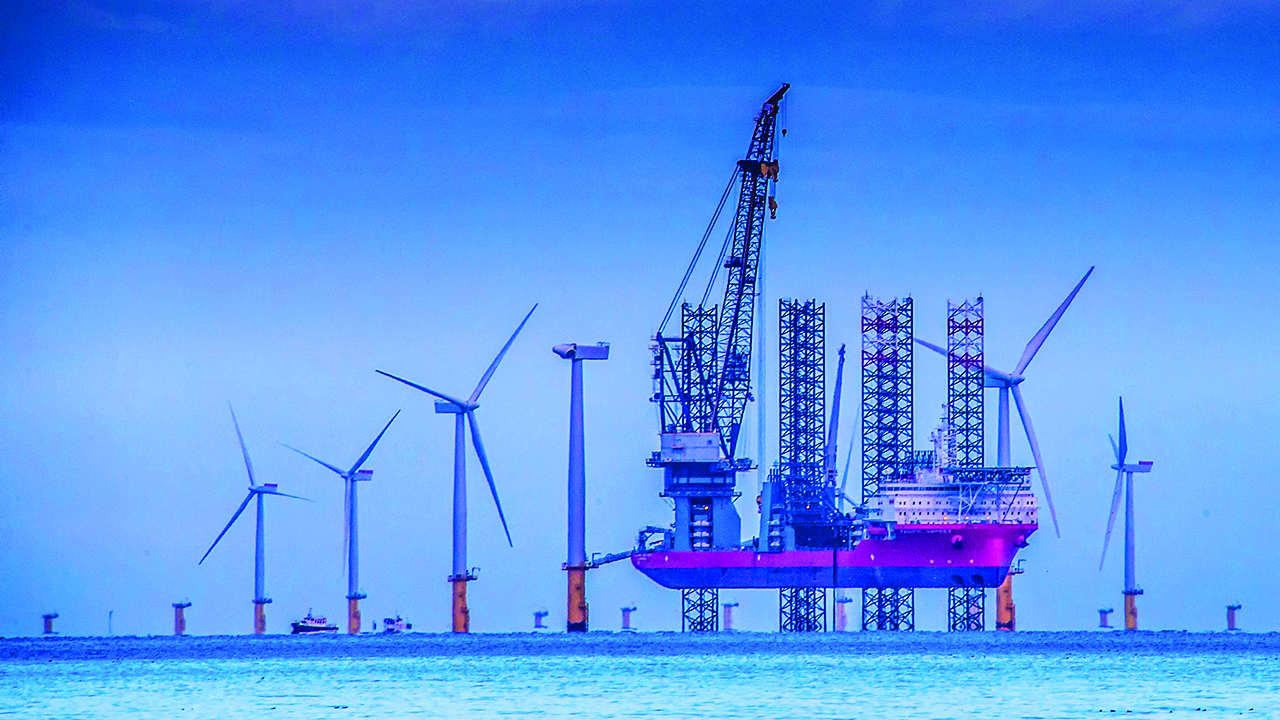
BOEM has been actively designating WEAs in the Gulf, signaling a serious commitment to offshore wind. The initial designations have focused on strategic locations off the coasts of Texas and Louisiana, areas identified for their strong wind resources and reduced conflict with other ocean uses. Here’s a look at the foundational areas:
| WEA Designation | Location (Off Coast of) | Approximate Size (Acres) | Potential Capacity (GW) | Status |
|---|---|---|---|---|
| Initial WEA 1 | Lake Charles, Louisiana | ~508,000 | ~6.0 | Leased (August 2023) |
| Initial WEA 2 | Galveston, Texas | ~102,000 | ~1.2 | Leased (August 2023) |
| Proposed WEA 3 | Brazoria, Texas | ~197,000 | ~2.3 | Proposed (Further review) |
| Proposed WEA 4 | Lake Charles, Louisiana | ~415,000 | ~4.9 | Proposed (Further review) |
These initial areas represent a massive step forward, providing the foundational sites for future wind farm development. The potential capacity, measured in Gigawatts (GW), indicates the sheer scale of power these areas could generate, enough to power millions of homes.
The Lease Sale Process: From Designation to Development
Once WEAs are finalized, BOEM conducts competitive lease sales. These auctions allow energy companies to bid for the rights to develop wind farms within these designated areas. The first-ever Gulf of Mexico lease sale occurred in August 2023, attracting significant interest and marking a historic milestone. This is a critical point: securing a lease is the first major step for developers to begin the rigorous planning, environmental assessments, and engineering required to eventually install turbines. It’s a lengthy, multi-stage process, but the lease sale solidifies the path forward.
The Road Ahead: Proposed Projects and Timelines
So, if there are no windmills now, what’s the timeline? How long until we see those turbines spinning?
Current Status: Not Yet Spinning, But Soon
As of today, there are no operational utility-scale offshore wind farms in the Gulf of Mexico. The projects are in the early stages of development: WEA designation, lease sales, and preliminary planning. However, this shouldn’t be mistaken for inaction. The process for offshore wind development is inherently complex and takes many years, often a decade or more, from initial planning to full operation. Think of it like a marathon, not a sprint.
Key Players and Collaborations
The development of Gulf offshore wind is not a solo act. It involves a intricate dance between government agencies (BOEM, NOAA, NREL), energy developers, technology providers, academic institutions, and local communities. For example, the Shell Gulf Wind Technology Accelerator is a key initiative aiming to develop region-specific wind turbine technologies better suited to the Gulf’s unique environmental challenges, particularly its hurricanes and deep waters. NREL also plays a crucial role, conducting extensive research on everything from wind resource assessment to grid integration and environmental impact.
Anticipated Milestones: A Glimpse into the Future
While precise dates are fluid and subject to change, we can project a general timeline for the Gulf’s offshore wind development:
- 2023-2025: Initial lease sales completed, site assessment plans (SAP) submitted by developers, further environmental studies and permitting.
- 2025-2028: Construction and Operations Plan (COP) development and review, significant engineering and design work, supply chain establishment.
- 2028-2030+: Potential for initial construction phases to begin, with the first operational turbines possibly coming online towards the end of the decade or early next decade.
These are ambitious timelines, contingent on navigating various technical, regulatory, and environmental hurdles. But the momentum is undeniable.
Navigating the Storm: Challenges and Solutions for Gulf Wind
Developing offshore wind in the Gulf of Mexico presents unique challenges that distinguish it from, say, the Atlantic or European markets. Understanding these challenges—and the innovative solutions being developed—is key to grasping the full picture.
Hurricane Alley: Extreme Weather Engineering
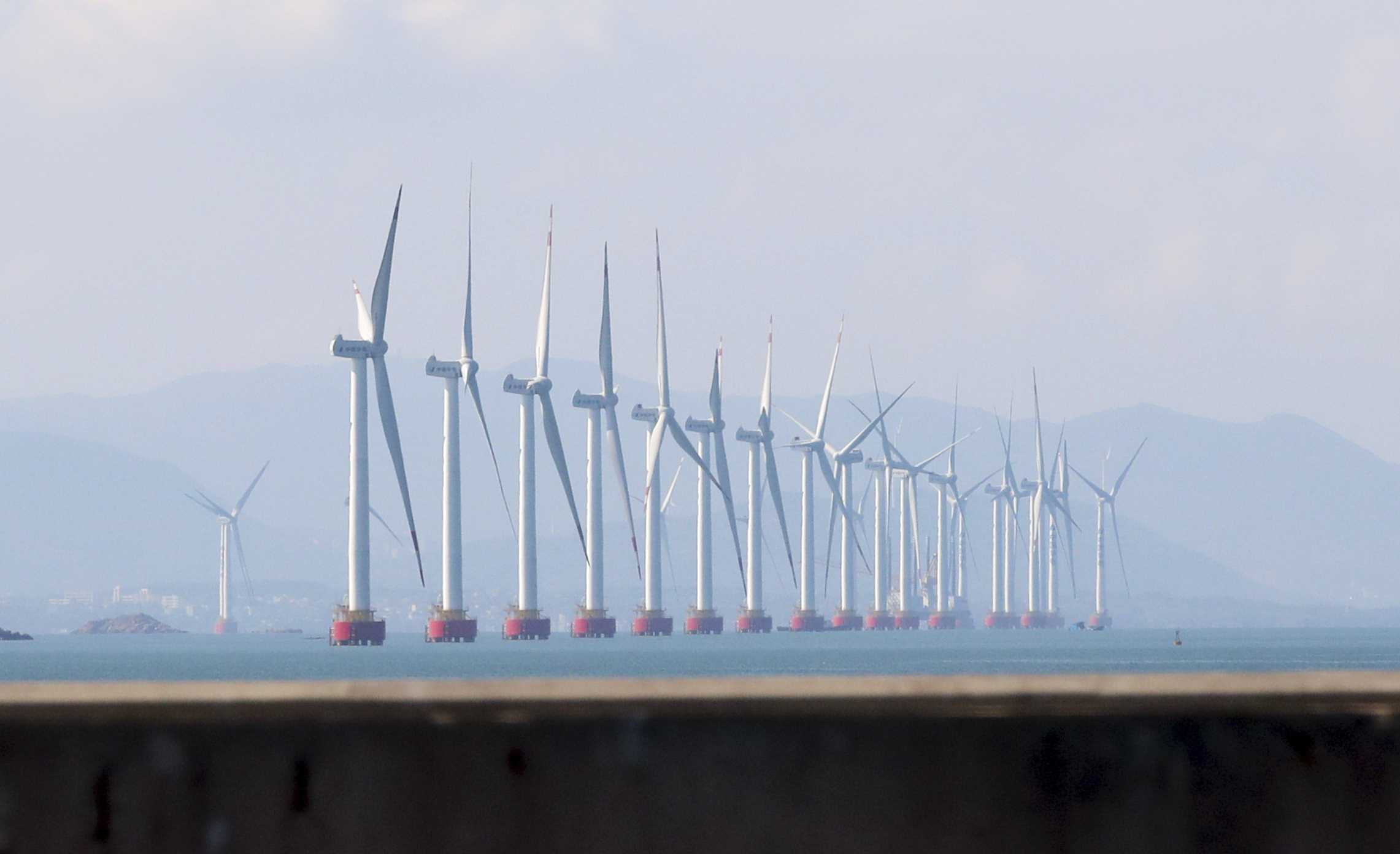
The most obvious challenge in the Gulf is its vulnerability to hurricanes. Unlike many other offshore wind regions, Gulf turbines must be engineered to withstand Category 4 or even Category 5 hurricane-force winds and storm surges. This requires robust designs, advanced materials, and potentially different foundation types (like floating platforms in deeper waters) than those used in calmer seas. Research and development are actively focused on creating hurricane-resilient turbine technology specifically for this region.
Environmental Harmony: Protecting Marine Life and Industries
The Gulf of Mexico is a rich and diverse ecosystem, home to vital marine life and significant commercial fisheries, particularly the shrimp industry. Developers and regulators must meticulously plan to minimize impacts on migratory bird paths, marine mammals, and sensitive habitats. BOEM’s process includes extensive studies to avoid areas heavily used by existing industries, such as the shrimping grounds. The goal is coexistence, where wind farms can operate without significantly disrupting the livelihoods of fishermen or harming the delicate balance of the marine environment.
Infrastructure Evolution: Adapting the Grid
While the Gulf has existing energy infrastructure, integrating massive amounts of new, intermittent wind power into the grid requires significant upgrades. This includes new transmission lines, substations, and smart grid technologies to ensure reliability and efficient power delivery to shore. The challenge isn’t just generating the power; it’s getting it reliably to where it’s needed, adapting an existing grid built primarily for fossil fuels.
Permitting Pathways: Streamlining Development
The permitting process for offshore wind is notoriously complex, involving multiple federal and state agencies. Streamlining these pathways, while maintaining rigorous environmental standards, is crucial for accelerating development. Collaboration between agencies like BOEM, NOAA, and the Department of the Interior is vital to create a clear, efficient, and predictable regulatory framework that encourages investment without cutting corners on safety or environmental protection.
The Economic Gust: Impact and Opportunity
The transition to offshore wind in the Gulf isn’t just about clean energy; it’s a powerful economic engine set to reshape regional economies.
Local Job Creation and Workforce Development
Offshore wind projects are incredibly labor-intensive across their lifecycle. Think about it: research and development, manufacturing of components (blades, towers, foundations), port upgrades, installation by specialized vessels, and then ongoing operations and maintenance for decades. This creates a vast array of job opportunities, from engineers and technicians to electricians, welders, and logistics specialists. Many of these skills are transferable from the existing oil and gas sector, offering a clear pathway for workforce transition and upskilling.
| Phase of Project | Key Job Categories | Economic Impact |
|---|---|---|
| Planning & Development | Engineers, Environmental Scientists, Project Managers, Regulatory Experts | Initial investment, consulting fees, local administrative support |
| Manufacturing & Supply Chain | Welders, Fabricators, Machinists, Logistics Coordinators, Port Workers | Billions in manufacturing contracts, port infrastructure upgrades, increased trade |
| Construction & Installation | Construction Workers, Marine Crew, Crane Operators, Electricians, Divers | Large-scale project spending, local services, accommodation, and food |
| Operations & Maintenance | Wind Turbine Technicians, Marine Technicians, Grid Operators, Asset Managers | Long-term stable jobs, continuous local spending, local service contracts |
Boosting Coastal Economies
Coastal communities stand to benefit immensely. Port cities, in particular, will become vital logistics and staging hubs for turbine components, specialized vessels, and personnel. This means upgrades to port infrastructure, increased shipping activity, and a boost to local businesses that support this new industrial activity. The economic ripple effect extends far beyond the immediate project sites, touching every part of the regional economy.
Supply Chain Opportunities
The scale of offshore wind development requires a robust domestic supply chain. This is a massive opportunity for existing Gulf Coast manufacturers to pivot or expand, producing everything from specialized steel components and cables to vessels and mooring systems. It’s an chance to build a new industrial ecosystem, fostering innovation and creating long-term economic resilience.
Looking Ahead: The Future of Offshore Wind in the Gulf
The journey has just begun, but the vision for windmills in the Gulf of Mexico is clear and compelling. It’s a vision of clean energy, economic revitalization, and technological innovation.

What’s Next for the Gulf’s Energy Landscape?
Expect to see continued governmental support, more lease sales, and increasingly sophisticated research into hurricane-proof turbine designs. The synergy between the existing oil and gas industry and the burgeoning offshore wind sector will be critical, as expertise and infrastructure are leveraged for a new purpose. This isn’t just about adding a new energy source; it’s about fundamentally transforming the energy identity of the Gulf.
A National Push for Renewable Energy
The Gulf’s offshore wind development is a crucial piece of a larger national strategy to accelerate renewable energy deployment and combat climate change. By diversifying our energy portfolio and investing in domestic clean energy sources, the United States aims to achieve significant reductions in carbon emissions, create energy independence, and solidify its position as a leader in green technology. The Gulf of Mexico, with its vast potential and existing energy prowess, is poised to play a central role in this ambitious future.
Conclusion
While the image of towering windmills spinning off the Gulf Coast is still a future vision, the foundational work is well underway. From meticulous Wind Energy Area designations by BOEM to the pioneering efforts in hurricane-resilient technology, every step is laying the groundwork for a transformative energy future. The Gulf of Mexico is not just transitioning; it’s evolving, leveraging its rich energy heritage to embrace a cleaner, more sustainable, and economically vibrant tomorrow. Keep your eyes on the horizon – the future of energy in the Gulf is blowing in with the wind.
Frequently Asked Questions
Are there currently any operational windmills or offshore wind farms in the Gulf of Mexico?
No, as of now, there are no utility-scale operational offshore wind farms or windmills spinning in the Gulf of Mexico. The region is in the early stages of development, with Wind Energy Areas (WEAs) designated and initial lease sales completed. Projects are undergoing extensive planning, environmental review, and engineering before construction can begin.
What is a Wind Energy Area (WEA) and why are they important for the Gulf of Mexico?
A Wind Energy Area (WEA) is a specific ocean area designated by the Bureau of Ocean Energy Management (BOEM) as suitable for offshore wind development. These areas are crucial because they signify locations identified for strong wind resources with minimal conflict with existing marine activities. Their designation is the first step towards offering leases for competitive bidding by wind energy developers.
What are the biggest challenges to developing offshore wind in the Gulf of Mexico?
The primary challenges include the Gulf’s vulnerability to extreme weather events like hurricanes, requiring specialized hurricane-resilient turbine designs. Other significant hurdles involve minimizing environmental impact on marine life and commercial fisheries, integrating new wind power into existing grid infrastructure, and navigating a complex multi-agency permitting process.
How will offshore wind development impact jobs and the economy in the Gulf Coast region?
Offshore wind development is expected to be a significant economic driver. It promises to create thousands of jobs across manufacturing, installation, operations, and maintenance sectors. This will boost coastal economies, provide opportunities for workforce retraining (especially for skilled workers from the oil and gas industry), and attract substantial investment into the region, diversifying local economies.
When can we expect to see the first offshore wind turbines operational in the Gulf of Mexico?
While exact timelines are subject to change, the first operational offshore wind turbines in the Gulf of Mexico are anticipated to come online towards the end of the current decade or in the early 2030s. The process from lease acquisition to full operation typically takes many years due to the complexity of planning, permitting, engineering, and construction.
What role does the existing oil and gas infrastructure play in Gulf offshore wind development?
The existing oil and gas infrastructure and expertise in the Gulf are a significant advantage. This includes specialized vessels, port facilities, supply chain capabilities, and a skilled workforce with transferable marine and energy-related experience. Leveraging this existing foundation can accelerate development and reduce costs compared to regions starting from scratch.
