
Inside An Offshore Wind Turbine: Unveiling the Engineering Marvel
Imagine standing atop a structure taller than most skyscrapers, miles out at sea, surrounded by the rhythmic whoosh of colossal blades. That’s the reality for the brave technicians who work inside offshore wind turbines. These aren’t just giant fans; they are intricate feats of modern engineering, veritable power plants humming with purpose in the vast ocean.
Table of Contents
- Inside An Offshore Wind Turbine: Unveiling the Engineering Marvel
- The Journey Begins: Climbing the Monolithic Tower
- Foundation: Rooted in the Seabed
- Ascending the Tower: More Than Just a Climb
- The Nacelle: The Turbine’s Beating Heart
- The Rotor Hub and Pitch System
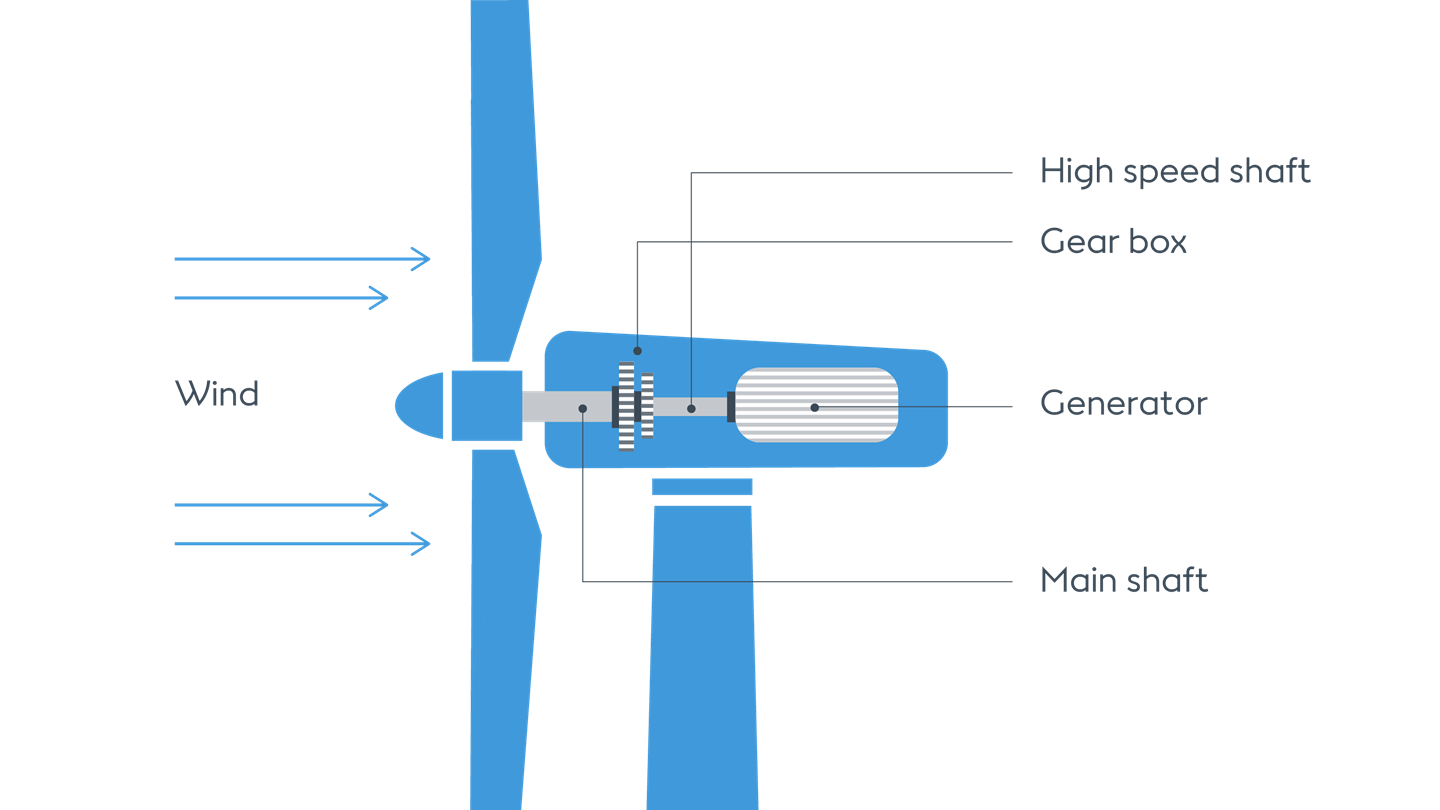
- The Main Shaft & Gearbox: Translating Wind to Power
- The Generator: Electricity’s Birthplace
- Control Systems & Power Electronics: The Brains of the Operation
- The Blades: Sculpted for Efficiency
- Anatomy of a Blade
- The Offshore Environment: Unique Challenges Inside and Out
- Salt, Corrosion, and Humidity
- Access and Maintenance Logistics
- A Day in the Life: What It’s Like Inside
- The Future of Offshore Wind Turbine Design
- Conclusion: A Glimpse into Tomorrow’s Energy
For most of us, an offshore wind turbine is a distant silhouette on the horizon, a symbol of clean energy. But what really goes on inside that towering structure? How do these behemoths capture the wind’s raw power and transform it into the electricity that lights our homes? If you’ve ever wondered about the hidden mechanisms, the complex systems, and the sheer human ingenuity packed into these ocean giants, you’re in for an unparalleled journey.
We’re not just looking at a diagram; we’re taking you on an immersive tour, from the foundations rooted in the seabed to the dizzying heights of the nacelle, where the magic truly happens. Get ready to discover the intricate dance of gears, generators, and control systems that make offshore wind power a cornerstone of our sustainable future.
The Journey Begins: Climbing the Monolithic Tower
Our adventure begins at the base, where the turbine meets the sea. Before we even consider electricity generation, we must understand the colossal structure that supports it all: the tower.
Foundation: Rooted in the Seabed
Unlike their land-based counterparts, offshore turbines require robust foundations to withstand the ocean’s immense forces. While you won’t typically find engineers *inside the foundation itself during routine operation, understanding its role is crucial. Common types include:
- Monopiles: A single, massive steel cylinder driven deep into the seabed, suitable for shallower waters.
- Jacket Foundations: A lattice-like steel structure, resembling an oil rig platform, anchored to the seabed with piles, used in deeper waters.
- Floating Foundations: An emerging technology for very deep waters, where the entire turbine assembly floats and is anchored to the seabed by mooring lines.
Regardless of the type, these foundations provide the rock-solid stability necessary for the turbine to stand firm against powerful waves, currents, and winds.
Ascending the Tower: More Than Just a Climb
The tower itself is not just a hollow tube; it’s a meticulously designed conduit for power, data, and personnel. Stepping inside, you’ll immediately notice the sheer scale. Modern offshore turbine towers can easily exceed 100 meters (over 300 feet) in height.
- Internal Lift Systems: Forget ladders! While emergency ladders are present, technicians typically use an internal elevator or lift system. This can be a cramped, slow journey, taking upwards of 10-20 minutes to reach the nacelle, providing a moment to reflect on the immense engineering involved.
- Platforms and Safety: At various intervals, you’ll find rest platforms, equipped with safety railings, communication systems, and sometimes even small storage areas. Safety is paramount, with strict protocols for entry and ascent.
- Cable Management: Running silently alongside the lift are the crucial power cables and fiber optic lines. These heavy-duty conduits carry the generated electricity down to the substation and transmit vital operational data back to shore.
- Service Lines: You’ll also see piping for hydraulic fluids, lubrication systems, and often even potable water for technicians working at the top.
The journey up the tower offers a unique perspective on the turbine’s internal workings, preparing you for the main event: the nacelle.
The Nacelle: The Turbine’s Beating Heart
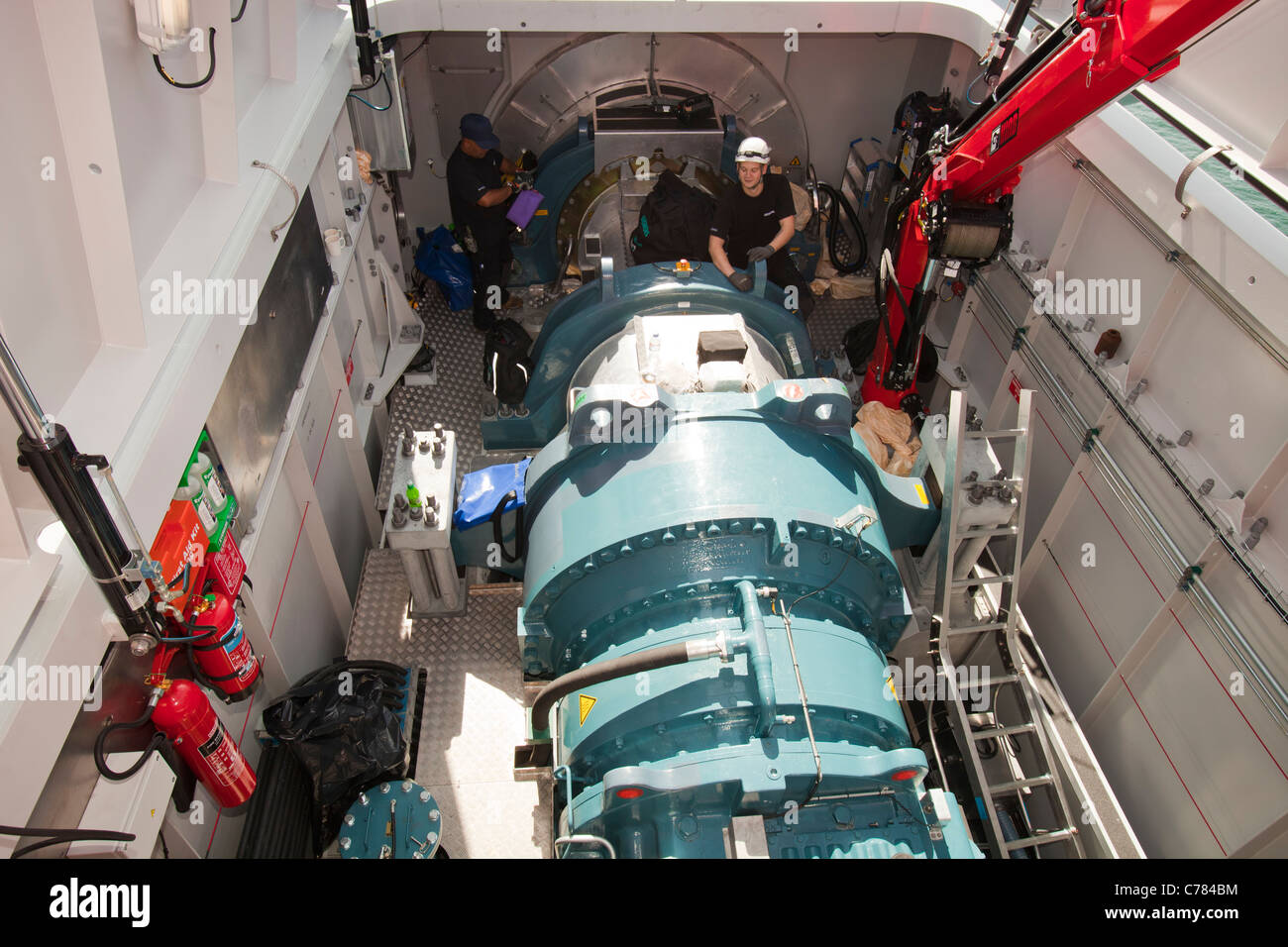
Reaching the top of the tower, you step into the nacelle – a massive housing unit, often the size of a small house or bus, perched precariously hundreds of feet above the waves. This is where the magic of wind-to-electricity conversion truly happens. It’s a bustling hub of mechanical, electrical, and control systems, all working in concert.
The Rotor Hub and Pitch System
The very front of the nacelle is dominated by the rotor hub, where the three enormous blades are attached. This isn’t a fixed connection; the blades are designed to move.
- Blade Attachment: Each blade is bolted onto the hub with incredibly strong connections designed to withstand immense aerodynamic forces.
- Pitch System: This is a critical component for efficiency and safety. Inside the hub, or within the blade root itself, are individual motors and gears (the pitch drive). These systems can rotate each blade along its longitudinal axis, changing its angle (or ‘pitch’) relative to the wind. This allows the turbine to optimize power capture in varying wind speeds. In high winds, blades ‘feather’ (turn almost parallel to the wind) to reduce stress and prevent damage, effectively braking the turbine.
- Bearing Systems: Heavy-duty bearings allow the blades to pitch smoothly and handle the enormous rotational loads.
The Main Shaft & Gearbox: Translating Wind to Power
Behind the rotor hub, the main shaft extends into the nacelle. This is the central axle, a massive component that transfers the rotational energy from the blades.
- Low-Speed Shaft: The main shaft, sometimes called the low-speed shaft, rotates at the same speed as the blades – typically a slow 7-12 revolutions per minute (RPM) for large offshore turbines. It’s often hollow, allowing for internal cabling or access for maintenance.
- The Gearbox: This is arguably one of the most complex and critical mechanical components inside the nacelle. Its primary function is to dramatically increase the rotational speed from the slow-spinning main shaft to the much higher speed required by the generator. For instance, it might convert the blades’ 10 RPM into 1,500 RPM for the generator. The gearbox contains multiple stages of precision gears, sophisticated lubrication systems, and often an active cooling system to manage the immense heat generated by friction and power transfer. Due to the constant stress and high torques, the gearbox is a high-wear component, and its maintenance or replacement is a significant logistical challenge.
- High-Speed Shaft: This smaller, faster-spinning shaft exits the gearbox and directly drives the generator.
The Generator: Electricity’s Birthplace
At the very back of the nacelle, connected to the high-speed shaft, sits the generator. This is where mechanical energy is finally converted into electrical energy.
- Types of Generators: Offshore turbines typically use synchronous or asynchronous generators, designed for high efficiency and reliability. They are essentially massive electric motors operating in reverse, utilizing electromagnetic induction.
- How Electricity is Produced: As the high-speed shaft spins the generator’s rotor, it creates a rotating magnetic field that induces an electric current in the stationary stator windings. This is the electricity destined for your home.
- Cooling Requirements: Generators produce significant heat during operation. They are equipped with advanced cooling systems, often using liquid coolants circulated through heat exchangers, to prevent overheating and ensure optimal performance.
Control Systems & Power Electronics: The Brains of the Operation
Beyond the brute force mechanics, the nacelle is a hub of advanced electronics and control systems that manage every aspect of the turbine’s operation.
- SCADA Systems (Supervisory Control and Data Acquisition): This is the turbine’s central nervous system. SCADA systems continuously monitor hundreds of data points – wind speed, wind direction, power output, component temperatures, vibration levels, and more. This data is transmitted in real-time to onshore control centers, allowing operators to optimize performance and detect potential issues remotely.
- Yaw Drive: Wind direction isn’t constant. The nacelle needs to constantly orient itself to face directly into the wind to maximize energy capture. The yaw drive system, typically consisting of several electric motors and gearboxes around the base of the nacelle, slowly rotates the entire nacelle atop the tower. Wind vanes on top of the nacelle provide real-time direction data.
- Brakes: Safety is paramount. Turbines have multiple braking systems. Aerodynamic brakes, implemented via the pitch system (feathering the blades), are the primary method for slowing and stopping the rotor. Mechanical disc brakes, often located on the high-speed shaft, act as a backup for emergencies or during maintenance to lock the rotor in place.
- Inverters and Transformers: The raw electricity generated by the turbine isn’t immediately grid-ready. Inverters convert the variable AC power from the generator into a stable form. Then, transformers within or near the nacelle step up the voltage to extremely high levels (e.g., from a few hundred volts to several thousand volts) to minimize transmission losses as it travels down the tower and eventually to shore.
- Safety Systems: Beyond brakes, the nacelle is riddled with sensors for vibration, temperature, smoke, and even unauthorized entry. Fire suppression systems and lightning protection are also critical, given the turbine’s exposed location.
The Blades: Sculpted for Efficiency
While not strictly inside* the nacelle, the blades are the turbine’s primary interface with the wind, and their internal design is just as sophisticated as the components within the nacelle.
Anatomy of a Blade
Modern offshore wind turbine blades are colossal, often exceeding 80-100 meters (260-330 feet) in length – longer than an Airbus A380 wing. They are a marvel of composite material science.
- Aerodynamics: Designed with an airfoil shape, similar to an airplane wing, they create lift when wind passes over them, causing rotation.
- Internal Structure: Blades are hollow but reinforced internally. They typically feature strong structural spars running their length, connected by shear webs, all encased in a lightweight, durable shell. Materials like fiberglass, carbon fiber, and epoxy resin are layered and molded to create these incredibly strong yet flexible structures.
- Lightning Receptors: Given their height and exposed position, blades are highly susceptible to lightning strikes. Integrated lightning receptors and grounding systems channel electrical energy safely down the blade and into the ground (or sea), protecting the internal components.
- Heating Elements: In colder climates, some blades incorporate internal heating elements to prevent ice buildup, which can reduce aerodynamic efficiency and create safety hazards.
The Offshore Environment: Unique Challenges Inside and Out
Working and maintaining turbines onshore is one thing; doing it miles out at sea adds layers of complexity and unique demands on the internal components and the human element.
Salt, Corrosion, and Humidity
The marine environment is relentlessly harsh. Salty air, high humidity, and constant exposure to the elements pose significant threats to the turbine’s internal workings.
- Impact on Components: Electrical connections can corrode, metal parts can rust, and moisture can infiltrate sensitive electronics.
- Specialized Protection: Every internal component, from the smallest bolt to the largest generator, is designed with marine-grade materials, specialized coatings, and robust sealing to resist corrosion and humidity. The nacelle itself is hermetically sealed to protect its contents.
Access and Maintenance Logistics
Getting personnel and equipment to an offshore turbine for maintenance is a logistical ballet.
- Weather Windows: Technicians are at the mercy of the weather. Rough seas or high winds can make access impossible, leading to delays and increased costs.
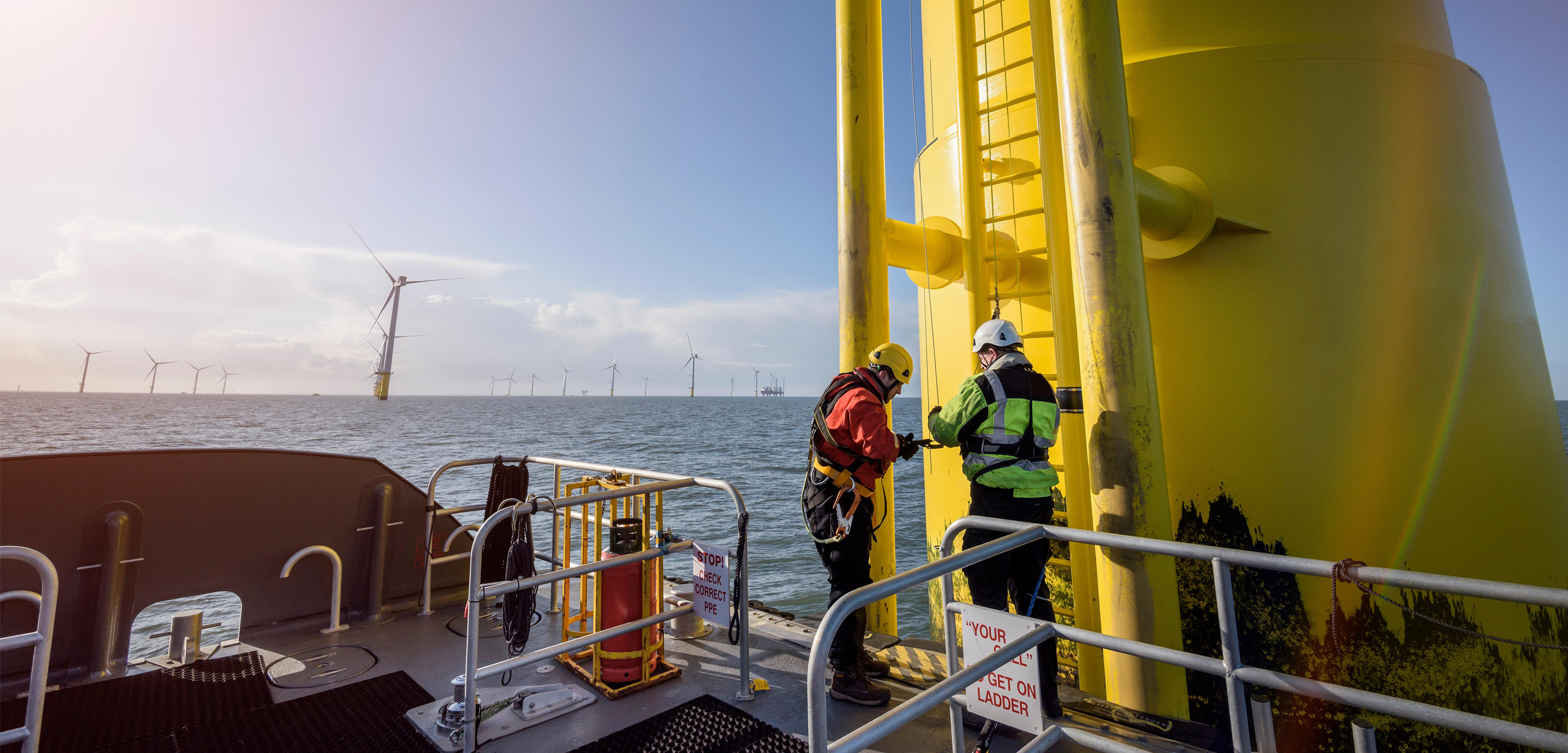
- Specialized Vessels: Crew transfer vessels (CTVs) or larger service operation vessels (SOVs) are used to transport technicians. Transferring from a moving boat to a ladder on a towering turbine base requires skill and calm nerves.
- Technician Training: Offshore wind technicians undergo rigorous training, including advanced first aid, sea survival, working at height, and specialized technical skills. They are often multi-skilled, capable of diagnosing and repairing a wide range of mechanical and electrical issues.
- Remote Monitoring: To minimize costly physical visits, sophisticated SCADA systems allow for extensive remote monitoring and diagnostics, enabling predictive maintenance rather than reactive repairs.
A Day in the Life: What It’s Like Inside
So, what’s it really like to be inside an offshore wind turbine? It’s an experience few get to have, a blend of awe, technical precision, and intense focus.
Imagine the ascent in the lift, slowly rising through the steel tower, the subtle sway of the massive structure barely perceptible. As you step into the nacelle, the first thing that strikes you is the sheer scale of the machinery. The air often hums with the soft thrum of the generator, a powerful, rhythmic sound that vibrates through the floor. Depending on the wind speed, you might hear the whine of gears or the hiss of hydraulic systems.
Technicians move with purpose, checking sensors, monitoring gauges, and performing meticulous inspections. The space is often surprisingly clean and organized, despite being a heavy industrial environment. Safety equipment is donned at all times – harnesses, hard hats, safety glasses, and ear protection are standard. The views from the nacelle, through small windows or access hatches, are breathtaking: an endless expanse of ocean stretching to the horizon, dotted by other turbines standing sentinel.
Working here demands a unique combination of technical expertise, physical fitness, and mental resilience. It’s an isolated environment, often requiring long shifts and teamwork. Every component, every wire, every bolt is critical, and the understanding that you are maintaining a piece of infrastructure vital to our energy future is a powerful motivator.
| Component | Location | Primary Function | Key Detail/Specification |
|---|---|---|---|
| Tower | Extends from foundation to nacelle | Supports nacelle and blades, houses lift/cables | Over 100m tall, internal lift, power/data lines |
| Nacelle | Top of the tower, behind rotor hub | Houses generator, gearbox, control systems | Size of a small house, sealed from marine environment |
| Rotor Hub | Front of the nacelle | Connects blades to main shaft | Contains pitch control mechanisms for blades |
| Blades | Attached to the rotor hub | Capture wind energy, convert to rotational force | Up to 100m long, composite materials, pitchable |
| Main Shaft | Connects rotor hub to gearbox | Transfers slow rotational energy | Rotates at 7-12 RPM, often hollow |
| Gearbox | Between main shaft and generator | Increases rotational speed for generator | Converts 10 RPM to ~1500 RPM, complex lubrication |
| Generator | At the back of the nacelle | Converts mechanical energy to electricity | Requires liquid cooling, produces grid-scale power |
| Yaw System | Base of the nacelle | Orients nacelle to face the wind | Multiple motors, uses wind vane data |
| Control System (SCADA) | Throughout nacelle, remote link | Monitors, controls, and optimizes turbine operation | Real-time data to onshore control centers, predictive maintenance |
| Transformer | Often in nacelle or tower base | Steps up voltage for efficient transmission | Crucial for minimizing power loss over distance |
The Future of Offshore Wind Turbine Design
The innovation isn’t slowing down. The turbines of tomorrow will be even more impressive, pushing the boundaries of engineering and efficiency.
- Even Larger Turbines: The trend towards larger turbines with longer blades continues. This means higher power output per turbine, requiring fewer installations for the same energy capacity and reducing the cost of electricity.
- Advanced Materials: Expect to see more innovative composite materials for blades, improving strength-to-weight ratios and durability in harsh environments.
- Direct Drive Generators: Some manufacturers are developing direct-drive turbines that eliminate the gearbox. This reduces the number of moving parts, potentially increasing reliability and reducing maintenance requirements, though it necessitates a much larger, heavier generator.
- Floating Foundations: As demand pushes wind farms into deeper waters, floating foundations will become more prevalent, opening up vast new areas for offshore wind development.
- Smart Grid Integration: Future turbines will be even more integrated into smart grids, communicating seamlessly to optimize power delivery and respond to grid demands in real-time.
- AI and Automation: Artificial intelligence will play an increasing role in predictive maintenance, operational optimization, and even autonomous inspection within the turbines.
Conclusion: A Glimpse into Tomorrow’s Energy
Stepping inside an offshore wind turbine is to witness the future of energy in action. It’s a testament to human ingenuity, pushing the limits of what’s possible in one of the planet’s most challenging environments. From the colossal foundations holding it steady against the ocean’s might, to the delicate precision of its control systems, every component plays a vital role in transforming wind into power.
These majestic structures are far more than just steel and blades; they are vibrant, complex ecosystems of engineering, constantly monitored and meticulously maintained by dedicated technicians. As we look towards a cleaner, more sustainable future, understanding the incredible world inside an offshore wind turbine helps us appreciate the true scale and potential of renewable energy.
The next time you see one of these giants on the horizon, remember the intricate dance of components within, tirelessly working to power our world, one gust of wind at a time.
Frequently Asked Questions
What are the main sections of an offshore wind turbine?
An offshore wind turbine primarily consists of three main sections: the foundation (anchoring it to the seabed), the tower (supporting the nacelle and providing access), and the nacelle (housing the generator, gearbox, and control systems), with the blades attached to the front of the nacelle.
How do technicians get inside an offshore wind turbine?
Technicians typically access an offshore wind turbine via a specialized crew transfer vessel (CTV) or service operation vessel (SOV). Once at the turbine base, they climb a ladder onto an access platform and then use an internal elevator or lift system to ascend the tower to the nacelle.
What is the nacelle and what does it contain?
The nacelle is the large housing unit located at the top of the wind turbine tower. It acts as the ‘brain’ and ‘heart’ of the turbine, containing crucial components such as the generator, gearbox, main shaft, pitch system for the blades, yaw system for orienting the turbine, and advanced control electronics (SCADA systems).
How does an offshore wind turbine convert wind into electricity?
Wind spins the massive blades, which are connected to a main shaft. This shaft turns a gearbox, which significantly increases the rotational speed. The high-speed shaft from the gearbox then drives a generator, which converts the mechanical energy of rotation into electrical energy through electromagnetic induction. This electricity is then stepped up in voltage by a transformer for efficient transmission to shore.
What are the biggest challenges of operating offshore wind turbines?
Operating offshore wind turbines presents unique challenges including the harsh marine environment (salt, corrosion, high humidity), complex logistics for maintenance and personnel access (weather dependency, specialized vessels), and the sheer scale and cost of construction and repair for these remote, colossal structures.
Are offshore wind turbines safe to work inside?
Yes, offshore wind turbines are designed with extensive safety features and protocols. Technicians undergo rigorous training for working at height, sea survival, and emergency response. Turbines are equipped with multiple braking systems, fire suppression, lightning protection, and continuous monitoring (SCADA) to ensure a safe working environment.
How long do offshore wind turbines typically last?
Modern offshore wind turbines are designed for a lifespan of approximately 25 to 30 years. Regular maintenance, component upgrades, and robust design to withstand marine conditions contribute to their longevity and operational efficiency over decades.
