
Who Leads the Charge? A Deep Dive into the Top Wind Turbine Manufacturers
Ever wondered who’s behind those towering giants harnessing the wind? As the world shifts towards cleaner energy, wind turbines are becoming an increasingly common sight, from sprawling onshore farms to distant offshore arrays. But who actually designs, builds, and deploys these incredible machines?
Table of Contents
- Who Leads the Charge? A Deep Dive into the Top Wind Turbine Manufacturers
- The Titans of Wind: In-Depth Profiles of Leading Manufacturers
- Vestas (Denmark): The Global Trailblazer
- Siemens Gamesa Renewable Energy (SGRE – Spain/Germany): Offshore Dominance and Innovation
- Goldwind (China): Asia’s Renewable Giant
- GE Vernova (USA): American Engineering Pushing Boundaries
- Enercon (Germany): Direct-Drive Pioneer
- Nordex Group (Germany): European Strength with Global Ambition
- Envision Energy (China): Smart Turbines for a Smarter Future
- Beyond the Giants: Other Significant Players and Regional Strengths
- Suzlon (India): Emerging Market Leader
- Mingyang Smart Energy (China): Offshore Innovator
- Hitachi (Japan): Niche Player with Advanced Tech
- Small-Scale Wind Turbine Manufacturers: Powering Homes and Businesses
- Made in the USA: Companies Powering American Wind Energy
- GE Vernova’s American Footprint
- Vestas’s US Manufacturing and Assembly
- Other US-Based Innovators & Component Suppliers
- Choosing a Wind Turbine Manufacturer: What You Need to Know
- Factors to Consider
- The Future of Wind Turbine Manufacturing: Trends and Innovations
- Larger Turbines, Greater Efficiency
- Offshore Wind Dominance
- Digitalization and Smart Turbines
- Sustainable Manufacturing Practices
- Supply Chain Resilience
- The Environmental and Economic Impact of Wind Energy
If you’re looking for the definitive answer on which companies are leading the global wind revolution, you’ve come to the right place. We’re cutting through the noise to bring you the key players, their specialties, and what sets them apart in this fiercely competitive industry. Let’s get straight to it.
The Global Powerhouses: At a Glance
Here’s a quick overview of the major players dominating the wind turbine manufacturing landscape. These companies are responsible for the vast majority of wind energy capacity installed worldwide.
| Manufacturer | Headquarters | Key Specialization | Global Footprint | Notable Fact |
|---|---|---|---|---|
| Vestas | Denmark | Onshore & Offshore, Service | Global leader, strong in Europe & US | Largest installed base worldwide. |
| Siemens Gamesa Renewable Energy (SGRE) | Spain/Germany | Offshore Wind, Advanced Technology | Major player in offshore, significant global presence. | Pioneer in direct-drive offshore turbines. |
| Goldwind | China | Direct-Drive Turbines, Onshore | China market leader, expanding globally. | Known for its permanent magnet direct-drive (PMDD) technology. |
| GE Vernova | USA | Onshore Wind, Offshore (Haliade-X) | Strong presence in North America, growing offshore. | Developer of the powerful Haliade-X offshore turbine. |
| Enercon | Germany | Gearless Turbines, European Market | Strongly established in Europe, focus on quality. | One of the largest producers of gearless wind turbines. |
| Nordex Group | Germany | Onshore Turbines, International Projects | Extensive global portfolio, strong in Europe, Latin America. | Offers a wide range of turbines for various site conditions. |
| Envision Energy | China | Smart Turbines, Digital Solutions | Growing global footprint, strong in Asia-Pacific. | Focuses on integrating AI and IoT into wind energy solutions. |
The Titans of Wind: In-Depth Profiles of Leading Manufacturers
Now, let’s dive deeper into what makes these companies leaders in the race for renewable energy.
Vestas (Denmark): The Global Trailblazer
When you talk about wind turbines, Vestas often comes to mind first. This Danish company isn’t just a manufacturer; it’s a pioneer. With an installed capacity that dwarfs many competitors, Vestas has cemented its position as the global leader in wind energy. From its humble beginnings in 1945 making agricultural equipment, Vestas pivoted to wind energy in the late 1970s and hasn’t looked back. They offer solutions for both onshore and offshore wind farms, known for their reliability, efficiency, and a vast global service network.
What sets Vestas apart is its relentless focus on innovation, pushing the boundaries of turbine size and efficiency. They have a significant manufacturing and service presence in the United States, contributing substantially to the American wind energy landscape and supporting local economies.
Siemens Gamesa Renewable Energy (SGRE – Spain/Germany): Offshore Dominance and Innovation
The result of a 2017 merger between Siemens Wind Power and Gamesa, Siemens Gamesa Renewable Energy (SGRE) immediately became a formidable force, particularly in the offshore wind market. While they offer a robust portfolio of onshore turbines, their offshore prowess is undeniable. SGRE has been at the forefront of developing increasingly powerful offshore turbines, capable of withstanding harsh marine environments and generating massive amounts of electricity.
Their innovation extends to advanced digital solutions for optimizing wind farm performance and an expansive service network that ensures operational excellence. SGRE is a key player in the development of numerous offshore projects globally, including many planned for the US Atlantic coast, bringing cutting-edge technology to American waters.
Goldwind (China): Asia’s Renewable Giant
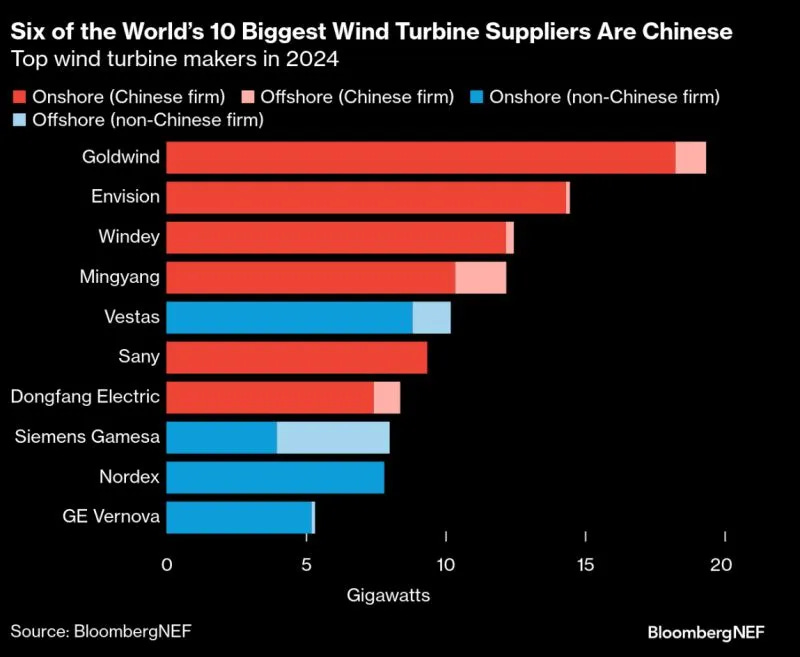
Hailing from China, Goldwind has rapidly risen to become one of the world’s largest wind turbine manufacturers. They hold a dominant position in the Chinese market, which is the largest wind energy market globally, and are steadily expanding their international footprint. Goldwind is particularly known for its commitment to direct-drive permanent magnet synchronous generator (PMSG) technology, which eliminates the need for a gearbox, reducing maintenance and increasing reliability.
Their focus on R&D and cost-effective solutions has made them a highly competitive player, especially in emerging markets. While their primary market remains China, Goldwind is increasingly securing projects in other regions, including parts of the Americas.
GE Vernova (USA): American Engineering Pushing Boundaries
A true American powerhouse, GE Vernova (the recently spun-off energy arm of General Electric) is a critical player in the global wind industry, with a particularly strong presence in its home market. GE Vernova is a leader in onshore wind turbine technology, with thousands of its turbines operating across the United States. They are celebrated for their engineering capabilities and developing turbines optimized for various wind conditions.
Beyond onshore, GE Vernova is making significant strides in offshore wind with its colossal Haliade-X turbine, one of the most powerful turbines in the world. This commitment to both segments underscores their ambition to lead the energy transition, providing American-made solutions that power homes and industries across the nation.
Enercon (Germany): Direct-Drive Pioneer
Germany’s Enercon is a company built on innovation, especially known for its pioneering work in gearless, direct-drive wind turbines. While perhaps not as globally widespread as Vestas or SGRE, Enercon commands a strong and loyal market share, particularly in Europe. Their turbines are recognized for their robust design, high quality, and reliability, often featuring distinctive egg-shaped nacelles.
Enercon’s philosophy often prioritizes quality and long-term performance, making them a preferred choice for developers looking for durable and low-maintenance solutions. They maintain a strong R&D focus, continually refining their technology to maximize energy capture and minimize operational costs.
Nordex Group (Germany): European Strength with Global Ambition
The Nordex Group, another German-based manufacturer, has a significant international presence with a diverse product portfolio catering to various wind regimes and project scales. Acquired by Spain’s Acciona in 2016, Nordex has expanded its reach and capabilities, particularly in the Americas and other emerging markets. They are known for their efficient onshore wind turbines, offering models designed for both high and low wind speeds.
Nordex places a strong emphasis on providing comprehensive service solutions throughout the entire lifecycle of a wind farm. Their strategic growth and continuous product development make them a key contributor to global wind energy expansion.
Envision Energy (China): Smart Turbines for a Smarter Future
Envision Energy, a Chinese company, stands out for its forward-thinking approach, integrating digitalization and artificial intelligence (AI) into its wind turbine technology. They are rapidly expanding their global footprint, moving beyond their strong base in China to become a significant international player.
Envision’s ‘smart’ wind turbines are designed to optimize performance, predict maintenance needs, and communicate with other energy assets, contributing to a more intelligent and interconnected energy grid. Their focus on innovative software solutions alongside hardware production positions them as a leader in the next generation of wind energy.
Beyond the Giants: Other Significant Players and Regional Strengths
While the top seven dominate global headlines, the wind industry is rich with other important manufacturers contributing to specific markets or niche segments.
Suzlon (India): Emerging Market Leader
Suzlon Energy is a prominent Indian multinational wind turbine manufacturer. They have a strong hold on the Indian market and have expanded their presence into other parts of Asia, Europe, and the Americas. Suzlon is known for its vertically integrated operations, manufacturing many components in-house, and for its commitment to developing wind energy solutions tailored for diverse terrains and climates.
Mingyang Smart Energy (China): Offshore Innovator
Another rapidly growing Chinese company, Mingyang Smart Energy, is making waves with its ambitious push into the ultra-large offshore wind turbine market. They are developing some of the largest turbines currently in existence, aiming to capture the immense potential of offshore wind power, not just in China but globally.
Hitachi (Japan): Niche Player with Advanced Tech
While not a top-tier global volume player, Japan’s Hitachi contributes with its advanced technological capabilities, often focusing on specific project requirements or regional markets. Their expertise in heavy machinery and electronics translates into reliable and efficient wind turbine components and systems.
![Global Top 15 Wind Turbine Manufacturers [2025]](https://images.blackridgeresearch.com/zA7C1E09-z4Uj64Eb0zfkw/5134870c-92ce-4f67-57fd-5c79f55e7b00/public "Global Top 15 Wind Turbine Manufacturers [2025]")
Small-Scale Wind Turbine Manufacturers: Powering Homes and Businesses
The wind energy story isn’t just about massive utility-scale farms. A vibrant sector of small-scale wind turbine manufacturers caters to individual homes, small businesses, and off-grid applications. Companies like Bergey Windpower (USA) have been designing and manufacturing smaller turbines for decades, providing localized, sustainable power solutions. These turbines typically range from a few hundred watts to 100 kilowatts, offering energy independence to remote communities and eco-conscious consumers.
Made in the USA: Companies Powering American Wind Energy
The United States is a global leader in wind energy generation, and a significant portion of that capacity relies on companies with strong American roots or substantial US operations. This commitment to domestic manufacturing not only provides clean energy but also creates jobs and boosts local economies.
GE Vernova’s American Footprint
As mentioned, GE Vernova stands as the premier American wind turbine manufacturer. Their deep roots in American engineering and manufacturing mean that a substantial portion of the components and assembly for their onshore turbines takes place domestically. This not only supports thousands of American jobs but also ensures a robust and responsive supply chain for US wind projects. Their investments in research and development continue to push the boundaries of what’s possible in American wind technology.
Vestas’s US Manufacturing and Assembly
While headquartered in Denmark, Vestas has made massive investments in the United States, establishing multiple manufacturing facilities across the country. They produce blades, nacelles, and towers in the US, employing thousands of Americans. This strategic commitment makes Vestas a major contributor to the American wind industry, providing jobs and injecting capital into local communities from Colorado to Texas.
Other US-Based Innovators & Component Suppliers
The US wind energy ecosystem extends beyond just full turbine manufacturers. Many American companies specialize in critical components or provide essential services:
- TPI Composites: A US-based company that is one of the largest independent manufacturers of composite wind blades globally, supplying many of the major turbine OEMs.
- Broadwind: Manufactures heavy fabrications, including wind turbine towers, gearing, and other industrial products for the wind industry in the US.
- Smaller Regional Manufacturers: Numerous smaller companies focus on specialized parts, engineering services, or even local manufacturing of small-to-medium scale turbines, contributing to a diverse and resilient supply chain.
The growth of domestic manufacturing is crucial for enhancing energy independence, fostering innovation, and driving economic development within the United States.
Choosing a Wind Turbine Manufacturer: What You Need to Know
Whether you’re a utility company planning a multi-billion dollar offshore farm or a community looking for a reliable energy partner, selecting the right wind turbine manufacturer is a critical decision. It’s not just about the upfront cost; it’s about long-term performance, reliability, and support.
Factors to Consider
- Turbine Type (Onshore vs. Offshore, Size): Different manufacturers specialize in different turbine types. Do you need a robust onshore turbine for varied terrain or a massive offshore unit designed for extreme conditions?
- Reliability & Track Record: Look at the manufacturer’s history. How well do their turbines perform over time? What is their availability rate? A proven track record is invaluable.
- Service & Maintenance Network: Wind turbines require ongoing maintenance. A strong global or regional service network, with readily available spare parts and skilled technicians, is crucial for minimizing downtime.
- Cost & Efficiency: While initial cost matters, focus on the Levelized Cost of Energy (LCOE), which factors in lifetime costs and energy output. A more efficient turbine might cost more upfront but save money over its lifespan.
- Technological Innovation: Is the manufacturer investing in R&D? Newer generations of turbines often offer significant improvements in efficiency, grid integration, and durability.
- Local Presence & Supply Chain: For major projects, a manufacturer with local offices, manufacturing facilities, or a strong local supply chain can offer logistical advantages, job creation benefits, and better responsiveness.
- Environmental & Social Governance (ESG): Consider the manufacturer’s commitment to sustainability in their own operations, from ethical sourcing to recycling programs for turbine components.
Key Considerations When Choosing a Wind Turbine Manufacturer
| Consideration | Why It Matters | Questions to Ask |
|---|---|---|
| Turbine Application | Onshore, offshore, or small-scale needs dictate specialized designs. | Does this manufacturer excel in my specific project type? |
| Performance & Efficiency | Higher energy capture means better returns and lower LCOE. | What’s the Annual Energy Production (AEP) for my site’s wind conditions? |
| Reliability & Durability | Minimizes downtime, reduces maintenance costs, ensures consistent output. | What’s their average turbine availability rate? What are warranty terms? |
| Service & Support | Critical for operational longevity and quick issue resolution. | What kind of service agreements do they offer? How quickly can technicians respond? |
| Supply Chain & Local Content | Impacts logistics, lead times, and local economic benefits. | Where are components sourced/manufactured? What’s their local presence? |
| Technological Edge | Advanced features can lead to better grid integration and smarter operation. | What unique technologies or digital solutions do they offer? |
The Future of Wind Turbine Manufacturing: Trends and Innovations
The wind energy sector is far from stagnant. Manufacturers are constantly pushing the envelope, driven by the need for greater efficiency, lower costs, and enhanced sustainability.
Larger Turbines, Greater Efficiency
The trend is clear: bigger is often better. Manufacturers are developing increasingly larger turbines, with longer blades and taller towers, to capture more wind energy, especially at higher altitudes where wind is stronger and more consistent. This economies of scale approach leads to a lower Levelized Cost of Energy (LCOE) per megawatt hour.
Offshore Wind Dominance
The vast, consistent wind resources over oceans make offshore wind a major growth area. Manufacturers are pouring R&D into specialized offshore turbines designed to withstand harsh marine environments and deliver immense power output. Floating offshore wind technology is also gaining traction, opening up even deeper water sites for development.
Digitalization and Smart Turbines
The integration of advanced sensors, AI, and IoT (Internet of Things) is transforming wind turbines into ‘smart’ energy assets. These technologies allow for predictive maintenance, real-time performance optimization, and seamless integration into smart grids, maximizing energy capture and operational efficiency.
Sustainable Manufacturing Practices
As sustainability is at the core of wind energy, manufacturers are increasingly focusing on the environmental impact of their own operations. This includes using recycled materials, developing recyclable turbine blades (a significant challenge currently), reducing supply chain emissions, and aiming for circular economy principles.
Supply Chain Resilience
Recent global events have highlighted the importance of resilient and localized supply chains. Manufacturers are working to diversify their sourcing, potentially bringing more component production closer to major markets, as seen with Vestas and GE Vernova’s extensive US operations.
The Environmental and Economic Impact of Wind Energy
The rise of these wind turbine manufacturing giants isn’t just an industrial story; it’s a testament to a global commitment to a sustainable future. Wind energy offers profound benefits:
- Clean Energy Generation: Produces electricity without burning fossil fuels, significantly reducing greenhouse gas emissions and combating climate change.
- Job Creation: The wind industry, from manufacturing to installation and maintenance, supports hundreds of thousands of jobs globally, including many skilled trades in the US.
- Energy Independence: Harnessing domestic wind resources reduces reliance on imported fossil fuels, enhancing national energy security.
- Economic Development: Wind farm projects bring investment to rural communities, providing lease payments to landowners and tax revenues to local governments.
Of course, there are challenges too, such as managing intermittency, addressing wildlife impacts, and the visual impact on landscapes. However, continuous innovation in turbine technology, energy storage, and grid management is steadily mitigating these concerns.
The companies detailed here are at the forefront of a global energy revolution. Their ingenuity and commitment are literally shaping our future, one powerful gust of wind at a time. Understanding who they are and what they do is key to grasping the immense potential of wind energy.
Frequently Asked Questions
How many wind turbine manufacturers are there globally?
While there are dozens of companies involved in various aspects of wind turbine manufacturing, the global market for large-scale utility turbines is dominated by a handful of major players. Roughly 7-10 companies account for the vast majority of installed capacity, with many smaller firms specializing in components or small-scale turbines.
Which company makes the largest wind turbines?
The race for the largest wind turbines is ongoing, but currently, companies like Siemens Gamesa (e.g., SG 14-222 DD, SG 18-281 DD) and GE Vernova (with its Haliade-X series) are at the forefront, developing and deploying turbines with capacities exceeding 14-18 megawatts, designed primarily for offshore wind farms.
Are there any US-based wind turbine manufacturers?
Yes, GE Vernova is a major US-based wind turbine manufacturer, particularly strong in the onshore market. Additionally, while headquartered elsewhere, companies like Vestas have significant manufacturing and assembly facilities within the United States, producing blades, nacelles, and towers, contributing substantially to the US domestic supply chain and job market.
What’s the difference between onshore and offshore wind turbines?
Onshore turbines are installed on land, typically in wind farms, and are generally smaller in scale. Offshore turbines are built in coastal waters, often much larger and more powerful, designed to withstand harsh marine environments and harness stronger, more consistent winds found over the ocean. Offshore turbines require specialized foundations and installation techniques.
How long does a wind turbine last?
Modern utility-scale wind turbines are designed to have an operational lifespan of approximately 20 to 25 years. With proper maintenance, upgrades, and component replacements, many turbines can operate effectively for even longer, sometimes reaching 30 years or more.
What factors influence the cost of a wind turbine?
The cost of a wind turbine is influenced by its size and capacity (megawatts), the technology used (e.g., direct drive vs. geared), manufacturing materials, transportation logistics, and installation complexity (especially for offshore). Market demand, supply chain costs, and regional policies also play a significant role.
Is wind energy a reliable power source?
Wind energy is an intermittent renewable source, meaning its availability depends on wind speed. However, advancements in forecasting, grid management, energy storage solutions, and the geographical diversity of wind farms significantly enhance its reliability and integration into the overall power grid, providing a substantial and growing contribution to electricity generation.
