
Beyond the Breeze: Uncovering the Best Areas for Wind Turbines in the USA
Dreaming of harnessing the wind for clean energy? Whether you’re a homeowner curious about a small turbine or a developer scouting a utility-scale project, finding the best areas for wind turbines isn’t just about pointing to a gusty hill. It’s a complex equation involving consistent wind, suitable land, grid access, community support, and even wildlife considerations.
Table of Contents
- Beyond the Breeze: Uncovering the Best Areas for Wind Turbines in the USA
- What Makes a Location “Wind Turbine Ready”? The Core Factors
- Consistent and Strong Wind Resources
- Topography and Land Availability
- Proximity to Transmission Grid & Infrastructure
- Environmental Impact & Wildlife Considerations
- Community Acceptance & Permitting
- The USA’s Wind Power Hotspots: Where Turbines Thrive
- The Great Plains: America’s Wind Power Engine
- Midwest Wind Corridor: Steady Breezes and Strategic Location
- Western States: A Mix of Mountainous and Coastal Potential
- Emerging Opportunities: Offshore and Northeast Potential
- Top 5 US States for Wind Energy: A Closer Look
- Beyond Utility-Scale: Finding Wind Potential for Residential & Community Projects
- Assessing Your Property for Small Wind Turbines
- Community Wind Projects: Local Power, Local Benefits
- The Future of Wind Power in the USA: Innovations & Expansion
- Advancements in Turbine Technology
- Grid Modernization and Storage Solutions
- Policy & Economic Drivers
As an expert in renewable energy strategy, I’ve seen firsthand how crucial intelligent site selection is. Forget vague notions of “windy places.” We’re going to dive deep into the specific factors and geographical sweet spots across the United States where wind turbines don’t just stand, they thrive.
What Makes a Location “Wind Turbine Ready”? The Core Factors
Think of it like building a house: you wouldn’t just pick a spot based on a nice view. You consider the foundation, utilities, and neighborhood. The same meticulous planning applies to wind turbines. It’s not just about raw wind speed; it’s a symphony of conditions that must align for a project to be successful and sustainable.
Consistent and Strong Wind Resources
This is, undeniably, the primary driver. You need more than just occasional gusts; you need a consistent, reliable wind flow. Utility-scale wind turbines typically require an average annual wind speed of at least 6.5 meters per second (m/s) at hub height. Why? Because the power generated by a turbine is proportional to the cube of the wind speed. A small increase in wind speed means a significant jump in power output.
- Average Annual Wind Speed: This is the baseline. Areas with higher sustained averages are prime candidates.
- Wind Rose Patterns: Beyond speed, consistent wind direction minimizes wear and tear and maximizes generation. Turbines perform best when wind comes from a relatively stable direction.
- Topography Effects: Smooth, rounded hills, open plains, and certain mountain gaps can naturally funnel and intensify wind, creating ideal conditions. Conversely, complex terrain with many obstructions can create turbulence, which is detrimental to turbine efficiency and longevity.
Topography and Land Availability
Even with perfect wind, if the land isn’t right, you’re out of luck. Large wind farms require vast, relatively flat expanses of land to accommodate the turbines themselves, access roads, and substations, while maintaining adequate spacing to prevent wake effects (where one turbine’s disturbed air reduces the efficiency of another). Agricultural land, especially in rural areas, is often ideal as it minimizes competition with other land uses.
- Flat, Open Plains: These are often preferred for their ease of construction and minimal turbulence.
- Minimal Obstructions: Trees, buildings, and complex geological features can create undesirable turbulence, reducing efficiency and increasing stress on turbine components.
- Agricultural Land: Often provides the necessary acreage with fewer environmental or community conflicts than undeveloped wilderness.
Proximity to Transmission Grid & Infrastructure
What good is generating electricity if you can’t get it to where it’s needed? Connecting a wind farm to the existing electrical grid can be one of the most significant cost factors. Remote but windy locations might seem attractive, but if a new transmission line needs to be built across dozens or hundreds of miles, the project can quickly become economically unfeasible.
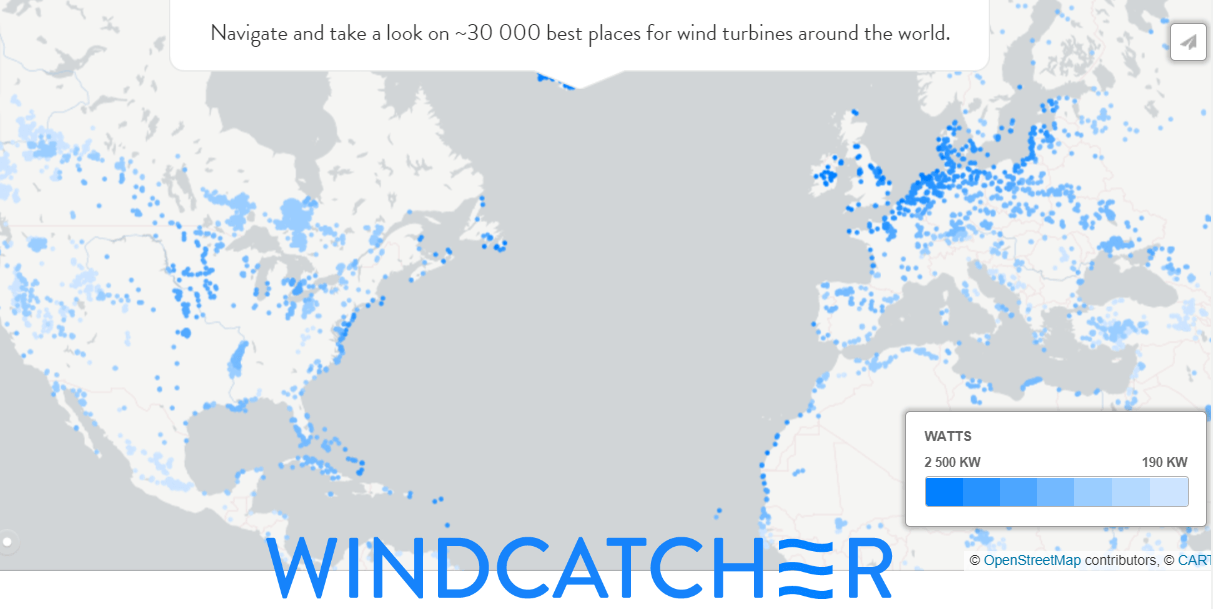
- Grid Connection: Close proximity to high-voltage transmission lines significantly reduces infrastructure costs.
- Road Access: Turbines are massive. Components like blades (which can be over 200 feet long) require specialized transport and robust roads for construction and maintenance.
- Skilled Labor & Services: Access to local labor and support services can streamline operations and maintenance.
Environmental Impact & Wildlife Considerations
Sustainable energy means protecting the environment in all aspects. Wind farms must be sited responsibly to minimize their impact on local ecosystems and wildlife.
- Bird and Bat Migration Paths: These are crucial considerations. Developers conduct extensive studies to understand local wildlife patterns and site turbines to avoid known migration corridors or habitats of endangered species.
- Habitat Disruption: Construction of roads and turbine pads can disturb local habitats. Careful planning is essential to mitigate these effects.
- Noise and Visual Impact: While modern turbines are quieter than older models, noise and visual impact are still factors for nearby communities.
Community Acceptance & Permitting
No project can succeed without community buy-in. The “Not In My Backyard” (NIMBY) phenomenon is a real hurdle for many wind projects. Engaging with local communities early and often, addressing concerns, and ensuring local economic benefits are critical. Furthermore, navigating local, state, and federal permitting processes can be complex and time-consuming, requiring careful adherence to zoning laws and environmental regulations.
- Local Zoning Laws: These dictate where industrial structures, including wind turbines, can be built.
- Public Engagement: Open communication, educational initiatives, and benefit-sharing models (like local ownership or tax revenue sharing) can foster acceptance.
- Permitting Process: A multi-layered process involving various government agencies, environmental impact assessments, and public hearings.
The USA’s Wind Power Hotspots: Where Turbines Thrive
Now that we understand the factors, let’s explore the geographical regions across the United States that naturally possess these ideal conditions, making them prime candidates for wind energy development.
The Great Plains: America’s Wind Power Engine
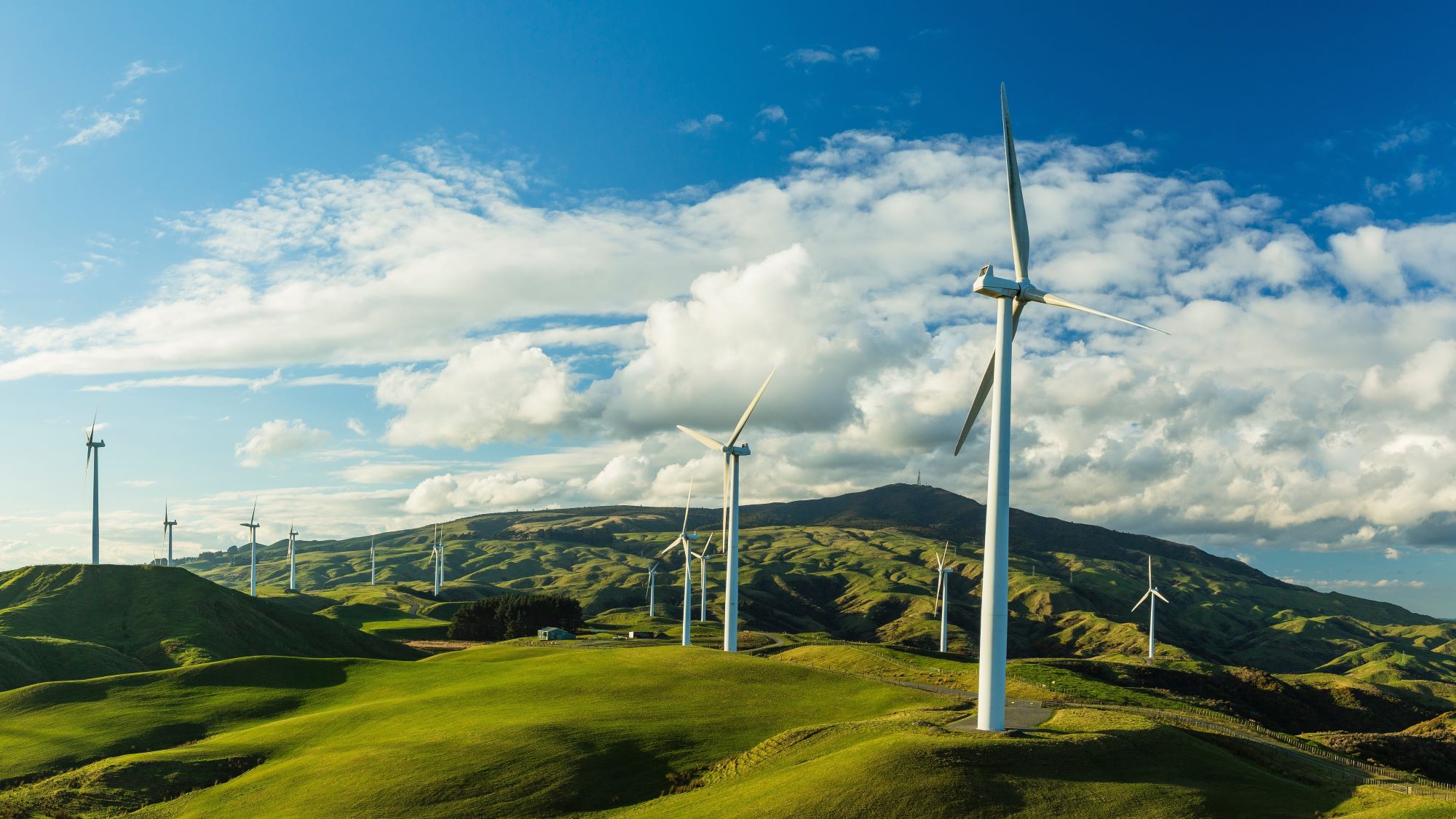
When you picture a wind farm, chances are you’re imagining the vast, open expanses of the Great Plains. This region is truly America’s wind energy powerhouse, a natural fit for utility-scale development due to its unique geography and meteorology.
- Why it’s Ideal: The relatively flat topography stretching for hundreds of miles allows for incredibly consistent, strong, and largely unobstructed wind flow. There’s also abundant, sparsely populated land, often agricultural, which makes siting large projects more feasible.
- Key States: Texas, Iowa, Oklahoma, Kansas, Nebraska, North Dakota, and South Dakota consistently rank among the top producers. Texas, in particular, leads the nation in installed wind capacity, leveraging its massive land area and excellent wind resources, especially in West Texas.
Midwest Wind Corridor: Steady Breezes and Strategic Location
Adjacent to the Great Plains, the Midwest also offers significant wind potential, often benefiting from its closer proximity to major population centers and existing electrical infrastructure.
- Why it’s Ideal: While not as uniformly flat as the Plains, many Midwestern states boast large agricultural areas with strong, consistent winds. Their central location makes integrating wind power into the national grid more efficient, supplying electricity to population centers further east.
- Key States: Illinois, Minnesota, and Indiana are strong contenders, with Illinois being a significant player due to its strategic location and good wind resources across its central and northern regions.
Western States: A Mix of Mountainous and Coastal Potential
The Western United States presents a more diverse set of opportunities, from mountain passes that funnel intense winds to emerging coastal potential.
- California: While famous for solar, California also has substantial wind energy, particularly in mountain passes like Altamont, Tehachapi, and San Gorgonio, which act as natural wind tunnels. Its renewable energy mandates continue to drive development.
- Wyoming & New Mexico: These states possess vast, open landscapes with excellent wind resources, especially in higher elevations and plains regions. They often serve as key areas for energy export to neighboring states.
Emerging Opportunities: Offshore and Northeast Potential
While land-based wind has dominated, offshore wind is rapidly gaining traction, particularly along the East Coast, promising even stronger and more consistent winds.
- Northeast States: States like New York, Massachusetts, and Rhode Island are at the forefront of offshore wind development. The shallow continental shelf along the Atlantic offers prime locations for large-scale offshore wind farms. These projects benefit from stronger, less turbulent winds found over open water, and can deliver power directly to dense coastal population centers.
- Pacific Northwest: While hydro-power is dominant, states like Washington and Oregon still have significant onshore wind resources, particularly in their eastern plains and Columbia River Gorge regions, offering a reliable supplementary power source.
Top 5 US States for Wind Energy: A Closer Look
Let’s zoom in on the leading states that exemplify optimal conditions for wind turbine deployment. This table highlights their unique advantages and contribution to the national renewable energy landscape.
| State | Key Advantages | Current Installed Capacity (GW) | Future Potential | Noteworthy Features |
|---|---|---|---|---|
| Texas | Vast land area, exceptional wind resources (especially West Texas), established grid infrastructure, favorable regulatory environment. | ~40 GW | Continued onshore expansion, potential for offshore development in Gulf. | Largest wind power producer in the U.S.; often referred to as the “Saudi Arabia of wind.” |
| Iowa | Excellent, consistent wind resources across open plains, strong policy support, high percentage of electricity from wind. | ~14 GW | Steady onshore growth, high renewable energy penetration goals. | Leads the nation in the percentage of electricity generated from wind, often exceeding 60%. |
| Oklahoma | Strong and consistent wind speeds, particularly in western and northern regions, relatively low population density. | ~13 GW | Significant untapped onshore potential, favorable for new project development. | Part of the “Wind Belt” with some of the best wind resources globally. |
| Kansas | Located in the heart of the Great Plains, outstanding wind resources across flat terrain, strong for energy export. | ~9 GW | Considerable room for expansion, especially in less developed central and western areas. | One of the highest wind power potentials per square mile in the U.S. |
| California | Mountain passes and coastal areas provide unique wind funnels, strong renewable energy mandates. | ~7 GW | Significant offshore wind potential (floating platforms), continued repowering of existing sites. | Early pioneer in wind energy; leading the way in future floating offshore wind technology on the West Coast. |
Note: Installed capacity figures are approximate and subject to change as new projects come online.
Beyond Utility-Scale: Finding Wind Potential for Residential & Community Projects
While the focus often gravitates towards massive wind farms, it’s important to remember that wind energy isn’t just for utility giants. Small wind turbines can be a fantastic addition for rural homeowners, farms, or community initiatives, offering energy independence and reduced electricity bills. However, the same core principles of site selection still apply, just on a smaller scale.
Assessing Your Property for Small Wind Turbines
For a residential or community-scale turbine, your backyard isn’t just a backyard – it’s a potential energy hub. Here’s how to evaluate its suitability:
- Wind Resource Assessment: You don’t need to install a meteorological tower, but you should look for tools. Many online wind maps (often provided by government energy departments or academic institutions) can give you a preliminary estimate of average wind speeds in your area. Consider consulting a professional small wind installer who can use specialized software or even temporarily install an anemometer for precise data.
- Obstructions are the Enemy: Trees, tall buildings, or even hills can create significant turbulence and ‘wind shadows’ that dramatically reduce a small turbine’s efficiency. You want your turbine’s rotor to be at least 30 feet (about 9 meters) higher than any obstruction within 300-500 feet (90-150 meters) of the tower. This height helps the turbine catch smoother, faster winds above the ground clutter.
- Tower Height Considerations: The taller the tower, generally the better the wind resource. While residential turbines are smaller than their utility-scale cousins, choosing the tallest tower practical for your property, budget, and local zoning laws is crucial.
- Zoning and Permitting: Check with your local planning department. Many municipalities have specific ordinances regarding tower height, setbacks from property lines, and noise limits for small wind turbines.
Community Wind Projects: Local Power, Local Benefits
Community wind projects involve local ownership and control, where the economic benefits often remain within the community. These are typically larger than a single residential turbine but smaller than utility-scale farms, often featuring one to a few turbines.
- Shared Ownership Models: These projects allow local residents, farmers, or businesses to collectively invest, own, and benefit from wind energy generation.
- Local Economic Impact: Beyond providing clean energy, community wind can generate local tax revenue, lease payments for landowners, and even provide jobs in operations and maintenance.
- Siting Challenges: Similar to utility-scale, these projects still need careful siting to ensure adequate wind, grid connection, and community acceptance, albeit on a more localized footprint.
The Future of Wind Power in the USA: Innovations & Expansion
The quest for the perfect wind turbine location is ongoing, fueled by technological advancements and a growing commitment to clean energy. The future of wind power in the USA isn’t just about finding more land; it’s about making existing and new sites even more productive and integrated into a modern energy system.
Advancements in Turbine Technology
Turbines are getting bigger, smarter, and more efficient. This means more power from fewer turbines, which can ease siting challenges.
- Taller Towers and Larger Rotors: Modern turbines can reach greater heights, accessing stronger, more consistent winds. Larger rotor diameters capture more energy.
- Improved Aerodynamics: Blade designs are continually optimized to extract maximum energy, even in lower wind speeds.
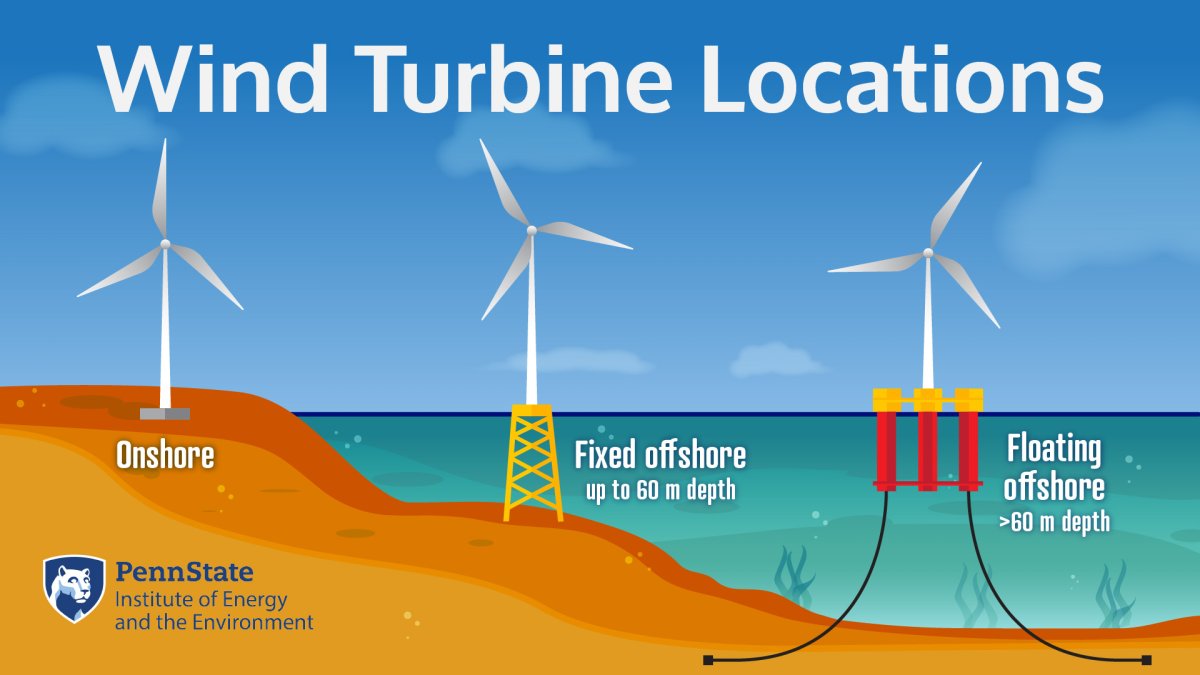
- Floating Offshore Wind Turbines: This is a game-changer. While traditional offshore turbines are fixed to the seabed in shallower waters, floating platforms can unlock immense wind resources in deeper coastal waters, particularly off the West Coast and in the Gulf of Maine. This opens up entirely new “best areas” for development.
Grid Modernization and Storage Solutions
The intermittent nature of wind power (when the wind doesn’t blow, no power is generated) has always been a challenge. However, solutions are rapidly evolving:
- Smart Grids: Advanced grid management systems can better integrate variable renewable sources, balancing supply and demand more efficiently.
- Battery Storage: Large-scale battery storage is increasingly paired with wind farms, capturing excess energy during windy periods and dispatching it when needed, making wind power a more reliable, on-demand resource.
- Hybrid Projects: Combining wind with solar and battery storage in a single location can provide a more consistent output, leveraging the strengths of each technology.
Policy & Economic Drivers
Government policies and economic trends continue to shape the expansion of wind energy.
- Renewable Energy Mandates: Many states have ambitious renewable portfolio standards, driving demand for new wind projects.
- Tax Incentives: Federal tax credits and state-level incentives help to reduce the upfront cost of wind projects, making them more competitive.
- Cost Competitiveness: The cost of wind energy has fallen dramatically over the past decade, making it one of the most affordable sources of new electricity generation. This inherent economic advantage continues to drive investment in prime wind locations.
Finding the best areas for wind turbines in the USA is a dynamic and evolving process. It combines robust natural resources, technological innovation, sound policy, and informed community engagement. From the vast plains of Texas to the emerging offshore farms of the Northeast, the potential for wind energy in the United States is immense. By understanding the critical factors and leveraging cutting-edge solutions, we can continue to build a sustainable, wind-powered future for generations to come.
Frequently Asked Questions
What is the most important factor for selecting a wind turbine location?
The most important factor is consistent and strong wind resources. Utility-scale turbines typically require an average annual wind speed of at least 6.5 meters per second (m/s) at hub height. However, other factors like topography, grid proximity, and community acceptance are also critical for overall project success.
Which states in the USA have the best wind resources?
States in the Great Plains consistently rank highest due to their flat, open terrain and strong, consistent winds. These include Texas, Iowa, Oklahoma, Kansas, Nebraska, North Dakota, and South Dakota. California also has significant wind resources in mountain passes and is developing offshore wind.
Can I install a small wind turbine on my residential property?
Yes, but careful assessment is needed. You must consider your property’s average wind speed, ensure the turbine can be sited at least 30 feet higher than any nearby obstructions (trees, buildings), and check local zoning laws and permitting requirements for tower height and setbacks.
What are the advantages of offshore wind turbines?
Offshore wind turbines benefit from stronger, more consistent winds over open water, leading to higher capacity factors. They also have less visual and noise impact on densely populated land areas. New floating offshore technology is opening up even deeper coastal waters for development.
Beyond wind speed, what other factors affect wind turbine site selection?
Crucial factors include: topography (flat land is ideal), proximity to the existing electrical transmission grid (to reduce connection costs), access to roads for transport and construction, potential environmental impacts (like wildlife migration paths), and local community acceptance and permitting regulations.
How do advancements in technology impact finding better areas for wind turbines?
Technological advancements like taller towers, larger and more efficient rotors, and floating offshore platforms allow wind energy to be harnessed more effectively in diverse locations, including areas previously considered unsuitable. Improvements in grid modernization and energy storage also make wind power more reliable, expanding its viable deployment zones.
