
Harnessing Nature’s Power: Your Definitive DIY Guide to Home Solar and Wind Energy
Tired of eye-watering electricity bills? Dreaming of energy independence, a future where your home is powered by the elements, not the grid? You’re not alone. The idea of generating your own power through DIY solar and wind energy for homes isn’t just a fantasy; it’s an increasingly accessible and rewarding reality for homeowners ready to roll up their sleeves.
Table of Contents
- Harnessing Nature’s Power: Your Definitive DIY Guide to Home Solar and Wind Energy
- Why Go Hybrid? The Synergy of Solar and Wind Power for Your Home
- The Power of Combination: Filling the Gaps
- Benefits Beyond the Grid: Independence and Savings
- Is DIY Right for You? Assessing Your Skills and Commitment
- What You’ll Need: Tools, Time, and Tenacity
- Safety First: Non-Negotiables for DIY Installations
- Understanding Local Regulations and Permits
- Designing Your Hybrid System: Sizing and Site Assessment
- Calculating Your Energy Needs: The First Crucial Step
- Site Survey for Solar: Sun Exposure and Shading
- Site Survey for Wind: Wind Resource Assessment and Obstructions
- Essential Components of a DIY Solar and Wind Hybrid System
- Power Producers: Solar Panels and Wind Turbines
- Energy Storage: Batteries
- The Brains: Charge Controllers and Inverters
- Wiring, Safety Gear, and Mounting Hardware
- Step-by-Step DIY Installation Guide (Simplified Overview)
- Phase 1: Mounting Solar Panels
- Phase 2: Installing Your Wind Turbine
- Phase 3: Wiring the System: Producers to Charge Controller
- Phase 4: Connecting Batteries and Inverter
- Phase 5: Final Connections and Testing
- Realistic Costs and Return on Investment for DIYers
- Component Cost Breakdown (Estimates)
- Hidden Costs and Unexpected Expenses
- Incentives and Rebates: Lowering Your Out-of-Pocket
- Living with Your Hybrid System: Maintenance and Optimization
- Routine Checks and Cleaning
- Troubleshooting Common Issues
- Expanding Your System in the Future
- Beyond the Basics: Advanced Considerations for DIY Enthusiasts
- Grid-Tie vs. Off-Grid: Which is Right for Your DIY Project?
- Monitoring Your System’s Performance
This isn’t about just saving a few bucks; it’s about reclaiming control, reducing your carbon footprint, and building resilience for your household. But let’s be real: diving into DIY renewable energy can feel overwhelming. Where do you start? What exactly do you need? Is it even safe?
Don’t sweat it. This comprehensive guide cuts through the noise. We’ll walk you through the entire journey, from understanding why a hybrid system might be your best bet, to designing, installing, and maintaining your very own home solar and wind power setup. Get ready to transform your energy future.
Why Go Hybrid? The Synergy of Solar and Wind Power for Your Home
Imagine this: the sun is shining brightly during the day, charging your batteries. Then, as evening approaches or a storm rolls in, the wind picks up, ensuring a continuous flow of power. This isn’t magic; it’s the beauty of a solar and wind hybrid system.
The Power of Combination: Filling the Gaps
Each renewable source has its strengths and, crucially, its weaknesses. Solar panels are fantastic during sunny daylight hours, but they’re useless at night and less efficient on cloudy days or in winter when the sun is lower. Wind turbines, on the other hand, often perform best when the sun isn’t available—think blustery nights, stormy weather, or colder, windier seasons. By combining them, you create a more reliable, consistent power supply.
Benefits Beyond the Grid: Independence and Savings
Beyond simply having power when one source is dormant, a hybrid system offers profound advantages:
- Enhanced Reliability: Significantly reduces reliance on the grid and minimizes power interruptions.
- Optimized Energy Capture: Maximizes energy generation across different weather conditions and seasons.
- Faster ROI: While initial investment might be higher than a single source, the increased efficiency and reduced grid dependence can lead to quicker returns.
- Reduced Carbon Footprint: Even more clean, green energy for your home.
- Energy Independence: The ultimate goal for many DIYers—freedom from utility companies.
To give you a clearer picture, here’s how solar and wind stack up individually and why their combination is so powerful:
| Feature | Solar Power (PV) | Wind Power (Turbine) | Hybrid System |
|---|---|---|---|
| Primary Energy Source | Sunlight | Wind Speed | Sunlight & Wind |
| Typical Generation Peak | Mid-day, clear weather | Day or night, windy conditions | Consistent day/night coverage |
| Seasonal Performance | Better in summer, less in winter | Often better in winter, less in summer | Strong all year round |
| Space Requirement | Rooftop or open ground area | Open area for tower, clear of obstructions | Both, optimized for site |
| DIY Complexity | Moderate (mounting, wiring) | Higher (tower erection, larger moving parts) | Higher (integrating two systems) |
Is DIY Right for You? Assessing Your Skills and Commitment
Let’s be honest: building a hybrid solar and wind system is not for the faint of heart. It requires a significant investment of time, effort, and a healthy respect for electrical systems. But if you’re handy, methodical, and eager to learn, it’s absolutely within reach.
What You’ll Need: Tools, Time, and Tenacity
Before you even think about buying components, consider these:

- Basic Electrical Knowledge: Understanding circuits, voltage, amperage, and wiring is non-negotiable.
- Mechanical Aptitude: You’ll be mounting panels, potentially erecting a wind turbine tower, and handling heavy components.
- Problem-Solving Skills: Things rarely go exactly to plan. The ability to troubleshoot is key.
- Time Commitment: This isn’t a weekend project. Plan for weeks, if not months, of dedicated work.
- Tools: Expect to need standard hand tools, power tools, a multimeter, wire strippers, crimpers, and potentially specialized lifting equipment for a turbine tower.
Safety First: Non-Negotiables for DIY Installations
I cannot stress this enough: safety is paramount. You’ll be working with high voltage, heavy objects, and potentially at heights. Neglecting safety can lead to serious injury or even death.
- Always disconnect power sources before working on wiring.
- Use insulated tools and wear appropriate PPE (gloves, safety glasses, hard hat, work boots).
- Have a fire extinguisher nearby, especially when working with batteries.
- Never work alone, especially when lifting heavy panels or assembling a turbine tower.
- Understand the risks of working at heights and use proper fall protection.
- If anything feels beyond your expertise, hire a professional for that specific step.
Understanding Local Regulations and Permits
This is where many DIYers hit a snag. Before you hammer a single nail or run a single wire, research your local building codes, electrical codes, and zoning regulations. Requirements vary wildly by state, county, and even city. You might need permits for:
- Electrical work (definitely!)
- Structural additions (for panel racking or turbine tower)
- Zoning approval (especially for wind turbines, which often have height restrictions and setback requirements)
Failing to secure proper permits can result in fines, forced removal of your system, or issues with homeowner’s insurance. It’s tedious, but absolutely critical.
Designing Your Hybrid System: Sizing and Site Assessment
A well-designed system is efficient, reliable, and cost-effective. Skimp on this step, and you’ll regret it later. This is where your planning truly pays off.
Calculating Your Energy Needs: The First Crucial Step
How much power do you actually use? Don’t guess. Pull up your past 12 months of electricity bills. Look for your average monthly kilowatt-hour (kWh) consumption. This is your target. You’ll also need to identify your peak load—the maximum amount of power (watts) your appliances draw at any one time.
List all the appliances you want to power, their wattage, and how many hours per day you use them. This gives you your daily kWh requirement. Add a buffer (20-30%) for cloudy days or low wind periods.
For example, if your home uses 30 kWh per day, you need a system that can generate at least that much, factoring in efficiency losses.
| Appliance/Load | Average Wattage (W) | Hours Used/Day | Daily kWh Consumption |
|---|---|---|---|
| Refrigerator | 150 | 8 (cycling) | 1.2 |
| LED Lights (5) | 50 (10W each) | 6 | 0.3 |
| Laptop | 60 | 4 | 0.24 |
| Television | 100 | 5 | 0.5 |
| Small Microwave | 1000 | 0.25 (15 min) | 0.25 |
| Total Daily Consumption (Example) | – | – | 2.49 kWh |
Site Survey for Solar: Sun Exposure and Shading
Walk around your property throughout the day, in different seasons if possible. Identify potential spots for solar panels, typically south-facing rooftops or open ground areas.
- Shading: Are there trees, other buildings, or even chimneys that will cast shadows on your panels at any time of day? Even partial shading can drastically reduce a panel’s output.
- Roof Condition: Is your roof structurally sound? How old is it? Solar panels are a long-term investment; you don’t want to replace your roof shortly after installation.
- Tilt and Azimuth: Panels should ideally face true south (in the Northern Hemisphere) at an angle roughly equal to your latitude for year-round production, or optimized for winter production if that’s your priority.
Site Survey for Wind: Wind Resource Assessment and Obstructions
This is often the trickiest part for DIY wind power. Wind is highly localized.
- Wind Speed: You need consistent, strong wind. Websites like the National Renewable Energy Laboratory (NREL) offer wind resource maps, but nothing beats actual on-site measurement with an anemometer over several months.
- Obstructions: Buildings, trees, and hills create turbulence and block wind. A general rule is to place your turbine at least 30 feet higher than any obstruction within 500 feet. The higher the tower, the better the wind resource, but also the higher the cost and complexity.
- Zoning: Check local zoning laws carefully regarding wind turbine height, noise, and setback from property lines.
Essential Components of a DIY Solar and Wind Hybrid System
Understanding each piece of the puzzle is key to building a robust and efficient system.
Power Producers: Solar Panels and Wind Turbines
- Solar Panels (PV): Choose between monocrystalline (higher efficiency, more expensive, less space) and polycrystalline (lower efficiency, more affordable). For DIY, prioritize reputable brands with good warranties. Pay attention to wattage (e.g., 300W-400W per panel) and voltage.
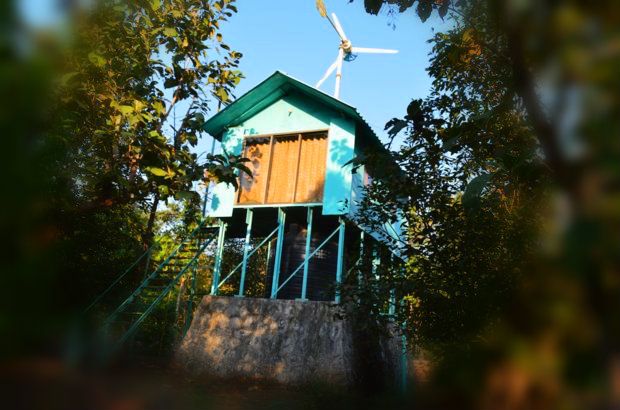
- Wind Turbines: Residential turbines range from 400W to 5kW. Look for low cut-in speed (the minimum wind speed required to start generating power). Vertical Axis Wind Turbines (VAWTs) are quieter and less sensitive to wind direction but generally less efficient. Horizontal Axis Wind Turbines (HAWTs) are more common and efficient but need to yaw (turn) into the wind. Ensure the turbine includes a charge controller or is compatible with your hybrid controller.
Energy Storage: Batteries
This is the heart of an off-grid or backup system. Batteries store the excess energy generated by your panels and turbine for use when the sun isn’t shining or the wind isn’t blowing.
- Lead-Acid Batteries: Deep cycle varieties (Flooded, Sealed AGM, Gel) are traditionally common due to lower upfront cost. Flooded batteries require maintenance (watering) and ventilation. AGM and Gel are maintenance-free but more expensive.
- Lithium-ion Batteries (LiFePO4): Becoming the gold standard. More expensive upfront but offer much longer lifespan (more charge cycles), deeper discharge capabilities, higher efficiency, and are virtually maintenance-free. They are lighter and can tolerate a wider temperature range. For a serious DIY project, LiFePO4 is often the better long-term investment.
Sizing your battery bank: Multiply your daily kWh consumption by the desired days of autonomy (how many days you want to run on batteries without generation, typically 2-3 days). Convert kWh to Amp-hours (Ah) based on your system voltage (12V, 24V, 48V). Always factor in battery depth of discharge (DoD) – don’t regularly discharge lead-acid batteries below 50% or lithium below 80-90%.
The Brains: Charge Controllers and Inverters
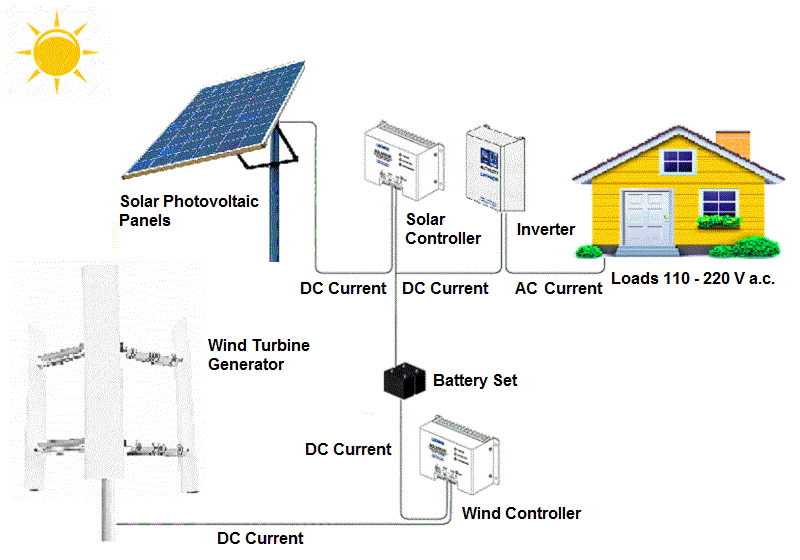
- Charge Controller: Essential for protecting your batteries. It regulates the voltage and current from your solar panels and wind turbine to prevent overcharging and deep discharging. For hybrid systems, you’ll need a specific hybrid charge controller that can manage inputs from both sources. Look for MPPT (Maximum Power Point Tracking) controllers for solar, as they are significantly more efficient than PWM (Pulse Width Modulation).
- Inverter: Converts the DC (Direct Current) power stored in your batteries into AC (Alternating Current) power, which is what most home appliances use.
- Pure Sine Wave Inverters: Absolutely necessary for sensitive electronics (laptops, TVs, medical equipment). They produce clean, grid-quality AC power.
- Modified Sine Wave Inverters: Cheaper, but can damage sensitive electronics and cause motors to run hot or buzz. Avoid for whole-home systems.
- Hybrid Inverter: Many modern systems integrate a hybrid inverter that handles charging, inverting, and sometimes grid-tie functions all in one unit, simplifying the setup.
Wiring, Safety Gear, and Mounting Hardware
- Wiring: Use appropriately sized (gauge) copper wiring, rated for outdoor use (UV resistant) and the expected current. Undersized wire can lead to energy loss and fire hazards.
- Mounting Hardware: Robust racking for solar panels (roof mounts, ground mounts) and a sturdy tower for your wind turbine are critical. They must withstand local wind and snow loads.
- Safety Gear: Fuses, circuit breakers, and disconnect switches are not optional. They protect your system and your home from electrical faults.
Step-by-Step DIY Installation Guide (Simplified Overview)
This is a high-level overview. Each step involves detailed planning and adherence to manufacturer instructions and local codes. If you’re unsure, consult or hire a qualified electrician or installer.
Phase 1: Mounting Solar Panels
- Install Racking: Secure the solar panel mounting rails to your roof rafters or ground anchors. Ensure proper waterproofing for roof penetrations.
- Attach Panels: Carefully lift and secure solar panels to the racking system. Work safely at heights.
- Orient Panels: Ensure they are angled correctly for optimal sun exposure.
Phase 2: Installing Your Wind Turbine
- Erect Tower: This is typically the most challenging part. Depending on the tower type (guyed, freestanding, tilt-up), it may require heavy equipment or a team of people. Follow manufacturer’s instructions meticulously. The tower must be securely anchored.
- Mount Turbine: Once the tower is stable, lift and attach the turbine assembly (nacelle, blades) to the top. This often involves careful balancing and securing.
- Grounding: Properly ground the tower to protect against lightning strikes.
Phase 3: Wiring the System: Producers to Charge Controller
- Solar Wiring: Connect your solar panels in series, parallel, or a combination, depending on your system voltage and charge controller requirements. Run DC wiring from the panels to the charge controller, typically through conduit for protection. Include a DC disconnect switch near the panels.
- Wind Turbine Wiring: Run DC wiring from the wind turbine down the tower to the charge controller. Ensure this wiring is robust and protected.
Phase 4: Connecting Batteries and Inverter
- Battery Bank Assembly: Connect your batteries in series and/or parallel to achieve the desired voltage (e.g., 12V, 24V, 48V) and capacity. Use heavy-gauge battery cables.
- Connect Charge Controller: Wire the output of your hybrid charge controller to your battery bank.
- Connect Inverter: Wire the inverter to your battery bank. Ensure proper fusing and a DC disconnect switch between the batteries and inverter.
Phase 5: Final Connections and Testing
- AC Wiring: Wire the AC output of your inverter to your home’s main electrical panel (for grid-tie or critical load sub-panel for off-grid). This step absolutely requires the expertise of a licensed electrician to ensure code compliance and safety.
- Grounding: Ensure all components, including panels, turbine, racking, and inverters, are properly grounded according to electrical codes.
- System Start-up and Testing: Follow manufacturer instructions for initial power-up. Test voltages, currents, and ensure all components are functioning as expected.
- Professional Inspection: Even for DIY, a professional electrical inspection is highly recommended and often required for permits. Don’t skip this.
Realistic Costs and Return on Investment for DIYers
One of the biggest motivations for DIY is cost savings. While you’ll save on labor, the upfront component costs can still be substantial. Here’s a breakdown to help you budget realistically.
Component Cost Breakdown (Estimates)
These are general ranges for individual components. Prices fluctuate and depend on brand, quality, and capacity.
| Component | Estimated DIY Cost Range (USD) | Notes for DIYers |
|---|---|---|
| Solar Panels (per Watt) | $0.50 – $1.00 | Buy in bulk or kits to save. Used panels can be cheaper but check condition. |
| Wind Turbine (400W – 2kW) | $500 – $3,000 | Higher wattage means higher cost. Tower extra. |
| Turbine Tower | $500 – $5,000+ | Depends on height and type (guyed vs. freestanding). Can be DIY fabricated if skilled. |
| Batteries (LiFePO4, 100Ah 12V) | $300 – $600 each | Multiple needed for home use. Consider lead-acid for lower upfront cost. |
| Hybrid Charge Controller | $100 – $800 | Must be sized for your combined panel/turbine output and battery voltage. |
| Pure Sine Wave Inverter (2kW – 5kW) | $300 – $2,000 | Size according to your peak load. Crucial for sensitive electronics. |
| Mounting Hardware/Racking | $0.20 – $0.50 per Watt | Consider ground mounts for easier DIY installation. |
| Wiring, Fuses, Disconnects, Conduit | $200 – $1,000+ | Don’t skimp on safety components. |
Hidden Costs and Unexpected Expenses
Beyond the components, budget for:
- Permits and Inspections: Can range from a few hundred to over a thousand dollars.
- Tools: If you don’t own them already, specialized tools can add up.
- Professional Help: You might need an electrician for final connections, a crane for tower erection, or an engineer for structural review.
- Contingency: Always add 10-20% to your budget for unforeseen issues.
Incentives and Rebates: Lowering Your Out-of-Pocket
Don’t forget to look into financial incentives:
- Federal Solar Investment Tax Credit (ITC): Currently, you can claim 30% of the cost of your solar PV system (including qualified storage) as a tax credit. This is a massive saving! While primarily for solar, some interpretations might include hybrid components if integral.
- State and Local Programs: Many states, counties, and utilities offer their own rebates, grants, or property tax exemptions for renewable energy installations. Check the Database of State Incentives for Renewables & Efficiency (DSIRE).
While DIY saves on labor, a typical 5kW hybrid system for a home might still cost anywhere from $10,000 to $25,000+ after components and hidden costs. The return on investment comes from reduced or eliminated electricity bills over the system’s lifespan (20-30+ years for panels, 10-20 years for turbines and batteries).
Living with Your Hybrid System: Maintenance and Optimization
Your DIY system isn’t a “set it and forget it” affair. Regular maintenance ensures longevity and optimal performance.
Routine Checks and Cleaning
- Solar Panels: Clean periodically to remove dust, dirt, and bird droppings. Check for physical damage and ensure wiring connections are secure.
- Wind Turbine: Inspect blades for damage, check the tower for stability, and listen for unusual noises. Some turbines require periodic lubrication or brake checks.
- Batteries: For flooded lead-acid, check electrolyte levels and top up with distilled water. Keep terminals clean and corrosion-free for all battery types. Ensure proper ventilation.
- Wiring and Connections: Periodically check all electrical connections for tightness and signs of corrosion or overheating.
Troubleshooting Common Issues
Familiarize yourself with your system’s monitoring data. Low power output might indicate:
- Solar: Heavy shading, dirty panels, or a faulty panel/microinverter.
- Wind: Low wind speeds, iced-up blades, or a fault in the turbine or controller.
- Batteries: Age, improper charging, or imbalance between cells.
- General: A tripped breaker, blown fuse, or faulty charge controller/inverter.
Many controllers and inverters have diagnostic displays or apps that can help pinpoint problems.
Expanding Your System in the Future
One of the beauties of a modular DIY system is the ability to expand. If your energy needs grow, you can often add more solar panels, additional batteries, or even a second wind turbine, provided your charge controller and inverter can handle the increased capacity. Plan for potential expansion during your initial design phase.
Beyond the Basics: Advanced Considerations for DIY Enthusiasts
Grid-Tie vs. Off-Grid: Which is Right for Your DIY Project?
- Off-Grid: Complete independence from the utility grid. Requires a robust battery bank and often oversizing of generation to ensure autonomy. More complex and expensive upfront, but offers ultimate freedom. Your DIY hybrid system would be well-suited for this.
- Grid-Tie with Battery Backup: You remain connected to the grid but use your solar/wind for primary power and battery backup during outages. You can often sell excess power back to the grid (net metering). This offers a balance of reliability and cost-effectiveness.
- Grid-Tie (no batteries): Simplest and cheapest, but you lose power during outages. Less relevant for a hybrid system focused on resilience.
Most DIY hybrid systems, especially those starting smaller, tend to lean towards off-grid or grid-tie with backup, as the primary goal is often self-sufficiency.
Monitoring Your System’s Performance
Invest in a good monitoring system. Many modern charge controllers and inverters come with apps that allow you to track real-time power generation, battery state of charge, and energy consumption. This data is invaluable for optimizing your system, identifying issues, and understanding your energy patterns.
Embarking on a DIY solar and wind power journey is a significant undertaking, but the rewards are profound. It’s not just about producing electricity; it’s about empowerment, learning, and contributing to a more sustainable future. Start with thorough research, prioritize safety, and don’t be afraid to seek professional advice for the trickier parts. Your path to energy independence starts now.
Frequently Asked Questions
Is a DIY solar and wind hybrid system feasible for an average homeowner?
Yes, it is feasible for homeowners with a strong mechanical aptitude, basic electrical knowledge, and a commitment to learning and safety. While challenging, the detailed planning, careful component selection, and adherence to safety protocols make it an achievable project for many DIY enthusiasts.
Why combine solar and wind power instead of just one source?
Combining solar and wind power creates a more reliable and consistent energy supply. Solar panels perform best on sunny days, while wind turbines often excel during cloudy, stormy, or nighttime conditions when solar output is low. This synergy helps overcome the intermittency of single renewable sources, leading to greater energy independence and efficiency.
What are the essential components of a DIY hybrid system?
A typical DIY hybrid system requires: solar panels, a wind turbine, a hybrid charge controller to manage both inputs, a battery bank for energy storage, an inverter to convert DC power to AC for home use, and necessary wiring, safety devices (fuses, breakers), and mounting hardware (racking, turbine tower).
Do I need permits for a DIY solar and wind power installation?
Absolutely. Local regulations vary significantly, but you will almost certainly need building and electrical permits. Wind turbines often have additional zoning restrictions regarding height and setbacks. Always research and secure all necessary permits before starting any installation to avoid legal issues, fines, or insurance problems.
How much does a DIY home solar and wind system typically cost?
While DIY saves on labor, component costs for a comprehensive hybrid system can range from $10,000 to $25,000+ for an average home (e.g., a 5kW system). This includes solar panels, a wind turbine, tower, batteries, charge controllers, inverters, wiring, mounting hardware, and potential hidden costs like permits or professional assistance for specific tasks.
What’s the difference between off-grid and grid-tie hybrid systems for DIYers?
An off-grid hybrid system is completely independent of the utility grid, relying solely on your generated power and battery storage. A grid-tie with battery backup system remains connected to the grid, drawing power when needed and potentially selling excess back, but also uses batteries to provide power during grid outages. Off-grid offers ultimate independence, while grid-tie with backup provides a balance of reliability and cost-effectiveness.
What kind of maintenance does a DIY hybrid system require?
Routine maintenance includes periodically cleaning solar panels, inspecting wind turbine blades and tower for damage or unusual noises, checking battery electrolyte levels (for flooded lead-acid) and terminal connections, and ensuring all wiring and safety components are secure and functioning correctly. Regular monitoring of system performance also helps identify issues early.
