
Powering Your Home with Wind: The Definitive Guide to Choosing the Best Windmills
Feeling the pinch of rising electricity bills? Dreaming of energy independence, a future where your home runs on clean, self-generated power? You’re not alone. Home wind power, often envisioned as a sleek turbine silently generating electricity, holds immense appeal.
Table of Contents
- Powering Your Home with Wind: The Definitive Guide to Choosing the Best Windmills
- Is Home Wind Power Right For You? The Honest Assessment
- The Critical Factor: Wind Resource Assessment
- Space, Zoning, and Permitting: The Unseen Hurdles
- Noise Considerations: Living with a Turbine
- Cost vs. Benefit: Economic Realities
- Wind vs. Solar: A Complementary Relationship
- Understanding Home Wind Turbines: Types and Terminology
- Horizontal Axis Wind Turbines (HAWTs): The Classic Design
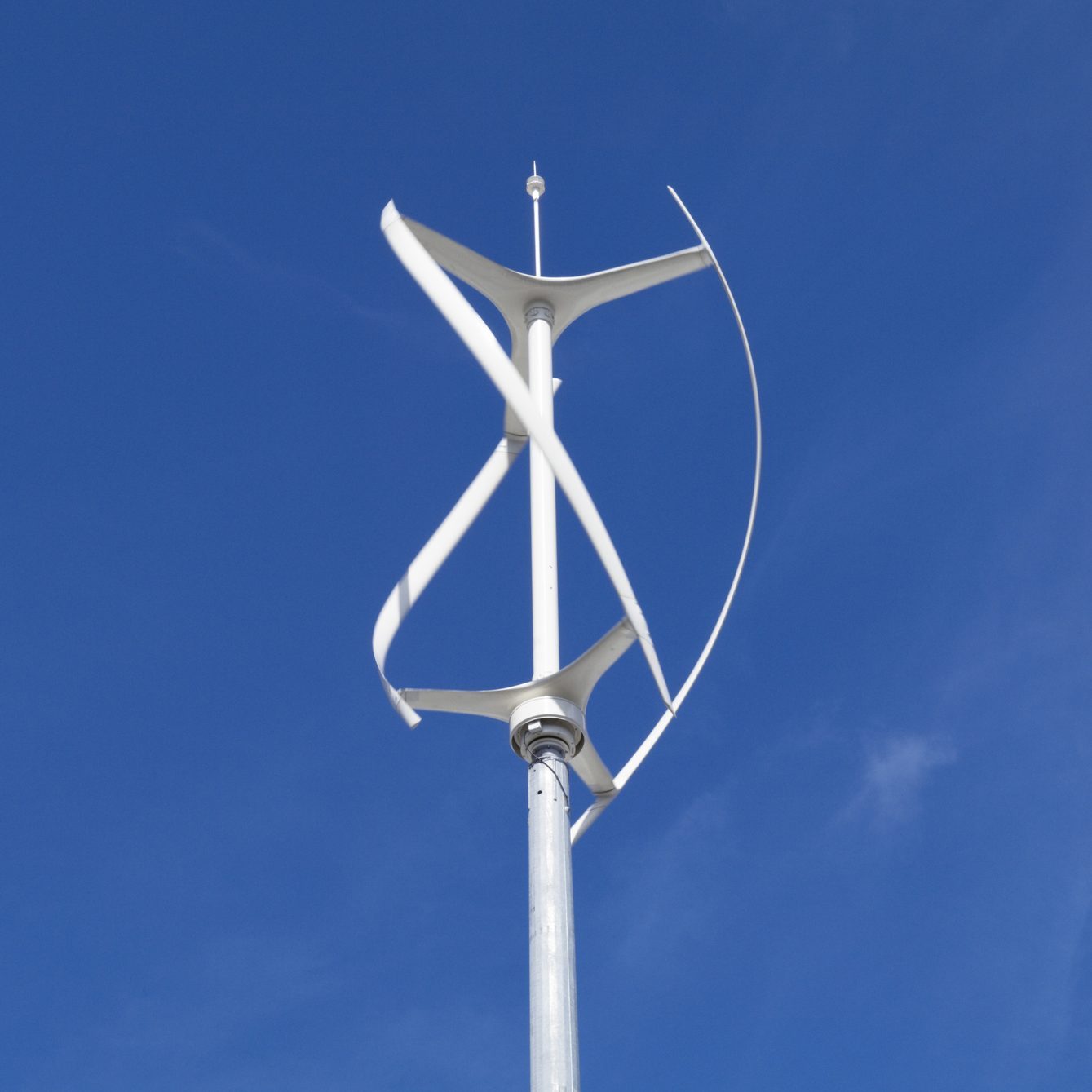
- Vertical Axis Wind Turbines (VAWTs): Urban & Low Wind Contenders
- Key Specifications to Look For
- Top Picks: Best Windmills for Home Power in 2024
- Beyond the Turbine: Essential Components for Your Wind Power System
- Charge Controllers: The Brain of Your System
- Inverters: AC Power for Your Home
- Batteries: Storing Your Wind Energy
- Towers & Mounting: Foundation of Stability
- Grid-Tied vs. Off-Grid Systems: Which is Right for You?
- Installation, Maintenance, and Longevity
- Professional Installation: Why It’s Crucial
- Regular Maintenance: Keeping Your Turbine Spinning
- Expected Lifespan and Warranties
- Making Your Decision: A Step-by-Step Approach
- Step 1: Assess Your Wind Resource
- Step 2: Check Local Regulations
- Step 3: Calculate Your Energy Needs
- Step 4: Budget and Financing
- Step 5: Consult with Professionals
But let’s be honest: while exhilarating, transitioning to wind power for your home isn’t as simple as buying a plug-and-play gadget. It’s a significant investment, a lifestyle shift, and it requires understanding whether your home is truly a good candidate for this technology. That’s exactly what we’re going to uncover together.
This isn’t a generic sales pitch. This is your no-nonsense guide to determining if a home wind turbine is right for you, what options are out there, and how to navigate the complexities to make an informed, confident decision.
Is Home Wind Power Right For You? The Honest Assessment
Before you even think about models and wattages, you need to answer a fundamental question: Is your property suitable for wind energy? Without the right conditions, even the best turbine is just an expensive lawn ornament.
The Critical Factor: Wind Resource Assessment
This is where most home wind projects succeed or fail. Wind turbines need consistent, strong wind to be efficient. Simply having ‘a breeze’ isn’t enough. You’re looking for an average annual wind speed of at least 10 mph (4.5 m/s), ideally higher, at the proposed turbine height.
- Location Matters: Urban areas, surrounded by buildings and trees, often have turbulent, inconsistent wind. Rural, open areas with minimal obstructions are generally ideal.
- Tools for Assessment: You can use online wind maps (like the National Renewable Energy Laboratory’s resources) or, for a truly accurate assessment, install an anemometer (a wind speed measuring device) on a tall mast at the proposed turbine height for at least a year.
Remember that oft-cited statistic: a turbine practically converts at most 40% of the wind energy to electricity. That’s why high, consistent wind is paramount.
Space, Zoning, and Permitting: The Unseen Hurdles
You can have perfect wind, but if your local regulations say “no,” then it’s a non-starter. This is arguably the biggest hurdle for many homeowners.
- Minimum Space: Turbines need space – not just for the tower, but for a clear wind path. Tall towers are often necessary to get above turbulence caused by trees and buildings. A general rule of thumb is that the tower should be at least 20 feet higher than anything within 300 feet.
- Local Zoning: Before purchasing anything, contact your local planning department. Ask about:
- Setback requirements (how far from property lines, other buildings).
- Maximum height restrictions (often a major issue).
- Noise ordinances.
- Permitting processes and fees.
- HOA Restrictions: If you live in a community with a Homeowners Association (HOA), they often have stringent rules against external structures, including wind turbines.
Noise Considerations: Living with a Turbine
While modern turbines are significantly quieter than older models, they are not silent. The sound is often described as a ‘whooshing’ or ‘swishing’ sound, akin to rustling leaves or a refrigerator hum. This can be a concern for you and your neighbors, especially if the turbine is close to living spaces. Small residential turbines are generally designed to operate below 50-60 dB at a reasonable distance, but perceptions vary.
Cost vs. Benefit: Economic Realities
Residential wind turbines typically cost anywhere from $10,000 to $70,000 or more for a complete installed system (including tower, inverter, batteries if off-grid). This is a substantial investment. The payback period depends heavily on:
- Your electricity usage.
- The price of grid electricity in your area.
- The actual energy production of your turbine.
- Available incentives (federal tax credits, state/local rebates).
In some cases, especially very windy, rural locations with high electricity rates, wind power can be economically viable. For others, it might be more about energy independence and environmental impact.
 "Home Wind Turbines: When Do They Make Sense? | EnergySage")
Wind vs. Solar: A Complementary Relationship
Often, homeowners consider wind or solar. The truth is, they’re often complementary. Solar excels during sunny days; wind can be strong at night or on cloudy days when solar production is low. A hybrid system can offer greater energy stability.
| Feature | Solar (Photovoltaic) | Wind Power |
|---|---|---|
| Primary Resource | Sunlight | Wind speed |
| Space Requirement | Roof space or ground mount | Larger footprint for tower and buffer zone |
| Intermittency | Nighttime, cloudy days | Calm days |
| Aesthetics | Generally less intrusive (on roof) | More visually prominent (tall tower) |
| Maintenance | Relatively low (cleaning) | Moderate (moving parts, tower inspection) |
| Best for | Homes with good sun exposure | Homes in open, consistently windy areas |
Understanding Home Wind Turbines: Types and Terminology
Alright, if you’ve determined wind power *might* be for you, let’s look at the machinery. There are two main types of small wind turbines:
Horizontal Axis Wind Turbines (HAWTs): The Classic Design
These are what most people picture: blades spinning around a horizontal rotor, mounted on a tall tower, facing into the wind. They are the most common and generally the most efficient type of wind turbine.
- Pros:
- High Efficiency: Typically more efficient at converting wind energy into electricity.
- Proven Technology: Well-established and widely used.
- Common: Many models and manufacturers available.
- Cons:
- Needs Yaw Mechanism: Must constantly orient into the wind, adding complexity.
- Tower Height: Require tall towers to capture optimal wind.
- Noise: Can be perceived as louder due to blade tip speed.
- Visual Impact: More visually prominent.
Vertical Axis Wind Turbines (VAWTs): Urban & Low Wind Contenders
VAWTs have blades that rotate around a vertical axis. They look quite different, often resembling egg beaters (Darrieus type) or scoops (Savonius type). They don’t need to yaw to face the wind, making them appealing in some scenarios.
- Pros:
- Omni-Directional: Capture wind from any direction, no yaw mechanism needed.
- Lower Installation: Can be mounted closer to the ground, or even on rooftops (though rooftop mounting is generally not recommended due to vibration).
- Quieter: Generally quieter than HAWTs of comparable size.
- Better in Turbulent Wind: Can perform better in turbulent, gusty conditions often found in urban environments.
- Cons:
- Lower Efficiency: Typically less efficient than HAWTs for the same swept area.
- Self-Starting Issues: Some designs may require a ‘kick-start’ at low wind speeds.
- Pulsating Torque: Can put more stress on the tower due to varying torque.
- Cost: Often more expensive per kilowatt than HAWTs.
| Feature | Horizontal Axis Wind Turbines (HAWTs) | Vertical Axis Wind Turbines (VAWTs) |
|---|---|---|
| Appearance | Propeller-like blades on horizontal shaft | Eggbeater or scoop-like blades on vertical shaft |
| Wind Capture | Must face wind (yaw mechanism) | Captures wind from all directions |
| Efficiency | Generally higher | Generally lower for comparable swept area |
| Noise | Can be louder due to blade tip speed | Often quieter |
| Ideal Environment | Open, consistently windy areas | Urban, turbulent wind, low-profile needs |
| Maintenance Access | Requires tower climbing or lowering | Often easier at ground level |
Key Specifications to Look For
When comparing models, keep these terms in mind:
- Rated Power (Watts/kW): The electrical output a turbine is designed to produce at its rated wind speed. This is a crucial metric, but remember it’s not constant.
- Start-up Wind Speed: The minimum wind speed required for the turbine to begin spinning and generating power. Lower is generally better.
- Cut-in Wind Speed: The minimum wind speed at which the turbine begins to produce net power (i.e., more than it consumes for its own operation).
- Rated Wind Speed: The wind speed at which the turbine reaches its rated power output. Beyond this, power output typically flattens or is capped.
- Cut-out Wind Speed: The wind speed at which the turbine shuts down or feathers its blades to prevent damage during high winds.
- Rotor Diameter: Directly relates to the ‘swept area’ – the larger the area, the more wind energy it can capture.
- Tower Height: Crucial for accessing higher, less turbulent wind.
- Noise Level (dB): An important factor for residential areas.
Top Picks: Best Windmills for Home Power in 2024
Now, for the part many of you are waiting for – specific recommendations. Keep in mind that “best” is subjective and depends heavily on your unique site conditions, budget, and energy needs. The models below represent popular and well-regarded options across different power ranges and types, but always verify current specifications and pricing from manufacturers or reputable dealers.
Important Note: Prices listed are approximate for the turbine head only and can vary widely. They do NOT include the tower, charge controller, inverter, batteries, or installation costs. These are merely examples; always consult with a professional installer for a customized recommendation and quote.
| Model Example | Type | Rated Power (W) | Start-up Wind Speed (m/s) | Blades | Est. Noise (dB) | Est. Price Range (Turbine Only) | Ideal Use |
|---|---|---|---|---|---|---|---|
| Pikasola Wind Turbine Generator | HAWT | 400-600 | 2.5 | 5-6 | <50 | $300 – $600 | Small-scale, RVs, boats, supplementary power |
| Automaxx Windmill (DB-400) | HAWT | 400 | 2.5 | 3-5 | <50 | $800 – $1,200 | Battery charging, off-grid cabins, remote sites |
| Tumo-Int Wind Turbine Generator | HAWT | 1000 – 1500 | 2.0 – 2.5 | 3-5 | <55 | $1,200 – $2,500 | Mid-range residential, grid-tie or robust off-grid |
| Happybuy 400W VAWT | VAWT | 400 | 2.0 | Multiple Vertical Blades | <45 | $300 – $500 | Low-profile needs, supplementary, moderate wind |
| Skystream 3.7 (Refurbished/Older Model) | HAWT | 1800 – 2400 (Max) | 3.5 | 3 | <60 | Residential grid-tie, significant power offset | |
| Primus Air 40/Air X Marine (Versatile) | HAWT | 400 | 3.1 | 3 | <55 | RVs, boats, remote cabins, robust construction |
Beyond the Turbine: Essential Components for Your Wind Power System
A turbine alone won’t power your home. It’s just one part of a complete system. Think of it like an engine without a transmission, wheels, or steering. Here are the other critical components:
Charge Controllers: The Brain of Your System
If you’re using batteries (common for off-grid or hybrid systems), a charge controller regulates the electricity flowing from the turbine to the batteries. It prevents overcharging, which can damage batteries, and ensures optimal charging. Look for Maximum Power Point Tracking (MPPT) controllers for best efficiency.
Inverters: AC Power for Your Home
Wind turbines typically produce DC (Direct Current) electricity. Your home appliances run on AC (Alternating Current). An inverter converts the DC power into usable AC power. For grid-tied systems, a grid-interactive inverter is essential, allowing you to feed excess power back into the utility grid.
Batteries: Storing Your Wind Energy
For off-grid systems or grid-tied systems with backup power, batteries are critical. They store the electricity generated by the turbine (or solar panels) for use when the wind isn’t blowing or the grid is down. Deep cycle batteries (like lead-acid, lithium-ion, or saltwater batteries) are used for this purpose.

Towers & Mounting: Foundation of Stability
The tower is more than just a support structure; it’s vital for placing the turbine in optimal wind flow, above obstructions. Common types include:
- Guyed Towers: Less expensive, lighter, but require a large footprint for guy wires.
- Freestanding (Self-Supporting) Towers: More expensive, but require less ground space. Often hinged for easier maintenance access.
- Monopole Towers: Clean aesthetic, but typically higher cost.
Proper tower installation, including a robust concrete foundation, is non-negotiable for safety and performance.
Grid-Tied vs. Off-Grid Systems: Which is Right for You?
- Grid-Tied (Grid-Connected) Systems:
- Connects to your local utility grid.
- You can draw power from the grid when your turbine isn’t producing enough.
- You can sell excess power back to the grid (net metering).
- Generally less expensive initially as no large battery bank is required (unless you add battery backup for outages).
- The most common choice for homeowners looking to reduce electricity bills.
- Off-Grid (Stand-Alone) Systems:
- Completely independent of the utility grid.
- Requires a robust battery bank to store power for periods of low wind.
- Often paired with solar panels for a hybrid system.
- Ideal for remote locations where grid extension is too costly or for those seeking complete energy independence.
- Higher upfront cost due to battery storage.
Installation, Maintenance, and Longevity
The journey doesn’t end with purchasing the hardware. Proper installation and ongoing care are paramount.
Professional Installation: Why It’s Crucial
Unless you are a certified electrician, structural engineer, and experienced rigger, do not attempt to install a home wind turbine yourself. This is not a DIY project. Professional installers ensure:
- Safety: Working with tall structures and high voltage electricity is inherently dangerous.
- Code Compliance: They know local zoning laws, building codes, and electrical standards.
- Optimal Performance: Proper siting, tower height, and electrical connections maximize your turbine’s output.
- Warranty Validity: Many manufacturers require professional installation for warranty coverage.
Regular Maintenance: Keeping Your Turbine Spinning
Unlike solar panels, which have no moving parts, wind turbines require periodic maintenance to operate efficiently and safely.
- Annual Check-ups: Inspect for loose bolts, frayed wires, blade damage, and ensure the yaw mechanism (for HAWTs) is functioning.
- Lubrication: Moving parts may need lubrication as per manufacturer guidelines.
- Blade Cleaning: Over time, dirt and debris can accumulate on blades, reducing efficiency.
- Battery Maintenance: If you have a battery bank, it will require regular inspection and maintenance, especially for lead-acid batteries.
Expected Lifespan and Warranties
A well-maintained home wind turbine can last 20-25 years or more. The inverter and batteries (if applicable) will likely need replacement sooner (5-15 years for inverters, 5-10 years for lead-acid batteries, 10-15+ years for lithium-ion).
Check manufacturer warranties carefully. Typically, turbines come with a 5-10 year warranty on major components. Understand what’s covered and what voids the warranty.
Making Your Decision: A Step-by-Step Approach
Feeling overwhelmed? Don’t be. Break it down into these actionable steps:
Step 1: Assess Your Wind Resource
Use online tools or, ideally, an anemometer. This is the foundation. If you don’t have good wind, move on. Seriously. Save your money.
Step 2: Check Local Regulations
Before you get emotionally invested, find out what your town, county, and HOA (if applicable) allow. Call the planning department. This is your second major hurdle. If you can’t get permission, you can’t install.
Step 3: Calculate Your Energy Needs
Look at your electricity bills. How many kilowatt-hours (kWh) do you consume per month? This will help determine the size of the system you’ll need. Don’t forget to consider energy efficiency upgrades first – reducing demand is always cheaper than generating more.
Step 4: Budget and Financing
Understand the total installed cost. Investigate federal tax credits (like the Investment Tax Credit), state incentives, and local rebates. Factor in the potential payback period. Can you afford the upfront investment?
Step 5: Consult with Professionals
Get multiple quotes from reputable, certified wind energy installers. They can perform a detailed site assessment, recommend specific turbine models and system configurations, handle permitting, and provide an accurate cost estimate. Ask for references and check their credentials.
Harnessing the wind’s power for your home is an incredible endeavor. It offers independence, a reduced carbon footprint, and a tangible connection to sustainable living. But it’s also complex. By approaching it with a clear understanding of the realities, the technology, and the steps involved, you’ll be empowered to make the best decision for your home, your wallet, and our planet.
Frequently Asked Questions
What is the minimum wind speed required for a home wind turbine to be effective?
For a home wind turbine to be economically viable and effective, you generally need an average annual wind speed of at least 10 mph (4.5 m/s) at the proposed turbine height. Lower speeds will result in significantly less power generation, making the investment less worthwhile.
How much does it cost to install a home wind turbine?
The total installed cost for a complete home wind turbine system can range from $10,000 to $70,000 or more, depending on the turbine’s size, tower height, additional components (inverter, batteries), and installation complexity. This does not include potential incentives or tax credits.
Are horizontal axis (HAWT) or vertical axis (VAWT) wind turbines better for home use?
HAWTs are generally more efficient at converting wind into electricity and are the most common type for residential use in open, consistently windy areas. VAWTs, while typically less efficient, are often quieter, can handle turbulent wind better, and don’t need to face the wind, making them potentially suitable for more constrained or urban environments, though their effectiveness can vary.
What other components do I need besides the wind turbine itself?
Beyond the turbine, you’ll need a tower (to elevate the turbine), a charge controller (to regulate power flow), an inverter (to convert DC to AC for home use), and often batteries (for off-grid systems or grid-tied backup). Cabling, safety disconnects, and a robust foundation are also critical.
Can I install a wind turbine on my rooftop?
Rooftop wind turbine installations are generally NOT recommended for most homes. While theoretically possible, they often face issues with insufficient wind resource (due to turbulence), excessive noise and vibration transmitted through the structure, and potential damage to the roof or turbine itself. Taller, freestanding towers are almost always the better option for optimal performance and safety.
Do I need permits to install a home wind turbine?
Yes, almost certainly. Wind turbine installations require various permits, including building permits, electrical permits, and often special zoning permits due to height, setbacks, and noise considerations. It is crucial to check with your local planning department and HOA (if applicable) before beginning any project.
How does home wind power compare to solar power?
Wind power often complements solar power. Solar panels produce electricity during sunny days, while wind turbines can produce power day and night, especially during windy periods when solar might be less effective (e.g., cloudy days, winter). A hybrid wind-solar system can provide a more consistent and reliable energy supply than either system alone.
