
Power Up Your Static Caravan: The Ultimate Guide to Wind Turbines
Imagine this: You’re at your static caravan, the air is fresh, the scenery is stunning, and you’re completely self-sufficient. No more worrying about rising electricity bills or the noisy drone of a generator. Sounds good, right? For many static caravan owners, the dream of energy independence is becoming a reality, and wind turbines are a powerful part of that equation.
Table of Contents
- Power Up Your Static Caravan: The Ultimate Guide to Wind Turbines
- Are Wind Turbines a Good Idea for Static Caravans? (The Short Answer)
- Why “Static” Matters: More Than Just a Mobile Home
- Understanding How Wind Turbines Work for Your Caravan
- The Benefits: Why Go Wind for Your Static Retreat?
- Not All Smooth Sailing: The Downsides to Consider
- Choosing Your Perfect Turbine: Key Factors for Static Caravans
- Power Output (Wattage): How Much Do You Need?
- Turbine Type: HAWT vs. VAWT
- Blade Count
- Voltage (12V/24V)
- Durability & Weather Resistance
- Noise Level
- Mounting Options
- Controller & Inverter Compatibility
- Brand Reputation & Warranty
- Sizing Your System: How Much Power Do You Really Need?
- Installation Insights: Setting Up Your Static Caravan Wind Turbine
- Site Selection: Location, Location, Location!
- Mounting: Stability is Key
- Wiring & Electrical Safety
- Permits & Regulations
- DIY vs. Professional Installation
- Maximizing Efficiency & Longevity: Tips for Your Wind System
- The Hybrid Advantage: Pairing Wind with Solar for Ultimate Off-Grid Power
- Final Thoughts: Is a Wind Turbine Right for Your Static Caravan?
If you’ve been considering harnessing the wind to power your home-away-from-home, you’re in the right place. We’re going to cut through the noise and give you the definitive guide to wind turbines for static caravans – what works, what doesn’t, and how to make the best choice for your unique setup.
Are Wind Turbines a Good Idea for Static Caravans? (The Short Answer)
Absolutely, under the right conditions! Unlike a mobile RV, a static caravan offers a more permanent base, opening up possibilities for more robust and efficient wind power systems. You’re not packing up and moving every week, which means you can invest in a more stable, higher-performing turbine setup.
Why “Static” Matters: More Than Just a Mobile Home
When we talk about static caravans, we’re often looking at a longer-term, more stationary application. This distinction is crucial because it allows for:
- More Permanent Mounting Solutions: Think sturdy pole mounts, which offer better stability and often allow the turbine to be placed higher for better wind capture.
- Potentially Larger Systems: Without the constraint of needing to be easily packed away, you can consider turbines with greater power output.
- Integration with Other Renewables: Easier to create a truly hybrid system, combining wind with solar and a robust battery bank.
Understanding How Wind Turbines Work for Your Caravan
At its core, a wind turbine is a wonderfully simple concept: it converts the kinetic energy of wind into electrical energy. Here’s a quick breakdown of the key components relevant to your caravan setup:
- Blades: These catch the wind and begin to rotate.
- Rotor: The assembly of blades and the hub that spins.
- Generator: Connected to the rotor, it converts mechanical energy into electricity (DC power).
- Charge Controller: This crucial device regulates the DC power from the turbine, preventing overcharging of your batteries.
- Battery Bank: Stores the generated electricity for use when the wind isn’t blowing.
- Inverter: Converts the stored DC power from your batteries into AC power, which is what most of your caravan appliances use.
The Benefits: Why Go Wind for Your Static Retreat?
Embracing wind power for your static caravan isn’t just a trend; it’s a smart, sustainable move with a host of advantages:
- Sustainable, Clean Energy: You’re tapping into a truly renewable resource, significantly reducing your reliance on fossil fuels and shrinking your carbon footprint. It feels good to know your power is green!
- Energy Independence: Imagine being able to power your lights, fridge, and devices without being tied to the grid. This is particularly liberating for caravans in remote or off-grid locations.
- Cost Savings: After the initial investment, the fuel (wind) is free. Over time, this translates into substantial savings on your electricity bills, especially if you’re regularly using your caravan.
- Consistent Battery Charging: Wind turbines are excellent for providing a steady trickle charge to your battery bank, ensuring your essential systems always have power, even when the sun isn’t shining.
- Complementary to Solar: This is a big one. Solar panels are fantastic on sunny days, but what about at night, or on cloudy, windy days? A wind turbine steps in precisely when solar production dips, offering a truly balanced power solution.
Not All Smooth Sailing: The Downsides to Consider
While the benefits are compelling, it’s important to have a realistic view. Wind power isn’t without its challenges:
- Wind Dependence: This is the most obvious one. If there’s no wind, there’s no power. That’s why a hybrid system (wind + solar) is often the most reliable solution.
- Initial Investment: Quality wind turbines, mounting equipment, charge controllers, batteries, and inverters represent an upfront cost. While they save money long-term, it’s a significant initial outlay.
- Noise: Some turbines, especially cheaper models or those with higher RPMs, can produce a noticeable hum or whirring sound. For a static caravan in a quiet park, this can be a real concern. Look for models explicitly designed for low noise.
- Aesthetics & Regulations: A wind turbine, particularly a larger one on a pole, changes the visual landscape. You’ll need to consider local planning permissions, caravan park rules, and your own aesthetic preferences.
- Maintenance: Like any mechanical system, wind turbines require occasional inspection and maintenance to ensure optimal performance and longevity.
Choosing Your Perfect Turbine: Key Factors for Static Caravans
Selecting the right wind turbine isn’t a one-size-fits-all decision. Here’s what you need to carefully consider:
Power Output (Wattage): How Much Do You Need?
This is arguably the most critical factor. Turbines for caravan use typically range from 100W to 800W, or even higher for more robust static setups. To figure out your ideal wattage, you need to perform an energy audit.
Your Energy Audit:
List all the appliances you want to power, their wattage, and how many hours per day you’ll use them. Here’s a simplified example:
| Appliance | Wattage (W) | Hours Used/Day | Daily Watt-Hours (Wh) |
|---|---|---|---|
| LED Lights (5) | 50 (10W each) | 4 | 200 |
| Small Fridge | 70 | 8 (compressor run time) | 560 |
| Laptop Charger | 60 | 2 | 120 |
| Phone Charger | 10 | 3 | 30 |
| TV (small) | 40 | 3 | 120 |
| TOTAL DAILY CONSUMPTION | 1030 Wh |
So, you’d need a system capable of generating at least 1030 Wh (or 1.03 kWh) per day, factoring in inefficiencies and variations in wind speed.
Turbine Type: HAWT vs. VAWT
There are two main categories of small wind turbines:
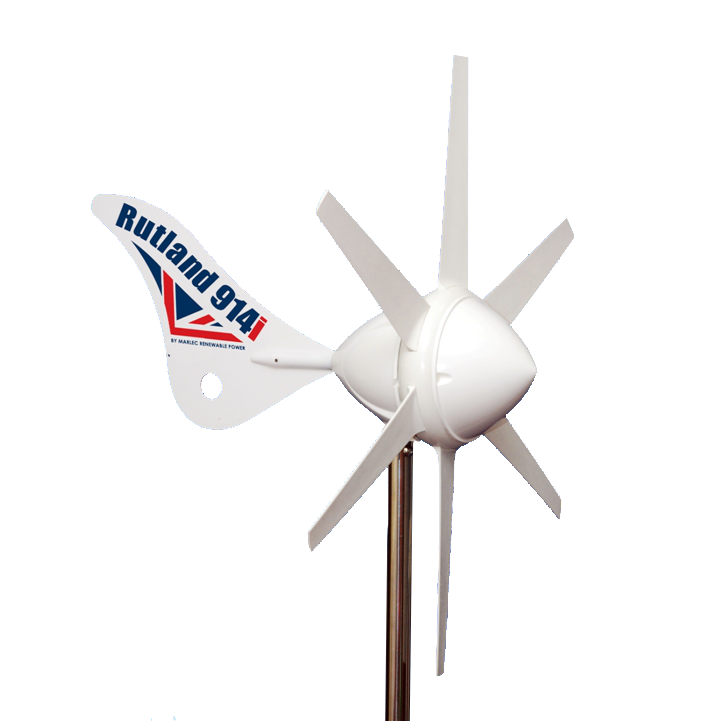
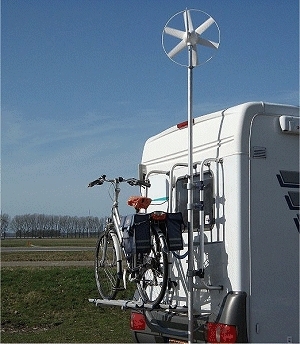
- Horizontal Axis Wind Turbines (HAWTs): These are the classic ‘propeller’ style turbines you usually picture. They are generally more efficient for their size in optimal wind conditions but need to face into the wind.
- Vertical Axis Wind Turbines (VAWTs): These have blades that rotate around a vertical axis. They are often quieter, omni-directional (don’t need to yaw to face the wind), and can perform better in turbulent wind conditions, but are generally less efficient at smaller scales.
Blade Count
While more blades can mean better low-wind performance, they can also increase drag and sometimes noise. Most caravan turbines have 3 to 5 blades, striking a balance between efficiency and practicality.
Voltage (12V/24V)
Your turbine’s voltage should match your existing battery bank setup (or the one you plan to install). Most smaller caravan setups use 12V systems, but larger installations might opt for 24V or even 48V for efficiency over longer wiring runs.
Durability & Weather Resistance
Your turbine will be exposed to the elements 24/7. Look for robust construction, marine-grade components if possible, and materials designed to withstand UV, rain, snow, and strong winds.
Noise Level
This is critical for static caravans, especially if located in a quiet park or close to neighbors. Research manufacturer specifications for noise levels (measured in decibels, dB) and read user reviews. VAWTs generally have a reputation for being quieter.
Mounting Options
For static caravans, a pole mount is typically the most effective. This allows you to raise the turbine above obstructions (trees, other caravans) to catch cleaner, stronger wind. Ensure the pole is securely anchored and suitable for the turbine’s weight and wind loads. Roof mounts are generally discouraged for caravans due to vibration, structural stress, and often poor wind capture.
Controller & Inverter Compatibility
Ensure the charge controller is appropriately sized for your turbine’s output and compatible with your battery type (lead-acid, LiFePO4, etc.). If you’re integrating with an existing solar setup, look for a hybrid charge controller that can manage both inputs. Your inverter needs to handle the total AC load of your appliances.
Brand Reputation & Warranty
Invest in a reputable brand with a good warranty and customer support. This is a long-term investment, and you want peace of mind.
Comparison Table: Popular Small Wind Turbine Types for Caravans
| Feature | Horizontal Axis (HAWT) | Vertical Axis (VAWT) |
|---|---|---|
| Efficiency (at small scale) | Generally higher, especially in consistent wind | Lower, but better in turbulent wind |
| Noise Level | Can be louder due to blade tip speed | Often quieter, making them better for residential areas |
| Wind Direction | Needs to yaw (turn) into the wind for optimal performance | Omni-directional; captures wind from any direction |
| Startup Wind Speed | Typically requires slightly higher wind speeds to start | Can often start generating power at lower wind speeds |
| Aesthetics | More traditional windmill look | Modern, often more compact design |
| Maintenance Access | Components often at height, requiring lifting equipment | Some components can be lower, easier to access |
Sizing Your System: How Much Power Do You Really Need?
We touched on the energy audit, but let’s go a bit deeper into what you need to consider for your entire system.
1. Calculate Your Daily Energy Consumption (Wh): As per the table above, accurately sum up the daily Watt-hours (Wh) for all your appliances. Be generous, it’s better to overestimate than underestimate.
2. Estimate Your Wind Resource: This is the trickiest part. Do you know your average wind speeds? Websites like the National Renewable Energy Laboratory (NREL) often provide wind maps, or you can use a simple anemometer at your caravan site for a few weeks to get a clearer picture. Small turbines typically start generating power at around 5-7 mph (miles per hour) and reach their rated output at 20-30 mph.
3. Determine Turbine Output for Your Wind: A turbine rated at 400W will only produce 400W in ideal, high-wind conditions. In average wind speeds, it will produce significantly less. Manufacturers usually provide power curves showing output at various wind speeds. Be realistic with your expectations.
4. Size Your Battery Bank: Your battery bank needs to store enough energy to cover periods of low wind. A common recommendation is to have enough capacity for 2-3 days of autonomy (your total daily Wh multiplied by 2 or 3, then divided by your battery voltage to get Amp-hours, Ah).
Example: If you need 1030 Wh/day and want 2 days of autonomy for a 12V system:
(1030 Wh/day * 2 days) / 12V = ~172 Ah. You’d look for a battery bank with at least 172 Ah of usable capacity (remembering that you shouldn’t fully discharge many battery types).
Installation Insights: Setting Up Your Static Caravan Wind Turbine
Proper installation is paramount for safety, efficiency, and longevity.
Site Selection: Location, Location, Location!
- Unobstructed Wind Flow: This is non-negotiable. The turbine needs to be placed where it can catch clear, laminar (smooth) wind, free from obstacles like trees, buildings, or other caravans that create turbulence.
- Height: The higher, the better. Wind speed increases significantly with height. A general rule of thumb is at least 20 feet (6 meters) above any obstruction within 300 feet (90 meters).
- Safety: Consider proximity to power lines, footpaths, and other structures. There should be a safe clearance zone around the turbine.
Mounting: Stability is Key
For a static caravan, a guyed tower or a self-supporting monopole tower is the most suitable. These are robust, designed for permanent installation, and can lift the turbine to the necessary height. Ensure the foundation is solid concrete, capable of withstanding the turbine’s weight and wind loads.
Wiring & Electrical Safety
- Charge Controller: Install this close to your battery bank. It manages the voltage and current, preventing damage to your batteries.
- Inverter: Connects to your battery bank and converts DC to AC power for your appliances. Choose one with enough wattage capacity.
- Cabling: Use appropriate gauge wiring to minimize voltage drop, especially over longer distances from the turbine to the controller/batteries.
- Fuses & Circuit Breakers: Essential for protecting your system from surges and short circuits. Always follow the manufacturer’s instructions and local electrical codes.
Permits & Regulations
Do NOT skip this step!
- Local Council/Zoning: Contact your local planning department. Many areas have regulations regarding height, setback from property lines, and noise for wind turbines.
- Caravan Park Rules: If your static caravan is in a park, they will almost certainly have their own rules regarding external structures and renewable energy installations. Get written permission before proceeding.
DIY vs. Professional Installation
While some smaller, simpler turbines might appeal to the DIY enthusiast, larger, higher-mounted systems involving electrical wiring and heavy lifting are best left to qualified professionals. Safety is paramount, and incorrect installation can lead to damage, injury, or poor performance.
Maximizing Efficiency & Longevity: Tips for Your Wind System
Once installed, a little care goes a long way:

- Regular Inspections: Periodically check all bolts, connections, and guy wires for tightness and wear. Look for any signs of damage to blades or the tower.
- Blade Cleaning: Over time, dust, dirt, or even insects can accumulate on blades, reducing efficiency. A gentle clean (when the turbine is stopped and safely secured!) can help.
- Battery Maintenance: Follow the manufacturer’s guidelines for your specific battery type. This might include checking water levels for flooded lead-acid batteries or monitoring voltage levels for all types.
- Monitoring System Performance: Many charge controllers come with displays or apps that show current generation, battery status, and consumption. Keep an eye on these to ensure everything is working as expected.
The Hybrid Advantage: Pairing Wind with Solar for Ultimate Off-Grid Power
For a truly robust and reliable off-grid static caravan setup, combining wind and solar power is the gold standard. Here’s why it’s such a powerful synergy:
- Complementary Power Generation: Solar panels excel on sunny, calm days. Wind turbines shine on cloudy, windy days and at night. Together, they create a much more consistent and reliable power supply, covering each other’s weaknesses.
- Reduced Battery Reliance: By having two independent sources of power, your battery bank isn’t solely reliant on one energy input, meaning less deep cycling and longer battery life.
- Enhanced Energy Security: You’re prepared for a wider range of weather conditions, minimizing the chances of running out of power.
To implement a hybrid system, you’ll typically use a hybrid charge controller that can intelligently manage inputs from both your solar panels and your wind turbine, feeding power into your shared battery bank.
Final Thoughts: Is a Wind Turbine Right for Your Static Caravan?
Embracing wind power for your static caravan is an exciting step towards greater energy independence and sustainability. It’s not a decision to be taken lightly, but with careful planning and an understanding of your specific needs and location, it can be an incredibly rewarding investment.
Consider your daily power requirements, assess your local wind resource, factor in the initial costs, and don’t forget those crucial permits and regulations. If you’re ready to harness the power of the wind and enjoy a quieter, greener, and more self-sufficient caravan experience, a wind turbine could be the perfect addition to your static retreat.
Do your homework, talk to experts, and prepare to enjoy the silent power of the wind!
Frequently Asked Questions
Can I really power my entire static caravan with a wind turbine?
It depends on your energy consumption and local wind resources. For essential appliances and charging, a small to medium turbine (e.g., 400W-800W) can significantly contribute. For full power independence, especially for higher-demand appliances, a hybrid system combining wind with solar is often recommended for consistency.
How noisy are wind turbines for caravans?
Noise levels vary significantly between models. Smaller, well-designed vertical axis wind turbines (VAWTs) are generally quieter than horizontal axis (HAWTs). Always check manufacturer specifications for decibel ratings and read user reviews. Placement away from living areas can also mitigate noise concerns.
Do I need planning permission for a wind turbine at my static caravan?
Yes, almost certainly. Local planning authorities and caravan park management will have rules and regulations regarding the installation of wind turbines, especially concerning height, setback, and aesthetics. Always check and obtain any necessary permits or permissions before purchasing or installing a turbine.
How do I know what size wind turbine I need?
You need to perform an energy audit to calculate your daily Watt-hour (Wh) consumption. List all your appliances, their wattage, and how long you use them. Then, estimate your local average wind speed to determine a realistic output from a chosen turbine. It’s often best to slightly oversize your system or pair it with other renewables.
Can I combine a wind turbine with my existing solar panels?
Absolutely! A hybrid wind-solar system is often the most effective solution for static caravans. Wind power can generate electricity on cloudy days and at night when solar panels are less effective, providing a more consistent and reliable power supply. You’ll need a compatible hybrid charge controller to manage both inputs.
What’s the typical lifespan of a small wind turbine?
With proper installation and regular maintenance, a good quality small wind turbine can last 15-20 years or even longer. Key components like batteries and inverters may need replacement sooner, typically every 5-10 years depending on type and usage.
