
Residential Solar Wind Power Systems: Your Ultimate Guide to Hybrid Home Energy
Tired of unpredictable energy bills? Dreaming of energy independence, but overwhelmed by the options? You’re not alone. The quest for a reliable, sustainable power source for our homes often leads us to solar panels or wind turbines. But what if you didn’t have to choose? What if you could harness the best of both worlds?
Table of Contents
- Residential Solar Wind Power Systems: Your Ultimate Guide to Hybrid Home Energy
- What Exactly is a Residential Solar Wind Power System?
- The Core Concept: Harnessing Sun and Wind
- Why Hybrid? The Synergy of Two Renewables
- Key Components of a Home Solar Wind Hybrid System
- Solar Panels: Your Daytime Energy Harvester
- Wind Turbines: Powering Through the Night (and Day)
- The Hybrid Charge Controller: The System’s Brain
- Battery Bank: Your Energy Reservoir
- Inverter: Turning DC into Usable AC
- Grid Tie or Off-Grid: Understanding Your Connection
- The Benefits of Going Hybrid: Why Combine Solar and Wind?
- Consistent Power Generation: Overcoming Intermittency
- Enhanced Energy Independence & Reliability
- Potential Cost Savings & ROI
- Environmental Impact: A Greener Footprint
- Is a Residential Solar Wind System Right for Your Home? The Real Talk.
- Site Assessment: Wind Resources are Key
- Space Requirements: A Bigger Footprint
- Energy Needs: Sizing Your System Accurately
- Cost Considerations: Initial Investment vs. Long-Term Savings
- Maintenance & Longevity
- Solar vs. Wind (and Hybrid): A Direct Comparison
- Cost of Residential Solar Wind Power Systems: What to Expect
- Factors Influencing Price
- Typical Installation Costs (System Size & Components)
- Government Incentives and Rebates
- Understanding ROI
- Installation & Maintenance: What You Need to Know
- DIY vs. Professional Installation
- Permitting and Regulations: Don’t Skip This Step
- Routine Maintenance for Longevity
- The Future of Home Energy: Hybrid Systems on the Rise
Welcome to the world of residential solar wind power systems – often called hybrid energy systems. This guide will cut through the noise, give you the unvarnished truth, and help you determine if combining the sun’s rays with the wind’s invisible currents is the smartest move for your home.
What Exactly is a Residential Solar Wind Power System?
The Core Concept: Harnessing Sun and Wind
At its heart, a residential solar wind power system is a smart energy solution that integrates both photovoltaic (PV) solar panels and a small-scale wind turbine to generate electricity for your home. Instead of relying on a single, intermittent renewable source, it leverages two, creating a more consistent and robust power supply.
Why Hybrid? The Synergy of Two Renewables
Think about it: when the sun shines brightest, the wind often calms. When dark clouds roll in or night falls, wind speeds can pick up. This complementary relationship is the magic of a hybrid system. Solar panels excel during sunny days, while wind turbines are effective on cloudy days, at night, and during windy conditions. By combining them, you’re not just adding two systems; you’re creating a synergistic solution that minimizes the weaknesses of each individual technology.
Key Components of a Home Solar Wind Hybrid System
Understanding the individual pieces that make up a hybrid system is crucial. It’s more than just panels and a turbine; it’s an intelligent network working in concert.
Solar Panels: Your Daytime Energy Harvester
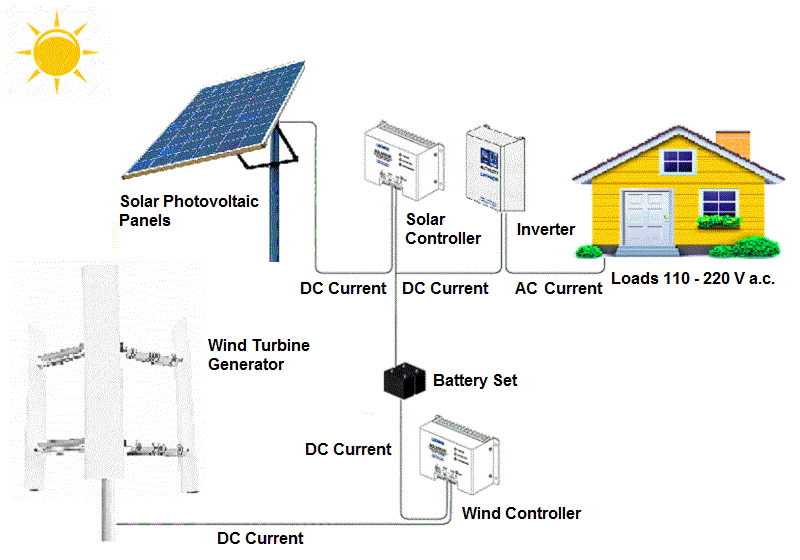
These are the familiar arrays that capture sunlight and convert it into direct current (DC) electricity. They are typically installed on rooftops or ground mounts with optimal sun exposure.
Wind Turbines: Powering Through the Night (and Day)
For residential use, these are smaller turbines (often 400W to 10kW) designed to be mounted on a mast or tower, or sometimes even on a sturdy rooftop. They capture kinetic energy from the wind and convert it into DC electricity. Vertical Axis Wind Turbines (VAWTs) and Horizontal Axis Wind Turbines (HAWTs) are the two main types, each with pros and cons regarding efficiency, noise, and visual impact.
The Hybrid Charge Controller: The System’s Brain
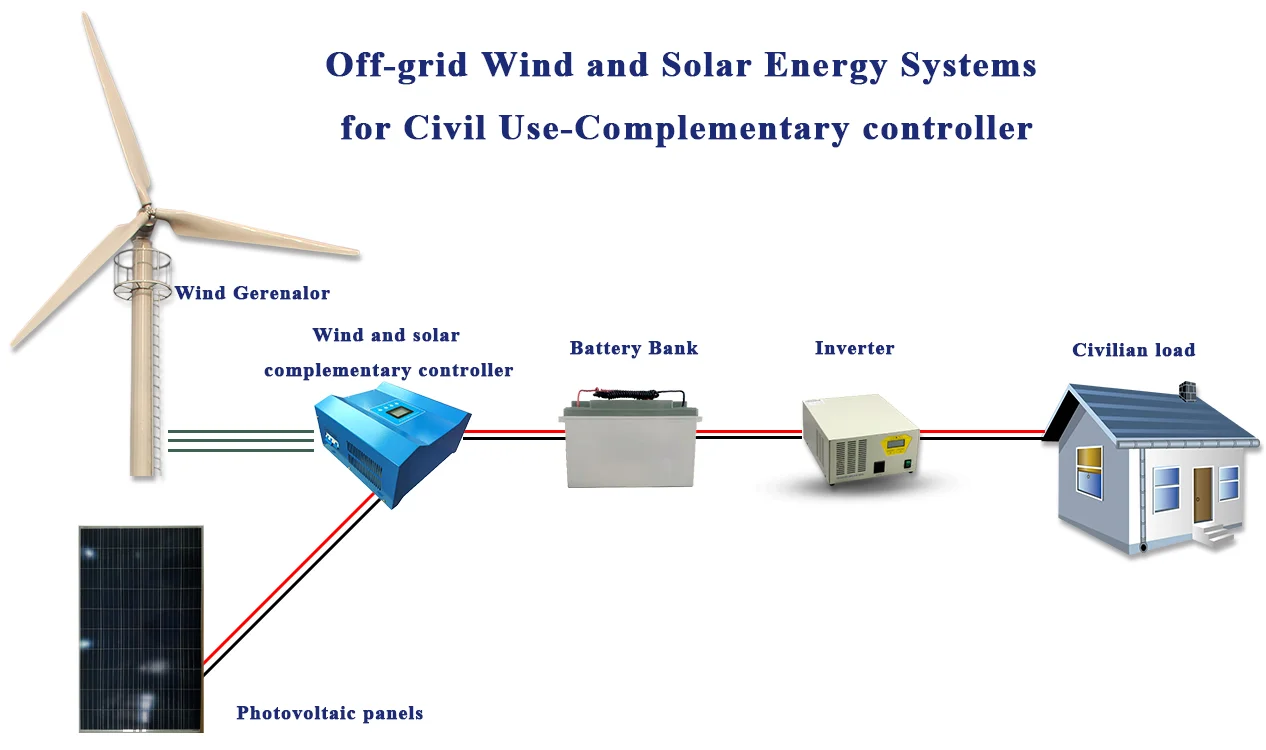
This is arguably the most critical component. The hybrid charge controller regulates the power flow from both the solar panels and the wind turbine to the battery bank. It ensures the batteries aren’t overcharged or over-discharged, maximizing their lifespan. It also prioritizes power sources based on availability and efficiency, making real-time decisions about which source to draw from. It’s the orchestrator of your renewable energy.
Battery Bank: Your Energy Reservoir
Renewable energy is intermittent, so storing excess power is vital. A battery bank (typically deep-cycle lead-acid, lithium-ion, or saltwater batteries) stores the DC electricity generated by your solar panels and wind turbine. This stored energy can then be used when the sun isn’t shining, the wind isn’t blowing, or during peak demand periods, providing true energy independence.
Inverter: Turning DC into Usable AC
Most household appliances run on alternating current (AC) electricity. Both solar panels and wind turbines produce direct current (DC). The inverter converts the DC power from your batteries (or directly from the generators if it’s a grid-tie system) into usable AC power for your home.
Grid Tie or Off-Grid: Understanding Your Connection
- Grid-Tie System: This is the most common residential setup. Your hybrid system remains connected to the utility grid. When your system produces more power than you need, the excess can be fed back into the grid (often earning you credits through net metering). When your system isn’t producing enough, you draw power from the grid.
- Off-Grid System: For ultimate energy independence, an off-grid system severs ties with the utility company entirely. These systems require a significantly larger battery bank and often a backup generator (propane, diesel) to ensure consistent power during extended periods of low renewable output.
The Benefits of Going Hybrid: Why Combine Solar and Wind?
Opting for a hybrid system isn’t just about doubling your equipment; it’s about optimizing your energy strategy. Here’s why combining solar and wind can be a game-changer:
Consistent Power Generation: Overcoming Intermittency
This is the primary advantage. Solar panels are most productive midday in clear weather. Wind turbines shine during cloudy, windy conditions and at night. By combining them, you smooth out your power generation curve, ensuring a more consistent supply of electricity throughout the day and night, regardless of individual weather patterns. This means fewer dips in power production compared to standalone systems.
Enhanced Energy Independence & Reliability
With a hybrid system, you significantly reduce your reliance on the grid. In areas prone to power outages, a hybrid setup with battery storage provides a robust backup, keeping your essential appliances running. For off-grid homes, it ensures a much more reliable and resilient power supply than either technology could offer alone.
Potential Cost Savings & ROI
While the initial investment is higher than a single-source system, the increased energy capture and reduced need to draw from the grid can lead to substantial long-term savings on your electricity bills. Furthermore, many government incentives and rebates apply to both solar and wind components, improving your overall return on investment (ROI).
Environmental Impact: A Greener Footprint
Both solar and wind power are clean, renewable energy sources. By utilizing a hybrid system, you maximize your use of these green technologies, significantly reducing your home’s carbon footprint and contributing to a more sustainable planet.
Is a Residential Solar Wind System Right for Your Home? The Real Talk.
Here’s where we get practical. While hybrid systems offer compelling advantages, they aren’t a one-size-fits-all solution. Several factors determine if this advanced setup is genuinely suitable for your property.
Site Assessment: Wind Resources are Key
This is the deal-breaker for many. Unlike solar panels, which largely depend on sunlight exposure, wind turbines require specific conditions to be effective at a residential scale.
- Average Wind Speed Requirements: For a small residential turbine to be economically viable, you typically need an average annual wind speed of at least 10-12 mph (4.5-5.5 m/s). Many suburban and urban areas simply don’t have consistent enough wind at ground or rooftop level.
- Obstructions (Trees, Buildings): Wind flow is easily disrupted. Trees, hills, and nearby buildings create turbulence and wind shadows, significantly reducing a turbine’s efficiency. Turbines need to be installed above these obstructions, often requiring a tall tower (20-60+ feet), which brings its own challenges.
- Zoning and Permitting: Local regulations vary wildly. Some municipalities have height restrictions for structures, noise ordinances, or visual impact rules that make installing a wind turbine difficult, if not impossible.
Space Requirements: A Bigger Footprint
A hybrid system requires more physical space than a standalone solar array. You’ll need space for solar panels (rooftop or ground), a tower for the wind turbine (which needs clear air all around), and dedicated space for batteries and inverters, usually in a utility room or garage. This makes them less feasible for small urban lots.
Energy Needs: Sizing Your System Accurately
Before investing, you need a clear understanding of your household’s average daily and peak energy consumption. This will dictate the size and capacity of both your solar array, wind turbine, and battery bank. An oversized system is an unnecessary expense, while an undersized one leaves you reliant on the grid (or without power off-grid).
Cost Considerations: Initial Investment vs. Long-Term Savings
Let’s be upfront: residential hybrid solar wind systems represent a significant upfront investment. They combine the costs of both solar and wind components, plus the specialized hybrid controller and often a substantial battery bank. While the long-term savings can be considerable, it’s crucial to calculate your potential ROI based on your specific energy usage, local electricity rates, and available incentives.
Maintenance & Longevity
Both solar panels and wind turbines are designed for longevity, but they do require maintenance. Solar panels need occasional cleaning. Wind turbines have moving parts that require periodic inspection, lubrication, and sometimes replacement of components like blades or bearings. Consider the accessibility and the cost of maintaining both systems.
Solar vs. Wind (and Hybrid): A Direct Comparison
To help you decide, here’s a comparative overview of solar, wind, and hybrid systems for residential use:
| Feature | Residential Solar (PV) | Residential Wind | Residential Hybrid (Solar + Wind) |
|---|---|---|---|
| Primary Resource | Sunlight | Wind Speed | Sunlight & Wind Speed |
| Typical Generation Times | Daytime (peak midday) | Day & Night (when windy) | Consistent Day & Night |
| Ideal Location | Open, unshaded rooftops/ground; high solar irradiance. | Rural, open areas with high average wind speeds; minimal obstructions. | Rural, open areas with both good sun and wind resources. |
| Space Requirements | Rooftop space or clear ground. | Large footprint for turbine tower and exclusion zone. | Significant space for both panels and turbine. |
| Noise Concerns | Minimal to none. | Can be a concern, especially for HAWTs in residential areas. | Similar to wind, potential noise from turbine. |
| Maintenance | Low (occasional cleaning, inspection). | Moderate (moving parts, lubrication, periodic inspection). | Moderate to high (combines maintenance of both systems). |
| Residential Feasibility (USA) | High for most homes with adequate sun exposure. | Low to Moderate, highly dependent on specific location’s wind profile and zoning. | Moderate, best for homes in very specific, high-resource locations. |
Cost of Residential Solar Wind Power Systems: What to Expect
Budgeting for a hybrid system involves considering multiple factors, from hardware to installation to long-term operational costs.
Factors Influencing Price
The total cost isn’t fixed; it fluctuates based on:
- System Size: The larger your energy needs, the more panels, larger turbine, and bigger battery bank you’ll require.
- Component Quality: Premium brands and higher-efficiency equipment come with a higher price tag.
- Installation Complexity: Rooftop solar is generally simpler than ground mounts. Wind turbine towers can be expensive and complex to install, especially if they’re tall.
- Geographic Location: Labor costs vary, and local permitting fees can differ.
- Battery Technology: Lithium-ion batteries are more expensive upfront than lead-acid but offer longer lifespan and better performance.
Typical Installation Costs (System Size & Components)
While exact figures vary, here’s a general breakdown for a typical residential hybrid system (e.g., 5kW solar array + 1kW wind turbine + 10-15kWh battery storage):
- Solar Panels (installed): $15,000 – $25,000 (before incentives)
- Residential Wind Turbine (installed): $10,000 – $30,000 (highly variable based on size, tower height, and site preparation)
- Battery Bank: $8,000 – $20,000 (depending on capacity and chemistry)
- Hybrid Charge Controller, Inverter, Wiring, Balance of System (BOS): $5,000 – $15,000
This means a complete residential hybrid solar wind system could range from $38,000 to $90,000 or more before any incentives. This is a significant investment, underscoring the importance of a thorough site assessment and financial analysis.
Government Incentives and Rebates
The good news is that numerous incentives can significantly reduce these costs:
- Federal Solar Investment Tax Credit (ITC): Currently, this offers a 30% tax credit for new residential solar installations, and often extends to related equipment like batteries and potentially the hybrid controller.
- State and Local Programs: Many states, counties, and even utility companies offer additional tax credits, rebates, or performance-based incentives for both solar and wind. Research what’s available in your specific area.
- Renewable Energy Grants: Particularly for rural homeowners, there may be specific grants (e.g., USDA Rural Energy for America Program – REAP) that can assist with renewable energy installations.
Understanding ROI
Calculating the return on investment (ROI) for a hybrid system involves more than just equipment cost. You need to factor in your current electricity rates, projected future rate increases, the amount of energy your system will generate, and the lifespan of the components. For some, especially those in remote areas with high electricity costs or a strong desire for energy independence, the ROI can be compelling. For others, particularly those in urban areas with low wind resources, it might be a longer payback period.
Installation & Maintenance: What You Need to Know
Once you’ve decided a hybrid system is right for you, understanding the practicalities of installation and ongoing care is crucial.
DIY vs. Professional Installation
While some smaller, simpler solar kits are marketed as DIY-friendly, installing a full-scale residential solar wind hybrid system is a complex undertaking. It involves:
- Electrical Work: Connecting high-voltage components, integrating with your home’s electrical panel, and ensuring safety standards are met.
- Structural Considerations: Safely mounting solar panels to a roof, constructing a sturdy wind turbine tower, and managing weight loads.
- System Integration: Correctly wiring and programming the hybrid charge controller, inverter, and battery bank for optimal performance.
- Safety: Working at heights, with heavy equipment, and with electricity poses significant risks.
For these reasons, professional installation is highly recommended. Certified installers have the expertise, equipment, and insurance to ensure your system is installed safely, correctly, and to code. They can also navigate the complex permitting process.
Permitting and Regulations: Don’t Skip This Step
This cannot be stressed enough: do your homework on local permits and regulations. Ignoring this can lead to fines, forced removal of your system, or insurance issues. You’ll likely need:

- Building Permits: For structural changes (roof, tower foundation).
- Electrical Permits: For all wiring and grid connections.
- Zoning Variances: Especially for wind turbine height or noise.
- Utility Interconnection Agreements: If you’re grid-tied, your utility company will have specific requirements for connecting your system to their grid.
A reputable installer will be familiar with these requirements in your area and can often handle the application process for you.
Routine Maintenance for Longevity
To ensure your hybrid system provides decades of reliable power, routine maintenance is essential:
- Solar Panels: Occasional cleaning (especially after heavy dust or pollen) to maximize efficiency. Inspect for physical damage.
- Wind Turbine: Annual inspection of blades for cracks or damage, lubrication of moving parts (if applicable), check guy wires (if used), and ensure all bolts are secure. Monitor for unusual noises or vibrations.
- Batteries: If using lead-acid batteries, regular checks of water levels and terminal cleaning are necessary. Lithium-ion batteries are generally maintenance-free. Ensure the battery compartment is well-ventilated and kept at an optimal temperature.
- Inverter and Controller: Keep clear of dust and ensure proper ventilation. Monitor performance indicators on the display or via monitoring apps.
Many professional installers offer maintenance packages, which can be a worthwhile investment to protect your substantial investment.
The Future of Home Energy: Hybrid Systems on the Rise
Residential solar wind power systems, while niche, represent a powerful step towards true energy resilience. They intelligently address the inherent intermittency of single renewable sources, offering homeowners in suitable locations a path to greater energy independence, reduced carbon footprints, and long-term financial savings.
As technology advances, and as the drive for sustainability intensifies, hybrid solutions will only become more refined, more efficient, and potentially more accessible. If you’re serious about taking control of your home’s energy future, and your property has the right resources, a solar wind hybrid system might just be the definitive answer you’ve been searching for.
Frequently Asked Questions
What is a residential solar wind power system?
A residential solar wind power system, also known as a hybrid energy system, combines photovoltaic (PV) solar panels and a small-scale wind turbine to generate electricity for a home. It leverages the complementary nature of sun and wind to provide a more consistent and reliable power supply than either system could offer alone.
How do solar and wind power work together in a hybrid system?
Solar panels generate electricity during sunny periods, while wind turbines produce power during windy conditions, day or night. A hybrid charge controller manages both inputs, prioritizing sources and storing excess energy in a battery bank. This synergy ensures more consistent power generation, offsetting the intermittency of a single renewable source.
What are the main components of a residential solar wind system?
Key components include solar panels, a wind turbine, a hybrid charge controller (the ‘brain’ regulating power flow), a battery bank (for energy storage), and an inverter (to convert DC to usable AC electricity). Whether the system is grid-tied or off-grid determines additional components for grid connection or backup.
Is a residential wind turbine viable for urban or suburban homes?
Generally, residential wind turbines are less viable for typical urban or suburban homes due to insufficient average wind speeds at lower altitudes, obstructions from buildings and trees, and strict local zoning/permitting restrictions (e.g., height limitations, noise ordinances). They are best suited for rural, open areas with consistent, unobstructed wind resources.
How much does a residential solar wind power system cost?
The cost varies significantly based on system size, component quality, and installation complexity, but a complete residential hybrid system can range from $38,000 to $90,000 or more before incentives. This includes costs for solar panels, a wind turbine, a battery bank, hybrid controller, inverter, and installation labor.
Are there incentives for installing a hybrid solar wind system?
Yes, homeowners can often benefit from incentives. The Federal Solar Investment Tax Credit (ITC) offers a 30% tax credit for solar installations, which often applies to hybrid systems and associated battery storage. Many states, local governments, and utilities also offer additional rebates, grants, or net metering programs for renewable energy systems.
What kind of maintenance do hybrid solar wind systems require?
Maintenance typically involves occasional cleaning of solar panels, annual inspection and lubrication of the wind turbine’s moving parts, checking battery levels (for lead-acid), and ensuring proper ventilation for all components. Professional installers often offer maintenance packages to ensure system longevity and optimal performance.
