
Table of Contents
- Vertical Wind Turbines for Residential Use: Your Definitive Homeowner’s Guide
- Why Consider Vertical Wind Turbines for Your Home? The Unique Advantages
- Horizontal vs. Vertical: Understanding the Core Differences (and Why it Matters for You)
- Key Design and Performance Variances
- Which is Right for a Residential Setting?
- Demystifying Vertical Axis Wind Turbine (VAWT) Types for Homeowners
- Savonius VAWTs: The “Drag” Principle
- Darrieus VAWTs: The “Lift” Principle
- Helix/Spiral VAWTs: Blending Performance & Aesthetics
- Emerging Technologies: The Bladeless Option
- Is Your Home a Good Candidate? Assessing Wind Potential & Site Suitability
- Understanding Your Local Wind Resource: Wind Maps & Anemometers
- Key Site Considerations: Obstructions, Zoning & Permitting
- Roof-Mounted vs. Pole-Mounted: Making the Right Choice
- Sizing Your VAWT: How Much Power Do You Really Need?
- Calculating Your Home’s Energy Consumption
- Matching Turbine Output to Your Needs
- Battery Storage & Grid-Tied Systems: What to Know
- What to Look For: Key Features & Specifications of Residential VAWTs
- Rated Power Output & Cut-in Speed
- Noise Level (dB)
- Durability & Materials
- Inverter & Charge Controller Compatibility
- Certifications & Warranties
- Installation & Maintenance: What Homeowners Can Expect
- The Installation Process: A Step-by-Step Overview
- Connecting to Your Home’s Electrical System
- Ongoing Maintenance: Keeping Your Turbine Running Smoothly
- Cost, ROI & Incentives: Making the Financial Case for a VAWT
- Upfront Costs: Turbine, Tower, Installation, Inverter, Batteries
- Understanding Energy Savings & Payback Period
- Federal, State & Local Incentives
- The Future is Vertical: Innovations and What’s Next
- Advancements in Efficiency & Design
- Integration with Smart Home & Hybrid Systems
Vertical Wind Turbines for Residential Use: Your Definitive Homeowner’s Guide
Fed up with rising electricity bills? Dreaming of energy independence and a greener footprint? You’ve likely looked into solar, but what about harnessing the wind, especially right in your own backyard or rooftop? Vertical Axis Wind Turbines (VAWTs) are emerging as an intriguing, often misunderstood, option for homeowners. Traditional “windmill” imagery usually conjures up massive, propeller-like structures. But VAWTs are different. They’re compact, quiet, and designed to integrate more gracefully into residential settings. However, there’s a lot of noise (pun intended) around their effectiveness, with some claiming they’re a miracle solution and others dismissing them as mere gadgets. This guide cuts through the hype to give you the unvarnished truth, helping you decide if a VAWT is the right renewable energy solution for your home.
Why Consider Vertical Wind Turbines for Your Home? The Unique Advantages
Let’s be real: installing any kind of wind turbine at home isn’t like buying a new appliance. It’s a significant investment and commitment. So, why are more and more homeowners turning their eyes skyward, specifically towards vertical designs? It boils down to several key advantages tailored for residential environments:
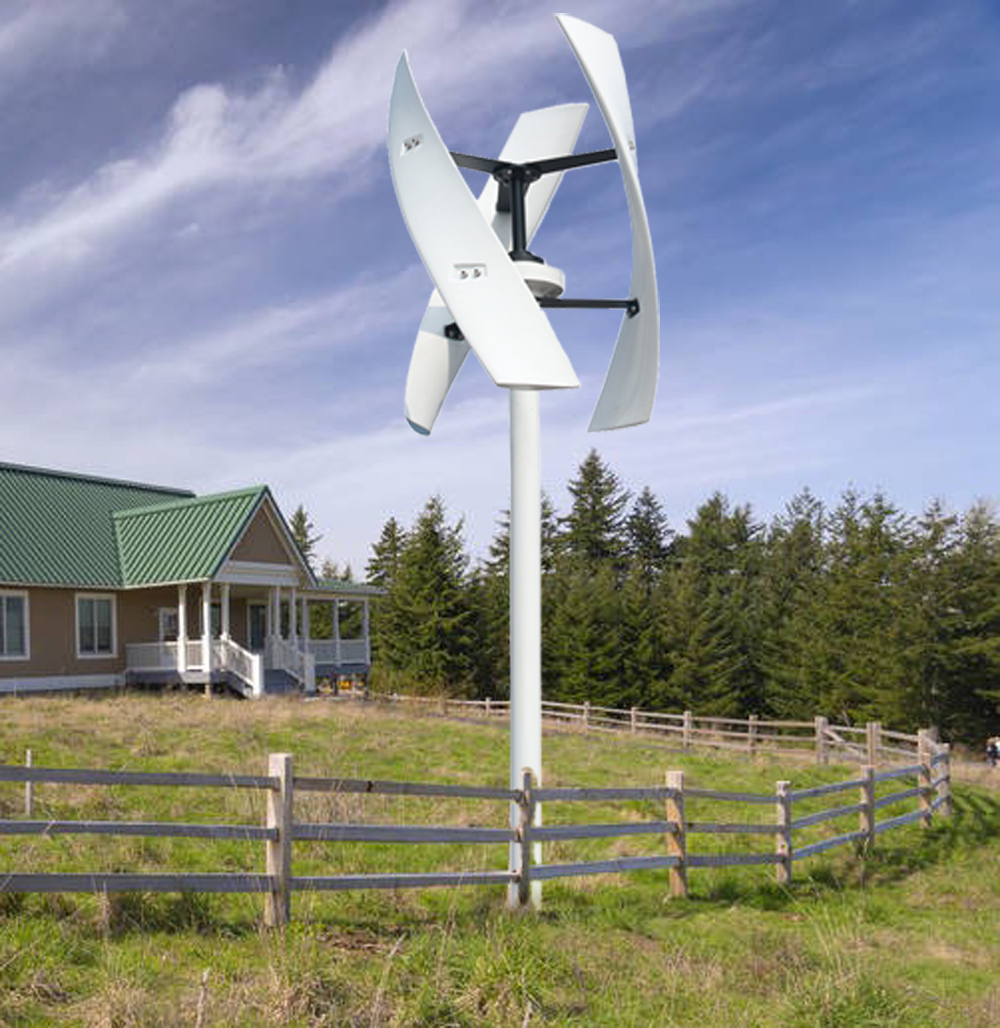
- Compact Footprint & Aesthetics: Unlike their towering horizontal counterparts, VAWTs often have a smaller physical footprint. Their vertical design can be perceived as less intrusive, and some models boast genuinely sleek, modern aesthetics that homeowners find more appealing. They’re less likely to dominate your landscape.
- Lower Noise Profile: This is huge for residential areas. VAWTs generally operate at much lower RPMs than HAWTs (Horizontal Axis Wind Turbines). This translates to significantly less audible noise, often just a subtle hum, making them far more neighbor-friendly and easier to live with on your property.
- Omnidirectional Wind Capture: One of the VAWT’s superpowers is its ability to capture wind from any direction without needing to “yaw” or reorient itself. This is incredibly beneficial in urban or suburban settings where wind can be turbulent and shift frequently due to buildings and trees. HAWTs constantly adjust, losing efficiency during the process; VAWTs just keep spinning.
- Bird & Wildlife Friendliness: With their slower rotation speeds and lack of large, fast-moving blades, VAWTs pose a considerably lower risk to birds and bats compared to traditional propeller-style turbines. This ecological benefit is a significant draw for environmentally conscious homeowners.
- Easier Installation & Maintenance (Generally): Because many VAWTs have their generators and other critical components at ground level (or closer to it), installation and subsequent maintenance can be simpler, safer, and less costly. No need for specialized crane equipment for every repair.
Horizontal vs. Vertical: Understanding the Core Differences (and Why it Matters for You)
Before diving deeper into VAWTs, it’s crucial to understand how they stack up against the more common Horizontal Axis Wind Turbines (HAWTs). This isn’t just a design choice; it fundamentally impacts performance, suitability, and cost.
Key Design and Performance Variances
Traditional HAWTs (think classic windmills) have blades that spin around a horizontal axis, like a propeller. They need to face directly into the wind to be efficient, often requiring a tail fin or motorized yaw mechanism. They are generally more efficient in steady, high-speed winds found in open areas and at significant heights. VAWTs, conversely, have blades that spin around a vertical axis. They capture wind from any direction simultaneously. This difference leads to varied performance characteristics, especially in residential environments.
Which is Right for a Residential Setting?
For most homeowners, the decision often leans towards VAWTs due to the factors we just discussed. HAWTs are often too large, too noisy, and too visually dominant for residential areas, not to mention less effective in turbulent, lower-altitude wind conditions common around homes. Here’s a quick comparison to highlight the practical differences for a homeowner:
| Feature | Horizontal Axis Wind Turbine (HAWT) | Vertical Axis Wind Turbine (VAWT) |
|---|---|---|
| Noise Level | Can be significant, especially larger models; propeller whoosh. | Generally much quieter; low hum or silent. |
| Aesthetics | Often perceived as industrial; propeller design. | Modern, sculptural; can blend better with architecture. |
| Wind Direction | Requires reorientation (yaw) to face wind; less efficient in turbulent wind. | Omnidirectional; captures wind from any angle efficiently. |
| Efficiency (at height) | Higher efficiency in steady, high-altitude winds. | Generally lower peak efficiency than HAWTs, but better in turbulent, low-altitude winds. |
| Maintenance | Requires specialized equipment for elevated components. | Easier access to most components at or near ground level. |
| Footprint | Requires significant clear space for blade rotation and tower guy wires. | More compact; often suitable for rooftops or smaller lots. |
| Bird Friendliness | Higher risk due to fast-moving blades. | Lower risk due to slower rotation and design. |
| Residential Suitability | Limited to very large, open properties; typically not ideal. | Often a better fit for urban, suburban, and smaller rural properties. |
Demystifying Vertical Axis Wind Turbine (VAWT) Types for Homeowners
Not all VAWTs are created equal. Just like cars, they come in different designs, each with its own characteristics. Understanding these types will help you better assess which might be suitable for your home.
Savonius VAWTs: The “Drag” Principle
These are often recognized by their S-shape or scoop-like blades. Savonius turbines operate on the principle of drag – the wind pushes the concave side of the blade, causing it to rotate. They have a high starting torque, meaning they can begin generating power in very low wind speeds. However, they are generally less efficient than other VAWT types at converting wind energy into electricity and are typically used for smaller applications like battery charging or ventilation.
Darrieus VAWTs: The “Lift” Principle
Darrieus turbines rely on aerodynamic lift, similar to an airplane wing. They usually have slender, curved blades (like an egg beater) or straight blades (H-rotor or Giromill designs). They are significantly more efficient than Savonius turbines and can produce more power, especially at higher wind speeds. The trade-off is often a lower starting torque, meaning they need a bit more wind to get going. The H-rotor variant, with its straight, vertical blades, is particularly popular for residential use due to its simpler design and potentially better aesthetics.
Helix/Spiral VAWTs: Blending Performance & Aesthetics
These are a newer and increasingly popular type, often seen in more modern residential installations. Helix or spiral VAWTs are essentially Darrieus types with their blades twisted into a helical or spiral shape. This design helps to distribute the torque more evenly throughout the rotation, reducing vibrations and noise. They often have a very low cut-in speed (the minimum wind speed required to start generating power) and offer a good balance of efficiency and quiet operation, making them highly attractive for urban and suburban homeowners.
Emerging Technologies: The Bladeless Option
While still largely in the developmental and commercialization phase, “bladeless” wind generators, like those pioneered by Vortex Bladeless, represent an exciting future. These innovative designs sway back and forth like an oscillating mast, harnessing energy from vortex shedding (the phenomenon of wind creating swirling eddies). They promise even lower noise, zero bird impact, and potentially lower maintenance due to fewer moving parts. Keep an eye on this space, as these could become a viable residential option in the coming years.
Is Your Home a Good Candidate? Assessing Wind Potential & Site Suitability
Before you even think about specific turbine models, you need to answer the fundamental question: Is my property actually suitable for a vertical wind turbine? Not every location is ideal, and wishful thinking won’t generate electricity.
Understanding Your Local Wind Resource: Wind Maps & Anemometers
- Wind Resource Maps: Start with publicly available wind resource maps, often provided by state energy offices or the National Renewable Energy Laboratory (NREL). These can give you a general idea of average wind speeds in your region. However, these are broad estimates and don’t account for your specific property.
- Site Assessment: The gold standard is a professional site assessment. This involves installing an anemometer (a wind speed measuring device) on a temporary mast at the proposed turbine height for several months to a year. This collects accurate data on your property’s actual wind profile. Some companies offer this as part of their service.
- Consider Obstructions: Buildings, trees, and even terrain features can create turbulence and reduce wind speed. Your turbine needs to be located where it can access smooth, uninterrupted wind. A general rule of thumb is that a turbine’s rotor should be at least 30 feet (9 meters) higher than any obstruction within 300 feet (90 meters).
Key Site Considerations: Obstructions, Zoning & Permitting
Beyond wind, you need to consider practical and legal aspects:
- Zoning Laws: This is critical. Many municipalities have strict zoning ordinances regarding building height, setbacks, and noise levels. Small wind turbines may require special permits or variances. Always check with your local planning department *before making any purchase decisions.
- Aesthetics: While VAWTs are generally more aesthetically pleasing than HAWTs, they are still a visible structure. Consider how it will look on your property and how it might impact neighbors.
- Safety: Ensure the turbine is installed safely, away from power lines and areas where people frequently gather.
Roof-Mounted vs. Pole-Mounted: Making the Right Choice
Residential VAWTs can typically be installed in two ways:
- Roof-Mounted: Best for smaller turbines, these can be installed directly on a robust roof structure. The advantages include utilizing existing height, potentially avoiding complex ground permits, and minimizing ground footprint. However, roofs can transfer vibrations and noise into the house, and wind at roof height can be highly turbulent. Structural integrity of the roof is paramount.
- Pole-Mounted: Generally preferred for larger VAWTs, these involve a freestanding tower or pole. This allows for greater height (accessing better, less turbulent wind) and isolates vibrations from the home. It requires more ground space and a solid foundation, which can increase installation costs.
Sizing Your VAWT: How Much Power Do You Really Need?
One of the biggest pitfalls for homeowners is underestimating their energy needs or overestimating a small turbine’s output. A 400W turbine sounds good on paper, but it won’t power your whole house.
Calculating Your Home’s Energy Consumption
Look at your past electricity bills. They’ll show your average monthly (and sometimes daily) kWh consumption. A typical U.S. home uses around 893 kWh per month (as of 2022 data from EIA). Convert this to daily use for a clearer picture. For example, 893 kWh/month ÷ 30 days = ~29.7 kWh per day.
Matching Turbine Output to Your Needs
Wind turbine output is highly variable and depends on wind speed. A turbine rated at “5kW” will only produce 5kW at its rated wind speed, which is often quite high. At lower, more common wind speeds, its output will be much less. This is why a proper site assessment and understanding the turbine’s power curve (a graph showing output at different wind speeds) are crucial.
| Turbine Size (Rated Power) | Typical Annual Output (kWh) @ avg. 12 mph wind | Ideal Application | Estimated Cost Range (Turbine Only) |
|---|---|---|---|
| 400W – 1kW | 500 – 1,500 kWh | Supplemental power, battery charging, off-grid cabins, RVs, partial load reduction. | $500 – $3,000 |
| 1kW – 5kW | 1,500 – 7,500 kWh | Significant contribution to grid-tied home, off-grid homes with careful load management. | $2,000 – $15,000 |
| 5kW – 10kW | 7,500 – 15,000 kWh | Near self-sufficiency for average grid-tied home, large off-grid systems. | $10,000 – $30,000+ |
| 10kW+ | 15,000+ kWh | Very large homes, small businesses, farms, near-total energy independence. | $25,000 – $70,000+ |
Note: Annual output and cost ranges are estimates and vary wildly based on turbine model, actual wind speed, and location.*
Battery Storage & Grid-Tied Systems: What to Know
Most residential VAWTs are either:
- Grid-Tied: Connected to your utility grid. Excess power generated is sent to the grid (often earning you credits through net metering), and when the wind isn’t blowing, you draw power from the grid. This is the most common setup for homes.
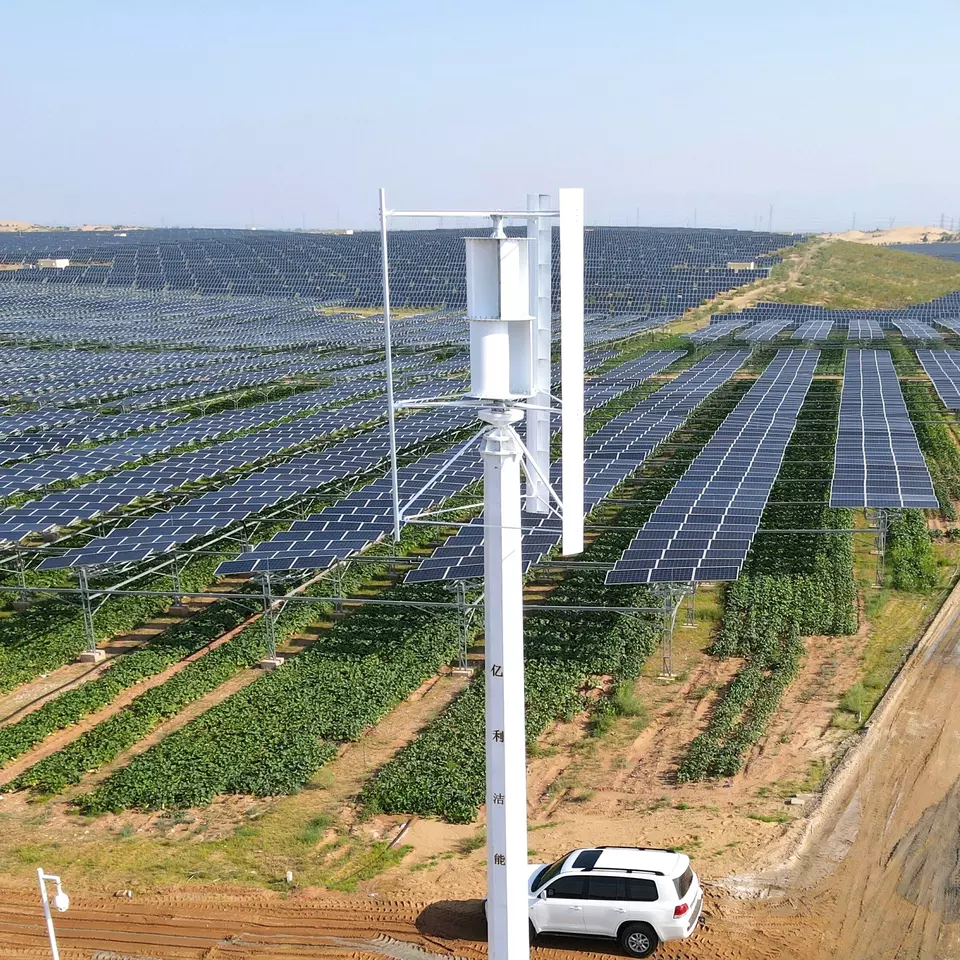
- Off-Grid: Not connected to the utility grid. Requires a robust battery bank to store excess energy for when the wind isn’t blowing. Often combined with solar panels for a hybrid system to ensure consistent power supply.
For most homes looking to reduce their bills, a grid-tied system is simpler and more cost-effective. Off-grid systems are for true energy independence but come with higher upfront costs for battery storage and typically require more careful energy management.
What to Look For: Key Features & Specifications of Residential VAWTs
Once you’ve determined a VAWT is feasible for your home, you’ll be faced with a dizzying array of models. Here’s what matters:
Rated Power Output & Cut-in Speed
- Rated Power: The maximum power the turbine can generate (e.g., 5kW). Remember, this is at optimal wind speeds, not average.
- Cut-in Speed: The minimum wind speed required for the turbine to start producing electricity. A lower cut-in speed is better for residential areas with variable wind.
- Cut-out Speed: The wind speed at which the turbine automatically shuts down to prevent damage in extreme weather.
Noise Level (dB)
Manufacturers often list a noise level in decibels (dB). For residential use, look for turbines in the 40-50 dB range at rated speed, which is comparable to a quiet refrigerator or normal conversation. Anything significantly higher might be bothersome.
Durability & Materials
Wind turbines are exposed to the elements 24/7. Look for robust construction using marine-grade aluminum, stainless steel, or high-strength composites. Check for resistance to UV, corrosion, and extreme temperatures.
Inverter & Charge Controller Compatibility
The turbine’s output needs to be converted into usable AC power for your home. Ensure the turbine comes with, or is compatible with, a high-quality inverter and charge controller (if using batteries) that matches your system voltage (e.g., 120V/240V AC).
Certifications & Warranties
Reputable manufacturers will have certifications (e.g., IEC standards) that validate performance and safety. A strong warranty (e.g., 5-10 years on major components) indicates manufacturer confidence.
Installation & Maintenance: What Homeowners Can Expect
This isn’t a DIY project for most. Professional installation is highly recommended for safety, efficiency, and to ensure compliance with local codes.
The Installation Process: A Step-by-Step Overview
- Site Preparation: This includes clearing the area, digging foundations for pole mounts, and ensuring structural integrity for roof mounts.
- Tower/Mount Assembly: Erecting the pole or mounting structure.
- Turbine Assembly & Mounting: Assembling the turbine components (blades, generator) and securely attaching them to the mount.
- Electrical Wiring: Connecting the turbine to the charge controller, inverter, battery bank (if off-grid), and then to your home’s electrical panel or the grid. This requires a licensed electrician.
- Permit Inspections: Local authorities will need to inspect the installation to ensure it meets all safety and building codes.
Connecting to Your Home’s Electrical System
For grid-tied systems, the inverter converts the turbine’s DC power into AC power that matches your home’s electricity. This AC power is then fed into your main electrical panel, supplementing power from the grid. Any excess power typically goes back to the grid, provided you have a net metering agreement with your utility.
Ongoing Maintenance: Keeping Your Turbine Running Smoothly
VAWTs are generally low-maintenance, but they’re not maintenance-free:
- Annual Visual Inspection: Check for loose bolts, damaged blades, fraying wires, or unusual noises.
- Cleaning: Keep blades free of excessive dirt, ice, or debris, especially in dusty or coastal environments.
- Bearing Lubrication: Some models may require periodic lubrication of bearings.
- Professional Check-up: Consider a professional inspection every 3-5 years to ensure optimal performance and address any wear and tear.
Cost, ROI & Incentives: Making the Financial Case for a VAWT
The upfront cost of a residential vertical wind turbine can be substantial, but understanding the potential long-term savings and available incentives is key.
Upfront Costs: Turbine, Tower, Installation, Inverter, Batteries
Costs vary widely based on size, model, and installation complexity:
- Turbine Unit: As seen in the table above, anywhere from $500 for small units to $70,000+ for large home systems.
- Tower/Mounting System: $1,000 – $10,000+, depending on height and type.
- Inverter & Charge Controller: $500 – $5,000.
- Battery Bank (for off-grid or hybrid): $3,000 – $20,000+ (a significant expense).
- Installation (Labor, wiring, permitting): $2,000 – $15,000+, depending on location and complexity.
Total installed costs for a moderately sized (1-5kW) residential VAWT system can range from $10,000 to $40,000 or more.
Understanding Energy Savings & Payback Period
Your energy savings will depend directly on how much electricity your turbine generates and your local electricity rates. The higher your rates and the more wind you have, the faster your payback period (the time it takes for savings to offset the initial cost). Payback periods can range from 8 to 20+ years, making a VAWT a long-term investment.
Federal, State & Local Incentives
Don’t forget incentives! These can significantly reduce your upfront costs:
- Federal Investment Tax Credit (ITC): Similar to solar, residential wind installations may qualify for a significant federal tax credit (e.g., 30% of the cost).
- State & Local Programs: Many states and municipalities offer their own rebates, grants, or property tax exemptions for renewable energy systems. Check the DSIRE database (Database of State Incentives for Renewables & Efficiency) for specifics in your area.
- Net Metering: This allows you to sell excess power back to the grid, effectively reducing your electricity bill. Ensure your utility offers a favorable net metering policy.
The Future is Vertical: Innovations and What’s Next
The field of vertical wind turbines for residential use is evolving rapidly. As technology advances and demand for localized renewable energy grows, we can expect even more exciting developments.
Advancements in Efficiency & Design
Researchers are continually improving blade designs, materials, and control systems to extract more power from less wind. Expect more compact, whisper-quiet, and aesthetically integrated designs that generate more electricity at lower wind speeds.
Integration with Smart Home & Hybrid Systems
Future VAWTs will be even more seamlessly integrated into smart home energy management systems. They’ll communicate with solar panels, battery storage, and smart appliances to optimize energy use and generation, creating truly intelligent and resilient home power solutions. Hybrid systems combining VAWTs with solar PV are becoming increasingly common, offering a more consistent energy supply as wind and sun often complement each other. Choosing a vertical wind turbine for your home is a significant decision. It’s an investment in your property, your independence, and the planet. While they aren’t a one-size-fits-all solution, for homes with suitable wind resources and a desire for a discreet, quiet, and environmentally friendly renewable energy source, VAWTs offer a compelling and increasingly viable path towards energy freedom. Do your homework, assess your site, and consult with reputable professionals to harness the power of the wind.
Frequently Asked Questions
What is the typical lifespan of a residential vertical wind turbine?
Residential vertical wind turbines are designed for durability and typically have a lifespan of 20 to 25 years with proper installation and regular maintenance. Key components like bearings or inverters might need replacement sooner, but the core structure and blades are built to last.
Can a vertical wind turbine power my entire home?
While it’s possible for larger (5-10kW+) vertical wind turbines to contribute significantly or even power an entire home, especially when combined with solar and battery storage in a hybrid system, smaller residential VAWTs (under 5kW) are more commonly used to supplement grid power and reduce electricity bills. The actual amount of power generated depends heavily on your local wind resource and the turbine’s size.
How noisy are vertical wind turbines for residential use?
Vertical wind turbines are generally much quieter than their horizontal counterparts, making them more suitable for residential areas. Many modern VAWTs operate at noise levels comparable to a quiet refrigerator (around 40-50 dB) at their rated speeds, and often less in average wind conditions. Look for specific dB ratings from manufacturers.
What kind of maintenance do vertical wind turbines require?
VAWTs are relatively low-maintenance. Homeowners should perform annual visual inspections for any loose components, blade damage, or unusual noises. Periodic cleaning of blades may be needed, especially in dusty environments. Some models may require occasional bearing lubrication, and a professional check-up every 3-5 years is recommended to ensure optimal performance and longevity.
Do I need permits to install a vertical wind turbine on my property?
Yes, almost certainly. Installation of a vertical wind turbine typically requires local zoning and building permits. Regulations vary widely by municipality and state regarding height restrictions, setbacks, noise limits, and structural requirements. It’s crucial to check with your local planning department or homeowners association (if applicable) before purchasing or installing a turbine.

How do vertical wind turbines perform in low wind speeds?
Many vertical wind turbine designs are particularly well-suited for low and turbulent wind conditions, which are common in residential areas. They often have a low ‘cut-in speed’ (the minimum wind speed required to start generating electricity) and their omnidirectional design means they don’t need to reorient, making them more effective in gusty or changing wind patterns compared to horizontal turbines.
Are vertical wind turbines safe for birds and other wildlife?
Yes, vertical wind turbines are generally considered much safer for birds and bats than traditional horizontal axis wind turbines. Their slower rotation speeds, often solid or non-perforated blade designs, and vertical axis make them less prone to bird collisions. This is a significant environmental advantage for residential installations.
