
Domestic Wall Mounted Wind Turbines: Your Guide to Harnessing Home Wind Power
Imagine your home, quietly generating its own electricity from the wind, not with a towering structure in the yard, but integrated subtly into your building’s facade. This isn’t science fiction; it’s the promise of domestic wall mounted wind turbines. As you’re here, you’re likely curious: are these compact, innovative systems a viable solution for your home, or just a futuristic concept?
Table of Contents
- Domestic Wall Mounted Wind Turbines: Your Guide to Harnessing Home Wind Power
- What Exactly is a Wall Mounted Wind Turbine?
- Why Consider a Wall Mounted Wind Turbine for Your Home? (The Benefits)
- Aesthetics & Integration: Blending into Architecture
- Accessibility: No Need for Large Land Plots or Tall Towers
- Urban & Suburban Suitability: Designed for Lower, Turbulent Wind Profiles
- Supplementary Power: Reducing Reliance on the Grid
- Lower Noise & Vibration (Potentially)
- The Reality Check: Downsides & Limitations
- Lower Power Output: Compared to Large, Elevated Turbines
- Wind Turbulence & Efficiency: Buildings Create Eddies
- Cost vs. Performance: High Initial Investment for Limited Return
- Structural Integration: Building Load, Vibration Transfer
- Emerging Technology: Fewer Proven, Widely Available Options
- Permitting & HOA Hurdles: Unique Challenges for Wall Attachments
- Are Wall Mounted Wind Turbines Right for YOUR Home? Key Assessment Factors
- Wind Resource Assessment: Crucial for Any Wind System
- Building Structure & Orientation: Can Your Wall Handle It? Which Wall is Best?
- Energy Needs vs. Expected Output: Setting Realistic Goals
- Budget & ROI: Understanding the Financial Commitment
- Local Regulations & Neighbors: The Often-Overlooked Hurdles
- Types of Wall-Mounted Wind Turbine Designs
- Vertical Axis Wind Turbines (VAWTs): Most Common for Wall Mounting
- Horizontal Axis Wind Turbines (HAWTs): Less Common for Wall-Mounting
- Innovative & Motionless Designs
- How Do Wall Mounted Wind Turbines Work (Simplified)?
- Installation & Maintenance: What You Need to Know
- Professional Installation is Key: Structural Integrity, Electrical Safety
- Grid-Tied vs. Off-Grid: Connection Considerations
- Maintenance Schedule: What Homeowners Can Expect
- Wall Mounted vs. Traditional Small Wind Turbines: A Direct Comparison
- Choosing a Wall Mounted Wind Turbine: What to Look For
- Power Rating & Efficiency
- Durability & Warranty
- Noise Level
- Aesthetics & Size
- Certification & Safety
- The Future of Home Wind Power: What’s Next for Wall Mounted Turbines?
- Final Thoughts: Is a Wall Mounted Wind Turbine Right for You?
You’re not alone in wondering. The idea of harnessing wind power without the need for vast land or towering poles is incredibly appealing, especially for urban and suburban homeowners. But the reality is nuanced. While traditional pole-mounted wind turbines have been around for decades, wall-mounted versions represent a newer, more specialized frontier in home renewable energy. They address unique challenges but also come with their own set of considerations.
This guide will cut through the hype and give you the definitive, no-nonsense look at wall mounted wind turbines. We’ll explore what they are, their genuine benefits and limitations, and help you determine if they’re a smart addition to your home’s energy strategy. Let’s dig in.
What Exactly is a Wall Mounted Wind Turbine?
At its core, a wall mounted wind turbine is a device designed to convert wind energy into electricity, just like its larger counterparts. The key difference, as the name suggests, is its installation: directly onto the exterior walls or rooftops of residential buildings. This design choice isn’t merely aesthetic; it’s a fundamental shift in how we approach small-scale wind energy.
Unlike conventional wind turbines that typically require significant clearance and placement in areas with unobstructed wind flow (often on tall poles), wall-mounted units are engineered to operate effectively in the more turbulent, lower-speed wind environments found around buildings. Many designs feature Vertical Axis Wind Turbines (VAWTs), which are often preferred for urban settings due to their ability to capture wind from any direction without needing to orient themselves, and their generally quieter operation at lower wind speeds.
Think of them less as scaled-down versions of traditional turbines and more as integrated architectural elements. Some are sleek and artistic, designed to blend seamlessly with modern facades, while others might be modular systems that can be expanded to create a ‘wind wall’ effect. The goal is to make wind energy accessible where space is at a premium and aesthetics matter.
Why Consider a Wall Mounted Wind Turbine for Your Home? (The Benefits)
The allure of a wall mounted wind turbine goes beyond just generating power. For many homeowners, these systems offer a unique set of advantages:
Aesthetics & Integration: Blending into Architecture
Let’s be honest: a towering, traditional wind turbine isn’t for everyone’s backyard, especially in developed neighborhoods. Wall-mounted designs are often created with architectural integration in mind. They can be sleek, sculptural, or even nearly invisible, offering a renewable energy solution that doesn’t detract from your home’s curb appeal. Some designs are celebrated as much for their artistic merit as for their utility.
Accessibility: No Need for Large Land Plots or Tall Towers
This is perhaps the biggest draw. If you live in a suburban or urban area with limited yard space, a traditional pole-mounted turbine might be entirely out of the question. Wall-mounted systems open up wind energy to homeowners who simply don’t have the room for a conventional installation. They leverage existing structures, turning unused wall space into a power generator.
Urban & Suburban Suitability: Designed for Lower, Turbulent Wind Profiles
Buildings create complex wind patterns – eddies, gusts, and lower average speeds. Many wall-mounted turbines, particularly VAWT designs, are specifically engineered to capture energy from these less predictable, multi-directional wind flows. While they won’t perform like turbines on an open plain, they aim to make the most of what’s available at lower altitudes.
Supplementary Power: Reducing Reliance on the Grid
While unlikely to completely power a large home on their own (unless you have exceptional wind resources and multiple units), a wall-mounted turbine can significantly offset your electricity consumption. Paired with solar panels or battery storage, it contributes to a more resilient, self-sufficient energy system, reducing your utility bills and your carbon footprint.
Lower Noise & Vibration (Potentially)
Many wall-mounted VAWTs are designed to operate at lower RPMs and produce less audible noise compared to some traditional HAWTs. Reputable manufacturers also focus on vibration isolation to prevent the turbine’s operation from disturbing your home’s structure or occupants. This is a critical factor for residential applications.
The Reality Check: Downsides & Limitations
It’s crucial to approach any new technology with a balanced perspective. While the benefits are compelling, wall mounted wind turbines also come with a unique set of challenges:

Lower Power Output: Compared to Large, Elevated Turbines
Physics dictates that wind speed increases with height and decreases with obstruction. Turbines mounted on walls are inherently at a disadvantage compared to those on tall poles in unobstructed areas. This means their power output per unit is generally lower than what you’d get from a similarly sized, optimally placed traditional turbine. Don’t expect to go entirely off-grid with a single small unit in most residential settings.
Wind Turbulence & Efficiency: Buildings Create Eddies
Buildings are not ideal wind sites. They create complex airflows, turbulence, and wind shear. While VAWTs are better equipped to handle omnidirectional wind, they can still suffer from reduced efficiency and increased wear and tear when constantly battered by unpredictable gusts and eddies rather than smooth, laminar flow.
Cost vs. Performance: High Initial Investment for Limited Return
Currently, wall-mounted wind turbines often carry a premium price tag, reflecting their innovative design, specialized engineering, and smaller production volumes. When you factor in the potentially lower power output compared to conventional systems, the return on investment (ROI) can be longer or less attractive. It’s an investment often driven as much by sustainability goals and aesthetic preference as by pure financial payback.
Structural Integration: Building Load, Vibration Transfer
Attaching a rotating mechanical device to your home’s exterior requires careful consideration. The turbine’s weight, the dynamic forces of the wind, and potential vibrations must be safely managed. Your home’s structure needs to be robust enough, and the installation must ensure minimal vibration transfer into the living space. This often necessitates professional structural assessment and specialized mounting hardware.
Emerging Technology: Fewer Proven, Widely Available Options
Compared to solar panels or traditional small wind turbines, the market for readily available, fully certified, and long-term-proven wall mounted wind turbines is still relatively niche. Many are cutting-edge designs, prototypes, or niche products. This means fewer choices, potentially higher costs, and less long-term performance data available for consumers.
Permitting & HOA Hurdles: Unique Challenges for Wall Attachments
While permits are needed for any major home renovation, attaching a turbine to your wall can introduce specific regulatory challenges. Zoning laws, building codes, and homeowners’ association (HOA) rules may not have specific provisions for wall-mounted wind devices. You might face hurdles related to aesthetics, noise, or even property lines that are unique to this type of installation.
Are Wall Mounted Wind Turbines Right for YOUR Home? Key Assessment Factors
Before you get too excited (or discouraged!), here are the critical factors to objectively assess your home’s suitability:
Wind Resource Assessment: Crucial for Any Wind System
You absolutely need a decent wind resource. Don’t guess! Install a temporary anemometer (a device to measure wind speed) on your proposed mounting location for several months to get accurate data. Alternatively, consult local wind maps or professional installers who can perform a site assessment. Buildings, trees, and other obstructions can create wind shadow zones and turbulence, severely impacting turbine performance. A consistent average wind speed of at least 10-12 mph (4.5-5.5 m/s) is generally recommended for practical output, even for low-wind-optimized turbines.
Building Structure & Orientation: Can Your Wall Handle It? Which Wall is Best?
A structural engineer should confirm that your wall can support the weight and dynamic loads of the turbine. This isn’t just about static weight; it’s about the forces of the wind pushing and pulling on the unit and the structure. Also, consider which wall faces the prevailing winds and is least obstructed by other buildings or trees.
Energy Needs vs. Expected Output: Setting Realistic Goals
How much electricity do you actually need? And how much can a wall-mounted turbine realistically generate in your specific location? These turbines are typically sized for supplementary power, perhaps offsetting a portion of your daily load or charging batteries. Don’t expect to power an entire energy-hungry home with a single, small unit unless your energy consumption is exceptionally low or your wind resource is extraordinary.
Budget & ROI: Understanding the Financial Commitment
As mentioned, these systems can be more expensive per watt than other renewables. Calculate the upfront cost, including professional installation, and estimate the electricity savings. Factor in any potential tax credits or incentives available in your state or at the federal level for renewable energy. Be realistic about the payback period.
Local Regulations & Neighbors: The Often-Overlooked Hurdles
Always, always check with your local municipality for zoning laws, building codes, and permitting requirements. If you live in a planned community, your HOA will likely have rules about exterior alterations. It’s also wise to consider your neighbors; even quiet turbines can sometimes generate concerns, and transparency can prevent disputes.
Types of Wall-Mounted Wind Turbine Designs
While the market is still evolving, most wall-mounted designs fall into a few categories:
Vertical Axis Wind Turbines (VAWTs): Most Common for Wall Mounting
This is where you’ll find the majority of innovative wall-mounted solutions. VAWTs spin around a vertical axis, making them omnidirectional (they don’t need to ‘turn into’ the wind). They are generally:
- Savonius-type: Often scoop-shaped, simple, and excellent at starting in low winds, but less efficient at higher speeds.
- Darrieus-type: ‘Egg-beater’ shape, more efficient than Savonius but sometimes need a kick-start.
- Helical/Twisted Blade: Modern designs that combine the best of both, offering quieter operation and good efficiency across a range of speeds. Examples include designs similar to those seen from companies like TESUP.
Their inherent stability and lower noise potential make them ideal for integration into building structures.
Horizontal Axis Wind Turbines (HAWTs): Less Common for Wall-Mounting
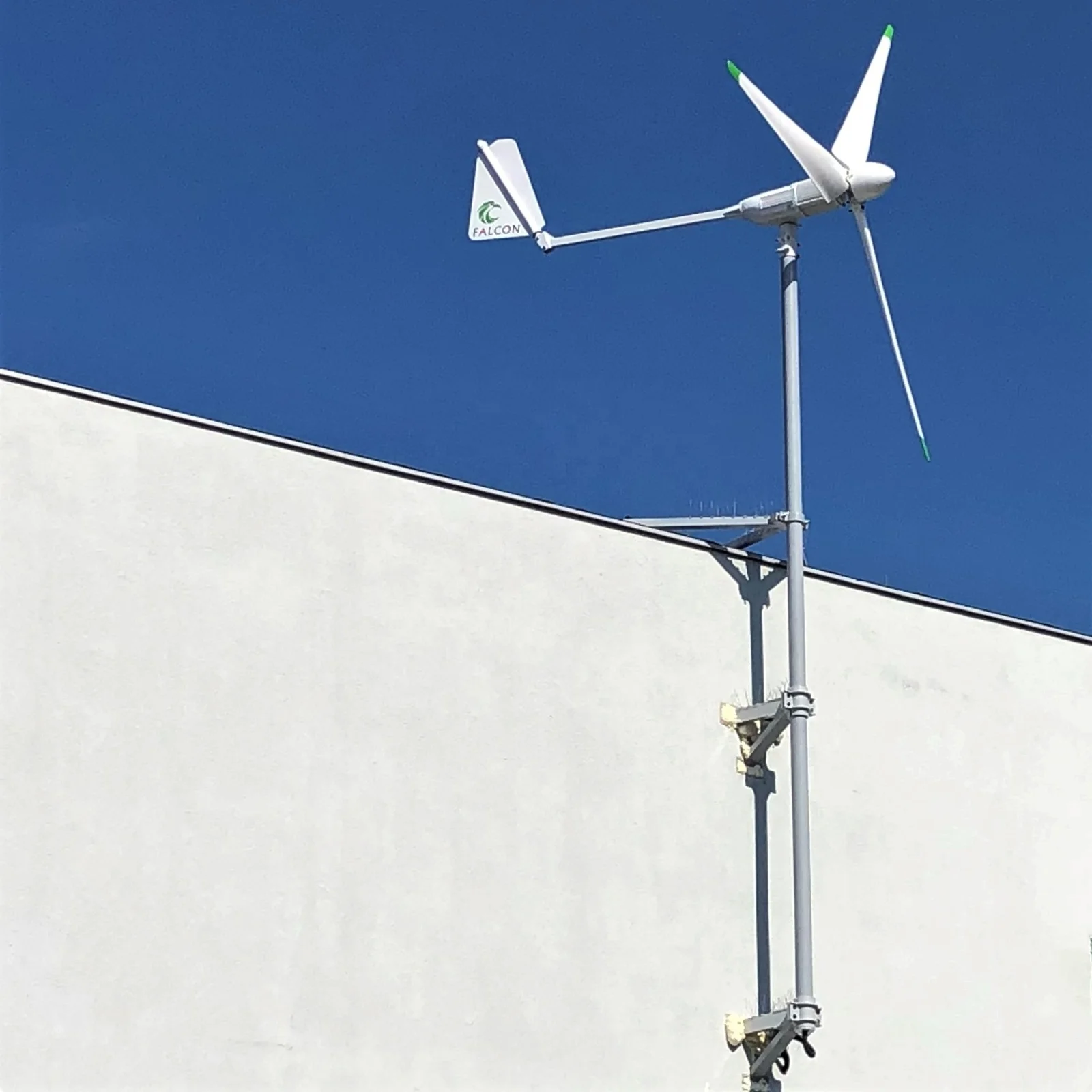
Traditional propeller-style turbines (HAWTs) are less common for direct wall mounting. They require pointing into the wind, which is challenging on a fixed building facade. While smaller HAWTs exist, their efficiency dramatically drops in turbulent urban environments, and their rotational speed can sometimes lead to more noticeable noise and vibration. You might see very small HAWTs used in specific, very exposed rooftop applications, but rarely directly on a wall.
Innovative & Motionless Designs
Some companies are pushing the boundaries with truly novel designs, such as the ‘motionless’ wind generators mentioned in the SERP (e.g., Aeromine Technologies). These often use aerodynamic surfaces to create pressure differentials, driving internal turbines without visible external moving blades. While incredibly promising for their aesthetics and low noise, these are typically still in early commercial stages and not widely available for direct consumer purchase and installation.
How Do Wall Mounted Wind Turbines Work (Simplified)?
The fundamental principle is the same as any wind turbine:
- Wind Capture: Wind pushes against the turbine blades, causing the rotor to spin.
- Generator: The spinning rotor is connected to a generator, which converts the mechanical energy of rotation into electrical energy (alternating current – AC).
- Inverter: If you’re connecting to your home’s electrical system or the grid, the AC power from the turbine needs to be conditioned and converted to the correct voltage and frequency by an inverter. For off-grid systems with batteries, a charge controller manages the flow of power to the batteries.
- Storage or Grid Connection: The generated electricity can then either be stored in batteries for later use (off-grid or hybrid systems) or fed directly into your home’s electrical panel, offsetting your consumption from the utility grid (grid-tied systems).
The smart engineering in wall-mounted units lies in optimizing this process for less-than-ideal wind conditions and ensuring seamless, safe integration with your building.
Installation & Maintenance: What You Need to Know
Installing a wall mounted wind turbine is not a DIY weekend project for most homeowners. It involves structural, electrical, and potentially roofing expertise.
Professional Installation is Key: Structural Integrity, Electrical Safety
You’ll need certified professionals. This includes:
- A structural engineer to assess your building and recommend mounting solutions.
- A licensed electrician to handle all wiring, inverters, and grid connections safely and according to code.
- Experienced installers who understand wind dynamics and turbine mounting.
Improper installation can lead to structural damage, electrical hazards, or poor performance.
Grid-Tied vs. Off-Grid: Connection Considerations
- Grid-Tied: Most residential systems are grid-tied, meaning they connect to your existing utility grid. Excess power can often be sold back to the utility (net metering), and you draw from the grid when your turbine isn’t producing enough.
- Off-Grid: For complete energy independence, you’ll need a robust battery bank to store power for calm days and nights. This is a more complex and often more expensive setup, typically for remote homes.
Maintenance Schedule: What Homeowners Can Expect
Like any mechanical system, wall-mounted wind turbines require maintenance. This typically includes:
- Annual Inspections: Checking for loose bolts, signs of wear, blade integrity, and electrical connections.
- Cleaning: Keeping blades free of dirt, debris, or bird nests can maintain efficiency.
- Lubrication: Some components may require periodic lubrication.
- Component Replacement: Over time, parts like bearings or electrical components may need replacing.
Most manufacturers will provide a recommended maintenance schedule. Factor these costs and efforts into your long-term ownership plan.
Wall Mounted vs. Traditional Small Wind Turbines: A Direct Comparison
To help you weigh your options, here’s a direct comparison:
| Feature | Wall-Mounted Wind Turbine (VAWT focus) | Pole-Mounted HAWT (Traditional) | Pole-Mounted VAWT (Traditional) |
|---|---|---|---|
| Aesthetics | Often designed for architectural integration; less visually intrusive. | Distinctive, can be a visual landmark; may require more setback. | Can be sleek and modern, less intrusive than HAWTs, but still free-standing. |
| Power Output Potential | Lower overall, best for supplementary power; susceptible to building turbulence. | Highest potential for small scale if installed correctly (high pole, unobstructed). | Good output, better in turbulent conditions than HAWTs, but still benefits from height. |
| Noise Level | Generally quieter due to lower RPMs and specific designs; vibration transfer a consideration. | Can be noticeable, especially at higher wind speeds; often designed for remote placement. | Generally quieter than HAWTs, less directional noise. |
| Installation Complexity | Requires structural assessment of building, specialized mounting, electrical integration. | Foundation work for pole, crane needed for tower erection, electrical connections. | Similar to HAWTs regarding pole and electrical, but turbine assembly might differ. |
| Wind Suitability | Best for moderate, turbulent wind environments around buildings; omnidirectional. | Requires consistent, laminar wind flow; must be oriented into the wind. | Better for turbulent winds than HAWTs, omnidirectional; still benefits from clear air. |
| Space Requirement | Minimal footprint, uses existing building surface. | Requires significant land for pole and setback requirements. | Requires significant land for pole and setback requirements. |
| Cost (Turbine + Install) | Often higher per watt due to niche market, specialized engineering, and structural integration. | Moderate to high, depending on size, pole height, and foundation. | Moderate to high, similar to HAWTs but may vary by specific design. |
| Permitting/HOA | Potentially complex due to novelty and aesthetic concerns. | Established guidelines in some areas, but height and noise can be issues. | Similar to HAWTs regarding height and noise, but may be better received aesthetically. |
Choosing a Wall Mounted Wind Turbine: What to Look For
If, after all this, you’re still keen on a wall-mounted system, here’s what to prioritize when evaluating options:
Power Rating & Efficiency
Look beyond peak wattage. Ask for annual energy production (kWh/year) estimates for various wind speeds. Compare the efficiency across different models and understand how they perform in lower, turbulent wind conditions. Be wary of exaggerated claims.
Durability & Warranty
Your turbine will face the elements 24/7. Inquire about the materials used (e.g., marine-grade aluminum, reinforced polymers), their resistance to corrosion and UV degradation, and the manufacturer’s warranty on parts and performance. A robust warranty is a sign of confidence.

Noise Level
This is critical for residential applications. Ask for decibel (dB) ratings at various wind speeds and compare them to ambient noise levels. Ideally, you want a system that operates below typical background noise, even on windy days. Look for designs that emphasize quiet operation and vibration dampening.
Aesthetics & Size
Does it actually look good on your home? Consider the size, shape, and color. Many wall-mounted units are modular; can you scale the system to meet your needs and visual preferences?
Certification & Safety
Ensure the turbine and its associated electrical components (inverter, charge controller) meet relevant safety and performance standards (e.g., IEC 61400-2 for small wind turbines, UL certifications for electrical components). This protects you and ensures compliance with local building codes.
The Future of Home Wind Power: What’s Next for Wall Mounted Turbines?
The field of wall-mounted wind turbines is one of active innovation. As urban populations grow and the demand for distributed renewable energy increases, expect to see:
- Increased Efficiency: Better aerodynamic designs and advanced materials will boost power output even in low wind.
- Smarter Integration: Turbines will become more seamlessly integrated with smart home systems, battery storage, and even EV charging.
- Cost Reduction: As production scales and technology matures, prices will likely become more competitive.
- Hybrid Systems: More integrated solutions combining wall-mounted wind with rooftop solar to maximize energy generation from a compact footprint.
These systems represent a fascinating part of the renewable energy puzzle, specifically addressing the needs of homeowners in denser environments.
Final Thoughts: Is a Wall Mounted Wind Turbine Right for You?
Ultimately, the decision to install a domestic wall mounted wind turbine depends on your specific circumstances, priorities, and local environment. If you have an excellent, consistent wind resource, a strong commitment to sustainability, and an appreciation for innovative design, they can be a compelling addition to your home’s energy portfolio.
However, it’s essential to proceed with realistic expectations. These systems are often best viewed as a supplementary power source, complementing other efficiency measures or rooftop solar. They are not a magic bullet for off-grid living in most urban or suburban environments.
Do your homework, get multiple professional assessments, understand the true costs and potential output, and be prepared for the permitting process. With careful planning and the right product, a wall mounted wind turbine can be a striking and effective way to harness the wind and take another step towards a more energy-independent future for your home.
Frequently Asked Questions
How much electricity can a domestic wall mounted wind turbine generate?
The electricity generated varies significantly based on turbine size, design, and your specific wind resource. Most domestic wall-mounted units are designed for supplementary power, typically producing a few hundred watts to a few kilowatts in optimal conditions. They are unlikely to power an entire large home independently but can significantly offset electricity bills.
Are wall mounted wind turbines noisy?
Many modern wall-mounted wind turbines, especially Vertical Axis Wind Turbines (VAWTs), are designed for quiet operation at lower RPMs, making them less noticeable than some traditional propeller-style turbines. However, noise levels vary by model and wind speed. It’s crucial to check decibel (dB) ratings and consider potential vibration transfer to your building, which good installation can mitigate.
What is the typical cost of a wall mounted wind turbine system?
Costs can range widely, from a few thousand dollars for a basic unit to $10,000-$20,000 or more for a complete system including the turbine, inverter, professional installation, and any necessary structural modifications. Wall-mounted systems can be more expensive per watt than other renewables due to their specialized design and niche market.
Do I need permits to install a wall mounted wind turbine?
Yes, almost certainly. You will need to check with your local municipality for zoning laws, building codes, and specific permitting requirements for exterior attachments and electrical work. Homeowners’ Association (HOA) rules may also apply. Due to the relative novelty of these systems, the permitting process can sometimes be more complex than for established technologies like solar panels.
What are the main advantages of a wall mounted wind turbine over a traditional pole-mounted one?
The main advantages include minimal land footprint, architectural integration (better aesthetics), and suitability for urban/suburban environments with turbulent, multi-directional wind flows. They eliminate the need for tall poles and large setback areas, making them an option for properties where traditional turbines are not feasible.
Can a wall mounted wind turbine power my entire home?
In most typical residential scenarios, a single wall-mounted wind turbine is unlikely to power an entire home completely. They are generally best suited for supplementary power, reducing your reliance on the grid and offsetting a portion of your electricity consumption. To go fully off-grid, you would likely need multiple units, substantial battery storage, and potentially other renewable sources like solar.
