
Wind Turbines for Roof Homes: The Unvarnished Truth About Rooftop Wind Power
Dreaming of a miniature wind turbine spinning gracefully on your rooftop, silently generating clean energy for your home? You’re not alone. The vision of self-sufficiency and a smaller carbon footprint is incredibly appealing. But let’s get real for a moment: while the idea sounds fantastic, the reality of roof-mounted wind turbines for most residential homes is… well, it’s complicated. And often, it’s simply not a viable solution.
Table of Contents
- Wind Turbines for Roof Homes: The Unvarnished Truth About Rooftop Wind Power
- Are Roof-Mounted Wind Turbines Truly Viable for Homes? (Spoiler: It’s Complicated)
- The Allure vs. The Reality: Why the Dream Often Falls Short
- Differentiating Between Roof Vents and Power Generators
- The Core Challenges of Rooftop Wind Turbines
- Inconsistent Wind Resource: Why Your Roof Isn’t Always Windy
- Noise, Vibration, and Structural Concerns
- Aesthetic Impact and Neighborly Disputes
- Maintenance Headaches and Accessibility
- Permitting, Zoning, and HOA Restrictions
- How Much Power Can a Roof Wind Turbine Generate? (Manage Your Expectations)
- Understanding Capacity vs. Actual Output
- The “Small” Turbine Problem: Not Enough Juice for Your Home
- What About Micro-Turbines and Innovative Designs?
- The Cost of Going Windy: Installation, Maintenance, and ROI
- Initial Investment: Beyond Just the Turbine
- Long-Term Costs: Upkeep and Potential Repairs
- The Elusive Return on Investment for Roof Systems
- Roof Wind Turbine vs. Rooftop Solar: A Clear Winner for Most Homes
- Why Solar Dominates for Residential Roof Applications
- Comparison Table: Solar vs. Roof Wind for Homes
- When Might a Small Wind Turbine Actually Make Sense (But Probably Not on Your Roof)
- Ideal Conditions for Ground-Mounted Small Wind
- The Hybrid Approach: Wind & Solar Synergy
- Exploring Viable Alternatives for Home Renewable Energy
- Ground-Mounted Small Wind Turbines (With a Proper Tower)
- Rooftop Solar PV: The Proven Performer
- Community Solar Programs
- Energy Efficiency Upgrades: The First Step
- Before You Buy: Essential Questions to Ask
- Is My Location Truly Suitable for Wind Energy?
- What Are the Local Regulations?
- What’s the Real ROI?
- The Future of Residential Wind Technology
- Making an Informed Decision for Your Home’s Energy Future
Many homeowners come to this topic with high hopes, only to encounter a wave of skepticism and practical hurdles. On Reddit, you’ll find discussions calling them “mostly a scam” due to potential roof damage, noise, and inefficiency. This isn’t to say small wind turbines don’t have their place, but placing them on your roof introduces a unique set of challenges that often outweigh the benefits. Before you invest your hard-earned money and the structural integrity of your home, let’s dive deep into what actually works, what doesn’t, and why you might be better off looking at other renewable energy options.
Are Roof-Mounted Wind Turbines Truly Viable for Homes? (Spoiler: It’s Complicated)
The short answer for the vast majority of suburban and urban homes in the USA is: not really, at least not for meaningful energy generation. While you can certainly buy small turbines designed to be roof-mounted, their effectiveness is severely limited by fundamental physics and practical considerations.
The Allure vs. The Reality: Why the Dream Often Falls Short
The appeal is undeniable: harness free wind energy, reduce your electricity bills, and contribute to a greener planet. However, the reality quickly sets in. Unlike the massive wind farms you see in rural areas, a small turbine on your roof faces an entirely different set of environmental dynamics. Wind flow over and around buildings is turbulent, inconsistent, and often too slow to generate significant power. Think of it like trying to catch a river with a teacup – you might get some water, but you won’t power a mill.
Differentiating Between Roof Vents and Power Generators
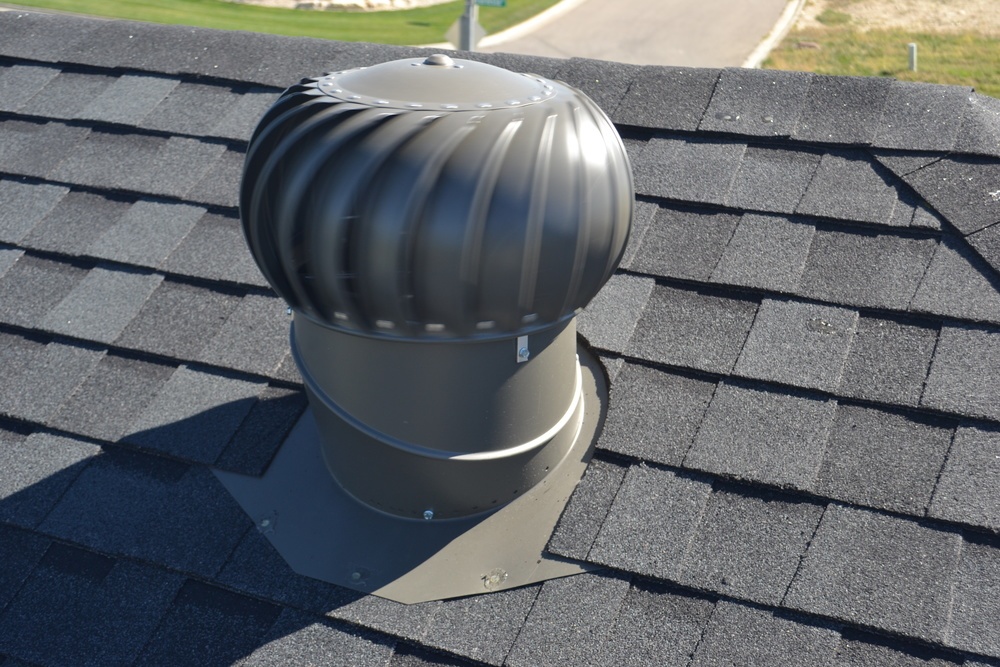
It’s crucial to understand a key distinction that sometimes causes confusion. When you see “Roof Turbines” advertised by companies like Home Depot, they’re often referring to roof vents – passive or wind-assisted devices designed to remove heat and moisture from your attic. These are essential for roof health but produce no electricity. True wind turbines for power generation are fundamentally different, and their requirements are far more stringent.
The Core Challenges of Rooftop Wind Turbines
So, why is roof-mounting generally a bad idea for genuine electricity production? Let’s break down the major hurdles:
Inconsistent Wind Resource: Why Your Roof Isn’t Always Windy
Wind energy is all about consistent, laminar (smooth) wind flow. Buildings create massive amounts of turbulence, eddies, and dead zones. Wind speeds at roof level are typically lower and far more erratic than at 30+ feet above ground, where a properly sited small wind turbine would be. A turbine needs to be significantly taller than any surrounding obstacles (at least 20 feet above them, and ideally 30+ feet above ground) to catch clean, powerful wind. Your roof simply isn’t high enough in most residential settings.
Noise, Vibration, and Structural Concerns
This is a big one. Even small turbines can produce an audible hum or whirring sound, especially at higher wind speeds. When mounted directly to your roof structure, these vibrations can easily transfer into your home, leading to incessant, annoying noise and even structural fatigue over time. Imagine trying to sleep with a low drone echoing through your attic. Beyond noise, there’s the sheer weight and torque of the turbine itself. Your roof is designed to bear static loads (snow, shingles), not dynamic, vibrating machinery, especially in high winds. You’d likely need significant, costly structural reinforcement.
Aesthetic Impact and Neighborly Disputes
Let’s be honest: a wind turbine, even a small one, is a noticeable feature. Many homeowners associations (HOAs) and local zoning ordinances have strict rules about exterior modifications, especially those that alter the visual landscape. Your neighbors might not appreciate the sight or the sound, potentially leading to disputes and legal challenges.
Maintenance Headaches and Accessibility
Turbines, like any machinery, require maintenance – lubrication, inspection of blades, tightening fasteners. Performing this maintenance on a rooftop unit is inherently more difficult, dangerous, and expensive than on a ground-mounted system. You’ll need specialized access equipment and professional help, driving up long-term costs.
Permitting, Zoning, and HOA Restrictions
Before you even think about installation, you’ll run into a bureaucratic maze. Local governments often have complex permitting processes for structures of this type, focusing on safety, noise, and aesthetic impact. HOAs can be even more restrictive. Gaining approval for a roof-mounted turbine can be a lengthy, frustrating, and often impossible task.
How Much Power Can a Roof Wind Turbine Generate? (Manage Your Expectations)
This is where the dream often collides with cold, hard numbers. Many homeowners envision powering their entire house, but the reality is far more modest for rooftop installations.
Understanding Capacity vs. Actual Output
Manufacturers will advertise a turbine’s “rated power” (e.g., 500W, 1kW). This is the maximum power it can produce under ideal, sustained wind conditions – conditions rarely found on a residential roof. The actual energy produced (kilowatt-hours, kWh) over a month or year will be significantly lower. A turbine’s output is exponentially related to wind speed: double the wind speed, and you get eight times the power. This means even a slight drop in wind speed has a huge impact on energy generation.
The “Small” Turbine Problem: Not Enough Juice for Your Home
A typical US home uses around 893 kWh per month. A small 500W roof-mounted turbine, operating at its *rated capacity for just 20% of the time (which is optimistic for a roof), would only generate about 73 kWh/month. That’s roughly 8% of an average home’s energy needs. For the cost and hassle, this minimal contribution is rarely worth it.
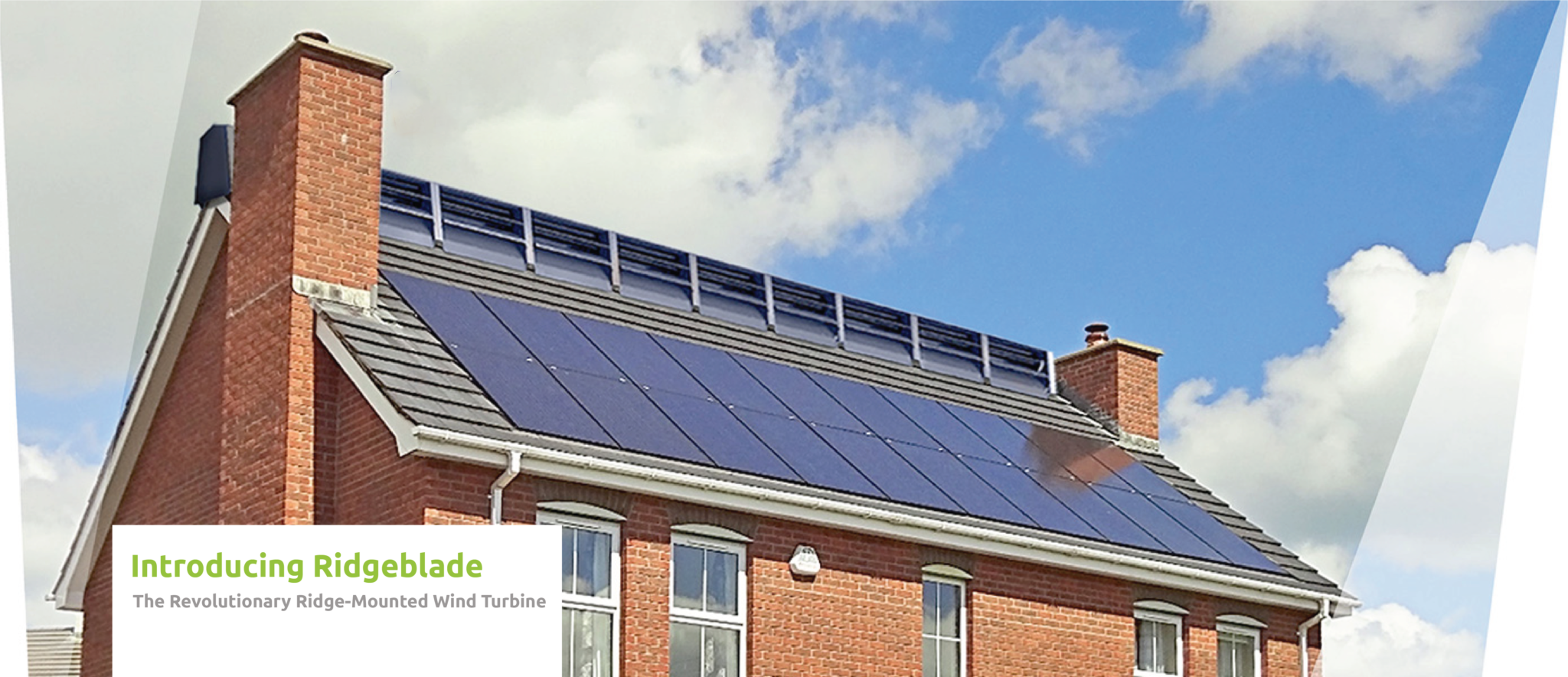
Even innovative designs like the RidgeBlade, which aims to harness wind flow over roof ridges, still face the fundamental challenges of turbulent wind and limited scale for significant residential power. While intriguing, these are generally niche solutions for specific high-wind locations or supplemental power, not whole-home energy.
What About Micro-Turbines and Innovative Designs?
There are indeed companies like Ridgeblade and TESUP exploring smaller, often vertical-axis, designs intended for homes. While they might mitigate some noise or vibration issues compared to larger horizontal-axis turbines, they still struggle with the core problem of finding consistent, powerful wind at roof level. The Dutch Blade X1 is another example of a compact design, but its efficacy on a typical residential roof still needs to be critically assessed against the specific wind conditions of that location.
These innovations are exciting, but it’s vital to distinguish between a product that can be mounted on a roof and one that effectively generates substantial power there.
The Cost of Going Windy: Installation, Maintenance, and ROI
Generating your own power isn’t free, and the economics of rooftop wind turbines are often unfavorable.
Initial Investment: Beyond Just the Turbine
A small residential wind turbine can cost anywhere from $1,000 to $10,000 or more, depending on its size and features. But that’s just the turbine. You’ll also need:
- Mounting hardware: Robust, vibration-dampening, and designed for your specific roof type.
- Inverter: To convert DC power from the turbine to AC power for your home.
- Batteries (optional but often needed): To store energy for when the wind isn’t blowing.
- Wiring: To connect everything to your home’s electrical system.
- Installation labor: Specialized professionals are needed for safe and correct setup.
- Permit fees and engineering assessments: Crucial for structural integrity and compliance.
These additional costs can easily push the total price tag into the $5,000 – $20,000+ range, even for a very small system that generates minimal power.
Long-Term Costs: Upkeep and Potential Repairs
Unlike a static solar panel, a wind turbine has moving parts. These parts wear out. Bearings need lubrication, blades can be damaged by debris or storms, and electronic components can fail. This means ongoing maintenance costs and the potential for expensive repairs, often requiring specialized technicians to work at height.
The Elusive Return on Investment for Roof Systems
Given the high upfront costs, low energy output, and ongoing maintenance, the financial return on investment (ROI) for most roof-mounted wind turbines is extremely poor, if it exists at all. It could take decades, if ever, to recoup your initial investment through electricity savings. Compare this to solar panels, which often have payback periods of 5-10 years, sometimes even less with incentives.
Roof Wind Turbine vs. Rooftop Solar: A Clear Winner for Most Homes
If your goal is to generate renewable energy directly on your home’s roof, solar power is almost always the superior choice in the USA.
Why Solar Dominates for Residential Roof Applications
- Predictable Output: Sunlight is far more consistent and predictable than rooftop wind.
- No Moving Parts: Solar panels are static, meaning no noise, no vibration, and minimal maintenance.
- Space Efficiency: Panels lay flat, utilizing roof space effectively without imposing significant visual or structural stress.
- Widespread Adoption & Support: A mature industry with clear installation guidelines, financing options, and federal/state incentives (like the Investment Tax Credit).
- Easier Permitting: While still requiring permits, rooftop solar is a much more established and streamlined process than residential wind.
Comparison Table: Solar vs. Roof Wind for Homes
| Feature | Rooftop Solar PV | Roof-Mounted Wind Turbine |
|---|---|---|
| Energy Source Reliability | Highly predictable (sunlight) | Highly unpredictable & turbulent (rooftop wind) |
| Noise & Vibration | Virtually none | Potentially significant (audible noise, structural vibration) |
| Maintenance | Minimal (occasional cleaning) | Regular (moving parts wear, lubrication) |
| Space Utilization | Flat, efficient use of roof area | Requires vertical clearance, subject to turbulence |
| Aesthetics | Generally accepted, can be discreet | Often visually intrusive, can cause disputes |
| Energy Output (Residential) | Can power a significant portion or all of a home | Often negligible, rarely cost-effective |
| Permitting Ease | Standardized, often streamlined | Complex, often prohibitive due to unique challenges |
When Might a Small Wind Turbine Actually Make Sense (But Probably Not on Your Roof)
While roof-mounting is largely a non-starter for serious energy generation, small wind turbines do have legitimate applications, just usually not in typical residential settings on a roof.
Ideal Conditions for Ground-Mounted Small Wind
A small wind turbine can make sense if you live in a rural area with:
- Consistent, high average wind speeds: This is the absolute paramount factor. Think open plains, hilltops, or coastal areas without significant obstructions.
- Ample unobstructed land: Enough space to install a tall tower (at least 30-80 feet high) to get the turbine above turbulence.
- High electricity costs: Where utility rates are high, the payback period shortens.
- Limited solar access: If your property is heavily shaded or faces other solar limitations.
- Off-grid needs: For remote cabins, farms, or telecommunications equipment where grid connection is expensive or impossible.
In these scenarios, a properly sized and sited ground-mounted wind turbine can be a fantastic way to generate clean electricity. The key is “ground-mounted” and “properly sited” – getting the turbine into clean, strong wind.
The Hybrid Approach: Wind & Solar Synergy
In certain off-grid or remote applications, a hybrid system combining ground-mounted wind turbines with solar panels can be ideal. Wind often blows stronger when the sun isn’t shining (e.g., at night or on cloudy, windy days), and vice-versa. This synergy provides a more consistent power supply to batteries, reducing reliance on a single weather-dependent source.
Exploring Viable Alternatives for Home Renewable Energy
If your goal is to power your home with renewable energy, and a roof-mounted wind turbine isn’t practical, don’t despair! There are many excellent, proven alternatives:
Ground-Mounted Small Wind Turbines (With a Proper Tower)
As discussed, if you have the land and the wind resource, a tower-mounted small wind turbine can be a powerful asset. Work with a qualified wind energy consultant to assess your site’s wind profile and determine the right turbine size and tower height.
Rooftop Solar PV: The Proven Performer
For most homeowners, rooftop solar panels are the most practical, cost-effective, and aesthetically acceptable way to generate clean electricity. Prices have dropped dramatically, and incentives are abundant. Get multiple quotes from reputable solar installers to find the best solution for your home.
Community Solar Programs
Don’t have a suitable roof or land for your own solar or wind? Many areas offer community solar programs. You can subscribe to a share of a larger, off-site solar farm and receive credits on your electricity bill, enjoying the benefits of renewable energy without installing anything on your property.
Energy Efficiency Upgrades: The First Step
The cheapest kilowatt-hour is the one you don’t use! Before investing in any generation system, focus on reducing your energy consumption. Air sealing, insulation upgrades, LED lighting, and energy-efficient appliances can significantly lower your electricity needs, making any renewable energy system more effective and affordable.
Before You Buy: Essential Questions to Ask
If, despite all the challenges, you’re still considering a small wind turbine for your property (likely ground-mounted), here are critical questions to ask:
Is My Location Truly Suitable for Wind Energy?
Don’t guess. Conduct a professional wind resource assessment. This involves installing an anemometer (wind measuring device) on a mast at the proposed turbine height for at least a year. Many sites that feel* windy aren’t consistently windy enough for cost-effective power generation. Aim for average annual wind speeds of at least 10-12 mph.
What Are the Local Regulations?
Check with your local planning department and HOA about zoning laws, building codes, setback requirements, height restrictions, and noise ordinances for wind turbines. This is a critical step that can save you immense frustration and money.

What’s the Real ROI?
Demand a detailed financial projection from any vendor. This should include projected energy output (in kWh, not just rated watts), total installed cost, estimated maintenance, and a realistic payback period based on your actual electricity rates and available incentives. Be wary of overly optimistic projections.
The Future of Residential Wind Technology
While roof-mounted wind turbines face significant hurdles today, innovation is constant. Researchers are developing:
- Quieter Designs: Using advanced aerodynamics and materials to reduce noise.
- Higher Efficiency at Low Wind Speeds: Turbines designed to capture energy from turbulent, slower winds.
- Integrated Building Solutions: Concepts where wind capture is built directly into building architecture, not just an add-on.
- Smaller, More Discreet Units: Targeting urban environments where aesthetics are paramount.
However, these are largely still in development or niche applications. For the foreseeable future, the fundamental physics of wind flow around buildings remain a formidable challenge for widespread residential rooftop wind power generation.
Making an Informed Decision for Your Home’s Energy Future
The dream of a personal wind turbine on your roof is compelling, but the practicalities for most homeowners in the USA are challenging. While dedicated roof vents can enhance home ventilation, generating substantial, cost-effective electricity from a roof-mounted wind turbine is often an uphill battle against inconsistent wind, noise, vibration, and significant costs. For the majority, rooftop solar panels offer a far more reliable, efficient, and proven path to home renewable energy.
If you have a truly exceptional wind resource and sufficient land, a ground-mounted small wind turbine might be an excellent investment. But for everyone else, start with energy efficiency, explore solar options, and consider community solar before battling the wind on your roof. Make an informed decision that aligns with both your green aspirations and the practical realities of your home and location.
Frequently Asked Questions
Are roof-mounted wind turbines effective for generating electricity for a typical home?
For most typical residential homes, roof-mounted wind turbines are generally not effective for generating significant amounts of electricity. Buildings create turbulent, inconsistent, and slow wind flow at roof level, which severely limits a turbine’s power output. They are also prone to noise, vibration, and structural issues.
What are the main problems with putting a wind turbine on my roof?
The main problems include: inconsistent and turbulent wind at roof height, significant noise and vibration transferred into the home, potential roof damage and structural stress, aesthetic concerns leading to HOA/neighbor disputes, difficult and costly maintenance access, and often prohibitive local permitting/zoning restrictions.
How much does a roof-mounted wind turbine cost?
The turbine itself can range from $1,000 to $10,000+. However, the total installed cost, including mounting hardware, inverter, wiring, batteries (if applicable), structural reinforcement, labor, and permits, can easily push the total into the $5,000 – $20,000+ range for a system that often yields minimal power.
Is rooftop solar a better option than a roof-mounted wind turbine?
Yes, for the vast majority of residential homes, rooftop solar panels are a far more practical, efficient, and cost-effective solution. Solar offers predictable output, has no moving parts (minimal noise/maintenance), utilizes roof space efficiently, and benefits from a mature industry with widespread support and incentives.
When might a small wind turbine actually be a good idea?
Small wind turbines can be a good idea for homes in rural areas with consistently high average wind speeds (10-12 mph+), ample unobstructed land for a tall, ground-mounted tower (30-80+ feet high) to access clean wind, and potentially for off-grid applications or areas with limited solar access. Roof-mounting is rarely recommended for significant energy generation.
What alternatives should I consider if a roof wind turbine isn’t viable?
Consider rooftop solar PV (the most common and effective choice), ground-mounted small wind turbines (if you have the land and wind resource), community solar programs, and always prioritize energy efficiency upgrades for your home first to reduce your overall energy consumption.
