
Small Wind Turbines for Rooftops: A Reality Check for Homeowners
You’re probably here because you’ve seen those sleek, modern wind turbines popping up, maybe even on a rooftop, and thought: “Could that work for my home?” It’s an exciting idea – harnessing the wind to power your life, reducing your carbon footprint, and potentially slashing your electricity bills. But let’s be honest: the internet is full of conflicting information, from enthusiastic marketing to outright skepticism.
Table of Contents
- Small Wind Turbines for Rooftops: A Reality Check for Homeowners
- The Hard Truth: Are Rooftop Wind Turbines a Good Idea?
- Why the Skepticism? Common Concerns Explained
- When They Might Make Sense: Niche Applications
- Types of Small Wind Turbines for Residential Use
- Horizontal Axis Wind Turbines (HAWTs)
- Vertical Axis Wind Turbines (VAWTs)
- Key Factors Before Installing a Rooftop Wind Turbine
- Wind Resource Assessment: Is Your Roof Windy Enough?
- Structural Integrity & Roof Type
- Noise Considerations & Neighbors
- Local Regulations, Permitting & HOA Rules
- Cost & ROI: What to Expect Financially
- Initial Investment: Turbine, Inverter, Mounting, Installation
- Maintenance Costs & Lifespan
- Potential Savings & Payback Period
- Small Wind vs. Solar: A Head-to-Head Comparison for Homeowners
- Performance Differences: Consistency vs. Intermittency
- Space Requirements & Aesthetics
- Cost-Effectiveness & ROI
- Hybrid Systems: The Best of Both Worlds?
- Choosing the Right Small Wind Turbine & Installer
- Reputable Brands & Certifications
- Sizing Your System: Matching Needs to Output
- Professional Installation: Why It’s Crucial
- The Future of Rooftop Wind Power
- Final Thoughts: Is Rooftop Wind Right For You?
I’m here to give you the unvarnished truth. Forget the sales pitches and the doomsayers for a moment. We’re going to dive deep into whether small wind turbines on rooftops are a viable, smart choice for *your home, your wallet, and your peace of mind. We’ll cover everything from the genuine benefits to the often-overlooked challenges, so you can make an informed decision.
The Hard Truth: Are Rooftop Wind Turbines a Good Idea?
Let’s address the elephant in the room first. Many people, including some on prominent online forums, will tell you that rooftop wind turbines are a “scam” or “terribly inefficient.” While that’s a harsh generalization, there’s a grain of truth in the underlying concerns. However, modern technology and specific circumstances can change this narrative. It’s not a simple yes or no.
Why the Skepticism? Common Concerns Explained
When people express doubts about rooftop wind turbines, they often point to legitimate issues. Understanding these helps you evaluate if they apply to your situation.
- Noise & Vibration: Older or poorly designed turbines could indeed be noisy, causing a humming or whirring sound, and transmit vibrations through the structure of your home. This is a significant concern for comfort and neighbor relations. However, modern turbines, especially Vertical Axis Wind Turbines (VAWTs), are engineered for much quieter operation, often barely noticeable above ambient city noise.
- Efficiency & Output: This is perhaps the biggest sticking point. Wind power is all about wind speed. Doubling the wind speed can result in eight times the power output. Rooftops, especially in urban or suburban areas, often experience highly turbulent and inconsistent wind due to nearby buildings, trees, and varied terrain. This “dirty” wind drastically reduces a turbine’s efficiency, meaning it might produce far less power than its rated capacity.
- Roof Damage & Structural Integrity: Installing anything substantial on a roof requires careful consideration of the roof’s structural load-bearing capacity. Wind turbines exert not only static weight but also dynamic forces from wind gusts and vibrations. Improper installation can lead to leaks, structural fatigue, or even catastrophic failure in extreme weather. This isn’t just about the turbine; it’s about safeguarding your entire home.
- Permitting & Zoning Headaches: Unlike solar panels which have increasingly streamlined permitting processes, small wind turbines can face more significant regulatory hurdles. Local zoning laws often have strict height restrictions, setback requirements, and aesthetic guidelines that can make installation challenging or impossible, particularly in residential neighborhoods or areas governed by Homeowners Associations (HOAs).
When They Might Make Sense: Niche Applications
Despite the challenges, there are specific scenarios where a rooftop wind turbine can be a genuinely valuable asset:
- Rural, Unobstructed Locations: If your property is in a rural area with clear, open space around it, free from tall buildings or dense tree cover, you’re more likely to experience consistent, laminar (smooth) wind flows. This is the ideal environment for any wind turbine to perform efficiently.
- High, Consistent Wind Speeds: Some regions naturally boast higher average wind speeds. If your home is in such a location, and you’ve verified this with a proper wind resource assessment, a rooftop turbine could generate significant power.
- Specific Off-Grid Scenarios: For remote cabins, auxiliary buildings, or specialized applications where connecting to the grid is either impossible or prohibitively expensive, a rooftop wind turbine (often paired with solar) can be a robust power source, especially in winter months when solar output is lower.
- Hybrid Systems (Wind + Solar): This is where rooftop wind often shines. Solar panels excel during daylight hours, but produce nothing at night. Wind turbines can generate power 24/7, provided there’s wind. By combining both, you create a more resilient and consistent energy supply, reducing reliance on grid power or ensuring continuous power for off-grid living. Think of it as balancing your energy portfolio.
Types of Small Wind Turbines for Residential Use
When you start looking, you’ll primarily encounter two main categories of small wind turbines, each with distinct characteristics.
Horizontal Axis Wind Turbines (HAWTs)
These are what most people picture when they think of a wind turbine – the classic “propeller” design. They typically have two or three blades that rotate around a horizontal axis.
- How They Work: The blades capture wind energy, spinning a rotor connected to a generator. A tail fin or yaw mechanism keeps the blades pointed into the wind for maximum efficiency.
- Pros: Generally more efficient at converting wind energy into electricity in smooth, consistent wind conditions. They are a proven technology with high power output potential for their size.
- Cons: Require a yaw mechanism to track wind direction, which can be a point of wear. Can be perceived as visually intrusive due to their spinning blades. More susceptible to performance degradation in turbulent wind, which is common on rooftops.
Vertical Axis Wind Turbines (VAWTs)
VAWTs have blades that rotate around a vertical axis, making them look very different from HAWTs. Common designs include Darrieus (egg-beater), Savonius (S-shaped scoops), and newer helical or shrouded designs.

- How They Work: They capture wind from any direction without needing to orient themselves. Wind acts on the blades, causing them to rotate vertically.
- Pros: Omni-directional (no yaw mechanism needed), generally quieter, often perceived as more aesthetically pleasing due to their unique shapes, and tend to perform better in turbulent, urban wind conditions because they don’t need smooth, direct airflow. They also often have a smaller footprint.
- Cons: Typically less efficient than HAWTs in ideal, steady wind conditions, meaning they might require slightly higher wind speeds to start generating power, or produce less power per square meter of swept area.
Here’s a quick comparison to help you visualize the differences:
| Feature | Horizontal Axis Wind Turbines (HAWTs) | Vertical Axis Wind Turbines (VAWTs) |
|---|---|---|
| Appearance | Traditional “propeller” style | Cylindrical, helical, or “egg-beater” shapes |
| Wind Direction | Must orient into the wind | Omni-directional (captures wind from any direction) |
| Efficiency (Ideal Wind) | Generally higher | Generally lower (but improving) |
| Performance (Turbulent Wind) | Reduced efficiency | Better tolerance for turbulent wind |
| Noise | Can be noticeable, especially older models | Often quieter, especially newer designs |
| Best for | Open, rural areas with consistent wind | Urban/suburban rooftops, turbulent wind, aesthetic preference |
Key Factors Before Installing a Rooftop Wind Turbine
Before you even think about buying a turbine, you need to do your homework. These are the critical questions to answer.
Wind Resource Assessment: Is Your Roof Windy Enough?
This is the most crucial step. Without sufficient and consistent wind, your turbine will be an expensive lawn ornament. Don’t rely on guesswork or general weather reports.
- Professional Assessment: A qualified installer can perform a site assessment, using an anemometer (a wind speed measuring device) to collect data over several weeks or months at the proposed installation height.
- Local Wind Maps & Data: Consult resources from NOAA, NREL (National Renewable Energy Laboratory), or university meteorological departments. These can provide generalized wind data for your region, but remember, localized obstructions significantly impact rooftop wind.
- Obstacles Matter: Buildings, trees, and terrain create “wind shadow” and turbulence. Your turbine needs to be significantly higher than any nearby obstructions to catch clean, consistent wind. A good rule of thumb is at least 30 feet (9 meters) above any obstruction within 500 feet (150 meters). For a rooftop, this often means a tall mast, which adds complexity.
- Minimum Viable Wind Speeds: Most small turbines require an average wind speed of at least 8-10 mph (3.5-4.5 m/s) to be economically viable, and significantly higher for optimal performance. Your area’s average wind speed should be evaluated at the actual proposed turbine height, not ground level.
Structural Integrity & Roof Type
Your roof isn’t just there to keep the rain out; it’s a structural component. Adding a wind turbine puts additional stress on it.
- Load Bearing Capacity: A structural engineer should assess your roof’s ability to handle the turbine’s weight, plus the dynamic forces of wind gusts and potential vibrations. This is non-negotiable for safety and longevity.
- Mounting Solutions:
- Pole Mount: Often involves a sturdy pole anchored to the roof structure or directly through the roof to foundation elements. This is typically the most secure method but requires significant structural work.
- Ballast Mount: For flat roofs, some systems use weighted bases that don’t penetrate the roof membrane. However, these are extremely heavy and still require structural review.
- Direct Mount: Less common and often less advisable due to vibration concerns and direct stress on the roof.
- Vibration Dampening: Quality mounting systems incorporate vibration isolators to prevent noise and stress from transferring into your home’s structure.
Noise Considerations & Neighbors
Even modern, quiet turbines produce some sound. What might be acceptable to you could be a nuisance to a close neighbor.
- Modern Turbine Noise Levels: Many small VAWTs operate at noise levels similar to a quiet refrigerator (around 40-50 dB) at typical operating speeds. HAWTs can be slightly louder but also improving.
- Setbacks and Local Ordinances: Local zoning laws often specify minimum distances (setbacks) from property lines for structures like wind turbines to mitigate noise and visual impact. Always check these before planning.
- Neighborly Relations: It’s always a good idea to discuss your plans with immediate neighbors. Transparency can prevent future disputes.
Local Regulations, Permitting & HOA Rules
This can be a minefield, but it’s essential to navigate correctly.
- Zoning Laws & Height Restrictions: Most municipalities have height limits for structures, and a turbine on a mast will almost certainly exceed typical roof heights. Variances may be required.
- Net Metering (if Grid-Tied): If you plan to connect your turbine to the grid and sell excess power back to the utility, you’ll need to understand your utility’s net metering policies and interconnection agreements.
- Homeowners Associations (HOAs): If you live in a community with an HOA, they often have strict rules about exterior modifications, aesthetics, and structural additions. Get explicit approval in writing.
Cost & ROI: What to Expect Financially
The upfront cost of a rooftop wind turbine system can be significant. Understanding the breakdown helps manage expectations.
Initial Investment: Turbine, Inverter, Mounting, Installation
A complete small rooftop wind system isn’t just the turbine itself. Here’s a general breakdown:
- Turbine Unit: For residential sizes (1-5 kW), expect to pay anywhere from $3,000 to $15,000+, depending on size, type, and brand.
- Inverter & Charge Controller: If you’re connecting to the grid or a battery bank, these components are crucial for converting the turbine’s DC power into usable AC power or managing battery charging. Costs range from $1,000 to $4,000.
- Mounting System: A robust rooftop mast and mounting hardware can add $1,500 to $5,000+, depending on height and structural requirements.
- Installation Labor: This is highly variable based on complexity, location, and installer rates, but can easily be $3,000 to $10,000+. This includes site assessment, structural engineering, electrical work, and physical installation.
- Permitting & Interconnection Fees: Budget several hundred to a couple of thousand dollars for these administrative costs.
Total Estimated Cost: For a complete, professionally installed small rooftop wind turbine system, you’re generally looking at a range of $8,500 to $35,000 or more. This is a substantial investment, similar to or even exceeding a small-to-medium residential solar system.
Maintenance Costs & Lifespan
- Annual Checks: Turbines are mechanical devices with moving parts. Annual inspections are recommended to check blades, bearings, lubrication, and electrical connections. Budget $200-$500 per year for professional checks, or factor in your own time if you’re handy.
- Component Replacement: Bearings, brushes (in some generator types), or even blades might need replacement after several years. Modern turbines are designed for durability, with lifespans often exceeding 20 years, but parts will wear.
Potential Savings & Payback Period
- Electricity Bill Reduction: Your savings depend directly on how much electricity your turbine generates and your local electricity rates. In areas with high electricity prices and good wind resources, savings can be substantial.
- Incentives:
- Federal Investment Tax Credit (ITC): Small wind systems may qualify for the same federal tax credit as solar, currently 30% for systems placed in service by 2032. This is a significant reduction in your net cost.
- State & Local Incentives: Check with your state energy office, local utilities, and municipalities for any additional rebates, grants, or property tax exemptions for renewable energy.
- Renewable Energy Credits (RECs): In some markets, you can earn and sell RECs for the clean energy you produce, providing another revenue stream.
- Payback Period: Due to the high upfront cost and variability in wind resources, the payback period for rooftop wind can be long, often 10-25 years or more, especially without strong incentives and consistent wind. This highlights why thorough site assessment is critical.
Small Wind vs. Solar: A Head-to-Head Comparison for Homeowners
It’s natural to compare rooftop wind with its more common cousin, rooftop solar. They both aim to generate clean energy, but they do so in fundamentally different ways.
Performance Differences: Consistency vs. Intermittency
- Solar: Predictable, but intermittent. Generates power during daylight hours, peaking around noon, and zero at night. Output varies with cloud cover and seasons.
- Wind: Less predictable, but potentially more consistent over 24 hours. Can generate power day and night, but output depends entirely on wind speed and consistency.
Space Requirements & Aesthetics
- Solar: Requires significant, unshaded roof space facing south (in the Northern Hemisphere). Panels are low-profile but can alter roof aesthetics.
- Wind: Requires a relatively small footprint for the turbine itself, but needs unobstructed airspace, often necessitating a mast that stands significantly higher than the roofline, making it more visually prominent.
Cost-Effectiveness & ROI
- Solar: Generally has a lower installed cost per Watt of capacity, a more straightforward permitting process, and a faster payback period (often 5-10 years) in most well-suited areas, especially with federal and state incentives.
- Wind: Higher installed cost per Watt, more complex site assessment and permitting, and a longer payback period. Its ROI is highly dependent on exceptional wind resources.
Hybrid Systems: The Best of Both Worlds?
For some, the answer isn’t one or the other, but both. A hybrid wind and solar system combines the strengths of both technologies:
- Solar provides power during sunny days.
- Wind provides power when the sun isn’t shining (night, cloudy days, winter).
- This combination can lead to a more stable and reliable energy supply, reducing reliance on battery storage or the grid.
Here’s a summary comparison:
| Feature | Rooftop Solar | Rooftop Wind | Hybrid (Solar + Wind) |
|---|---|---|---|
| Primary Fuel | Sunlight | Wind | Sunlight & Wind |
| Power Generation | Daytime only, seasonal variation | Day & night, dependent on wind consistency | More consistent, balances intermittency |
| Space Needs | Large roof area, unshaded | Small footprint, but needs clear, high airspace | Combines both, potentially larger overall footprint |
| Aesthetics | Low profile, generally accepted | More visible, potential for visual impact | Combination of both impacts |
| Cost-Effectiveness | Generally high, shorter payback | Lower (unless exceptional wind), longer payback | Higher upfront, but enhanced reliability |
| Permitting | Increasingly streamlined | More complex, height restrictions often apply | Combines complexities of both |
Choosing the Right Small Wind Turbine & Installer
If, after all this, you’re convinced a rooftop wind turbine might be viable for your home, the next steps are crucial.
Reputable Brands & Certifications
The small wind turbine market has seen many entrants, some more reliable than others. Look for:
- Established Manufacturers: Companies with a proven track record, good warranties, and available customer support.
- Independent Certifications: Check if the turbine has been certified by recognized bodies like the International Electrotechnical Commission (IEC) standards for small wind turbines. This indicates it meets performance, safety, and durability criteria.
- Performance Data: Request transparent power curves and annual energy production estimates based on different wind speeds. Be wary of manufacturers making unrealistic claims.
Sizing Your System: Matching Needs to Output
Don’t just buy the biggest turbine you can afford. You need to match its expected output to your actual energy consumption. Review your past electricity bills to understand your kWh usage. A professional installer can help calculate what size turbine, given your specific wind resource, can realistically offset your energy needs.
Professional Installation: Why It’s Crucial
This is not a DIY project. Hiring a qualified and experienced installer is paramount.
- Expertise: They understand structural requirements, electrical codes, safe installation practices, and how to navigate local permitting.
- Site Assessment: A good installer will perform a thorough wind resource and structural assessment.
- Warranties: Professional installers typically offer warranties on their work, in addition to the manufacturer’s warranty on the turbine itself.
- Safety: Working on rooftops and with electrical systems carries significant risks. Leave it to the pros.
The Future of Rooftop Wind Power
While traditional rooftop wind faces challenges, innovation continues. We’re seeing exciting developments:
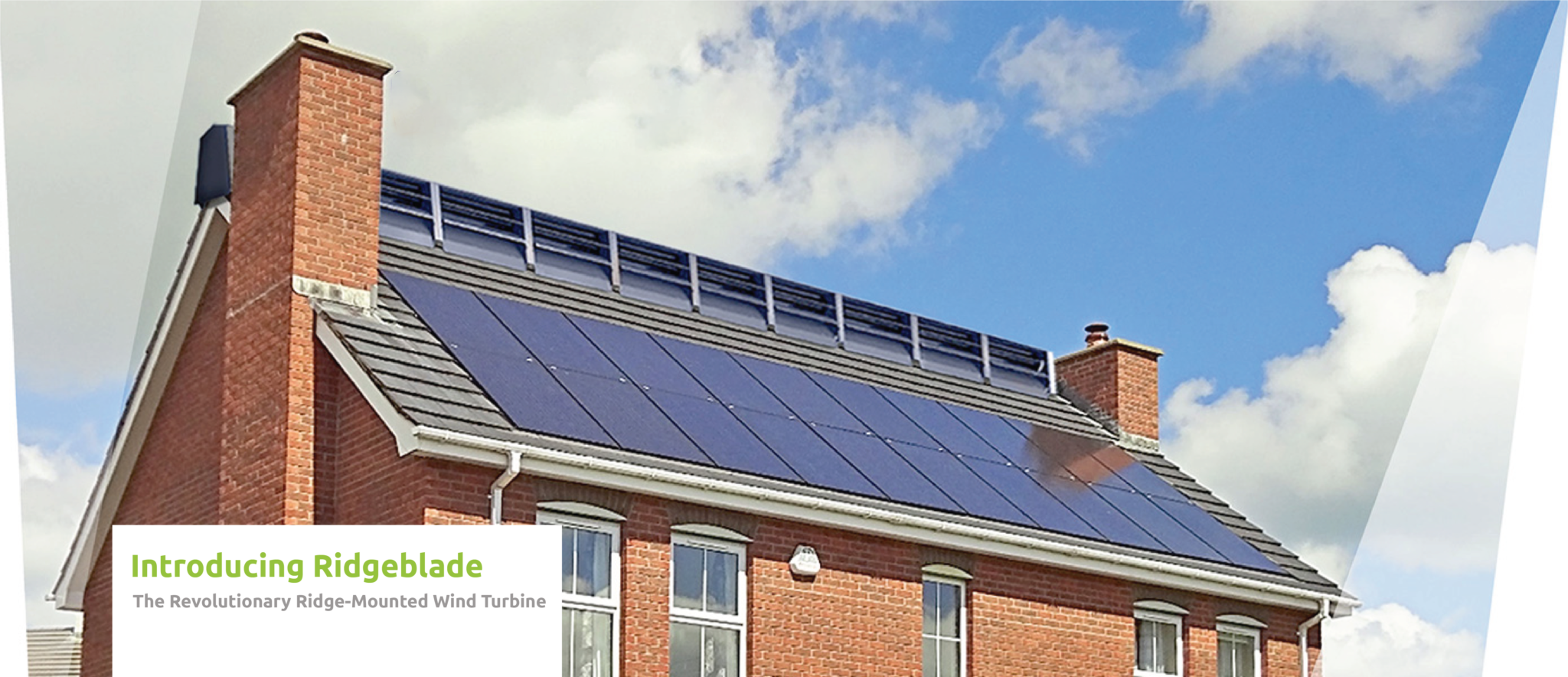
- New Designs: Shrouded turbines, bladeless designs, and compact micro-turbines are aiming to overcome noise, efficiency, and aesthetic hurdles. Some designs mimic architectural features, integrating seamlessly with buildings.
- Integration with Smart Home Systems: Future turbines will likely integrate more deeply with home energy management systems, optimizing power usage and storage in conjunction with solar and grid power.
- Urban Applications: Advances in VAWT technology and building-integrated wind solutions are specifically targeting the turbulent, lower wind speed environments of cities and suburbs, potentially opening up new markets.
Final Thoughts: Is Rooftop Wind Right For You?
So, after all this, should you install a small wind turbine on your rooftop? The honest answer is: it depends heavily on your unique circumstances.

It’s not a silver bullet for everyone, and it’s certainly not a “scam” for everyone either. For the vast majority of homeowners in typical suburban or urban settings, the challenges of inconsistent wind, structural requirements, and permitting often outweigh the benefits, making rooftop solar a more straightforward and cost-effective choice.
However, if you live in a rural area with consistently high and unobstructed winds, have a robust roof structure, and are committed to a long-term renewable energy investment (especially as part of a hybrid system), a rooftop wind turbine could be a powerful addition to your home’s energy independence.
My advice? Start with a professional wind resource assessment and structural analysis. Get realistic estimates on performance and cost, and factor in all potential incentives. Don’t let marketing hype or blanket negativity sway you; let the data for your specific location* guide your decision. Only then can you truly know if harnessing the wind from your rooftop is your next smart move.
Frequently Asked Questions
How much power can a small rooftop wind turbine generate?
The power generated varies significantly based on the turbine’s size (typically 1-5 kW for residential), manufacturer, and critically, the average wind speed at your location. In optimal conditions with consistent wind, a 1-2 kW turbine might offset a portion of a home’s energy needs, while larger units could contribute more substantially. Real-world output often differs from rated capacity due to turbulent rooftop wind.
Are rooftop wind turbines noisy?
Older or poorly designed turbines can be noisy, but modern small wind turbines, especially Vertical Axis Wind Turbines (VAWTs), are engineered for much quieter operation. Many operate at noise levels similar to a quiet refrigerator (around 40-50 dB) at typical operating speeds, often barely noticeable above ambient city noise. However, noise perception is subjective, and a professional assessment should consider your specific location and proximity to neighbors.
How much do small rooftop wind turbines cost?
A complete, professionally installed small rooftop wind turbine system (1-5 kW) typically ranges from $8,500 to $35,000 or more. This includes the turbine unit, inverter, mounting system, installation labor, and permitting fees. The total cost is heavily influenced by turbine type, size, installation complexity, and local labor rates. Federal and state incentives can significantly reduce the net cost.
Do I need a lot of wind for a rooftop turbine to be effective?
Yes, consistent and unobstructed wind is absolutely crucial. Most small turbines require an average wind speed of at least 8-10 mph (3.5-4.5 m/s) at the turbine’s height to be economically viable. Rooftops, especially in urban areas, often experience turbulent and inconsistent wind due to obstructions. A professional wind resource assessment is essential to determine if your specific location has adequate wind.
Can a rooftop wind turbine power my entire house?
While it’s theoretically possible, for most typical homes, a single small rooftop wind turbine is unlikely to power an entire house independently. They are more realistically suited for offsetting a portion of your electricity consumption, providing power for specific loads, or serving as a supplemental source in a hybrid system (e.g., with solar panels) or an off-grid setup.
What’s the lifespan and maintenance of a rooftop wind turbine?
Modern small wind turbines are designed for durability, with lifespans often exceeding 20 years. Maintenance typically involves annual inspections by a professional to check blades, bearings, lubrication, and electrical connections. While generally low-maintenance, components like bearings or brushes might require replacement over time. Budgeting for annual checks and potential component replacements is wise.
Is it better to get solar panels or a rooftop wind turbine?
For most homeowners in typical suburban or urban settings, rooftop solar panels are generally more cost-effective, have a shorter payback period, and a simpler installation/permitting process due to more predictable sunlight. Rooftop wind is often better suited for rural properties with consistently high and unobstructed winds. A hybrid system combining both can offer a more stable and reliable energy supply by offsetting each other’s intermittency.
