
Small Wind Power Plant For Home: Your Definitive Guide to Energy Independence
Dreaming of slashing those ever-increasing electricity bills? Imagine a home powered by your own sustainable energy source, free from the whims of the utility company. A small wind power plant for your home isn’t just a fantasy; it’s a tangible reality for many.
Table of Contents
- Small Wind Power Plant For Home: Your Definitive Guide to Energy Independence
- Is a Small Wind Power Plant Right for Your Home? The Honest Assessment.
- Understanding Your Wind Resource: Location is Everything
- Energy Needs vs. Wind Production: How Much Power Do You Really Need?
- Space and Zoning: More Than Just the Turbine
- The Grid-Tie vs. Off-Grid Decision
- Deconstructing the “Small Wind Power Plant”: Key Components
- The Wind Turbine Itself: Horizontal vs. Vertical Axis
- The Tower: Getting Above the Turbulence
- Inverters and Controllers: The Brains of the Operation
- Battery Banks (for Off-Grid or Hybrid Systems)
- Grid-Tie Equipment (for On-Grid Systems)
- The Real Cost of a Small Home Wind Power System
- Initial Investment: Turbines, Towers, and Everything Else
- Installation Costs: Don’t Underestimate Labor
- Ongoing Maintenance and Lifespan Considerations
- Incentives and Rebates: Lowering Your Out-of-Pocket Expense
- Small Wind vs. Solar: Which Renewable is Right for You?
- Performance Differences: Wind’s Intermittency vs. Solar’s Predictability
- Space Requirements and Aesthetics
- Cost Comparison: Initial Investment and ROI
- Best Use Cases: When to Choose One, or Both
- Choosing and Installing Your Small Wind System: A Step-by-Step Guide
- Step 1: Site Assessment and Wind Resource Evaluation
- Step 2: Determine Your Energy Needs
- Step 3: Research Local Regulations and Permits
- Step 4: Select the Right Turbine and Components
- Step 5: Professional Installation (Recommended)
- Step 6: Maintenance and Monitoring
- The Pros and Cons: Weighing Your Options Honestly
- Advantages of Home Wind Power
- Disadvantages and Challenges
- Conclusion: Is Small Wind Your Path to Sustainable Power?
But here’s the honest truth: while incredibly rewarding, going wind-powered isn’t a one-size-fits-all solution. It requires careful consideration, a suitable location, and a clear understanding of the technology involved. Too often, homeowners jump in without due diligence, leading to frustration and wasted investment.
I’m here to cut through the marketing jargon and tell you exactly what it takes. In this comprehensive guide, we’ll explore if small wind power is genuinely right for your home, break down the components, uncover the true costs, and even compare it to other renewable options like solar. Let’s find out if your energy independence is just a breeze away.
Is a Small Wind Power Plant Right for Your Home? The Honest Assessment.
Before you even think about turbine models or installation, you need to answer one crucial question: Is your property suitable for a small wind power plant? This isn’t just about desire; it’s about physics, logistics, and local regulations.
Understanding Your Wind Resource: Location is Everything
A wind turbine is only as good as the wind it captures. Unlike solar panels that simply need sunlight, wind turbines need consistent, strong, and unobstructed wind flow.
- Average Wind Speed Requirements: For a small wind turbine to be economically viable, you typically need an average annual wind speed of at least 10-12 MPH (4.5-5.4 meters per second). Below this, the energy production might not justify the investment.
- Obstructions: Trees, hills, and nearby buildings create turbulence and block wind flow. You need to site your turbine where it will receive clean, laminar wind. As a rule of thumb, the bottom of your turbine blades should be at least 30 feet higher than any obstruction within 300 feet.
- Using Wind Maps and Anemometers: Don’t guess! Consult local wind resource maps (often available from state energy offices or the Department of Energy) and consider installing an anemometer to monitor your site’s actual wind speeds over several months. This data is invaluable for predicting performance.
Energy Needs vs. Wind Production: How Much Power Do You Really Need?
Before sizing a system, you must know your current energy consumption. Dig out your electricity bills and look for your average monthly kilowatt-hour (kWh) usage.
- Calculating Home Energy Consumption: Most homes in the US consume between 500 kWh and 2,000 kWh per month, with the average hovering around 900 kWh. Know your number!
- Matching Turbine Output to Demand: Small wind turbines typically range from 400 watts to 100 kilowatts (kW) in size. A 1.5 kW turbine, for example, might meet the needs of a home requiring 300 kWh per month in a good wind resource location. It’s critical to size the turbine appropriately – too small, and you won’t meet your needs; too large, and you’ve overspent.
Space and Zoning: More Than Just the Turbine
A small wind power plant isn’t just the turbine itself; it’s also the tower, control equipment, and potentially batteries. This all takes space, and local authorities have rules.
- Tower Height and Setback Requirements: Towers can range from 30 to 120 feet or more. Local zoning laws often dictate maximum heights and require specific setback distances from property lines, other buildings, and public roads. These rules are in place for safety and community aesthetics.
- Local Permits and Regulations: This is a big one. You will almost certainly need building permits, electrical permits, and possibly special use permits from your municipality or county. Research these thoroughly before committing. Some areas may even have outright bans or severe restrictions on residential wind turbines.
- Community Acceptance and Aesthetics: While you might love the idea of energy independence, your neighbors might not love the look or potential sound of a wind turbine. Engaging with your community early can help avoid disputes. Modern turbines are quieter and more aesthetically pleasing, but perception matters.
The Grid-Tie vs. Off-Grid Decision
How will your wind power plant integrate with your existing electrical setup?
- Grid-Tied Systems: The most common setup for homeowners. Your wind turbine generates electricity, which directly offsets your consumption. When you produce more than you use, the excess is sent back to the utility grid, often earning you credits through a process called net metering. When the wind isn’t blowing, you draw power from the grid as usual. This offers reliability and eliminates the need for expensive battery banks.
- Off-Grid Systems: For truly independent living, often in remote locations where grid access is costly or unavailable. These systems require battery banks to store excess energy for use when the wind is low. They are more complex and generally more expensive due to the cost and maintenance of batteries.
Deconstructing the “Small Wind Power Plant”: Key Components
A small wind power plant is a system, not just a single turbine. Understanding its parts is crucial for proper selection and installation.
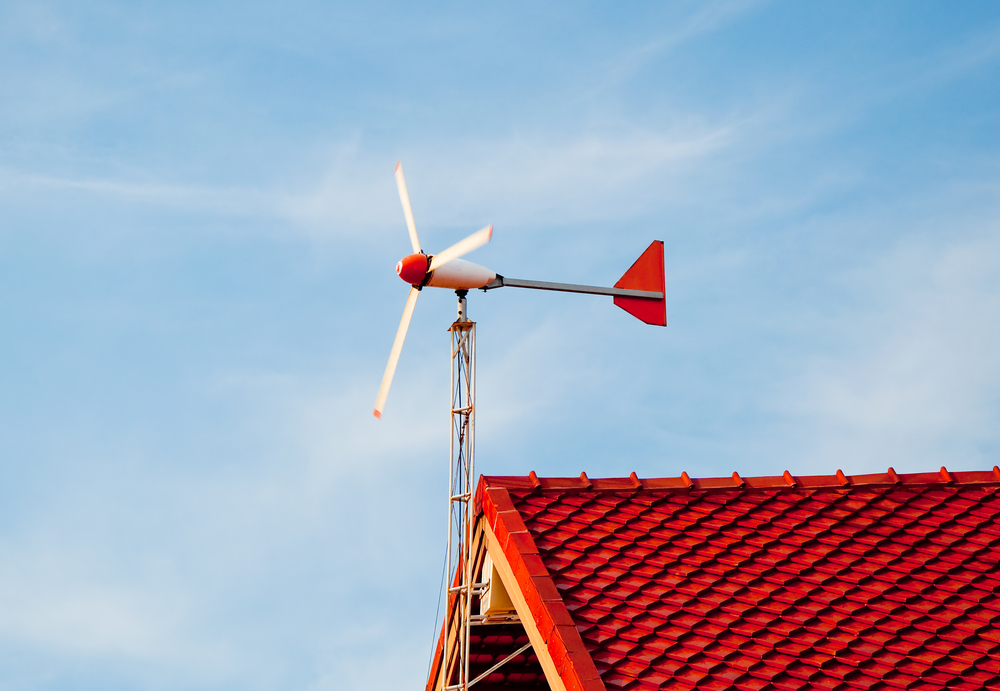
The Wind Turbine Itself: Horizontal vs. Vertical Axis
The most recognizable part, the turbine, comes in two main configurations:
| Feature | Horizontal Axis Wind Turbine (HAWT) | Vertical Axis Wind Turbine (VAWT) |
|---|---|---|
| Appearance | Traditional “windmill” look, blades rotate parallel to the ground. | Blades rotate perpendicular to the ground (e.g., eggbeater or Savonius designs). |
| Efficiency | Generally more efficient (higher power output for given wind speed). | Less efficient, but can start at lower wind speeds. |
| Wind Direction | Needs to “yaw” (turn) into the wind, requires a tail fin or active yaw control. | Omnidirectional; works regardless of wind direction, no yaw mechanism needed. |
| Noise | Can generate some audible blade noise, especially larger models. | Generally quieter due to lower tip speeds. |
| Maintenance | Most moving parts (gearbox, generator) are at the top of the tower. | Generator and gearbox can be at ground level, simplifying maintenance. |
| Cost | Varies widely, but generally higher output per dollar in good wind. | Often marketed as cheaper, but overall system efficiency can make HAWTs more cost-effective for serious power generation. |
The Tower: Getting Above the Turbulence
The tower is arguably as important as the turbine itself. A turbine installed too low will never produce its rated power.
- Types of Towers:
- Guyed Towers: Less expensive, lighter weight, but require a large footprint for anchor points. Easier to lower for maintenance.
- Freestanding (Self-Supporting) Towers: More expensive, require a substantial concrete foundation, but have a smaller footprint.
- Optimal Height: The higher the tower, the better the wind resource, as wind speeds increase with elevation and turbulence decreases. Aim for a tower that places the turbine at least 30 feet above any obstruction within a 300-foot radius.
Inverters and Controllers: The Brains of the Operation
These components manage the electricity generated by the turbine.
- Inverters: Wind turbines produce direct current (DC) electricity. Your home appliances and the utility grid use alternating current (AC). An inverter converts DC power to AC power. For grid-tied systems, a grid-tie inverter also synchronizes the turbine’s output with the grid’s frequency and voltage.
- Charge Controllers: In off-grid or hybrid systems, a charge controller regulates the flow of electricity from the turbine to the battery bank, preventing overcharging and optimizing battery life.
Battery Banks (for Off-Grid or Hybrid Systems)
If you’re going off-grid or want backup power, batteries are essential for energy storage.
- Types: Deep-cycle lead-acid (common), lithium-ion (more expensive, longer lifespan, higher efficiency).
- Capacity: Sized to meet your energy needs during periods of low wind, typically providing 1-3 days of autonomy.
- Lifespan: Varies significantly by type and usage, typically 5-15 years for lead-acid, 10-20+ years for lithium-ion.
Grid-Tie Equipment (for On-Grid Systems)
Beyond the inverter, grid-tied systems require specific safety and interconnection hardware:
- Safety Disconnects: Manual switches that allow utility workers to safely de-energize your system during grid maintenance or emergencies.
- Utility Interconnection Agreement: A formal agreement with your utility company outlining the terms of connecting your system to their grid.
The Real Cost of a Small Home Wind Power System
Let’s talk dollars and cents. The upfront investment for a small home wind power plant can be significant, but understanding the breakdown helps manage expectations.
Initial Investment: Turbines, Towers, and Everything Else
The cost varies widely based on turbine size, type, tower height, and whether you’re grid-tied or off-grid. Here’s a general breakdown for a typical residential system (1-10 kW):
| Component | Estimated Cost Range (USD) | Notes |
|---|---|---|
| Wind Turbine (1-10 kW) | $3,000 – $15,000+ | Cost per kW generally decreases with larger sizes. |
| Tower (60-120 ft) | $2,000 – $10,000+ | Guyed towers generally cheaper than freestanding. Higher towers cost more. |
| Inverter/Controller | $1,000 – $4,000 | Depends on system size and features (grid-tie, hybrid, off-grid). |
| Battery Bank (Off-Grid) | $5,000 – $20,000+ | Significant cost; depends on capacity and battery chemistry. |
| Wiring & Electrical | $1,000 – $3,000 | Conduit, cabling, disconnects, etc. |
| Permits & Engineering | $500 – $2,500+ | Site assessment, structural engineering, local permits. |
| Installation Labor | $5,000 – $15,000+ | Can be 30-50% of total cost; foundation, tower erection, electrical hookup. |
| Total Estimated Cost (Installed) | $15,000 – $70,000+ | For a fully installed, operational system (excluding major off-grid battery costs). |
As you can see, a small wind power plant is a significant investment, often ranging from $15,000 to $70,000+ depending on size and complexity.
Installation Costs: Don’t Underestimate Labor
Installation is not a DIY project for most. It involves heavy equipment, working at heights, and complex electrical wiring. Professional installation can account for 30-50% of the total system cost, but it ensures safety, proper functioning, and often validates warranties. This includes:
- Site preparation and foundation work.
- Tower assembly and erection (can require cranes).
- Electrical wiring and interconnection to your home’s panel and the grid.
Ongoing Maintenance and Lifespan Considerations
Like any mechanical system, wind turbines require maintenance. While generally robust, they are exposed to the elements 24/7.
:max_bytes(150000):strip_icc()/wind-turbine-generator-on-house-roof-90967703-b9619befbf954726ae92dfb6154711f2.jpg "Is a Home Wind Turbine Right for You?")
- Routine Checks: Annual or bi-annual inspections of blades, tower bolts, guy wires, and electrical connections.
- Potential Repairs: Bearings, brushes (for some generator types), or electronic components may need replacement over time.
- Expected System Lifespan: A well-maintained small wind turbine can last 20-25 years or more. Inverters typically last 10-15 years, and batteries (if applicable) 5-15 years depending on type.
Incentives and Rebates: Lowering Your Out-of-Pocket Expense
Don’t forget to factor in financial incentives! These can significantly reduce your net cost.
- Federal Investment Tax Credit (ITC): Historically, the ITC has offered a substantial tax credit (currently 30% through 2032) for renewable energy systems, including small wind. This is a dollar-for-dollar reduction in your federal tax liability, not just a deduction.
- State and Local Programs: Many states, counties, and even utility companies offer their own rebates, grants, or property tax exemptions for renewable energy installations. Check with your state’s energy office and local utility.
- Net Metering: While not an upfront cost reduction, net metering policies allow you to get credit for excess electricity sent back to the grid, improving your system’s long-term financial viability.
Small Wind vs. Solar: Which Renewable is Right for You?
Often, homeowners considering small wind are also weighing solar power. Both are excellent renewable options, but they have distinct characteristics.
Performance Differences: Wind’s Intermittency vs. Solar’s Predictability
- Wind: Can produce power day or night, as long as the wind blows. However, wind speeds are highly variable and unpredictable, leading to fluctuating output. Wind resources are often best in winter.
- Solar: Produces power only when the sun shines (daylight hours). Output is more predictable based on weather patterns, but zero at night. Solar resources are generally best in summer.
In many regions, wind and solar can be complementary, with one picking up when the other slackens.
Space Requirements and Aesthetics
- Wind: Requires a relatively large, unobstructed area for a tall tower. The visual impact can be a concern for some, and noise (though often minimal with modern turbines) can be a factor.
- Solar: Can be installed on rooftops or ground-mounted arrays. Generally less visually intrusive than a tall wind turbine and much quieter.
Cost Comparison: Initial Investment and ROI
- Wind: Often has a higher upfront cost per kW installed than solar, primarily due to the expense of the tower and the complexities of installation. ROI can be slower if wind resources aren’t optimal.
- Solar: Has seen dramatic price decreases over the past decade, making it a very cost-effective option for many homes. ROI is often quicker, especially in sunny regions with strong incentives.
Best Use Cases: When to Choose One, or Both
| Feature | Small Wind Power | Solar Power |
|---|---|---|
| Ideal Location | Rural properties with consistent, strong, unobstructed wind. | Homes with ample, unshaded roof space or open land. |
| Operating Hours | Day and night (wind-dependent). | Daylight hours only (sun-dependent). |
| Space Requirement | Large footprint for tower and setbacks. | Roof or ground area, less intrusive. |
| Visual Impact | More noticeable due to height. | Less noticeable, can blend with roofline. |
| Noise | Minimal, but can be a factor for neighbors. | Virtually silent. |
| Average Installed Cost (per kW) | $8,000 – $25,000+ | $2,500 – $4,500 |
| Best for | Properties with excellent, consistent wind, rural settings, or hybrid systems with solar. | Most residential applications, good sun exposure, urban/suburban settings. |
Choosing and Installing Your Small Wind System: A Step-by-Step Guide
If, after careful consideration, you believe a small wind power plant is a viable option for your home, here’s a practical roadmap.
Step 1: Site Assessment and Wind Resource Evaluation
This is the most critical first step. Contact a reputable small wind installer or consultant to conduct a professional site assessment. They will evaluate:
- Your property’s topography and potential obstructions.
- Local wind data, or ideally, deploy an anemometer for a few months.
- Available space for a tower and clearances.
Step 2: Determine Your Energy Needs
Based on your historical electricity bills, calculate your average monthly and annual kWh consumption. This will help your installer size the system correctly.
Step 3: Research Local Regulations and Permits
Before any major investment, understand your local zoning ordinances, building codes, and utility interconnection requirements. This can make or break your project.
Step 4: Select the Right Turbine and Components
Work with your installer to choose a turbine that matches your wind resource and energy needs. Insist on turbines that are certified by organizations like the Small Wind Certification Council (SWCC) or UL. Certification ensures safety, performance, and reliability.
Step 5: Professional Installation (Recommended)
Unless you have extensive experience with electrical systems, heavy machinery, and working at heights, professional installation is strongly recommended. They will handle:
- Foundation pouring.
- Tower erection (often with a crane).
- Turbine mounting and wiring.
- Inverter and balance-of-system component installation.
- Interconnection to your home’s electrical panel and the utility grid.
- Ensuring compliance with all codes and regulations.
Step 6: Maintenance and Monitoring
Once installed, monitor your system’s performance. Many inverters come with monitoring apps. Schedule regular maintenance checks as recommended by the manufacturer and your installer to ensure optimal performance and longevity.
 "Home Wind Turbines: When Do They Make Sense? | EnergySage")
The Pros and Cons: Weighing Your Options Honestly
Every significant home investment has its upsides and downsides. Let’s recap the honest truth about small wind power plants for your home.
Advantages of Home Wind Power
- 24/7 Power Potential: Unlike solar, wind can generate electricity at night and on cloudy days, as long as the wind is blowing.
- Reduced Carbon Footprint: Generate clean, renewable energy, significantly lowering your reliance on fossil fuels.
- Energy Independence: Less susceptible to utility rate hikes and potential grid outages.
- Supplemental Power: Can be combined with solar for a robust hybrid system, providing year-round power generation.
- Long Lifespan: Well-maintained systems can last for decades.
Disadvantages and Challenges
- Intermittency: Wind is variable. There will be days with little to no power production, requiring reliance on the grid or battery storage.
- Upfront Cost: A substantial initial investment compared to solar in many areas.
- Site-Specific: Requires a very particular set of site conditions (strong, unobstructed wind, adequate space) that many residential properties lack.
- Noise and Visual Impact: While modern turbines are quieter, they are still tall structures that some neighbors may find objectionable.
- Local Regulations: Permitting can be complex and restrictive, sometimes prohibiting turbines altogether.
- Turbulence Issues: Lower wind speeds near the ground and turbulence from obstructions can drastically reduce efficiency.
Conclusion: Is Small Wind Your Path to Sustainable Power?
A small wind power plant for your home is an exciting prospect, offering a tangible path to energy independence and a greener lifestyle. However, it’s not a silver bullet. It demands careful planning, a suitable location, and a significant financial commitment.
My hope is that this guide has equipped you with the comprehensive, honest information you need to make an informed decision. If you have a property with a proven, strong wind resource and are prepared for the investment and regulatory hurdles, small wind power can be an incredibly rewarding venture.
Before you commit, always consult with certified small wind professionals. They can provide accurate site assessments, navigate local regulations, and design a system perfectly tailored to your unique needs and location. Your journey to harnessing the wind starts with smart choices.
Frequently Asked Questions
How much does a small wind power plant for home typically cost?
The total installed cost for a residential small wind power plant (1-10 kW) can range from $15,000 to $70,000+, depending on the turbine size, tower height, system type (grid-tied or off-grid with batteries), and installation complexities. This includes the turbine, tower, inverter, wiring, permits, and professional labor.
Is my home suitable for a small wind turbine?
Suitability primarily depends on your wind resource. You need an average annual wind speed of at least 10-12 MPH, with minimal obstructions (trees, buildings) within several hundred feet. A professional site assessment using wind maps and an anemometer is crucial to determine if your location has a viable wind resource.
How much electricity can a small home wind turbine generate?
A typical 1.5 kW residential wind turbine, in a location with a 14 MPH average annual wind speed, can produce approximately 300 kWh per month. Larger turbines (e.g., 5-10 kW) can generate significantly more power, potentially covering a substantial portion or even all of an average home’s electricity needs.
Are small wind turbines noisy?
Modern small wind turbines are designed to be much quieter than older models. While there may be some audible sound, especially in higher winds, it’s often described as a gentle whooshing. Site selection and turbine quality play a major role in perceived noise levels, which are generally not an issue for residential use in appropriate locations.
Can I combine a small wind power plant with solar panels?
Yes, combining wind and solar (a hybrid system) is an excellent strategy for more consistent power generation. Wind often performs better in winter and at night, while solar excels during sunny days. This combination can lead to greater energy independence and more stable power output year-round, especially in off-grid applications.
What are the main disadvantages of home wind power?
Key disadvantages include the high upfront cost, the intermittency of wind (meaning inconsistent power production), the strict site requirements for strong and unobstructed wind, potential noise and visual impact concerns, and the complexity of local zoning and permitting processes. It’s not a suitable solution for every home.
