
Small Wind Turbines For Home Use: Your Definitive Guide to Harnessing the Wind
Staring at your electricity bill again? Dreaming of a future where your home powers itself, free from the grid’s whims and rising costs? You’re not alone. Many homeowners are looking up, not just at the sun, but at the wind, wondering if a small wind turbine could be their ticket to energy independence.
Table of Contents
- Small Wind Turbines For Home Use: Your Definitive Guide to Harnessing the Wind
- Do Small Wind Turbines Really Work For Homes? The Harsh Truth & Bright Promise
- Unpacking the Basics: How Small Wind Turbines Power Your Home
- Horizontal Axis Wind Turbines (HAWTs): The Familiar Propeller
- Vertical Axis Wind Turbines (VAWTs): The Unique Spin
- Grid-Tied vs. Off-Grid: Connecting to Your Lifestyle
- Is Your Home a Good Fit? Assessing Your Wind Resource & Site Suitability
- Wind Speed: The Factor
- Property & Obstacles: Finding Clear Air
- Zoning & Permitting: Navigating Local Red Tape
- The Numbers Game: How Much Do Small Wind Turbines Cost (and Save)?
- Upfront Investment: Turbines, Towers, Inverters & Installation
- Operating Costs: Maintenance, Insurance & Lifespan
- Incentives & ROI: Making the Math Work
- Wind vs. Solar: Which Renewable Energy is Right for You?
- A Tale of Two Technologies: Pros & Cons Side-by-Side
- The Hybrid Approach: Best of Both Worlds?
- Choosing the Right Turbine: Key Considerations Before You Buy
- Power Output (kW): Matching Your Energy Needs
- Noise Levels: Keeping the Peace
- Aesthetics & Visual Impact: Blending In (or Standing Out)
- Reputable Manufacturers & Certifications
- Installation & Maintenance: What to Expect Post-Purchase
- DIY or Professional: The Smart Choice
- Ongoing Care: Keeping Your Turbine Spinning Efficiently
- The Future of Home Wind Power: Innovations on the Horizon
- Your Path to Wind-Powered Independence
It’s an exciting prospect, isn’t it? Generating your own clean energy, watching your meter spin backward, and doing your part for the planet. But before you buy the first turbine you see online, let’s get real. Small wind turbines for home use aren’t a magic bullet for everyone. They offer incredible potential for the right homes in the right locations, but they also come with specific considerations. This isn’t about hype; it’s about helping you make an informed decision.
In this definitive guide, I’ll walk you through everything you need to know. We’ll cut through the marketing noise and give you the straightforward facts, from how these systems work and what they cost, to whether your property is even a good candidate. Let’s find out if harnessing the wind is your next smart move.
Do Small Wind Turbines Really Work For Homes? The Harsh Truth & Bright Promise
Let’s tackle the elephant in the room immediately: Yes, small wind turbines absolutely can work for homes. But, and this is a big “but,” their effectiveness is highly dependent on several critical factors. It’s not a one-size-fits-all solution, unlike solar panels which have broader applicability. Your success hinges on context.
Here are the key factors that determine if a small wind turbine will deliver on its promise for your home:
- Consistent Wind Resource: This is non-negotiable. If you don’t have enough wind, a turbine is just an expensive lawn ornament.
- Sufficient Property Size: You need space for the turbine and its tower, along with proper setbacks from buildings and property lines.
- Appropriate Budget: While costs have come down, there’s still a significant upfront investment.
- Favorable Local Regulations: Zoning laws, permitting, and homeowner association rules can make or break your project.
When these factors align, a small wind turbine can provide a significant portion, or even all, of your home’s electricity needs, often complementing or even outperforming solar in certain climates and times of day (like at night!).
Unpacking the Basics: How Small Wind Turbines Power Your Home
At their core, small wind turbines work on the same principle as their giant utility-scale cousins: wind turns blades, which spin a generator, producing electricity. But for home use, they come in more manageable sizes and often two primary configurations.
Horizontal Axis Wind Turbines (HAWTs): The Familiar Propeller
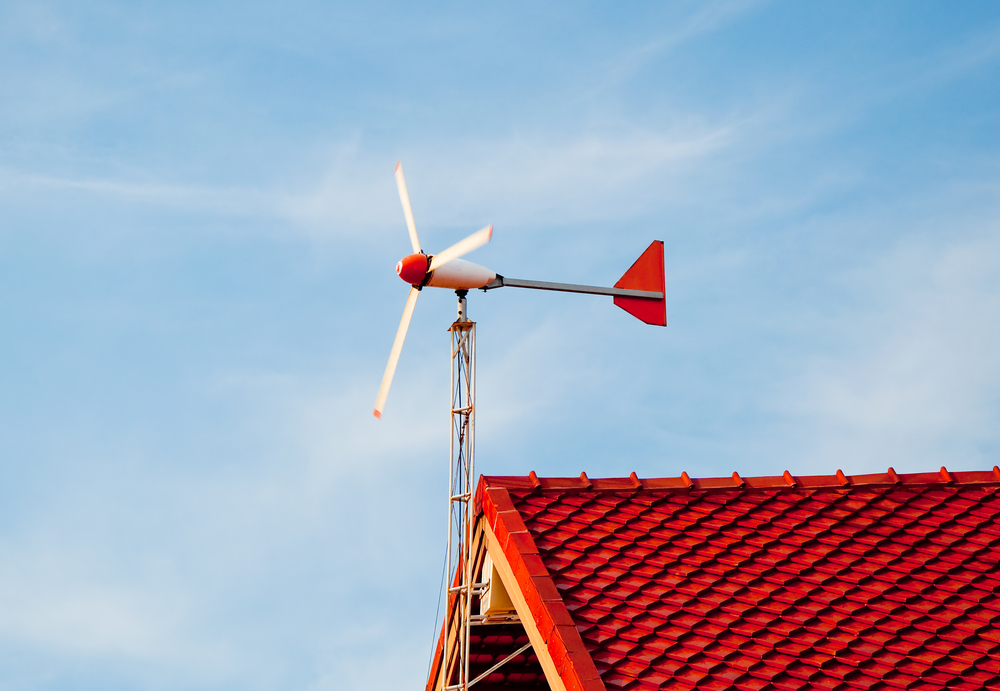
These are what most people picture when they think of a wind turbine: a central mast with blades that look like an airplane propeller, typically facing into the wind. They are the most common type for both utility and residential scales due to their efficiency.
Pros of HAWTs:
- High Efficiency: Generally more efficient at converting wind energy into electricity.
- Proven Technology: Well-understood and widely deployed.
- Higher Power Output: Typically generate more power for their swept area.
Cons of HAWTs:
- Require Yaw Control: Need to turn to face the wind, which can add complexity and moving parts.
- Noise Concerns: Can be noisier, especially in residential areas, due to blade rotation.
- Visual Impact: More visually prominent due to their height and rotating blades.
- Minimum Wind Speed: Often require higher cut-in wind speeds to start generating power.
Vertical Axis Wind Turbines (VAWTs): The Unique Spin
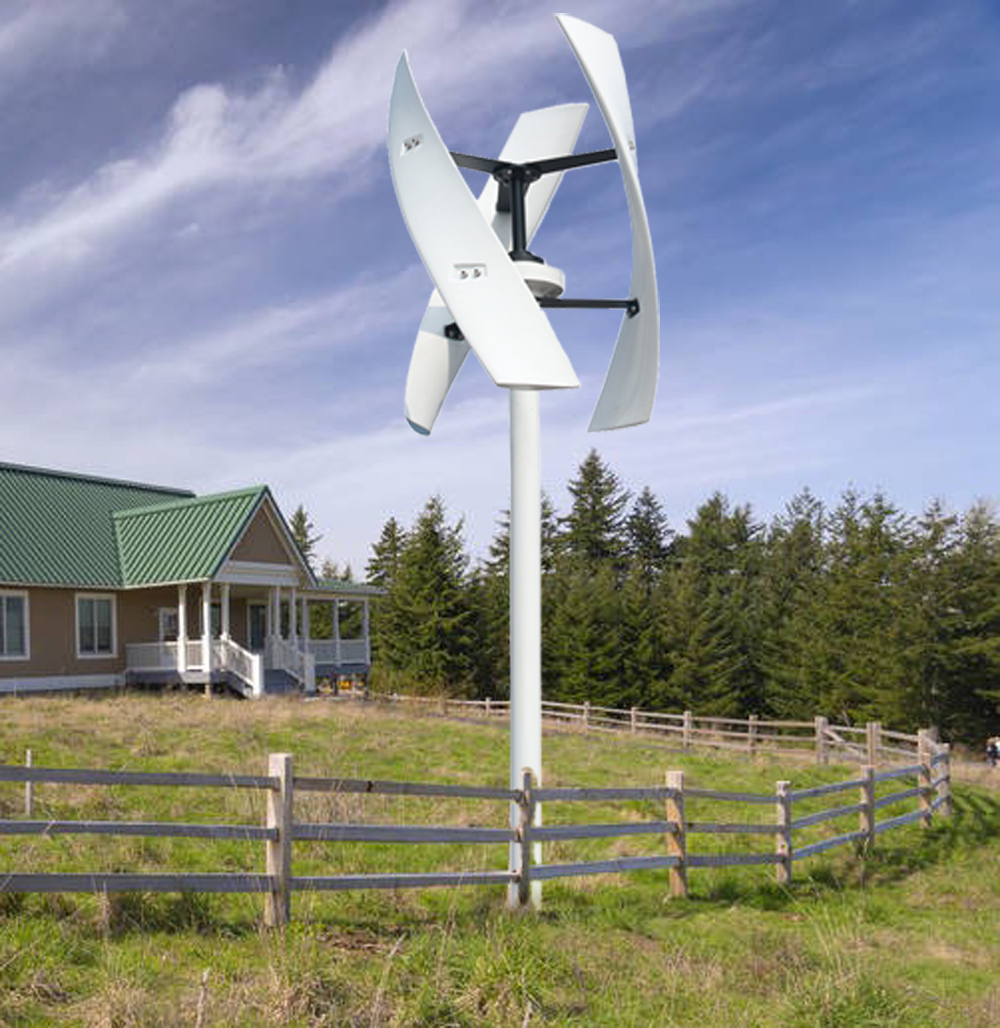
VAWTs have blades that rotate around a vertical axis. They come in various designs, often looking like an egg beater (Darrieus) or a spinning drum (Savonius). While less common, they have unique advantages for specific applications.
Pros of VAWTs:
- Omnidirectional: Don’t need to turn to face the wind, making them suitable for turbulent, shifting winds.
- Quieter Operation: Generally produce less noise than HAWTs.
- Lower Mounting Height: Can sometimes be installed closer to the ground, potentially reducing tower costs (though this compromises wind access).
- Easier Maintenance: Generator and gearbox are typically at ground level, making servicing simpler.
Cons of VAWTs:
- Lower Efficiency: Generally less efficient at capturing wind energy compared to HAWTs.
- Pulsating Torque: Can experience more stress on components due to uneven force distribution.
- Self-Starting Issues: Some designs require an external push to start spinning.
- Higher Cost Per Watt: Often more expensive per unit of power generated.
Grid-Tied vs. Off-Grid: Connecting to Your Lifestyle
Once your turbine generates electricity, what happens to it? It depends on your system setup:
- Grid-Tied Systems: This is the most common setup for homeowners. Your turbine (and often solar panels) generates electricity, which first powers your home. Any excess is sent back to the utility grid, and you typically receive credits (net metering). When your turbine isn’t producing enough, you draw power from the grid. This setup doesn’t require batteries but needs an inverter to convert the turbine’s DC power to AC for your home and the grid.
- Off-Grid Systems: For homes truly independent of the utility grid, an off-grid system is necessary. This setup requires batteries to store excess energy generated by your turbine for use when the wind isn’t blowing. A charge controller manages the flow of electricity to and from the batteries, and an inverter converts stored DC power to AC for your home. These systems offer ultimate energy independence but come with higher costs and more complex design.
Is Your Home a Good Fit? Assessing Your Wind Resource & Site Suitability
This is arguably the most critical section. Before you even think about turbine models or costs, you need to determine if your property has a viable wind resource. Not every location is suitable, and installing a turbine where there isn’t enough wind is a waste of money.
Wind Speed: The Factor
Wind energy output is not linear; it’s cubic. That means if you double the wind speed, you get eight times the power! This makes average wind speed the single most important determinant of a turbine’s performance.
What’s optimal? How to measure/estimate.
Ideally, you want an average annual wind speed of at least 10-12 MPH (4.5-5.4 m/s), measured at the proposed turbine height. Anything less, and the economic viability quickly diminishes. You can estimate your wind resource through several methods:
- Online Wind Maps: Resources like the DOE’s WINDExchange offer regional wind resource maps. These are a good starting point but are generalized.
- Local Airport Data: Nearby airports often record wind data, though conditions at your specific site can vary significantly.
- Professional Site Assessment: The most accurate method involves installing an anemometer (wind speed measuring device) on a temporary tower at the proposed turbine height for at least a year. Many reputable installers offer this service.
Here’s a quick guide to minimum vs. ideal wind speeds:
| Wind Speed (Average Annual) | Suitability for Home Wind Turbine |
|---|---|
| Less than 9 MPH (4 m/s) | Poor. Unlikely to be economically viable. Consider solar instead. |
| 9-11 MPH (4-5 m/s) | Marginal. May work for very low energy needs or with significant incentives. Careful analysis required. |
| 12-14 MPH (5.4-6.3 m/s) | Good. Economically viable in many scenarios. A strong candidate. |
| 15+ MPH (6.7+ m/s) | Excellent. High energy production potential, faster payback. |
Property & Obstacles: Finding Clear Air
Turbulence is the enemy of wind turbines. Trees, buildings, hills, and other obstructions create turbulent, gusty air that reduces a turbine’s efficiency and can even damage it over time. To avoid this, your turbine needs to be significantly taller than any obstacles within a reasonable distance.
- Tower Height: A general rule of thumb is that the turbine’s rotor should be at least 30 feet (9 meters) higher than any obstruction within a 500-foot (150-meter) radius. Taller towers mean more consistent, higher-speed wind, but also higher costs and potentially more permitting challenges.
- Setbacks: Local zoning laws will dictate minimum distances from property lines, roads, and buildings. These are usually for safety and noise considerations.
Zoning & Permitting: Navigating Local Red Tape
This is often the biggest hurdle for homeowners. Small wind turbines, with their height and moving parts, can be subject to significant local regulations.
You’ll likely need to obtain:
- Building Permits: For the tower foundation and turbine installation.
- Electrical Permits: For wiring the system into your home or the grid.
- Zoning Variances: If your property is not zoned for structures of a certain height or type.
- Aesthetic Reviews: Some communities or HOAs have restrictions on visual impact.
Start early: Contact your local planning department and homeowners’ association (if applicable) at the very beginning of your research. Their requirements could make or break your project, regardless of your wind resource.
The Numbers Game: How Much Do Small Wind Turbines Cost (and Save)?
Let’s talk dollars and cents. A small wind turbine system is a significant investment. Understanding the costs and potential savings is crucial for an informed decision.
Upfront Investment: Turbines, Towers, Inverters & Installation
The total cost can vary widely based on the turbine’s power output, tower height, system complexity (grid-tied vs. off-grid), and installation labor rates in your area. Here’s a breakdown:
- The Turbine Itself: This is the generator and blades. Costs typically range from $3,000 to $15,000+ for residential units (1 kW to 10 kW).
- The Tower: Crucial for accessing good wind. Tower types include guyed (cheaper, more footprint) and self-supporting (more expensive, less footprint). Costs range from $2,000 to $10,000+, heavily dependent on height and type.
- Balance of System (BOS): This includes the inverter (converts power for your home/grid), charge controller (for battery systems), wiring, foundation materials, and safety disconnects. Expect $1,000 to $5,000+.
- Installation Labor: Unless you’re highly skilled and permitted to do some aspects yourself, professional installation is essential. This can be 20-40% of the total system cost, or $5,000 to $15,000+, depending on complexity.
- Batteries (for off-grid or backup): If you opt for an off-grid system or battery backup for grid-tied, add another $5,000 to $20,000+ depending on capacity and battery chemistry.
Here’s an estimated cost range for typical grid-tied home wind turbine systems (excluding batteries):
| Turbine Size (kW) | Typical Annual Production (kWh/year) | Estimated Total Installed Cost (USD) |
|---|---|---|
| 1 kW | 1,500 – 3,000 | $10,000 – $20,000 |
| 5 kW | 7,500 – 15,000 | $25,000 – $45,000 |
| 10 kW | 15,000 – 30,000 | $40,000 – $75,000+ |
Assumes average annual wind speed of 12-14 MPH (5.4-6.3 m/s) at turbine height. Actual production will vary significantly.
Operating Costs: Maintenance, Insurance & Lifespan
Small wind turbines are built to last, often with a lifespan of 20-25 years or more. However, they aren’t maintenance-free.
- Routine Maintenance: Annual checks (greasing, bolt tightening, blade inspection) are recommended. You might pay a professional $100-$500 per year for this, or do some tasks yourself.
- Component Replacement: Over decades, parts like bearings, inverters, or blades may need replacement. Budget a few thousand dollars every 10-15 years for major component replacements.
- Insurance: Your homeowner’s insurance policy will likely need to be updated to cover the turbine.
Incentives & ROI: Making the Math Work
This is where the financial picture brightens. Government incentives can significantly reduce your net cost.
- Federal Tax Credit (ITC): The Inflation Reduction Act (IRA) of 2022 extended the Investment Tax Credit (ITC) for small wind turbines. For systems installed through 2032, you can claim a 30% federal tax credit on the total installed cost. This is a direct reduction of your tax liability, not just a deduction.
- State & Local Incentives: Many states, counties, and even utilities offer additional rebates, grants, or property tax exemptions for renewable energy systems. Check the Database of State Incentives for Renewables & Efficiency (DSIRE) for your area.
The payback period (how long it takes for your energy savings and incentives to offset the initial cost) for a small wind turbine can vary from 5 to 20 years, depending on your wind resource, electricity rates, and available incentives. Higher electricity rates and stronger winds lead to faster payback.
Wind vs. Solar: Which Renewable Energy is Right for You?
Often, homeowners considering wind are also looking at solar. It’s not always an either/or decision, but understanding their differences is key.
 "Home Wind Turbines: When Do They Make Sense? | EnergySage")
A Tale of Two Technologies: Pros & Cons Side-by-Side
Here’s a comparison to help you weigh your options:
| Feature | Small Wind Turbine | Solar Panels |
|---|---|---|
| Primary Resource | Wind Speed & Consistency | Sunlight & Shading |
| Footprint | Requires significant open space for tower/setbacks. | Can be rooftop-mounted, using otherwise unused space. |
| Reliability | Can generate power day and night, good in winter. Intermittent with wind lulls. | Generates during daylight hours, less in winter. Intermittent with clouds. |
| Aesthetics | Visible, taller structure; can be a visual concern for some. | Generally lower profile, blends into rooftops. |
| Noise | Can produce audible noise, especially HAWTs; placement is key. | Virtually silent. |
| Maintenance | Requires periodic inspection and lubrication; moving parts. | Minimal, occasional cleaning; no moving parts. |
| Permitting Complexity | Often more complex due to height, noise, and visual impact. | Generally simpler, well-established processes in most areas. |
The Hybrid Approach: Best of Both Worlds?
For many homes, the ideal solution might not be wind or solar, but wind and solar. A hybrid system combines the strengths of both technologies, often providing a more consistent and reliable power supply.
Think about it: wind often blows strongest at night or during cloudy, stormy weather when solar production is low. Solar, on the other hand, excels on clear, sunny days when wind might be calm. By combining them, you can smooth out power fluctuations and reduce reliance on grid power or battery storage.
This approach can be particularly effective for off-grid homes or those seeking maximum energy resilience.
Choosing the Right Turbine: Key Considerations Before You Buy
If you’ve assessed your site, understood the costs, and decided wind is a viable option, it’s time to think about the turbine itself. This isn’t just about picking the biggest or cheapest one; it’s about matching the system to your needs and environment.
Power Output (kW): Matching Your Energy Needs
Small wind turbines for home use typically range from 1 kW to 10 kW (kilowatts). To choose the right size, you need to know your average monthly or annual electricity consumption. Look at your past utility bills – they usually show your usage in kilowatt-hours (kWh).
How to calculate your home energy usage:
- Find your average monthly kWh usage from utility bills.
- Multiply by 12 to get your annual kWh usage.
- Divide by the estimated annual production (kWh/year) of a turbine in your wind resource (refer to the table above or consult an expert) to get a rough idea of the turbine size needed.
Remember, it’s often more economical to size your turbine to meet a significant portion of your energy needs rather than trying to cover 100%, especially if it means a much larger, more expensive tower.
Noise Levels: Keeping the Peace
This is a common concern for residential wind turbines. While small turbines are generally quieter than utility-scale ones, they do produce some sound, mainly from blade rotation and the generator. HAWTs tend to be noisier than VAWTs.
Manufacturers often provide decibel (dB) ratings. A good quality small turbine might produce around 40-50 dB at a distance of 60-100 feet. For context, a refrigerator hums at about 40 dB, and normal conversation is around 60 dB. Placement is critical here – ensure your turbine is far enough from your home and neighbors to minimize disturbance.
Aesthetics & Visual Impact: Blending In (or Standing Out)
Let’s be honest: a wind turbine is a statement. Some people love the look, seeing it as a symbol of sustainability. Others find it an eyesore. Consider:
- Height: Taller means more visible.
- Turbine Type: VAWTs can sometimes have a less traditional, more sculptural look than HAWTs.
- Local Regulations: As mentioned, some areas have specific rules about visual impact.
Ultimately, this is a personal and community consideration. Discuss it with neighbors if you’re concerned about their reaction.
Reputable Manufacturers & Certifications
The small wind market has seen its share of fly-by-night companies. Investing in a reputable manufacturer is crucial for long-term reliability and support.
Look for:
- Industry Certifications: In the US, the Small Wind Certification Council (SWCC) provides independent testing and certification. Turbines with SWCC certification have met performance and safety standards.
- Established Track Record: Choose manufacturers with years of experience and a history of positive customer reviews.
- Warranty & Support: A strong warranty (5-10 years on major components is good) and readily available customer service are essential.
Installation & Maintenance: What to Expect Post-Purchase
Getting the turbine is just the beginning. Proper installation and ongoing care ensure your system performs optimally and safely for decades.
DIY or Professional: The Smart Choice
While some adventurous homeowners might consider a partial DIY approach for very small, low-height systems, professional installation is highly recommended for most home wind turbines. Here’s why:
- Safety: Working at heights, with heavy equipment, and high-voltage electricity is inherently dangerous.
- Expertise: Professionals understand tower foundations, proper turbine assembly, electrical wiring, and grid interconnection requirements.
- Permitting & Codes: Installers are familiar with local building codes and permitting processes, ensuring your system is compliant.
- Warranty: Many manufacturers require professional installation for their warranties to be valid.
A certified installer will also help with site assessment, system sizing, and navigating the permitting maze.
Ongoing Care: Keeping Your Turbine Spinning Efficiently
Think of your wind turbine like a car – it needs occasional check-ups. Most small wind turbines require relatively low maintenance, but consistent care pays off.
Typical maintenance tasks include:
- Annual Inspection: Visual checks of blades for damage, tower integrity, guy wire tension (if applicable), and electrical connections.
- Lubrication: Greasing specific components according to manufacturer guidelines.
- Tightening: Checking and tightening bolts and fasteners, especially after initial installation.
- Cleaning: Occasionally cleaning blades of dirt or debris, though rain usually handles this.
- Inverter Check: Ensuring the inverter is functioning correctly.
Always follow the manufacturer’s specific maintenance schedule and guidelines. With proper care, your small wind turbine can be a reliable source of clean energy for a very long time.
The Future of Home Wind Power: Innovations on the Horizon
The small wind turbine market is constantly evolving. While it may not see the explosive growth of solar, steady innovations are making systems more efficient, quieter, and potentially more aesthetically pleasing.
Expect to see:
- Improved Efficiency: Better blade designs and generator technologies that capture more energy from lower wind speeds.
- Quieter Operation: Continued development of designs that minimize noise, making them more acceptable in residential areas.
- Smart Integration: Better integration with home energy management systems and other renewables (like solar + storage).
- Novel Designs: More compact, urban-friendly VAWT designs that prioritize aesthetics and low noise for specific niche applications.
Your Path to Wind-Powered Independence
So, is a small wind turbine right for your home? The answer, as you’ve seen, is nuanced. It’s not a universal solution, but for homeowners with a strong wind resource, sufficient space, and the willingness to navigate the initial investment and permitting process, it can be an incredibly rewarding venture.
Harnessing the wind offers a unique pathway to energy independence, lower utility bills, and a smaller carbon footprint. Take the time to conduct a thorough site assessment, understand the costs, explore incentives, and work with reputable professionals. With careful planning and realistic expectations, the whisper of the wind can become the hum of your home’s own power source, bringing you closer to true energy autonomy.
Frequently Asked Questions
How much does a small wind turbine for home use typically cost?
The total installed cost for a small wind turbine system (1-10 kW) typically ranges from $10,000 to $75,000 or more, depending on the turbine’s power output, tower height, and installation complexity. This includes the turbine, tower, inverter, and labor, but excludes battery storage for off-grid systems.
What’s the minimum wind speed required for a home wind turbine to be effective?
For a small wind turbine to be economically viable, an average annual wind speed of at least 10-12 MPH (4.5-5.4 m/s) at the proposed turbine height is generally recommended. Below this, the energy production may not justify the investment.
Are small wind turbines noisy?
While small wind turbines are generally quieter than large utility-scale turbines, they do produce some audible noise, mainly from blade rotation and the generator. Horizontal Axis Wind Turbines (HAWTs) tend to be noisier than Vertical Axis Wind Turbines (VAWTs). Quality turbines often produce around 40-50 dB at a distance of 60-100 feet, similar to a refrigerator hum. Proper placement away from living spaces is crucial.
Can I install a small wind turbine in an urban or suburban area?
Installing a small wind turbine in urban or suburban areas is often challenging due to potential obstacles (buildings, trees) creating turbulent wind, limited property size for setbacks, and restrictive local zoning laws or homeowner association rules regarding height, noise, and aesthetics. Rural properties with open space and strong, consistent wind are generally better suited.
Do small wind turbines qualify for tax credits or incentives?
Yes, small wind turbines for home use are eligible for the 30% federal Investment Tax Credit (ITC) under the Inflation Reduction Act of 2022 for systems installed through 2032. Many states and local jurisdictions also offer additional rebates, grants, or property tax incentives. Check the DSIRE database for programs in your area.
How long do small wind turbines last?
With proper installation and regular maintenance, a good quality small wind turbine system can have a lifespan of 20 to 25 years or even longer. Key components like inverters might need replacement sooner (e.g., every 10-15 years), but the core turbine structure is built for durability.
Is wind power better than solar power for homes?
Neither is inherently ‘better’; it depends on your specific location and needs. Wind can generate power day and night, and often excels in winter. Solar is generally easier to permit, quieter, and has a smaller physical footprint. Many homeowners find a hybrid wind-solar system provides the most consistent and reliable year-round energy production.
