
Windmills for Home Use Electricity: Your Definitive Guide to Residential Wind Power
Ever dreamed of harnessing the wind to power your home, breaking free from rising electricity bills and reducing your carbon footprint? It’s a captivating idea, one that brings to mind towering turbines on vast plains. But when it comes to your own backyard, is residential wind power truly practical, affordable, and right for your property?
Table of Contents
- Windmills for Home Use Electricity: Your Definitive Guide to Residential Wind Power
- What Exactly Are Home Windmills (Small Wind Turbines)?
- How Small Wind Turbines Work
- Key Components of a Home Wind System
- Is Residential Wind Power Right for Your Home? The Crucial Factors
- Wind Resource Assessment: The Factor
- Space Requirements: Tower Height & Clearance
- Local Regulations and Permitting
- Energy Needs: How Much Power Do You Use?
- Types of Home Wind Turbines: HAWT vs. VAWT
- Horizontal-Axis Wind Turbines (HAWT)
- Vertical-Axis Wind Turbines (VAWT)
- Choosing the Right Type for Your Situation
- Sizing Your Home Wind Turbine: What Kilowatts Do You Need?
- Matching Turbine Output to Home Consumption
- Understanding Rated Power vs. Actual Output
- Common Sizes for Residential Use (e.g., 1kW to 10kW+)
- The Real Cost of Home Wind Power: What to Expect
- Initial Investment: Turbine, Tower, Inverter, Batteries (for off-grid)
- Installation Costs: Labor, Foundation, Electrical Work
- Maintenance and Operational Costs
- Government Incentives and Rebates (Federal, State, Local)
- Calculating Your Return on Investment (ROI)
- Grid-Tied vs. Off-Grid: Connecting Your Home Wind System
- Grid-Tied Systems: Net Metering Explained
- Off-Grid Systems: Batteries and Backup Generators
- Hybrid Systems: Wind + Solar
- Wind vs. Solar: Which Renewable is Right for You?
- Complementary Technologies
- The Installation Process: From Assessment to Activation
- Step 1: Site Assessment & Wind Resource Analysis
- Step 2: System Design & Permitting
- Step 3: Installation & Electrical Hookup
- Step 4: Commissioning & Ongoing Maintenance
- Is Home Wind Power Worth It? A Balanced Perspective
- Advantages of Residential Wind Turbines
- Disadvantages and Challenges
- The Future of Residential Wind Energy
- Innovations and Emerging Technologies
- Micro-Wind and Urban Applications
- Ready to Harness the Wind? Next Steps.
- Find a Reputable Installer/Consultant
- Get Multiple Quotes
- Ask the Right Questions
Let’s be upfront: residential wind power isn’t a one-size-fits-all solution. It’s an investment with specific requirements and considerable benefits for the right homeowners. If you’ve been wondering if a home windmill could light up your life, you’re in the right place. We’re going to cut through the noise, address the skepticism, and give you the definitive, human-first guide to making an informed decision.
What Exactly Are Home Windmills (Small Wind Turbines)?
When we talk about “windmills for home use electricity,” we’re actually referring to small wind turbines. Unlike the massive utility-scale wind farms you might see dotting the landscape, these systems are designed to generate electricity for a single home, farm, or small business. They typically range in size from a few hundred watts to 100 kilowatts (kW), though most residential systems fall within the 1kW to 10kW range.
How Small Wind Turbines Work
The fundamental principle is the same as their larger cousins: wind turns rotor blades, which in turn spin a shaft connected to a generator. This generator then converts the mechanical energy into electricity. Here’s a breakdown:
- Wind Catches Blades: The wind pushes against the aerodynamic blades, causing them to rotate.
- Rotor Spins Shaft: The blades are connected to a rotor, which then turns a low-speed shaft.
- Gearbox (Optional): Some turbines use a gearbox to increase the rotational speed for more efficient power generation. Direct-drive systems eliminate the gearbox.
- Generator Produces Electricity: The high-speed shaft drives a generator, creating alternating current (AC) electricity.
- Inverter Converts Power: This AC power is often converted into direct current (DC) to charge batteries (for off-grid systems) or converted into grid-compatible AC power via an inverter (for grid-tied systems).
Key Components of a Home Wind System
A complete residential wind energy system comprises several critical parts:
- Turbine/Rotor: The blades and hub that capture the wind.
- Nacelle: The housing at the top of the tower containing the gearbox (if present), generator, and control systems.
- Tower: Supports the turbine at a height where it can access cleaner, less turbulent wind. Towers can be guyed (supported by cables) or self-supporting (freestanding).
- Charge Controller: Regulates the voltage and current from the turbine, protecting batteries (in off-grid systems) from overcharging.
- Inverter: Converts the DC power from the turbine (or batteries) into AC power usable by your home appliances or compatible with the grid.
- Batteries (Optional): For off-grid or hybrid systems, batteries store excess energy for use when the wind isn’t blowing.
- Metering: Essential for monitoring production and, for grid-tied systems, for net metering with your utility.
Is Residential Wind Power Right for Your Home? The Crucial Factors
This is where the rubber meets the road. Before you get swept away by the idea, you need to realistically assess if your property is a good candidate for a home wind system. It’s less about desire and more about data.
Wind Resource Assessment: The Factor
You might *feel* like it’s windy where you live, but feelings don’t power homes. You need consistent, strong wind. This is the single most important factor.
- Average Wind Speed Requirements: Most small wind turbines require an average annual wind speed of at least 10-12 mph (4.5-5.5 m/s) to be economically viable. Below this, the energy production might not justify the investment.
- Obstructions and Turbulence: Buildings, trees, hills, and other structures can create wind turbulence, which significantly reduces a turbine’s efficiency and can even cause premature wear. You need a clear, unobstructed path for the wind. The general rule of thumb is that the bottom of the turbine blades should be at least 20 feet (6 meters) higher than any obstacle within a 500-foot (150-meter) radius.
- How to Assess Your Site:
- Online Wind Maps: Resources like the National Renewable Energy Laboratory (NREL) offer wind resource maps for the U.S. These provide a general idea but aren’t site-specific.
- Local Airport Data: Nearby airports often collect detailed wind speed data, which can give you a better regional average.
- Anemometer Study: For the most accurate assessment, a professional installer can deploy an anemometer (a wind speed measuring device) on a temporary tower on your property for 6-12 months. This captures your exact site’s wind profile.
Space Requirements: Tower Height & Clearance
Small wind turbines need space – and height. This isn’t just about catching wind; it’s about safety and regulatory compliance.
- Tower Height: As discussed, taller towers access faster, less turbulent wind. Residential towers can range from 30 to 120 feet or more.
- Safety Setbacks: Local zoning laws will often dictate how close a turbine can be to property lines, roads, and buildings. These setbacks are crucial for safety in case of tower failure and to mitigate noise concerns.
- Tower Types:
- Guyed Towers: Less expensive, but require a larger footprint due to the guy wires.
- Self-Supporting (Freestanding) Towers: More expensive, but require less ground space. Often preferred in residential settings where space is limited.
Local Regulations and Permitting
Don’t overlook the bureaucratic hurdles. Permitting is a significant step and can vary wildly by location.
- Zoning Laws: Check your local zoning ordinances for specific rules regarding tower height, setbacks, and allowable uses in your area. Some areas might have outright bans or severe restrictions.
- Noise Ordinances: While modern turbines are much quieter, noise can still be a concern for neighbors. Most jurisdictions have limits on noise levels.
- Building Codes: The tower and foundation must meet structural integrity standards.
- Interconnection Agreements: If you plan to connect to the utility grid (grid-tied system), you’ll need an agreement with your local power company. This covers safety, technical requirements, and net metering policies.
Energy Needs: How Much Power Do You Use?
Before you can size a system, you need to know what you’re trying to power.
- Calculating Your Average Daily/Monthly Consumption: Look at your past electricity bills. They typically show your monthly kilowatt-hour (kWh) usage. Divide this by the number of days in the month to get a daily average. This will be your target production.
- Energy Efficiency First: The cheapest kWh is the one you don’t use! Before investing in a wind turbine, consider making your home more energy-efficient (e.g., LED lighting, efficient appliances, better insulation). This reduces the size (and cost) of the system you’ll need.
Types of Home Wind Turbines: HAWT vs. VAWT
Residential wind turbines primarily come in two configurations:
Horizontal-Axis Wind Turbines (HAWT)
These are what most people picture when they think of a wind turbine – the classic propeller-style design. They are the most common and efficient type for electricity generation.
 "Home Wind Turbines: When Do They Make Sense? | EnergySage")
- Pros:
- Higher Efficiency: Generally more efficient at converting wind energy into electricity.
- Proven Technology: Well-understood and widely deployed.
- Cons:
- Need to Yaw: Must be pointed into the wind, often requiring a yaw mechanism.
- Taller Towers: Typically require taller towers for optimal performance.
- Noise: Can be perceived as louder due to blade tip speed, though modern designs are quieter.
- Visual Impact: More visually prominent.
Vertical-Axis Wind Turbines (VAWT)
VAWTs have blades that rotate around a vertical axis. Common designs include Darrieus (egg-beater shape) and Savonius (S-shaped scoops).
- Pros:
- Omni-Directional: Don’t need to be pointed into the wind, making them better for turbulent conditions or changing wind directions.
- Lower Center of Gravity: Generator can be mounted at ground level, simplifying maintenance.
- Less Visually Obtrusive: Often perceived as more aesthetically pleasing and can be mounted on rooftops or lower towers.
- Quieter: Generally quieter than HAWTs.
- Cons:
- Lower Efficiency: Typically less efficient than HAWTs for the same rotor swept area.
- Self-Starting Issues: Some designs may need an external kick-start at low wind speeds.
- Less Common for Primary Home Power: Often used for supplementary power or in highly turbulent urban environments.
Choosing the Right Type for Your Situation
The choice between HAWT and VAWT largely depends on your specific site and priorities. If you have open space, consistently strong, laminar (smooth) wind, and can accommodate a tall tower, a HAWT will likely offer better energy production. If your site has more turbulent wind, limited space, or strict aesthetic concerns, a VAWT might be a compromise worth considering, though you should expect lower overall output.
Sizing Your Home Wind Turbine: What Kilowatts Do You Need?
This is a critical step to ensure your investment pays off. Undersize and you won’t meet your needs; oversize and you’ve wasted money.
Matching Turbine Output to Home Consumption
As mentioned, you need your monthly kWh usage. Let’s say your home uses 900 kWh per month (roughly 30 kWh per day). You then need a turbine that can produce that much energy, taking into account your site’s average wind speed. Turbine manufacturers provide power curves and estimated annual energy production (AEP) based on various average wind speeds.
Understanding Rated Power vs. Actual Output
A turbine’s “rated power” (e.g., 5 kW) is its maximum output, usually achieved at optimal wind speeds (e.g., 25-30 mph). It’s crucial to understand that a 5 kW turbine will rarely produce 5 kW continuously. The actual energy produced over a month or year will be significantly less, depending on your site’s average wind speed and the turbine’s power curve.
Example: A 5 kW turbine might produce 8,000-10,000 kWh per year in a consistently windy location (12-14 mph average), but far less in a moderate wind site. An average U.S. home consumes about 10,649 kWh annually (EIA data), meaning a well-sited 5-10 kW turbine could potentially offset a significant portion, or even all, of your electricity needs.
Common Sizes for Residential Use (e.g., 1kW to 10kW+)
Here’s a general guide:
- 1-5 kW Turbines: Suitable for smaller homes, cabins, or to supplement existing grid power. Might cover 20-80% of an average home’s needs depending on wind resource.
- 5-15 kW Turbines: Can often cover 80-100% of an average-sized home’s electricity needs in a good wind resource area. These are typically the largest residential units.
- 15 kW+: Generally used for larger homes, small businesses, or farms with very high energy demands and excellent wind resources.
The Real Cost of Home Wind Power: What to Expect
Let’s talk money. Residential wind systems are a substantial investment, often more expensive upfront than comparable solar systems. However, they offer unique advantages, especially in certain climates or during winter months when solar output is lower.
Initial Investment: Turbine, Tower, Inverter, Batteries (for off-grid)
The total cost can vary widely based on turbine size, tower height, system type (grid-tied vs. off-grid), and site complexity. Here’s a breakdown:
- Turbine: The turbine itself can range from $3,000 – $15,000+ for residential sizes (1-10 kW).
- Tower: This is often the most significant component cost. A quality tower can run from $5,000 – $20,000+ depending on height and type.
- Inverter & Electrical Components: Expect to pay $1,000 – $5,000.
- Batteries (for off-grid/hybrid): A robust battery bank can add another $5,000 – $20,000+ to the total cost.
Installation Costs: Labor, Foundation, Electrical Work
Professional installation is crucial for safety and efficiency. These costs include:
- Site Preparation: Excavation for foundation.
- Foundation: Concrete base for the tower.
- Tower Erection: Specialized equipment and labor.
- Electrical Wiring & Hookup: Connecting the turbine to your home’s electrical panel or the grid.
- Permitting & Inspections: Fees for local permits.
Installation costs can easily add another $5,000 – $15,000+, bringing the total system cost for a 5-10 kW system into the range of $30,000 to $80,000 or more before incentives.
Maintenance and Operational Costs
Unlike solar panels, which are largely maintenance-free, wind turbines have moving parts.
- Annual Checks: Inspections of blades, tower, guy wires (if applicable), and electrical connections.
- Component Replacement: Bearings, brushes, or other wear-and-tear parts might need replacement every 5-10 years.
- Turbine Lifespan: Most small wind turbines are designed to last 20-25 years or more with proper maintenance.
- Estimated Maintenance: Budget around 1-3% of the initial system cost annually for maintenance.
Government Incentives and Rebates (Federal, State, Local)
These can significantly offset the upfront cost:
:max_bytes(150000):strip_icc()/wind-turbine-generator-on-house-roof-90967703-b9619befbf954726ae92dfb6154711f2.jpg "Is a Home Wind Turbine Right for You?")
- Federal Investment Tax Credit (ITC): The most substantial incentive. As of early 2024, homeowners can claim a 30% federal tax credit for new residential renewable energy systems, including small wind turbines. This is a direct reduction of your tax liability, not just a deduction.
- State & Local Incentives: Many states, municipalities, and even some utilities offer additional rebates, tax credits, or property tax exemptions for renewable energy installations. Check databases like DSIRE (Database of State Incentives for Renewables & Efficiency) for specifics in your area.
Calculating Your Return on Investment (ROI)
The ROI for a residential wind turbine varies drastically based on initial cost, your electricity rates, the actual wind resource, and available incentives.
- Payback Period Considerations: In a strong wind resource area with good incentives and high electricity rates, a payback period could be 8-15 years. In less ideal scenarios, it could be much longer or never fully materialize in purely financial terms.
- Beyond Financial: Many homeowners also value energy independence, environmental benefits, and resilience during power outages, which are harder to quantify financially.
Grid-Tied vs. Off-Grid: Connecting Your Home Wind System
How your system integrates with your home’s power supply is a fundamental decision.
Grid-Tied Systems: Net Metering Explained
Most residential wind systems are grid-tied. This means they are connected to your local utility grid.
- How it Works: When your turbine produces more electricity than your home is using, the excess power is sent back to the grid. When your home needs more power than the turbine is producing (e.g., on a calm day), you draw electricity from the grid.
- Net Metering: Under net metering policies (where available), your utility credits you for the excess electricity you feed into the grid, often at the full retail rate. This effectively uses the grid as a giant battery, eliminating the need for expensive battery storage.
- Backup: Grid-tied systems typically shut down during a grid outage for safety (to protect utility workers). You won’t have power unless you integrate a battery backup system.
Off-Grid Systems: Batteries and Backup Generators
For remote homes or those seeking complete energy independence, off-grid systems are an option.
- Total Independence: Your home is completely disconnected from the utility grid.
- Battery Storage: Essential for storing excess energy for use during calm periods. This significantly adds to the system cost and complexity.
- Backup Generators: Often included to provide power during extended periods of low wind and low battery charge.
- Higher Costs: Generally more expensive and complex than grid-tied systems due to battery banks and additional controls.
Hybrid Systems: Wind + Solar
Combining wind and solar power offers a robust solution, leveraging the strengths of both:
- Complementary Production: Wind often blows stronger in winter and at night when solar production is low. Solar excels during sunny summer days.
- More Consistent Power: This combination can provide a more consistent energy supply throughout the year and across different times of day.
- Reduced Battery Needs: By diversifying your generation, you might reduce the size of the battery bank required compared to a single off-grid source.
Wind vs. Solar: Which Renewable is Right for You?
It’s the classic renewable energy debate for homeowners. Both wind and solar offer clean electricity, but they have distinct characteristics that make one potentially more suitable than the other for specific situations.
| Feature | Residential Wind Power | Residential Solar Power |
|---|---|---|
| Resource Dependency | Consistent, strong average wind speed (10+ mph) | Direct sunlight, minimal shading |
| Space Requirements | Large clear area for tower & setbacks | Roof space or ground space for panels |
| Typical Installation Cost (5-10 kW) | $30,000 – $80,000+ | $15,000 – $35,000+ |
| Maintenance | More active (moving parts), annual checks | Minimal (periodic cleaning, system monitoring) |
| Noise | Potential concern, typically mitigated by setbacks | Virtually silent |
| Visual Impact | Significant due to tower height | Generally less intrusive on rooftops |
| Production Profile | Stronger in winter, at night, and during stormy weather | Peaks during midday sun, strongest in summer |
| Permitting Complexity | Often more complex due to height, noise, and visual impact | Generally simpler, though can vary by HOA/locale |
Complementary Technologies
It’s not always an either/or decision. For ultimate energy independence and year-round consistent power, a hybrid wind and solar system is often the best approach. They complement each other beautifully, ensuring you’re generating power regardless of whether the sun is shining or the wind is blowing.
The Installation Process: From Assessment to Activation
Getting a home wind system up and running is a multi-step process that requires careful planning and professional execution. Here’s what you can expect:
Step 1: Site Assessment & Wind Resource Analysis
This is where it all begins. A qualified installer will visit your property to evaluate:
- Wind Resource: Using existing data or deploying an anemometer.
- Obstructions: Identifying trees, buildings, and terrain that could cause turbulence.
- Space: Determining suitable locations for the tower and necessary setbacks.
- Energy Needs: Reviewing your electricity bills and discussing your goals.
Step 2: System Design & Permitting
Once the site is deemed suitable, the installer will design a system tailored to your needs and local conditions. This includes:
- Turbine & Tower Selection: Based on wind data and energy goals.
- Electrical Layout: Designing the connection to your home and/or the grid.
- Permit Applications: Filing all necessary paperwork with local authorities (zoning, building, electrical permits). This can be a lengthy process.
- Interconnection Agreement: Securing approval from your utility for grid connection.
Step 3: Installation & Electrical Hookup
This is the physical construction phase:
- Foundation Work: Pouring the concrete base for the tower.
- Tower Erection: Raising the tower, which often requires specialized cranes and equipment.
- Turbine Assembly & Mounting: Attaching the nacelle and blades to the tower.
- Electrical Wiring: Running conduits and cables from the turbine to your inverter, electrical panel, and potentially battery bank.
Step 4: Commissioning & Ongoing Maintenance
Once installed, the system will be tested and activated.
- Inspection: Local authorities and the utility company will inspect the system for compliance and safety.
- Commissioning: The installer will power up the system, calibrate controls, and ensure everything is functioning correctly.
- Owner Training: You’ll receive instructions on monitoring your system and basic troubleshooting.
- Scheduled Maintenance: Adhering to the manufacturer’s recommended maintenance schedule is crucial for the longevity and performance of your turbine.
Is Home Wind Power Worth It? A Balanced Perspective
Given the complexities and investment, you might be asking: is it truly worth it? Let’s weigh the pros and cons.
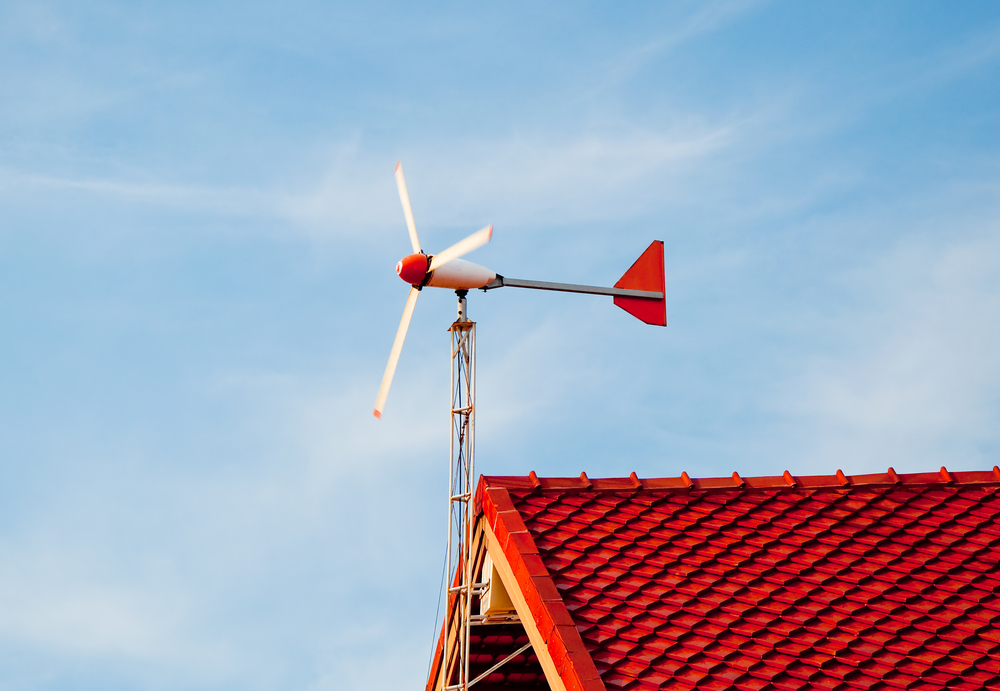
Advantages of Residential Wind Turbines
- Energy Independence: Reduce or eliminate your reliance on the utility grid and volatile electricity prices.
- Environmental Benefits: Generate clean, renewable electricity with zero carbon emissions during operation.
- Consistent Production: Wind often blows strongest when solar output is low (winter, night).
- Resilience: With a battery backup (even for grid-tied systems), you can maintain power during outages.
- Land Use: A single tower typically has a smaller footprint than a comparable solar array for the same energy output, if tall enough.
Disadvantages and Challenges
- High Upfront Cost: Generally more expensive than solar on a per-watt basis, especially due to tower costs.
- Site Specificity: Requires a very specific site (high average wind speed, no obstructions, ample space).
- Noise & Visual Impact: Can be a concern for neighbors and may face local opposition or aesthetic restrictions.
- Maintenance: Requires more active maintenance than solar panels.
- Intermittent Nature: While complementary to solar, wind isn’t always blowing, requiring grid connection, batteries, or a hybrid system.
- Permitting Complexity: Zoning and height restrictions can be significant hurdles.
The Future of Residential Wind Energy
While solar has seen a faster uptake in the residential sector, innovation continues in small wind.
Innovations and Emerging Technologies
- Quieter Designs: Advances in blade aerodynamics and direct-drive generators are making turbines significantly quieter.
- More Efficient VAWTs: Ongoing research aims to improve the efficiency of vertical-axis turbines, making them more competitive.
- Smart Controls: Better integration with home energy management systems and predictive analytics for maintenance.
- Modular & Scalable Systems: Easier to install and expand over time.
Micro-Wind and Urban Applications
The dream of urban wind power remains challenging due to turbulent city winds and space constraints. However, very small “micro-wind” turbines (under 1 kW) are emerging for niche applications like RVs, boats, or supplemental power on rooftops, though their contribution to total home electricity is often modest.
Ready to Harness the Wind? Next Steps.
If, after reading all this, you still believe residential wind power might be a viable option for your home, that’s fantastic! Here’s how to move forward responsibly:
Find a Reputable Installer/Consultant
Seek out professionals specializing in small wind energy systems. They should have experience with site assessments, permitting, and installations in your region. Look for certifications from organizations like the North American Board of Certified Energy Practitioners (NABCEP).
Get Multiple Quotes
Don’t settle for the first offer. Obtain detailed proposals from at least three different installers. Compare not just the price, but also the proposed system components, estimated energy production, warranty, and maintenance plans.
Ask the Right Questions
Be prepared with questions about:
- Their experience with small wind in your area.
- Their specific method for wind resource assessment.
- All costs, including permitting, installation, and estimated maintenance.
- Warranty information for all components.
- Estimated energy production (kWh/year) for your specific site.
- References from previous customers.
Residential wind power is a powerful statement of environmental commitment and energy independence. While it demands careful consideration and the right conditions, for those privileged with a consistent breeze and ample space, it can truly be a breath of fresh air for your home’s electricity needs.
n
Frequently Asked Questions
Are windmills for home use practical and effective?
Yes, but only under specific conditions. Residential wind turbines are practical and effective for homeowners with consistently strong average wind speeds (typically 10-12 mph or more), ample unobstructed space for a tower, and local zoning laws that permit installation. Without these factors, the economic viability and energy output may not justify the significant investment.
How much does a home wind turbine system cost?
A typical 5-10 kW residential wind turbine system, including the turbine, tower, inverter, and installation, can range from $30,000 to $80,000 or more before incentives. Off-grid systems requiring battery storage will be on the higher end of this range. Costs vary significantly based on turbine size, tower height, and site complexity.
What size home wind turbine do I need to power my house?
The size depends on your average electricity consumption and your site’s average wind speed. An average U.S. home uses around 10,649 kWh annually. A well-sited 5-10 kW turbine can often offset a significant portion, or even all, of an average home’s electricity needs. A professional site assessment is crucial to determine the optimal size.
Can I install a home wind turbine in an urban or suburban area?
Installation in urban or suburban areas is often challenging due to several factors: lower, more turbulent wind speeds, limited space for tall towers and necessary setbacks from property lines, and stricter zoning regulations or homeowners’ association (HOA) rules regarding height, noise, and visual impact. While micro-turbines exist, they typically provide only supplemental power.
How do residential wind turbines compare to solar panels for home use?
Wind and solar are complementary technologies. Solar panels are generally less expensive upfront, easier to install, and have lower maintenance. Wind turbines, while more expensive and site-specific, can generate power at night and during winter months when solar output is lower. Many homeowners opt for a hybrid wind-solar system for more consistent, year-round energy production.
What kind of maintenance do home wind turbines require?
Unlike largely maintenance-free solar panels, wind turbines have moving parts and require more active maintenance. This typically includes annual inspections of blades, the tower, guy wires, and electrical connections. Component replacements (like bearings or brushes) might be needed every 5-10 years. Budget around 1-3% of the initial system cost annually for maintenance.
