
Adding a Wind Turbine to Your Home: The Definitive Guide to Residential Wind Power
Dreaming of harnessing the wind to power your home, slash your electricity bills, and embrace true energy independence? Adding a wind turbine to your property sounds incredibly appealing, doesn’t it? But before you envision sleek blades spinning gracefully in your backyard, let’s have a frank conversation. Residential wind power isn’t a one-size-fits-all solution, and understanding its unique demands and benefits is crucial. This isn’t just about buying a turbine; it’s about evaluating your home, your land, and your local environment to see if wind energy truly fits.
Table of Contents
- Adding a Wind Turbine to Your Home: The Definitive Guide to Residential Wind Power
- The Reality Check: Is a Home Wind Turbine Right for You?
- Understanding Your Wind Potential: More Than Just a Breeze
- Site Selection: Where Location Truly Matters
- Permitting, Zoning, and HOA Nightmares: The Unseen Hurdles
- Wind vs. Solar: A Head-to-Head Comparison for Homeowners
- Types of Home Wind Turbines: Finding Your Match
- Horizontal Axis Wind Turbines (HAWTs)
- Vertical Axis Wind Turbines (VAWTs)
- Grid-Tied vs. Off-Grid Systems
- The Investment: Costs, Savings, and ROI
- Breaking Down the Costs: What You’ll Actually Pay
- Potential Savings and Incentives
- The Realistic Payback Period
- The Installation Journey: What to Expect
- Step 1: Professional Site Assessment & Design
- Step 2: Navigating Permits and Approvals
- Step 3: Foundation and Tower Erection
- Step 4: Turbine Assembly & Wiring
- Step 5: Commissioning & Grid Interconnection
- Living with a Home Wind Turbine: Maintenance, Safety, and Performance
- Essential Maintenance Tips
- Safety First: What You Need to Know
- Noise and Visual Impact Considerations
- Making Your Decision: A Summary
While solar panels have become a relatively common sight, home wind turbines remain a less explored, and often more complex, option. They offer distinct advantages, especially in certain geographical areas, but they also come with a different set of challenges. My goal here is to give you the honest, comprehensive truth about residential wind turbines, from assessing your property’s potential to navigating the installation process and understanding the real costs involved. Let’s find out if this powerful renewable energy source is right for you.
The Reality Check: Is a Home Wind Turbine Right for You?
This is where we cut to the chase. A home wind turbine isn’t a gadget you just plug in. It’s a serious investment that requires specific environmental conditions and a significant commitment. Let’s look at the foundational questions you need to answer before moving forward.
Understanding Your Wind Potential: More Than Just a Breeze
You might feel a nice breeze now and then, but that doesn’t necessarily mean your property is ideal for a wind turbine. Wind power generation is highly dependent on consistent, strong winds. Most small wind turbines need an average annual wind speed of at least 9-10 mph (4.0-4.5 m/s) to be economically viable. Anything less, and the energy output simply won’t justify the investment.
Key factors to consider for wind potential:
- Average Annual Wind Speed: This is the most critical metric. You can often find general wind resource maps for your region online (e.g., from the Department of Energy), but these are usually broad.
- Consistent Wind Flow: Intermittent gusts are less effective than a steady, moderate wind.
- Absence of Obstructions: Trees, hills, and buildings create turbulence and block wind flow. A turbine needs to be significantly taller than any nearby obstacles to capture clean, laminar wind.
To accurately assess your site, consider installing a temporary anemometer (wind speed measuring device) or, better yet, consult with a professional wind energy installer who can conduct a detailed site assessment. They’ll use specialized tools and data to provide a precise report.
Site Selection: Where Location Truly Matters
Once you’ve confirmed adequate wind, the next hurdle is finding the perfect spot on your property. This isn’t just about aesthetics; it’s about efficiency, safety, and compliance.
- Tower Height: This is non-negotiable. To avoid turbulence caused by ground clutter, a wind turbine must be mounted on a tower that is at least 30 feet (9 meters) taller than any obstruction within a 300-foot radius. Taller towers mean more consistent and stronger winds, directly translating to more electricity generated.
- Property Size: Wind turbines require significant setback distances from property lines, other structures, and public roads, mandated by local zoning. This often means you need a larger plot of land, typically an acre or more, to accommodate a sizable turbine.
- Noise Considerations: While modern turbines are much quieter than older models, they still produce some noise, especially in strong winds. Siting it away from your home and neighbors’ homes is crucial for peace of mind and avoiding potential disputes.
- Visual Impact: A tall tower with spinning blades will change your landscape. Be prepared for this visual change, and consider how it might be perceived by neighbors.
Permitting, Zoning, and HOA Nightmares: The Unseen Hurdles
This is often the biggest bottleneck for homeowners. Unlike solar, which is increasingly streamlined, residential wind often faces more stringent regulations.
- Local Zoning Ordinances: Many municipalities have strict rules regarding building heights, setbacks, and land use. You’ll likely need a special use permit or variance. Some areas may outright prohibit wind turbines.
- Building Permits: Beyond zoning, the structural integrity of the tower and foundation will require building permits and inspections.
- Height Restrictions: Even if allowed, there are often limits on tower height, which can severely impact a turbine’s efficiency if it can’t clear nearby obstructions.
- Noise Ordinances: Some localities have decibel limits that a turbine might struggle to meet, particularly in quieter, residential areas.
- Homeowners Associations (HOAs): If you live in an HOA, expect significant resistance. Many HOAs have covenants that restrict external structures, especially tall ones, or outright ban them due to visual impact.
- Grid Interconnection Agreements: If you plan to connect to the utility grid (most common), you’ll need to work with your utility company for interconnection studies and agreements.
My advice? Before you even think about buying a turbine, spend significant time researching your local regulations and talking to your planning department. This step alone can save you thousands of dollars and countless headaches.
Wind vs. Solar: A Head-to-Head Comparison for Homeowners
It’s natural to compare wind to its more popular cousin, solar. Both offer renewable energy, but they excel in different scenarios.
| Feature | Residential Wind Power | Residential Solar Power |
|---|---|---|
| Primary Energy Source | Wind speed and consistency | Sunlight availability (irradiance) |
| Best Locations | Open, rural areas with consistent high winds, minimal obstructions, larger properties. | Rooftops or ground mounts with good southern exposure, minimal shade, works well in suburban/urban settings. |
| Energy Production Pattern | Often stronger at night and during winter months; less predictable daily. | Strongest during daylight hours; predictable seasonal variations. |
| Footprint/Space Required | Requires significant land for tower, setbacks. Visual impact. | Primarily roof space, can be ground-mounted. Lower visual impact if well-integrated. |
| Permitting/Zoning | Generally more complex, stringent, and often restrictive (height, noise). | Becoming more streamlined, often less restrictive. |
| Maintenance | More moving parts, requires periodic inspection of blades, bearings, gearbox. | Relatively low maintenance, occasional cleaning, inverter checks. |
| Noise | Can produce audible noise, especially smaller, cheaper models, or in high winds. | Silent operation. |
| Cost (per kWh generated) | Often higher for residential scale unless ideal wind conditions. | Generally more cost-effective for most homes. |
In many regions, solar is the more straightforward and cost-effective choice for residential energy. However, if you live in a consistently windy, rural area with plenty of land and face high electricity prices, wind power might present a compelling alternative or a fantastic complement to solar for a hybrid system.
Types of Home Wind Turbines: Finding Your Match
Not all wind turbines are created equal. Understanding the basic types will help you converse with installers and grasp the nuances of different systems.
Horizontal Axis Wind Turbines (HAWTs)
These are what most people picture: the classic ‘windmill’ design with blades that rotate around a horizontal axis, similar to an airplane propeller. They are the most common and efficient type for commercial and utility-scale wind power.
- Pros: Generally more efficient at converting wind energy into electricity, well-established technology, available in various sizes.
- Cons: Require a mechanism to yaw (turn) into the wind, can be noisier than VAWTs, higher minimum wind speed to start generating, more moving parts potentially leading to more maintenance.
Vertical Axis Wind Turbines (VAWTs)
VAWTs have blades that rotate around a vertical axis. They often look like eggbeaters or Savonius rotors. While less common for large-scale power, they have some unique advantages for residential use.
- Pros: Omnidirectional (don’t need to yaw into the wind), quieter operation, can be mounted closer to the ground, potentially better for turbulent wind environments (though still perform best in clean wind).
- Cons: Generally less efficient than HAWTs, can be more expensive for the equivalent power output, less common, so fewer installer options.
For residential applications, you’re typically looking at turbines ranging from 400W (watt) microturbines to 5kW (kilowatt) or even 10kW systems. A typical American home might need a 5-15kW system to offset a significant portion of its electricity usage, depending on consumption and wind resources.
Grid-Tied vs. Off-Grid Systems
How your wind turbine connects to your home’s electrical system and the larger world is a critical distinction.
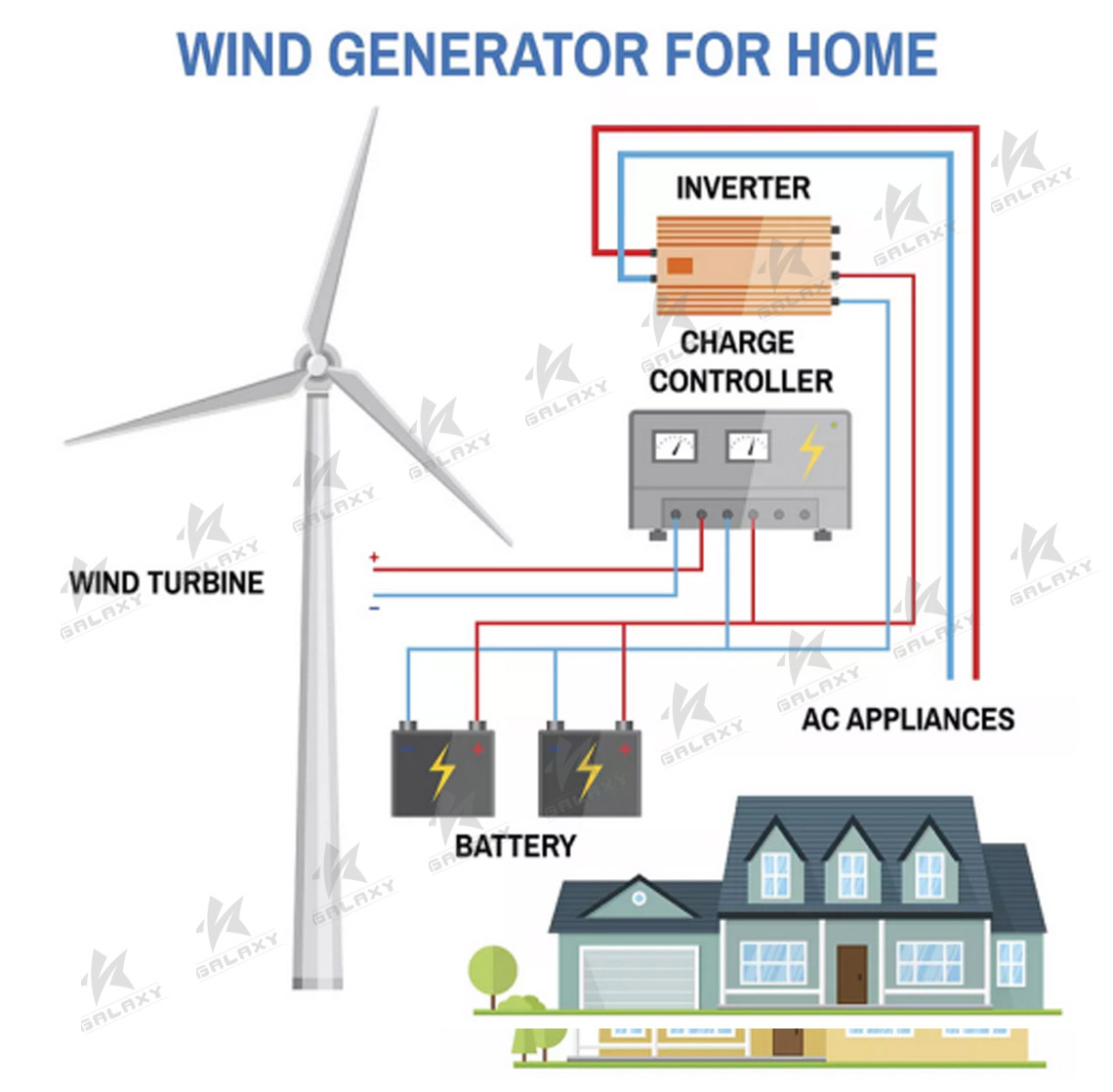
- Grid-Tied Systems: This is the most common setup for residential wind. Your turbine generates electricity, which is used by your home, and any excess is fed back into the utility grid. You often receive credits for this excess power (net metering). When the wind isn’t blowing, you draw power from the grid. This requires an inverter to convert the DC power from the turbine to AC power for your home and the grid.
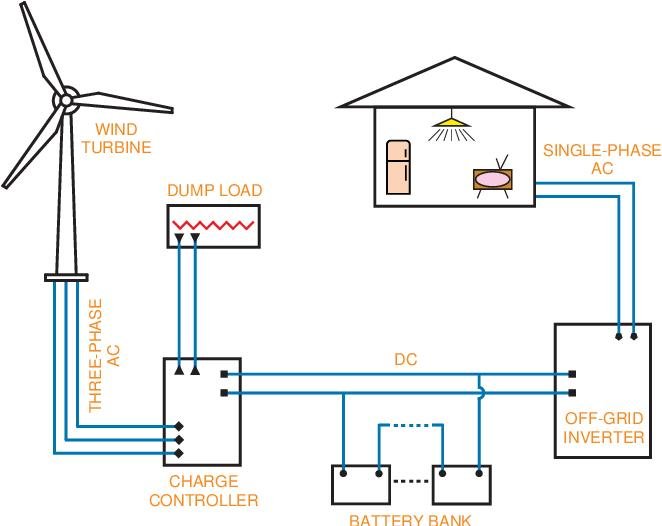
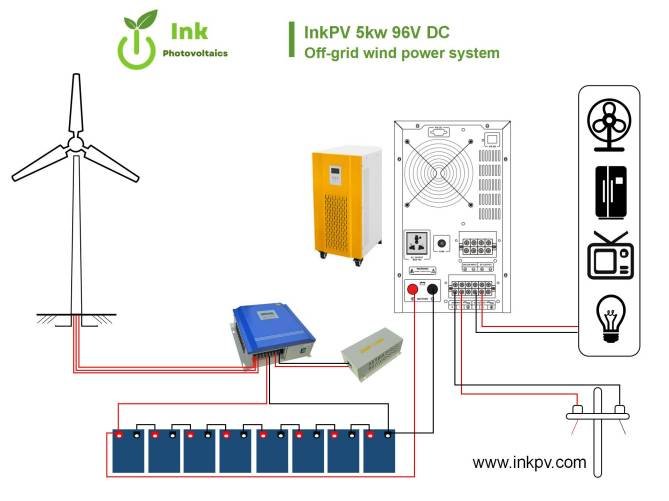
- Off-Grid Systems: For remote homes or those seeking complete energy independence, an off-grid system stores excess electricity in batteries for use when the wind isn’t blowing. This setup typically requires a larger battery bank, a charge controller, and an inverter. While offering independence, off-grid systems are significantly more complex and expensive due to the battery storage requirements.
- Hybrid Systems: Combining wind with solar panels is an excellent strategy. Wind often performs better in winter and at night, while solar excels in summer and during the day. This complementary production can provide a more consistent and reliable energy supply than either system alone.
The Investment: Costs, Savings, and ROI
Let’s talk money. The cost of adding a wind turbine to your home is a major consideration, and it’s essential to have realistic expectations.
Breaking Down the Costs: What You’ll Actually Pay
The total cost can vary wildly based on turbine size, tower height, installation complexity, and local labor rates. Here’s a general breakdown:
| Cost Component | Typical Range (for 1-10kW Residential System) | Notes |
|---|---|---|
| Turbine Itself (Rotor, Nacelle) | $5,000 – $30,000+ | Price increases with power output. Quality and brand matter. |
| Tower (Guyed or Freestanding) | $3,000 – $15,000+ | Height and type (guyed are cheaper but need more space) significantly impact cost. |
| Inverter(s) & Electrical Components | $1,000 – $5,000 | Converts DC to AC, connects to home’s electrical panel. |
| Battery Storage (for off-grid/hybrid) | $5,000 – $20,000+ | Optional but adds significant cost and complexity. Essential for off-grid. |
| Foundation & Site Preparation | $2,000 – $8,000+ | Digging, concrete, trenching for electrical lines. |
| Installation Labor | $5,000 – $20,000+ | Highly variable by region and complexity. Requires specialized equipment and certified installers. |
| Permits, Fees & Interconnection | $500 – $3,000+ | Can be substantial depending on local bureaucracy and utility requirements. |
| Total Estimated Cost | $20,000 – $80,000+ | A significant investment, often higher than comparable solar systems. |
These figures are estimates. Always get multiple, detailed quotes from certified installers in your area. They can provide a more accurate picture based on your specific property and energy needs.
Potential Savings and Incentives
While the upfront cost is significant, various incentives can help offset it:
- Federal Residential Clean Energy Credit: Currently, the U.S. federal government offers a 30% tax credit for eligible residential wind energy systems installed through 2032. This is a direct reduction of your tax liability.
- State and Local Incentives: Many states, counties, and even utilities offer their own rebates, grants, or additional tax credits for renewable energy installations. Check DSIRE (Database of State Incentives for Renewables & Efficiency) for what’s available in your area.
- Net Metering: If you’re grid-tied, net metering policies allow you to receive credit on your electricity bill for any excess energy your turbine feeds back into the grid. This effectively turns your meter backward.
- Reduced Electricity Bills: This is the primary ongoing saving. By generating your own power, you reduce reliance on the utility company, especially if you live in an area with high electricity rates.
The Realistic Payback Period
The payback period for a residential wind turbine—how long it takes for your energy savings and incentives to equal your initial investment—is highly variable. It depends on:
- Initial Cost: Lower costs naturally lead to quicker paybacks.
- Average Wind Speed: This is paramount. Higher, more consistent winds mean more electricity generated and faster savings.
- Electricity Rates: If you pay high rates per kWh, your savings accumulate faster.
- Incentives Received: Tax credits and rebates significantly reduce the net cost, shortening the payback time.
- Maintenance Costs: Factor in ongoing costs for inspections and potential repairs.
In optimal conditions (high wind, high electricity rates, strong incentives), a residential wind turbine might pay for itself in 8-15 years. However, for many homeowners, especially in less-than-ideal wind locations or with lower utility rates, the payback period could extend to 20 years or more, sometimes exceeding the lifespan of the turbine itself. This is why a thorough site assessment and financial analysis are absolutely critical.
The Installation Journey: What to Expect
So, you’ve done your homework, confirmed your site’s potential, navigated the permits, and crunched the numbers. Now comes the exciting part: installation. This is a multi-step process that you absolutely should entrust to certified professionals.
Step 1: Professional Site Assessment & Design
This is where a qualified installer will visit your property to:
- Confirm wind resources using specialized equipment.
- Identify optimal tower height and placement, considering obstructions, setbacks, and prevailing wind directions.
- Evaluate your energy needs and design a system (turbine size, battery bank if applicable, inverter size) to meet them.
- Determine the best path for electrical trenching and interconnection.
- Provide a detailed proposal with estimated costs and energy production.
Step 2: Navigating Permits and Approvals
Your installer should assist you with this complex phase. They’ll prepare detailed plans and apply for all necessary local building permits, zoning variances, and utility interconnection agreements. This step can often be the longest and most frustrating, requiring patience and persistence.
Step 3: Foundation and Tower Erection
Once permits are secured, the physical work begins:
- Foundation Preparation: A sturdy concrete foundation, engineered to withstand the loads and vibrations of the turbine, is poured. This often involves significant excavation.
- Tower Assembly: The tower sections (whether guyed or freestanding) are assembled on the ground. For taller towers, a crane is typically required.
- Raising the Tower: With the foundation cured, the tower is carefully raised and secured. Guyed towers require anchors and tensioning of the guy wires.
Step 4: Turbine Assembly & Wiring
- Mounting the Turbine: The turbine’s nacelle (housing the generator, gearbox, and braking system) and blades are attached to the top of the tower. This usually requires another crane or specialized lifting equipment.
- Electrical Wiring: Electrical conduits are run from the turbine down the tower, trenched underground, and connected to the inverter, charge controller (if applicable), and your home’s main electrical panel.
Step 5: Commissioning & Grid Interconnection
Before the system can go live:
- Inspections: Local building officials and your utility company will inspect the installation to ensure it meets all codes and safety standards.
- Commissioning: The installer will perform final tests, calibrate the system, and ensure it’s operating correctly.
- Grid Interconnection: Once all inspections pass, the utility company will give final approval to connect your system to the grid (if grid-tied) and often install a special net meter.
Then, congratulations! You’re officially generating your own clean wind power.
Living with a Home Wind Turbine: Maintenance, Safety, and Performance
Installation isn’t the end of the story. Like any complex piece of machinery, a wind turbine requires ongoing attention to ensure safe and efficient operation.
Essential Maintenance Tips
Routine maintenance is key to maximizing your turbine’s lifespan and output. Here’s what to expect:
- Annual Inspections: A professional should inspect the turbine annually. This includes checking blade integrity, bolt tension, lubrication levels, electrical connections, and the overall structural integrity of the tower.
- Lubrication: Moving parts (bearings, gearbox) need regular lubrication.
- Cleaning: Blades can accumulate dirt, ice, or debris, reducing efficiency. Occasional cleaning might be necessary.
- Braking System Check: Ensure the turbine’s braking system (which stops it in extremely high winds or for maintenance) is functional.
- Monitor Performance: Keep an eye on your energy production data. A sudden drop might indicate an issue needing attention.
Safety First: What You Need to Know
Wind turbines, while generally safe, do pose risks that homeowners must be aware of:
- Rotating Blades: These are incredibly powerful. Never approach a spinning turbine. Always engage the brake before any maintenance or inspection.
- Tower Climbing: Only trained professionals with proper safety gear should ever climb a turbine tower.
- Lightning Strikes: Turbines are tall structures and can attract lightning. Proper grounding is essential during installation.
- Ice Shedding: In cold climates, ice can build up on blades and then be thrown off, posing a hazard. Siting away from inhabited areas helps mitigate this.
- Emergency Shutdown: Understand how to safely shut down your system in an emergency (e.g., severe storm, fire).
Noise and Visual Impact Considerations
I touched on these earlier, but it’s worth reiterating. While you’re excited about renewable energy, your neighbors might be concerned about:
- Noise: Smaller, cheaper turbines can be surprisingly noisy, especially in strong winds. Better quality turbines are quieter but not silent. This is why setbacks are so important.
- Visuals: A wind turbine is a prominent structure. Be prepared for it to be a focal point on your property and potentially impact views for others.
Open communication with neighbors and adherence to all local regulations (especially regarding setbacks and height) can help prevent disputes.
Making Your Decision: A Summary
Adding a wind turbine to your home is a significant undertaking, offering the incredible reward of clean, self-generated electricity. It’s not a decision to be taken lightly, and it’s certainly not for everyone. If you have a property with:
- Consistent, strong winds (average 9-10 mph or more).
- Ample open land to accommodate a tall tower with necessary setbacks.
- Local zoning and permitting favorable to wind installations.
- A willingness to make a substantial financial investment.
- An interest in potentially combining it with solar for a robust hybrid system.
Then, a residential wind turbine could be a truly powerful and rewarding investment. However, if your property is small, heavily treed, or in an area with low wind speeds or restrictive regulations, it’s likely that solar panels would be a more practical and cost-effective choice for your renewable energy journey. Either way, the first step is always thorough research and consultation with certified professionals.
Frequently Asked Questions
How much does it cost to add a wind turbine to a home?
The total cost for a residential wind turbine system (1-10kW) typically ranges from $20,000 to $80,000 or more. This includes the turbine, tower, inverter, foundation, installation labor, permits, and electrical work. Costs vary significantly based on turbine size, tower height, and installation complexity.
Is a home wind turbine worth it financially?
The financial viability largely depends on your specific conditions. In areas with consistently high wind speeds (average 9-10 mph+), high electricity rates, and good incentives (like the 30% federal tax credit), the payback period can be 8-15 years. However, in less ideal conditions, it can be much longer, sometimes exceeding the turbine’s lifespan. A professional site assessment and financial analysis are crucial.
What is the average lifespan of a residential wind turbine?
A well-maintained residential wind turbine typically has a lifespan of 20-25 years, similar to larger commercial turbines. Components like batteries (if off-grid) and inverters may need replacement sooner, usually every 10-15 years.
What kind of property is suitable for a home wind turbine?
An ideal property for a home wind turbine is typically rural, at least one acre in size, with consistent high winds, minimal obstructions (tall trees, buildings), and local zoning that permits tall structures. The turbine tower needs to be at least 30 feet taller than any obstruction within a 300-foot radius.
Are residential wind turbines noisy?
Modern, high-quality residential wind turbines are significantly quieter than older models, but they are generally not silent. They produce some aerodynamic noise from the blades and mechanical noise from the gearbox/generator. Smaller, cheaper models can be noticeably louder. Proper siting with adequate setbacks from homes helps mitigate noise concerns.
Can I install a wind turbine myself?
While DIY kits exist for very small hobby turbines, installing a significant residential wind turbine (1kW+) is a complex, dangerous, and highly specialized job that should always be done by certified professionals. It involves heavy equipment, electrical work, structural engineering for the tower and foundation, and navigating permits. Attempting DIY can void warranties, lead to safety hazards, and fail inspections.
