
Table of Contents
- Adding a Wind Turbine to Your Home: The Definitive Guide to Powering Up Green
- Is a Home Wind Turbine Right for YOU? (The Essential Reality Check)
- Assessing Your Wind Potential: More Than Just a Breeze
- Property & Permitting Puzzles: Navigating Local Regulations
- Energy Needs vs. Turbine Output: Sizing it Right
- Types of Home Wind Turbines: Finding Your Match
- Horizontal Axis Wind Turbines (HAWTs)
- Vertical Axis Wind Turbines (VAWTs)
- Hybrid Systems: Best of Both Worlds?
- What Does Adding a Wind Turbine REALLY Cost? (A Detailed Breakdown)
- Upfront Investment: Components & Installation
- Ongoing Expenses: Maintenance & Operation
- Unlocking Savings: Incentives & Payback Periods
- The Installation Journey: From Site Prep to Power Generation
- Step 1: Detailed Site Planning & Design
- Step 2: Navigating Permits & Approvals
- Step 3: Foundation & Tower Erection
- Step 4: Turbine Assembly & Wiring
- Step 5: Grid Connection & Commissioning
- Wind vs. Solar vs. Hybrid: Which Renewable is Right for Your Home?
- Comparing the Contenders
- Common Pitfalls & How to Avoid Them
- Underestimating Wind Resource (or Overestimating!)
- Ignoring Local Regulations
- DIY Disaster: When to Call the Pros
- Neglecting Maintenance
- The Future is Blustery: Is Home Wind Power Worth It?
Adding a Wind Turbine to Your Home: The Definitive Guide to Powering Up Green
nnThinking about harnessing the wind to power your home? It’s a compelling idea, full of images of self-sufficiency and a smaller carbon footprint. But let’s be real: adding a wind turbine isn’t quite as straightforward as screwing in a new lightbulb. It’s a significant project with unique considerations that set it apart from, say, installing solar panels. We’re here to cut through the jargon and give you the unvarnished truth, whether your dream is to go entirely off-grid or simply reduce your reliance on the utility company.nn
Is a Home Wind Turbine Right for YOU? (The Essential Reality Check)
nnBefore you get swept away by the romance of wind power, we need to ask some hard questions. Residential wind turbines aren’t for every home, and understanding if your property is a good candidate is the first, most critical step.nn
Assessing Your Wind Potential: More Than Just a Breeze
nnThis isn’t about how often your hair blows in the wind. This is about sustained, consistent wind speed at a significant height. A turbine needs to generate power efficiently, and that requires specific conditions.nn
- Wind Speed Requirements: Most small wind turbines need an average annual wind speed of at least 10-12 mph (4.5-5.5 m/s) to be economically viable. “Cut-in speed” – the minimum wind speed at which a turbine begins to generate electricity – typically ranges from 6-9 mph. If you don’t have enough wind, your turbine will be an expensive lawn ornament.
- Obstructions and Turbulence: Trees, hills, and nearby buildings create turbulence, which is like choppy water for a boat. Turbines need smooth, laminar wind flow. This means your turbine’s rotor should ideally be at least 20-30 feet higher than any obstacle within 300-500 feet. The higher, the better.
- Site Evaluation Tools: Don’t guess. Check local wind maps from the National Renewable Energy Laboratory (NREL) or state energy offices. For a serious assessment, consider installing an anemometer (a wind speed measuring device) on your property for at least a year to gather accurate, site-specific data.
Property & Permitting Puzzles: Navigating Local Regulations
nnThis is often where the wind literally gets knocked out of people’s sails. Local regulations vary wildly, and they can be complex.nn
- Zoning Ordinances and Height Restrictions: Many residential zones have height limits for structures, and a 60-foot wind turbine tower will almost certainly exceed them. You might need a variance or special use permit. Rural areas tend to be more permissive.
- Noise Considerations and Neighbor Impact: While modern turbines are much quieter than older models, they do produce some noise – a whooshing sound, sometimes described as a low hum. Your neighbors might not appreciate it, and local ordinances often regulate noise levels. This can be a significant hurdle.
- Permit Application Process: This involves more than just a building permit. Expect to deal with county, city, and potentially even homeowners’ association (HOA) approvals. You might need structural engineering reports, environmental impact assessments, and detailed site plans. Start this process early; it can take months.
Energy Needs vs. Turbine Output: Sizing it Right
nnHow much power do you actually need? And how much can a residential turbine realistically provide?nn
- Calculating Your Home’s Energy Consumption: Look at your past electricity bills. Average out your monthly kWh usage. A typical U.S. home uses around 900 kWh per month.
- Understanding Turbine Capacity (kW): Small wind turbines are generally rated from 400 watts to 100 kW. A 5-kW turbine, for instance, in a good wind resource, might generate between 400 and 1,000 kWh per month. You’ll need to match this to your energy consumption, factoring in your specific wind resource. Oversizing or undersizing will lead to inefficiency or unmet needs.
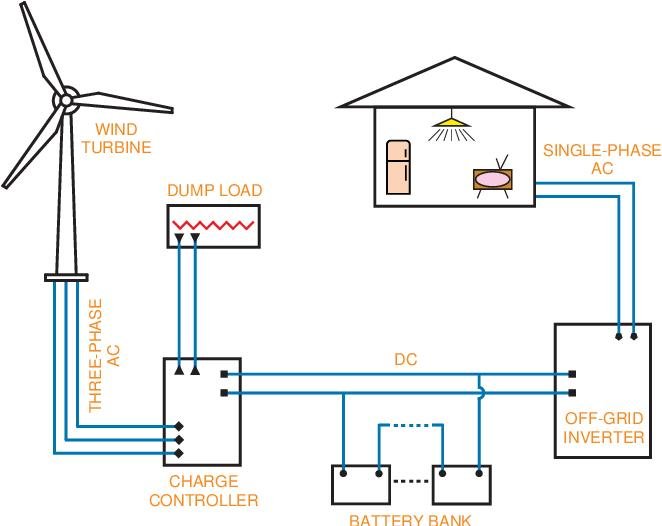
- Grid-Tied vs. Off-Grid Systems: Most homeowners connect their turbine to the utility grid, allowing them to draw power when the wind isn’t blowing and potentially sell excess power back (net metering). Off-grid systems require significant battery storage, which adds cost and complexity.
Types of Home Wind Turbines: Finding Your Match
nnNot all turbines are created equal. They generally fall into two main categories, each with its own characteristics.nn
Horizontal Axis Wind Turbines (HAWTs)
nnThese are what you typically imagine: the classic propeller-style turbines found on wind farms. For residential use, they are smaller, often mounted on tall towers.nn
- Pros: Generally more efficient at converting wind into electricity, especially at higher wind speeds. More mature technology with a wider range of models available.
- Cons: Require more space for blade rotation and need to be oriented into the wind, often with a ‘yaw’ mechanism. Can be visually impactful (tall towers). More sensitive to turbulent wind.
- Common Applications: Rural properties with consistent, unobstructed wind resources.
Vertical Axis Wind Turbines (VAWTs)
nnThese turbines have blades that rotate around a vertical axis. They often look like egg beaters or Savonius rotors.nn
- Pros: Don’t need to be pointed into the wind; they catch wind from any direction. Generally quieter and can operate in more turbulent wind conditions (e.g., closer to buildings), making them potentially suitable for some urban/suburban environments. Easier to maintain components at ground level.
- Cons: Typically less efficient than HAWTs for the same rotor area, especially at lower wind speeds. Can have more vibration issues.
- Common Applications: Locations with variable wind directions, where space is a constraint, or where aesthetics/noise are primary concerns, though their overall energy output for the cost can be lower.
Hybrid Systems: Best of Both Worlds?
nnFor many homeowners seeking true energy independence or resilience, combining wind with solar power makes the most sense. Solar panels produce well during sunny days, while wind turbines often produce more during cloudy, windy periods or at night. This complementary generation smooths out energy production, especially when paired with battery storage, offering a more reliable year-round power supply.nn
What Does Adding a Wind Turbine REALLY Cost? (A Detailed Breakdown)
nnLet’s talk dollars and cents. The cost of a home wind turbine system can vary significantly based on size, location, and complexity. This isn’t a cheap endeavor, so understanding the financial commitment is crucial.nn
Upfront Investment: Components & Installation
nnWhen we talk about cost, we’re not just buying a turbine. It’s a whole system.nn
- Turbine Unit Cost: A 1-5 kW turbine (suitable for most residential use) can range from $3,000 to $15,000. Larger systems (5-10 kW) can go up to $20,000-$50,000+.
- Tower Costs: This is often the most significant expense after the turbine itself. A good tower provides the necessary height. Towers can be monopole, guyed, or lattice. Costs range from $2,000 to $15,000+ depending on height and type. A taller tower means higher cost but potentially better wind.
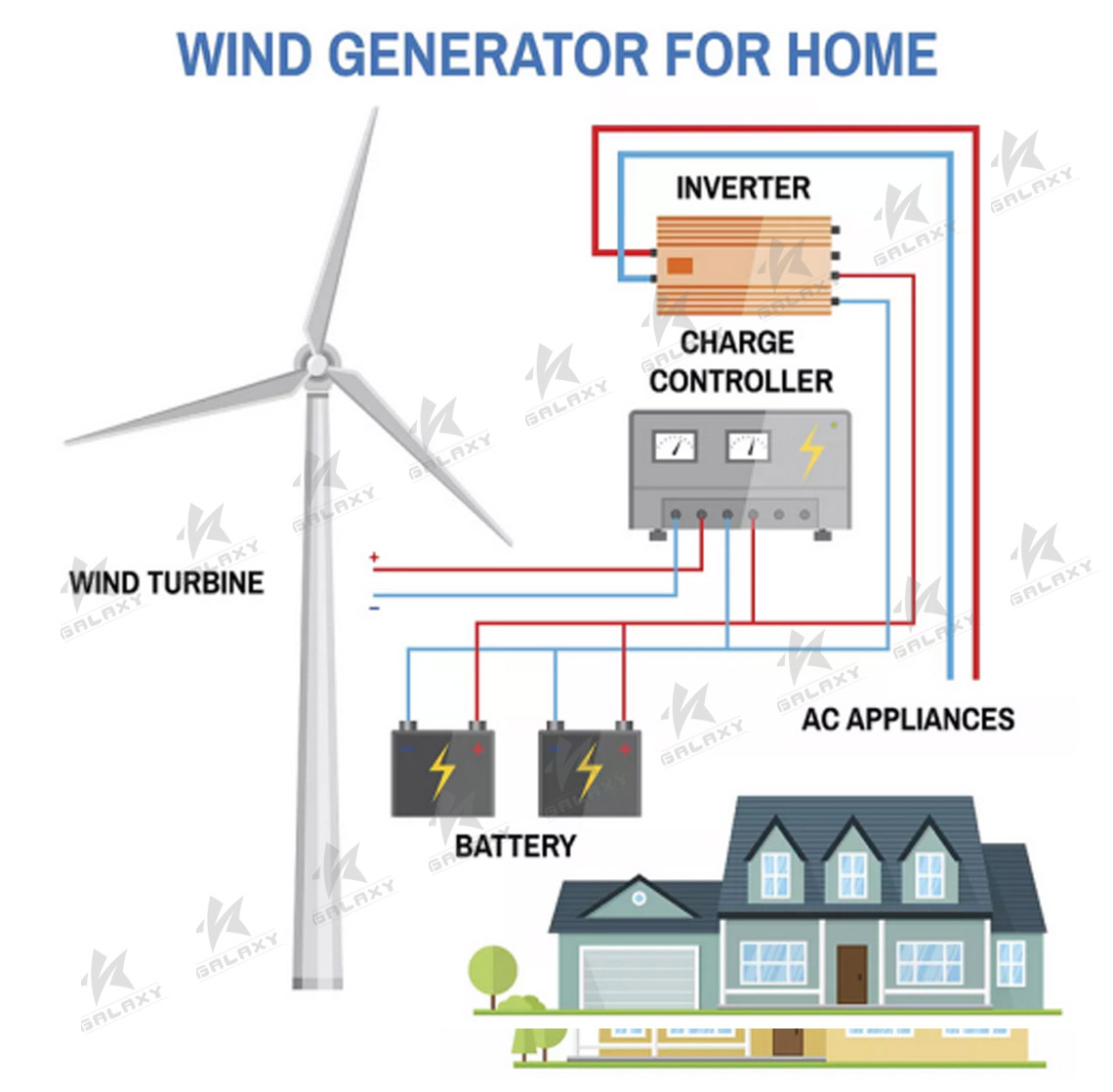
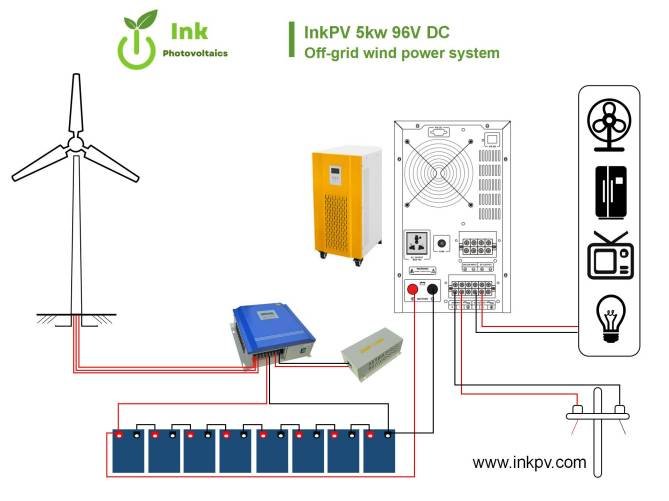
- Inverter, Batteries, Wiring: You’ll need an inverter to convert the turbine’s DC power to AC for your home. If you’re going off-grid or want backup power, add batteries. These components can add $5,000 to $20,000+.
- Installation Labor & Site Preparation: This includes digging the foundation, pouring concrete, erecting the tower, and electrical wiring. Professional installation is highly recommended and can cost anywhere from $10,000 to $30,000+, depending on site complexity.
- Permits & Engineering Assessments: Don’t forget these ‘soft costs.’ Engineering studies, environmental reviews, and permit fees can add hundreds to several thousands of dollars.
| Cost Component | Estimated Range (for 1-5 kW System) |
|---|---|
| Wind Turbine Unit | $3,000 – $15,000 |
| Tower | $2,000 – $15,000 |
| Inverter & Electrical Components | $2,000 – $8,000 |
| Battery Storage (Optional, for off-grid/backup) | $3,000 – $15,000+ |
| Site Prep & Installation Labor | $10,000 – $30,000+ |
| Permits, Engineering, Inspections | $500 – $5,000 |
| Total Estimated Cost | $20,500 – $88,000+ |
Ongoing Expenses: Maintenance & Operation
nnOnce it’s up, it’s not entirely hands-off.nn
- Routine Checks: Annual or bi-annual inspections of blades, tower, wiring, and lubrication points. You might be able to do some simple checks yourself, but professional servicing is recommended every few years.
- Potential Repairs: Like any mechanical system, parts can wear out. Blades, bearings, or electrical components may need replacement over the turbine’s 20-25 year lifespan.
- Insurance: Ensure your homeowner’s insurance covers the turbine, and consider specific liability coverage.
Unlocking Savings: Incentives & Payback Periods
nnWhile the upfront cost is high, various incentives can soften the blow.nn
- Federal Tax Credits: The Residential Clean Energy Credit (often called the Investment Tax Credit, or ITC) currently offers a 30% tax credit for qualifying wind energy property. This is a direct reduction in your tax liability.
- State & Local Programs: Many states and even some local municipalities offer additional rebates, grants, or property tax exemptions for renewable energy installations. Check the Database of State Incentives for Renewables & Efficiency (DSIRE) for your area.
- Understanding ROI and Payback: The payback period – how long it takes for your energy savings to offset the initial investment – can range from 8 to 20 years or more, heavily dependent on your initial costs, electricity rates, wind resource, and available incentives. It’s a long-term investment.
The Installation Journey: From Site Prep to Power Generation
nnOnce you’ve decided a wind turbine is feasible for your home, the physical installation process begins. This is a multi-step project best handled by experienced professionals.nn
Step 1: Detailed Site Planning & Design
nnThis is where all your initial assessments get formalized into a plan.nn
- Professional Assessment: Engage a qualified wind energy installer or engineer. They will conduct a definitive wind resource assessment, evaluate soil conditions for the foundation, and design the system (turbine, tower, electrical components) specifically for your property and energy needs.
- System Sizing Refinement: Based on the professional assessment, the precise turbine size and tower height will be determined to maximize efficiency and meet your goals.
Step 2: Navigating Permits & Approvals
nnThis phase often runs concurrently with initial planning.nn
- Submitting Applications: Your installer or a specialized permitting consultant will help prepare and submit all necessary applications to local authorities (building department, planning commission, HOA). This includes detailed engineering plans, noise assessments, and neighbor notifications.
- Awaiting Decisions: Be prepared for reviews, public hearings, and potential revisions. This can be the longest and most frustrating part of the process. Patience is key.
Step 3: Foundation & Tower Erection
nnWith approvals in hand, construction can begin.nn
- Excavation & Concrete Pour: A significant foundation is required to anchor the tower. This involves excavating a large hole, installing rebar, and pouring a substantial amount of concrete. This foundation can be 9 feet in diameter and 3 feet deep for a modest residential turbine.
- Assembling and Raising the Tower: The tower sections are assembled on-site. Depending on the tower type (guyed vs. self-supporting) and height, heavy equipment like cranes will be used to raise the tower into position on the prepared foundation. Safety is paramount during this step.
Step 4: Turbine Assembly & Wiring
nnNow the power-generating components come together.nn
- Mounting Blades, Nacelle: The turbine’s nacelle (housing the generator, gearbox, etc.) and blades are typically assembled on the ground or hoisted into place atop the tower.
- Electrical Connections to Inverter/Battery Bank: Electrical wiring runs from the turbine down the tower to a charge controller, then to an inverter (to convert power to AC), and potentially to a battery bank for storage if you have an off-grid or hybrid system. All wiring must meet electrical codes.
Step 5: Grid Connection & Commissioning
nnThe final steps to getting your system operational.nn
- Utility Interconnection Agreement: If your system is grid-tied, you’ll need a formal agreement with your utility company for interconnection and net metering.
- Final Inspections & Power Up: Local electrical inspectors will sign off on the installation. Once approved, the system can be turned on and synchronized with your home’s electrical panel and the utility grid. Your turbine is now generating clean power!
Wind vs. Solar vs. Hybrid: Which Renewable is Right for Your Home?
nnOften, the question isn’t *if you should go renewable, but how*. Wind is just one option, and comparing it to solar or a combination of both is essential.nn
Comparing the Contenders
| Feature | Residential Wind Turbine | Residential Solar Panels | Hybrid (Wind + Solar) |
|---|---|---|---|
| Primary Energy Source | Wind Speed & Consistency | Sunlight Exposure | Wind & Sunlight |
| Typical Installation Location | Tall tower (e.g., 60ft+) in open space | Roof or ground-mount | Combination of tower & roof/ground |
| Space Requirement | Significant footprint for tower base & blade clearance | Roof area or open ground | Both; potentially less of each than standalone large systems |
| Average Cost (Installed 5kW) | $30,000 – $80,000+ | $15,000 – $25,000 (before incentives) | Higher than single system, but increased reliability |
| Permitting & Zoning Complexity | Often High (height, noise, visual impact) | Moderate (structural, aesthetics) | Combination, potentially higher if both are extensive |
| Noise Output | Low hum/whoosh (can be a concern for neighbors) | Silent | Depends on wind component |
| Maintenance | Moderate (moving parts, periodic checks) | Low (occasional cleaning, inverter checks) | Moderate to High (combination of both) |
| Best Use Case | Rural, open properties with consistent wind, high energy use | Most homes with good sun exposure, urban/suburban | Off-grid, high energy demand, areas with seasonal sun/wind variations |
nnFor most suburban homeowners, solar panels are a more straightforward and often more cost-effective solution due to lower installation complexity, less visual impact, and more predictable energy generation. Wind turbines typically shine in specific, windy, rural environments where solar alone might not suffice, or for those seeking true 24/7 generation independent of daylight hours.nn
Common Pitfalls & How to Avoid Them
nnKnowledge is power, especially when embarking on a complex project like this. Learning from common mistakes can save you significant time, money, and frustration.nn
Underestimating Wind Resource (or Overestimating!)
nnThis is the number one reason residential wind projects fail to meet expectations. Believing you have enough wind just because it feels breezy isn’t enough. Turbulent wind, too many obstructions, or simply an insufficient average speed will severely impact performance. Always get a professional, site-specific wind assessment. Installing an anemometer for 6-12 months is the gold standard.nn
Ignoring Local Regulations
nnMany ambitious projects have been halted or abandoned due to overlooked zoning laws, height restrictions, or neighborhood resistance. Don’t assume you can build what you want on your property. Contact your local planning department and HOA (if applicable) early in the process. Understand the full permitting journey before investing in equipment.nn
DIY Disaster: When to Call the Pros
nnWhile some smaller, micro-turbines might tempt the adventurous DIYer, installing a grid-tied or substantial residential wind turbine is not a weekend project. It involves heavy machinery, significant electrical work, structural engineering, and safety risks. Professional installers ensure safety, compliance with codes, and optimal system performance. Saving a few bucks on labor can cost you far more in repairs, poor performance, or even injury.nn
Neglecting Maintenance
nnA wind turbine is a machine with moving parts exposed to the elements. Blades can get dirty or damaged, bearings need lubrication, and electrical connections can degrade. “Install it and forget it” is a recipe for premature failure and reduced energy output. Follow the manufacturer’s recommended maintenance schedule and consider a service contract with your installer.nn
The Future is Blustery: Is Home Wind Power Worth It?
nnAdding a wind turbine to your home is not a small undertaking. It demands significant upfront investment, a suitable property with an excellent wind resource, and a willingness to navigate complex regulations. It’s often more challenging than solar power for the average suburban homeowner. nnHowever, for those in rural, open areas with consistent high winds, or for homeowners deeply committed to energy independence and reducing their environmental impact, a residential wind turbine can be an incredibly rewarding and powerful addition. It offers a unique opportunity to generate clean, renewable electricity, often complementing solar for a robust hybrid system.nnBefore taking the plunge, be realistic. Do your homework. Get professional assessments. Understand the full scope – from permits to ongoing maintenance. If you check all the boxes, you could be one of the few, proud homeowners harnessing the power of the wind to light up your life.
Frequently Asked Questions
What’s the minimum wind speed required for a home turbine?
Most small residential wind turbines need an average annual wind speed of at least 10-12 mph (4.5-5.5 m/s) to be economically viable. The ‘cut-in speed’ where they begin to produce power is typically 6-9 mph.
How much space do I need for a residential wind turbine?
You need significant open space, as the turbine tower should be at least 20-30 feet higher than any obstacles (trees, buildings) within a 300-500 foot radius to ensure smooth wind flow. The tower base itself also requires a substantial foundation.
Are home wind turbines noisy?
Modern residential turbines are much quieter than older models, typically producing a low whooshing sound or hum. However, noise can still be a concern for close neighbors, and local regulations often govern acceptable noise levels.
Can I go completely off-grid with a home wind turbine?
Yes, it’s possible, but going completely off-grid with a wind turbine requires significant battery storage and often a hybrid system (wind + solar) to ensure consistent power supply, as wind can be intermittent. This adds considerably to the cost and complexity.
How long do home wind turbines last?
With proper installation and regular maintenance, a quality residential wind turbine system can last 20-25 years or more. Key components like batteries in off-grid systems may need replacement sooner.
What permits do I need to install a home wind turbine?
You typically need building permits from your local city or county, potentially zoning variances due to height restrictions, and possibly environmental assessments. If you have an HOA, their approval is also usually required. This is often the most complex part of the process.
How does a wind turbine compare to solar panels for home energy?
Solar panels are generally more accessible and cost-effective for most suburban homes due to easier installation and less complex permitting. Wind turbines are more suitable for rural properties with consistent, unobstructed wind resources, offering 24/7 generation potential that can complement solar in a hybrid system for enhanced reliability.


