Table of Contents
- Adding a Wind Turbine to Your Home: The Definitive Guide to Harnessing Residential Wind Power
- Is a Home Wind Turbine Right for YOU? Understanding the Realities of Residential Wind
- The Core Question: When Does Residential Wind Power Make Sense?
- Wind vs. Solar: A Head-to-Head Comparison for Homeowners
- Assessing Your Property’s Wind Potential: Beyond Just “Breezy”
- Understanding Wind Resources: It’s More Than Just Wind Speed
- The Importance of a Professional Wind Resource Assessment
- Ideal Site Selection: Where to Place Your Turbine for Maximum Efficiency
- Types of Home Wind Turbines: Choosing the Right Blade for Your Breeze
- Horizontal Axis Wind Turbines (HAWTs)
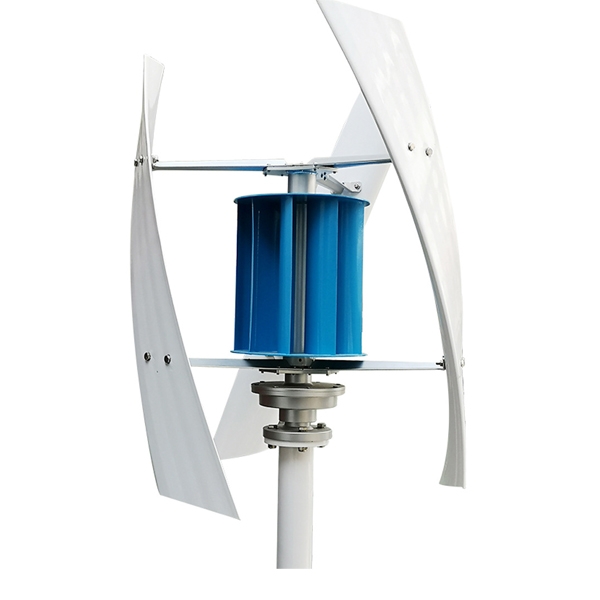
- Vertical Axis Wind Turbines (VAWTs)
- Sizing Your System: What Capacity Do You Really Need?
- The Financial Gust: Understanding the Costs and ROI of a Home Wind Turbine
- Upfront Costs: Breaking Down the Investment
- Operational Costs: What to Expect Annually
- Incentives, Rebates, and Tax Credits: Making it More Affordable
- The Payback Period: When Does It Make Financial Sense?
- Navigating the Red Tape: Permits, Zoning, and Local Regulations
- The Permit Maze: Why Local Laws Are Your First Obstacle
- Key Regulatory Hurdles: Height Restrictions, Setbacks, and Noise Ordinances
- How to Research and Secure Necessary Approvals
- Step-by-Step Installation: From Foundation to First Spin
- Step 1: Site Preparation and Foundation Work
- Step 2: Assembling the Tower
- Step 3: Mounting the Turbine and Blades
- Step 4: Raising the Tower and Electrical Connections
- Step 5: Final Inspection and Commissioning
- Living with Your Turbine: Maintenance, Safety, and Long-Term Performance
- Essential Maintenance Schedule: Keeping Your Blades Turning
- Safety First: During Installation and Operation
- Troubleshooting Common Issues
- The Environmental and Community Impact: Noise, Visuals, and Wildlife
- Making the Final Decision: Is Residential Wind Power for You?
Adding a Wind Turbine to Your Home: The Definitive Guide to Harnessing Residential Wind Power
nnDreaming of powering your home with the wind? You’re not alone. The idea of tapping into a clean, endless energy source right in your backyard is incredibly appealing. But let’s be real: installing a home wind turbine isn’t as straightforward as hanging a picture.nnThis isn’t a simple ‘how-to’ for a weekend project. It’s a significant investment, a commitment to understanding your local environment, and a journey through permits and regulations. My goal here is to give you the honest, in-depth truth about residential wind power so you can decide if it’s genuinely right for your home.nn
Is a Home Wind Turbine Right for YOU? Understanding the Realities of Residential Wind
nnBefore you even think about buying a turbine, we need to address the fundamental question: Does residential wind power make sense for your specific situation? While the allure of free, clean energy is strong, the reality is that home wind turbines are not a universal solution.nn
The Core Question: When Does Residential Wind Power Make Sense?
nnForget the romantic notion of windmills in every backyard. Home wind turbines are most effective in very specific scenarios. You’re likely a good candidate if you check off most of these boxes:nn
- You Live in a Consistently Windy Location: This is non-negotiable. We’re talking about average annual wind speeds of at least 10-12 mph (4.5-5.5 m/s) – and that’s just a starting point. Urban or suburban areas often lack this consistent, unobstructed wind.
- You Have Ample, Unobstructed Space: Turbines need to be installed on tall towers, typically 30 feet or more above any obstacles (trees, buildings) within a 500-foot radius. This usually means a large, rural property.
- Your Electricity Bills Are High: If your monthly electricity consumption is substantial, the potential savings from a wind turbine become more financially attractive over time.
- You’re Open to a Significant Upfront Investment: These systems aren’t cheap. We’ll dive into costs later, but expect a substantial initial outlay.
- You’re Committed to the Process: Navigating permits, zoning laws, and understanding the technology requires patience and dedication.
- You’re Considering Off-Grid Living (or Hybrid): Wind turbines can be an excellent complement to solar for off-grid systems, providing power when the sun isn’t shining.
nnIf you live in a dense suburban neighborhood with trees taller than your house, or your area rarely experiences strong winds, a home wind turbine is probably not your best bet.nn
Wind vs. Solar: A Head-to-Head Comparison for Homeowners
nnIt’s impossible to talk about home renewable energy without bringing up solar. For most homeowners, solar panels are a far more common and often more practical choice. But let’s see how they stack up.nn
| Feature | Home Wind Turbine | Solar Panels (PV) |
|---|---|---|
| Optimal Location | Open, rural areas with consistent high winds; minimal obstructions. | Roofs or ground with direct, unobstructed sunlight; urban & rural. |
| Space Requirement | Significant land area for tower and setback requirements; height is key. | Roof space or small ground array. |
| Energy Production Pattern | Produces power day & night, as long as wind blows; intermittent. | Produces power during daylight hours; intermittent (clouds). |
| Average Efficiency | Highly dependent on wind speed (cubed relationship); good in high wind. | Consistent performance in sunlight; less affected by minor weather. |
| Noise | Can produce a low hum or whooshing sound, especially larger models. | Virtually silent. |
| Aesthetics/Visual Impact | Tall, prominent structure; can be a point of contention with neighbors. | Blends into roofline or low-profile ground mount. |
| Maintenance | Requires regular inspection, lubrication, potential blade cleaning/repair. | Minimal; occasional cleaning, inspection. |
| Permitting Complexity | Generally more complex due to height, noise, and visual impact. | Relatively simpler, though still requires permits. |
| Cost (System Only) | ~$10,000 – $70,000+ (for typical residential sizes). | ~$15,000 – $35,000 (before incentives, for average homes). |
The takeaway? Solar is often the default choice for a reason. Wind power excels in niche situations where solar might struggle (e.g., extremely cloudy climates with high winds, or as a complementary energy source).nn
Assessing Your Property’s Wind Potential: Beyond Just “Breezy”
nnThis is perhaps the single most crucial step. You can’t just guess if your property is windy enough. “Breezy” isn’t a scientific measurement.nn
Understanding Wind Resources: It’s More Than Just Wind Speed
nnFor a wind turbine to be effective, you need consistent, strong, and unobstructed wind. Here’s what truly matters:nn
- Average Annual Wind Speed: This is the baseline. As mentioned, 10-12 mph is a minimum, but ideally, you’re looking for higher. Wind power output increases exponentially with wind speed – if you double the wind speed, you get eight times the power!
- Wind Shear and Turbulence: Wind close to the ground is slower and more turbulent due to friction from buildings, trees, and terrain. This is why turbine towers need to be tall. Turbulence can also cause undue stress on turbine components.
- Obstructions: Any object in the path of the wind (buildings, hills, tall trees) creates a “wind shadow” or turbulent zone downwind. Your turbine needs to be well clear of these.
The Importance of a Professional Wind Resource Assessment
nnSeriously, don’t skip this. A qualified renewable energy professional (often through a company specializing in small wind) can:nn
- Analyze Local Wind Data: They’ll consult meteorological data, airport records, and wind maps for your area.
- Perform a Site Survey: On-site measurements using an anemometer (a wind speed measuring device) are invaluable, often mounted on a temporary meteorological tower. This gives you precise data for *your* exact location.
- Evaluate Obstructions: They’ll assess how existing terrain, trees, and buildings might affect wind flow to your chosen turbine site.
- Estimate Energy Production: Based on their assessment, they can provide a realistic projection of how much electricity a specific turbine model could generate on your property.
nnThis assessment will tell you if your investment is even viable, let alone worthwhile.nn
Ideal Site Selection: Where to Place Your Turbine for Maximum Efficiency
nnOnce you confirm your property has potential, selecting the exact location is critical:nn
- Height Above Obstructions: The general rule of thumb is that the turbine’s rotor should be at least 30 feet (9 meters) higher than any obstacle within 500 feet (150 meters). The taller the tower, the better the wind capture and less turbulence.
- Clear Path to Prevailing Winds: Position the turbine where it can capture the dominant wind direction without interference.
- Accessibility: Consider access for installation and future maintenance.
- Proximity to Electrical Panel: While cables can run a distance, minimizing the length reduces resistive losses and cost.
- Setback Requirements: Local zoning laws will dictate minimum distances from property lines, other buildings, and roads.
Types of Home Wind Turbines: Choosing the Right Blade for Your Breeze
nnSmall wind turbines generally fall into two main categories, primarily differentiated by the orientation of their rotating shaft.nn
Horizontal Axis Wind Turbines (HAWTs)
nnThese are what you typically picture: a propeller-like rotor mounted on a horizontal shaft, facing the wind. They are the most common and efficient type for capturing wind energy.nn
- Design: Usually 2 or 3 blades, mounted on a tall monopole or guyed tower.
- Efficiency: Generally more efficient at converting wind into electricity than VAWTs.
- Size: Residential HAWTs typically range from 1 kW to 10 kW.
- Noise: Can produce a distinct ‘whoosh’ or hum, especially at higher wind speeds.
- Orientation: Require a yaw mechanism to turn the rotor into the wind.
- Best Use: Open, rural locations with consistent, strong winds.
Vertical Axis Wind Turbines (VAWTs)
nnVAWTs have their main rotor shaft arranged vertically. They look quite different from HAWTs, often resembling an eggbeater (Darrieus type) or an ‘S’ shape (Savonius type).nn
- Design: Blades are vertical; generator is often at ground level.
- Efficiency: Generally less efficient than HAWTs, but some modern designs are improving.
- Orientation: Don’t need to yaw to face the wind, making them effective from any wind direction.
- Noise: Often perceived as quieter than HAWTs, making them sometimes considered for more urban fringe environments (though still challenging).
- Installation: Easier to maintain because the generator is at ground level.
- Best Use: Niche applications, potentially in more turbulent, lower-wind environments where HAWTs struggle, or where a lower profile is desired. Still require significant space.
Sizing Your System: What Capacity Do You Really Need?
nnDon’t aim for a turbine that’s too small or absurdly large. The goal is to match its output to your home’s energy consumption. This requires knowing your average monthly or annual kWh usage (check your utility bills).nn
| Home Size/Usage | Avg. Monthly kWh | Typical Turbine Capacity Needed (kW) | Tower Height (feet) |
|---|---|---|---|
| Small Home (1-2 people, low usage) | 300-500 kWh | 1-2 kW | 30-60 ft |
| Medium Home (3-4 people, avg. usage) | 500-1,000 kWh | 3-5 kW | 60-80 ft |
| Large Home (5+ people, high usage) | 1,000+ kWh | 5-10 kW | 80-120 ft |
Important: These are estimates. The actual output depends heavily on your specific wind resource and the turbine’s efficiency curve. A professional assessment is vital for accurate sizing.nn
The Financial Gust: Understanding the Costs and ROI of a Home Wind Turbine
nnHere’s where many people hit a wall. The upfront cost can be significant, especially compared to solar. Let’s break it down.nn
Upfront Costs: Breaking Down the Investment
nnThe total cost varies widely based on turbine size, tower height, site complexity, and local labor rates. Expect to pay anywhere from $10,000 to $70,000 or more for a fully installed residential system (1 kW to 10 kW).nn
| Component/Service | Estimated Cost Range (for 5kW system) | Notes |
|---|---|---|
| Wind Turbine (Generator & Blades) | $4,000 – $15,000 | Quality and capacity drive this. |
| Tower (Guyed or Freestanding) | $3,000 – $15,000 | Height, type, and material. Freestanding is more expensive. |
| Inverter & Charge Controller | $1,000 – $5,000 | Converts DC to AC, regulates power. |
| Batteries (for off-grid or hybrid) | $5,000 – $20,000+ | Optional, but essential for energy storage without grid-tie. |
| Installation Labor & Equipment | $5,000 – $15,000+ | Heavy equipment (cranes), specialized installers, foundation work. |
| Foundation Materials (Concrete, Rebar) | $1,000 – $4,000 | Essential for tower stability. |
| Wiring & Electrical Components | $500 – $2,000 | Cabling, conduits, breakers. |
| Site Assessment, Engineering, Permits | $1,000 – $5,000 | Crucial but often overlooked ‘soft costs’. |
| TOTAL ESTIMATE (Excluding Batteries) | $14,500 – $58,000+ | Wide range, consult professionals for exact quotes. |
Operational Costs: What to Expect Annually
nnIt’s not just the upfront cost. There are ongoing expenses:nn
- Maintenance: Expect annual or bi-annual inspections. This might include checking blades for damage, lubricating moving parts, tightening bolts, and verifying electrical connections. Budget $100-$500 per year, possibly more if specialized technicians are needed or major repairs arise.
- Insurance: Your home insurance might need an update to cover the turbine.
- Potential Repairs: Like any mechanical system, parts can wear out.
Incentives, Rebates, and Tax Credits: Making it More Affordable
nnDon’t let the sticker shock deter you entirely. Various incentives can significantly reduce the net cost:nn
- Federal Investment Tax Credit (ITC): The ‘Residential Clean Energy Credit’ currently offers a 30% tax credit for new, qualified residential clean energy property, including wind turbines. This is a dollar-for-dollar reduction in your federal income tax liability. (Always consult a tax professional for eligibility.)
- State and Local Programs: Many states, municipalities, and even utility companies offer their own rebates, grants, or property tax exemptions for renewable energy systems. Check the Database of State Incentives for Renewables & Efficiency (DSIRE) website for your specific area.
- Net Metering: If your system is grid-tied, net metering allows you to sell excess electricity generated by your turbine back to the utility grid, often at the retail rate. This effectively uses the grid as a battery and provides credits on your bill.
The Payback Period: When Does It Make Financial Sense?
nnThe payback period is how long it takes for the savings from your turbine to equal its initial cost. For residential wind, this can be quite long, often 10 to 20 years or more.nnFactors influencing payback:nn
- Initial Cost (net of incentives): Lower net cost = faster payback.
- Average Wind Speed: Higher, more consistent winds mean more energy generated and higher savings.
- Electricity Rates: If you pay a high price per kWh to your utility, your savings will accumulate faster.
- Your Energy Consumption: The more electricity you use (and offset), the greater the savings.
- Maintenance Costs: Unexpected repairs can extend the payback period.
nnIt’s crucial to perform a detailed financial analysis with a professional, considering all these variables, before committing.nn
Navigating the Red Tape: Permits, Zoning, and Local Regulations
nnThis is often the most frustrating and time-consuming part of adding a wind turbine. You cannot, under any circumstances, ignore local regulations.nn
The Permit Maze: Why Local Laws Are Your First Obstacle
nnUnlike a garden shed, a towering wind turbine has significant implications for land use, safety, and community aesthetics. Most jurisdictions will require multiple permits:nn
- Building Permits: For the tower foundation and structure itself.
- Electrical Permits: For wiring the turbine to your home’s electrical system and the grid.
- Zoning Permits: To ensure the turbine complies with land use regulations.
- Special Use Permits: Some areas may classify turbines as a ‘special use’ requiring additional review.
Key Regulatory Hurdles: Height Restrictions, Setbacks, and Noise Ordinances
nnHere are the common challenges you’ll face:nn
- Height Restrictions: This is often the biggest hurdle. Many residential zones have height limits (e.g., 35 feet for structures). A wind turbine needs to be much taller to be effective, so you’ll often need a variance or a special exemption.
- Setback Requirements: Minimum distances from property lines, roads, and other structures are common. These are designed for safety and to mitigate nuisance.
- Noise Ordinances: While modern turbines are quieter than older models, they do produce some sound. Local ordinances may have limits on decibel levels at property lines.
- Visual Impact: Neighbors might object to the appearance of a tall turbine. Some areas have aesthetic guidelines or require neighborhood approval.
- Shadow Flicker: The rotating blades can cast moving shadows, which can be an annoyance for nearby properties. Some regulations address this.
- FAA Regulations: For very tall towers, you might need approval from the Federal Aviation Administration if it could interfere with air traffic.
- Homeowners’ Association (HOA) Rules: If you live in an HOA, their covenants might explicitly prohibit or heavily restrict wind turbines, even if the city allows them.
How to Research and Secure Necessary Approvals
nnThis isn’t just a suggestion; it’s a mandatory process. Here’s how to tackle it:nn
- Contact Your Local Planning Department: Start here. They will have information on zoning ordinances, building codes, and any specific regulations pertaining to wind energy systems in your area. Ask about height restrictions, setbacks, noise limits, and any ‘small wind ordinance’ or renewable energy specific guidelines.
- Consult Your HOA (If Applicable): Get a copy of their Covenants, Conditions, and Restrictions (CC&Rs) and discuss your plans with them early.
- Engage a Qualified Installer/Consultant: Experienced professionals will often have a good understanding of local regulations and can help navigate the permitting process, including preparing necessary documentation, engineering drawings, and permit applications.
- Notify Neighbors: While not always legally required, it’s good practice to inform your immediate neighbors about your plans. Addressing concerns proactively can prevent future disputes or objections during the permitting process.
- Prepare for a Public Hearing: If you need a zoning variance (e.g., for height), you’ll likely have to present your case at a public hearing. Be prepared with data on wind resources, noise levels, and visual simulations.
Be patient. This process can take months, or even over a year, and there’s no guarantee of approval.nn
Step-by-Step Installation: From Foundation to First Spin
nnOnce all the assessments are done, the turbine is chosen, and permits are in hand, the physical installation can begin. This is a complex process that absolutely requires professional expertise.nn
Step 1: Site Preparation and Foundation Work
nnThe tower’s foundation is paramount for stability and safety. It needs to withstand the immense forces exerted by wind on the turbine.nn
- Excavation: Digging a large, deep hole (often 9 feet in diameter and 3 feet deep for smaller systems, much larger for bigger ones).
- Reinforcement: Placing steel rebar cages within the excavation.
- Pouring Concrete: A substantial amount of concrete is poured to create a sturdy, heavy base. This must cure properly.
- Anchor Bolts: These are precisely set into the wet concrete to anchor the tower securely.
Step 2: Assembling the Tower
nnTowers can be freestanding (monopole) or guyed (supported by cables). Assembly typically happens on the ground.nn
- Section Assembly: Tower sections are bolted or welded together.
- Wiring Integration: Electrical conduits and wiring are often run inside the tower sections during assembly.
Step 3: Mounting the Turbine and Blades
nnThis is the delicate part, often requiring a crane for larger systems.nn
- Nacelle Installation: The turbine’s nacelle (housing the generator, gearbox, and yaw system for HAWTs) is mounted at the top of the tower.
- Blade Attachment: The blades are then carefully attached to the rotor hub.
Step 4: Raising the Tower and Electrical Connections
nnGetting the tower upright and connecting it is a critical, high-risk step.nn
- Tower Erection: For guyed towers, this can involve hoisting the entire assembly into place and securing the guy wires. For freestanding monopoles, a crane lifts the assembled tower and turbine onto the foundation anchor bolts.
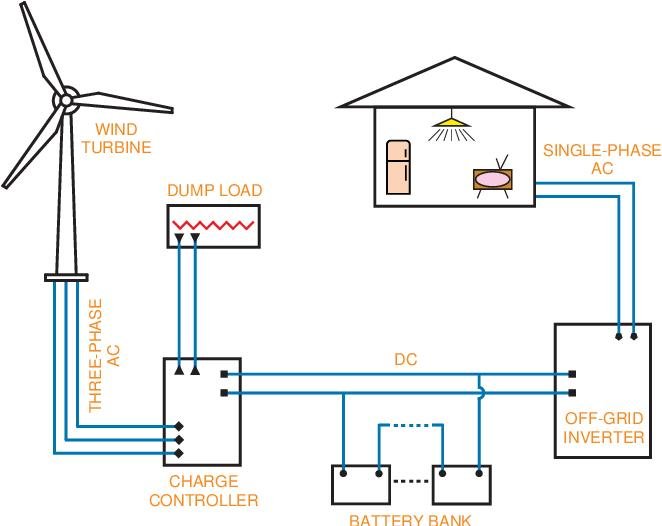
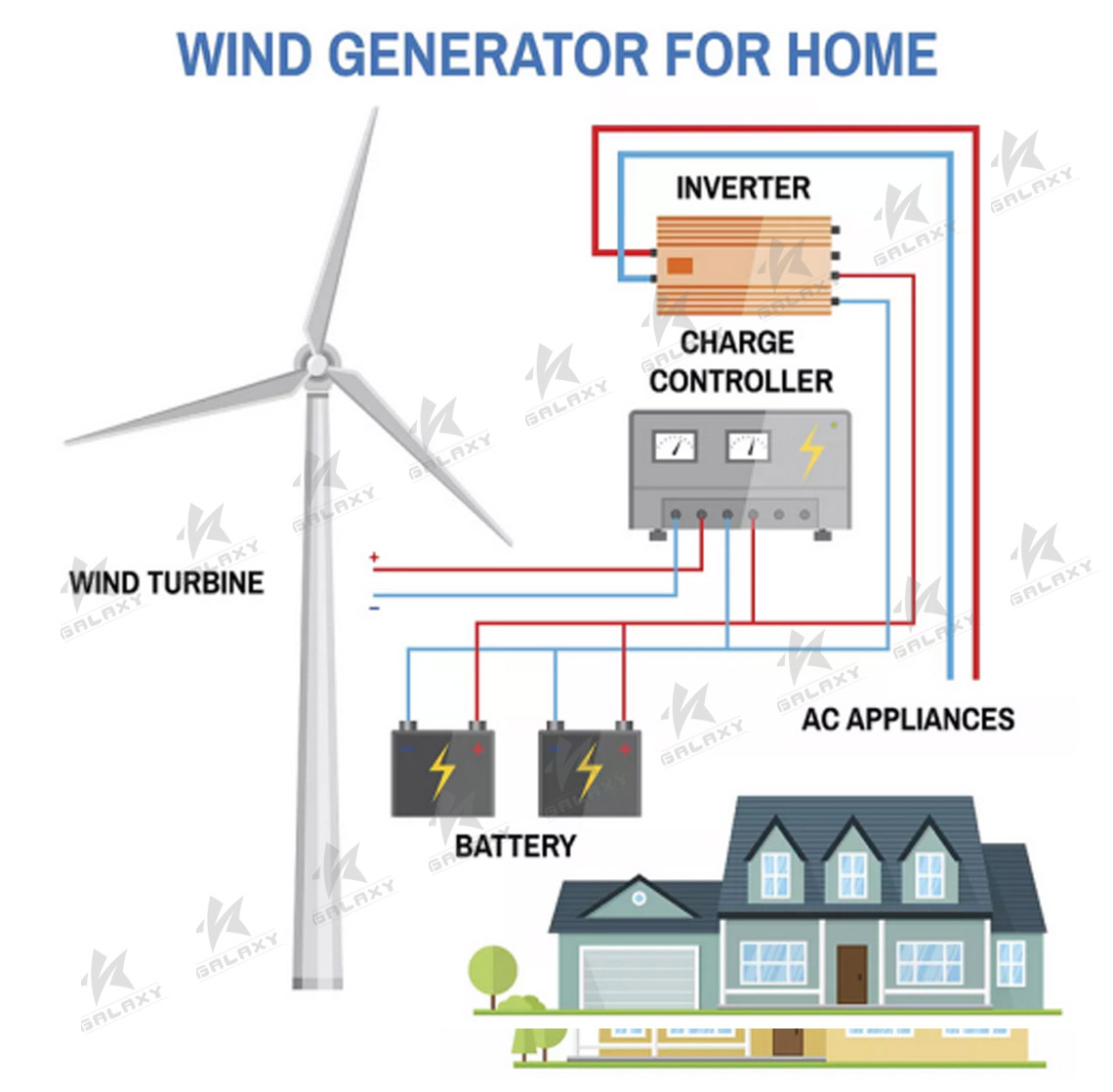
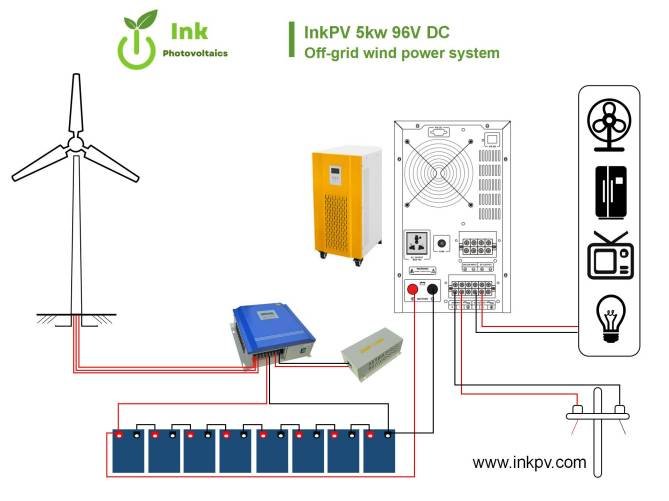
- Electrical Hookup: The wiring from the turbine runs down the tower to a charge controller (if batteries are used), an inverter (to convert DC to AC electricity), and then to your home’s main electrical panel.
- Grid Integration: If grid-tied, the system is connected to the utility grid, often through a separate meter for net metering.
Step 5: Final Inspection and Commissioning
nnBefore the turbine can operate, it needs to be approved.nn
- Permit Inspections: Local building and electrical inspectors will verify the installation meets all code requirements.
- Utility Interconnection: The utility company will perform its own inspection if you’re connecting to the grid.
- Commissioning: Once approved, the system is started, and its performance is monitored to ensure it’s operating correctly and safely.
This is NOT a DIY project. Professional installers are essential for safety, compliance, and optimal performance.nn
Living with Your Turbine: Maintenance, Safety, and Long-Term Performance
nnSo, it’s installed, it’s spinning, and you’re making power! Now what? Like any sophisticated machinery, a wind turbine requires ongoing care.nn
Essential Maintenance Schedule: Keeping Your Blades Turning
nnRegular maintenance ensures longevity and efficiency. Your installer should provide a detailed schedule, but here’s a general idea:nn
- Annual Inspection: A professional should inspect the blades for cracks or damage, check all bolts and fasteners for tightness, lubricate moving parts (bearings, yaw mechanism), inspect electrical connections, and verify the braking system.
- Bi-annual or Quarterly Checks (DIY): You can visually inspect the turbine and tower for any obvious issues (loose wires, unusual noises, visible damage). Ensure the area around the tower base is clear.
- Cleaning: Blades may need cleaning if dirt or debris accumulation is affecting aerodynamics.
- Component Lifespan: Inverters, batteries (if applicable), and certain mechanical parts have finite lifespans and will need replacement over time.
Safety First: During Installation and Operation
nnSafety is paramount, both during and after installation.nn
- Professional Installation: As stressed, never attempt to install a turbine yourself due to the height, weight, and electrical complexities.
- Lockout/Tagout: Ensure the turbine’s power is completely disconnected and locked out during any maintenance or repair work.
- High Voltage: Always assume electrical components are live and dangerous.
- Rotating Blades: Never approach a spinning turbine. Modern turbines have braking systems for maintenance or high winds, but always exercise extreme caution.
- Tower Integrity: Regularly inspect the tower and guy wires (if applicable) for corrosion, damage, or tension issues.
- Emergency Shutdown: Understand how to safely shut down the system in an emergency.
Troubleshooting Common Issues
nnSometimes, things go wrong. Common issues might include:nn
- Reduced Output: Could be due to lower wind speeds, blade icing, or a technical fault.
- Unusual Noises: Bearings might be worn, or blades could be unbalanced.
- Failure to Start/Stop: Issues with the controller or braking mechanism.
- Grid Interconnection Problems: Faults with the inverter or utility connection.
nnFor anything beyond a minor visual check, contact your installer or a qualified technician.nn
The Environmental and Community Impact: Noise, Visuals, and Wildlife
nnWhile wind power is clean, it’s not without local impacts:nn
- Noise: While modern turbines are quieter, they do produce sound. This can be a concern for neighbors, especially in quieter environments.
- Visual Impact: A tall turbine is a prominent feature. Some find them aesthetically pleasing symbols of clean energy; others find them an eyesore. This is why good neighbor communication is crucial.
- Wildlife: Bird and bat mortality from turbine collisions is a concern, though usually more for large wind farms. Small residential turbines generally pose a lower risk but should still be sited carefully away from known migratory paths.
Making the Final Decision: Is Residential Wind Power for You?
nnAdding a wind turbine to your home is an ambitious and potentially rewarding endeavor. You’re not just buying a piece of equipment; you’re investing in a lifestyle, a commitment to clean energy, and a significant structural addition to your property.nnBased on everything we’ve covered, it’s clear that home wind power is best suited for a specific homeowner: someone with a large, consistently windy property, a high energy demand, a willingness to navigate complex regulations, and the financial capacity for a substantial long-term investment.nnFor many, solar remains the more accessible and often more cost-effective residential renewable energy solution. But if your site checks the right boxes for wind, and you’re prepared for the journey, harnessing the power of the wind can be an incredibly empowering and impactful way to reduce your carbon footprint and energy bills.nnMy strongest advice? Start with a professional wind resource assessment and a thorough consultation with a reputable small wind installer. Get multiple quotes and ask for references. Their expertise will be your most valuable asset in making an informed decision.
Frequently Asked Questions
How much does it cost to install a wind turbine for a home?
The cost for a residential wind turbine system (1 kW to 10 kW) typically ranges from $10,000 to $70,000 or more, fully installed. This includes the turbine, tower, inverter, installation labor, foundation work, and permits. This figure can be significantly reduced by federal, state, and local incentives like the 30% federal tax credit.
Is a home wind turbine feasible for most homeowners?
No, home wind turbines are not feasible for most homeowners. They require specific conditions, including consistently high average annual wind speeds (10-12 mph minimum), ample unobstructed land, and a significant upfront investment. For most residential properties, solar panels are a more practical and cost-effective renewable energy solution.
How do I know if my property has enough wind for a turbine?
You need a professional wind resource assessment. This involves analyzing local wind data and potentially conducting on-site measurements with an anemometer. The turbine’s rotor also needs to be at least 30 feet higher than any obstacles within a 500-foot radius to capture clean, strong wind.
What kind of maintenance does a home wind turbine require?
Home wind turbines require annual professional inspections including checking blades for damage, lubricating moving parts, tightening fasteners, and verifying electrical connections. Homeowners can perform visual checks bi-annually. Inverters and batteries (if applicable) also have finite lifespans and will need replacement.
Are there permits required for installing a residential wind turbine?
Yes, absolutely. Installing a wind turbine typically requires multiple permits, including building permits, electrical permits, and zoning permits. You’ll likely encounter challenges with height restrictions, setback requirements, noise ordinances, and visual impact concerns. It’s crucial to consult your local planning department and a qualified installer early in the process.
Can I install a wind turbine myself?
No, installing a home wind turbine is a highly complex and dangerous process that is NOT a DIY project. It involves heavy equipment, working at significant heights, specialized electrical connections, and complex foundation work. Professional, certified installers are essential for safety, compliance with building codes, and optimal performance.