Unlock Energy Independence: The Definitive Guide to the Best Home Wind Turbine Systems
Are you tired of skyrocketing electricity bills? Do you dream of a home powered by clean, renewable energy, free from the whims of the grid? A home wind turbine system might be your answer. But let’s be honest, navigating the world of residential wind power can feel like trying to catch the wind itself – confusing, complex, and full of technical jargon.
Table of Contents
- Unlock Energy Independence: The Definitive Guide to the Best Home Wind Turbine Systems
- Is a Home Wind Turbine Right for Your Property? (The “When Does It Make Sense” Factor)
- Assessing Your Wind Resource: Beyond a Breeze
- Rural vs. Urban: Location, Location, Location
- Energy Needs & Bill Size: Crunching the Numbers
- Zoning, Permitting, and Local Regulations: The Bureaucratic Hurdle
- Understanding Home Wind Turbine Types & Technology
- Horizontal Axis Wind Turbines (HAWTs): The Classic Choice
- Vertical Axis Wind Turbines (VAWTs): Urban & Low Wind Friendly
- Grid-Tied vs. Off-Grid Systems: What’s Your Goal?
- Hybrid Wind-Solar Systems: The Ultimate Combo
- Key Factors to Consider When Choosing a Home Wind Turbine
- Power Output (Wattage): Matching Your Consumption
- Start-Up Wind Speed: Crucial for Performance
- Noise Level: Don’t Disturb the Neighbors (or Yourself)
- Durability & Materials: Built to Last
- Maintenance & Warranty: Long-Term Peace of Mind
- Tower Height & Installation Complexity
- Cost: Initial Investment vs. Long-Term Savings
- Our Top Recommendations: Best Home Wind Turbine Systems for 2024
- Best All-Rounder for Moderate Winds: Pikasola Wind Turbine Generator
- Best Value for Entry-Level Self-Sufficiency: Automaxx Windmill (DB-400)
- Best for Slightly Higher Output: Dyna-Living 600W HAWT
- Best High-Output System for Serious Energy Needs: Tumo-Int 1000W HAWT
- Best for Urban/Suburban or Low-Noise Preferences: TESUP Atlas 2.0 VAWT
- The Numbers Game: Cost, ROI, and Sizing Your System
- Breakdown of Costs: Turbine, Tower, Inverter, Batteries, Installation
- Calculating Your Return on Investment (ROI)
- How to Size Your System: A Step-by-Step Approach
- Grants, Incentives, and Rebates: Lowering Your Investment
- Installation & Maintenance: What to Expect
- Professional Installation: Why It’s Often Best
- DIY Considerations: Is It Feasible?
- Essential Maintenance Tips for Longevity
- Conclusion: Harness the Wind, Power Your Future
- Unlock Energy Independence: The Definitive Guide to the Best Home Wind Turbine Systems
- Is a Home Wind Turbine Right for Your Property? (The “When Does It Make Sense” Factor)
- Assessing Your Wind Resource: Beyond a Breeze
- Rural vs. Urban: Location, Location, Location
- Energy Needs & Bill Size: Crunching the Numbers
- Zoning, Permitting, and Local Regulations: The Bureaucratic Hurdle
- Understanding Home Wind Turbine Types & Technology
- Horizontal Axis Wind Turbines (HAWTs): The Classic Choice
- Vertical Axis Wind Turbines (VAWTs): Urban & Low Wind Friendly
- Grid-Tied vs. Off-Grid Systems: What’s Your Goal?
- Hybrid Wind-Solar Systems: The Ultimate Combo
- Key Factors to Consider When Choosing a Home Wind Turbine
- Power Output (Wattage): Matching Your Consumption
- Start-Up Wind Speed: Crucial for Performance
- Noise Level: Don’t Disturb the Neighbors (or Yourself)
- Durability & Materials: Built to Last
- Maintenance & Warranty: Long-Term Peace of Mind
- Tower Height & Installation Complexity
- Cost: Initial Investment vs. Long-Term Savings
- Our Top Recommendations: Best Home Wind Turbine Systems for 2024
- Best All-Rounder for Moderate Winds: Pikasola Wind Turbine Generator
- Best Value for Entry-Level Self-Sufficiency: Automaxx Windmill (DB-400)
- Best for Slightly Higher Output: Dyna-Living 600W HAWT
- Best High-Output System for Serious Energy Needs: Tumo-Int 1000W HAWT
- Best for Urban/Suburban or Low-Noise Preferences: TESUP Atlas 2.0 VAWT
- The Numbers Game: Cost, ROI, and Sizing Your System
- Breakdown of Costs: Turbine, Tower, Inverter, Batteries, Installation
- Calculating Your Return on Investment (ROI)
- How to Size Your System: A Step-by-Step Approach
- Grants, Incentives, and Rebates: Lowering Your Investment
- Installation & Maintenance: What to Expect
- Professional Installation: Why It’s Often Best
- DIY Considerations: Is It Feasible?
- Essential Maintenance Tips for Longevity
- Conclusion: Harness the Wind, Power Your Future
As someone who’s dug deep into the practicalities and pitfalls of home energy solutions, I’m here to tell you that powering your home with wind is not only possible but increasingly accessible. This isn’t just about saving a few bucks; it’s about achieving genuine energy independence and making a tangible impact on your carbon footprint. But before you buy the first turbine you see, we need to ask the critical questions: Is it right for *your property? What kind of system makes the most sense? And, most importantly, which are the best home wind turbine systems on the market today?
Forget the fluffy intros; we’re diving straight into what you need to know to make an informed decision. By the end of this guide, you’ll have a clear roadmap to harnessing the wind’s power for your home.
Is a Home Wind Turbine Right for Your Property? (The “When Does It Make Sense” Factor)
Before we talk about specific models, let’s address the elephant in the room: residential wind power isn’t a one-size-fits-all solution. Its viability depends heavily on your specific circumstances. Let’s break down the essential factors.
Assessing Your Wind Resource: Beyond a Breeze
This is the absolute most critical factor. A wind turbine needs consistent, strong wind to be effective. A gentle breeze is great for flying a kite, but not for generating significant electricity. You’re looking for an average annual wind speed of at least 10-12 mph (4.5-5.5 m/s) at your proposed turbine height. How do you find this out?
- Local Data: Check with your local airport, weather stations, or state energy office for historical wind data.
- Online Resources: The Department of Energy’s WINDExchange offers wind resource maps.
- Professional Site Assessment: For serious consideration, a professional installer can conduct a site assessment using anemometers (wind meters) over a period to get precise data.
Without adequate wind, even the best turbine is just an expensive lawn ornament.
Rural vs. Urban: Location, Location, Location
Generally, rural properties are far better suited for home wind turbines. Why?
- Clear Airflow: Less obstruction from buildings, trees, and other structures means smoother, more consistent wind.
- Space: Turbines, especially larger ones, require significant setback from property lines and buildings for safety and optimal performance.
- Noise: While modern turbines are quieter, they still produce some noise. Rural settings help mitigate potential neighbor complaints.
- Zoning: Rural areas often have more permissive zoning laws regarding tower height and renewable energy installations.
Urban and suburban environments often present too many obstructions, insufficient space, and stricter zoning, making wind power less practical or impossible.
Energy Needs & Bill Size: Crunching the Numbers
Take a look at your electricity bills. Are you a high-energy consumer? If your monthly electricity usage is consistently high (e.g., over 800-1000 kWh), and your bills are substantial, the financial incentives for a wind turbine increase. The more electricity you use, the more potential savings you stand to gain from generating your own power.
Conversely, if your energy consumption is very low, the long-term savings might not justify the initial investment, even with good wind resources.
Zoning, Permitting, and Local Regulations: The Bureaucratic Hurdle
This is where many aspiring wind power enthusiasts hit a wall. Local governments have varying regulations regarding:
- Tower Height: Limits on how tall your turbine can be.
- Setbacks: Minimum distances from property lines, roads, and buildings.
- Noise Ordinances: Limits on decibel levels.
- Building Codes: Structural requirements for towers.
- Aesthetics: Some communities have rules about visible structures.
Before you commit to anything, contact your local planning department and homeowners’ association (if applicable) to understand their specific requirements. This step is non-negotiable.
Understanding Home Wind Turbine Types & Technology
Not all wind turbines are created equal. Knowing the basic types helps you choose the right fit for your situation.
Horizontal Axis Wind Turbines (HAWTs): The Classic Choice
These are what most people picture: the iconic propeller-style turbines, with blades rotating around a horizontal axis. They are the most common and generally most efficient type for residential use, especially in areas with consistent, unidirectional wind.
- Pros: High efficiency, well-established technology, available in various sizes.
- Cons: Require a yaw mechanism to turn into the wind, can be visually prominent, some noise.
Vertical Axis Wind Turbines (VAWTs): Urban & Low Wind Friendly
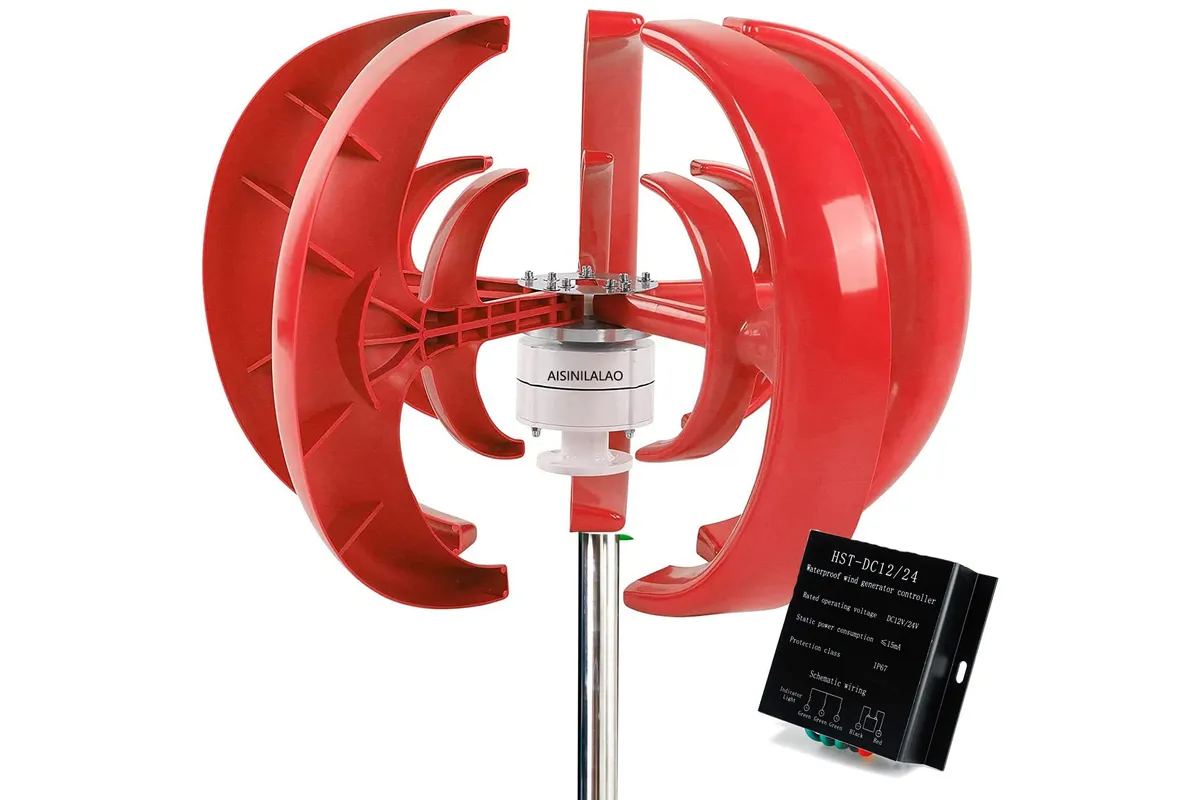
VAWTs have blades that rotate around a vertical axis. They often look like egg beaters or Savonius rotors. They are less common for large-scale power generation but are gaining traction for smaller residential applications.
- Pros: Don’t need to orient into the wind, often quieter, compact design, better performance in turbulent or gusty winds (common in urban settings), lower profile.
- Cons: Generally less efficient than HAWTs of comparable size, can be more expensive per watt.
Grid-Tied vs. Off-Grid Systems: What’s Your Goal?
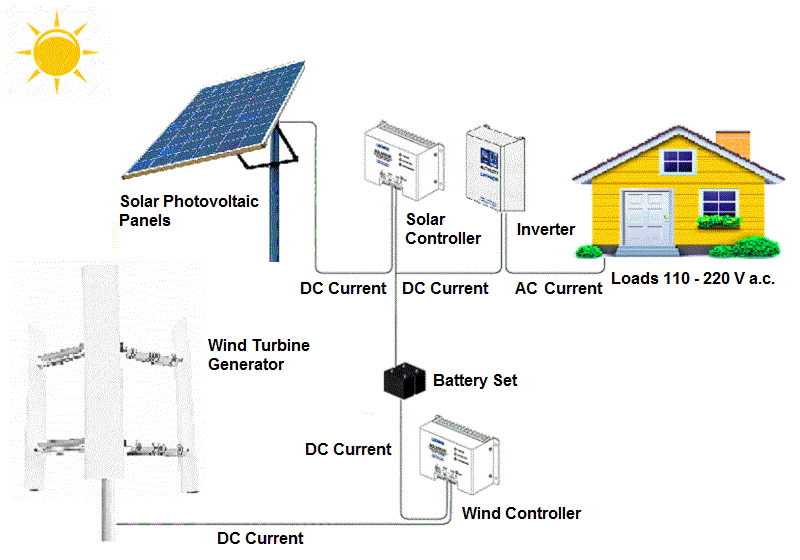
- Grid-Tied: Your turbine generates electricity, which first powers your home. Excess power is fed back into the utility grid, and you might receive credits (net metering). When the wind isn’t blowing, you draw power from the grid. This is the most common and often most cost-effective approach for homes still connected to utility power.
- Off-Grid: Your home is completely independent of the utility grid. All power comes from your wind turbine (and often solar panels) and is stored in a battery bank. This requires a larger upfront investment in batteries and often a backup generator. Ideal for remote locations without grid access or for those seeking complete energy autonomy.
Hybrid Wind-Solar Systems: The Ultimate Combo
This is often the smartest long-term solution. Wind and solar energy production are often complementary: when it’s sunny, solar panels generate power; when it’s cloudy or at night, wind turbines can often pick up the slack. This combination provides a more reliable and consistent energy supply than either system alone, maximizing your energy resilience.
Key Factors to Consider When Choosing a Home Wind Turbine
So, you’ve decided a wind turbine might be a good fit. Now, how do you pick the right one? Here are the critical factors.
Power Output (Wattage): Matching Your Consumption
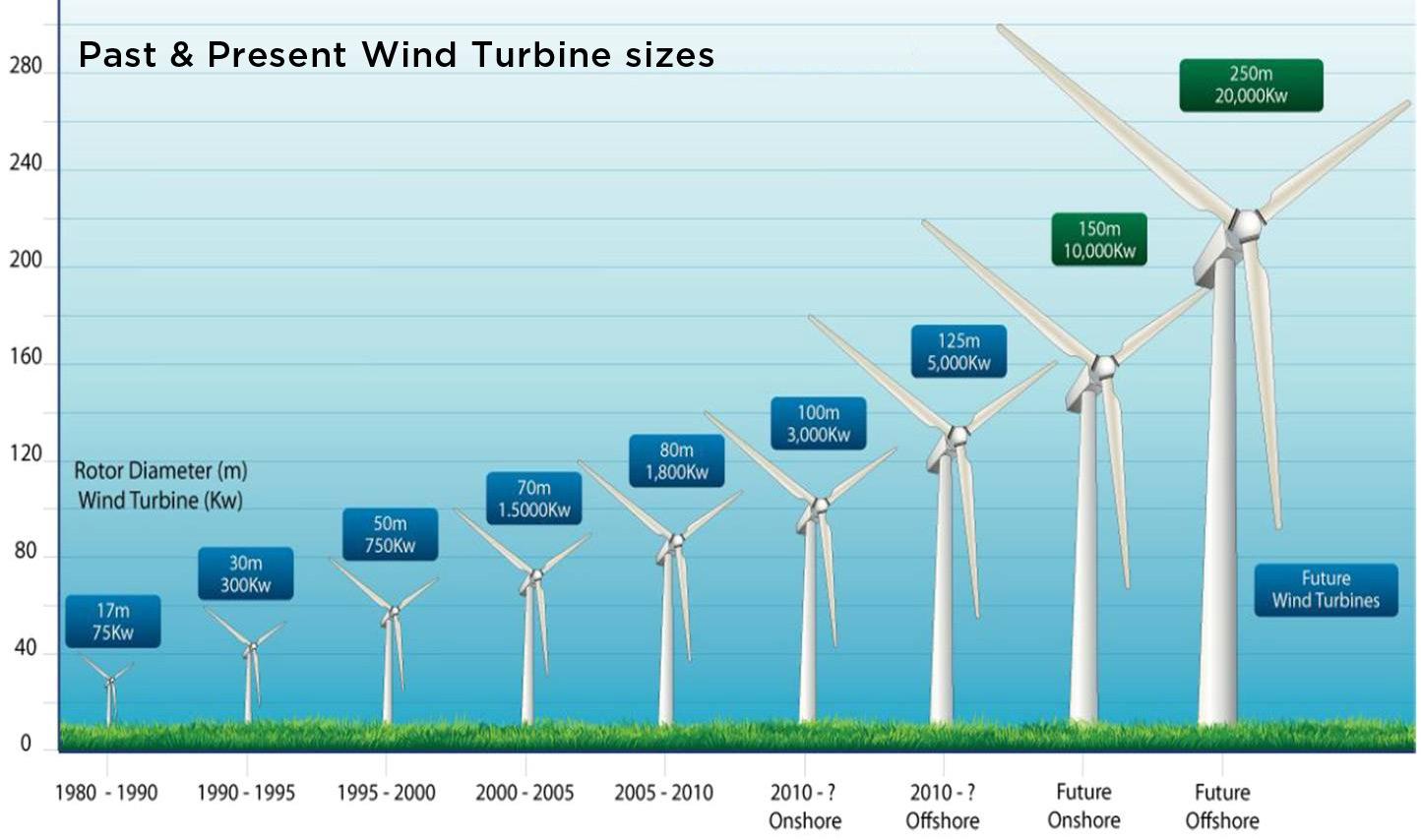
Turbines are rated by their peak power output in watts (W) or kilowatts (kW). Common residential sizes range from 400W to 10kW. To determine what you need, review your average daily or monthly electricity consumption (in kWh) and factor in your local wind resource. A 1000W (1kW) turbine, for instance, might generate 100-200 kWh per month in a good wind location, which could offset a significant portion of an average home’s usage (around 900 kWh/month in the USA).
Start-Up Wind Speed: Crucial for Performance
This is the minimum wind speed required for the turbine blades to start turning and generating electricity. A lower start-up wind speed means your turbine will be producing power more often. Look for turbines with start-up speeds around 5-7 mph (2-3 m/s) for optimal performance, especially in areas where wind isn’t always gale-force.
Noise Level: Don’t Disturb the Neighbors (or Yourself)
Modern residential turbines are significantly quieter than their industrial counterparts. Look for specifications measured in decibels (dB) at a certain distance and wind speed. A good target is below 50-55 dB at typical operating speeds, measured at a reasonable distance (e.g., 60 feet). VAWTs are often inherently quieter than HAWTs.
Durability & Materials: Built to Last
Your turbine will endure harsh weather conditions. Look for robust construction materials like anodized aluminum, fiberglass-reinforced composite blades, and marine-grade coatings for corrosion resistance. A sturdy build minimizes maintenance and extends lifespan.
Maintenance & Warranty: Long-Term Peace of Mind
Like any mechanical system, turbines require periodic checks. Look for models known for low maintenance (e.g., sealed bearings, direct drive systems). A good warranty (e.g., 3-5 years on the turbine, longer on the inverter) indicates manufacturer confidence in product longevity.
Tower Height & Installation Complexity
Taller towers access faster, less turbulent wind, leading to higher energy production. However, taller towers are more expensive and complex to install. Consider both your wind resource and local regulations when determining optimal tower height.
Cost: Initial Investment vs. Long-Term Savings
The upfront cost can be significant. However, focus on the total cost of ownership and the potential for Return on Investment (ROI) through reduced electricity bills and possible incentives. We’ll delve deeper into costs shortly.

Our Top Recommendations: Best Home Wind Turbine Systems for 2024
Based on performance, user reviews, features, and suitability for residential applications, here are some of the standout home wind turbine systems and types to consider. Keep in mind that specific models can evolve, so always check the latest versions and specifications.
| Feature | Pikasola 400W 12V HAWT | Automaxx Windmill (DB-400) 400W 12V HAWT | Dyna-Living 600W 12V HAWT | Tumo-Int 1000W 24V HAWT | TESUP Atlas 2.0 VAWT |
|---|---|---|---|---|---|
| Type | Horizontal Axis | Horizontal Axis | Horizontal Axis | Horizontal Axis | Vertical Axis |
| Rated Power Output | 400W | 400W | 600W | 1000W | Up to 1000W (depending on model) |
| Start-Up Wind Speed | ~5.6 mph (2.5 m/s) | ~6.7 mph (3 m/s) | ~5.6 mph (2.5 m/s) | ~6.7 mph (3 m/s) | ~4.5 mph (2 m/s) |
| Blades | 5 Nylon Fiber | 5 Nylon Fiber | 5 Nylon Fiber | 3 or 5 Carbon Fiber | Vertical (unique design) |
| Voltage Output | 12V DC | 12V DC | 12V DC | 24V DC | 24V/48V AC |
| Controller Included? | Yes (Charge Controller) | Yes (MPPT Charge Controller) | Yes (Charge Controller) | Yes (MPPT Charge Controller) | Yes (Charge Controller) |
| Key Feature | Good all-rounder, popular entry-level for off-grid RVs/boats. | Robust build, low vibration, often seen in marine applications. | Slightly higher output than 400W models, good value. | Higher output for more significant energy demands, durable. | Quiet, omnidirectional, sleek design, good for urban/suburban. |
Best All-Rounder for Moderate Winds: Pikasola Wind Turbine Generator
The Pikasola 400W 12V system is a consistent favorite for those dipping their toes into home wind power. It’s a solid, reliable HAWT that offers a good balance of performance and affordability. Its low start-up wind speed means it’s often generating power when others aren’t. Ideal for small cabins, RVs, boats, or supplemental power for a home in a moderately windy location.
Best Value for Entry-Level Self-Sufficiency: Automaxx Windmill (DB-400)
Similar to Pikasola, the Automaxx DB-400 is another excellent 400W option. What sets it apart for some users is its reputation for durability and relatively quiet operation for an HAWT in this class. It’s a workhorse often chosen for marine environments or robust off-grid setups where reliability is paramount, making it a great entry point.
Best for Slightly Higher Output: Dyna-Living 600W HAWT
Stepping up a notch, the Dyna-Living 600W offers that extra boost of power without a massive jump in complexity or cost. If you need a bit more than the 400W models can provide for charging batteries or supplementing a small home, this is a strong contender. It maintains a good start-up wind speed and reliable performance, often making it a cost-effective upgrade.
Best High-Output System for Serious Energy Needs: Tumo-Int 1000W HAWT
When you’re looking to make a more significant dent in your electricity bill or support a larger off-grid system, the Tumo-Int 1000W system delivers. With its higher wattage and often 24V output (requiring compatible inverters/charge controllers), it’s built for more substantial energy generation. Its robust construction is designed to handle the demands of consistent, higher power production.
Best for Urban/Suburban or Low-Noise Preferences: TESUP Atlas 2.0 VAWT
For those in more confined spaces or sensitive to noise, the TESUP Atlas 2.0 (and similar VAWTs) stands out. Its vertical axis design means it doesn’t need to pivot into the wind and is generally quieter. While some VAWTs are less efficient than HAWTs, the Atlas series is designed for optimal performance in turbulent conditions and offers a sleek, modern aesthetic that can be more acceptable in residential settings. It’s a great choice for hybrid systems where space or visual impact is a concern.
The Numbers Game: Cost, ROI, and Sizing Your System
Let’s talk money and how to ensure your investment pays off.
Breakdown of Costs: Turbine, Tower, Inverter, Batteries, Installation
The cost of a home wind turbine system can vary wildly, generally ranging from $3,000 to $30,000 or more, depending on system size, components, and installation complexity. Here’s a breakdown:
- Turbine Itself: From $500 (for small 400W units) to $10,000+ (for 5kW+ units).
- Tower: This is often as expensive as the turbine. Expect $1,000 – $10,000+ for a quality tower (guyed or freestanding) and foundation.
- Inverter: If grid-tied or using AC appliances, you’ll need an inverter to convert DC power from the turbine to AC. Costs $500 – $3,000+.
- Batteries (for off-grid or hybrid with storage): This is a significant expense, ranging from $2,000 – $15,000+ for a robust bank (e.g., lithium-ion or deep-cycle lead-acid).
- Balance of System (BOS): Wiring, disconnects, charge controller (often included with turbine), grounding equipment, etc. ($500 – $2,000+).
- Installation: Professional installation can add 30-50% to the total cost, but it ensures safety, compliance, and optimal performance. Expect $2,000 – $10,000+.
A typical 1-5 kW grid-tied system, professionally installed, might cost between $15,000 and $25,000 before incentives.
Calculating Your Return on Investment (ROI)
ROI for a wind turbine system depends on several factors:
- Your electricity rates: Higher rates mean faster payback.
- Your wind resource: More wind = more generation = more savings.
- System cost: Lower initial cost = faster payback.
- Incentives: Tax credits and rebates significantly reduce upfront costs.
For a well-sited system in a high-wind area with good incentives, you might see an ROI in 5-10 years. In less ideal conditions, it could be longer (15-20+ years) or not financially viable on its own.
How to Size Your System: A Step-by-Step Approach
Sizing is crucial for meeting your needs without overspending. Here’s a simplified process:
- Calculate Your Average Daily Energy Consumption (kWh): Look at past electricity bills. Divide your monthly kWh by 30 to get a daily average.
- Determine Your Site’s Average Wind Speed: Use the resources mentioned earlier (WINDExchange, local data, professional assessment).
- Estimate Turbine Output: Manufacturers provide power curves that show how much energy a turbine generates at various wind speeds. Consult these carefully. Remember, rated power is peak, not average.
- Factor in System Losses: Account for efficiency losses in inverters, wiring, and batteries (typically 15-25%).
- Match Production to Consumption: Aim for a system that can meet or exceed your average daily/monthly consumption, considering peak and low wind periods. For hybrid systems, you’ll combine wind and solar output estimates.
Example: If you use 30 kWh/day and your site has an average 12 mph wind, you’d need a turbine (or combination) that can reliably produce about 30-35 kWh per day after losses.
Grants, Incentives, and Rebates: Lowering Your Investment
Don’t overlook these! The U.S. federal government offers the Investment Tax Credit (ITC) for renewable energy systems, including wind. This can cover a significant percentage (e.g., 30%) of your system’s cost. Many states, counties, and even utilities offer additional rebates, grants, or property tax exemptions for renewable energy installations. Check the Database of State Incentives for Renewables & Efficiency (DSIRE) for a comprehensive, up-to-date list applicable to your area.
Installation & Maintenance: What to Expect
Getting your system up and running, and keeping it that way, requires some planning.
Professional Installation: Why It’s Often Best
Unless you have extensive electrical and construction experience, professional installation is highly recommended. Here’s why:
- Safety: Working with tall towers, heavy equipment, and high voltages is dangerous.
- Expertise: Professionals ensure proper siting, foundation, wiring, and grid connection.
- Compliance: They handle permitting, zoning, and electrical code compliance.
- Warranty: Incorrect installation can void warranties.
- Performance: A properly installed system will perform optimally and last longer.
Find reputable installers who specialize in wind energy in your region. Ask for references and proof of insurance.
DIY Considerations: Is It Feasible?
For very small, low-wattage systems (e.g., for RVs or remote battery charging), DIY is more feasible. However, for anything connected to your home’s main electrical system or requiring a tall tower, the risks and complexities usually outweigh the cost savings of DIY. If you choose DIY, ensure you have a certified electrician inspect and connect the system to your home’s electrical panel.
Essential Maintenance Tips for Longevity
Home wind turbines are relatively low maintenance, but they aren’t entirely set-it-and-forget-it. Key tasks include:
- Annual Visual Inspection: Check for loose bolts, damaged blades, worn cables, and corrosion.
- Component Checks: Inspect the charge controller, inverter, and batteries (if applicable).
- Greasing (if required): Some turbines have grease points for bearings.
- Blade Cleaning: Remove dirt, debris, or ice buildup to maintain efficiency.
- Guy Wire Tension (if applicable): Periodically check tension on guyed towers.
Consult your turbine’s user manual for specific maintenance schedules and procedures. Professional check-ups every few years can also be a good idea.
Conclusion: Harness the Wind, Power Your Future
Investing in a home wind turbine system is a significant decision, but one that can lead to substantial financial savings, increased energy independence, and a reduced environmental impact. It’s not a magic bullet, and success hinges on a thorough understanding of your property’s wind resources, local regulations, and the technical specifications of various systems.
By carefully assessing your needs, choosing a robust system from our recommended types, leveraging available incentives, and ensuring proper installation, you can effectively harness the power of the wind. The future of home energy is shifting, and with the right home wind turbine system, you can be at the forefront of this exciting transformation, enjoying clean, reliable power for years to come.
”
}
{ “content”: “
Unlock Energy Independence: The Definitive Guide to the Best Home Wind Turbine Systems
Are you tired of skyrocketing electricity bills? Do you dream of a home powered by clean, renewable energy, free from the whims of the grid? A home wind turbine system might be your answer. But let’s be honest, navigating the world of residential wind power can feel like trying to catch the wind itself – confusing, complex, and full of technical jargon.
As someone who’s dug deep into the practicalities and pitfalls of home energy solutions, I’m here to tell you that powering your home with wind is not only possible but increasingly accessible. This isn’t just about saving a few bucks; it’s about achieving genuine energy independence and making a tangible impact on your carbon footprint. But before you buy the first turbine you see, we need to ask the critical questions: Is it right for your* property? What kind of system makes the most sense? And, most importantly, which are the best home wind turbine systems on the market today?
Forget the fluffy intros; we’re diving straight into what you need to know to make an informed decision. By the end of this guide, you’ll have a clear roadmap to harnessing the wind’s power for your home.
Is a Home Wind Turbine Right for Your Property? (The “When Does It Make Sense” Factor)
Before we talk about specific models, let’s address the elephant in the room: residential wind power isn’t a one-size-fits-all solution. Its viability depends heavily on your specific circumstances. Let’s break down the essential factors.
Assessing Your Wind Resource: Beyond a Breeze
This is the absolute most critical factor. A wind turbine needs consistent, strong wind to be effective. A gentle breeze is great for flying a kite, but not for generating significant electricity. You’re looking for an average annual wind speed of at least 10-12 mph (4.5-5.5 m/s) at your proposed turbine height. How do you find this out?
- Local Data: Check with your local airport, weather stations, or state energy office for historical wind data.
- Online Resources: The Department of Energy’s WINDExchange offers wind resource maps.
- Professional Site Assessment: For serious consideration, a professional installer can conduct a site assessment using anemometers (wind meters) over a period to get precise data.
Without adequate wind, even the best turbine is just an expensive lawn ornament.
Rural vs. Urban: Location, Location, Location
Generally, rural properties are far better suited for home wind turbines. Why?
- Clear Airflow: Less obstruction from buildings, trees, and other structures means smoother, more consistent wind.
- Space: Turbines, especially larger ones, require significant setback from property lines and buildings for safety and optimal performance.
- Noise: While modern turbines are quieter, they still produce some noise. Rural settings help mitigate potential neighbor complaints.
- Zoning: Rural areas often have more permissive zoning laws regarding tower height and renewable energy installations.
Urban and suburban environments often present too many obstructions, insufficient space, and stricter zoning, making wind power less practical or impossible.
Energy Needs & Bill Size: Crunching the Numbers
Take a look at your electricity bills. Are you a high-energy consumer? If your monthly electricity usage is consistently high (e.g., over 800-1000 kWh), and your bills are substantial, the financial incentives for a wind turbine increase. The more electricity you use, the more potential savings you stand to gain from generating your own power.
Conversely, if your energy consumption is very low, the long-term savings might not justify the initial investment, even with good wind resources.
Zoning, Permitting, and Local Regulations: The Bureaucratic Hurdle
This is where many aspiring wind power enthusiasts hit a wall. Local governments have varying regulations regarding:
- Tower Height: Limits on how tall your turbine can be.
- Setbacks: Minimum distances from property lines, roads, and buildings.
- Noise Ordinances: Limits on decibel levels.
- Building Codes: Structural requirements for towers.
- Aesthetics: Some communities have rules about visible structures.
Before you commit to anything, contact your local planning department and homeowners’ association (if applicable) to understand their specific requirements. This step is non-negotiable.
Understanding Home Wind Turbine Types & Technology
Not all wind turbines are created equal. Knowing the basic types helps you choose the right fit for your situation.
Horizontal Axis Wind Turbines (HAWTs): The Classic Choice
These are what most people picture: the iconic propeller-style turbines, with blades rotating around a horizontal axis. They are the most common and generally most efficient type for residential use, especially in areas with consistent, unidirectional wind.
- Pros: High efficiency, well-established technology, available in various sizes.
- Cons: Require a yaw mechanism to turn into the wind, can be visually prominent, some noise.
Vertical Axis Wind Turbines (VAWTs): Urban & Low Wind Friendly
VAWTs have blades that rotate around a vertical axis. They often look like egg beaters or Savonius rotors. They are less common for large-scale power generation but are gaining traction for smaller residential applications.
- Pros: Don’t need to orient into the wind, often quieter, compact design, better performance in turbulent or gusty winds (common in urban settings), lower profile.
- Cons: Generally less efficient than HAWTs of comparable size, can be more expensive per watt.
Grid-Tied vs. Off-Grid Systems: What’s Your Goal?
- Grid-Tied: Your turbine generates electricity, which first powers your home. Excess power is fed back into the utility grid, and you might receive credits (net metering). When the wind isn’t blowing, you draw power from the grid. This is the most common and often most cost-effective approach for homes still connected to utility power.
- Off-Grid: Your home is completely independent of the utility grid. All power comes from your wind turbine (and often solar panels) and is stored in a battery bank. This requires a larger upfront investment in batteries and often a backup generator. Ideal for remote locations without grid access or for those seeking complete energy autonomy.
Hybrid Wind-Solar Systems: The Ultimate Combo
This is often the smartest long-term solution. Wind and solar energy production are often complementary: when it’s sunny, solar panels generate power; when it’s cloudy or at night, wind turbines can often pick up the slack. This combination provides a more reliable and consistent energy supply than either system alone, maximizing your energy resilience.
Key Factors to Consider When Choosing a Home Wind Turbine
So, you’ve decided a wind turbine might be a good fit. Now, how do you pick the right one? Here are the critical factors.
Power Output (Wattage): Matching Your Consumption
Turbines are rated by their peak power output in watts (W) or kilowatts (kW). Common residential sizes range from 400W to 10kW. To determine what you need, review your average daily or monthly electricity consumption (in kWh) and factor in your local wind resource. A 1000W (1kW) turbine, for instance, might generate 100-200 kWh per month in a good wind location, which could offset a significant portion of an average home’s usage (around 900 kWh/month in the USA).
Start-Up Wind Speed: Crucial for Performance
This is the minimum wind speed required for the turbine blades to start turning and generating electricity. A lower start-up wind speed means your turbine will be producing power more often. Look for turbines with start-up speeds around 5-7 mph (2-3 m/s) for optimal performance, especially in areas where wind isn’t always gale-force.
Noise Level: Don’t Disturb the Neighbors (or Yourself)
Modern residential turbines are significantly quieter than their industrial counterparts. Look for specifications measured in decibels (dB) at a certain distance and wind speed. A good target is below 50-55 dB at typical operating speeds, measured at a reasonable distance (e.g., 60 feet). VAWTs are often inherently quieter than HAWTs.
Durability & Materials: Built to Last
Your turbine will endure harsh weather conditions. Look for robust construction materials like anodized aluminum, fiberglass-reinforced composite blades, and marine-grade coatings for corrosion resistance. A sturdy build minimizes maintenance and extends lifespan.
Maintenance & Warranty: Long-Term Peace of Mind
Like any mechanical system, turbines require periodic checks. Look for models known for low maintenance (e.g., sealed bearings, direct drive systems). A good warranty (e.g., 3-5 years on the turbine, longer on the inverter) indicates manufacturer confidence in product longevity.
Tower Height & Installation Complexity
Taller towers access faster, less turbulent wind, leading to higher energy production. However, taller towers are more expensive and complex to install. Consider both your wind resource and local regulations when determining optimal tower height.
Cost: Initial Investment vs. Long-Term Savings
The upfront cost can be significant. However, focus on the total cost of ownership and the potential for Return on Investment (ROI) through reduced electricity bills and possible incentives. We’ll delve deeper into costs shortly.
Our Top Recommendations: Best Home Wind Turbine Systems for 2024
Based on performance, user reviews, features, and suitability for residential applications, here are some of the standout home wind turbine systems and types to consider. Keep in mind that specific models can evolve, so always check the latest versions and specifications.
| Feature | Pikasola 400W 12V HAWT | Automaxx Windmill (DB-400) 400W 12V HAWT | Dyna-Living 600W 12V HAWT | Tumo-Int 1000W 24V HAWT | TESUP Atlas 2.0 VAWT |
|---|---|---|---|---|---|
| Type | Horizontal Axis | Horizontal Axis | Horizontal Axis | Horizontal Axis | Vertical Axis |
| Rated Power Output | 400W | 400W | 600W | 1000W | Up to 1000W (depending on model) |
| Start-Up Wind Speed | ~5.6 mph (2.5 m/s) | ~6.7 mph (3 m/s) | ~5.6 mph (2.5 m/s) | ~6.7 mph (3 m/s) | ~4.5 mph (2 m/s) |
| Blades | 5 Nylon Fiber | 5 Nylon Fiber | 5 Nylon Fiber | 3 or 5 Carbon Fiber | Vertical (unique design) |
| Voltage Output | 12V DC | 12V DC | 12V DC | 24V DC | 24V/48V AC |
| Controller Included? | Yes (Charge Controller) | Yes (MPPT Charge Controller) | Yes (Charge Controller) | Yes (MPPT Charge Controller) | Yes (Charge Controller) |
| Key Feature | Good all-rounder, popular entry-level for off-grid RVs/boats. | Robust build, low vibration, often seen in marine applications. | Slightly higher output than 400W models, good value. | Higher output for more significant energy demands, durable. | Quiet, omnidirectional, sleek design, good for urban/suburban. |
Best All-Rounder for Moderate Winds: Pikasola Wind Turbine Generator
The Pikasola 400W 12V system is a consistent favorite for those dipping their toes into home wind power. It’s a solid, reliable HAWT that offers a good balance of performance and affordability. Its low start-up wind speed means it’s often generating power when others aren’t. Ideal for small cabins, RVs, boats, or supplemental power for a home in a moderately windy location.
Best Value for Entry-Level Self-Sufficiency: Automaxx Windmill (DB-400)
Similar to Pikasola, the Automaxx DB-400 is another excellent 400W option. What sets it apart for some users is its reputation for durability and relatively quiet operation for an HAWT in this class. It’s a workhorse often chosen for marine environments or robust off-grid setups where reliability is paramount, making it a great entry point.
Best for Slightly Higher Output: Dyna-Living 600W HAWT
Stepping up a notch, the Dyna-Living 600W offers that extra boost of power without a massive jump in complexity or cost. If you need a bit more than the 400W models can provide for charging batteries or supplementing a small home, this is a strong contender. It maintains a good start-up wind speed and reliable performance, often making it a cost-effective upgrade.
:max_bytes(150000):strip_icc()/wind-turbine-generator-on-house-roof-90967703-b9619befbf954726ae92dfb6154711f2.jpg "Is a Home Wind Turbine Right for You?")
Best High-Output System for Serious Energy Needs: Tumo-Int 1000W HAWT
When you’re looking to make a more significant dent in your electricity bill or support a larger off-grid system, the Tumo-Int 1000W system delivers. With its higher wattage and often 24V output (requiring compatible inverters/charge controllers), it’s built for more substantial energy generation. Its robust construction is designed to handle the demands of consistent, higher power production.
Best for Urban/Suburban or Low-Noise Preferences: TESUP Atlas 2.0 VAWT
For those in more confined spaces or sensitive to noise, the TESUP Atlas 2.0 (and similar VAWTs) stands out. Its vertical axis design means it doesn’t need to pivot into the wind and is generally quieter. While some VAWTs are less efficient than HAWTs, the Atlas series is designed for optimal performance in turbulent conditions and offers a sleek, modern aesthetic that can be more acceptable in residential settings. It’s a great choice for hybrid systems where space or visual impact is a concern.
The Numbers Game: Cost, ROI, and Sizing Your System
Let’s talk money and how to ensure your investment pays off.
Breakdown of Costs: Turbine, Tower, Inverter, Batteries, Installation
The cost of a home wind turbine system can vary wildly, generally ranging from $3,000 to $30,000 or more, depending on system size, components, and installation complexity. Here’s a breakdown:
- Turbine Itself: From $500 (for small 400W units) to $10,000+ (for 5kW+ units).
- Tower: This is often as expensive as the turbine. Expect $1,000 – $10,000+ for a quality tower (guyed or freestanding) and foundation.
- Inverter: If grid-tied or using AC appliances, you’ll need an inverter to convert DC power from the turbine to AC. Costs $500 – $3,000+.
- Batteries (for off-grid or hybrid with storage): This is a significant expense, ranging from $2,000 – $15,000+ for a robust bank (e.g., lithium-ion or deep-cycle lead-acid).
- Balance of System (BOS): Wiring, disconnects, charge controller (often included with turbine), grounding equipment, etc. ($500 – $2,000+).
- Installation: Professional installation can add 30-50% to the total cost, but it ensures safety, compliance, and optimal performance. Expect $2,000 – $10,000+.
A typical 1-5 kW grid-tied system, professionally installed, might cost between $15,000 and $25,000 before incentives.
Calculating Your Return on Investment (ROI)
ROI for a wind turbine system depends on several factors:
- Your electricity rates: Higher rates mean faster payback.
- Your wind resource: More wind = more generation = more savings.
- System cost: Lower initial cost = faster payback.
- Incentives: Tax credits and rebates significantly reduce upfront costs.
For a well-sited system in a high-wind area with good incentives, you might see an ROI in 5-10 years. In less ideal conditions, it could be longer (15-20+ years) or not financially viable on its own.
How to Size Your System: A Step-by-Step Approach
Sizing is crucial for meeting your needs without overspending. Here’s a simplified process:
- Calculate Your Average Daily Energy Consumption (kWh): Look at past electricity bills. Divide your monthly kWh by 30 to get a daily average.
- Determine Your Site’s Average Wind Speed: Use the resources mentioned earlier (WINDExchange, local data, professional assessment).
- Estimate Turbine Output: Manufacturers provide power curves that show how much energy a turbine generates at various wind speeds. Consult these carefully. Remember, rated power is peak, not average.
- Factor in System Losses: Account for efficiency losses in inverters, wiring, and batteries (typically 15-25%).
- Match Production to Consumption: Aim for a system that can meet or exceed your average daily/monthly consumption, considering peak and low wind periods. For hybrid systems, you’ll combine wind and solar output estimates.
Example: If you use 30 kWh/day and your site has an average 12 mph wind, you’d need a turbine (or combination) that can reliably produce about 30-35 kWh per day after losses.
Grants, Incentives, and Rebates: Lowering Your Investment
Don’t overlook these! The U.S. federal government offers the Investment Tax Credit (ITC) for renewable energy systems, including wind. This can cover a significant percentage (e.g., 30%) of your system’s cost. Many states, counties, and even utilities offer additional rebates, grants, or property tax exemptions for renewable energy installations. Check the Database of State Incentives for Renewables & Efficiency (DSIRE) for a comprehensive, up-to-date list applicable to your area.
Installation & Maintenance: What to Expect
Getting your system up and running, and keeping it that way, requires some planning.
Professional Installation: Why It’s Often Best
Unless you have extensive electrical and construction experience, professional installation is highly recommended. Here’s why:
- Safety: Working with tall towers, heavy equipment, and high voltages is dangerous.
- Expertise: Professionals ensure proper siting, foundation, wiring, and grid connection.
- Compliance: They handle permitting, zoning, and electrical code compliance.
- Warranty: Incorrect installation can void warranties.
- Performance: A properly installed system will perform optimally and last longer.
Find reputable installers who specialize in wind energy in your region. Ask for references and proof of insurance.
DIY Considerations: Is It Feasible?
For very small, low-wattage systems (e.g., for RVs or remote battery charging), DIY is more feasible. However, for anything connected to your home’s main electrical system or requiring a tall tower, the risks and complexities usually outweigh the cost savings of DIY. If you choose DIY, ensure you have a certified electrician inspect and connect the system to your home’s electrical panel.
Essential Maintenance Tips for Longevity
Home wind turbines are relatively low maintenance, but they aren’t entirely set-it-and-forget-it. Key tasks include:
- Annual Visual Inspection: Check for loose bolts, damaged blades, worn cables, and corrosion.
- Component Checks: Inspect the charge controller, inverter, and batteries (if applicable).
- Greasing (if required): Some turbines have grease points for bearings.
- Blade Cleaning: Remove dirt, debris, or ice buildup to maintain efficiency.
- Guy Wire Tension (if applicable): Periodically check tension on guyed towers.
Consult your turbine’s user manual for specific maintenance schedules and procedures. Professional check-ups every few years can also be a good idea.
Conclusion: Harness the Wind, Power Your Future
Investing in a home wind turbine system is a significant decision, but one that can lead to substantial financial savings, increased energy independence, and a reduced environmental impact. It’s not a magic bullet, and success hinges on a thorough understanding of your property’s wind resources, local regulations, and the technical specifications of various systems.
By carefully assessing your needs, choosing a robust system from our recommended types, leveraging available incentives, and ensuring proper installation, you can effectively harness the power of the wind. The future of home energy is shifting, and with the right home wind turbine system, you can be at the forefront of this exciting transformation, enjoying clean, reliable power for years to come.
Frequently Asked Questions
How much does a home wind turbine system typically cost?
The cost of a home wind turbine system varies widely based on size, components, and installation. Generally, expect to pay between $3,000 for small units and $30,000 or more for larger, professionally installed systems (1-5 kW), before factoring in any grants or incentives.
How much wind is needed for a home wind turbine to be effective?
For a home wind turbine to be truly effective and provide a good return on investment, your property should have an average annual wind speed of at least 10-12 mph (4.5-5.5 m/s) at the proposed turbine height. Lower start-up wind speeds (5-7 mph) are beneficial for more frequent power generation.
Can I install a wind turbine in a suburban or urban area?
While possible, it’s often more challenging. Urban and suburban areas typically have more obstructions (buildings, trees) leading to turbulent wind, less space, and stricter zoning regulations regarding tower height and noise. Vertical Axis Wind Turbines (VAWTs) can sometimes be a better fit for these environments due to their omnidirectional nature and lower noise profiles.
What’s the difference between Horizontal Axis (HAWT) and Vertical Axis (VAWT) wind turbines?
HAWTs (like traditional windmills) have blades that rotate horizontally, are generally more efficient, and require a yaw mechanism to face the wind. VAWTs have blades that rotate vertically, are often quieter, don’t need to orient into the wind, and perform better in turbulent wind, making them potentially more suitable for residential or urban settings despite being less efficient per square meter of swept area.
Are there incentives or tax credits available for home wind turbines?
Yes, the U.S. federal government offers the Investment Tax Credit (ITC) for renewable energy systems, including qualified residential wind turbines. Many states, counties, and local utilities also provide additional rebates, grants, or property tax exemptions. Check resources like the Database of State Incentives for Renewables & Efficiency (DSIRE) for current information.
How do I determine the right size of wind turbine for my home?
To size your system, first calculate your average daily/monthly electricity consumption (in kWh) from your utility bills. Then, assess your site’s average wind speed. Consult manufacturer power curves to estimate how much energy a turbine can produce at your specific wind conditions, accounting for system losses (15-25%). Aim to match or exceed your consumption with the estimated production.
What kind of maintenance does a home wind turbine require?
Residential wind turbines are relatively low maintenance. Key tasks include annual visual inspections for loose parts or damage, checking electrical components, periodic blade cleaning, and verifying guy wire tension if applicable. Always refer to your specific turbine’s user manual for detailed maintenance schedules and procedures.