
Best Wind Power for Homes: Your Definitive Guide to Harnessing the Wind
Dreaming of ditching those ever-increasing electricity bills? Imagine harnessing the clean, raw power of the wind right from your own property. It sounds incredible, and for many homeowners, it absolutely is. But here’s the thing: while the idea of a personal wind turbine is compelling, figuring out if it’s genuinely right for your home, and which system is the ‘best,’ can feel like navigating a maze.
Table of Contents
- Best Wind Power for Homes: Your Definitive Guide to Harnessing the Wind
- Is Home Wind Power Right For YOU? The Essential Checklist
- Assessing Your Wind Resource: Location, Location, Location
- Space Requirements: Do You Have Enough Room?
- Local Zoning & Permitting: Don’t Get Caught Off Guard
- Your Energy Needs: How Much Power Do You Really Use?
- Budget & ROI: Understanding the Financial Commitment
- Types of Home Wind Turbines: HAWT vs. VAWT & Beyond
- Horizontal Axis Wind Turbines (HAWTs): The Classic Choice
- Vertical Axis Wind Turbines (VAWTs): The Urban-Friendly Option?
- Hybrid Systems: Combining Wind with Solar
- Key Factors When Choosing Your Home Wind Turbine
- Power Output (kW): Matching Turbine to Demand
- Rated Wind Speed & Cut-in Speed: Performance Matters
- Noise Level: Keeping the Peace
- Durability & Maintenance: Long-Term Reliability
- Tower Height & Installation Complexity
- Aesthetics: Blending into Your Property
- Grid-Tied vs. Off-Grid Systems: What’s Your Goal?
- Top Home Wind Turbine Options: A Comparative Look
- The Real Cost of Home Wind Power: What to Expect
- Turbine Purchase Price
- Installation Costs (Tower, Foundation, Wiring)
- Permitting & Interconnection Fees
- Maintenance & Lifespan Costs
- Incentives & Rebates: Making it More Affordable
- Installation & Maintenance: Your Path to Power
- Site Assessment & Professional Consultation
- Permitting & Regulatory Compliance
- Installation Process Overview
- Ongoing Maintenance Tips
Forget the generic sales pitches and confusing jargon. This guide is your no-nonsense, human-centric resource to understanding home wind power. We’ll cut through the noise, helping you assess your situation, explore your options, and make an informed decision about whether a residential wind turbine can truly power your home efficiently and economically.
Is Home Wind Power Right For YOU? The Essential Checklist
Before you even think about turbine models or costs, let’s get real: is your home a good candidate for wind power? Installing a wind turbine isn’t like putting up a solar panel – it has unique requirements. Missing any of these key factors could turn your renewable energy dream into a costly headache. Let’s run through the checklist.
Assessing Your Wind Resource: Location, Location, Location
This is arguably the most critical factor. Wind turbines, simply put, need wind. A lot of it. And consistent wind, not just sporadic gusts. Most residential turbines become truly efficient and cost-effective with average annual wind speeds of at least 10-12 mph (4.5-5.5 m/s). How do you find this out?
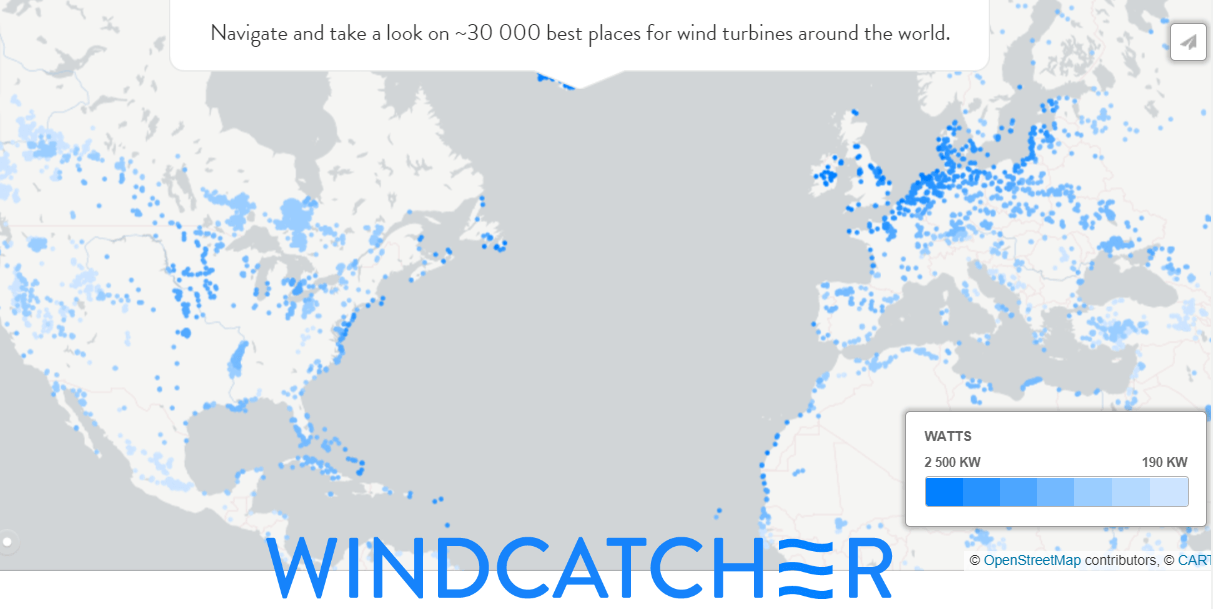
- Online Wind Maps: Resources like the National Renewable Energy Laboratory (NREL) provide wind resource maps that can give you a preliminary idea of your area’s wind potential.
- Local Weather Data: Historical data from nearby airports or weather stations can offer insights, but remember, local topography (hills, valleys, large buildings) can significantly alter wind patterns on your specific property.
- On-Site Assessment: For serious consideration, a professional site assessment using an anemometer (wind speed measuring device) over several months is the most accurate way to determine your true wind resource.
If you live in a sheltered valley, dense urban area, or heavily wooded region, home wind power might be a tough sell.
Space Requirements: Do You Have Enough Room?
Unlike rooftop solar, wind turbines need space – and height. To minimize turbulence from buildings and trees, a turbine’s tower needs to be significantly taller than any obstructions within a certain radius. General rule of thumb: the turbine rotor should be at least 20 feet higher than anything within 300 feet. This often means:
- A sizable plot of land, typically an acre or more, especially for larger systems.
- An open area, free from tall trees, adjacent buildings, or other structures that could block or create turbulent wind.
- Space for the guy wires if it’s a guyed tower, or a robust foundation for a freestanding (self-supporting) tower.
Vertical Axis Wind Turbines (VAWTs) often have a smaller footprint and are less sensitive to turbulence, making them potentially more viable for smaller lots or closer to obstructions, but they still benefit from unobstructed airflow.
Local Zoning & Permitting: Don’t Get Caught Off Guard
This is where many homeowners hit a wall. Local regulations vary wildly from state to state, county to county, and even town to town. You’ll likely encounter rules regarding:
- Height Restrictions: Many communities have limits on building heights, which can impact tower height.
- Setback Requirements: How far the turbine must be from property lines, roads, and other structures.
- Noise Ordinances: While modern turbines are quieter, noise can still be a concern for neighbors.
- Aesthetics: Some communities have strict visual impact guidelines.
- Permitting Process: Expect to apply for building permits, and potentially special use permits.
Always contact your local planning department early in the process. Ignorance of the rules is not a defense, and non-compliance can lead to costly removal or fines.
Your Energy Needs: How Much Power Do You Really Use?
A home wind turbine isn’t a magical energy generator; its size and cost should ideally match your consumption. Look at your past electricity bills to understand your average monthly (kWh) usage. This will help your installer size a system that makes sense, avoiding both undersizing (still reliant on grid) and oversizing (unnecessary cost).
Budget & ROI: Understanding the Financial Commitment
Home wind power is a significant investment. We’ll dive into costs later, but for now, understand that you’re looking at thousands, if not tens of thousands, of dollars. Consider:
- Upfront Costs: Turbine, tower, inverter, batteries (for off-grid), wiring, installation.
- Long-Term Savings: How much will you save on electricity bills?
- Incentives: Are there federal, state, or local tax credits, grants, or rebates available?
- Payback Period: How long will it take for your savings to offset your initial investment?
A realistic understanding of the financial picture is crucial for a successful project.
)
Types of Home Wind Turbines: HAWT vs. VAWT & Beyond
When you picture a wind turbine, you probably think of the giant ones on wind farms – those are Horizontal Axis Wind Turbines. But for homes, there are two main types to consider, each with its own advantages and disadvantages.
Horizontal Axis Wind Turbines (HAWTs): The Classic Choice
These are the most common design, resembling miniature versions of utility-scale turbines. They have blades that rotate around a horizontal axis, facing into the wind. Think propeller-style.
Pros:
- High Efficiency: Generally more efficient at converting wind energy into electricity compared to VAWTs, especially in consistent, high wind conditions.
- Proven Technology: A well-established design with a long track record.
- Higher Power Output: For their size, HAWTs typically generate more power than VAWTs.
Cons:
- Wind Direction Sensitive: Requires a yaw mechanism to turn the rotor into the wind, which can add complexity and potential failure points.
- More Sensitive to Turbulence: Performance degrades significantly in turbulent, gusty conditions often found closer to the ground or near obstructions.
- Higher Noise Potential: Blades cutting through the air at high speeds can generate more noise than VAWTs.
- Larger Footprint (Height): Needs taller towers to access cleaner, less turbulent wind, increasing visual impact and potential zoning issues.
Ideal Scenarios: Rural properties with consistent, strong, unobstructed wind, ample land, and minimal visual/noise concerns from neighbors.
Vertical Axis Wind Turbines (VAWTs): The Urban-Friendly Option?
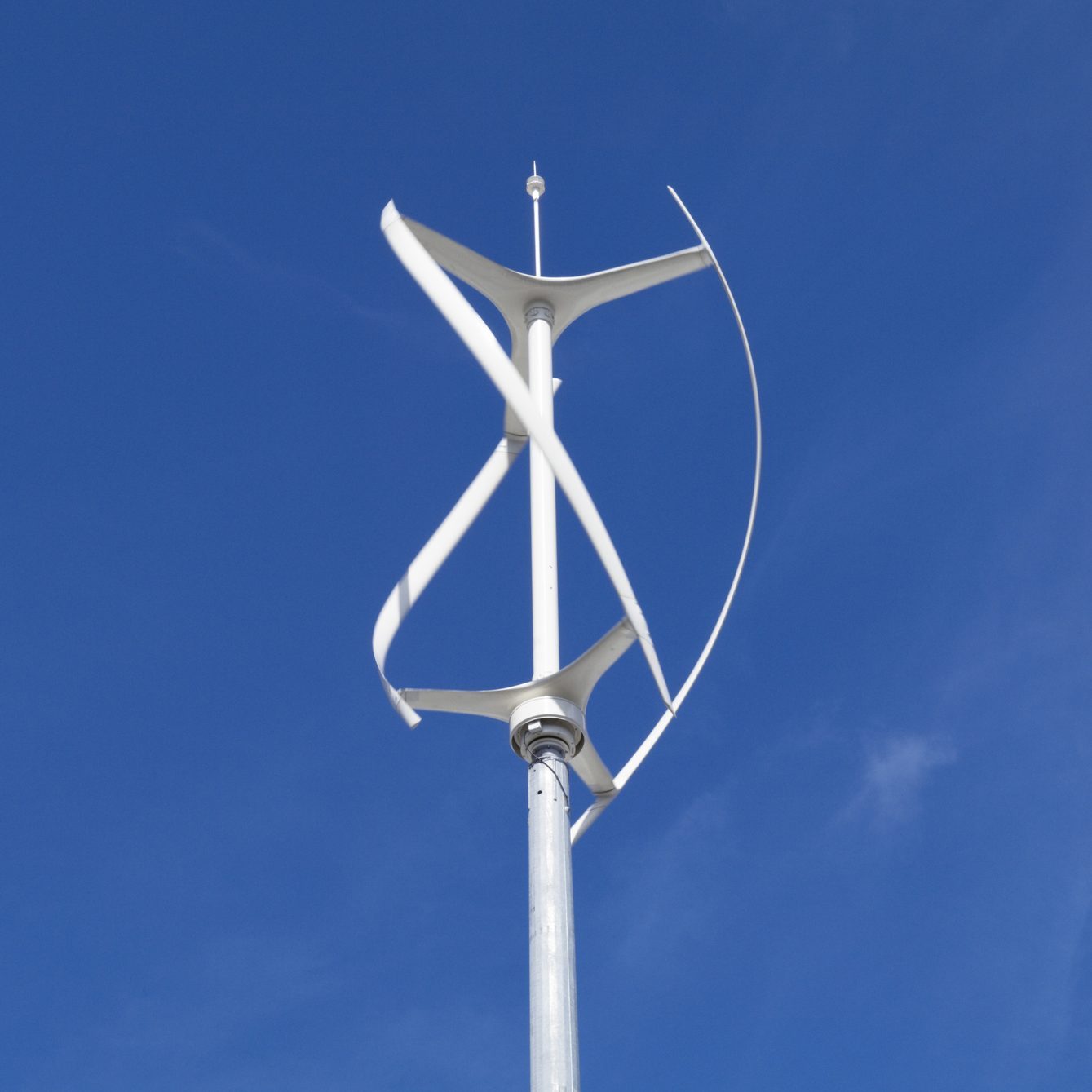
VAWTs have blades that rotate around a vertical axis. They often look quite different from HAWTs, sometimes resembling an eggbeater (Darrieus type) or scoops (Savonius type).
Pros:
- Omnidirectional: Don’t need to yaw to face the wind; they capture wind from any direction, making them suitable for turbulent urban environments.
- Lower Noise: Generally quieter due to slower rotational speeds and blade design.
- Smaller Footprint: Often installed on shorter towers or even rooftops, reducing visual impact and space requirements.
- Easier Maintenance: Generator and gearbox are typically at ground level, making maintenance safer and simpler.
- Aesthetics: Some designs are considered more visually appealing or less intrusive than HAWTs.
Cons:
- Lower Efficiency: Generally less efficient than HAWTs, meaning you might need a larger VAWT to produce the same amount of power as a smaller HAWT.
- Start-up Wind Speed: Some designs have higher cut-in speeds (the minimum wind speed required to start generating power).
- Less Mature Technology: While improving, the residential VAWT market is still less developed than HAWTs, with fewer established manufacturers.
Ideal Scenarios: Suburban or semi-urban homes with limited space, turbulent wind conditions, noise concerns, or strict aesthetic requirements. May also be suitable for hybrid systems.
Hybrid Systems: Combining Wind with Solar
Why choose one when you can have both? A hybrid wind-solar system leverages the strengths of each technology. Solar panels typically produce most power during sunny daytime hours, while wind often picks up at night or on cloudy days when solar output is low. This creates a more consistent and reliable energy supply.
Benefits of Hybrid:
- Enhanced Reliability: Reduces reliance on any single weather condition.
- Optimized Energy Production: Maximize energy capture across different times and seasons.
- Reduced Battery Storage Needs: More consistent power generation can potentially reduce the size and cost of battery banks for off-grid systems.
Key Factors When Choosing Your Home Wind Turbine
Once you’ve determined that your property is a viable candidate, it’s time to drill down into the specifics that will define the “best” turbine for your unique needs.
Power Output (kW): Matching Turbine to Demand
Turbines are rated by their peak power output in kilowatts (kW). Residential turbines typically range from 400 Watts to 10 kW, though larger systems exist. A 1.5 kW turbine is often sufficient for a small, energy-efficient home, while a 5-10 kW system might be needed for a larger home with higher consumption. Remember, this is peak output; actual energy production depends heavily on wind speed. An energy audit of your home will help match a turbine’s potential output to your actual consumption.

Rated Wind Speed & Cut-in Speed: Performance Matters
These two specifications are crucial:
- Cut-in Speed: The minimum wind speed required for the turbine to start generating any electricity. Lower is generally better for maximizing production in light wind areas.
- Rated Wind Speed: The wind speed at which the turbine reaches its maximum rated power output. This doesn’t mean it stops generating above this speed, but its power output won’t increase further (it’s often limited by control systems to prevent damage).
Compare these figures with your property’s average wind speeds to ensure the turbine will operate effectively for a significant portion of the time.
Noise Level: Keeping the Peace
Modern residential wind turbines are far quieter than older models, but they are not silent. HAWTs typically produce more audible noise than VAWTs. Noise levels are usually measured in decibels (dB) at a certain distance (e.g., 60 dB at 30 feet). For reference, normal conversation is around 60 dB, a refrigerator hum is 40 dB. If you have close neighbors, or if the turbine will be near a living area, noise is a serious consideration. Look for turbines specifically designed for quiet operation.
Durability & Maintenance: Long-Term Reliability
A wind turbine is an investment for decades. Look for reputable manufacturers with a track record of producing durable equipment. Key considerations include:
- Materials: High-quality, weather-resistant materials for blades and tower.
- Warranty: A strong warranty on the turbine and components (generator, inverter).
- Maintenance Schedule: Understand what regular maintenance is required (e.g., inspection, lubrication, blade cleaning) and its associated costs.
- Lifespan: Most turbines are designed to last 20-25 years or more with proper maintenance.
Tower Height & Installation Complexity
The taller the tower, the more wind it captures, and the more expensive and complex the installation becomes. Towers can be guyed (supported by cables) or freestanding. Freestanding towers are more expensive but require less land area for guy wires. Installation involves heavy equipment and specialized skills, making it a significant portion of the total cost.
Aesthetics: Blending into Your Property
Let’s be honest, a wind turbine is a prominent feature. While some find them elegant symbols of sustainability, others view them as eyesores. VAWTs sometimes offer more unique, sculptural designs that can be less visually intrusive for some people. Consider how the turbine will look on your property and how that might affect neighbors.
Grid-Tied vs. Off-Grid Systems: What’s Your Goal?
- Grid-Tied: The most common setup. Your turbine generates electricity, and any excess is fed back into the grid, potentially earning you credits (net metering). When the wind isn’t blowing enough, you draw power from the grid. This requires an inverter and an interconnection agreement with your utility.
- Off-Grid: You are completely independent from the utility grid. This requires a battery bank to store excess power for when the wind isn’t blowing, and often a backup generator. Off-grid systems are more complex and significantly more expensive due to battery costs.
Top Home Wind Turbine Options: A Comparative Look
Instead of listing specific models (which change frequently), let’s look at categories of common residential wind turbines and what they offer. This will give you a framework for comparing any specific model you encounter.
| Turbine Type / Size Range | Average Rated Power Output | Typical Applications | Approximate System Cost (Installed) | Key Considerations |
|---|---|---|---|---|
| Micro/Small HAWT (400W – 1kW) | 0.4 kW – 1 kW | Small cabins, RVs, supplemental power, off-grid lighting, battery charging. | $1,500 – $6,000 (often DIY or minimal installation) | Low cost, easy installation. Minimal contribution to whole-home power. Can be noisy for their size. |
| Mid-Range HAWT (1kW – 5kW) | 1 kW – 5 kW | Energy-efficient homes, partial grid offset, small farms, off-grid homes with robust battery storage. | $10,000 – $30,000 | Good balance of cost and power. Requires significant wind resource and tower height. Common choice for full or partial home power. |
| Large HAWT (5kW – 10kW+) | 5 kW – 10 kW+ | Larger homes, farms, small businesses, nearly complete grid independence. | $30,000 – $75,000+ | Substantial power output. High upfront cost, complex installation, requires very strong wind and significant land. |
| Small VAWT (Up to 1kW) | 0.1 kW – 1 kW | Supplemental power, urban/suburban use, hybrid systems, areas with turbulent wind. | $1,000 – $5,000 (often DIY or minimal installation) | Quiet, omnidirectional, less sensitive to turbulence. Lower efficiency, minimal whole-home impact. |
| Mid-Range VAWT (1kW – 5kW) | 1 kW – 5 kW | Grid-tied urban/suburban homes with moderate wind, hybrid systems. | $15,000 – $40,000 | Good for space-constrained areas, lower noise profile. Still generally less efficient than equivalent HAWTs. |
The Real Cost of Home Wind Power: What to Expect
Understanding the costs involved is paramount. A home wind turbine system is an investment, and the price tag varies dramatically based on size, type, location, and installation complexity. Here’s a breakdown of what contributes to the total cost.
Turbine Purchase Price
This is the cost of the turbine head itself, including blades, generator, and control systems. Prices can range from a few hundred dollars for small micro-turbines to $10,000-$50,000+ for larger residential units (1kW to 10kW).
Installation Costs (Tower, Foundation, Wiring)
This is often the largest portion of the total cost. It includes:
- Tower: The structure supporting the turbine. Cost depends on height, type (guyed vs. freestanding), and material. Can range from $3,000 for a short, guyed tower to $20,000+ for a tall, freestanding lattice tower.
- Foundation: A concrete base to anchor the tower. Cost varies with soil conditions and tower size, typically $1,000 – $5,000.
- Wiring & Electrical Components: Conduit, cabling, inverter (to convert DC to AC power for grid-tied systems), charge controller (for battery systems). This can add another $2,000 – $10,000.
- Labor: Site preparation, assembly, crane rental (for larger towers), trenching for wiring, electrical hookup. Professional installation can easily add $5,000 – $20,000+ depending on complexity.
Permitting & Interconnection Fees
Don’t forget administrative costs. These include fees for building permits, zoning applications, and the utility’s interconnection study and agreement if you’re connecting to the grid. These can range from a few hundred dollars to several thousands, depending on your locality.
Maintenance & Lifespan Costs
While generally low, wind turbines do require occasional maintenance. Expect annual inspections, lubrication, and potential replacement of wear parts (e.g., bearings, brushes) every 5-10 years. Budget a few hundred dollars annually for routine checks, or more for professional servicing. Over a 20-25 year lifespan, these costs add up.
Incentives & Rebates: Making it More Affordable
This is where the numbers can look much better. The U.S. federal government offers a Solar Investment Tax Credit (ITC) that also applies to small wind energy systems, providing a significant percentage (currently 30% for systems placed in service from 2022-2032) off the total cost. Many states and local municipalities also offer additional incentives, grants, or rebates. Check the DSIREUSA.org database for up-to-date information on incentives in your area.
Installation & Maintenance: Your Path to Power
Once you’ve chosen your ideal system, the next steps involve careful planning and execution. This isn’t a DIY weekend project for most homeowners.
Site Assessment & Professional Consultation
Before any ground is broken, engage a qualified professional. They will:
- Conduct a detailed on-site wind resource assessment.
- Evaluate soil conditions for foundation design.
- Advise on optimal turbine placement and tower height for maximum efficiency and compliance with setbacks.
- Help you understand your specific energy needs and recommend appropriate system sizing.
Permitting & Regulatory Compliance
Armed with your professional’s recommendations, you’ll tackle the bureaucracy. This involves:
- Submitting detailed plans to your local planning and zoning departments.
- Obtaining building permits.
- If grid-tied, working with your utility company to secure an interconnection agreement and net metering approval. This can be a lengthy process, so start early!
Installation Process Overview
The actual installation typically follows these steps:
- Foundation Work: Excavation and pouring of the concrete base for the tower.
- Tower Erection: Raising the tower using specialized equipment (often a crane for taller towers).
- Turbine Assembly: Mounting the turbine head and blades to the top of the tower.
- Electrical Hookup: Running wiring, installing inverters, charge controllers, and connecting to your home’s electrical panel or battery bank.
- Commissioning: Testing the system to ensure it’s operating safely and efficiently.
Ongoing Maintenance Tips
To ensure your wind power system performs optimally for decades:
- Regular Visual Inspections: Check for loose bolts, frayed wiring, damaged blades, or unusual noises.
- Annual Professional Check-up: Have a qualified technician inspect the turbine, tower, and electrical components.
- Lubrication: Follow the manufacturer’s schedule for lubricating moving parts (if applicable).
- Blade Cleaning: Periodically clean blades to remove dirt, ice, or debris that can reduce efficiency.
- Vegetation Management: Keep trees and other obstructions trimmed to maintain clear wind pathways.
Investing in a home wind power system is a commitment to a sustainable future. While it requires careful consideration of many factors—from wind resources and zoning laws to costs and maintenance—the reward of generating your own clean electricity can be incredibly empowering and financially beneficial in the long run. By following this guide, you’re now equipped with the knowledge to make an informed decision and take the first steps towards harnessing the wind for your home.
Frequently Asked Questions
What is the minimum wind speed required for a home wind turbine to be effective?
For most residential wind turbines to be truly efficient and cost-effective, your property should have an average annual wind speed of at least 10-12 mph (4.5-5.5 m/s). Lower speeds may generate some power, but not enough to justify the investment for a typical home.
How much does it cost to install a home wind turbine?
The total installed cost for a home wind turbine system (1kW to 10kW) can range significantly, typically from $10,000 to $75,000 or more. This includes the turbine itself, the tower, foundation, electrical components, labor, and permitting fees. Federal and state incentives can help offset these costs.
What’s the difference between Horizontal Axis (HAWT) and Vertical Axis (VAWT) wind turbines?
HAWTs (Horizontal Axis Wind Turbines) are the traditional propeller-style turbines, generally more efficient in consistent, strong winds but require taller towers and are sensitive to turbulence. VAWTs (Vertical Axis Wind Turbines) have blades that rotate around a vertical axis, are omnidirectional, quieter, and better suited for turbulent, urban environments or smaller spaces, but are generally less efficient.
Can a home wind turbine power my entire house?
Yes, depending on your energy consumption and the size of your wind turbine, it can significantly offset or even fully power your home. However, it’s crucial to properly size the system based on your household’s actual energy needs and local wind resources. Many homeowners opt for grid-tied systems to supplement their wind power and draw from the utility when wind is low.
What are the common challenges when installing home wind power?
Key challenges include securing adequate wind resources on your property, navigating complex local zoning and permitting regulations (especially height and setback restrictions), the significant upfront investment, and addressing potential noise or aesthetic concerns from neighbors. A thorough site assessment and understanding of local laws are essential.
Are there government incentives for home wind energy?
Yes, in the U.S., small wind energy systems are eligible for the federal Solar Investment Tax Credit (ITC), currently providing a 30% tax credit for systems installed from 2022-2032. Many states and local jurisdictions also offer additional rebates, grants, or net metering programs to further reduce costs and maximize savings. Always check DSIREUSA.org for current programs in your area.

:max_bytes(150000):strip_icc()/wind-turbine-generator-on-house-roof-90967703-b9619befbf954726ae92dfb6154711f2.jpg)