
Choosing the Best Wind Turbine Design For Your Home: A Homeowner’s Definitive Guide
Dreaming of energy independence? Tired of those ever-climbing electricity bills? For many homeowners, harnessing the power of the wind is an exciting and increasingly viable path toward a more sustainable and self-sufficient lifestyle. But here’s the thing: diving into the world of home wind turbines can feel like navigating a maze. Horizontal? Vertical? Bladeless? What’s the difference? And, more importantly, which design is truly the best wind turbine design for home use for *your* specific situation?
Table of Contents
- Choosing the Best Wind Turbine Design For Your Home: A Homeowner’s Definitive Guide
- Is Home Wind Power Right for You? Start Here.
- The Core Question: Do You Have Enough Wind?
- Understanding Your Energy Needs
- Grid-Tied vs. Off-Grid: What’s Your Goal?
- Local Regulations and Permitting: Don’t Skip This!
- Deconstructing Wind Turbine Designs: HAWT vs. VAWT vs. Bladeless
- Horizontal Axis Wind Turbines (HAWT): The Classic Choice
- Pros and Cons of HAWTs
- Ideal Scenarios for HAWTs
- Vertical Axis Wind Turbines (VAWT): The Urban-Friendly Alternative
- Savonius vs. Darrieus: A Quick Look
- Pros and Cons of VAWTs
- Ideal Scenarios for VAWTs
- Bladeless Wind Technology: The Future is Now?
- How Bladeless Turbines Work (Vortex Effect)
- Pros and Cons of Bladeless Designs
- Ideal Scenarios for Bladeless Systems
- Other Niche Designs: Exploring Beyond the Mainstream
- Key Factors to Consider When Choosing Your Design
- Power Output and Sizing: Matching Watts to Needs
- Understanding Cut-in Speed and Rated Power
- Noise Level: Keeping the Peace
- Aesthetics and Footprint: Blending In
- Durability and Maintenance: Long-Term Commitment
- Cost vs. ROI: Making it Financially Viable
- Installation Costs
- Lifespan and Payback Period
- Safety Considerations
- Comparing Top Wind Turbine Designs for Home Use (Summary Table)
- Real-World Scenarios: Which Design Fits Your Home?
- The Rural Homeowner with Ample Space
- The Suburban Dweller with Limited Space
- The Off-Grid Enthusiast
- The Emergency Backup Seeker
- Installation and Maintenance: What to Expect
- DIY vs. Professional Installation
- Essential Maintenance Tips
- Making the Final Decision: Your Step-by-Step Checklist
This isn’t just about buying a turbine; it’s about making an informed investment that truly serves your energy needs and integrates seamlessly with your property. Forget the generic lists of “top 5 turbines.” My goal here is to equip you with the knowledge to understand the core designs, weigh the critical factors, and ultimately choose the system that’s perfect for your home, your budget, and your windy aspirations.
Is Home Wind Power Right for You? Start Here.
Before we even talk about specific designs, let’s be honest with ourselves: wind power isn’t a one-size-fits-all solution. There are crucial prerequisites that determine whether a home wind turbine will be a powerful asset or a costly paperweight. Let’s cover the absolute essentials first.
The Core Question: Do You Have Enough Wind?
This is the deal-breaker. A wind turbine needs consistent, strong wind to generate significant power. Think about it: if your location only experiences occasional breezes, even the most advanced turbine will struggle to justify its cost. You need an average wind speed of at least 10 mph (4.5 m/s) to make a small wind turbine truly effective. The higher the average wind speed, the more electricity your turbine will generate, and the faster it will pay for itself.
How do you find out? Check local wind maps, consult nearby airports or weather stations, or even install an anemometer on your property for a few months. Don’t guess; measure!
Understanding Your Energy Needs
Before you can size a turbine, you need to know how much electricity you actually use. Look at your past electricity bills to find your average monthly kilowatt-hour (kWh) consumption. Most homes in the US use between 800 to 1,200 kWh per month. Knowing this number is vital for calculating the required turbine size and estimating potential savings.
Grid-Tied vs. Off-Grid: What’s Your Goal?
Your ultimate goal will heavily influence your system design:
- Grid-Tied Systems: The most common. Your turbine supplements grid power. When the wind blows, you use less from the utility. When it blows strong, you might even send excess power back to the grid (net metering), earning credits. This usually doesn’t require batteries for storage, simplifying the system.
- Off-Grid Systems: For remote homes or complete energy independence. These require a robust battery bank to store energy for when the wind isn’t blowing. This adds significant cost and complexity but offers true self-sufficiency.
Local Regulations and Permitting: Don’t Skip This!
This is where dreams can sometimes hit a wall. Many municipalities have strict zoning laws, height restrictions, and permitting requirements for wind turbines. Some HOAs might prohibit them entirely. Before you get too far into the design phase, make sure to:
- Check with your local planning department for zoning ordinances.
- Understand setback requirements (distance from property lines).
- Inquire about height limits for structures in your area.
- Ask about noise ordinances and aesthetic guidelines.
Getting this squared away early can save you a lot of headache and potential disappointment.
Deconstructing Wind Turbine Designs: HAWT vs. VAWT vs. Bladeless
Alright, with the fundamentals covered, let’s dive into the fascinating world of wind turbine designs. There are three main types you’ll encounter when considering home use, each with its own quirks and ideal applications.
)
Horizontal Axis Wind Turbines (HAWT): The Classic Choice
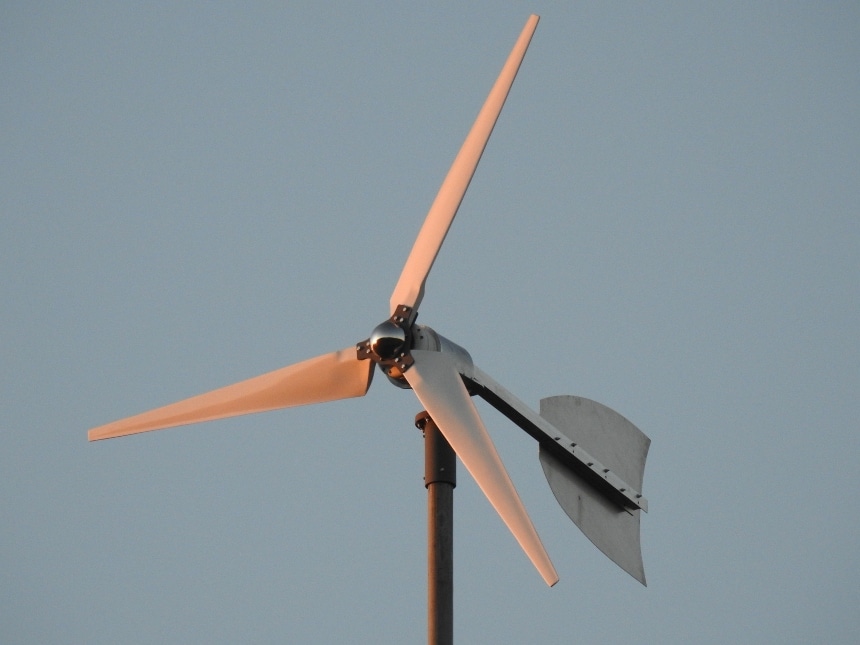
When you picture a wind turbine, you’re likely thinking of a HAWT. These are the iconic, propeller-like structures with blades that spin on a horizontal axis, facing into the wind. They’re what you see in large wind farms, scaled down for residential use.
Pros and Cons of HAWTs
- Pros:
- High Efficiency: Generally the most efficient design for converting wind energy into electricity.
- Mature Technology: Well-understood and widely implemented, leading to reliable performance.
- Optimal for Strong, Consistent Wind: Performs best in steady, unidirectional wind flows found at higher elevations (with a tall tower).
- Cons:
- Requires Tall Towers: To capture optimal wind and avoid turbulence, HAWTs need significant height, which can be an aesthetic and permitting challenge.
- Noise: Can be noisier than VAWTs, especially larger models, due to blade rotation.
- Directional: Needs to yaw (turn) to face the wind, adding mechanical complexity.
- Bird Impact: Blades can pose a risk to birds and bats.
Ideal Scenarios for HAWTs
Rural properties with ample land, consistent high wind speeds, and no restrictive height or aesthetic regulations. Perfect for maximizing energy capture where space and visual impact are less of a concern.
Vertical Axis Wind Turbines (VAWT): The Urban-Friendly Alternative
VAWTs are the less common, but increasingly popular, alternative. Their blades rotate around a vertical axis, resembling an egg beater or an “S” shape. They don’t need to orient themselves to the wind, making them suitable for more turbulent environments.
Savonius vs. Darrieus: A Quick Look
- Savonius: Shaped like an “S” when viewed from above. They work by drag and are less efficient but excellent at starting in very low wind speeds.
- Darrieus: Often look like an eggbeater or have straight blades (H-rotor Darrieus). They work by lift (like HAWTs) and are more efficient than Savonius but sometimes need a little boost to start spinning.
Pros and Cons of VAWTs
- Pros:
- Omnidirectional: Don’t need to turn into the wind, making them better for turbulent, urban environments.
- Lower Profile: Can be mounted closer to the ground or on rooftops, reducing visual impact and permitting hurdles.
- Quieter Operation: Generally less noisy than HAWTs.
- Easier Maintenance: Generator and gearbox are often at ground level, simplifying servicing.
- Bird-Friendly: Slower rotation speed and vertical design pose less risk to birds.
- Cons:
- Lower Efficiency: Typically less efficient than HAWTs at converting wind energy, especially in consistent, strong winds.
- Less Mature Technology: Fewer options and less standardized data compared to HAWTs.
- Pulsating Torque: Can sometimes experience fluctuating torque, potentially affecting generator longevity.
Ideal Scenarios for VAWTs
Suburban homes, urban areas with turbulent winds, rooftops, or any location where space, aesthetics, and noise are significant concerns. Good for supplemental power rather than primary generation in many cases.
Bladeless Wind Technology: The Future is Now?
This is where things get truly innovative! Bladeless wind turbines, like those pioneered by Vortex Bladeless, ditch the traditional rotating blades entirely. Instead, they harness wind energy through aeroelastic vibrations – essentially, they wobble. Think of a mast oscillating in the wind, converting that kinetic energy into electricity.
How Bladeless Turbines Work (Vortex Effect)
These designs exploit the phenomenon of vortex shedding. As wind flows around a cylindrical mast, it creates swirling vortices. When the frequency of these vortices matches the natural oscillation frequency of the mast, it starts to resonate and vibrate. This vibration is then converted into electricity via an alternator at the base of the mast.
Pros and Cons of Bladeless Designs
- Pros:
- Extremely Quiet: No moving blades means virtually no noise pollution.
- Reduced Maintenance: Fewer moving parts, reducing wear and tear.
- Space-Saving: Can be packed more densely than traditional turbines.
- Bird and Bat Friendly: No fast-moving blades to harm wildlife.
- Unique Aesthetics: A distinct, modern look.
- Cons:
- Emerging Technology: Still relatively new, with limited long-term performance data and higher initial costs.
- Lower Power Output: Current designs generally produce less power than comparably sized HAWTs or VAWTs.
- Specific Wind Conditions: May require more specific wind profiles to achieve optimal resonance.
Ideal Scenarios for Bladeless Systems
Cutting-edge homeowners who prioritize silence and aesthetics, those in urban or suburban areas with moderate wind resources, and early adopters willing to invest in new technology for supplemental power.
Other Niche Designs: Exploring Beyond the Mainstream
While HAWTs, VAWTs, and bladeless designs dominate, you might also encounter niche products like:
- Portable Wind Turbines: Designed for camping, RVs, or emergency backup. Very small output, but highly convenient for temporary use. (e.g., Shine Turbine)
- Rooftop Wind Turbines: Often small VAWTs specifically designed for roof mounting. Can be susceptible to turbulence from the building itself.
Key Factors to Consider When Choosing Your Design
Now that you know the major players, let’s talk about the practical considerations that will guide your final choice. This is where your unique home and location come into play.
Power Output and Sizing: Matching Watts to Needs
This is critical. You don’t want to buy a turbine that’s too small to meet your needs, nor one that’s excessively large for your property or budget. Home wind turbines are typically rated in watts (W) or kilowatts (kW).
Understanding Cut-in Speed and Rated Power
- Cut-in Speed: The minimum wind speed required for the turbine to start producing any electricity. Lower is generally better, as it means more operating hours.
- Rated Power: The maximum power output the turbine can achieve, typically at a specific, higher wind speed (e.g., 25-30 mph). Your turbine won’t always hit this, as wind speeds fluctuate.
Here’s a rough guide to help you size:
| Home Size/Energy Need | Typical Monthly Usage (kWh) | Approximate Turbine Size (kW) | Estimated Rotor Diameter (ft) |
|---|---|---|---|
| Small Home / Supplemental Power | 200-500 | 0.4 – 1 | 4 – 8 |
| Medium Home / Partial Offset | 500-1000 | 1 – 5 | 8 – 16 |
| Large Home / Significant Offset | 1000-2000+ | 5 – 15 | 16 – 30 |
Note: These are estimates. Actual output depends heavily on your specific wind resource and turbine efficiency.
Noise Level: Keeping the Peace
Nobody wants a constant hum in their backyard. Noise is a major concern, especially in residential areas. HAWTs can produce a characteristic “whoosh” sound from their blades, while VAWTs are generally quieter. Bladeless designs promise near-silent operation. Check decibel ratings (dB) and consider your proximity to neighbors. A typical residential turbine should aim for less than 45-50 dB at your property line, comparable to a quiet refrigerator.
Aesthetics and Footprint: Blending In
Let’s be real, a giant turbine can drastically change your property’s look. HAWTs require tall towers and a clear area. VAWTs and bladeless designs tend to have a smaller physical footprint and a more modern, less intrusive appearance, making them more acceptable in suburban or urban settings.
Durability and Maintenance: Long-Term Commitment
A wind turbine is a long-term investment. You want a design built to last through various weather conditions. Look for robust construction, corrosion-resistant materials, and a good warranty. Maintenance typically involves checking connections, lubricating moving parts (on HAWTs and some VAWTs), and ensuring blades are clean. VAWTs generally have simpler maintenance routines due to ground-level components and fewer moving parts than HAWTs.
Cost vs. ROI: Making it Financially Viable
The upfront cost for a home wind turbine system can range from $10,000 to $70,000+, depending on size, type, installation complexity, and whether you include batteries. This includes the turbine, tower, inverter, wiring, and installation. Don’t forget potential tax credits, rebates, and incentives from federal, state, and local programs, which can significantly reduce your net cost and improve your payback period.
Installation Costs
Professional installation can add 20-30% to the total cost but ensures safety and optimal performance. For smaller, simpler systems, DIY installation might be an option, but expertise in electrical work and structural engineering is crucial.
Lifespan and Payback Period
Most quality home wind turbines are designed to last 20-25 years or more. The payback period (how long it takes for energy savings to equal your initial investment) can vary wildly, from 5-15 years, depending on your local electricity rates, wind resource, and any available incentives.
Safety Considerations
Safety is paramount. Ensure your chosen system includes features like automatic braking in high winds, lightning protection, and proper grounding. Consider potential hazards like falling ice (from HAWTs in cold climates) and ensure the tower is securely anchored away from structures and public access. Professional installation is highly recommended to mitigate risks.
Comparing Top Wind Turbine Designs for Home Use (Summary Table)
Here’s a quick side-by-side to help you visualize the differences between the main design types:
| Feature | Horizontal Axis (HAWT) | Vertical Axis (VAWT) | Bladeless (Vortex) |
|---|---|---|---|
| Appearance | Classic ‘propeller’ on tall tower | Eggbeater or ‘S’ shape; shorter/wider | Tall, slender mast; oscillates |
| Wind Range (Cut-in Speed) | Moderate to High (6-10 mph typically) | Low to Moderate (4-7 mph typically) | Low to Moderate (specific frequency dependent) |
| Efficiency | Highest (40-50% theoretical max) | Moderate (25-35% theoretical max) | Lower (Still in development; targeting 30%) |
| Noise Level | Moderate to High (whoosh of blades) | Low to Moderate (generally quieter) | Virtually Silent |
| Footprint/Space | Large (tall tower, wide rotor diameter) | Moderate (shorter, but still needs clear space) | Small (slender mast, can be placed closer) |
| Maintenance | More complex (elevated components, pitch control) | Simpler (ground-level generator, fewer moving parts) | Minimal (no rotating parts, few wear points) |
| Cost (Approx. per kW) | $3,000 – $7,000 | $4,000 – $8,000 | Higher (due to new tech & limited scale) |
| Ideal Use Case | Rural, open areas with consistent, strong winds | Suburban/urban, turbulent wind, space/noise constraints | Urban, noise-sensitive areas, early adopters, supplemental power |
Real-World Scenarios: Which Design Fits Your Home?
Let’s bring this back to your situation. Here are some common homeowner profiles and the wind turbine designs that often make the most sense for them.
The Rural Homeowner with Ample Space
If you live on a large property with open fields, far from neighbors, and enjoy consistent, strong winds, a Horizontal Axis Wind Turbine (HAWT) is likely your best bet. You have the space for a tall tower to capture optimal, less turbulent wind, and any noise or visual impact will be less of a concern. The higher efficiency of HAWTs means you’ll maximize your energy production and get the best return on investment for primary power generation.

The Suburban Dweller with Limited Space
For those in suburban areas with smaller lots, closer neighbors, and perhaps more turbulent wind patterns due to nearby buildings and trees, a Vertical Axis Wind Turbine (VAWT) often shines. Its omnidirectional nature, quieter operation, and lower profile make it a more palatable option. It can be installed on a shorter tower or even a sturdy rooftop (with proper engineering assessment), minimizing visual and noise complaints. A bladeless design could also be a compelling, albeit newer, option here.
The Off-Grid Enthusiast
Going completely off-grid requires a robust, reliable energy source. Here, both HAWTs and VAWTs can play a role, often in combination with solar panels for a hybrid system. HAWTs, with their higher efficiency, can be excellent for primary generation, while a well-selected VAWT can provide consistent power in turbulent conditions or as a supplement. The key is sizing the turbine (or turbines) appropriately and pairing it with a significant battery bank and a charge controller to ensure consistent power when the wind isn’t blowing.
The Emergency Backup Seeker
If your primary goal isn’t to power your entire home but rather to have a reliable backup during outages, smaller, often portable VAWTs or micro-HAWTs might be ideal. These units are designed for quick setup and can charge batteries for essential appliances or critical systems. They won’t power your whole house, but they offer peace of mind when the grid goes down.
Installation and Maintenance: What to Expect
Understanding these aspects is crucial for long-term satisfaction and safety.
DIY vs. Professional Installation
- DIY: Possible for very small (under 1kW), simple VAWTs on short poles. Requires significant electrical knowledge, careful structural planning, and adherence to all safety protocols. Not recommended for most homeowners.
- Professional Installation: Highly recommended for most home wind turbine systems. Professionals handle site assessment, tower erection, electrical wiring to your home or the grid, permitting, and ensure safety and compliance with all codes. This is a significant investment but ensures your system operates safely and efficiently for decades.
Essential Maintenance Tips
Like any mechanical system, wind turbines require occasional attention:
- Regular Visual Inspections: Look for loose bolts, damaged blades, worn cables, or unusual noises.
- Lubrication: HAWTs typically have more moving parts (yaw mechanism, gearbox) that require lubrication as per the manufacturer’s schedule.
- Blade Cleaning: Dirt, ice, or debris can reduce efficiency.
- Electrical Checks: Ensure all connections are secure and corrosion-free.
- Battery Bank Maintenance: If off-grid, check battery water levels (for lead-acid), terminal cleanliness, and overall health.
- Professional Check-ups: Consider an annual or bi-annual professional inspection, especially after severe weather.
Making the Final Decision: Your Step-by-Step Checklist
Ready to move forward? Use this checklist to guide your journey to home wind power.
Frequently Asked Questions
How much wind do I need for a home wind turbine to be effective?
For a home wind turbine to be a worthwhile investment, your location should have an average annual wind speed of at least 10 mph (4.5 m/s). Consistent wind is more crucial than occasional strong gusts. You can assess this with local wind data or by installing an anemometer.
What is the main difference between HAWT and VAWT designs?
HAWTs (Horizontal Axis Wind Turbines) are the traditional ‘propeller’ type, known for high efficiency in consistent, strong, unidirectional winds, typically requiring tall towers. VAWTs (Vertical Axis Wind Turbines) rotate on a vertical axis, are omnidirectional (don’t need to face the wind), are generally quieter, and better suited for turbulent, urban, or suburban environments, often with a lower profile.
Are bladeless wind turbines a viable option for home use?
Bladeless wind turbines (like Vortex designs) are an emerging, innovative option that are extremely quiet and have fewer moving parts, potentially reducing maintenance. However, they are a newer technology, generally have lower power output than traditional turbines, and are best suited for supplemental power in specific wind conditions or for early adopters prioritizing aesthetics and silence.
How much does a home wind turbine system cost?
The total cost for a home wind turbine system can range from $10,000 to over $70,000, depending on the turbine’s size, type, tower height, installation complexity, and whether it includes battery storage. Remember to factor in potential federal, state, and local incentives that can significantly offset the initial investment.
What kind of maintenance do home wind turbines require?
Maintenance typically involves regular visual inspections for wear or damage, checking electrical connections, and ensuring blades are clean. HAWTs may require more frequent lubrication of yaw and pitch mechanisms. VAWTs generally have simpler maintenance due to ground-level components. Annual professional check-ups are also recommended.
Can I install a wind turbine on my rooftop?
While small VAWTs are sometimes designed for rooftop mounting, it’s generally not recommended for optimal performance or structural safety. Rooftops often experience highly turbulent wind, which reduces efficiency and increases stress on the turbine and roof structure. Always consult a structural engineer and wind energy professional before considering a rooftop installation.

:max_bytes(150000):strip_icc()/__opt__aboutcom__coeus__resources__content_migration__treehugger__images__2013__10__wind-turbine-finished-d963c26c0e704c9fb43dac99262c073a.jpg)