
Table of Contents
- Building a Wind Turbine for Home Use: Your Comprehensive DIY Guide to Harnessing Wind Power
- The Dream vs. Reality: Is DIY Home Wind Power Right for You?
- Understanding the Appeal of DIY Wind Turbines
- Setting Realistic Expectations for Home-Built Systems
- Pros and Cons of Building Your Own Wind Turbine
- Before You Build: Crucial Planning & Site Assessment
- Evaluating Your Wind Resource Potential
- Zoning, Permitting, and Local Regulations
- Grid-Tied vs. Off-Grid Systems: What’s Your Goal?
- Essential Components of a Home Wind Turbine System
- The Turbine Head (Rotor, Blades, Nacelle, Generator)
- The Tower: Height, Stability, and Materials
- Charge Controller & Inverter: Managing the Power Flow
- Battery Bank (for Off-Grid or Hybrid Systems)
- Wiring and Safety Disconnects
- Choosing Your DIY Path: Types of Home Wind Turbines
- Horizontal Axis Wind Turbines (HAWTs)
- Vertical Axis Wind Turbines (VAWTs)
- Micro/Small Scale vs. Hobby Projects
- Step-by-Step Overview: Building a Small Home Wind Turbine (A Conceptual Guide)
- Step 1: Design and Material Sourcing
- Step 2: Constructing the Blades and Rotor Assembly
- Step 3: Integrating the Generator/Alternator
- Step 4: Building the Nacelle and Yaw Mechanism
- Step 5: Erecting the Tower (Safety First!)
- Step 6: Wiring the Electrical System (Charge Controller, Batteries, Inverter)
- Step 7: Testing and Commissioning
- Costs Associated with Home Wind Power: DIY vs. Pre-Built
- DIY Material Costs (Generator, Blades, Tower, Electronics)
- Hidden Costs (Tools, Permits, Site Prep, Unexpected Issues)
- Comparing DIY to Small Commercial Systems
- Potential Financial Incentives (Tax Credits, Rebates)
- Safety First: Critical Considerations for DIY Wind Turbines
- Working at Heights
- Electrical Hazards
- Blade Rotation and Structural Integrity
- Maintenance and Inspection
- Maximizing Your Wind Turbine’s Efficiency and Longevity
- Regular Maintenance Checklist
- Monitoring Performance
- Combining Wind with Other Renewables (Solar Hybrid)
- When to Call a Pro: Recognizing Your Limits
- Complex Installations
- Grid-Tied Systems
- Large-Scale Home Power Needs
- Conclusion: The Journey to Wind-Powered Independence
Building a Wind Turbine for Home Use: Your Comprehensive DIY Guide to Harnessing Wind Power
nnDreaming of cutting your electricity bill, gaining energy independence, or simply reducing your carbon footprint? The idea of building your own wind turbine for home use is incredibly appealing. Imagine a silent sentinel spinning on your property, converting the invisible flow of air into clean, usable electricity.nnBut let’s be real: moving from that dream to a functioning, safe, and efficient home wind power system isn’t a weekend project. It’s a journey that demands research, planning, skill, and a healthy dose of realism. This isn’t just about putting blades on a pole; it’s about understanding physics, electronics, local regulations, and your own energy needs. This guide will be your trusted companion, blending the hands-on ‘how-to’ with the critical ‘should you’ and ‘what if’ to give you the clearest path forward.nn
The Dream vs. Reality: Is DIY Home Wind Power Right for You?
nnIt’s easy to get swept up in the romantic notion of endless free power. And while home wind energy is absolutely achievable, it’s crucial to understand what you’re getting into.nn
Understanding the Appeal of DIY Wind Turbines
nnThe allure is powerful: self-sufficiency, environmental stewardship, and the satisfaction of building something meaningful with your own hands. For many, a DIY wind turbine project starts as a hobby, a way to learn about renewable energy, and perhaps power a small shed, some outdoor lights, or charge a battery bank.nn
Setting Realistic Expectations for Home-Built Systems
nnHere’s where we ground the dream in reality. A home-built wind turbine, especially one constructed from repurposed materials, will likely not power your entire house. Think of it as supplemental power, a learning experience, or a stepping stone to a larger, professionally installed system.nnPower Output Limitations: Most DIY builds fall into the micro (under 1kW) or small (1-5kW) wind turbine category. Achieving consistent, significant power output requires substantial turbine size, height, and consistent high wind speeds. A small DIY unit might produce enough to keep an RV battery charged or run a few LEDs, but not your refrigerator, washing machine, and HVAC system.nnTime, Skill, and Cost Investment: Don’t underestimate the commitment. You’ll need basic electrical knowledge, mechanical aptitude, metalworking or woodworking skills, and a strong understanding of safety. While you can save on labor, material costs for a reliable system (generator, blades, tower, electronics) can still add up. A truly robust DIY system can easily cost thousands in materials and hundreds of hours of your time.nn
Pros and Cons of Building Your Own Wind Turbine
nnBefore you commit, weigh these factors carefully:nn
| Pros (Advantages) | Cons (Disadvantages) |
|---|---|
| Cost Savings on Labor: You save significantly on installation costs. | Significant Time Investment: Design, sourcing, building, and troubleshooting take many hours. |
| Learning Experience: Gain invaluable knowledge about renewable energy systems. | Lower Power Output: DIY systems often produce less power than commercial units. |
| Customization: Tailor the design to specific needs or available materials. | Safety Risks: Working at heights, with electricity, and heavy components. |
| Resourcefulness: Utilize recycled or repurposed components. | Permitting & Zoning Hurdles: Navigating local regulations can be complex. |
| Self-Sufficiency & Pride: The satisfaction of generating your own power. | Potential Inefficiency & Reliability Issues: Not optimized or tested like commercial products. |
| Environmental Impact: Reduce reliance on fossil fuels. | Noise & Vibration: Can be an issue if not properly designed or located. |
Before You Build: Crucial Planning & Site Assessment
nnThis is arguably the most important phase. Even the most perfectly constructed turbine will fail to deliver if it’s placed in the wrong spot or if local laws forbid it.nn
Evaluating Your Wind Resource Potential
nnWind is fickle. You need consistent, strong wind, not just occasional gusts. The Department of Energy’s WINDExchange program emphasizes that your site’s wind resource is the single most important factor.nnWind Speed Requirements: For a small wind turbine to be economical and effective, you generally need an average annual wind speed of at least 10 mph (4.5 m/s) or higher. Anything less, and the energy output will be minimal, not justifying the investment.nnObstructions and Turbulence (The “Wind Shadow” Effect): Buildings, trees, and even terrain can create turbulence and block wind. Turbines need to be sited upwind of any significant obstructions and typically at least 30 feet (9 meters) above anything within 300 feet (90 meters) for optimal performance. Higher is almost always better.nnTools for Assessment:
- Anemometers: A simple device to measure wind speed over time. Install one on a temporary mast at your proposed turbine height.
- Online Data: Resources like the National Renewable Energy Laboratory (NREL) offer wind maps and data, but these are general and don’t account for micro-climates or local obstructions.
Zoning, Permitting, and Local Regulations
nnThis is where many DIY dreams hit a wall. Local jurisdictions have varying rules on structure height, noise, and electrical connections. Ignorance is not bliss here; failure to comply can lead to fines or forced removal.nn
- Tower Height Restrictions: Many areas have strict limits on how tall structures can be. A wind turbine needs height to catch unobstructed wind.
- Noise Ordinances: While small turbines are generally quiet, some neighbors might complain about perceived noise. Vertical Axis Wind Turbines (VAWTs) are often quieter than Horizontal Axis Wind Turbines (HAWTs).
- Property Line Setbacks: How close can your tower be to your property lines?
- Building Permits: Any structure, especially one as tall and dynamic as a wind turbine, will require a building permit.
- Electrical Permits: Connecting to your home’s electrical system, even off-grid, often requires inspection and permits to ensure safety.
Action Item: Before buying a single component, contact your local planning department and utility company. Ask about zoning laws, building codes, setback requirements, noise ordinances, and interconnection policies for small wind systems.nn
Grid-Tied vs. Off-Grid Systems: What’s Your Goal?
nnYour system’s design heavily depends on how you want to use the power.nn
- Off-Grid Independence & Storage Needs: If you want to be completely independent from the utility grid, your wind turbine system will need robust battery storage to cover periods of low wind. This adds significant cost and complexity.
- Grid-Tied Benefits & Requirements: Connecting to the grid allows you to sell excess power back to the utility (net metering) and draw power when your turbine isn’t producing enough. This is usually more efficient but requires strict adherence to utility interconnection standards and safety protocols. A grid-tied system is much harder to DIY without professional oversight due to safety and regulatory requirements.
Essential Components of a Home Wind Turbine System
nnUnderstanding the parts is key, whether you’re building them or sourcing them.nn
The Turbine Head (Rotor, Blades, Nacelle, Generator)
nnThis is the heart of your system, where wind energy is captured and converted.nn
- Blades: The aerodynamic surfaces that catch the wind and spin the rotor. Design (number, shape, twist) is critical for efficiency and noise. Materials can range from PVC pipe (for very small hobby projects) to fiberglass, wood, or even repurposed metal.
- Generator: The component that converts mechanical rotational energy into electrical energy. Common DIY choices include modified car alternators (which require higher RPMs and external excitation) or purpose-built Permanent Magnet Alternators (PMAs), which are more efficient for wind applications and start generating power at lower RPMs.
- Nacelle: The enclosure that houses the generator and other mechanical components (like the yaw mechanism) and protects them from the elements.
- Rotor: The entire assembly of blades and hub that spins.
The Tower: Height, Stability, and Materials
nnYour tower elevates the turbine to catch cleaner, faster wind. It must be incredibly robust to withstand high winds and the dynamic forces of the turbine.nn
- Height: As mentioned, taller is better. A general rule of thumb is at least 20-30 feet higher than any obstruction within 300 feet.
- Stability: Guyed towers (supported by tension cables) are common for DIY due to lower material costs but require a larger footprint. Freestanding (self-supporting) towers are more complex and expensive but take up less ground space.
- Materials: Steel pipe, lattice work, or even treated wood can be used, but must be engineered for strength and wind loads.
Charge Controller & Inverter: Managing the Power Flow
nnThese are your electrical gatekeepers.nn
- Charge Controller: Essential for battery-based systems. It regulates the voltage and current coming from the turbine to prevent overcharging or damage to your batteries. Many wind charge controllers also have a “dump load” feature to dissipate excess power when batteries are full, protecting the turbine from over-speeding.
- Inverter: Converts the DC (direct current) electricity from your turbine (or batteries) into AC (alternating current) electricity, which is what most home appliances use. For grid-tied systems, a grid-tie inverter synchronizes with the utility grid.
Battery Bank (for Off-Grid or Hybrid Systems)
nnIf you’re not grid-tied, batteries are how you store power for when the wind isn’t blowing. Deep-cycle batteries (like those used in RVs or marine applications) are necessary.nn
Wiring and Safety Disconnects
nnProperly sized wiring is critical to prevent power loss and overheating. Safety disconnects allow you to completely isolate the turbine from the rest of your system for maintenance or emergencies.nn
| Component | Purpose | Key DIY Considerations |
|---|---|---|
| Blades / Rotor | Captures wind energy and converts it to rotational motion. | Aerodynamics, balance, material strength, number of blades. |
| Generator / Alternator | Converts mechanical rotation into electrical energy. | Efficiency at low RPM, voltage output, modification needs (car alternator). |
| Nacelle | Houses generator, protects internal components, supports yaw. | Weatherproofing, structural integrity, ease of access. |
| Tower | Elevates turbine into optimal wind flow, provides structural support. | Height, stability (guyed vs. freestanding), material strength, foundation. |
| Charge Controller | Regulates power to batteries, prevents overcharging, manages dump load. | Voltage/current rating, dump load capability, compatibility with batteries. |
| Inverter | Converts DC power to AC for home appliances. | Pure sine wave (best for electronics), power rating (watts), grid-tie capabilities. |
| Battery Bank | Stores excess power for later use (for off-grid/hybrid). | Deep-cycle type, capacity (Ah), maintenance requirements, ventilation. |
Choosing Your DIY Path: Types of Home Wind Turbines
nnThere are two main categories of wind turbines, and your DIY approach might lean towards one or the other.nn
Horizontal Axis Wind Turbines (HAWTs)
nnThese are what most people visualize: propellers mounted on a horizontal shaft. They are generally more efficient at capturing wind energy but need to “yaw” (turn) to face the wind. Most DIY projects that aim for significant power output tend to be HAWTs.nn
Vertical Axis Wind Turbines (VAWTs)
nnVAWTs have their main rotor shaft arranged vertically. They don’t need to yaw to face the wind, are often quieter, and can sometimes be more suitable for turbulent wind conditions or urban environments. Designs like the Savonius or Darrieus turbines are popular DIY choices, though they are typically less efficient than HAWTs of comparable size.nn
Micro/Small Scale vs. Hobby Projects
nnBe clear about your intent. A micro-scale turbine (under 1kW) might be a serious attempt to supplement power for specific loads. A hobby project, often smaller, might prioritize learning and fun over significant power output, perhaps using PVC blades and a small motor. Both are valuable, but their construction, safety considerations, and expectations differ wildly.nn
Step-by-Step Overview: Building a Small Home Wind Turbine (A Conceptual Guide)
nnThis section outlines the general process. Remember, specific designs will vary greatly.nn
Step 1: Design and Material Sourcing
nnBased on your site assessment and power goals, finalize your design. Will you use a car alternator, or a dedicated PMA? What kind of blades? What tower type? Source your materials. Look for robust, weather-resistant components. Many DIYers start with plans from online communities or specialized books.nn
Step 2: Constructing the Blades and Rotor Assembly
nnBlades can be carved from wood, molded from fiberglass, or even carefully cut from PVC pipes. Balance is absolutely critical here. Unbalanced blades will cause severe vibration, stress the generator, and potentially lead to catastrophic failure. Attach them securely to a hub that can connect to your generator’s shaft.nn
Step 3: Integrating the Generator/Alternator
nnIf using a car alternator, you’ll likely need to modify it for wind use, often by converting it to a permanent magnet generator (PMG) or ensuring it can generate power at lower RPMs. Mount the generator securely within the nacelle, ensuring a smooth, direct connection to the rotor shaft.nn
Step 4: Building the Nacelle and Yaw Mechanism
nnThe nacelle protects the generator and often houses a tail fin or other mechanism to orient the turbine into the wind (for HAWTs). This part needs to be weatherproof and robust. The yaw mechanism allows the entire turbine head to rotate horizontally on top of the tower.nn
Step 5: Erecting the Tower (Safety First!)
nnThis is the most dangerous part. Ensure your foundation is rock-solid. Use appropriate lifting equipment, whether it’s a gin pole (a hinged pole used to raise the tower section by section) or a crane for larger structures. Always have multiple people involved and use proper safety gear. Ensure the tower can be lowered for maintenance.nn
Step 6: Wiring the Electrical System (Charge Controller, Batteries, Inverter)
nnRun appropriately sized wiring from the generator down the tower to your charge controller. Connect the charge controller to your battery bank (if off-grid) and then to your inverter. All connections must be secure, weatherproof, and adhere to electrical codes. Install all necessary circuit breakers and safety disconnects.nn
Step 7: Testing and Commissioning
nnOnce everything is assembled and wired, perform thorough safety checks. Test the system under varying wind conditions, monitoring voltage, current, and power output. Look for any unusual noises, vibrations, or heat. Adjust as necessary.nn
Costs Associated with Home Wind Power: DIY vs. Pre-Built
nnThe financial aspect is a major decision point. DIY can save on labor, but often incurs higher learning curve costs and potentially lower efficiency.nn
DIY Material Costs (Generator, Blades, Tower, Electronics)
nnFor a small, effective DIY system (e.g., 500W-1kW), expect material costs to range widely based on sourcing and quality:nn
- Generator/PMA: $200 – $800
- Blades & Hub: $100 – $400 (if self-made or sourced)
- Tower (materials): $300 – $1,500+ (depending on height and type)
- Charge Controller: $100 – $400
- Inverter: $200 – $1,000+ (depending on power and type)
- Battery Bank (if off-grid): $500 – $3,000+ (significant cost)
- Wiring, hardware, other components: $100 – $500
nnTotal DIY materials for a functional small system could easily be $1,500 to $7,000+, not including tools you might need to buy.nn
Hidden Costs (Tools, Permits, Site Prep, Unexpected Issues)
nnDon’t forget:nn
- Tools: Welding equipment, metalworking tools, specialized lifts.
- Permit Fees: Can range from tens to hundreds of dollars.
- Site Preparation: Concrete for foundations, trenching for wiring.
- Consultants: Engineering review for tower design or electrical plans.
- Unexpected Issues: Material failures, re-designs, troubleshooting.
Comparing DIY to Small Commercial Systems
nnOff-the-shelf small wind turbines (e.g., 500W-3kW) can range from $1,000 to $10,000+ for the turbine head alone, not including tower, battery bank, inverter, or professional installation. While the initial component cost might seem higher, commercial systems offer tested designs, warranties, and often superior performance and longevity.nn
| Aspect | DIY Wind Turbine (Estimate) | Small Commercial Wind Turbine (Estimate) |
|---|---|---|
| Turbine Head Cost (500W-1kW) | $300 – $1,200 (materials for generator, blades, nacelle) | $1,000 – $3,500 (pre-assembled, tested unit) |
| Tower Cost (Materials Only) | $300 – $1,500+ | $1,000 – $5,000+ (engineered tower kits) |
| Balance of System (BOS – Controller, Inverter, Wiring, etc.) | $500 – $2,000+ | $1,000 – $4,000+ |
| Battery Bank (Optional, if off-grid) | $500 – $3,000+ | $500 – $3,000+ |
| Labor Cost | $0 (your time) | $2,000 – $10,000+ (professional installation) |
| Total Estimated Cost Range (excluding labor for DIY) | $1,600 – $7,700+ | $3,500 – $25,500+ (with professional installation) |
Potential Financial Incentives (Tax Credits, Rebates)
nnEven for smaller systems, you might be eligible for federal tax credits, state incentives, or local utility rebates. The Residential Clean Energy Tax Credit (formerly the Investment Tax Credit) can offer significant savings. Check the DSIRE (Database of State Incentives for Renewables & Efficiency) for specifics in your area.nn
Safety First: Critical Considerations for DIY Wind Turbines
nnSafety cannot be overstressed. This isn’t a toy. It’s a heavy, fast-moving object connected to a powerful electrical system, often at significant height.nn
Working at Heights
nnFalls from towers are a leading cause of serious injury or fatality. Always use appropriate safety harnesses, fall protection, and never work alone at height. Ensure your tower design allows for safe maintenance access.nn
Electrical Hazards
nnWind turbines generate electricity. Incorrect wiring, lack of grounding, or inadequate overcurrent protection can lead to shocks, fires, or damage to your home. Always turn off power at the source before working on electrical components. Use fused disconnects.nn
Blade Rotation and Structural Integrity
nnSpinning blades are dangerous. Ensure the turbine is well out of reach of people and animals. The entire structure, from blades to foundation, must be engineered to withstand the maximum expected wind loads in your area. Regular inspections for fatigue, cracks, or loose components are crucial.nn
Maintenance and Inspection
nnEstablish a regular maintenance schedule. Check all bolts, guy wires, electrical connections, and the overall structural integrity of the turbine and tower. Catching small issues early can prevent major failures.nn
Maximizing Your Wind Turbine’s Efficiency and Longevity
nnYou’ve built it, now make it last and perform.nn
Regular Maintenance Checklist
- Annually check all nuts, bolts, and connections for tightness.
- Inspect blades for cracks, chips, or erosion.
- Check tower guy wires (if applicable) for tension and corrosion.
- Inspect electrical wiring for fraying or damage, and ensure all connections are clean and secure.
- Monitor battery electrolyte levels and specific gravity (if lead-acid).
- Listen for unusual noises or vibrations.
Monitoring Performance
nnTrack your turbine’s output over time. This helps you understand its efficiency, identify potential issues, and calculate your energy savings. Simple meters can display voltage, current, and kWh generated.nn
Combining Wind with Other Renewables (Solar Hybrid)
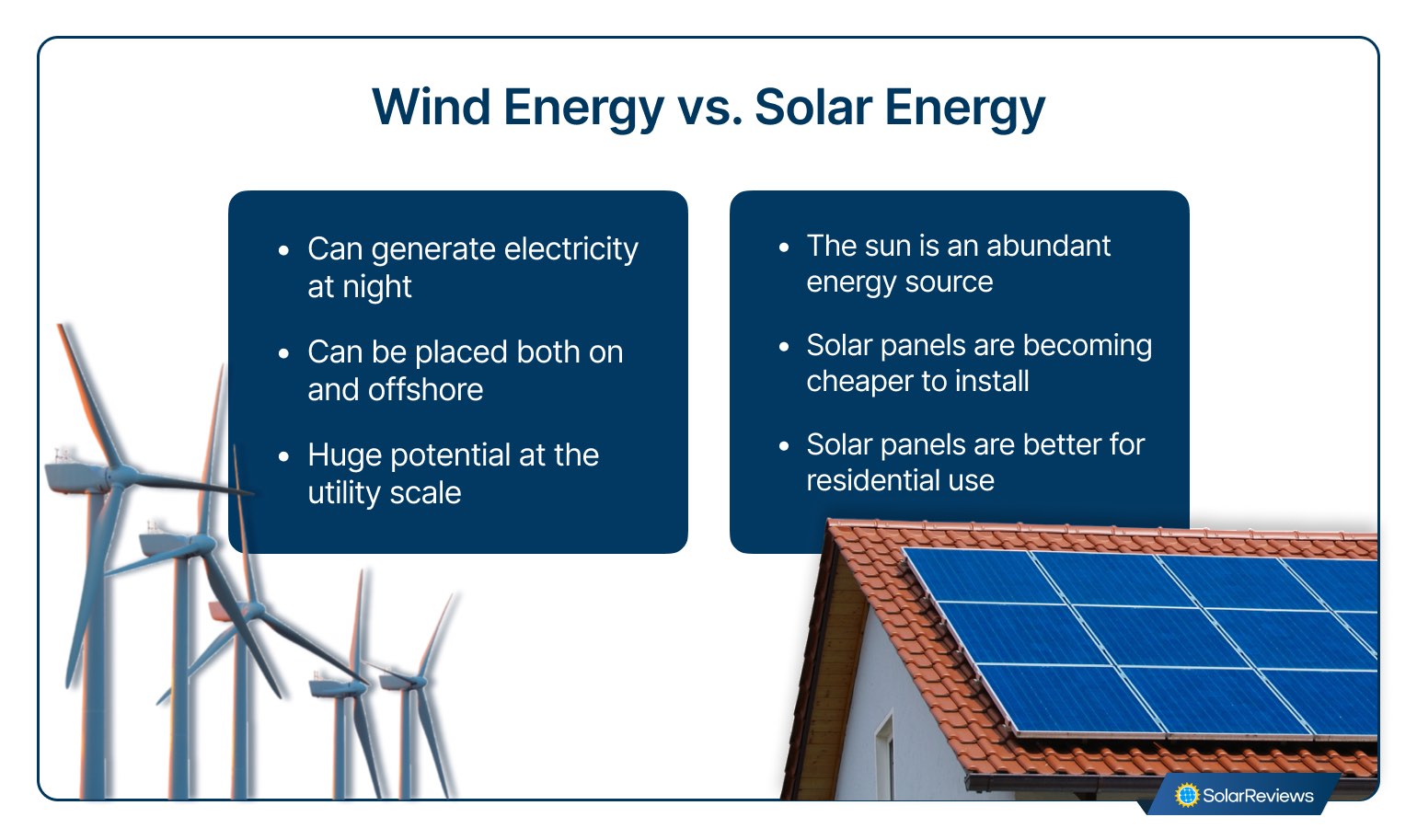
nnWind and solar often complement each other beautifully. Wind power tends to be stronger in winter and at night, while solar excels during sunny days. A hybrid system can provide more consistent power year-round and reduce the need for oversized battery banks.nn
When to Call a Pro: Recognizing Your Limits
nnWhile this guide focuses on DIY, there are clear instances when professional help is not just recommended, but essential.nn
Complex Installations
nnIf you’re dealing with a larger turbine (e.g., over 1kW), a very tall tower, or challenging terrain, the engineering and safety requirements often exceed typical DIY capabilities. Structural engineers and professional installers have the expertise and equipment to ensure a safe and compliant installation.nn
Grid-Tied Systems
nnConnecting to the utility grid involves strict electrical codes, utility-specific interconnection agreements, and safety protocols to protect both your home and utility workers. Incorrectly wired grid-tied systems can be incredibly dangerous. Always use a NABCEP (North American Board of Certified Energy Practitioners) certified installer for grid-tied wind systems.nn
Large-Scale Home Power Needs
nnIf your goal is to significantly reduce or eliminate your entire home’s electricity bill, you’re likely looking at a larger system that requires professional design, permitting, and installation to guarantee reliability, safety, and performance.nn
Conclusion: The Journey to Wind-Powered Independence
nnBuilding a wind turbine for home use is a challenging, rewarding endeavor. It’s a powerful statement of self-reliance and a tangible contribution to a sustainable future. It’s also a journey filled with learning, problem-solving, and a deep dive into the practicalities of renewable energy.nnApproach it with realistic expectations, meticulous planning, a strong commitment to safety, and a willingness to learn. Whether you power a single light bulb or significantly offset your home’s energy consumption, the satisfaction of harnessing the wind with your own hands is truly immense. May your blades spin true, and your batteries always be full.
Frequently Asked Questions
How much power can a DIY home wind turbine realistically generate?
Most effective DIY home wind turbines fall into the micro (under 1kW) to small (1-5kW) scale. Realistically, a well-built DIY unit might generate enough power to supplement your home’s needs for specific loads, charge a battery bank, or power a small shed. It’s unlikely to power an entire modern home, which typically requires a much larger and more consistent output.
:max_bytes(150000):strip_icc()/__opt__aboutcom__coeus__resources__content_migration__treehugger__images__2013__10__wind-turbine-finished-d963c26c0e704c9fb43dac99262c073a.jpg)
Are DIY wind turbines legal and do they require permits?
Yes, DIY wind turbines generally require permits and must comply with local zoning laws, building codes, and electrical regulations. Tower height restrictions, noise ordinances, and property line setbacks are common. Always contact your local planning department and utility company before starting any construction to understand the specific requirements in your area.
What’s the best location for a home wind turbine to maximize power?
The ideal location has consistent, unobstructed wind flow, with an average annual wind speed of at least 10 mph (4.5 m/s). The turbine should be sited upwind and at least 30 feet (9 meters) higher than any buildings, trees, or other obstructions within a 300-foot (90-meter) radius to avoid turbulence and maximize efficiency.

What are the biggest safety concerns when building a home wind turbine?
The primary safety concerns include working at heights (risk of falls), electrical hazards (shocks, fires), and the structural integrity of the turbine itself (blade rotation, tower collapse under high winds). Proper safety gear, adherence to electrical codes, and robust engineering are crucial.
Can I connect a DIY wind turbine to my home’s existing electrical grid?
Connecting a DIY wind turbine to the utility grid (grid-tied) is highly complex and requires strict adherence to electrical codes and utility interconnection agreements. It often necessitates professional installation by a NABCEP-certified installer to ensure safety for both your home and the grid. Off-grid systems, while simpler to manage personally, still require careful electrical planning.

How much does it cost to build a small wind turbine for home use?
The material costs for a functional DIY small wind turbine (e.g., 500W-1kW) can range significantly, typically from $1,500 to $7,000+, depending on component quality, type of generator, tower height, and whether you include a battery bank. This estimate does not include the value of your time, specialized tools, or potential permit fees.

)