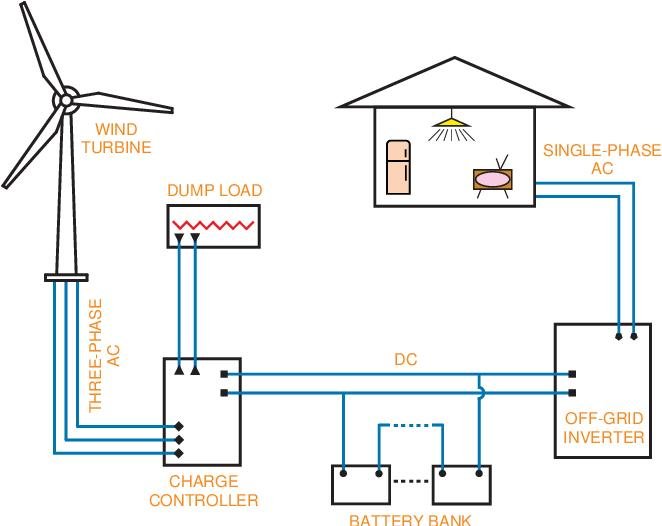
Floating Wind Turbines In The Air: Unpacking the High-Flying Future of Energy
Imagine a future where our energy isn’t just harvested from the ground or near coastlines, but from the very air above us. The idea might sound like something out of science fiction, but floating wind turbines in the air are rapidly transitioning from audacious concept to tangible reality. We’re talking about a revolutionary approach to wind power, one that seeks to unlock the immense, untapped energy potential of high-altitude winds. And trust me, it’s far more exciting – and impactful – than your average wind farm.
Table of Contents
- Floating Wind Turbines In The Air: Unpacking the High-Flying Future of Energy
- What Exactly Are “Floating Wind Turbines In The Air”?
- Beyond the Traditional: The Core Concept
- Key Technologies and Designs
- The Undeniable Advantages: Why Go High?
- Accessing the Powerhouse Winds
- Reduced Material & Environmental Footprint
- Versatility and Scalability
- Lower Operational & Maintenance Costs (Potential)
- Airborne vs. Traditional Wind: A Clear Comparison
- Global Innovators & Key Projects: Who’s Leading the Charge?
- China’s Megawatt Marvels
- Pioneering Startups & Research
- US Research & Development
- The Roadblocks Ahead: Challenges for Aerial Wind Power
- Regulatory & Air Traffic Control
- Safety & Public Perception
- Energy Transmission
- Cost & Durability
- Weather Extremes
- The Future Takes Flight: What’s Next for AWE?
- A Breath of Fresh, High-Altitude Air
For decades, we’ve relied on massive, ground-based turbines, then ventured offshore. But both have their limits: height constraints, visual impact, and the sheer cost and difficulty of building in increasingly deeper waters. What if we could bypass these limitations entirely? What if we could send our energy collectors skyward, where winds are not only stronger but also far more consistent? That’s the promise of airborne wind energy, and it’s a game-changer we need to understand.
What Exactly Are “Floating Wind Turbines In The Air”?
Let’s clear something up right away. When we talk about floating wind turbines in the air, we’re not talking about the ‘floating offshore wind turbines’ you might have heard about, which are giant turbines on floating platforms anchored to the seabed. While those are incredible innovations in their own right, airborne wind energy (AWE) is an entirely different beast.
Beyond the Traditional: The Core Concept
At its heart, Airborne Wind Energy (AWE) is about detaching the wind turbine from its traditional rigid tower and lifting it into the sky. The goal? To access the powerful, stable, and often unidirectional winds found at altitudes far beyond the reach of conventional turbines – typically between 500 meters (1,600 feet) and 2,000 meters (6,500 feet) or even higher.
Think about it: the higher you go, the less friction with the Earth’s surface, and the more reliably the wind blows. This isn’t just a slight increase in wind speed; at these altitudes, wind can be dramatically stronger and more consistent, offering significantly more energy potential.
Key Technologies and Designs
While the goal is the same, AWE systems come in various ingenious forms, each with its own engineering marvels:
- Kites and Gliders: These systems use aerodynamic wings or kites that fly in specific patterns (often figure-eights or circles) to generate lift and tension on a tether. As the kite pulls on the tether, it drives a generator either on the ground (ground-gen systems) or within the airborne unit itself (fly-gen systems). The continuous pulling and reeling in/out motion generates electricity.
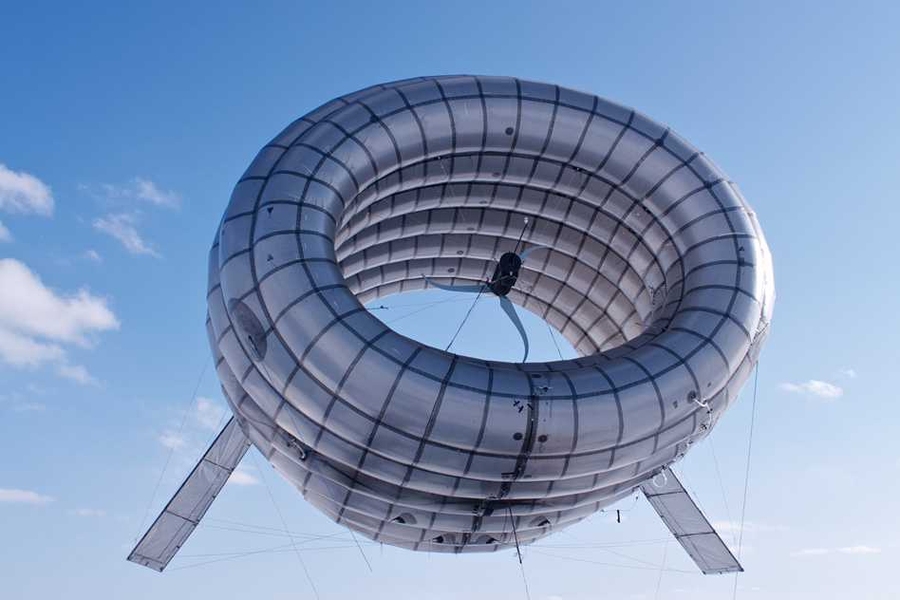
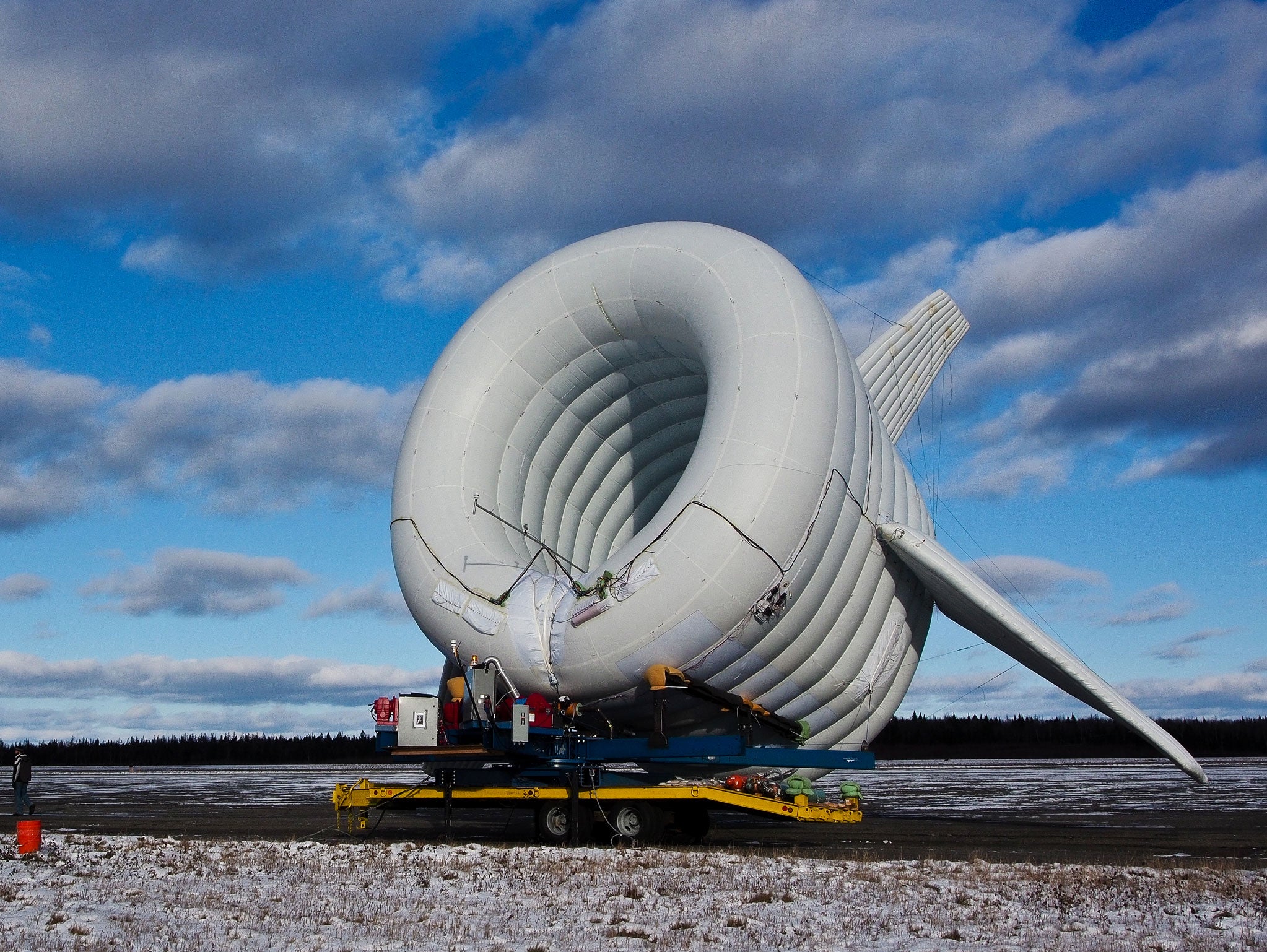
- Blimps and Aerostats: This is where the ‘floating’ aspect becomes most literal. These are large, helium-filled inflatable structures, much like modern-day blimps or zeppelins, that float at high altitudes. They often have turbines integrated directly into their structure, capturing wind energy while maintaining their position through buoyancy and tethers. China’s recent innovations, which we’ll delve into, largely fall into this category.
- Tethered Systems: Crucial to almost all AWE designs, tethers are the lifeline. They not only anchor the airborne system but also transmit the generated electricity (if it’s a fly-gen system) and data back to the ground station. The strength and material science behind these tethers are critical for safety and efficiency.
The Undeniable Advantages: Why Go High?
The motivation behind chasing winds at higher altitudes isn’t just about novelty; it’s driven by compelling practical and economic advantages that address many of the limitations of traditional wind power.
Accessing the Powerhouse Winds
This is the big one. Due to the ‘wind shear effect,’ wind speeds increase significantly with altitude. At 500 meters, wind speeds can be 2-3 times higher than at 100 meters. And because wind power output is proportional to the cube of the wind speed (P = ½ ρAV³), even a doubling of wind speed can mean an eight-fold increase in power output. This means fewer turbines might be needed to generate the same amount of electricity, or far more electricity can be generated from a single unit.

Furthermore, these high-altitude winds are generally more consistent and less turbulent, leading to higher capacity factors (the actual energy produced compared to the maximum possible) and more predictable energy generation.
Reduced Material & Environmental Footprint
Traditional wind turbines require massive steel towers and concrete foundations. AWE systems, particularly kite-based ones, can drastically reduce the amount of material needed per megawatt of installed capacity. Less steel, less concrete, potentially lower manufacturing emissions. The infrastructure on the ground is minimal – essentially a small ground station and a tether.
Versatility and Scalability
AWE systems are inherently more versatile in their deployment. They don’t need flat land or shallow offshore waters. They can be deployed in:
- Remote and Off-Grid Locations: Providing power to isolated communities, disaster relief efforts, or temporary installations without extensive grid infrastructure.
- Deep Offshore Waters: Where traditional fixed-bottom or even floating offshore turbines are economically or technically unfeasible due to extreme depths. AWE systems are tethered, not reliant on a seabed foundation, opening up vast new swathes of ocean for wind energy harvesting.
- Challenging Terrains: Mountains, forests, or areas with complex topography where conventional turbines are difficult or impossible to install.
Lower Operational & Maintenance Costs (Potential)
While the technology is new, the long-term potential for lower O&M costs is significant. Many AWE systems are designed for components to be lowered to the ground for maintenance, eliminating the need for specialized high-altitude repair crews or costly heavy-lift vessels required for offshore wind.
Airborne vs. Traditional Wind: A Clear Comparison
To truly appreciate the potential of floating wind turbines in the air, it’s helpful to see how they stack up against their more established counterparts.
| Feature | Traditional Wind Turbines (Onshore/Offshore) | Airborne Wind Energy (AWE) Systems |
|---|---|---|
| Operating Altitude | Up to ~200-250 meters | 500 meters to 2,000+ meters |
| Wind Resource Quality | Variable, lower speed, higher turbulence | Higher speeds, more consistent, less turbulence |
| Power Output Potential | Limited by available wind at lower altitudes | Significantly higher due to cube law (V³) |
| Material Requirements | High (steel tower, concrete foundation) | Potentially lower per MWh (lighter components) |
| Deployment Flexibility | Limited by terrain, water depth, grid access | Highly flexible (remote, deep offshore, disaster relief) |
| Visual & Noise Impact | Can be significant (tall structures, blade noise) | Potentially lower (smaller ground footprint, higher altitude) |
| Maturity & Cost | Mature, established, cost-competitive | Emerging, higher R&D costs, potential for future cost reduction |
Global Innovators & Key Projects: Who’s Leading the Charge?
While the concept of airborne wind energy has been around for decades, recent technological leaps and significant investment are finally bringing these futuristic designs to fruition. And when it comes to breakthroughs, one nation is consistently making headlines:
China’s Megawatt Marvels
China has emerged as a major player in the AWE space, pushing the boundaries of what’s possible with large-scale, floating wind technology. Projects like the S1500 “Flying Windmill” airship have captured global attention. This isn’t just a small prototype; we’re talking about a megawatt-level generator – potentially 1.2 MW output – designed to float high in the sky. It’s essentially a massive, helium-filled inflatable shell that channels wind through a lightweight turbine integrated within its structure, tethered to the ground.
These Chinese advancements are particularly exciting because they demonstrate the feasibility of scaling up AWE systems to a level that can contribute meaningfully to the grid. Their focus on blimp-like designs offers unique advantages in terms of stability and continuous power generation, positioning them as a potential game-changer for grid-scale renewable energy.
Pioneering Startups & Research
Beyond China, a global ecosystem of innovators has been exploring various AWE designs. Though specific company names might rise and fall, the underlying research from universities and startups worldwide has laid the groundwork. Many have focused on kite-based systems, such as those that fly autonomously in circular patterns, generating power through ground-based generators. These diverse approaches highlight the rich potential of AWE and the global drive to harness high-altitude winds.
US Research & Development
The United States has also been a hotbed of AWE research. Institutions like MIT have seen alumni develop airborne wind turbines designed to float 1,000 feet aloft, specifically engineered to capture stronger, steadier winds. The National Science Foundation (NSF) has supported initiatives exploring the core technologies, from the aerodynamics of the inflatable shells to efficient energy transmission systems. This foundational research is critical for understanding the physics and engineering challenges, paving the way for commercial viability.
The Roadblocks Ahead: Challenges for Aerial Wind Power
As with any truly disruptive technology, the path to mainstream adoption for floating wind turbines in the air is not without its hurdles. These challenges are significant, but not insurmountable, and researchers are actively working to address them.
Regulatory & Air Traffic Control
Imagine hundreds or thousands of these devices floating kilometers above us. Integrating them into existing airspace regulations, especially near airports or flight paths, is a complex undertaking. New frameworks for safety, zoning, and air traffic management will be required, potentially on an international level.
Safety & Public Perception
The idea of large objects floating high above can raise public safety concerns. What if a tether breaks? What about extreme weather? While safety systems are paramount in design, public acceptance and trust will be crucial. Addressing visual impact – though potentially less than traditional turbines if high enough – and ensuring robust engineering against unforeseen failures are key.
Energy Transmission
Bringing megawatt-levels of electricity down from several kilometers in the sky through a tether is no trivial task. It requires highly efficient, durable cables that can withstand tension, weather, and transmit power with minimal loss. Developing superconducting tethers or advanced wireless power transmission methods are long-term considerations.
Cost & Durability
While the potential for lower material costs exists, the initial R&D and manufacturing costs for these sophisticated systems are currently high. Furthermore, the materials need to withstand extreme conditions: UV radiation, wide temperature fluctuations, high winds, and icing at altitude. Ensuring long-term durability and a competitive levelized cost of energy (LCOE) will be vital for commercial success.
Weather Extremes
High altitudes expose systems to lightning strikes, severe icing, and powerful storms. Designing systems that can safely operate, withstand, or temporarily descend during such events is a critical engineering challenge. Sensor technology, predictive weather modeling, and automated safety protocols are essential components.
The Future Takes Flight: What’s Next for AWE?
Despite the challenges, the trajectory for floating wind turbines in the air is clearly upward. This technology isn’t just a niche solution; it represents a fundamental shift in how we think about harvesting wind energy.
We can expect to see AWE systems first gaining traction in specialized applications: providing reliable power to remote islands, serving as flexible energy solutions for military bases, or rapidly deploying electricity to disaster zones where traditional infrastructure is compromised. These deployments will serve as crucial proving grounds, allowing engineers to refine designs, improve reliability, and gather invaluable operational data.
As the technology matures, expect to see integration with smart grids. The consistent, powerful winds at altitude could provide a much steadier baseload-like renewable power source, complementing intermittent solar and lower-altitude wind. This predictability could be a significant advantage for grid stability.
While it might be years, if not a decade or more, before you see vast arrays of floating wind farms in the sky, the progress is undeniable. From China’s megawatt airships to ongoing research from institutions like MIT and NSF, the global scientific and engineering community is deeply invested. The promise of unlocking a truly global wind resource – unconstrained by land, shallow water, or even specific geographical locations – is too compelling to ignore.
This isn’t just about cleaner energy; it’s about energy independence, resilience, and tapping into a resource that has been literally above our heads all along. The future of wind power is looking up, quite literally.
A Breath of Fresh, High-Altitude Air
The concept of floating wind turbines in the air represents one of the most exciting and transformative frontiers in renewable energy. By daring to look skyward, we’re not just building taller turbines; we’re fundamentally rethinking how we interact with the planet’s most abundant clean energy resource. The journey from concept to widespread reality is complex, filled with engineering challenges, regulatory hurdles, and economic considerations. Yet, the sheer potential – to access stronger, more consistent winds, reduce material footprints, and deploy power in previously inaccessible locations – is a powerful motivator.
As China pushes the boundaries with megawatt-level airborne platforms and research institutions around the world continue to innovate, the vision of high-flying power plants draws closer. It’s a testament to human ingenuity and our unwavering commitment to a sustainable future. Keep your eyes on the skies; the next revolution in energy generation might just be floating there.
Frequently Asked Questions
What are ‘floating wind turbines in the air’?
Floating wind turbines in the air, also known as Airborne Wind Energy (AWE) systems, are technologies that generate electricity by deploying generators and/or aerodynamic devices (like kites, gliders, or blimps) at high altitudes (typically 500 meters to 2,000+ meters) to harness stronger, more consistent winds than ground-based turbines.
How do airborne wind turbines work?
AWE systems primarily work in two ways: 1) ‘Ground-gen’ systems use kites or wings tethered to the ground, where the pulling force on the tether drives a generator. 2) ‘Fly-gen’ systems have turbines integrated into the airborne unit itself (like a blimp), generating electricity aloft and transmitting it down a tether. Both aim to capture high-altitude winds.
What are the main advantages of airborne wind energy?
Key advantages include access to significantly stronger and more consistent high-altitude winds (leading to higher power output), reduced material requirements compared to traditional turbines, greater deployment flexibility in remote or deep offshore areas, and potentially lower operational and maintenance costs due to easier ground-based servicing.
Is China leading the development of these turbines?
Yes, China has made significant advancements, particularly with megawatt-level airborne wind turbines like the S1500 ‘Flying Windmill’ airship. These large, helium-filled blimp-like systems demonstrate the potential for scaled-up AWE deployment and have garnered considerable global attention.
What are the challenges facing airborne wind energy?
Major challenges include developing robust regulatory frameworks for air traffic control, addressing public safety concerns and visual impact, ensuring efficient and durable energy transmission via tethers, reducing high initial R&D and manufacturing costs, and designing systems capable of withstanding extreme high-altitude weather conditions like lightning and icing.
When can we expect airborne wind turbines to be widely used?
While the technology is rapidly advancing, widespread commercial deployment of AWE systems is likely still years away, possibly a decade or more. Initial applications will likely focus on niche markets such as remote power supply, disaster relief, and deep offshore locations, serving as crucial proving grounds before broader integration into national grids.