Gwynt y Môr Offshore Wind Farm: Powering the Future from the Irish Sea
Ever wondered what it takes to build a colossal energy project that can power hundreds of thousands of homes, all while braving the mighty forces of the sea? Meet Gwynt y Môr – Welsh for ‘wind of the sea’ – an engineering marvel off the coast of North Wales. It’s not just another wind farm; it’s a testament to human ingenuity and our unwavering commitment to a greener planet.
Table of Contents
- Gwynt y Môr Offshore Wind Farm: Powering the Future from the Irish Sea
- What Exactly is Gwynt y Môr? (The Basics)
- A Giant in the Irish Sea: Location & Overview
- Who’s Behind the Powerhouse? Ownership and Operation
- The Scale of Green Energy: What 576 MW Means
- From Vision to Reality: The Journey of Gwynt y Môr
- The Genesis: Planning and Development
- Engineering Marvel: Construction Challenges and Innovations
- Powering On: Official Commissioning and Operation
- Gwynt y Môr’s Impact: Beyond Just Electricity
- Environmental Stewardship: Protecting Marine Life
- Economic Windfall: Jobs, Investment, and Local Economy
- Community Engagement: The Gwynt y Môr Community Fund
- Gwynt y Môr: A Benchmark for Global Offshore Wind
- Lessons Learned for Future Projects (especially relevant for the US)
- The Future of Offshore Wind: What’s Next?
- Key Facts & Figures: Gwynt y Môr at a Glance
For those of us in the United States, understanding projects like Gwynt y Môr is crucial. As the US accelerates its own offshore wind ambitions, these operational behemoths in Europe offer invaluable blueprints, demonstrating both the immense potential and the complex challenges involved. Gwynt y Môr stands as a shining example of how large-scale renewable energy infrastructure can be conceived, constructed, and operated, setting a high bar for efficiency, environmental stewardship, and community integration. This isn’t just about Wales; it’s about the global energy transition, and Gwynt y Môr is a vital chapter in that story.
What Exactly is Gwynt y Môr? (The Basics)
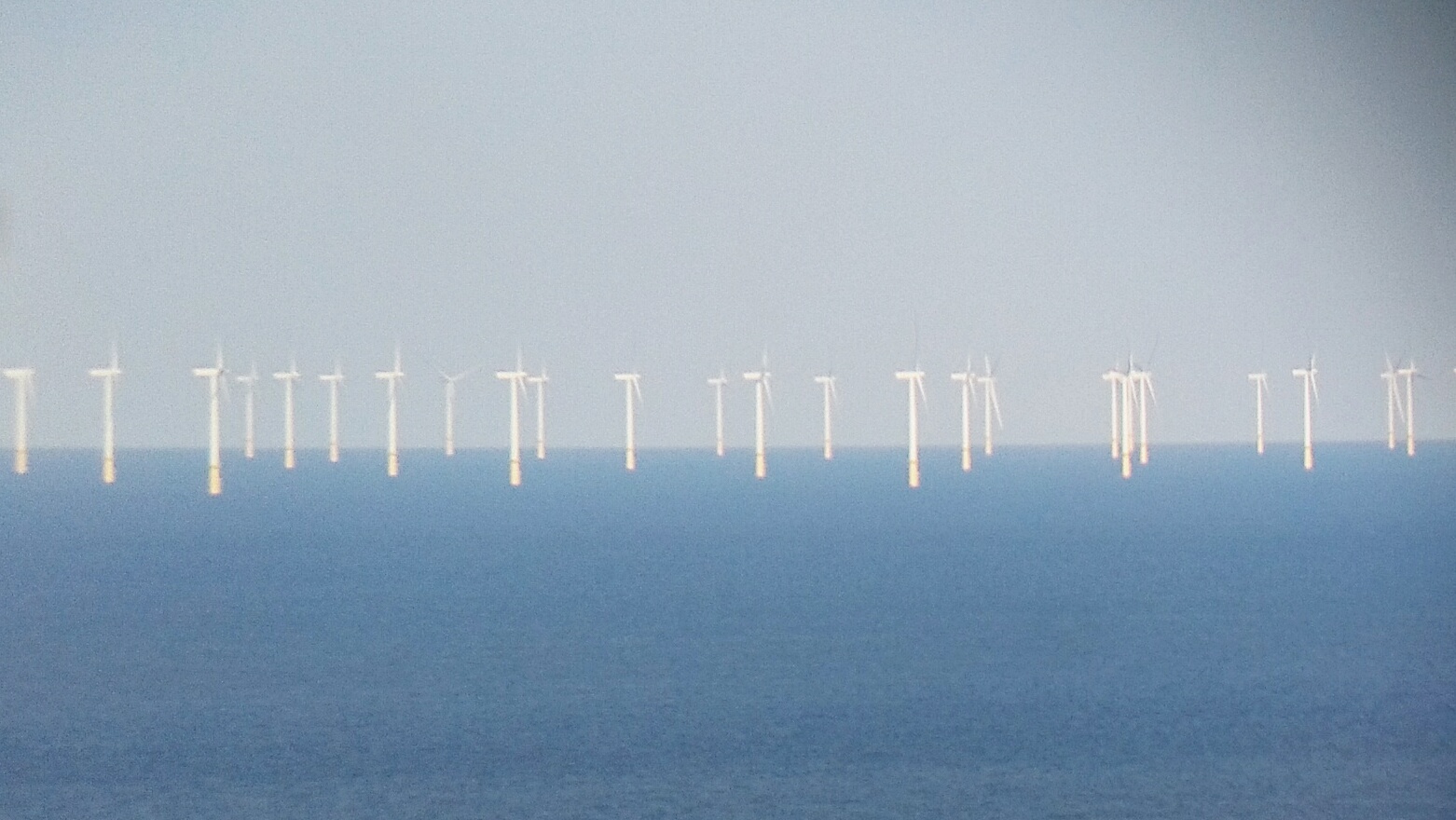
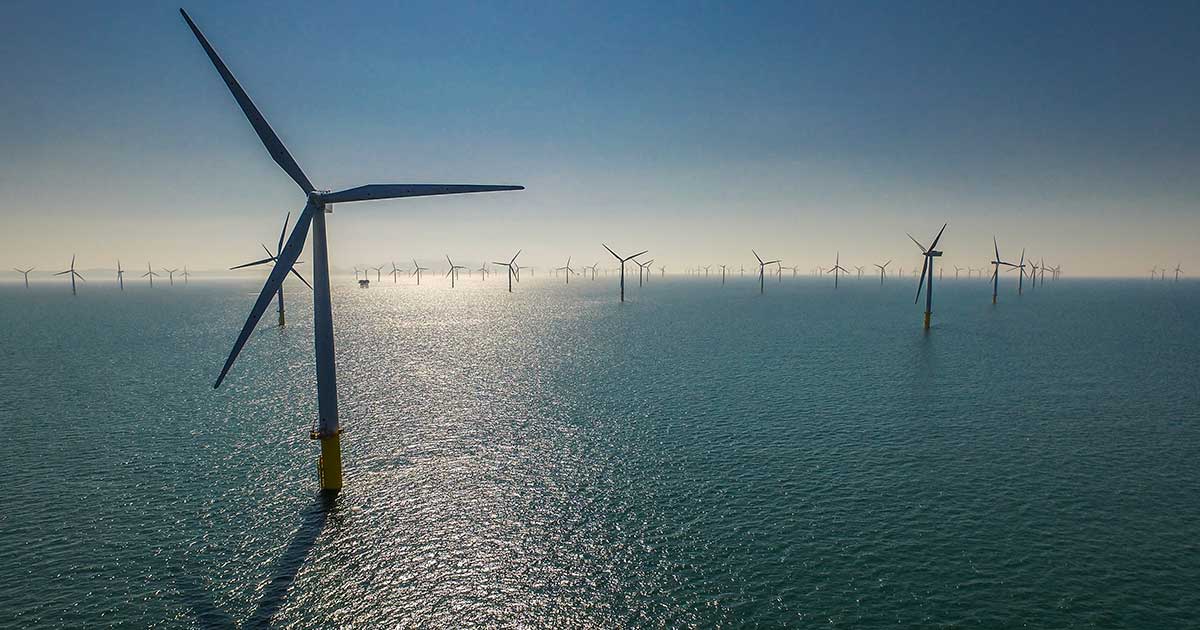
Imagine a vast expanse of the Irish Sea, dotted with towering turbines, each one diligently harnessing the ocean’s breath. That’s Gwynt y Môr.
A Giant in the Irish Sea: Location & Overview
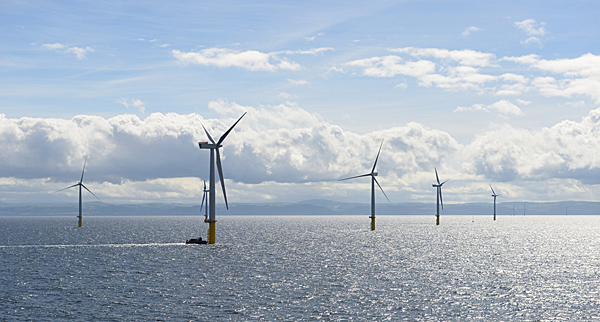
Located approximately 13 kilometers (8 miles) off the North Wales coast in the Irish Sea, Gwynt y Môr is strategically positioned to capture powerful, consistent winds. This isn’t some small-scale demonstration project; we’re talking about a significant industrial undertaking covering an area of around 79 square kilometers (30 square miles). Its sheer size and strategic location make it a pivotal player in the UK’s renewable energy landscape.
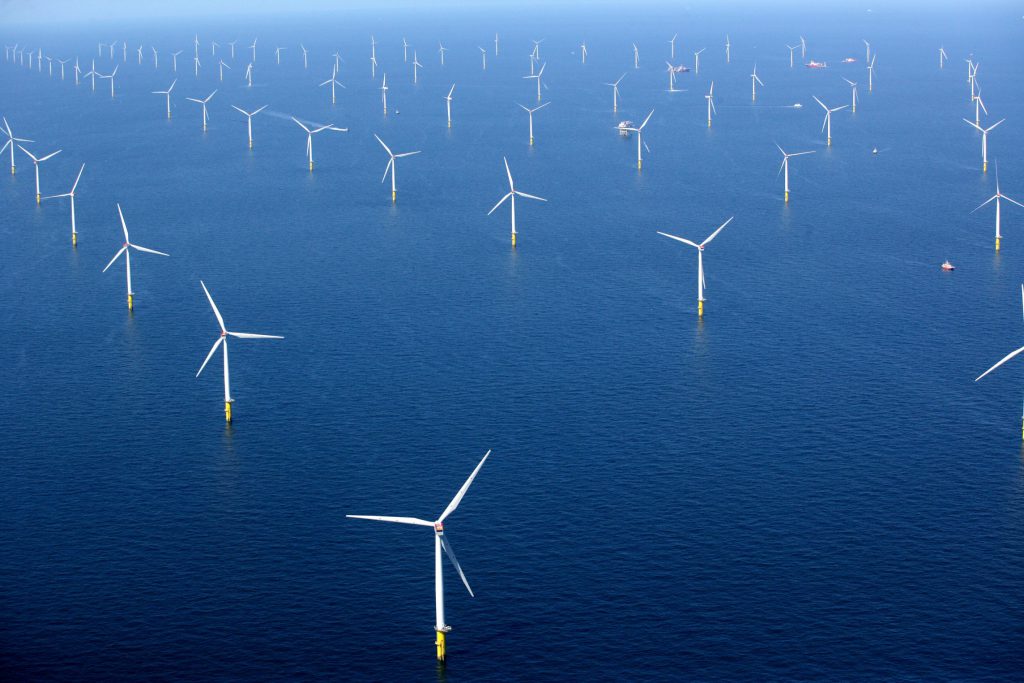
At its heart are 160 individual wind turbine generators, each standing tall against the horizon. Together, they form a formidable power-generating machine designed to run for decades, contributing clean electricity to the national grid.
Who’s Behind the Powerhouse? Ownership and Operation
Bringing a project of Gwynt y Môr’s scale to life requires significant investment and expertise. The primary operator and a major shareholder in the Gwynt y Môr Offshore Wind Farm is RWE Renewables, a global leader in renewable energy. Other shareholders include the UK Green Investment Bank and Siemens.
This collaborative structure pools resources, technical know-how, and financial backing, essential for managing such a complex and long-term asset. RWE’s role extends beyond just ownership; they are responsible for the day-to-day operation and maintenance, ensuring the wind farm runs efficiently and reliably, minimizing downtime and maximizing energy output.
The Scale of Green Energy: What 576 MW Means
The numbers behind Gwynt y Môr are impressive. With an installed capacity of 576 megawatts (MW), it’s one of the largest offshore wind farms globally and, at the time of its commissioning, was the second largest in the world. But what does 576 MW actually mean in practical terms?
This immense capacity is capable of generating enough clean electricity to power approximately 400,000 homes annually. Think about that: nearly half a million households receiving power generated cleanly, without burning fossil fuels. This translates directly into a significant reduction in carbon dioxide emissions, playing a crucial role in combating climate change and improving air quality. It’s a tangible step towards energy independence and a sustainable future.
From Vision to Reality: The Journey of Gwynt y Môr
Projects like Gwynt y Môr don’t appear overnight. They are the result of years of meticulous planning, groundbreaking engineering, and overcoming significant challenges. It’s a journey that began with an ambitious vision and culminated in a fully operational power plant at sea.
The Genesis: Planning and Development
The idea for Gwynt y Môr began to take shape in the early 2000s, part of a broader push by the UK to harness its abundant offshore wind resources. This initial phase involved extensive environmental impact assessments, detailed site surveys to understand seabed conditions, and securing the necessary regulatory approvals from various governmental bodies.
Choosing the right location was paramount – an area with consistently strong winds, suitable water depths for foundation installation, and a feasible route for subsea export cables to connect to the national grid onshore. It was a complex puzzle involving marine biologists, engineers, legal experts, and community liaisons.
Engineering Marvel: Construction Challenges and Innovations
The construction phase, which largely took place between 2012 and 2015, was nothing short of an engineering feat. Building a wind farm far out at sea presents unique and formidable challenges:
- Foundations: Installing 160 massive foundations into the seabed, some weighing hundreds of tons, required specialized vessels and drilling techniques. The varying seabed conditions meant adapting strategies on the fly.
- Turbine Installation: Each 3.6 MW turbine had to be carefully transported offshore and erected, a process that demanded precision, calm seas, and powerful lifting equipment. The turbines themselves stood over 150 meters (nearly 500 feet) from sea level to blade tip.
- Offshore Substations: Two huge offshore substations were built to collect the electricity from the individual turbines and step up the voltage for efficient transmission onshore. These acted as the central nervous system of the wind farm.
- Subsea Cables: Miles of high-voltage export cables had to be laid and buried on the seabed to carry the generated electricity to a new onshore substation near St. Asaph. This complex operation was managed by Gwynt y Môr OFTO (Offshore Transmission Owner), responsible for the transmission infrastructure.
- Weather and Logistics: The notoriously unpredictable weather conditions of the Irish Sea meant careful planning and frequent delays. The logistical challenge of coordinating hundreds of workers, vessels, and pieces of heavy equipment across multiple construction sites was immense.
These challenges pushed the boundaries of offshore engineering, leading to innovations in vessel design, installation techniques, and safety protocols that continue to benefit future offshore wind projects globally.
Powering On: Official Commissioning and Operation
After years of construction, Gwynt y Môr officially became fully operational in 2015. This marked the transition from a construction site to a productive energy asset. Since then, the focus has shifted to diligent monitoring, routine maintenance, and maximizing energy output.
Teams of skilled technicians regularly visit the turbines, often via specialized crew transfer vessels or helicopters, to perform inspections, repairs, and preventative maintenance. Sophisticated remote monitoring systems continuously collect data on performance, wind conditions, and any potential issues, allowing for proactive intervention. The goal is to ensure Gwynt y Môr continues to deliver clean, reliable power for its entire operational lifespan, typically 25-30 years.
Gwynt y Môr’s Impact: Beyond Just Electricity
While generating clean electricity is Gwynt y Môr’s primary purpose, its influence extends far beyond simply powering homes. This project has had significant ripple effects on the environment, the economy, and the local communities in North Wales.
Environmental Stewardship: Protecting Marine Life
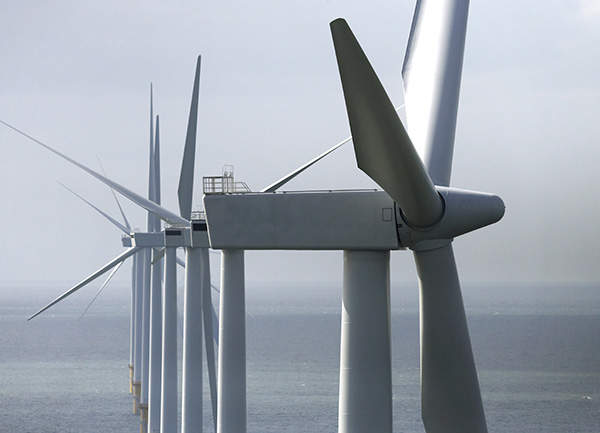
From the outset, environmental protection has been a critical consideration for Gwynt y Môr. Extensive studies were conducted before construction to understand the local marine ecosystem, identifying sensitive habitats and species. This commitment to environmental stewardship continues throughout the wind farm’s operational life.
- Baseline Studies: Before any work began, detailed surveys assessed the existing marine life, including seabirds, marine mammals (like dolphins and porpoises), and fish populations.
- Mitigation Measures: During construction, steps were taken to minimize impact. For instance, noise reduction techniques were employed during piling to protect marine mammals.
- Ongoing Monitoring: Environmental monitoring programs are in place to track the long-term effects of the wind farm on the marine environment. Organizations like Tethys collect data on how species interact with the turbines and foundations.
- Artificial Reef Effect: The foundations and scour protection around the turbines can, over time, create new habitats for marine organisms, potentially acting as artificial reefs that attract various species.
These efforts demonstrate a responsible approach to developing renewable energy, ensuring that while we harness nature’s power, we also strive to protect its delicate balance.
Economic Windfall: Jobs, Investment, and Local Economy
A project of this magnitude injects substantial economic activity into a region. During the peak construction phase, Gwynt y Môr supported thousands of jobs, both directly and indirectly, across a wide range of industries.
Today, the operational phase continues to provide long-term employment for skilled technicians, engineers, and support staff, often based at dedicated onshore operational and maintenance facilities. This creates stable, high-value jobs in coastal communities that might otherwise face economic challenges. Furthermore, Gwynt y Môr’s extensive supply chain supports numerous local and regional businesses, from catering and accommodation to specialized marine services and equipment suppliers. The sheer investment – totalling billions of pounds – represents a significant boost to the regional economy and positions North Wales as a hub for renewable energy expertise.
Community Engagement: The Gwynt y Môr Community Fund
Understanding that large infrastructure projects can have local impacts, Gwynt y Môr established a substantial community benefit fund. This isn’t just a token gesture; it’s a long-term commitment designed to support local initiatives and foster sustainable development.
Over the lifetime of the wind farm, the Gwynt y Môr Offshore Wind Farm Community Fund is set to invest approximately £19 million. This fund directly benefits coastal communities in the local authority areas of Conwy, Denbighshire, Flintshire, Gwynedd, and Anglesey.
The types of projects supported are diverse, ranging from:
- Local environmental initiatives and conservation efforts.
- Educational programs promoting STEM (Science, Technology, Engineering, Mathematics) and renewable energy.
- Support for local charities and community groups.
- Infrastructure improvements and amenities.
- Skills training and economic development programs.
This fund ensures that the benefits of Gwynt y Môr are shared widely, helping to build stronger, more resilient communities alongside the generation of clean power.
Gwynt y Môr: A Benchmark for Global Offshore Wind
Gwynt y Môr is more than just a power plant; it’s a living laboratory and a critical reference point for the burgeoning global offshore wind industry. Its successes and the lessons learned throughout its lifecycle are invaluable, particularly for countries like the United States that are rapidly expanding their own offshore wind portfolios.
Lessons Learned for Future Projects (especially relevant for the US)
Every major infrastructure project offers a wealth of experience, and Gwynt y Môr is no exception. For developers, policymakers, and engineers embarking on new offshore wind ventures, particularly in the US, key takeaways include:
- Project Management and Coordination: The sheer scale demands meticulous planning and seamless coordination across numerous contractors and stakeholders. Learning to manage these complexities efficiently is vital.
- Technological Advancements: Gwynt y Môr utilized cutting-edge technology for its time. Future projects can build upon this, incorporating even larger, more efficient turbines, improved foundation designs, and advanced digital monitoring systems.
- Environmental Best Practices: The comprehensive environmental impact assessments and ongoing monitoring efforts at Gwynt y Môr provide a robust framework for minimizing ecological disturbance and ensuring regulatory compliance.
- Supply Chain Development: Building a strong, localized supply chain for components, vessels, and services is crucial for reducing costs and increasing efficiency – a major focus for emerging offshore wind markets in the US.
- Community Integration: The success of the Gwynt y Môr Community Fund demonstrates the importance of early and meaningful engagement with local communities to ensure social acceptance and shared benefits.
By studying projects like Gwynt y Môr, the US can accelerate its offshore wind development, learn from established best practices, and avoid common pitfalls, ultimately building a more robust and sustainable renewable energy sector.
The Future of Offshore Wind: What’s Next?
The story of Gwynt y Môr is part of a much larger narrative: the global push towards offshore wind energy. What started as ambitious projects a couple of decades ago has now become a mainstream, cost-competitive power source. Looking ahead, we can expect:
- Continued Growth: Offshore wind capacity is projected to grow exponentially worldwide, with new markets opening up in Asia, North America, and other regions.
- Larger Turbines: The next generation of turbines will be even bigger, with capacities reaching 15 MW or more, further increasing efficiency and reducing the number of foundations required per megawatt.
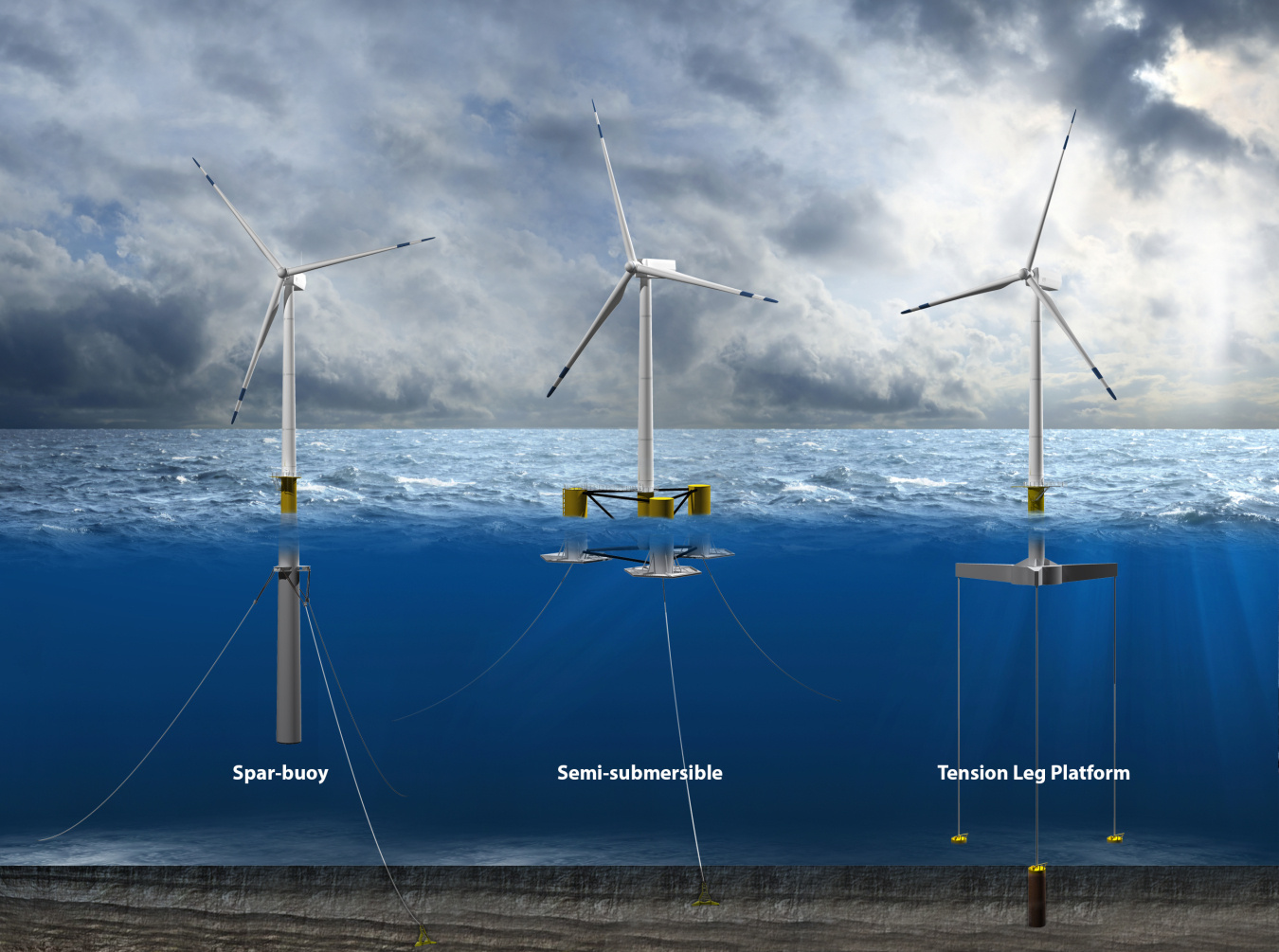
- Floating Wind Technology: For deeper waters where traditional fixed-bottom foundations are not feasible, floating offshore wind platforms are rapidly developing, opening up vast new areas for development.
- Grid Integration: As more offshore wind comes online, smart grid solutions and energy storage will become even more critical to ensure stable and reliable power supply.
- Innovation in Operations & Maintenance: Robotics, AI, and autonomous vessels will play an increasingly significant role in maintaining wind farms, driving down operational costs and improving safety.
Gwynt y Môr, though now a mature asset, continues to be a vital part of this evolving story, demonstrating the enduring power and potential of offshore wind to transform our energy landscape.
Key Facts & Figures: Gwynt y Môr at a Glance
Here’s a snapshot of the essential details that define the Gwynt y Môr Offshore Wind Farm:
| Attribute | Detail |
|---|---|
| Location | Irish Sea, off the coast of North Wales, UK |
| Distance from Shore | Approximately 13 kilometers (8 miles) |
| Total Installed Capacity | 576 megawatts (MW) |
| Number of Turbines | 160 |
| Turbine Capacity | 3.6 MW each |
| Area Covered | Approximately 79 square kilometers (30 square miles) |
| Homes Powered Annually | Equivalent to around 400,000 homes |
| Commissioning Date | Full operation in 2015 |
| Operator & Major Shareholder | RWE Renewables |
| Community Investment | £19 million over the wind farm’s lifetime |
Gwynt y Môr is more than just a collection of impressive statistics; it’s a living example of what’s possible when ambition meets engineering excellence in the pursuit of a sustainable future. It stands as a powerful symbol of progress in renewable energy, inspiring the next generation of projects around the world.
Frequently Asked Questions
What does ‘Gwynt y Môr’ mean?
Gwynt y Môr is a Welsh phrase that translates to ‘wind of the sea,’ a fitting name for an offshore wind farm located off the coast of North Wales.
Where is the Gwynt y Môr wind farm located?
The Gwynt y Môr Offshore Wind Farm is situated in the Irish Sea, approximately 13 kilometers (8 miles) off the coast of North Wales, United Kingdom.
How much power does Gwynt y Môr generate?
With an installed capacity of 576 megawatts (MW), Gwynt y Môr generates enough clean electricity to power roughly 400,000 homes annually.
Who owns and operates Gwynt y Môr?
The wind farm is operated by RWE Renewables, which is also a major shareholder. Other shareholders include the UK Green Investment Bank and Siemens.
What are the environmental considerations for Gwynt y Môr?
Extensive environmental impact assessments and ongoing monitoring programs are in place to understand and mitigate potential effects on marine life, including seabirds and mammals. Measures taken include noise reduction during construction and long-term ecological studies.
How long will Gwynt y Môr operate?
Offshore wind farms like Gwynt y Môr are designed for a long operational lifespan, typically between 25 to 30 years, during which they continuously generate clean energy.
Does Gwynt y Môr have a community benefit scheme?
Yes, the Gwynt y Môr Offshore Wind Farm Community Fund is a significant long-term investment, providing approximately £19 million over the wind farm’s lifetime to support local community projects and initiatives in coastal areas of North Wales.