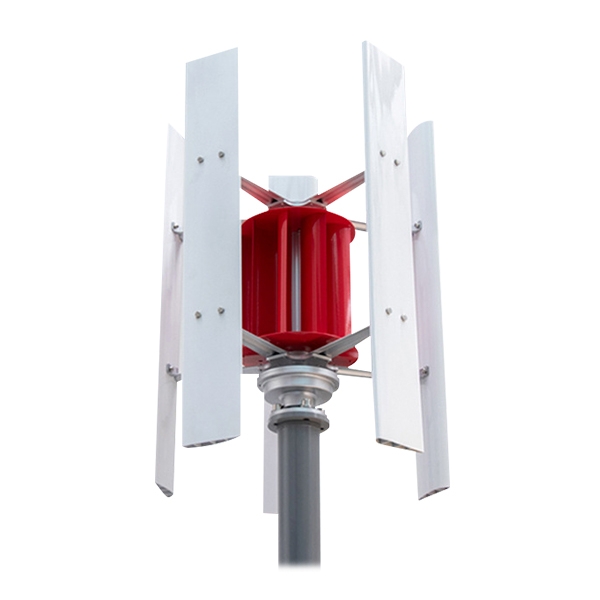
Powering Your Home: The Real Talk About Horizontal Rooftop Wind Turbines for Residential Use
Picture this: a gentle breeze sweeps across your home, and instead of just cooling your porch, it’s actively generating clean electricity, right from your rooftop. The allure of harnessing wind power for your home is incredibly strong, especially when you think about energy independence and reducing your carbon footprint. But when it comes to horizontal-axis wind turbines (HAWTs) perched on residential rooftops, the reality often diverges significantly from the dream.
Table of Contents
- Powering Your Home: The Real Talk About Horizontal Rooftop Wind Turbines for Residential Use
- What Are Horizontal Rooftop Wind Turbines (HAWTs) and How Do They Work?
- The Anatomy of a Rooftop HAWT
- The Science Behind Wind Power Generation
- The Promise vs. The Reality: Are Rooftop HAWTs Truly Viable for Your Home?
- Why Rooftop Wind is Different from Ground-Mounted
- Key Factors Influencing Performance
- Wind Speed and Turbulence
- Obstructions and Building Height
- Advantages of Horizontal Rooftop Wind Turbines
- Potential for On-Site Energy Generation
- Complementary to Solar Power
- Smaller Footprint (Compared to Ground-Mounted)
- The Significant Challenges and Disadvantages
- Turbulent Wind Conditions on Rooftops
- Noise and Vibration Concerns
- Structural Integrity and Load Bearing
- Aesthetics and Permitting Hurdles
- Limited Power Output and ROI
- Maintenance and Accessibility Issues
- Horizontal vs. Vertical Axis Wind Turbines (VAWTs) for Rooftops
- Understanding the Key Differences
- Why VAWTs Are Often Preferred for Rooftops (Though Still Challenging)
- How Do Rooftop HAWTs Compare to Rooftop Solar?
- Energy Production Consistency
- Space Requirements and Aesthetics
- Cost-Effectiveness
- Sizing and Cost: What to Expect for a Residential HAWT System
- Determining Your Energy Needs
- Typical Power Output of Residential HAWTs
- Understanding Installation Costs (Turbine, Inverter, Wiring, Mounting, Permitting)
- Potential Incentives and Payback Period
- Is a Horizontal Rooftop Wind Turbine Right for Your Home? A Practical Checklist
- Site Assessment: Wind Resource, Obstructions, Building Structure
- Local Zoning and Permitting
- Budget and ROI Expectations
- Noise Tolerance and Aesthetic Preferences
- The Future of Residential Wind Power: Innovations and Alternatives
- Advancements in Small Wind Technology
- Hybrid Solar-Wind Systems
- Community Wind Projects
As an energy-conscious homeowner, you’re likely asking: are these systems truly viable? Do they deliver on their promise? Or are they more of a niche solution with significant hurdles? In this guide, we’re going to cut through the marketing hype and give you the definitive, no-nonsense truth about horizontal rooftop wind turbines for residential use. We’ll explore how they work, their potential, and, crucially, the very real challenges that often make them a less-than-ideal choice for most homes. Let’s dive in.
What Are Horizontal Rooftop Wind Turbines (HAWTs) and How Do They Work?
When you picture a wind turbine, chances are you’re imagining a horizontal-axis wind turbine (HAWT). These are the iconic, multi-bladed giants you see in wind farms, resembling oversized airplane propellers. For residential applications, HAWTs are simply scaled-down versions, designed to capture wind energy closer to home. But size isn’t the only difference when you bring them down from wide-open fields to congested rooftops.
The Anatomy of a Rooftop HAWT
A residential horizontal rooftop wind turbine typically consists of several key components:
- Blades: Usually two or three aerodynamic blades designed to catch the wind. These are fixed to a rotor.
- Nacelle: The housing behind the blades that contains the gearbox, generator, and often a yaw drive.
- Yaw Drive: A mechanism that automatically rotates the nacelle and blades to face the wind direction for optimal performance. This is crucial for HAWTs.
- Controller: An electronic system that manages the turbine’s operation, including starting, stopping, and regulating power output.
- Inverter: Converts the direct current (DC) electricity generated by the turbine into alternating current (AC) suitable for home use or feeding back into the grid.
- Mounting System: Specifically designed hardware to secure the turbine to the rooftop, often requiring structural reinforcement.
The Science Behind Wind Power Generation
The principle is straightforward: moving air (wind) possesses kinetic energy. The blades of a HAWT are designed to capture this energy. As the wind pushes against the blades, they rotate, spinning a central shaft connected to a generator within the nacelle. This rotation causes a coil of wire to move through a magnetic field, inducing an electric current.
The electricity generated is typically DC, which then passes through an inverter to become AC, ready to power your lights, appliances, or be sent to the utility grid. For optimal efficiency, HAWTs need to constantly adjust their orientation to face the wind directly, which is the job of the yaw drive. This continuous reorientation is vital for a HAWT to maximize its energy capture.
The Promise vs. The Reality: Are Rooftop HAWTs Truly Viable for Your Home?
The idea of a rooftop wind turbine is seductive, promising clean energy from an otherwise unused space. However, the practical application of horizontal-axis turbines on residential rooftops introduces a host of challenges that often make them less effective and more problematic than initially perceived. This is where we need to separate the aspiration from the engineering reality.
Why Rooftop Wind is Different from Ground-Mounted
Unlike large-scale wind farms or even small ground-mounted turbines on tall towers, residential rooftops are not naturally ideal locations for HAWTs. Commercial wind turbines are placed on massive towers, hundreds of feet in the air, to tap into the smoother, more consistent laminar flow of wind found high above ground level. This steady wind is crucial for efficient power generation.
Rooftops, by contrast, are typically much closer to the ground, surrounded by other buildings, trees, and terrain features. These obstacles create significant wind turbulence, which is the Achilles’ heel of HAWTs. The wind hitting your roof is rarely a smooth, steady current; it’s often swirling, unpredictable, and inconsistent.
Key Factors Influencing Performance
Wind Speed and Turbulence
Wind power output is not linear; it’s proportional to the cube of the wind speed. This means a small increase in wind speed results in a dramatic increase in power. Conversely, even slight drops in average wind speed significantly reduce energy production. Rooftop environments are notorious for lower average wind speeds and, more importantly, high levels of turbulence.
Turbulence occurs when wind hits obstructions, causing it to slow down, change direction rapidly, and create eddies. For a HAWT, turbulent wind means inconsistent force on the blades, leading to:
- Reduced Efficiency: The blades can’t maintain optimal angle of attack, significantly lowering power output.
- Increased Wear and Tear: Rapid changes in wind direction and speed put stress on the turbine’s mechanical components, potentially shortening its lifespan and increasing maintenance needs.
- Noise and Vibration: Uneven forces on the blades can lead to increased noise and vibration, which can transmit into the building structure.
Obstructions and Building Height
Every building, tree, and terrain feature within a certain radius of your home creates a turbulent wake. To effectively capture wind, a turbine needs to be significantly taller than any surrounding obstruction within a few hundred feet. For residential rooftops, this often means the turbine would need to be mounted on a mast far higher than the roof itself, which is often aesthetically unappealing, structurally challenging, and subject to strict zoning regulations.
Advantages of Horizontal Rooftop Wind Turbines
Despite the challenges, HAWTs still hold some inherent advantages, which is why the concept persists. It’s important to understand these benefits, keeping in mind the caveats of rooftop installation.
Potential for On-Site Energy Generation
The primary draw is the ability to generate your own electricity right where you consume it. This reduces reliance on grid power, potentially lowering your utility bills, and provides a degree of energy independence. In areas with consistently high and laminar wind resources (rare for most rooftops), this can translate to significant savings over time.
Complementary to Solar Power
One compelling argument for residential wind is its potential to complement solar PV systems. Wind often blows stronger at night and during cloudy, stormy weather when solar output is low. A hybrid wind-solar system could theoretically provide a more consistent energy supply throughout the day and year, smoothing out production peaks and valleys.
Smaller Footprint (Compared to Ground-Mounted)
Compared to installing a ground-mounted wind turbine that requires a dedicated piece of land and a tall tower, a rooftop installation uses existing infrastructure. This can be an advantage for homeowners with limited yard space, assuming the structural and wind resource conditions are met. However, the ‘footprint’ on the roof itself, including structural reinforcements, can still be significant.
The Significant Challenges and Disadvantages
Now, let’s be blunt about the reasons why horizontal rooftop wind turbines haven’t become a widespread residential solution. These are the critical factors you must consider before even dreaming of installing one.
Turbulent Wind Conditions on Rooftops
As discussed, this is the number one killer of rooftop HAWT efficiency. Wind hitting a roof is rarely clean or steady. Buildings create a turbulent wake extending several times their height and many times their width downwind. This choppy, inconsistent air flow significantly reduces the power output of a HAWT, which thrives on smooth, unidirectional wind. Imagine trying to row a boat in choppy waters versus a calm river – the effort is higher, and the progress is less efficient.
Noise and Vibration Concerns
Turbines generate noise, both from the spinning blades and the mechanical components (gearbox, generator). On a ground-mounted tower, this noise dissipates. On a rooftop, especially with turbulent wind, the noise and vibration can be amplified and transmitted directly into your home’s structure. This can lead to persistent, irritating humming or vibrations, affecting the comfort and livability of your home. It’s a common complaint for early adopters of these systems.
Structural Integrity and Load Bearing
A HAWT, even a small residential one, is a heavy piece of equipment. Add the dynamic loads from wind forces (especially in storms or high winds), and you’re placing significant stress on your roof and the underlying building structure. Most residential roofs are not designed to support such concentrated weight and dynamic loads without extensive and costly structural reinforcement. This can involve hiring structural engineers, significant modifications, and can be a deal-breaker for many homeowners.
Aesthetics and Permitting Hurdles
Let’s be honest: a wind turbine on your roof is a prominent feature. Many homeowners (and their neighbors) find them aesthetically displeasing. Beyond personal preference, local zoning laws, homeowner association (HOA) regulations, and permitting requirements can be incredibly strict for wind turbines. Height restrictions, setback rules, and noise ordinances often make residential wind turbine installation, particularly HAWTs, difficult or impossible to get approved.
Limited Power Output and ROI
Due to the factors above (especially turbulence and lower average wind speeds), the actual power generated by rooftop HAWTs often falls far short of manufacturer claims, which are typically based on ideal wind conditions. This means the payback period (return on investment) can be incredibly long, if ever achieved. The high initial cost (turbine, inverter, structural work, installation, permitting) often outweighs the limited energy savings, especially when compared to more mature and efficient technologies like rooftop solar.
Maintenance and Accessibility Issues
Like any mechanical system, wind turbines require maintenance. Blades can accumulate dirt or debris, bearings may need lubrication, and electronic components can fail. Performing maintenance on a turbine mounted high on a roof is inherently more difficult, dangerous, and expensive than servicing a ground-level system. Specialized equipment and trained technicians are often required.
Horizontal vs. Vertical Axis Wind Turbines (VAWTs) for Rooftops
If you’re still keen on rooftop wind, you’ll inevitably encounter vertical-axis wind turbines (VAWTs). While this article focuses on HAWTs, understanding the distinction is crucial because VAWTs are often marketed as a more ‘rooftop friendly’ alternative. Let’s compare them briefly.
Understanding the Key Differences
The fundamental difference is the axis of rotation. HAWTs have blades that rotate around a horizontal axis, parallel to the ground (like a plane propeller). VAWTs have blades that rotate around a vertical axis, perpendicular to the ground (like an egg beater or a Darrieus rotor).

Why VAWTs Are Often Preferred for Rooftops (Though Still Challenging)
VAWTs have a key advantage in turbulent, omnidirectional wind. They don’t need to ‘yaw’ or orient themselves into the wind, making them less sensitive to rapid changes in wind direction. They also tend to be quieter and vibrate less, as their rotational forces are closer to the ground. However, VAWTs generally have lower overall efficiency than HAWTs in optimal conditions and still face challenges with building height, aesthetics, and structural load.
| Feature | Horizontal Axis Wind Turbine (HAWT) | Vertical Axis Wind Turbine (VAWT) |
|---|---|---|
| Optimal Wind Conditions | Smooth, laminar, consistent, unidirectional wind. | Tolerant of turbulent, omnidirectional wind. |
| Rooftop Suitability | Poor; highly impacted by turbulence and obstructions. | Better than HAWTs, but still faces efficiency and structural issues. |
| Noise & Vibration | Can be significant and easily transmitted into structure. | Generally quieter, less vibration; forces are closer to base. |
| Efficiency (Ideal) | Generally higher than VAWTs in optimal, steady wind. | Lower than HAWTs in optimal wind, but more consistent in turbulent. |
| Aesthetics | Often perceived as industrial; requires yawing mechanism. | Can be more compact, sometimes more visually integrated. |
| Structural Load | Significant dynamic and static loads, especially with yawing. | Significant static load, generally less dynamic load due to fixed orientation. |
How Do Rooftop HAWTs Compare to Rooftop Solar?
It’s almost impossible to discuss residential rooftop energy generation without bringing up solar panels. Rooftop solar PV has become the dominant home renewable energy technology, and for good reason. Let’s compare the two head-to-head.
Energy Production Consistency
Solar panels produce electricity when the sun shines. Their output is predictable based on time of day, season, and weather. Wind turbines, particularly HAWTs, are highly dependent on wind speed and consistency. As we’ve established, rooftop wind is often highly inconsistent and turbulent, leading to unpredictable and often lower-than-expected output. While wind can produce at night, the inconsistency is a major drawback.
Space Requirements and Aesthetics
Solar panels lie flat or at a low angle on your roof, distributing their weight evenly. While they take up significant roof area, they are generally considered less obtrusive than a tall, spinning wind turbine. HAWTs require a much smaller footprint but demand a significant height above the roofline to attempt to catch cleaner wind, creating a much larger visual impact and potential for noise/vibration.
Cost-Effectiveness
The cost per watt of installed solar PV has plummeted over the last decade, making it a highly cost-effective and reliable investment. The technology is mature, and incentives are widely available. Rooftop HAWTs, due to lower efficiency in typical environments, higher installation complexity (structural work), and greater maintenance needs, generally have a much higher cost per watt and a significantly longer, if not impossible, payback period.
| Feature | Horizontal Rooftop Wind Turbine (HAWT) | Rooftop Solar PV |
|---|---|---|
| Energy Output Consistency | Highly variable, depends on turbulent rooftop wind. | Predictable based on sun exposure, less sensitive to microclimates. |
| Space & Aesthetics | Smaller footprint but tall, rotating, visually prominent. | Covers larger roof area but lower profile, less obtrusive. |
| Noise & Vibration | Significant potential for noise and structural vibration. | Silent operation. |
| Structural Load | Heavy, concentrated, dynamic loads requiring reinforcement. | Lighter, evenly distributed static loads, generally easier to support. |
| Installation Complexity | High; requires structural analysis, heavy lifting, complex wiring. | Moderate; racking systems, electrical work. |
| Maintenance | Higher; moving parts, bearings, blades, yaw mechanism. Access difficult. | Lower; generally just occasional cleaning, inverter checks. |
| ROI & Payback Period | Long and often elusive due to low output and high cost. | Shorter, more predictable, and generally excellent due to efficiency and incentives. |
Sizing and Cost: What to Expect for a Residential HAWT System
Let’s talk numbers, because ultimately, any home improvement project comes down to whether it makes financial sense. The sizing and cost of a residential HAWT system are often points of significant misunderstanding.
Determining Your Energy Needs
Before considering any renewable energy system, the first step is always to understand your home’s energy consumption. Look at your past utility bills to find your average monthly kilowatt-hour (kWh) usage. For many single-family homes in the U.S., this might range from 700 kWh to 1,500 kWh per month or more.
Typical Power Output of Residential HAWTs
Residential HAWTs are generally categorized by their rated power output, typically ranging from 1 kW to 10 kW. However, these are peak ratings in ideal wind conditions (e.g., 25-30 mph). In real-world rooftop environments, the actual average output will be significantly lower, often only a fraction of the rated power. A 5 kW turbine might only produce an average of 1,000-2,000 kWh per year in a suboptimal rooftop location, which is a fraction of typical home consumption.
Understanding Installation Costs (Turbine, Inverter, Wiring, Mounting, Permitting)
The total cost for a residential rooftop HAWT system goes far beyond just the turbine itself. You need to factor in:
- Turbine Cost: A 1-5 kW residential HAWT can range from $3,000 to $20,000, depending on size, brand, and features.
- Mounting System: This is critical for rooftop applications. A robust, vibration-dampening, and structurally sound mast and mounting hardware can cost several thousands of dollars.
- Structural Reinforcement: Often the most overlooked and expensive part. Hiring a structural engineer and performing necessary roof and building reinforcements can add $5,000 to $15,000 or more.
- Inverter and Electrical Components: Similar to solar, you’ll need an inverter, charge controller, batteries (if off-grid), and wiring, adding $2,000 to $6,000.
- Installation Labor: Specialized installers are required, and the complexity of rooftop work means higher labor costs, easily $3,000 to $10,000.
- Permitting, Fees, and Site Assessment: Don’t forget the costs for wind resource assessment, engineering reports, permits, and utility interconnection fees, which can add $1,000 to $5,000.
All told, a functional residential horizontal rooftop wind turbine system, including all necessary modifications, can easily cost anywhere from $15,000 to $40,000 or more for systems designed to offset a portion of a typical home’s electricity usage.
Potential Incentives and Payback Period
While federal and some state incentives exist for renewable energy, they are often less generous or specific for wind compared to solar. The federal Investment Tax Credit (ITC) for wind systems is available, but the high upfront cost and relatively low, unpredictable output of rooftop HAWTs make the payback period incredibly long, often decades, if achieved at all. In many cases, the financial return simply isn’t there, especially compared to the rapid ROI of rooftop solar.
| System Size (Rated kW) | Estimated Average Annual Output (kWh) | Estimated Total Installed Cost Range | Approximate Payback Period (Years) |
|---|---|---|---|
| 1-2 kW | 1,000 – 3,000 kWh | $15,000 – $25,000 | 20+ years or never |
| 3-5 kW | 3,000 – 8,000 kWh | $25,000 – $40,000 | 15+ years or never |
| 6-10 kW | 8,000 – 15,000 kWh | $40,000 – $60,000+ | 10+ years or never |
Note: These figures are estimates and can vary widely based on location, specific site conditions, local electricity rates, and available incentives. The ‘payback period’ is often a theoretical calculation that assumes consistent, optimal output rarely achieved on rooftops.
Is a Horizontal Rooftop Wind Turbine Right for Your Home? A Practical Checklist
After absorbing all this information, you might be asking: is there ANY scenario where a horizontal rooftop wind turbine makes sense? Potentially, but it’s rare. Here’s a practical checklist to help you make an informed decision:
Site Assessment: Wind Resource, Obstructions, Building Structure
- Exceptional Wind Resource: Do you live in an unusually windy, unobstructed location with consistently high average wind speeds (e.g., coastal areas or hilltops, with no nearby tall buildings or trees)? Even then, the rooftop itself might negate this.
- Absence of Obstructions: Are there absolutely no buildings, tall trees, or terrain features within a wide radius (at least 300-500 feet) that could cause turbulence? This is highly unlikely in most residential areas.
- Robust Building Structure: Is your home new, engineered for high loads, or are you prepared for significant structural reinforcement costs? An existing older home may not be suitable without major work.
Local Zoning and Permitting
- Permitting Feasibility: Have you checked local zoning ordinances and HOA rules? Are wind turbines even allowed? What are the height and noise restrictions? Is the permitting process straightforward, or are you facing significant bureaucratic hurdles?
Budget and ROI Expectations
- Realistic Budget: Are you prepared for the high upfront costs ($15,000 – $40,000+) and potentially long-term maintenance expenses, understanding that the financial return might be minimal or non-existent?
- Beyond ROI: Is your primary motivation not financial, but rather environmental impact, energy independence, or a pioneering spirit, and are you willing to pay a premium for that?
Noise Tolerance and Aesthetic Preferences
- Noise Tolerance: Are you and your neighbors prepared to potentially tolerate noise and vibration? This is a significant factor in residential settings.
- Aesthetic Acceptance: Are you comfortable with the visual impact of a spinning turbine on your roof, and will it impact your property value or neighbor relations?
If you answered ‘yes’ to most of these, especially the rare wind resource conditions, then a rooftop HAWT *might be something to explore with extreme caution and professional consultation. For the vast majority of homeowners, however, these conditions simply aren’t met.
The Future of Residential Wind Power: Innovations and Alternatives
While horizontal rooftop wind turbines face an uphill battle, the quest for residential wind power isn’t over. Innovation continues, and alternative solutions exist:
Advancements in Small Wind Technology
Engineers are constantly working on new designs for small wind turbines, including quieter blades, more efficient generators, and designs better suited for urban turbulence. Some VAWT designs show more promise for urban environments than traditional HAWTs, but still grapple with efficiency.
Hybrid Solar-Wind Systems
For homes with sufficient space and budget, a carefully designed hybrid system (solar PV combined with a ground-mounted* small wind turbine on a tall tower) could offer year-round energy production, balancing the intermittency of both sun and wind. This typically means the wind turbine is situated far enough from the house and other obstructions to catch clean wind.
Community Wind Projects
A more practical approach for many homeowners might be to invest in or support community wind projects. These larger-scale turbines are sited in optimal wind locations and provide clean energy to participating homes without the individual challenges of rooftop installation. This allows you to benefit from wind power without the direct headaches.
Ultimately, while the vision of a horizontal rooftop wind turbine powering your home is compelling, the current technological and environmental realities make it a challenging and often impractical endeavor for most residential settings. For reliable, cost-effective home energy, current evidence overwhelmingly points towards rooftop solar PV as the superior solution, sometimes complemented by energy storage, or participation in larger, off-site wind projects.
Frequently Asked Questions
Are horizontal rooftop wind turbines (HAWTs) effective for residential use?
Generally, HAWTs are not highly effective for typical residential rooftops due to turbulent wind conditions, lower average wind speeds, and significant structural and noise challenges. Their output is often far less than advertised, leading to a poor return on investment.
What are the biggest challenges of installing a HAWT on a residential roof?
The primary challenges include inconsistent and turbulent wind at roof level, potential for significant noise and vibration transferred into the home, high structural load requiring costly roof reinforcement, aesthetic concerns, and strict permitting regulations.
How do horizontal rooftop wind turbines compare to rooftop solar panels?
Rooftop solar panels are generally more cost-effective, reliable, quieter, and easier to install than rooftop HAWTs. Solar offers predictable output, lower maintenance, and better ROI in most residential settings, while HAWTs struggle with turbulent wind and structural issues.
What is the typical cost of a residential horizontal rooftop wind turbine system?
A complete system, including the turbine, mounting, structural reinforcement, electrical components, installation, and permitting, can range from $15,000 to over $40,000, depending on size and site complexity. The payback period is often very long or non-existent.
Are vertical-axis wind turbines (VAWTs) a better option for rooftops than HAWTs?
VAWTs are generally more tolerant of turbulent, omnidirectional wind and tend to be quieter than HAWTs, making them theoretically more suitable for rooftops. However, they still face efficiency limitations, structural considerations, and rarely offer a compelling ROI for most homes.
What factors should I consider before installing a rooftop wind turbine?
Crucial factors include conducting a professional wind resource assessment, evaluating your home’s structural integrity, researching local zoning laws and HOA restrictions, considering noise and aesthetic impacts on neighbors, and assessing the realistic cost versus potential energy savings.