
Low Wind Turbines for Your Home: Separating Fact from Fiction (and What Actually Works)
Let’s be real: when you picture a wind turbine, you probably imagine those colossal giants spinning majestically on a desolate, windswept ridge. But what if your home isn’t on a blustery hilltop? What if you’re interested in harnessing wind power, but your property experiences what you’d call ‘low wind’ conditions?
Table of Contents
- Low Wind Turbines for Your Home: Separating Fact from Fiction (and What Actually Works)
- The Truth About Small Wind Turbines in Low Wind Conditions
- What Exactly Constitutes “Low Wind” for Home Energy?
- Why Most Small Turbines Struggle in Low Wind
- Are Low Wind Turbines Even Viable for a Home? When They Make Sense (and When They Don’t)
- Key Factors for Viability Beyond Wind Speed
- The “Sweet Spot” for Home Low Wind Turbine Installation
- Types of Wind Turbines Best Suited for Lower Wind Environments
- Vertical Axis Wind Turbines (VAWTs): The Low Wind Contender?
- Optimized Horizontal Axis Wind Turbines (HAWTs) for Low Wind
- In-Depth Comparison: Low Wind Turbine Options for Homeowners
- Integrating Low Wind Turbines: The Hybrid Power System Advantage
- Why Solar + Wind + Battery Storage is Often the Best Solution
- Sizing Your Hybrid System for Optimal Performance
- What to Consider Before Investing in a Low Wind Turbine
- Step 1: Site Assessment – The Absolute First Step
- Step 2: Understanding Your Energy Needs
- Step 3: Local Zoning, Permitting, and HOA Rules
- Step 4: Budget and Return on Investment (ROI)
- Step 5: Maintenance and Longevity Expectations
- Debunking Myths: What Low Wind Turbines Are NOT
- Not a Standalone Solution for Every Home
- Not a “Set It and Forget It” System
- Not Always Cheaper Than Grid Power (Initially)
- The Future of Home Wind Power in Low Wind Conditions
- Advancements in Blade Design and Materials
- Smarter Control Systems
- Increased Integration with Smart Home Grids
- Conclusion: Making an Informed Decision for Your Home
For too long, homeowners have been promised the moon with small wind turbines, only to be left with underperforming, noisy, or quickly failing systems. I get it; the idea of generating your own clean energy is incredibly appealing. But when it comes to low wind turbines for the home, it’s crucial to cut through the marketing hype and understand what truly works, and under what circumstances. I’m here to give you the unvarnished truth, separating the viable solutions from the costly disappointments.
The Truth About Small Wind Turbines in Low Wind Conditions
Before we dive into specific models, let’s confront the fundamental challenge: wind is fickle, and many small turbines aren’t designed for less-than-ideal conditions.
What Exactly Constitutes “Low Wind” for Home Energy?
When we talk about “low wind” for home energy generation, we’re generally referring to areas with an average annual wind speed below 10-12 miles per hour (MPH), or roughly 4.5 to 5.5 meters per second (m/s). For context, many standard small wind turbines are optimized for areas with average speeds of 12-14 MPH or higher.
But here’s the kicker: an “average” wind speed can be misleading. A site with strong winds for a few hours a day and dead calm the rest won’t generate as much power as a site with consistent, moderate breezes. What matters most for a turbine is not just the average, but the wind speed distribution throughout the day and year, and crucially, how often the wind blows above the turbine’s “cut-in speed.”
Why Most Small Turbines Struggle in Low Wind
It boils down to physics and design:
- Cut-in Speed: This is the minimum wind speed required for a turbine to start generating electricity. Many small home turbines have cut-in speeds of 6-8 MPH. If your average wind is below this for significant periods, your turbine will be sitting idle, generating nothing.
- Power Curve: A turbine’s power output doesn’t increase linearly with wind speed. It’s exponential! Doubling the wind speed can result in eight times the power output. This means even a slight drop in wind speed can dramatically reduce power generation. What seems like a small difference in average wind speed (e.g., 10 MPH vs. 12 MPH) can mean a huge difference in annual kilowatt-hour (kWh) production.
- Rotor Size vs. Cost: To capture more energy in low wind, you generally need a larger rotor. But larger rotors mean taller towers, more complex installation, higher costs, and often greater aesthetic and permitting challenges for residential use.
- Turbulence and Obstacles: Low wind environments often coincide with urban or suburban settings, where buildings, trees, and varied terrain create turbulent, unpredictable wind currents that are hard for any turbine to efficiently harness.
This is why many homeowners, myself included, have felt frustrated. The promise of “free energy” can quickly turn into a lesson in aerodynamics and local weather patterns. My goal is to help you avoid that frustration.
Are Low Wind Turbines Even Viable for a Home? When They Make Sense (and When They Don’t)
So, should you give up on home wind power if you don’t live on a mountain pass? Not necessarily. But you need to be realistic about expectations and specific about your circumstances.
Key Factors for Viability Beyond Wind Speed
Even with a turbine designed for low wind, several other factors dictate whether it’s a smart investment:
- Your Energy Needs: Are you trying to power your entire home, or just supplement your grid power? Low wind turbines are rarely a standalone solution for an average American home’s full energy consumption.
- Local Regulations and Permitting: This is huge. Zoning laws, height restrictions, and noise ordinances can make small wind turbine installation a nightmare, especially in populated areas. Even smaller, quieter designs might face resistance.
- Available Space: You need enough clear, unobstructed space for the turbine and its tower, ideally away from major obstacles that create turbulence.
- Grid Connection vs. Off-Grid: For grid-tied systems, net metering policies in your area are critical for maximizing the value of your generated power. For off-grid, a turbine can be a lifesaver, but it must be paired with robust battery storage.
- Budget and ROI Expectations: Are you looking for a quick payback, or is reducing your carbon footprint and increasing energy independence your primary goal? Low wind turbines often have longer ROIs than solar, especially if your wind resource isn’t stellar.
The “Sweet Spot” for Home Low Wind Turbine Installation
Low wind turbines tend to make the most sense in these scenarios:
- Rural or Semi-Rural Properties: Away from dense tree lines and large buildings, where wind flow is generally cleaner and less turbulent, even if average speeds aren’t extreme.
- Off-Grid Systems: When grid power isn’t available or is prohibitively expensive to connect, even modest wind generation, especially when combined with solar, can significantly reduce reliance on a generator.
- Hybrid Systems: This is where low wind turbines truly shine. Paired with solar panels and battery storage, they provide power when the sun isn’t shining (e.g., at night, on cloudy days), complementing solar’s output.
- Supplementary Power: Not as a sole energy source, but to reduce your overall grid consumption, particularly during winter months when solar output might be lower but wind can be more consistent.
Types of Wind Turbines Best Suited for Lower Wind Environments
While no turbine can conjure wind out of thin air, certain designs are inherently better at capturing energy from less powerful breezes and turbulent conditions.
Vertical Axis Wind Turbines (VAWTs): The Low Wind Contender?
Unlike traditional propeller-style Horizontal Axis Wind Turbines (HAWTs), VAWTs have blades that rotate around a vertical axis. Think of a giant egg beater or a spiraling corkscrew. They come in several designs, most commonly Savonius (drag-based, slower, often bucket-like) and Darrieus (lift-based, faster, often H-shaped or helical).
Pros for Low Wind & Residential Use:
- Lower Cut-in Speed: Many VAWTs can start generating power at very low wind speeds (as low as 3-5 MPH).
- Omnidirectional: They don’t need to yaw (turn to face the wind) because they capture wind from any direction, making them potentially better in turbulent urban environments with shifting winds.
- Lower Noise: Generally quieter than HAWTs of comparable size, which is a major benefit for residential areas.
- Compact Footprint: Often less visually intrusive than towering HAWTs, potentially easier to permit.
- Ground-Level Components: Generators and gearboxes can be at ground level, simplifying maintenance.
Cons:
- Lower Efficiency: Generally less efficient at converting wind energy into electricity compared to well-designed HAWTs, especially at higher wind speeds.
- Less Mature Technology: The small-scale market has seen many VAWT designs come and go; finding truly reliable, proven models can be challenging.
- Cost: Can sometimes be more expensive per kW of output compared to optimized HAWTs.
Optimized Horizontal Axis Wind Turbines (HAWTs) for Low Wind
These are your classic propeller-style turbines. While many are designed for high wind, there’s a subset specifically engineered for lower wind environments.
Key Design Features for Low Wind HAWTs:
- Larger Rotor Diameter for Rated Power: To capture more energy from slower winds, these turbines will have proportionally larger blades for their wattage output.
- Lightweight Blades: Reduces inertia, allowing them to spin up more easily in light breezes.
- Aerodynamic Blade Profiles: Designed for maximum lift and minimal drag at lower tip speeds.
- Direct Drive Generators: Eliminates noisy and inefficient gearboxes, leading to lower cut-in speeds and quieter operation.
- Advanced Control Systems: Sophisticated electronics can optimize power output across a wider range of wind speeds.
Pros:
- Higher Overall Efficiency: Generally more efficient at converting wind energy once they reach their operational speed.
- Proven Technology: HAWTs have a long history and many established manufacturers, though finding the *right* small-scale, low-wind specific model is key.
Cons:
- Higher Cut-in Speed (typically): While optimized, they still usually need a bit more wind to get going than many VAWTs.
- Requires Yawing: Needs to constantly orient itself into the wind, which can be a source of wear and noise.
- Noise: Even optimized models can generate more noise than VAWTs, especially blade “whoosh” at higher speeds.
- Visual Impact: The spinning blades and height can be more visually intrusive.
In-Depth Comparison: Low Wind Turbine Options for Homeowners
To help you visualize the differences, here’s a comparison of typical characteristics for low-wind optimized home turbines:
| Feature | Vertical Axis Wind Turbine (VAWT) – e.g., Helical Darrieus | Optimized Small Horizontal Axis Wind Turbine (HAWT) |
|---|---|---|
| Typical Rated Power | 100W – 10kW (residential) | 200W – 20kW (residential) |
| Cut-in Speed | Often 3-6 MPH (1.5-2.7 m/s) | Typically 6-8 MPH (2.7-3.6 m/s) |
| Avg. Output in Low Wind | Modest, but more consistent starts | Higher efficiency once above cut-in, but more idle time below cut-in |
| Noise Level | Generally quieter (minimal blade ‘whoosh’) | Can be noticeable, especially blade noise and yawing mechanism |
| Footprint/Visual Impact | More compact, often perceived as less intrusive | Spinning blades require more clearance, can be visually dominant |
| Ideal Location | Urban/suburban areas with turbulent, shifting winds; rooftops (with structural analysis) | Open rural/semi-rural areas with cleaner, more consistent wind flow |
| Pros | Lower cut-in speed, omnidirectional, quieter, less visual impact, ground-level components possible | Higher overall efficiency, more established market, greater power output potential |
| Cons | Lower efficiency, less mature market, can be expensive per Watt | Higher cut-in speed, noisier, needs to yaw, greater visual impact, higher maintenance access |
Integrating Low Wind Turbines: The Hybrid Power System Advantage
This is where the magic truly happens for homeowners in low-to-moderate wind areas. A standalone low wind turbine is often fighting an uphill battle. But integrate it into a comprehensive system, and its value skyrockets.
Why Solar + Wind + Battery Storage is Often the Best Solution
Think about it: the sun is strongest during the day, and solar panel output drops to zero at night. Wind, on the other hand, can often be stronger at night or during cloudy, stormy weather when solar isn’t performing. This complementary nature is incredibly powerful:
- Consistent Power: When the sun isn’t shining, the wind might be blowing. When the wind is calm, the sun might be beaming. This diversity significantly smooths out your overall energy production.
- Reduced Reliance on Grid/Generator: For off-grid systems, a hybrid approach minimizes the need for a noisy, fuel-guzzling backup generator. For grid-tied systems, it reduces your reliance on utility power.
- Optimized Battery Cycling: With both solar and wind charging your batteries, you extend their lifespan by reducing deep discharge cycles and maintaining a more stable state of charge.
A smart energy management system ties these components together, directing power from solar, wind, or batteries to your home as needed, and even selling excess back to the grid if you’re connected.
Sizing Your Hybrid System for Optimal Performance
Sizing is critical. You need to:
- Calculate Your Energy Consumption: Look at past electricity bills to find your average monthly (kWh) usage and your peak demand (kW).
- Assess Your Solar Potential: Determine how much solar you can install (roof space, shading) and its estimated daily/seasonal output.
- Estimate Your Wind Potential: This is where your site assessment comes in (more on that next). Knowing your realistic wind resource helps you choose the right turbine size and estimate its contribution.
- Size Your Battery Bank: This depends on how much autonomy you want (how many days you can run without sun or wind) and your peak power needs.
The goal isn’t to perfectly match every electron, but to create a robust system that meets most of your needs, taking advantage of both resources’ strengths.
What to Consider Before Investing in a Low Wind Turbine
This isn’t a purchase you want to rush into. Diligence upfront will save you massive headaches and money down the line. I always tell people: do your homework before you do anything else.

Step 1: Site Assessment – The Absolute First Step
I cannot stress this enough: professional wind assessment is non-negotiable for low wind environments. Don’t just rely on anecdotal evidence or general regional wind maps.
- Anemometer Study: Ideally, you’d install an anemometer at the proposed turbine height for at least 6-12 months to get accurate, site-specific data.
- Obstacle Analysis: Identify all buildings, trees, and terrain features that could create turbulence or block wind flow. The rule of thumb is that a turbine tower should be at least 30 feet (9 meters) higher than any obstacle within 300 feet (90 meters). Even a small, low-wind VAWT needs clean air flow.
Without this data, you’re guessing, and guessing usually leads to disappointment.
Step 2: Understanding Your Energy Needs
Gathering your electricity bills for the past 12-24 months will give you a clear picture of your average and seasonal energy consumption. Think about:
- Average Monthly kWh: What’s your baseline usage?
- Peak Demand (kW): What’s the highest amount of power your home uses at any given moment (e.g., when the AC kicks on, oven, and washing machine are all running)?
- Future Needs: Are you planning to get an EV, add a hot tub, or switch to electric heating? Factor these in.
This data will help you and your installer size the system correctly and set realistic expectations for how much of your demand the turbine (or hybrid system) can meet.
Step 3: Local Zoning, Permitting, and HOA Rules
This is often the biggest hurdle. Regulations vary wildly by municipality and even by neighborhood.
- Height Restrictions: Many areas have strict limits on structure height.
- Setback Requirements: How far must the turbine be from property lines, other buildings, or public roads?
- Noise Ordinances: While VAWTs are quieter, any mechanical noise can be an issue.
- Visual Impact: Even if not explicitly regulated, neighbors or homeowner associations (HOAs) might object to the appearance.
Before you buy anything, contact your local planning department and HOA to understand their specific requirements and potential challenges. Some areas are actively hostile to home wind turbines, while others have streamlined processes.
Step 4: Budget and Return on Investment (ROI)
Let’s be candid: low wind turbines for the home are generally not a cheap investment, and the ROI can be long, especially if you’re not in an ideal wind zone or if electricity prices are low. Costs include:
- Turbine Unit: From a few hundred dollars for very small units to $10,000 – $30,000+ for larger residential models.
- Tower: Can be as much as or more than the turbine itself, ranging from $2,000 to $15,000+ depending on height and type (guyed, self-supporting).
- Balance of System: Inverter, charge controller, wiring, batteries (if off-grid or hybrid) – easily another several thousand dollars.
- Installation: Professional installation is crucial and adds significantly to the cost.
- Permits and Fees: Don’t forget these administrative costs.
- Maintenance: Regular inspections and occasional component replacement.
Factor in potential state and federal incentives (like the federal investment tax credit) to get a clearer picture of your net cost. Be realistic about the payback period; it might be 10-20 years or more, primarily driven by your electricity rates and the actual wind resource.
Step 5: Maintenance and Longevity Expectations
Just like your car, a wind turbine is a mechanical system that requires maintenance. I’ve seen too many homeowners surprised by this. Common maintenance tasks include:
- Annual Inspections: Checking blades, tower guy wires (if applicable), wiring, and electrical connections.
- Bearing Lubrication: Some turbines require periodic lubrication.
- Component Replacement: Over time, inverters, control boards, or even bearings may need replacing.
The lifespan of a quality small wind turbine is often quoted at 20-25 years, but expect certain components to need attention sooner. Poor quality or improperly installed turbines, especially those subject to constant starting and stopping in low, turbulent wind, can fail much faster – sometimes in just a few years, as disgruntled owners on forums will attest. Choose reputable brands with good warranties.
Debunking Myths: What Low Wind Turbines Are NOT
Let’s clear up some common misconceptions that often lead to buyer’s remorse.
Not a Standalone Solution for Every Home
Unless you have truly exceptional, consistent wind (unlikely in a ‘low wind’ scenario), a single small turbine will rarely meet 100% of an average home’s energy needs. It’s best viewed as a contributor, especially in a hybrid system.
Not a “Set It and Forget It” System
While modern turbines are increasingly automated, they are not maintenance-free. Neglecting inspections and minor repairs can lead to costly failures down the road. Treat it like another major appliance or system in your home.
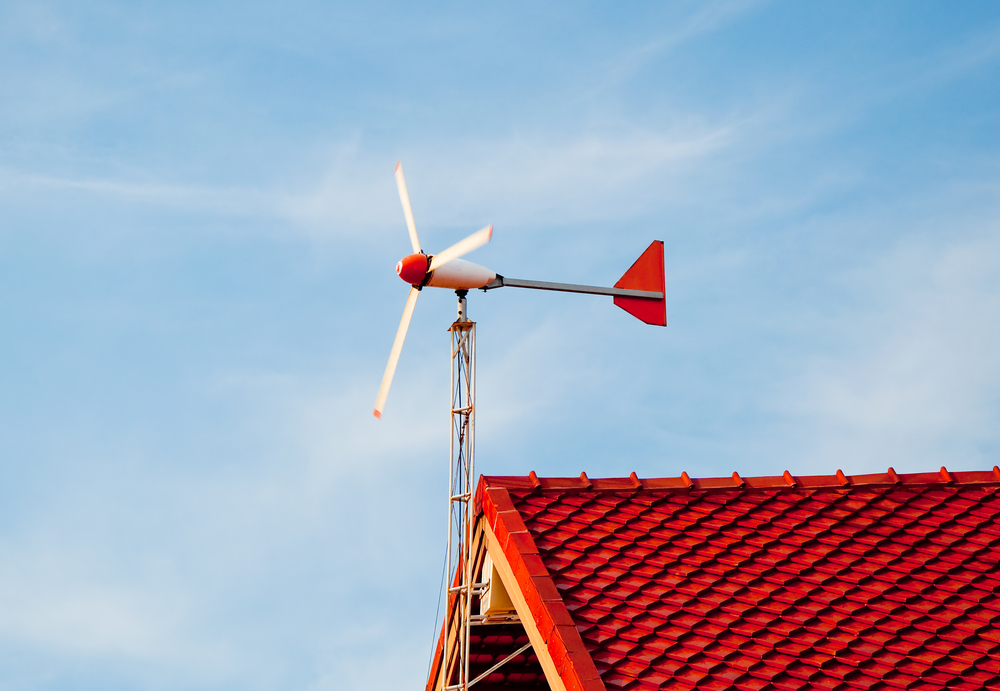
:max_bytes(150000):strip_icc()/wind-turbine-generator-on-house-roof-90967703-b9619befbf954726ae92dfb6154711f2.jpg "Is a Home Wind Turbine Right for You?")
Not Always Cheaper Than Grid Power (Initially)
The initial investment can be substantial. For many, the motivation for a low wind turbine isn’t purely economic payback, but rather energy independence, environmental impact, or resilience during power outages. If your sole driver is saving money quickly, ensure your site assessment and financial calculations are extremely conservative.
The Future of Home Wind Power in Low Wind Conditions
Despite the challenges, innovation continues. The demand for distributed renewable energy is growing, pushing manufacturers to develop better solutions for residential applications.
Advancements in Blade Design and Materials
Engineers are constantly refining blade aerodynamics and using lighter, stronger materials to increase efficiency at lower wind speeds and reduce noise. Expect to see more adaptive blade designs that can change shape or pitch to optimize performance across a wider range of wind conditions.
Smarter Control Systems
Improved electronics, predictive analytics, and AI are leading to turbines that can more intelligently react to changing wind patterns, optimize battery charging, and seamlessly integrate with smart home energy management systems.
Increased Integration with Smart Home Grids
As the grid evolves, home renewable energy systems will become more connected. Your low wind turbine could not only power your home but also contribute to a local microgrid, potentially earning you credits for excess power even if the grid isn’t fully robust.
Conclusion: Making an Informed Decision for Your Home
Investing in a low wind turbine for your home is a significant decision. It’s not about jumping on the latest trend; it’s about carefully assessing your specific site, understanding your energy needs, navigating local regulations, and setting realistic expectations. While not a silver bullet for every home, for those with a decent (even if not blustery) wind resource, adequate space, and a commitment to a hybrid energy approach, a well-chosen and properly installed low wind turbine can be a valuable asset to your home’s energy independence and sustainability goals. Do your homework, get a professional assessment, and don’t be afraid to ask the tough questions. Your energy future depends on it.
Frequently Asked Questions
What is considered ‘low wind’ for home turbines?
Generally, ‘low wind’ for home energy generation refers to areas with an average annual wind speed below 10-12 MPH (4.5-5.5 m/s). What’s more critical than just the average is consistent wind flow above the turbine’s ‘cut-in speed’ (the minimum speed required to generate power).
Can a low wind turbine power my entire home?
It’s highly unlikely. For most average American homes, a low wind turbine is best seen as a supplementary power source, especially when integrated into a hybrid system with solar panels and battery storage. It rarely provides 100% of a home’s energy needs on its own.
Are Vertical Axis Wind Turbines (VAWTs) better for low wind than Horizontal Axis Wind Turbines (HAWTs)?
VAWTs often have lower cut-in speeds and are omnidirectional (don’t need to face the wind), making them potentially better for turbulent, shifting wind conditions common in residential areas. However, well-designed HAWTs optimized for low wind can be more efficient once they’re operating. The ‘best’ choice depends heavily on your specific site conditions.
What’s the most important step before buying a low wind turbine?
A professional site assessment is absolutely crucial. This involves accurately measuring wind speeds at your proposed turbine height for several months and analyzing obstacles (trees, buildings) that could create turbulence. Without this, you’re making a blind investment.
How much does a home low wind turbine system cost?
Costs vary widely, but a complete residential system (turbine, tower, inverter, installation) can range from $10,000 to $30,000+, not including potential battery storage for hybrid or off-grid setups. Factor in local permits and ongoing maintenance as well.
What is a ‘hybrid system’ and why is it recommended for low wind turbines?
A hybrid system combines a wind turbine with solar panels and battery storage. It’s recommended because wind and solar often complement each other (e.g., wind at night/cloudy days, solar during sunny days). This provides more consistent power, reduces reliance on the grid or generators, and optimizes battery life.
