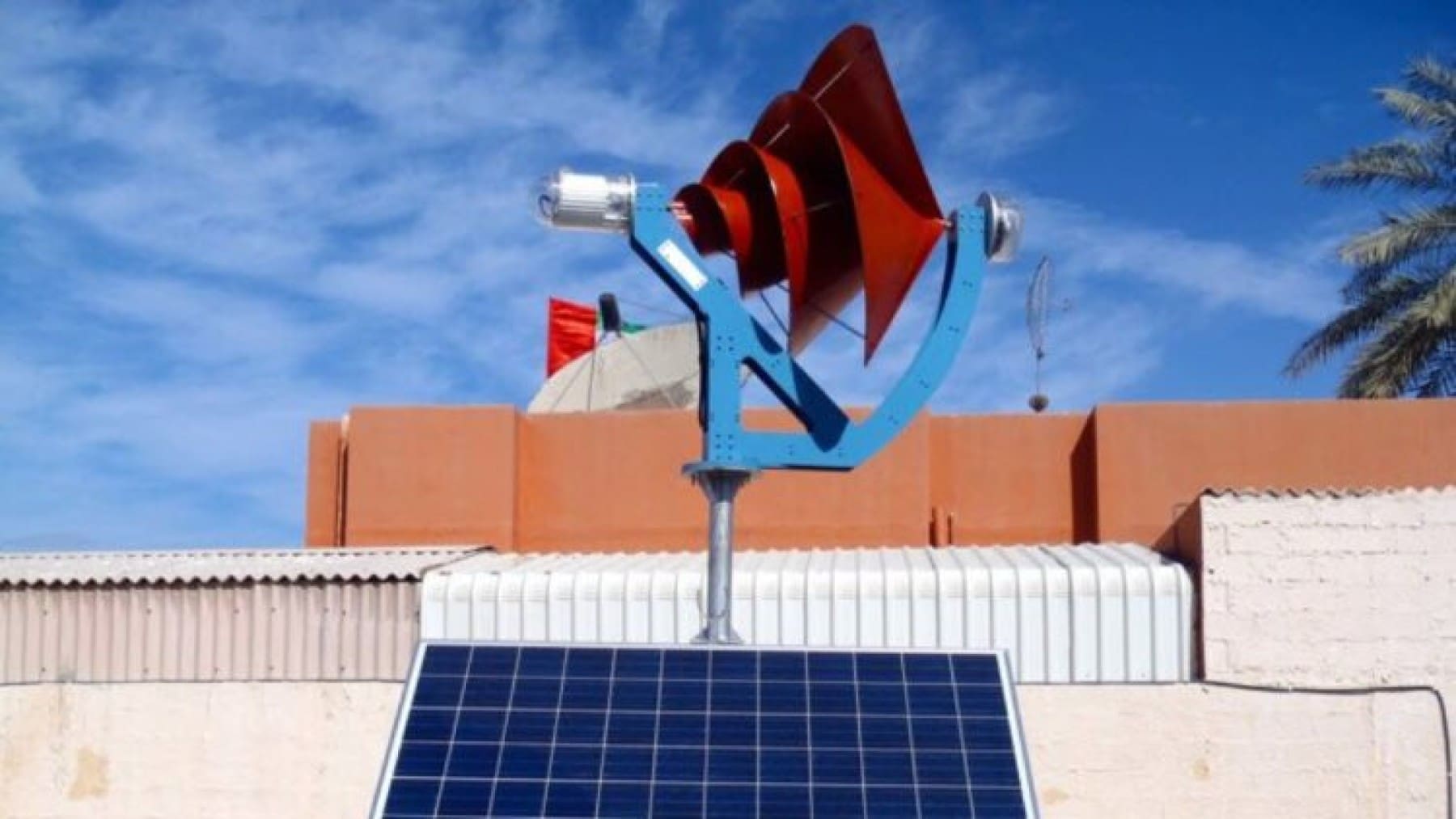
Mini Wind Turbines For Homes: Your Definitive Guide to Harnessing Backyard Breeze
Tired of watching your electricity meter spin, wondering if there’s a better way to power your home? You’ve probably seen solar panels, but what about the silent giant of renewable energy: wind? Specifically, mini wind turbines for homes. It sounds futuristic, but the truth is, a well-placed mini turbine can absolutely contribute to your energy independence. The big question is: does it make sense for *your home?
Table of Contents
- Mini Wind Turbines For Homes: Your Definitive Guide to Harnessing Backyard Breeze
- What Exactly Are Mini Wind Turbines and How Do They Work?
- Defining “Mini”: Size, Capacity, and Purpose
- The Basics: Converting Wind to Watts
- Horizontal Axis Wind Turbines (HAWTs) vs. Vertical Axis Wind Turbines (VAWTs)
- The “Million-Dollar” Question: Do Mini Wind Turbines Make Sense For Your Home?
- Wind Resource Assessment: Is Your Location Windy Enough?
- Energy Needs vs. Turbine Output: How Much Power Do You Really Need?
- Space Requirements: Do You Have Room for a Tower?
- Zoning, Permitting, and Local Regulations: The Bureaucratic Hurdles
- Types of Mini Wind Turbines for Residential Use
- Grid-Tied Systems: Selling Excess Power Back
- Off-Grid Systems: True Energy Independence (with Battery Storage)
- Hybrid Systems: The Best of Both Worlds (Wind + Solar)
- Costs, Savings, and Return on Investment (ROI)
- Initial Investment: What to Expect
- Potential Savings: Lowering Your Utility Bills
- Payback Period: When Does It Start Making You Money?
- Incentives and Rebates: Don’t Leave Money on the Table
- Installation & Maintenance: What’s Involved?
- Site Selection and Tower Height
- Professional Installation vs. DIY (When It’s Possible)
- Ongoing Maintenance: Keeping Your Turbine Spinning Efficiently
- Mini Wind Turbines vs. Solar Panels: A Head-to-Head Comparison
- Pros and Cons of Each for Home Use
- Why a Hybrid System Often Wins
- The Future of Home Wind Power: Innovations and Outlook
- Quieter Designs and Smaller Footprints
- Smart Home Integration
- Is a Mini Wind Turbine Right for You? A Checklist for Homeowners
Let’s cut to the chase: mini wind turbines aren’t a one-size-fits-all solution. They thrive under specific conditions. But when those conditions are met, they can be an incredibly powerful, cost-saving, and environmentally friendly addition to your property, often working perfectly alongside other renewable sources. I’m here to guide you through everything you need to know, from how they work to whether they’re worth the investment for you.
What Exactly Are Mini Wind Turbines and How Do They Work?
Before we dive into the nitty-gritty, let’s establish what we’re talking about. Forget those colossal turbines you see on wind farms; mini wind turbines are designed for a much smaller scale, specifically for residential use.
Defining “Mini”: Size, Capacity, and Purpose
Mini wind turbines, also known as small wind turbines or micro wind turbines, typically range in capacity from a few hundred watts (W) to 10 kilowatts (kW). To put that into perspective, a typical U.S. home uses around 800-1,000 kWh per month, which translates to a need for a system averaging 1-3 kW of continuous power output, depending on your energy consumption and wind resource.
Their purpose? To supplement or completely offset your home’s electricity needs, reduce your carbon footprint, and provide energy independence, especially in off-grid scenarios or during power outages. They’re built to be more compact, quieter, and generally less visually intrusive than their utility-scale cousins.
The Basics: Converting Wind to Watts
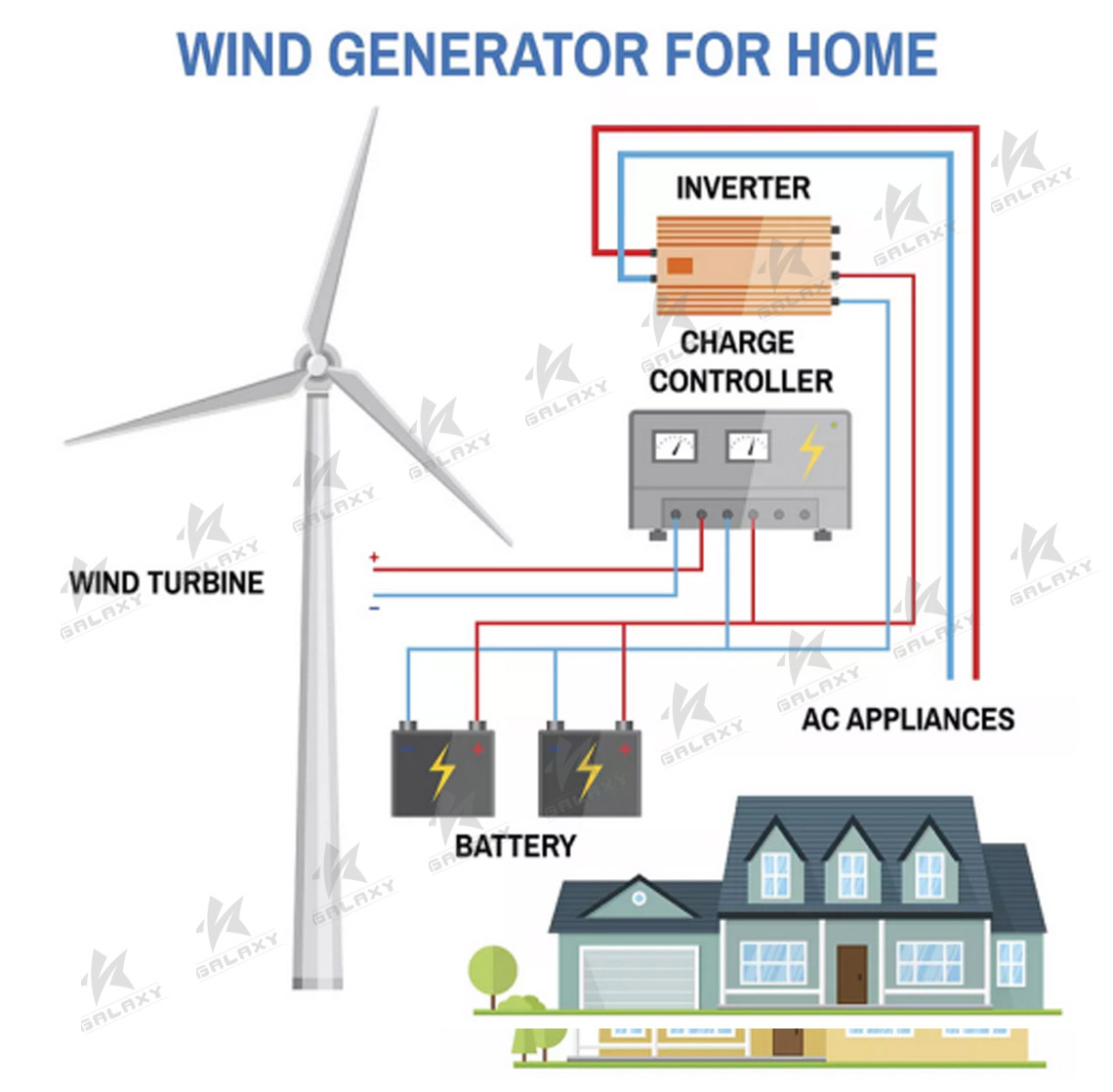
The principle behind a wind turbine, big or small, is elegantly simple: kinetic energy from the wind is converted into mechanical energy, which then drives a generator to produce electricity. Here’s a quick breakdown:
- Blades: The wind pushes against the blades, causing them to rotate. The aerodynamic design of the blades is crucial for efficiency.
- Rotor: The blades are connected to a rotor, which then turns a shaft.
- Generator: The spinning shaft drives a generator, which uses electromagnetic induction to produce electricity.
- Controller: A charge controller regulates the electricity produced, ensuring it’s suitable for your home’s electrical system or for charging batteries.
- Inverter: If you’re connecting to the grid or using AC appliances, an inverter converts the DC electricity from the turbine/batteries into AC electricity.
Horizontal Axis Wind Turbines (HAWTs) vs. Vertical Axis Wind Turbines (VAWTs)
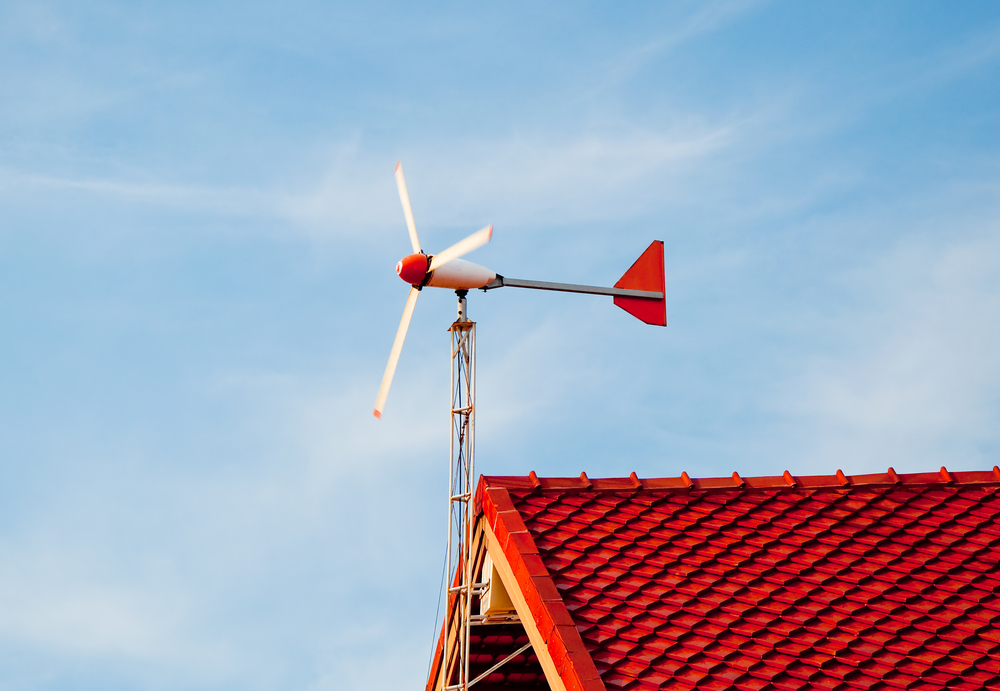
When you picture a wind turbine, you’re likely thinking of a HAWT – the classic propeller-like design. But VAWTs offer an interesting alternative. Both have their place in residential applications.
| Feature | Horizontal Axis Wind Turbines (HAWTs) | Vertical Axis Wind Turbines (VAWTs) |
|---|---|---|
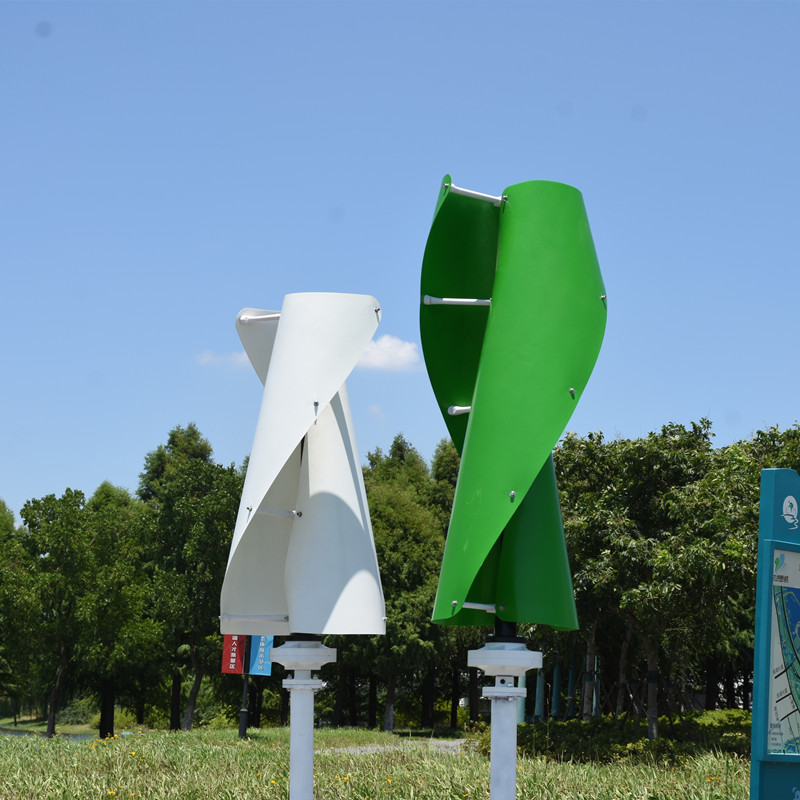
| Appearance | Propeller-like, blades parallel to the ground | Egg-beater (Darrieus) or S-shape (Savonius), blades perpendicular to the ground |
| Wind Direction | Must face into the wind (requires a yaw mechanism) | Omni-directional; captures wind from any direction |
| Efficiency | Generally higher efficiency in consistent, strong winds | Lower overall efficiency, but better in turbulent, gusty conditions |
| Noise Level | Can be louder due to blade rotation speed and gearbox | Typically quieter due to lower tip speeds |
| Maintenance | Generator and gearbox usually at top of tower; can be harder to access | Generator often at base; easier access for maintenance |
| Ideal Use | Open, rural areas with steady, unobstructed wind | Urban/suburban areas, rooftops, locations with variable wind |
| Wildlife Impact | Higher potential for bird/bat strikes due to high tip speed and visibility | Lower potential due to slower rotation and different visual profile |
The “Million-Dollar” Question: Do Mini Wind Turbines Make Sense For Your Home?
This is where the rubber meets the road. It’s not just about wanting clean energy; it’s about practicality and economics for your specific situation. Let’s break down the key factors.
Wind Resource Assessment: Is Your Location Windy Enough?
This is the single most critical factor. A wind turbine is useless without wind. You need more than just a pleasant breeze; you need a consistent, strong wind resource. The U.S. Department of Energy generally recommends an average annual wind speed of at least 10 mph (4.5 m/s) for small wind electric systems to be economically viable. Some experts even push for 12-14 mph for optimal return.
How do you figure out your home’s wind potential? Don’t rely on guesswork or a weather app. Here are some actionable tips:
- Look for Local Wind Maps: Government agencies or university extension offices often publish regional wind resource maps.
- Observe Your Surroundings: Are there tall trees consistently bending? Are flags always flapping? This is anecdotal, but a good starting point.
- Use a Wind Meter (Anemometer): The best way is to install a temporary wind assessment tower with an anemometer at the proposed turbine height for at least a year. This provides accurate, site-specific data.
- Consider Obstructions: Buildings, hills, and large trees create turbulence and block wind. You need your turbine to be significantly taller than any obstructions within a certain radius (typically 20 feet taller than anything within 300-500 feet).
Energy Needs vs. Turbine Output: How Much Power Do You Really Need?
You can’t just pick a turbine and hope it works. You need to match its potential output to your actual electricity consumption.
Actionable Tip: Calculate Your Home’s kWh Consumption. Dig out your utility bills from the past 12 months. Note your average monthly kWh usage. This will give you a target. For instance, if you use 900 kWh/month, you’re aiming for a turbine (or system) that can reliably produce that much. Remember, wind isn’t constant, so a turbine’s rated power (e.g., 1 kW) is its maximum output, not its average. Its actual annual energy production (AEP) depends heavily on your local wind speed.
| Rated Turbine Size (kW) | Avg. Annual Wind Speed (10 mph / 4.5 m/s) | Avg. Annual Wind Speed (12 mph / 5.4 m/s) | Avg. Monthly kWh Production (Approx.) | Homes Served (Partial/Full) |
|---|---|---|---|---|
| 1-2 kW | 1,800 – 3,500 kWh/year | 2,500 – 5,000 kWh/year | 150 – 415 kWh/month | Partial (Small appliances, supplementary) |
| 3-5 kW | 5,000 – 9,000 kWh/year | 7,000 – 13,000 kWh/year | 415 – 1,080 kWh/month | Significant portion, potentially full for efficient homes |
| 6-10 kW | 10,000 – 18,000 kWh/year | 14,000 – 25,000 kWh/year | 830 – 2,080 kWh/month | Full power for most homes, potential for excess production |
Note: These are approximate figures. Actual production varies significantly based on turbine model, specific wind conditions, air density, and system efficiency. It’s crucial to consult with a qualified installer for a precise estimate.
Space Requirements: Do You Have Room for a Tower?
Small wind turbines need space – and height. To capture clear, unobstructed wind, they need to be mounted on a tower. Residential towers can range from 30 to 120 feet tall. This isn’t just about clearance; higher towers access stronger, less turbulent wind, leading to significantly more power production. You’ll need enough land for the tower and its guy wires (if applicable), plus clear space around it.
Zoning, Permitting, and Local Regulations: The Bureaucratic Hurdles
This is often the biggest hurdle for homeowners. Many municipalities have strict zoning laws regarding tower height, setbacks from property lines, noise ordinances, and even aesthetic considerations. You’ll likely need to obtain building permits, and possibly an environmental impact review. It’s essential to:
- Contact Your Local Planning Department: Inquire about specific ordinances for small wind energy systems.
- Check HOA Rules: Homeowner associations often have additional restrictions.
- Understand Grid Interconnection Rules: If you plan to connect to the grid, your utility company will have specific requirements and safety standards.
Start this research early. It can be a lengthy process, and knowing the regulations upfront can save you a lot of time and potential heartache.
Types of Mini Wind Turbines for Residential Use
Beyond HAWTs and VAWTs, residential wind systems are typically categorized by their connection to the electrical grid.
Grid-Tied Systems: Selling Excess Power Back
These are the most common for homes with existing utility service. Your mini wind turbine generates electricity, which first powers your home. If you produce more than you use, the excess is sent back to the utility grid, and you typically receive credits on your bill through a process called net metering. When the wind isn’t blowing enough, you draw power from the grid as usual. The major advantage here is that you don’t need expensive battery storage.
Off-Grid Systems: True Energy Independence (with Battery Storage)
For remote homes, cabins, or those seeking complete independence, an off-grid system is the answer. In this setup, the wind turbine charges a bank of batteries, which then supply power to your home. A generator is often included as a backup for prolonged periods of low wind. While offering ultimate independence, off-grid systems require careful sizing, more maintenance, and a higher upfront cost due to battery banks.
Hybrid Systems: The Best of Both Worlds (Wind + Solar)
This is increasingly becoming the preferred option. Combining a mini wind turbine with solar panels creates a highly resilient and consistent energy supply. Why? Because wind and solar often complement each other. Wind tends to be stronger at night and during winter months when solar output is lower. Conversely, solar peaks during sunny days when wind might be calm. A hybrid system maximizes energy capture throughout the year and mitigates the intermittency of a single source.
Costs, Savings, and Return on Investment (ROI)
Let’s talk money. While the idea of free wind power is appealing, there’s an investment involved. Understanding the financial picture is key to making an informed decision.
Initial Investment: What to Expect
The cost of a residential wind turbine system can vary widely based on its size, type, tower height, installation complexity, and whether it’s grid-tied or off-grid. Generally, you’re looking at:
| Component | Estimated Cost Range (USD) | Notes |
|---|---|---|
| Turbine (1-10 kW) | $3,000 – $30,000 | Varies by brand, capacity, and design (HAWT vs. VAWT) |
| Tower (30-120 ft) | $2,000 – $15,000 | Includes foundation, material, and specialized equipment for lifting |
| Balance of System (BOS) | $1,000 – $7,000 | Inverter, charge controller, wiring, grounding, disconnects |
| Battery Storage (Optional) | $5,000 – $20,000+ | Required for off-grid; optional for grid-tied backup |
| Installation Labor | $5,000 – $20,000 | Site assessment, permitting, foundation work, electrical hookup |
| Total Estimated Cost (Installed) | $11,000 – $92,000+ | Excludes battery storage if grid-tied. Major variability based on specifics. |
Potential Savings: Lowering Your Utility Bills
Your savings will directly correlate with how much electricity your turbine produces and your current electricity rates. In areas with high electricity costs, the savings can be substantial. By generating your own power, you reduce your reliance on the grid, insulating yourself from future utility rate hikes.
Payback Period: When Does It Start Making You Money?
The payback period is the time it takes for your energy savings to offset the initial investment. For residential wind systems, this can range from 6 to 20 years or more, heavily dependent on:
- Initial System Cost: Lower upfront costs mean a faster payback.
- Average Wind Speed: Higher, more consistent wind leads to greater energy production and faster savings.
- Electricity Rates: The more expensive your grid electricity, the more you save by generating your own.
- Incentives: Tax credits and rebates significantly reduce the net cost, accelerating payback.
Incentives and Rebates: Don’t Leave Money on the Table
The U.S. federal government offers the Residential Clean Energy Credit (formerly the Investment Tax Credit, ITC), which provides a 30% tax credit for new, qualified clean energy property for your home, including small wind turbines, through 2032. This is a dollar-for-dollar reduction in your federal income tax liability.
Beyond federal incentives, many states, local governments, and even utility companies offer their own rebates, grants, or property tax exemptions for renewable energy installations. Websites like DSIRE (Database of State Incentives for Renewables & Efficiency) are excellent resources for finding what’s available in your area. These incentives can dramatically improve your ROI and make a mini wind turbine much more affordable.
Installation & Maintenance: What’s Involved?
Installing a mini wind turbine is not a weekend DIY project for most homeowners. It involves specialized skills and equipment.
Site Selection and Tower Height
As mentioned, proper site selection is paramount. A professional installer will conduct a detailed site assessment, often using specialized software or temporary anemometers, to determine the optimal location and tower height. They’ll consider:
- Wind Obstructions: Ensuring the turbine is above nearby trees and buildings.
- Prevailing Wind Direction: Orienting the turbine for maximum exposure.
- Setbacks: Adhering to local zoning requirements for distance from property lines.
- Noise: While small turbines are generally quiet, distance from living areas is still a consideration.
Professional Installation vs. DIY (When It’s Possible)
For most residential systems, especially those connected to the grid, professional installation is strongly recommended, if not required. This involves:
- Foundation Work: Pouring a concrete pad for the tower.
- Tower Erection: This requires cranes or specialized lifting equipment.
- Electrical Wiring: Connecting the turbine to your home’s electrical panel and potentially the grid. This must* be done by a licensed electrician.
- Permitting and Inspections: Navigating the local bureaucracy.
Smaller, truly micro (sub-100W) turbines for RVs or small off-grid cabins might be DIY-friendly, but for anything substantial powering a home, don’t skimp on professional expertise.
Ongoing Maintenance: Keeping Your Turbine Spinning Efficiently
Mini wind turbines are generally robust, but they do require some maintenance to ensure longevity and optimal performance. This typically includes:
- Annual Inspection: Checking blades for cracks, tower for rust/stability, electrical connections for corrosion.
- Lubrication: Moving parts may need occasional lubrication.
- Tightening Bolts: Vibration can loosen bolts over time.
- Cleaning: Keeping blades clean from dirt, ice, or debris.
- Battery Check (Off-Grid): If you have batteries, they’ll need regular inspection and maintenance.
Most manufacturers provide a detailed maintenance schedule. Many installers also offer annual service plans. Expect typical service life of 20-25 years with proper maintenance, though major components like the inverter might need replacement sooner (10-15 years).
Mini Wind Turbines vs. Solar Panels: A Head-to-Head Comparison
The natural comparison is always with solar. Both are fantastic renewable energy sources, but they have distinct characteristics that make them suitable for different scenarios, or even better, for working together.
Pros and Cons of Each for Home Use
Here’s a quick overview to help you weigh your options:
| Feature | Mini Wind Turbines | Solar Panels (PV) |
|---|---|---|
| Primary Fuel Source | Wind | Sunlight |
| Generation Profile | Often better at night, overcast days, winter | Peaks midday, sunny days, summer |
| Space Requirement | Large area needed for tower; height is key | Roof space or ground mount; no tall towers |
| Environmental Impact | Potential bird/bat strikes (less for VAWTs), visual impact | Minimal visual impact (on roof), no moving parts impacting wildlife |
| Noise | Can produce some mechanical and aerodynamic noise | Virtually silent operation |
| Maintenance | Moving parts require more frequent inspection/lubrication | Relatively low; occasional cleaning, inspection |
| Site Dependency | Requires consistent, unobstructed wind resource | Requires ample sunlight exposure; shading is a major issue |
| Permitting Complexity | Often more complex due to tower height and visual impact | Generally simpler, though building codes apply |
Why a Hybrid System Often Wins
The beauty of a hybrid wind and solar system is its ability to smooth out energy production. When the sun isn’t shining, the wind might be blowing, and vice-versa. This complementarity leads to more consistent power generation, reducing reliance on either the grid or battery storage compared to a single-source system. For maximum energy independence and resilience, a well-designed hybrid system is often the most robust solution for homeowners.

The Future of Home Wind Power: Innovations and Outlook
The small wind industry is constantly evolving. What was once niche is becoming more accessible and efficient.
Quieter Designs and Smaller Footprints
Manufacturers are investing heavily in reducing noise and improving the aesthetics of mini turbines. New blade designs, direct-drive generators (eliminating noisy gearboxes), and improved materials are making turbines quieter and more acceptable in residential settings. Vertical axis designs are also seeing renewed interest for their omni-directional nature and lower noise profiles, making them more suitable for urban environments or rooftops.
Smart Home Integration
Just like solar systems, mini wind turbines are being integrated with smart home energy management systems. This allows homeowners to monitor production in real-time, optimize energy usage based on generation, and even predict output based on weather forecasts. This level of control makes managing your home’s energy more efficient and intuitive.
Is a Mini Wind Turbine Right for You? A Checklist for Homeowners
So, after all this, are you a good candidate for a mini wind turbine? Use this checklist:
- Do you live in an area with a consistent, strong wind resource? (10-12+ mph annual average).
- Do you have sufficient unobstructed land area for a tower? (Tall enough to clear obstructions).
- Are your local zoning laws and HOA rules favorable to wind turbine installation?
- Are you prepared for the upfront investment, or can you leverage incentives?
- Are you looking for energy independence, lower utility bills, or a reduced carbon footprint?
- Are you willing to engage with a professional installer and conduct thorough site assessments?
If you answered yes to most of these, then a mini wind turbine could be an excellent investment for your home. It’s a powerful step towards a more sustainable and independent energy future, harnessing the unseen power of the wind to quite literally, power your life.
Don’t rush into a decision. Do your homework, get multiple quotes, and invest in a thorough site assessment. The wind might just be your home’s next power source.
Frequently Asked Questions
How much does a mini wind turbine for a home cost?
The total installed cost for a residential mini wind turbine system (1-10 kW) can range from $11,000 to over $92,000, excluding battery storage. This includes the turbine, tower, balance of system components (inverter, controller), and professional installation labor. Prices vary significantly based on size, turbine type, tower height, and installation complexity.
Are mini wind turbines efficient enough to power an entire home?
Yes, a properly sized mini wind turbine in a location with a good average annual wind speed (10-12+ mph) can significantly offset or even fully power an efficient home. For many homes, a 3-10 kW system is often required, potentially supplemented by a hybrid solar system for optimal, consistent energy production.
What is the minimum wind speed required for a residential wind turbine?
For economic viability, most experts recommend an average annual wind speed of at least 10 mph (4.5 m/s) at the turbine’s hub height. Higher average speeds (12-14 mph) will lead to significantly greater energy production and faster payback periods.
How do mini wind turbines compare to solar panels for home energy?
Mini wind turbines often produce power at night and during winter when solar output is lower, making them excellent complements to solar panels. Wind turbines require more land and height, can be louder, and often face more complex permitting. Solar panels are generally quieter, require less ground space (often installed on roofs), and typically have simpler installation/permitting processes. A hybrid wind-solar system often provides the most consistent and reliable home energy.
Do I need special permits to install a mini wind turbine?
Yes, almost always. You will likely need to obtain building permits from your local municipality. Zoning laws, height restrictions, setback requirements, and noise ordinances vary significantly by location. It’s crucial to consult your local planning department and utility company (for grid-tied systems) early in the planning process.
What kind of maintenance do mini wind turbines require?
Mini wind turbines require annual inspections to check blades, tower stability, electrical connections, and lubrication of moving parts. Off-grid systems with batteries will also need regular battery maintenance. With proper care, a residential wind turbine system can have a lifespan of 20-25 years or more.