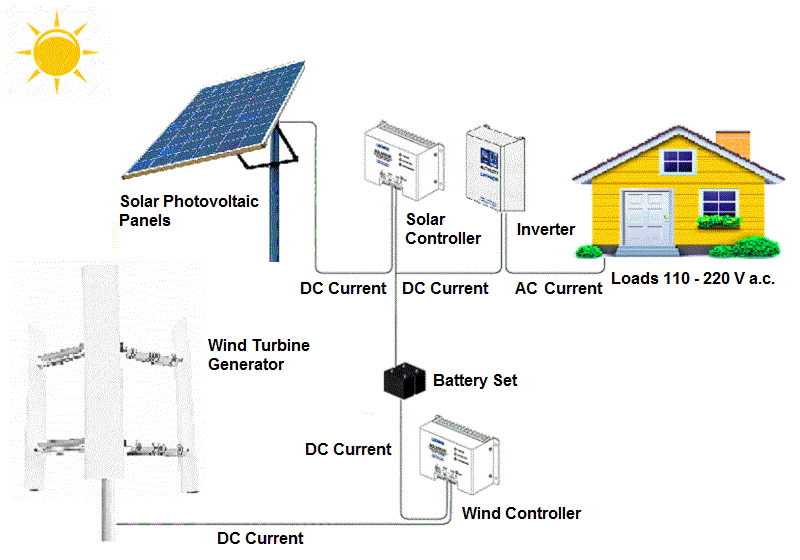
Navigating the North Sea’s Future: Balancing Fisheries and Offshore Wind Farms
Imagine a bustling, productive marine environment. On one hand, you have the backbone of traditional livelihoods: fishing boats, nets, and the timeless pursuit of sustainable seafood. On the other, the futuristic hum of massive turbines, silently harvesting clean energy from the wind. Now, picture these two vital forces converging, not in harmony, but often in direct competition for the same precious space. Welcome to the North Sea, a dynamic arena where the future of energy and food security are on a collision course.
Table of Contents
- Navigating the North Sea’s Future: Balancing Fisheries and Offshore Wind Farms
- The North Sea: A Crowded Marine Highway
- A Hub of Economic and Ecological Significance
- The Inevitable Clash: Why Conflict Arises
- The Fishery Perspective: What’s at Stake?
- Displacement and Access Restrictions
- Impact on Fish Stocks and Ecosystems
- Offshore Wind: The Energy Revolution’s Footprint
- The Imperative for Renewable Energy
- Operational Realities and Environmental Considerations
- Beyond Conflict: Strategies for Coexistence and Synergy
- Marine Spatial Planning (MSP): The Guiding Hand
- Fishing Within Wind Farms: Is It Possible?
- Artificial Reefs and Biodiversity Boost
- Collaborative Research and Monitoring
- Compensation and Mitigation Measures
- Case Studies in North Sea Coexistence
- The Dutch Approach: A Balancing Act
- German North Sea: Learning from Early Conflicts
- The Future Horizon: Innovation and Integrated Solutions
- Multi-Use Platforms
- Advanced Monitoring and Smart Grids
- A Blueprint for Global Offshore Development
For centuries, the North Sea has been a cornerstone of European fisheries, a rich feeding ground supporting diverse species and countless communities. Today, it’s also a global leader in offshore wind energy, a crucial frontier in our fight against climate change. The challenge isn’t whether we need both; it’s how we ensure both can thrive without irrevocably damaging the other. This isn’t just an ecological puzzle; it’s an economic, social, and political tightrope walk that demands innovative solutions, collaboration, and a willingness to rethink our relationship with the ocean.
This article dives deep into the heart of this complex relationship, exploring the conflicts, the surprising synergies, and the pioneering strategies being employed to forge a path toward coexistence. If you’re invested in marine conservation, renewable energy, or the future of our oceans, this is a conversation you need to be part of.
The North Sea: A Crowded Marine Highway
A Hub of Economic and Ecological Significance
The North Sea is anything but quiet. It’s a shallow, highly productive shelf sea, bordered by some of the most industrialized nations in Europe. Its waters teem with commercially valuable fish species like cod, haddock, plaice, sole, and herring, making it one of the world’s most intensely fished regions. The fishing industry here isn’t just about catching fish; it’s a deeply rooted cultural heritage, supporting thousands of jobs and contributing significantly to national economies. We’re talking billions of euros in annual revenue and a critical source of protein for millions.

Simultaneously, the North Sea has become the undisputed global epicenter for offshore wind energy. Its shallow waters, strong winds, and proximity to major energy-consuming populations make it ideal. Countries like the UK, Germany, Denmark, and the Netherlands have invested heavily, transforming vast stretches of the sea into wind power hubs. Current installed capacity is staggering, and projections show it only growing, with ambitious targets to meet a substantial portion of Europe’s electricity demand from this renewable source. This isn’t just about power; it’s about energy independence and meeting aggressive climate goals.
The Inevitable Clash: Why Conflict Arises
When you have two massive industries, both demanding vast stretches of a finite resource—the sea—conflict is almost guaranteed. Offshore wind farms require large areas for turbine arrays, cabling, and associated infrastructure. These areas are often prime fishing grounds, leading to direct competition for space.
- Direct Competition for Seabed Area: Wind farm development essentially annexes significant portions of the seabed, making them inaccessible for certain types of fishing gear, particularly bottom trawling.
- Navigation Restrictions and Safety Zones: For safety and operational reasons, wind farm operators often implement exclusion zones around turbines, making navigation difficult and increasing steaming times for fishing vessels trying to bypass these areas.
- Acoustic Impacts During Construction and Operation: The pile driving during construction generates intense underwater noise that can disturb marine mammals and fish, potentially disrupting migration patterns and feeding behaviors over wide areas.
- Electromagnetic Field (EMF) Concerns: Subsea cables transmitting power from the turbines generate electromagnetic fields. While research is ongoing, there are concerns about potential effects on species sensitive to EMF, such as sharks, rays, and migratory fish.
The Fishery Perspective: What’s at Stake?
Displacement and Access Restrictions
For a fisherman, a specific patch of ocean isn’t just water; it’s a livelihood passed down through generations. The sudden designation of these areas as wind farm zones can be devastating. Fishermen face:
- Loss of Traditional Fishing Grounds: Many areas earmarked for wind farms are historically productive fishing grounds, meaning fishermen lose access to areas they’ve relied on for decades.
- Increased Steaming Times and Fuel Costs: With traditional grounds closed, vessels must travel further to find alternative fishing locations, burning more fuel and increasing operational costs. This directly impacts profitability and sustainability for smaller operators.
- Gear Entanglement Risks: Even outside direct exclusion zones, increased subsea cabling and turbine infrastructure can pose risks of gear entanglement, leading to costly damage and lost fishing time.
Impact on Fish Stocks and Ecosystems
The physical presence of wind farms and their associated activities can have broader ecological ripple effects:
- Disruption of Spawning and Nursery Grounds: If wind farms are located in critical spawning or nursery areas, the disturbance during construction and subsequent operational changes could negatively impact the reproductive success and survival of fish populations.
- Changes in Fish Migration Patterns: The sheer scale of some wind farms could act as barriers or diversions for migratory species, affecting their ability to reach vital feeding or spawning grounds.
- Precautionary Principle and Data Gaps: A significant concern is the lack of long-term, comprehensive data on the cumulative impacts of hundreds of wind turbines on complex marine ecosystems. Scientists advocate for a precautionary approach, given these unknowns.
| Challenge Area | Specific Impact on Fisheries | Economic & Social Repercussion |
|---|---|---|
| Spatial Exclusion | Loss of traditional fishing grounds, restricted access to rich areas | Reduced catches, increased fuel costs from longer trips, community impact |
| Navigation & Safety | Increased collision risk, entanglement with subsea cables/moorings | Higher operational risks, potential vessel damage, safety concerns for crew |
| Environmental Changes | Disruption of fish migration routes, habitat alteration near turbines | Uncertainty in stock assessment, potential long-term productivity declines |
| Data Gaps & Uncertainty | Lack of comprehensive studies on long-term cumulative effects | Difficulty in planning, contentious decision-making, stakeholder mistrust |
Offshore Wind: The Energy Revolution’s Footprint
The Imperative for Renewable Energy
Let’s be clear: the drive for offshore wind isn’t born of malice towards fisheries, but from an urgent global need. Climate change demands a rapid transition away from fossil fuels, and offshore wind offers a scalable, reliable solution. The North Sea alone has the potential to generate enough electricity to power millions of homes, significantly reducing carbon emissions and contributing to energy independence for European nations. The economic benefits are also substantial, driving innovation, creating new jobs in manufacturing, installation, and maintenance, and attracting billions in investment.
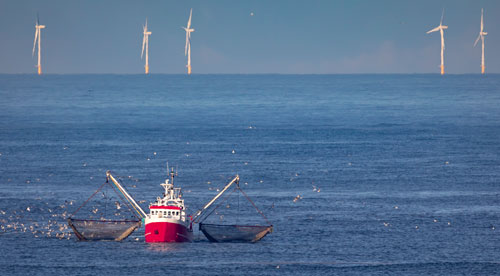
Operational Realities and Environmental Considerations
While the benefits are clear, wind farm development is not without its own environmental footprint:
- Construction Phase Impacts: The initial construction phase, particularly pile driving for foundations, can generate significant underwater noise, impacting marine mammals and fish. Sediment disturbance can also temporarily affect benthic communities.
- Operational Phase: Once operational, turbines create a new, artificial environment. The foundations act as artificial reefs, attracting marine life. Scour protection (rocks placed around turbine bases to prevent erosion) further enhances this habitat. However, continuous low-frequency noise and EMF from cables are ongoing concerns requiring careful monitoring.
- Decommissioning Challenges: The eventual removal of turbines and infrastructure presents its own set of environmental and logistical challenges, although many structures are now designed for a 25+ year lifespan, pushing this concern into the distant future.
| Aspect | Benefits to Energy & Environment | Potential Trade-offs/Concerns |
|---|---|---|
| Renewable Energy | Significant CO2 emissions reduction, energy independence, reduced air pollution | High initial investment, intermittency requiring grid upgrades, visual impact |
| Marine Habitat | Artificial reef effect (new habitats for sessile organisms, some fish species) | Disturbance during construction (noise, sediment), EMF effects, habitat loss for benthic species |
| Fisheries Protection | Potential exclusion of destructive trawling within zones, creation of ‘no-take’ refugia | Loss of traditional fishing grounds, displacement of fishing effort to other areas, gear restrictions |
| Economic Impact | Job creation in construction & maintenance, local investment, supply chain growth | Impacts on existing maritime industries (e.g., fishing, shipping routes), potential tourism disruption |
Beyond Conflict: Strategies for Coexistence and Synergy
The good news? It’s not an ‘either/or’ situation. Pioneering efforts across the North Sea are demonstrating that coexistence is not only possible but beneficial when approached with foresight, collaboration, and a commitment to integrated solutions.
Marine Spatial Planning (MSP): The Guiding Hand
This is where smart governance comes in. Marine Spatial Planning (MSP) is essentially urban planning for the ocean. It’s a public process of analyzing and allocating the spatial and temporal distribution of human activities in marine areas to achieve ecological, economic, and social objectives. In the North Sea, MSP is critical for:
- Definition and Importance: MSP identifies optimal areas for wind farms while minimizing overlap with critical fishing grounds, shipping lanes, and conservation areas.
- Examples from North Sea Nations: Countries like the Netherlands, Germany, and the UK are actively using MSP to zone their marine waters, designating specific areas for energy production, fisheries, aquaculture, and nature conservation.
- Early Engagement and Stakeholder Involvement: The most successful MSP initiatives involve fishermen, environmental groups, wind farm developers, and other stakeholders from the very beginning. This helps to identify potential conflicts early and foster trust.
Fishing Within Wind Farms: Is It Possible?
The answer, perhaps surprisingly, is often yes – with caveats. While extensive bottom trawling is generally prohibited or impractical due to subsea cables and turbine foundations, other methods can thrive:
- Passive Fishing Techniques: Methods like potting (for crabs and lobsters), longlining (for demersal fish), and gillnetting can be conducted safely within operational wind farms, provided there are clear navigation protocols and communication channels.
- Restrictions on Active Gears: The primary reason for restrictions is safety and the protection of infrastructure. Trawling, with its heavy gear, poses a significant risk to subsea cables and turbine foundations.
- Safety Protocols and Navigation Rules: Strict safety zones around individual turbines, clear charting, and robust communication systems between fishing vessels and wind farm operators are paramount.
- The “Wind Farm Effect”: Interestingly, some studies show that the exclusion of trawling within wind farm boundaries can lead to a refuge effect, allowing fish stocks to recover and thrive within the protected area, potentially spilling over into adjacent fishing grounds.
Artificial Reefs and Biodiversity Boost
One of the most exciting potential synergies is the artificial reef effect. Turbine foundations, especially those with rocky scour protection, act as hard substrates in an otherwise sandy or muddy seabed. These structures quickly become colonized by mussels, barnacles, anemones, and other sessile organisms, forming mini-ecosystems. This attracts a diverse range of marine life:

- Increased biomass for certain species (crabs, lobsters, mussels).
- New foraging grounds for fish like cod and pollock.
- Protection from trawling pressure within the wind farm boundaries.
While this doesn’t replace natural habitats, it can contribute to localized biodiversity enhancement and even boost populations of certain species, offering new opportunities for static gear fisheries.
Collaborative Research and Monitoring
Understanding the long-term impacts and maximizing coexistence requires robust science. This means:
- Importance of Baseline Data: Comprehensive ecological surveys before construction are crucial to assess changes and attribute them accurately.
- Joint Industry-Fisheries Research Initiatives: Collaborations where wind farm developers fund and participate in research alongside fishing communities and scientific institutions build trust and generate highly relevant data.
- Adaptive Management Approaches: Recognizing that we don’t have all the answers, an adaptive approach allows for adjustments to operational practices, spatial planning, and mitigation measures as new data emerges.
Compensation and Mitigation Measures
Where displacement is unavoidable, fair compensation and mitigation measures are essential:
- Financial Compensation for Displaced Fishermen: Direct financial aid can help fishing businesses adapt to lost access or increased costs.
- Re-training Programs: Helping fishermen acquire new skills for working in offshore wind (e.g., vessel support, maintenance, environmental monitoring) can provide alternative livelihoods.
- Gear Modification Incentives: Support for transitioning to passive gears that are compatible with wind farm environments can reduce conflict and enable continued fishing.
Case Studies in North Sea Coexistence
The Dutch Approach: A Balancing Act
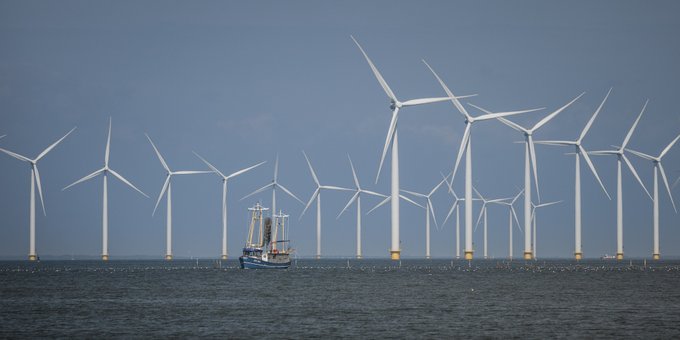
The Netherlands provides a compelling example of a nation actively seeking to integrate offshore wind with other marine uses. Initially, aggressive wind farm expansion plans sparked considerable concern within the Dutch fishing fleet. However, the Dutch government has actively engaged with stakeholders, leading to significant adjustments:
- Specific Examples of Revised Plans: The Dutch government has revised its spatial planning, explicitly reducing the size of certain proposed wind farm zones and relocating others to minimize impact on key fishing grounds.
- Emphasis on Multi-Use Areas: There’s a strong push for multi-use concepts, exploring how wind farms can simultaneously host aquaculture projects (e.g., mussel or seaweed farming) or serve as ecological protection zones.
This pragmatic approach demonstrates that flexibility and active dialogue can lead to more acceptable and sustainable outcomes for all parties.
German North Sea: Learning from Early Conflicts
Germany, another pioneer in offshore wind, faced intense initial conflicts, particularly in the highly productive German Bight. Large areas were closed to fishing, causing significant economic hardship for local fleets. However, these early challenges spurred significant learning:
- Initial Conflicts and Subsequent Efforts: Early projects largely ignored fishing interests, leading to legal challenges and widespread protest. This highlighted the need for better integration.
- Dialogue Platforms: Subsequent policy development has emphasized formalized dialogue platforms between the fishing industry, wind farm developers, and government agencies to find common ground and develop mutually beneficial strategies.
The Future Horizon: Innovation and Integrated Solutions
The journey towards full coexistence is ongoing, driven by continuous innovation and a commitment to truly integrated marine management.
Multi-Use Platforms
The concept of ‘multi-use’ is gaining traction: imagine a single marine area hosting a wind farm, a sustainable aquaculture operation, and potentially even providing space for scientific research or tourism. This maximizes the utility of limited marine space:
- Combining Aquaculture, Energy, and Conservation: Pilot projects are exploring the viability of cultivating shellfish or seaweed on or near wind turbine foundations, creating additional economic value and ecological benefits.
- Floating Wind Farms Reducing Seabed Footprint: For deeper waters, floating wind technology offers the potential to site wind farms in areas less impactful to traditional bottom fisheries, as they require less fixed infrastructure on the seabed.
Advanced Monitoring and Smart Grids
Technology will play a pivotal role in the future:
- Real-time Data Sharing: Advanced sensors and data analytics can provide real-time information on fish movements, environmental conditions, and vessel traffic, allowing for more dynamic management of both wind farm operations and fishing activities.
- AI-driven Optimization: Artificial intelligence can help optimize energy generation while minimizing ecological disturbance and supporting sustainable fishing practices.
A Blueprint for Global Offshore Development
The North Sea’s experiences are not unique. As offshore wind development accelerates globally, including rapidly on the US East Coast, the lessons learned from the North Sea provide an invaluable blueprint. Proactive marine spatial planning, early and genuine stakeholder engagement, robust scientific research, and innovative multi-use solutions are vital for achieving a sustainable blue economy worldwide.
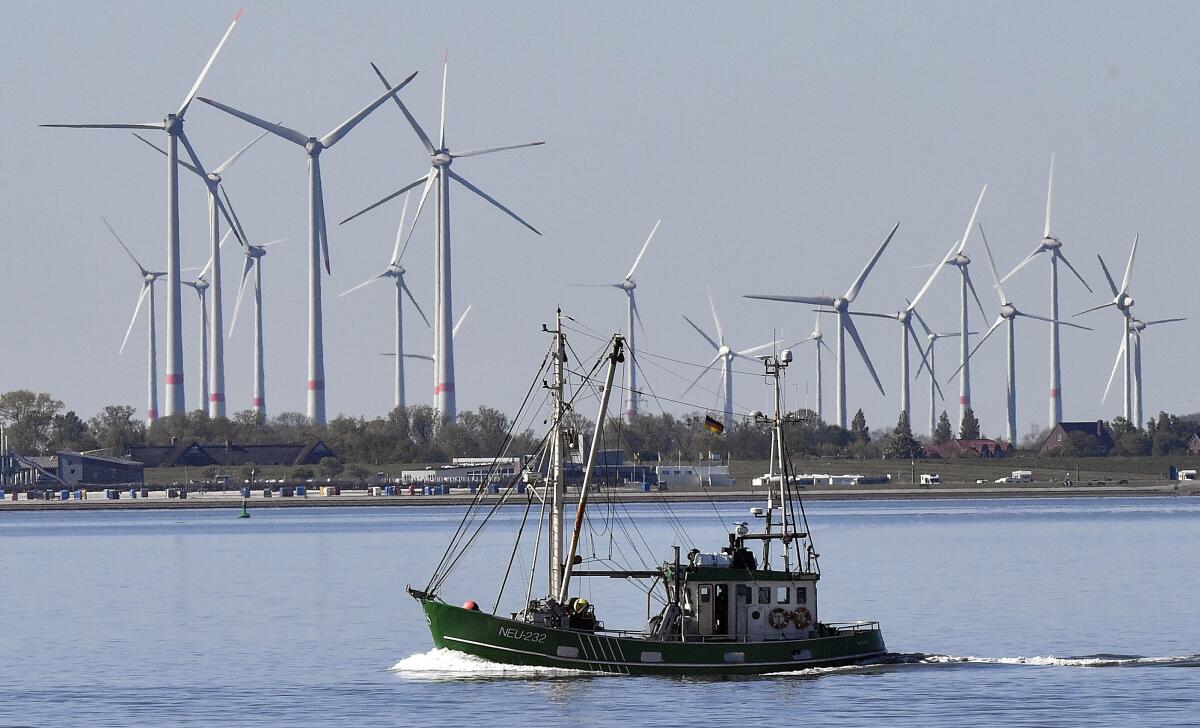
The North Sea stands as a testament to both the challenges and the immense potential of balancing human needs with environmental stewardship. It’s not an ‘either/or’ choice between energy and food; it’s a ‘how-to’ guide for creating a future where both industries, along with a healthy marine ecosystem, can thrive side-by-side. The path forward demands collaboration, adaptability, and a shared vision for a truly sustainable ocean.
Frequently Asked Questions
Can fishermen still operate within North Sea offshore wind farms?
Yes, but with significant restrictions. While active gears like bottom trawling are often prohibited for safety and infrastructure protection, passive fishing methods such as potting for crabs and lobsters, longlining, and gillnetting are sometimes permitted under strict safety protocols and navigation rules. These zones can also act as refugia, potentially enhancing certain fish stocks.
What are the main conflicts between fisheries and offshore wind farms in the North Sea?
The primary conflicts stem from direct competition for marine space, leading to the displacement of traditional fishing grounds. Other issues include navigation restrictions, increased fuel costs for fishermen, potential gear entanglement with subsea cables, underwater noise pollution during construction, and concerns about the electromagnetic fields (EMF) from operational cables impacting marine life.
How do offshore wind farms affect fish populations and the marine ecosystem?
Impacts are complex and vary. During construction, noise and sediment disturbance can affect marine life. Operationally, turbine foundations can act as artificial reefs, attracting sessile organisms and some fish species, potentially increasing localized biodiversity. However, concerns remain about changes to migration patterns, habitat alteration, and the long-term cumulative effects of EMF, requiring ongoing research.
What is Marine Spatial Planning (MSP) and how does it help resolve conflicts?
Marine Spatial Planning (MSP) is a public process of analyzing and allocating the spatial and temporal distribution of human activities in marine areas. It helps resolve conflicts by strategically designating areas for different uses (like wind energy, fisheries, shipping, and conservation) to minimize overlap, promote coexistence, and achieve ecological, economic, and social objectives through early stakeholder engagement.
Are there any benefits of offshore wind farms for fisheries?
Yes, surprisingly. Wind farm areas, especially where bottom trawling is excluded, can act as ‘no-take zones’ or refugia, allowing fish stocks to recover and potentially spill over into adjacent fishing grounds. The turbine foundations themselves also create new artificial reef habitats, attracting certain species like crabs, lobsters, and some fish, which can be targeted by static gear fisheries.
How are North Sea nations promoting coexistence between these two industries?
North Sea nations are using a multi-pronged approach: robust Marine Spatial Planning (MSP) to zone sea areas, encouraging multi-use concepts within wind farm zones (e.g., combining energy with aquaculture), investing in collaborative research and monitoring programs, implementing compensation schemes for displaced fishermen, and fostering open dialogue platforms between all stakeholders.