
Redwood Coast Offshore Wind Project: The Full Story, Why it Evolved, and What’s Next for Humboldt
If you’ve been hearing whispers about the Redwood Coast Offshore Wind Project, you’re likely wondering: what’s the real story? Is it happening? Is it cancelled? What does it all mean for California’s clean energy goals?
Table of Contents
- Redwood Coast Offshore Wind Project: The Full Story, Why it Evolved, and What’s Next for Humboldt
- Unpacking the Vision: What Was the Original Redwood Coast Offshore Wind Project?
- The Dream: Harnessing California’s Best Wind Resource
- Key Players and Early Ambitions: RCEA and the Consortium
- Project Specifications: Capacity, Location, and Technology (Floating Turbines)
- The Journey Unfolds: Timeline of Applications, Challenges, and Shifting Tides
- Early Moves: Unsolicited Lease Application and BOEM’s Role
- Navigating Complexities: Permitting, Environmental Reviews, and Stakeholder Engagement
- Economic Promises vs. Infrastructure Realities: Port & Workforce Needs
- From Specific Project to Broader Opportunity: Why “Redwood Coast Offshore Wind Project” Evolved
- The Federal Auction: A Game Changer for the Humboldt Wind Energy Area (WEA)
- New Developers, New Scale: Introducing the Winners and Their Plans
- Distinguishing the Past from the Future: RCOW’s Legacy and the WEA’s Potential
- The Humboldt Wind Energy Area (WEA): California’s Offshore Wind Powerhouse in the Making
- Immense Potential: Energy Capacity and Grid Impact
- Economic Catalyst: Job Creation and Local Investment
- Environmental Considerations: Balancing Green Energy with Marine Ecosystems
- Community Engagement: Ensuring Local Voices are Heard
- The Road Ahead: Challenges and Opportunities for Humboldt’s Offshore Wind Future
- Infrastructure Upgrades: Modernizing Port of Humboldt Bay
- Workforce Development: Training for a New Industry
- Supply Chain Building: Localizing the Benefits
- Regulatory Pathways: Streamlining Development While Protecting Resources
- What This Means For You: California’s Renewable Energy Future
- Cleaner Energy and Climate Goals
- Economic Diversification for the Redwood Coast
The truth is, the story of offshore wind off the Redwood Coast is more dynamic and complex than a simple ‘yes’ or ‘no.’ While the *original, specific* Redwood Coast Offshore Wind (RCOW) Project, spearheaded by the Redwood Coast Energy Authority (RCEA), didn’t proceed as initially envisioned, the potential of the Humboldt region for offshore wind is not only alive but thriving. It has simply evolved into a much larger, federally-backed initiative.
Consider this your definitive guide. We’ll cut through the noise, explaining the ambitious vision behind the initial project, detailing its journey, clarifying why its specific path changed, and revealing the massive potential now unfolding for offshore wind development in the broader Humboldt Wind Energy Area. Get ready to understand one of California’s most exciting clean energy frontiers.
Unpacking the Vision: What Was the Original Redwood Coast Offshore Wind Project?
Before we dive into the present, let’s step back and understand the pioneering spirit behind the initial Redwood Coast Offshore Wind (RCOW) Project. This wasn’t just another energy proposal; it was a bold statement about California’s commitment to a renewable future, leveraging an extraordinary natural resource.
The Dream: Harnessing California’s Best Wind Resource
Imagine a section of ocean where the winds are consistently strong, far offshore, and ripe for energy harvesting. That’s the Humboldt Bay region. The winds off the coast of Humboldt County are some of the strongest and most consistent in California, making it an ideal candidate for large-scale offshore wind development. The RCOW Project aimed to tap into this immense potential, providing clean, renewable power to the state’s grid.
Key Players and Early Ambitions: RCEA and the Consortium
The original RCOW Project was driven by the Redwood Coast Energy Authority (RCEA), a local government agency serving Humboldt County. RCEA partnered with a consortium of experienced developers, including Principle Power, a leader in floating offshore wind technology. Their ambition was clear: develop a utility-scale floating offshore wind farm that could serve as a model for future projects along the U.S. West Coast.
This initiative wasn’t just about generating electricity; it was about economic development for the Redwood Coast, creating jobs, and establishing Humboldt County as a hub for offshore wind innovation. It represented a local community taking charge of its energy future.
Project Specifications: Capacity, Location, and Technology (Floating Turbines)
The RCOW Project, as initially conceived, was an ambitious undertaking:
- Capacity: Planned for approximately 100-150 megawatts (MW) of generating capacity. To put that in perspective, 100 MW can power roughly 30,000 to 75,000 homes, depending on energy consumption.
- Location: Proposed to be located more than 20 miles (and later refined to roughly 30 miles) off the coast of Eureka, California, in federal waters. This distance was crucial to minimize visual impact from shore and access the optimal wind resources.
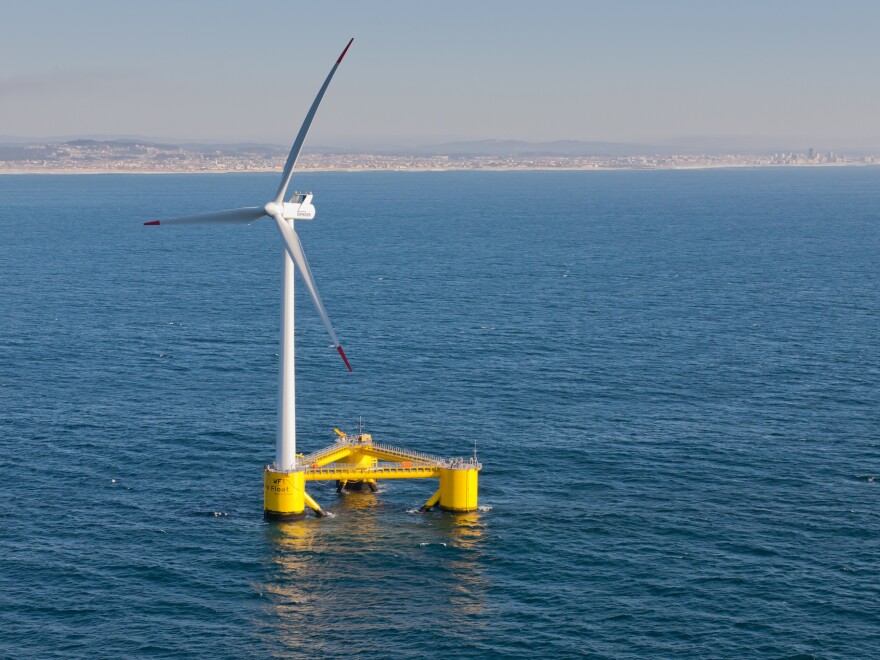
- Technology: Crucially, this project would have utilized floating offshore wind turbine technology. Unlike traditional fixed-bottom turbines used in shallower waters, floating platforms are essential for California’s deep Pacific shelf. This technology allows turbines to be deployed in much deeper waters, opening up vast areas for wind energy development that were previously inaccessible.
Here’s a snapshot of the original project’s key details:
| Aspect | Detail |
|---|---|
| Project Name | Redwood Coast Offshore Wind (RCOW) Project |
| Lead Developer | Redwood Coast Energy Authority (RCEA) with consortium partners (e.g., Principle Power) |
| Proposed Capacity | 100-150 megawatts (MW) |
| Technology | Floating Offshore Wind Turbines |
| Proposed Location | ~20-30 miles off Eureka, Humboldt County, CA |
| Goal | Pilot-scale utility project, local economic development |
The Journey Unfolds: Timeline of Applications, Challenges, and Shifting Tides
The path to establishing offshore wind in California, particularly for a first-of-its-kind floating project, was always going to be challenging. The RCOW Project faced a series of hurdles that ultimately led to its evolution.
Early Moves: Unsolicited Lease Application and BOEM’s Role
The RCEA and its consortium made a significant move in September 2018, submitting an unsolicited lease application to the U.S. Bureau of Ocean Energy Management (BOEM). This application sought exclusive rights to develop offshore wind in a specific area. BOEM, the federal agency responsible for managing offshore energy development, then had to evaluate this proposal and consider its alignment with broader national and state energy goals.
This was an early indicator of serious interest and intent, positioning the Redwood Coast as a frontrunner for offshore wind development in California.
Navigating Complexities: Permitting, Environmental Reviews, and Stakeholder Engagement
Developing an offshore wind farm isn’t just about technology; it’s a marathon of regulatory approvals, environmental impact assessments, and extensive stakeholder engagement. The RCOW Project, like any major infrastructure project, had to consider:
- Environmental Impact: Thorough studies on potential impacts to marine life (birds, whales, fish), ocean currents, and seabed ecosystems. This involves extensive surveys and mitigation planning.
- Fisheries Concerns: Engaging with the local fishing industry, which often has valid concerns about displacement, impact on fishing grounds, and potential interference with equipment.
- Shipping Lanes: Ensuring the project doesn’t impede critical shipping routes or port access.
- Native American Tribes: Consulting with local tribal nations to address cultural heritage concerns and ensure respectful development.
- Public Input: Gathering feedback from local communities, environmental groups, and other interested parties.
Each of these steps adds significant time and complexity, requiring careful negotiation and adaptation.
Economic Promises vs. Infrastructure Realities: Port & Workforce Needs
One of the most significant challenges, both for the RCOW Project and for broader offshore wind development in California, centers around infrastructure. Humboldt Bay, while strategically located, was not initially equipped to handle the massive components (turbine blades, towers, floating platforms) required for offshore wind construction. The port facilities would require:
- Deepening of channels.
- Strengthening of docks and wharves.
- Expansion of laydown areas for assembly and storage.
- Specialized heavy-lift cranes and vessels.
Beyond physical infrastructure, there’s the equally vital need for a skilled workforce. Welding, marine operations, electrical engineering, environmental monitoring – these all require specialized training and expertise. Developing this workforce from scratch is a significant undertaking that requires investment in education and training programs.
Here’s a glimpse at some key milestones and the inherent challenges they highlighted:

| Year | Milestone / Event | Associated Challenge / Outcome |
|---|---|---|
| 2018 | RCEA & Consortium submit unsolicited lease application to BOEM. | Initiated federal review process; highlighted need for comprehensive environmental and technical assessments. |
| 2020-2021 | Public and stakeholder engagement, initial environmental studies. | Revealed significant concerns from fisheries, tribal nations, and environmental groups regarding impacts and mitigation. |
| Ongoing | Assessment of port infrastructure needs for project scale. | Identified massive upgrade costs and logistical challenges for Humboldt Bay to support offshore wind. |
| 2021-2022 | California state and federal governments set ambitious offshore wind goals, leading to identification of Wind Energy Areas (WEAs). | Shifted focus from single unsolicited project to competitive lease auctions for larger WEAs. |
From Specific Project to Broader Opportunity: Why “Redwood Coast Offshore Wind Project” Evolved
This is where the narrative shifts significantly. The RCOW Project didn’t fail; rather, it served as a crucial catalyst and learning experience that paved the way for a much larger, more integrated approach to offshore wind development in California.
The Federal Auction: A Game Changer for the Humboldt Wind Energy Area (WEA)
Recognizing the immense potential and strategic importance of offshore wind, the federal government (through BOEM) and the State of California decided to take a more expansive approach. Instead of one-off unsolicited proposals, they designated specific Wind Energy Areas (WEAs) off the coast of California, including a significant area off Humboldt County.
In December 2022, BOEM held its first-ever competitive lease auction for offshore wind development in California. This auction included three lease areas in the Humboldt WEA and two off Morro Bay. The results were staggering: the auction generated over $757 million, demonstrating intense industry interest in California’s offshore wind future.
This competitive process meant that multiple well-resourced developers would now be responsible for planning and executing projects within these larger lease areas, rather than a single consortium taking on the pioneering, smaller-scale RCOW Project.
New Developers, New Scale: Introducing the Winners and Their Plans
The Humboldt WEA leases were secured by major international energy players:
- RWE Offshore Wind Holdings LLC
- California North Floating LLC (Copenhagen Infrastructure Partners)
- Central California Offshore Wind LLC (Equinor)
These companies bring vast experience, significant financial backing, and proven track records in developing large-scale offshore wind projects globally. Their entry signals a commitment to developing projects potentially much larger than the original 100-150 MW RCOW proposal, with each lease area capable of supporting gigawatts of power.
Distinguishing the Past from the Future: RCOW’s Legacy and the WEA’s Potential
So, is the Redwood Coast Offshore Wind Project cancelled? In its original form, as an RCEA-led specific development, the answer is nuanced: that particular project evolved. It was superseded by a federal-level competitive auction that granted leases for much larger-scale development within the same general region – the Humboldt Wind Energy Area.
The RCEA’s early work was incredibly valuable. It helped identify the resource, brought stakeholders to the table, and laid the groundwork for understanding the challenges and opportunities. Without their pioneering efforts, the Humboldt WEA might not have been recognized as such a prime location for the federal auction. The RCOW project’s legacy is that it catalyzed the larger, more robust offshore wind industry now taking shape off the Redwood Coast.
The Humboldt Wind Energy Area (WEA): California’s Offshore Wind Powerhouse in the Making
Now, let’s look at the exciting present and future. The Humboldt WEA is not just an opportunity; it’s a cornerstone of California’s ambitious renewable energy targets and a potential game-changer for the region.

Immense Potential: Energy Capacity and Grid Impact
The Humboldt WEA, alongside the Morro Bay WEA, represents a monumental leap in California’s renewable energy capacity. The combined potential of these areas could be enough to power millions of homes, significantly contributing to the state’s goal of 100% clean electricity by 2045. Offshore wind offers a critical advantage: its generation often peaks in the evenings, when solar power declines but demand remains high, providing a valuable complement to California’s existing solar-heavy grid.
Economic Catalyst: Job Creation and Local Investment
The development of the Humboldt WEA projects promises to be an economic engine for the Redwood Coast. We’re talking about a multi-billion-dollar industry that will require:
- Construction Jobs: For port upgrades, manufacturing, and turbine assembly.
- Operations and Maintenance (O&M) Jobs: Long-term roles for skilled technicians, engineers, and marine personnel.
- Supply Chain Development: Opportunities for local businesses to provide goods and services to the industry.
- Increased Tax Revenue: Boosting local government budgets for essential services.
Initial estimates suggest that offshore wind development could create thousands of jobs across California, with a significant portion concentrated in regions like Humboldt that host port infrastructure and operational centers.
Environmental Considerations: Balancing Green Energy with Marine Ecosystems
While offshore wind is a critical tool in combating climate change, its development must proceed with careful consideration for the environment. Key environmental factors being addressed include:
- Marine Mammals: Minimizing noise pollution during construction (pile driving) and operational impacts on whales, dolphins, and seals.
- Bird Migration Routes: Siting turbines to avoid major migratory paths and using bird-friendly designs.
- Fisheries: Working with commercial and recreational fishing communities to understand impacts and develop coexistence strategies.
- Habitat Protection: Protecting sensitive marine habitats like kelp forests and deep-sea corals.
Extensive environmental impact assessments and ongoing monitoring will be crucial to ensure these projects are developed responsibly.
Community Engagement: Ensuring Local Voices are Heard
The success of offshore wind in Humboldt hinges on strong, ongoing engagement with local communities. This includes:
- Input from Tribal Nations: Respecting sovereignty and cultural resources.
- Fisheries Councils: Collaborating on lease area design and operational protocols.
- Local Governments: Partnering on infrastructure development and workforce training.
- Public Forums: Providing transparency and opportunities for feedback.
The lessons learned from the original RCOW Project, particularly around early and sustained community dialogue, are invaluable for the new developers.
The Road Ahead: Challenges and Opportunities for Humboldt’s Offshore Wind Future
While the potential is immense, transforming the Humboldt WEA into a thriving offshore wind hub requires overcoming significant challenges. This is where focused effort and strategic investment will be critical.
Infrastructure Upgrades: Modernizing Port of Humboldt Bay
The single most pressing challenge is the need for a massive upgrade to the Port of Humboldt Bay. Current facilities are simply not equipped to handle the scale and weight of offshore wind components. This isn’t just about dredging; it involves:

- Building new heavy-lift wharves.
- Creating vast marshaling yards for component assembly.
- Enhancing navigational channels.
The State of California has committed significant funding to kickstart these port improvements, recognizing their foundational role in the entire offshore wind industry for the state.
Workforce Development: Training for a New Industry
A new industry requires a new workforce. Humboldt County faces the exciting challenge of developing a robust talent pipeline. This means:
- Establishing specialized training programs at local colleges and vocational schools.
- Partnering with labor unions for apprenticeship opportunities.
- Retraining workers from existing industries (e.g., timber, fishing) for offshore wind roles.
The goal is to ensure that local residents are equipped to fill the high-paying jobs that offshore wind will bring.
Supply Chain Building: Localizing the Benefits
To maximize local economic benefits, a strong regional supply chain needs to be nurtured. This includes opportunities for:
- Local fabrication and manufacturing.
- Logistics and transportation services.
- Environmental consulting and monitoring.
- Marine support services.
The developers and government agencies are working to identify and support local businesses that can integrate into this burgeoning industry.
Regulatory Pathways: Streamlining Development While Protecting Resources
California is working to create a more efficient and predictable regulatory framework for offshore wind. This involves:
- Streamlining permitting processes across federal, state, and local agencies.
- Developing clear guidelines for environmental mitigation.
- Ensuring consistent communication between developers, regulators, and stakeholders.
The aim is to accelerate development without compromising environmental protections or community engagement.
What This Means For You: California’s Renewable Energy Future
The evolution of the Redwood Coast Offshore Wind Project into the broader Humboldt Wind Energy Area is more than just an industrial development; it’s a crucial step in California’s fight against climate change and a significant investment in its economic future.
Cleaner Energy and Climate Goals
For every Californian, this means a future powered by cleaner, more sustainable energy. Offshore wind will reduce reliance on fossil fuels, decrease greenhouse gas emissions, and help the state achieve its ambitious climate targets. It contributes to a more resilient and diverse energy portfolio, less susceptible to fluctuations from a single energy source.

Economic Diversification for the Redwood Coast
For the communities along the Redwood Coast, it represents a profound opportunity for economic diversification. As traditional industries evolve, offshore wind can bring new, high-paying jobs, attract investment, and revitalize port communities. It’s a chance to build a sustainable economic foundation for generations to come.
The journey of the Redwood Coast Offshore Wind Project, from its early, localized vision to its current status as a federally-backed, multi-developer initiative within the Humboldt Wind Energy Area, is a testament to the complexities and immense potential of renewable energy. While the specific RCEA project may have evolved, the dream of harnessing Humboldt’s powerful winds for a cleaner, more prosperous future is very much alive and charting a course forward.
Frequently Asked Questions
Is the Redwood Coast Offshore Wind Project cancelled?
The original Redwood Coast Offshore Wind (RCOW) Project, as a specific initiative led by the Redwood Coast Energy Authority (RCEA), did not proceed in its initial form. However, the potential for offshore wind in the Humboldt region is very much active. The federal government, through BOEM, subsequently held a competitive lease auction for the broader Humboldt Wind Energy Area (WEA), which was won by major energy developers. So, while the specific RCOW project evolved, the region is now a key focus for large-scale offshore wind development.
What is the Humboldt Wind Energy Area (WEA)?
The Humboldt Wind Energy Area (WEA) is a designated offshore region off the coast of Humboldt County, California, identified by the Bureau of Ocean Energy Management (BOEM) as suitable for commercial-scale offshore wind development. It was part of California’s first federal offshore wind lease auction in December 2022 and is now being developed by major international energy companies.
What kind of technology will be used for offshore wind near Humboldt?
Due to the deep waters off California’s coast, offshore wind projects in the Humboldt WEA will utilize floating offshore wind turbine technology. Unlike fixed-bottom turbines, floating platforms allow for deployment in depths greater than 60 meters (200 feet), which is essential for accessing the strong, consistent wind resources far offshore in the Pacific.
What are the main challenges for developing offshore wind in Humboldt?
Key challenges include significant upgrades to the Port of Humboldt Bay to handle massive turbine components, developing a skilled local workforce for construction and operations, building a robust regional supply chain, and navigating complex environmental and regulatory pathways while ensuring minimal impact on marine ecosystems and existing ocean users like fisheries.
How will offshore wind benefit the Redwood Coast economy?
Offshore wind development is expected to be a major economic catalyst for the Redwood Coast. It will create thousands of new jobs in construction, manufacturing, operations, and maintenance, stimulate local supply chain businesses, and generate significant tax revenue. It represents a long-term opportunity for economic diversification and growth in the region.
What is the potential energy capacity of the Humboldt Wind Energy Area?
The Humboldt Wind Energy Area holds immense potential, capable of supporting gigawatts of offshore wind power. When fully developed, it could generate enough clean electricity to power millions of homes, significantly contributing to California’s goal of achieving 100% clean electricity by 2045 and enhancing grid reliability.

)