Residential Roof-Mounted Wind Turbines: Are They a Viable Green Energy Solution for Your Home?
The idea of a sleek wind turbine gracefully spinning on your rooftop, quietly generating clean electricity, sounds incredibly appealing, right? In a world increasingly focused on sustainability and energy independence, a residential roof-mounted wind turbine seems like a natural fit for the eco-conscious homeowner.
Table of Contents
- Residential Roof-Mounted Wind Turbines: Are They a Viable Green Energy Solution for Your Home?
- Understanding Residential Wind Power: Beyond the Hype
- How Small Wind Turbines Work (Briefly)
- The Fundamental Challenge: Rooftop Aerodynamics
- Key Types of Residential Wind Turbines
- Horizontal Axis Wind Turbines (HAWTs)
- Vertical Axis Wind Turbines (VAWTs)
- Emerging & Novel Designs (e.g., Shrouded/Ducted Turbines, Ridge-Mounted)
- The Pros and Cons of Putting a Wind Turbine on Your Roof
- Potential Benefits
- Significant Drawbacks and Real-World Challenges
- Low Power Output & Efficiency
- Noise & Vibration
- Structural Integrity & Roof Damage
- Aesthetics & Visual Impact
- Cost vs. Benefit
- Maintenance
- Permitting & Zoning Restrictions
- Wind vs. Solar: Which is Better for Your Home?
- Comparing Rooftop Performance
- Hybrid Systems: The Best of Both Worlds?
- What to Consider Before Investing in a Roof-Mounted Turbine
- Evaluate Your Home’s Wind Resource
- Local Regulations and Permitting
- Structural Assessment of Your Roof
- Realistic Expectations for Energy Production
- Costs, Incentives, and Payback Period
- Alternatives to Roof-Mounted Wind Turbines for Homeowners
- Ground-Mounted Small Wind Turbines
- Solar Panels (PV)
- Energy Efficiency Upgrades
- Community Solar or Green Energy Programs
- The Future of Residential Wind Power
- Conclusion: Making an Informed Decision
But let’s cut through the marketing spin and internet chatter. Many homeowners who explore this option quickly encounter a storm of conflicting information. You’ll hear promises of massive savings and whispers of scams, roof damage, and wasted money. So, what’s the real story?
As someone deeply familiar with renewable energy technologies, I’m here to give you the unvarnished truth. Residential roof-mounted wind turbines can be a fascinating piece of engineering, but their practical application and efficacy are far more nuanced than often portrayed. They face significant challenges that limit their widespread viability, making them a niche solution rather than a universal one. Understanding these challenges is key to making an informed decision for your home.
Understanding Residential Wind Power: Beyond the Hype
Before we delve into the specifics of rooftop installations, it’s essential to grasp the fundamentals of small-scale wind power and why rooftops present a unique challenge.
How Small Wind Turbines Work (Briefly)
At its core, a wind turbine works by converting the kinetic energy of moving air into mechanical energy, which then drives a generator to produce electricity. Blades catch the wind, causing a rotor to spin. This spinning motion is transferred through a shaft and gearbox (in some designs) to an electrical generator, producing power that can be used directly or stored in batteries.
The Fundamental Challenge: Rooftop Aerodynamics
This is where the dream often clashes with reality. While wind might feel strong at ground level, or even stronger a few stories up, putting a turbine on your roof introduces a host of aerodynamic complexities that significantly diminish its performance compared to a freestanding tower.
- Turbulence: Buildings aren’t aerodynamically designed for smooth airflow. As wind hits your home, it creates eddies, swirls, and unpredictable gusts known as turbulence. Turbines thrive on smooth, laminar flow, which is almost impossible to achieve directly on a roof. This turbulence reduces efficiency, increases noise, and can cause premature wear and tear on the turbine.
- Wind Shear: Wind speed generally increases with height. While a roof is higher than the ground, it’s often not high enough to escape the effects of ground-level friction and nearby obstacles. True, consistent wind speeds are typically found much higher than a typical residential rooftop.
- Obstacles: Nearby trees, other houses, chimneys, and even the roof’s own structure can block or disrupt wind flow, creating ‘dead zones’ or increasing turbulence.
These factors mean that a turbine on a roof rarely experiences the consistent, powerful wind it needs to operate efficiently and generate significant power.
Key Types of Residential Wind Turbines
When considering a roof-mounted setup, you’ll typically encounter a few main types:
Horizontal Axis Wind Turbines (HAWTs)
These are what most people picture: the classic ‘propeller’ style turbines, like miniature versions of the giant utility-scale turbines. For residential use, they are generally smaller, often 1-5 kW in capacity. While efficient in ideal, unobstructed wind, their need to yaw (turn into the wind) and sensitivity to turbulence make them less than ideal for most rooftops. They also tend to be visually more prominent and can generate more audible noise.
Vertical Axis Wind Turbines (VAWTs)
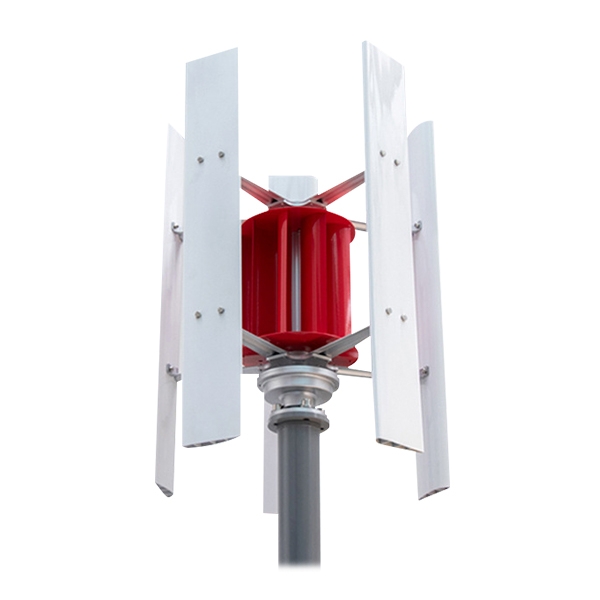
Often marketed as ‘rooftop friendly,’ VAWTs (like Savonius or Darrieus designs) spin around a vertical axis. Their supposed advantages for rooftops include:
- Omnidirectional: They don’t need to orient themselves into the wind, theoretically handling turbulent rooftop airflow better.
- Quieter Operation: Some designs are genuinely quieter than HAWTs.
- Aesthetics: Some homeowners find their vertical profile more visually appealing.
However, VAWTs often have lower efficiency than HAWTs in general, struggle with starting torque (needing a certain wind speed to begin spinning), and are still susceptible to the overall low and turbulent wind conditions on rooftops.
Emerging & Novel Designs (e.g., Shrouded/Ducted Turbines, Ridge-Mounted)
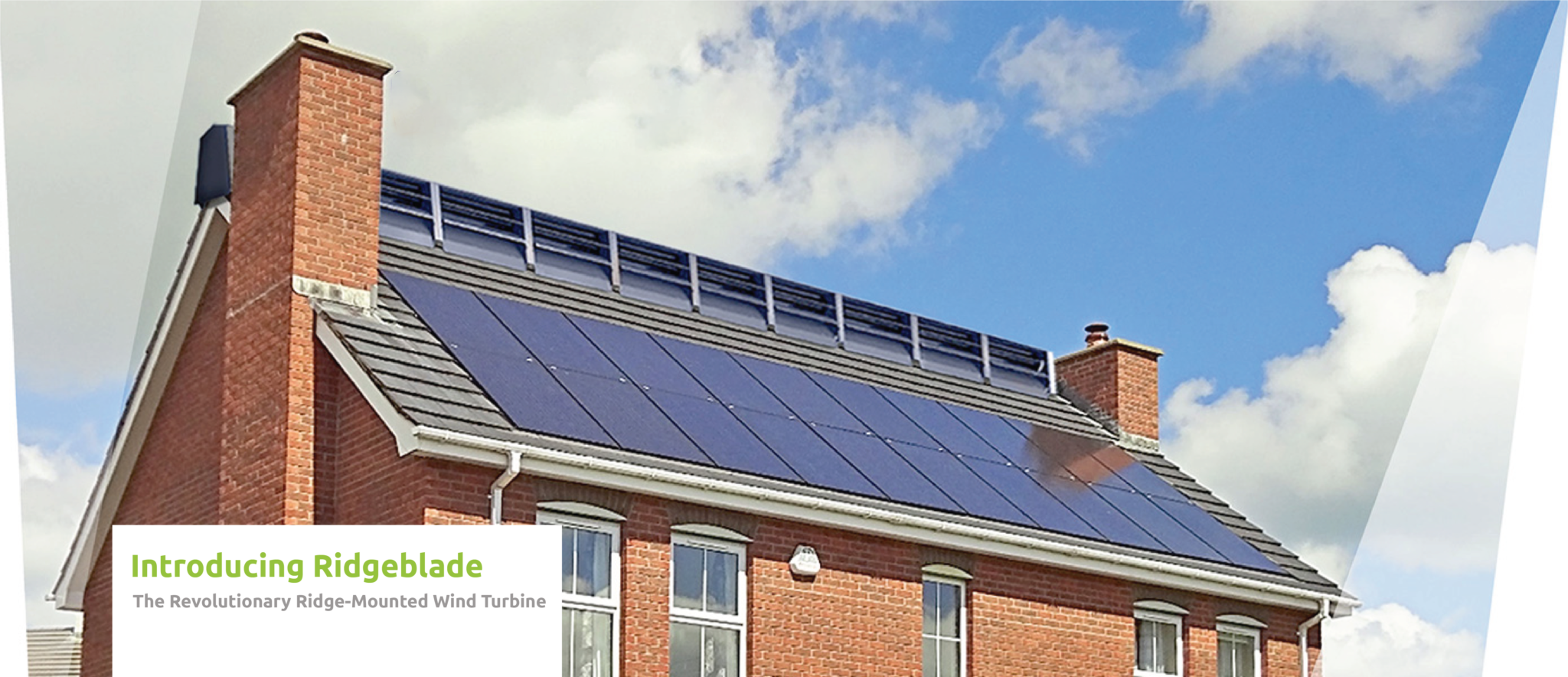
This is where innovation attempts to overcome the rooftop problem. Companies like Ridgeblade, Aeromine, and Aeroleaf are exploring designs that:
- Harness Wind Along Rooflines: The Ridgeblade, for instance, integrates into the roof’s ridge, attempting to capture accelerated wind flow over the building.
- Use Aerodynamic Shrouds/Ducts: The Aeromine system, for example, is static and uses the building’s aerodynamics to funnel wind through airfoils, generating power without exposed spinning blades. These designs aim to be silent, vibration-free, and less visually intrusive.
- Small, Modular Designs: Aeroleaf offers small, blade-like modules that can be distributed across a roof.
These newer designs hold promise by attempting to mitigate turbulence and noise, but they are often still undergoing real-world validation for long-term efficiency and cost-effectiveness in diverse residential settings. It’s crucial to look for independent performance data, not just manufacturer claims.
The Pros and Cons of Putting a Wind Turbine on Your Roof
Let’s weigh the potential benefits against the very real challenges.
Potential Benefits
- Reduced Electricity Bills: If conditions are ideal and the turbine performs as expected, you could offset some of your electricity consumption, leading to lower monthly bills.
- Environmental Impact: Generating your own clean energy reduces reliance on fossil fuels, cutting your carbon footprint.
- Partial Energy Independence: While rarely providing 100% of a home’s power, a turbine can contribute to self-sufficiency, especially when paired with battery storage.
- Nighttime & Cloudy Day Generation: Unlike solar panels, wind turbines can generate power 24/7 as long as there’s wind, offering a complementary power source.
Significant Drawbacks and Real-World Challenges
Low Power Output & Efficiency
This is the biggest hurdle. Due to the inherent turbulence and lower wind speeds at rooftop level, most residential roof-mounted turbines simply don’t generate enough electricity to justify their cost. They often perform far below their rated capacity, especially in suburban or urban environments. You might be paying a premium for very little actual energy production.
Noise & Vibration
This is a common complaint. While manufacturers claim their turbines are ‘silent,’ any moving mechanical part can generate noise. On a roof, this noise (a whirring, grinding, or humming sound) can transmit directly into the home structure, creating an uncomfortable living environment. Vibrations can also be a significant issue, affecting structural integrity over time and causing annoyance.
Structural Integrity & Roof Damage
A wind turbine adds significant weight to your roof, especially when considering the mounting hardware. More importantly, it acts like a sail, putting immense stress on the roof structure during high winds. This requires professional structural engineering assessment and potentially costly roof reinforcement. Improper installation can lead to leaks, cracks, and severe structural damage.
Aesthetics & Visual Impact
Let’s be honest: not everyone finds a wind turbine visually appealing. Neighbors might object, and local zoning laws often have restrictions on height, setback, and visual impact, making permitting a challenge.
Cost vs. Benefit
The upfront cost for a residential roof-mounted turbine, including the turbine itself, inverter, batteries (if off-grid), and professional installation, can range from $10,000 to $30,000 or more. Given the typically low power output, the payback period can be decades, if ever, making it a poor financial investment for most homeowners compared to solar or energy efficiency upgrades.
Maintenance
Like any mechanical system, wind turbines require maintenance. Blades can accumulate dirt or ice, bearings wear out, and electrical components need checking. Accessing a roof-mounted turbine for maintenance can be difficult and dangerous, requiring specialized equipment or professionals.
Permitting & Zoning Restrictions
Navigating the local bureaucracy for a roof-mounted turbine can be a nightmare. Many municipalities have strict rules regarding height, noise, setbacks, and structural requirements. Homeowners’ Associations (HOAs) often have additional restrictions that can completely prohibit such installations.
Wind vs. Solar: Which is Better for Your Home?
When considering residential renewable energy, solar panels (photovoltaic, or PV) are often the primary alternative, and for good reason.
Comparing Rooftop Performance
Solar panels typically have a distinct advantage in residential settings due to their static nature and predictable performance in sunny conditions. Wind, as we’ve discussed, is far more variable and turbulent on a roof.

Here’s a quick comparison:
| Feature | Residential Roof-Mounted Wind Turbine | Residential Rooftop Solar Panels (PV) |
|---|---|---|
| Energy Source Reliability on Roof | Highly inconsistent due to turbulence; needs strong, consistent wind. | Predictable with sunlight; less affected by localized airflow. |
| Noise & Vibration | Can be significant and transmitted into the home; often a major drawback. | Virtually silent operation. |
| Maintenance | Moving parts require regular inspection, potential repairs, lubrication. | Minimal; occasional cleaning recommended. |
| Aesthetics | Prominent, moving structure; often subject to stricter zoning. | Static panels, can be flush-mounted; generally more accepted. |
| Structural Impact | Significant weight and dynamic wind load; requires strong roof structure. | Added weight, but static load; well within most roof capacities. |
| Cost-Effectiveness & ROI | Generally poor for most residential rooftops due to low output. | Highly cost-effective with mature technology and strong incentives; faster payback. |
| Grid Interconnection | More complex due to variable output and potential for greater fluctuations. | Well-established protocols and widely supported by utilities. |
Hybrid Systems: The Best of Both Worlds?
For homes with genuinely good wind resources (and often this means a ground-mounted turbine, not a rooftop one), combining wind and solar can create a more consistent power supply. Solar excels during the day, especially in summer, while wind often performs better during winter months or at night. A well-designed hybrid system, potentially with battery storage, can offer greater energy independence and resilience. However, this dramatically increases complexity and cost.
What to Consider Before Investing in a Roof-Mounted Turbine
If, despite the challenges, you’re still considering a roof-mounted wind turbine, here’s a checklist of crucial steps:
Evaluate Your Home’s Wind Resource
This is the most critical factor. Do not rely on anecdotal evidence or general wind maps. You need a professional wind assessment specific to your property and proposed turbine location. This typically involves installing an anemometer (wind speed measuring device) at the intended height for several months to gather accurate data on average wind speed, wind rose (direction frequency), and turbulence. Most homes simply don’t have the consistent, high-speed, laminar wind necessary for efficient rooftop turbine operation.
Local Regulations and Permitting
Before you spend a dime, investigate your local zoning ordinances, building codes, and any Homeowners’ Association (HOA) rules. You might face:
- Height restrictions (which defeat the purpose of getting above turbulence).
- Noise ordinances.
- Setback requirements from property lines.
- Aesthetics committees.
- Complex structural engineering review processes.
Structural Assessment of Your Roof
Consult a qualified structural engineer. They will assess your roof’s capacity to handle the turbine’s static weight and, more importantly, the significant dynamic loads (uplift, sheer, vibration) it will experience in high winds. Retrofitting a roof for this purpose can be expensive.
Realistic Expectations for Energy Production
Be highly skeptical of manufacturer claims, especially those based on ‘rated’ power. A 1kW turbine rated at 25 mph will produce significantly less power at your average rooftop wind speed of, say, 8-10 mph. Ask for independent performance data and factor in your actual wind conditions. In many cases, a rooftop turbine might only contribute a tiny fraction of your total household energy needs.
Costs, Incentives, and Payback Period
Get detailed quotes from reputable installers (if you can find any for rooftop wind). Factor in:
- Turbine cost.
- Mounting system and structural reinforcement.
- Inverter and electrical components.
- Installation labor.
- Permitting fees.
- Potential battery storage costs.
Look into federal, state, and local incentives, but be aware that wind turbine incentives are generally less robust and harder to access than solar incentives. Calculate your true Levelized Cost of Energy (LCOE) and your realistic payback period. For most rooftop installations, the ROI is extremely long, if not negative.
Alternatives to Roof-Mounted Wind Turbines for Homeowners
If rooftop wind doesn’t pan out, don’t despair! There are many other effective ways to embrace renewable energy and reduce your energy footprint.
Ground-Mounted Small Wind Turbines
If you have sufficient land (typically at least an acre) and an excellent, unobstructed wind resource, a ground-mounted small wind turbine on a tall tower (60-120 feet) is almost always a superior option. It gets the turbine above turbulence, into cleaner, faster wind, dramatically increasing efficiency and power output. This is where small wind truly shines, but it requires space and significant capital investment.
Solar Panels (PV)
As discussed, rooftop solar is a mature, reliable, and often highly cost-effective technology. With declining costs, improving efficiency, and robust federal (like the Investment Tax Credit) and state incentives, solar panels are the go-to choice for most homeowners looking to generate their own electricity.

Energy Efficiency Upgrades
Often the best ‘first step,’ improving your home’s energy efficiency can yield immediate and significant savings at a lower cost than installing any generation system. Think insulation, weatherstripping, energy-efficient windows and appliances, and smart thermostats. The cheapest energy is the energy you don’t use.
Community Solar or Green Energy Programs
If you can’t install renewables on your property, consider subscribing to a community solar project or opting for a ‘green energy’ plan from your utility, which ensures your electricity comes from renewable sources, albeit generated elsewhere.
The Future of Residential Wind Power
While traditional roof-mounted wind turbines face an uphill battle, the innovative designs we discussed earlier (like those from Aeromine or Ridgeblade) represent promising attempts to overcome the inherent limitations. Researchers continue to explore quieter designs, more efficient blades that handle turbulence better, and smart control systems that optimize performance in variable wind conditions.
It’s possible that in specific niches—perhaps very windy, isolated homes with unique architectural features, or as part of highly integrated building designs—these new technologies could become genuinely viable. However, for the average suburban home, widespread adoption of high-performing, cost-effective roof-mounted wind turbines remains a challenge, and solar continues to lead the charge in residential self-generation.
Conclusion: Making an Informed Decision
Residential roof-mounted wind turbines present an intriguing concept, but for the vast majority of homeowners, the reality falls short of the ideal. The fundamental challenges of rooftop aerodynamics, coupled with issues of noise, vibration, structural integrity, and high cost-to-benefit ratios, mean they are rarely the most practical or financially sound renewable energy investment.
Before you get swept away by the allure of a spinning turbine on your roof, do your homework. Get a professional wind assessment, understand the permitting maze, and critically evaluate the real-world performance claims. For most, investing in solar panels or focusing on energy efficiency upgrades will offer a much clearer path to reducing your energy bills and carbon footprint, without the headaches associated with rooftop wind power.
Frequently Asked Questions
How much power can a residential roof-mounted wind turbine generate?
Most residential roof-mounted wind turbines are designed for modest power generation, typically rated between 400W and 2kW. However, due to turbulent and lower wind speeds on rooftops, they often operate at a fraction of their rated capacity, producing significantly less electricity than expected. Actual output is highly dependent on consistent, unobstructed wind resources, which are rare on most residential roofs.
Are roof-mounted wind turbines noisy?
Yes, noise and vibration are common concerns with roof-mounted wind turbines. While manufacturers often claim ‘silent’ operation, moving mechanical parts can generate audible sounds (whirring, humming) that can transmit through the roof structure into the home. These noises, along with potential vibrations, can be quite disruptive to residents and neighbors.
Do roof-mounted wind turbines damage the roof?
Improperly installed or inadequately supported roof-mounted wind turbines can cause significant roof damage. They add considerable weight and, more critically, exert dynamic wind loads (uplift, shear) that can stress the roof structure. Professional structural assessment and proper reinforcement are essential to prevent leaks, cracks, and structural failure.
What is the typical cost of a residential roof-mounted wind turbine?
The cost of a residential roof-mounted wind turbine system, including the turbine, inverter, mounting hardware, and professional installation, can range widely from $10,000 to $30,000 or more. This upfront investment, coupled with typically low energy output, often results in a very long, or even negative, return on investment compared to other renewable energy options.
Do roof-mounted wind turbines work in urban areas?
Residential roof-mounted wind turbines are generally not effective in urban or suburban areas. Buildings and trees create significant wind turbulence and block consistent airflow, severely limiting a turbine’s efficiency. They perform best in open, rural environments with high, consistent wind speeds, typically on tall, freestanding towers rather than rooftops.
How do roof-mounted wind turbines compare to solar panels?
For most homes, rooftop solar panels are a more reliable and cost-effective renewable energy solution. Solar panels offer predictable output, are silent, require minimal maintenance, and have a proven track record with strong incentives. Roof-mounted wind turbines suffer from inconsistent wind, noise, vibration, higher structural demands, and generally poorer financial returns.
Are there any government incentives for residential wind turbines?
Yes, some federal, state, and local incentives can apply to residential wind turbines, similar to solar energy. The federal Investment Tax Credit (ITC) for renewable energy may apply. However, incentives for wind are often less prevalent and harder to access than those for solar, due to the niche nature and often lower cost-effectiveness of residential wind power.