Residential Vertical Wind Turbine Kits: Your Definitive Guide to Home Wind Power
Dreaming of harnessing nature’s power right from your backyard? Tired of unpredictable electricity bills and wanting a greener footprint? You’ve likely stumbled upon the idea of a residential vertical wind turbine kit. But let’s be real: are these small-scale wonders actually effective, or are they just a pipe dream?
Table of Contents
- Residential Vertical Wind Turbine Kits: Your Definitive Guide to Home Wind Power
- What Exactly Are Vertical Axis Wind Turbine (VAWT) Kits?
- VAWT vs. HAWT: Why Vertical Matters for Your Home
- What’s Typically Included in a VAWT Kit?
- The Real Benefits of Vertical Wind Turbines for Homeowners
- Low Wind Speed Operation
- Quieter Performance
- Compact Footprint & Aesthetics
- Safer for Wildlife (Birds)
- Ease of Installation (Relative)
- Are They Right for YOUR Home? Setting Realistic Expectations (Addressing the Skepticism)
- Wind Resource Assessment: The Factor
- Power Output Expectations: Don’t Oversell
- Noise Considerations
- Zoning Laws & Permitting in the USA
- Cost vs. Benefit: The ROI Picture
- Key Factors to Consider When Choosing a Residential VAWT Kit
- Power Output (Wattage/Kilowattage)
- Turbine Design & Blades (Helix, Savonius, Darrieus)
- System Voltage (12V, 24V, 48V, Grid-Tie)
- Durability & Materials
- Brand Reputation & Warranty
- Installation Complexity (DIY vs. Professional)
- A Closer Look at Popular Residential VAWT Kits (Comparative Analysis)
- Small-Scale Kits (Under 1kW): Ideal for Off-Grid Charging, RVs
- Mid-Range Kits (1kW – 5kW): Supplemental Home Power, Hybrid Systems
- Larger Residential Kits (5kW – 10kW): For High Wind Areas & Significant Contribution
- Installation: What You Need to Know Before You Start
- Site Selection & Obstructions
- Foundation & Tower Requirements
- Electrical Wiring & Safety
- Grid-Tie vs. Off-Grid Systems
- Maintenance and Longevity of Your VAWT System
- Routine Checks
- Expected Lifespan
- Maximizing Your Renewable Energy with Hybrid Systems
- Pairing Wind with Solar
- Battery Storage Solutions
- Conclusion: Is a Residential VAWT Kit Right for Your Energy Goals?
Many homeowners are curious about vertical axis wind turbines (VAWTs) because they seem like a sleek, more backyard-friendly alternative to those massive propeller-style turbines you see on wind farms. And for good reason – VAWTs offer some unique advantages for residential settings. But before you invest, it’s critical to understand the nitty-gritty: what they are, how much power they *really generate, what’s involved in installation, and if they’re truly a fit for your specific energy goals.
Consider this your no-fluff guide. We’ll cut through the marketing hype, address common skepticism, and provide you with actionable insights to decide if a residential VAWT kit is your next smart home improvement.
What Exactly Are Vertical Axis Wind Turbine (VAWT) Kits?
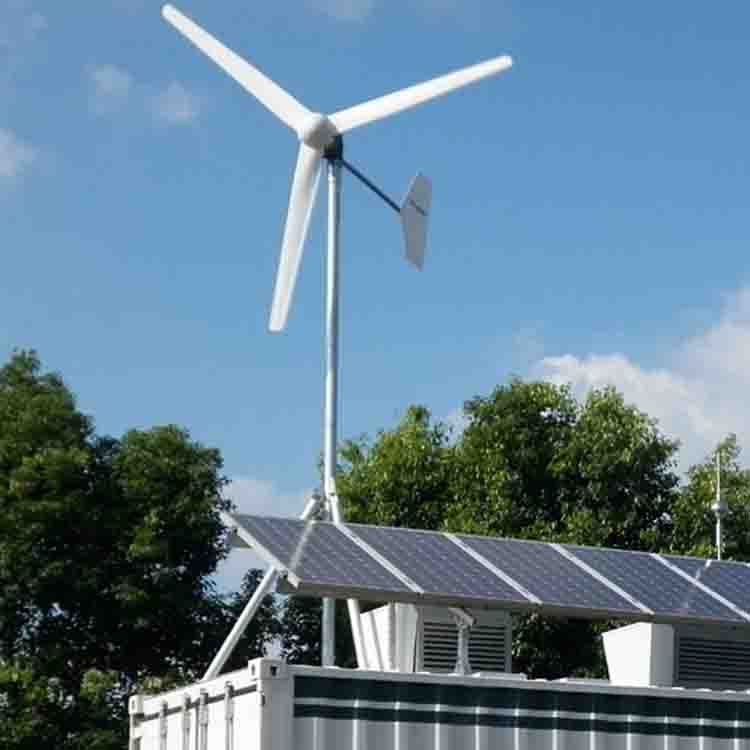
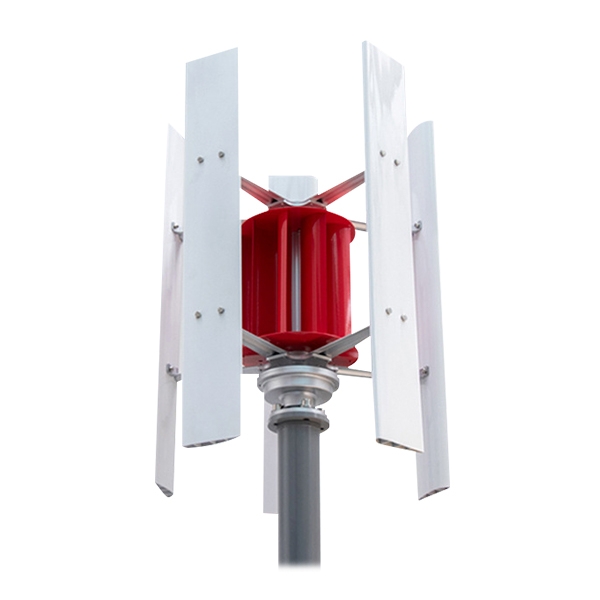
At its core, a vertical axis wind turbine (VAWT) is an electricity-generating device that captures wind energy through blades that rotate around a vertical axis. Unlike the traditional propeller-style turbines that dominate the skyline (Horizontal Axis Wind Turbines, or HAWTs), VAWTs have a distinct, often sculptural, appearance.
VAWT vs. HAWT: Why Vertical Matters for Your Home
This is where the rubber meets the road for residential applications. HAWTs are highly efficient in strong, consistent winds, but they need to face into the wind, often require tall towers, and can be quite noisy. VAWTs, on the other hand, bring a different set of characteristics to the table:
- Wind Direction Agnostic: VAWTs don’t need to orient themselves to face the wind. They capture wind from any direction, making them ideal for turbulent, gusty urban or suburban environments where wind direction frequently shifts.
- Lower Start-Up Speeds: Many VAWTs can start generating power at much lower wind speeds than HAWTs, typically around 3-5 mph (1.5-2.2 m/s). This is a huge benefit for areas with moderate wind resources.
- Quieter Operation: Generally, VAWTs operate with less noise compared to HAWTs. Their blades move slower at the tips, reducing the characteristic “whoosh” sound.
- Compact & Aesthetic: VAWTs often have a smaller footprint and can be more visually appealing, integrating better into residential landscapes. They can also be mounted closer to the ground or on rooftops, though higher is usually better.
- Maintenance: Key components like the generator and gearbox are typically located at the base of the turbine, making maintenance easier and safer without needing to climb a tall tower.
What’s Typically Included in a VAWT Kit?
When you buy a residential vertical wind turbine kit, you’re usually getting more than just the turbine itself. A complete system is designed to provide you with everything needed to start generating power, though some components (like batteries or specific inverters for grid-tie) might be optional or sold separately depending on your setup.
Here’s a breakdown of what you can expect:
- The Turbine Head: This is the heart of the system – the blades, rotor, and generator assembly that spins to produce electricity.
- Tower/Mast: A support structure to elevate the turbine above obstructions and into cleaner wind streams. These vary significantly in height and design.
- Charge Controller: Essential for DC systems, this device regulates the power coming from the turbine to prevent overcharging batteries and ensures a steady current.
- Inverter (for AC or Grid-Tie): If you want to power standard household appliances (AC current) or connect to the utility grid, you’ll need an inverter to convert the turbine’s DC output to AC.
- Battery Bank (for Off-Grid or Hybrid): For storing excess energy generated by the turbine, especially useful for off-grid homes or to supplement grid power during peak demand.
- Wiring & Cabling: Heavy-duty electrical wires to connect the turbine to the controller, batteries, and inverter.
- Mounting Hardware: Brackets, bolts, and other fasteners needed to secure the turbine and tower.
- User Manual & Installation Guide: Crucial for DIY enthusiasts.
The Real Benefits of Vertical Wind Turbines for Homeowners
While no energy solution is perfect, residential VAWTs offer some compelling advantages that make them attractive for specific homeowner needs.
Low Wind Speed Operation
One of the standout features of many VAWT designs is their ability to start producing power at relatively low wind speeds. This means you don’t necessarily need to live in a super windy location to get some benefit. If your property experiences gentle but consistent breezes, a VAWT might be a viable option where a HAWT wouldn’t even budge.
Quieter Performance
Nobody wants a noisy turbine disrupting their peace or annoying the neighbors. VAWTs are generally quieter than HAWTs because their blade tips move at lower speeds and their rotation is often smoother. This makes them a more neighbor-friendly choice for residential areas.
Compact Footprint & Aesthetics
Let’s be honest, those large propeller turbines can be an eyesore for some. VAWTs, with their vertical, often spiral or egg-beater designs, tend to have a smaller physical footprint and can often blend more harmoniously into a home environment. They don’t require vast clear spaces to operate efficiently, making them suitable for smaller lots.
Safer for Wildlife (Birds)
The slower rotation speed and different visual profile of VAWTs are often cited as being less hazardous to birds and bats compared to fast-spinning HAWTs. While no turbine is entirely risk-free for wildlife, VAWTs are generally considered a safer option.
Ease of Installation (Relative)
Compared to larger utility-scale turbines, residential VAWT kits are designed with a homeowner in mind. While electrical work always requires care and potentially a professional, the mechanical assembly for many smaller VAWT kits can be managed by a competent DIYer, especially with good instructions and a helping hand or two.
Are They Right for YOUR Home? Setting Realistic Expectations (Addressing the Skepticism)
Okay, let’s pump the brakes slightly. While VAWTs have impressive benefits, it’s crucial to approach them with realistic expectations. Many small-scale wind turbines get a bad rap (remember that Reddit comment?) because people expect them to power an entire house in a low-wind area. That’s usually not the case. Here’s what you absolutely need to consider:
Wind Resource Assessment: The Factor
This cannot be stressed enough: your wind resource is everything. Even the most advanced turbine won’t generate meaningful power if there’s no wind. Before you spend a dime, assess your property’s wind potential. This means:
- Observe: Watch how wind moves across your property over different seasons. Are there consistent breezes, or mostly calm days?
- Obstructions: Are there tall trees, buildings, or hills nearby that will block or create turbulence in the wind? Wind needs a clear path.
- Professional Assessment: Some companies offer free wind studies (like Windspire Energy mentions). This is invaluable. A dedicated anemometer (wind meter) placed at the proposed turbine height for a few months can give you real data.
Without sufficient, consistent wind, your investment will largely be decorative.
Power Output Expectations: Don’t Oversell
A 400W turbine might sound impressive, but it’s important to understand what that means. A typical American home can consume anywhere from 10,000 to 20,000 kWh per year. A 400W turbine running constantly (which it won’t) for 24 hours a day at its rated power would generate about 9.6 kWh per day, or ~3,500 kWh per year. In reality, due to varying wind speeds and efficiency, it will be much less.
Smaller VAWTs (e.g., 400W-1kW) are fantastic for charging battery banks, powering remote cabins, RVs, or supplementing a grid-tied home. Larger residential VAWTs (3kW-10kW) can make a significant dent in your electricity bill in genuinely windy locations, but rarely replace 100% of grid power on their own.
Noise Considerations
While generally quieter than HAWTs, no turbine is silent. Pay attention to the manufacturer’s stated noise levels (in decibels, dB) at different wind speeds. Consider your proximity to neighbors and any local noise ordinances.
Zoning Laws & Permitting in the USA
Here’s a critical point often overlooked: you absolutely need to check your local zoning laws and obtain necessary permits before installing any wind turbine. Claims like “no permission needed” (as seen on some foreign sites) are highly unlikely to apply across the USA. Each municipality has its own rules regarding:
- Height Restrictions: How tall can your structure be?
- Setbacks: How far must the turbine be from property lines and other structures?
- Noise Ordinances: Limits on operational noise.
- Aesthetics: Some HOAs or historic districts might have rules.
- Structural Safety: Ensuring the tower can withstand local wind loads.
Always consult your local planning department before purchasing. Skipping this step can lead to costly fines or forced removal.
Cost vs. Benefit: The ROI Picture
Residential VAWT kits can range from a few hundred dollars for very small, hobbyist systems to several thousand for robust home-use setups (e.g., $1,500 – $15,000+ depending on size, quality, and installation complexity). When considering ROI, factor in:
- Purchase Price: The kit itself.
- Installation Costs: If hiring professionals (electrical work, foundation).
- Maintenance: Ongoing checks, potential part replacements.
- Energy Savings: How much electricity will it offset, and what’s your current electricity rate?
- Incentives: Check for federal, state, or local renewable energy incentives, tax credits, or rebates. These can significantly improve your ROI.
For many, the benefit isn’t purely financial ROI; it’s also about energy independence, environmental impact, and personal satisfaction.
Key Factors to Consider When Choosing a Residential VAWT Kit
Once you’ve determined a VAWT might be viable for your home, it’s time to dig into the specifics of choosing the right kit. This isn’t a one-size-fits-all purchase.
Power Output (Wattage/Kilowattage)
This is arguably the most important specification. Turbine kits are rated by their maximum power output (e.g., 400W, 1kW, 5kW, 10kW). Match this to your energy goals:
- Small (100W-750W): Ideal for charging batteries for RVs, boats, security cameras, or trickle-charging a small home battery bank.
- Mid-Range (1kW-5kW): Good for supplementing household power, reducing grid reliance, or powering a small off-grid home.
- Large (5kW-10kW+): Designed for homes with significant energy needs and excellent wind resources, potentially reducing electricity bills substantially or powering larger off-grid properties.
Remember, the rated* power output is typically achieved at a specific, higher wind speed (e.g., 20-30 mph). Actual average output will be lower.
Turbine Design & Blades (Helix, Savonius, Darrieus)
VAWTs come in various designs, each with slightly different characteristics:
- Savonius: S-shaped blades, high starting torque, good at lower wind speeds, but lower efficiency.
- Darrieus: Often egg-beater or H-rotor shaped blades, higher efficiency than Savonius but lower starting torque (may need external kick-start).
- Helix (Helical Savonius/Darrieus): Modern designs often combining features for aesthetic appeal, quietness, and good performance across wind speeds.
The design impacts efficiency, noise, and visual appeal. Research which design best suits your specific wind conditions and aesthetic preferences.
System Voltage (12V, 24V, 48V, Grid-Tie)
Most residential kits are designed for DC battery charging at common voltages like 12V, 24V, or 48V. For grid-tied systems or larger installations, higher voltages and AC conversion via an inverter will be involved. Ensure the kit’s voltage matches your existing or planned electrical system (e.g., battery bank voltage).

Durability & Materials
Your turbine will face the elements 24/7. Look for durable materials like marine-grade aluminum, galvanized steel, and UV-resistant composites for blades. Read reviews about how well the turbine withstands extreme weather, ice, and prolonged operation. A robust build means less maintenance and a longer lifespan.
Brand Reputation & Warranty
Stick with reputable brands that have a track record of reliability and good customer support. Check warranty periods for the turbine, generator, and controller. A good warranty (e.g., 2-5 years or more) offers peace of mind.
Installation Complexity (DIY vs. Professional)
Some smaller kits are designed for straightforward DIY installation. Larger systems, especially those requiring significant tower erection or grid-tie electrical work, will likely benefit from professional installation for safety and compliance. Be realistic about your skills and comfort level.
A Closer Look at Popular Residential VAWT Kits (Comparative Analysis)
Let’s look at what types of kits are generally available and their typical applications. Remember, prices and specific features vary widely by manufacturer and market conditions.
Small-Scale Kits (Under 1kW): Ideal for Off-Grid Charging, RVs
These are often the most accessible and popular for specific, limited power needs. Think charging devices, lighting a shed, or keeping an RV battery topped up.
Mid-Range Kits (1kW – 5kW): Supplemental Home Power, Hybrid Systems
This category often provides a good balance between cost and meaningful power output for a typical home. They work well in hybrid systems with solar or as a primary power source for smaller off-grid homes with good wind resources.
Larger Residential Kits (5kW – 10kW): For High Wind Areas & Significant Contribution
These turbines are serious investments and require substantial wind resources to justify their cost. They are designed to significantly reduce or eliminate grid reliance for homes with higher energy demands.
Here’s a general comparative table to illustrate the range:
| Category | Typical Power Output Range | Estimated Kit Cost (USD) | Ideal Use Case | Key Considerations |
|---|---|---|---|---|
| Small-Scale (Hobby/Supplemental) | 100W – 750W | $300 – $1,500 | RV/Boat charging, off-grid sheds, emergency power, small battery banks | Minimal household impact, very DIY friendly, easy installation. Focus on battery charging. |
| Mid-Range (Home Supplement) | 1kW – 5kW | $1,500 – $8,000 | Reducing grid dependence, powering small off-grid homes, hybrid solar-wind systems | Noticeable electricity bill reduction, may require professional electrical work. Zoning often applies. |
| Larger Residential (Significant Power) | 5kW – 10kW+ | $8,000 – $20,000+ | High energy demand homes in excellent wind zones, near-total energy independence | Significant investment, typically requires professional installation, robust permitting process. |
Installation: What You Need to Know Before You Start
Installing a VAWT kit, even a smaller one, is not quite like assembling IKEA furniture. It involves working with electricity, heights, and potentially heavy components. Safety and proper execution are paramount.
Site Selection & Obstructions
Beyond general wind resource, consider the specific spot for your turbine. It needs to be away from tall buildings, trees, or other structures that create wind shadows or turbulence. The higher you can safely and legally place the turbine, the better access it will have to cleaner, faster wind.
Foundation & Tower Requirements
The tower needs a solid foundation to withstand wind loads. This often involves pouring a concrete base. The specific requirements will depend on the turbine size, tower height, and local soil conditions. Larger turbines require engineering calculations for the foundation.
Electrical Wiring & Safety
This is where things get serious. Improper wiring can be dangerous and damage your equipment. If you’re not an experienced electrician, hire a licensed professional for the electrical hook-up, especially for grid-tied systems. Ensure all components are properly grounded and that your system meets local electrical codes.
Grid-Tie vs. Off-Grid Systems
- Off-Grid: Your turbine charges batteries, and those batteries power your home. You are independent of the utility grid. Requires a robust battery bank and often a backup generator.
- Grid-Tie: Your turbine feeds electricity directly into your home’s electrical panel, offsetting your grid consumption. If you produce more than you use, you might sell excess back to the utility (net metering). Requires a grid-tie inverter and utility approval.
Many residential setups are hybrid, combining grid-tie with battery backup for resilience.
Maintenance and Longevity of Your VAWT System
Like any mechanical system, a VAWT requires some attention to ensure optimal performance and a long lifespan.
Routine Checks
Periodically, you should:

- Visually Inspect: Look for any loose bolts, damaged blades, or corrosion.
- Check Connections: Ensure all electrical connections are secure and free of corrosion.
- Monitor Performance: Keep an eye on your charge controller or inverter display to ensure the turbine is generating power as expected. A sudden drop in output could indicate an issue.
- Clear Obstructions: Ensure no new tree growth or other obstructions are impeding wind flow.
Most modern VAWTs are designed to be relatively low maintenance, but proactive checks can prevent small issues from becoming big problems.
Expected Lifespan
A well-maintained residential vertical wind turbine from a reputable manufacturer can last 15-25 years or more. The generator and main bearings are often the components with the most wear. Investing in quality upfront pays dividends in longevity.
Maximizing Your Renewable Energy with Hybrid Systems
For many homeowners, the ultimate solution for energy independence and reliability isn’t a single technology, but a smart combination.
Pairing Wind with Solar
Wind and solar are often complementary. Solar panels produce most power during sunny days, while wind turbines can produce power day or night, and often more so in winter months when solar output is lower. A hybrid wind-solar system can provide a more consistent and reliable energy supply throughout the year, reducing reliance on the grid and battery cycling.
Battery Storage Solutions
Adding a robust battery bank to your VAWT system (especially in a hybrid setup) allows you to store excess energy generated during windy or sunny periods and use it when generation is low or demand is high. This is crucial for off-grid living and provides invaluable backup power during grid outages for grid-tied homes.
Conclusion: Is a Residential VAWT Kit Right for Your Energy Goals?
Residential vertical wind turbine kits offer an exciting and increasingly viable pathway to renewable energy for homeowners. They bring distinct advantages like low-wind operation, quietness, and a smaller aesthetic footprint, making them particularly suitable for urban, suburban, or challenging wind environments where traditional turbines might not work.
However, the key to success lies in realistic expectations and thorough due diligence. Your wind resource is paramount, and understanding local zoning and permitting requirements is non-negotiable. While VAWTs may not power your entire mansion in a calm valley, they can be incredibly effective for supplemental power, off-grid solutions, or as a powerful component of a hybrid renewable energy system.
If you have a decent wind resource, are ready to navigate local regulations, and are committed to a cleaner, more independent energy future, a residential vertical wind turbine kit might just be the smart investment you’re looking for. Do your research, assess your site, and take the next step towards harnessing the power of the wind.
Frequently Asked Questions
How much power can a residential vertical wind turbine generate?
Residential VAWTs typically range from 100W for small, supplemental charging to 10kW or more for significant home power contribution. A 400W turbine might generate around 3,500 kWh annually in good winds, while a 5kW turbine could produce 15,000-20,000 kWh, depending heavily on average wind speed and turbine efficiency. Rarely will a single residential VAWT power an entire high-consumption home on its own.
Are vertical wind turbines noisy?
VAWTs are generally considered quieter than horizontal axis wind turbines (HAWTs) because their blades rotate at lower tip speeds and their designs often result in smoother airflow. While no turbine is completely silent, many residential VAWTs operate at noise levels comparable to a quiet refrigerator (around 40-50 dB) at typical residential wind speeds.
Do I need planning permission for a VAWT in the USA?
Yes, in almost all cases, you will need to obtain planning permission and permits from your local municipality or county government in the USA. Regulations vary widely, covering aspects like turbine height, setbacks from property lines, noise levels, and aesthetic considerations. It is crucial to consult your local planning department and homeowners’ association (if applicable) before purchasing or installing a VAWT kit.
What’s the typical cost of a residential vertical wind turbine kit?
The cost of a residential VAWT kit can range significantly. Small, hobbyist or supplemental kits (100W-750W) might cost between $300 and $1,500. Mid-range home supplemental kits (1kW-5kW) typically fall between $1,500 and $8,000. Larger, high-output residential kits (5kW-10kW+) can cost $8,000 to over $20,000, excluding professional installation costs, which can add substantially to the total.
How long do residential vertical wind turbines last?
With proper installation and routine maintenance, a high-quality residential vertical wind turbine from a reputable manufacturer can last 15 to 25 years or even longer. Key components like the generator and bearings are designed for durability, but periodic inspections and occasional part replacements (e.g., blades, controller) may be necessary over its lifespan.
Can a VAWT power my entire house?
For most typical American homes with average energy consumption, a single residential VAWT kit is unlikely to power the entire house independently, especially if the wind resource is moderate. They are most effective when used to supplement grid power, reduce electricity bills, or as part of a hybrid system (e.g., with solar and battery storage) to achieve greater energy independence. Homes with excellent, consistent wind resources and lower energy demands might come closer to full self-sufficiency with a larger VAWT.
Are vertical wind turbines safe for birds?
VAWTs are generally considered to pose a lower risk to birds and bats compared to traditional horizontal axis wind turbines (HAWTs). This is primarily due to their slower rotational speed, often more compact design, and different visual profile which may make them more visible to wildlife. While no wind turbine is entirely risk-free, VAWTs are often preferred in areas where wildlife protection is a significant concern.