Power Your Home, Your Way: The Ultimate Guide to Residential Wind and Solar Hybrid Systems
Tired of rising electricity bills? Worried about power outages? Or perhaps you’re simply ready to take control of your energy future and reduce your environmental footprint? If you’ve been eyeing renewable energy for your home, you’ve likely considered solar panels. But what if there was a way to make your energy supply even more consistent, resilient, and reliable? That’s where residential wind and solar hybrid systems come in.
Table of Contents
- Power Your Home, Your Way: The Ultimate Guide to Residential Wind and Solar Hybrid Systems
- Why Consider a Hybrid System? The Best of Both Worlds
- The Limitations of Single-Source Renewables (Solar-Only vs. Wind-Only)
- The Synergy: How Wind and Solar Complement Each Other
- Unmatched Reliability and Energy Security
- Decoding the Components: What Makes a Hybrid System Tick?
- Solar Panels (Photovoltaic Arrays)
- Small-Scale Wind Turbines (The Right Size Matters)
- The Brain: Hybrid Charge Controller & Inverter
- The Reservoir: Battery Storage Solutions
- The Backbone: Wiring, Safety Disconnects, and Mounting Hardware
- The Financial Equation: Costs, Savings, and ROI
- Upfront Investment: What to Expect
- Understanding Installation Costs
- Incentives and Rebates: Lowering Your Out-of-Pocket Expense
- Long-Term Savings and Payback Period
- Is a Hybrid System Right for YOUR Home? Key Factors to Consider
- Your Location: Wind Resources & Solar Irradiance
- Energy Needs: Sizing Your System for Your Lifestyle
- Property & Space Requirements
- Grid-Tied vs. Off-Grid: What’s Your Goal?
- The Installation Journey: From Planning to Power-Up
- Site Assessment and System Design
- Navigating Permits and Regulations (Zoning, HOAs)
- Finding the Right Installer (Credentials, Experience)
- What to Expect During Installation
- Living with Hybrid Power: Maintenance and Longevity
- Routine Checks and Cleaning
- Expected Lifespan of Components
- Troubleshooting Common Issues
- Making the Smart Choice for a Sustainable Future
This isn’t just about slapping a few panels on your roof and a turbine in your yard. It’s about a sophisticated, intelligent system designed to harness nature’s power, day and night, sun or wind. If you’re looking for true energy independence, this guide is for you.
Why Consider a Hybrid System? The Best of Both Worlds
You’ve heard the buzz about renewable energy, but let’s be honest, relying on a single source can have its drawbacks. Imagine a cloudy, calm week – your solar panels aren’t producing much, and neither is a wind turbine alone. A hybrid system, however, aims to solve this very problem by combining the strengths of both solar and wind.
The Limitations of Single-Source Renewables (Solar-Only vs. Wind-Only)
Think about it: solar panels thrive on sunshine. They’re fantastic during the day, especially in summer. But when the sun sets, or during prolonged cloudy spells, their output drops significantly. You become reliant on the grid or battery storage.
Conversely, small-scale wind turbines need consistent wind. They’re often excellent performers during winter months or at night when winds tend to be stronger. But if you live in a sheltered area or experience long periods of calm, your wind generation will be minimal.
The Synergy: How Wind and Solar Complement Each Other
This is where the magic of a hybrid system truly shines. The core idea is simple: what one source lacks, the other often provides. Here’s why this synergy is so powerful:
- Day vs. Night: Solar panels generate power during the day. Wind turbines can generate power 24/7, often producing more at night when wind speeds pick up.
- Seasonal Variations: Solar output is typically highest in summer. Wind production often peaks in winter months when storms are more frequent and air density is higher.
- Weather Fluctuations: A cloudy, still day might mean low solar and low wind. But often, cloudy days come with wind, and sunny days can be calm. A hybrid system capitalizes on whichever resource is available.
This complementary nature leads to a far more consistent and reliable power supply for your home.
Unmatched Reliability and Energy Security
With both wind and solar working in tandem, your home becomes incredibly resilient. You reduce your dependence on a single energy source, which translates directly to greater energy security. Power outages become less of a concern, and your ability to generate your own electricity, regardless of the time of day or season, is significantly enhanced. It’s about building a robust, self-sufficient energy ecosystem right at home.
Decoding the Components: What Makes a Hybrid System Tick?
A residential wind and solar hybrid system isn’t just a collection of parts; it’s an intelligently integrated network. Understanding each component helps you appreciate the system’s overall efficiency and resilience.
Solar Panels (Photovoltaic Arrays)
These are likely the most familiar part. Modern solar panels are highly efficient, converting sunlight directly into direct current (DC) electricity. They are typically mounted on rooftops, carports, or ground arrays, optimized for maximum sun exposure. Their performance depends on factors like panel quality, tilt angle, orientation, and local sun availability (solar irradiance).
Small-Scale Wind Turbines (The Right Size Matters)
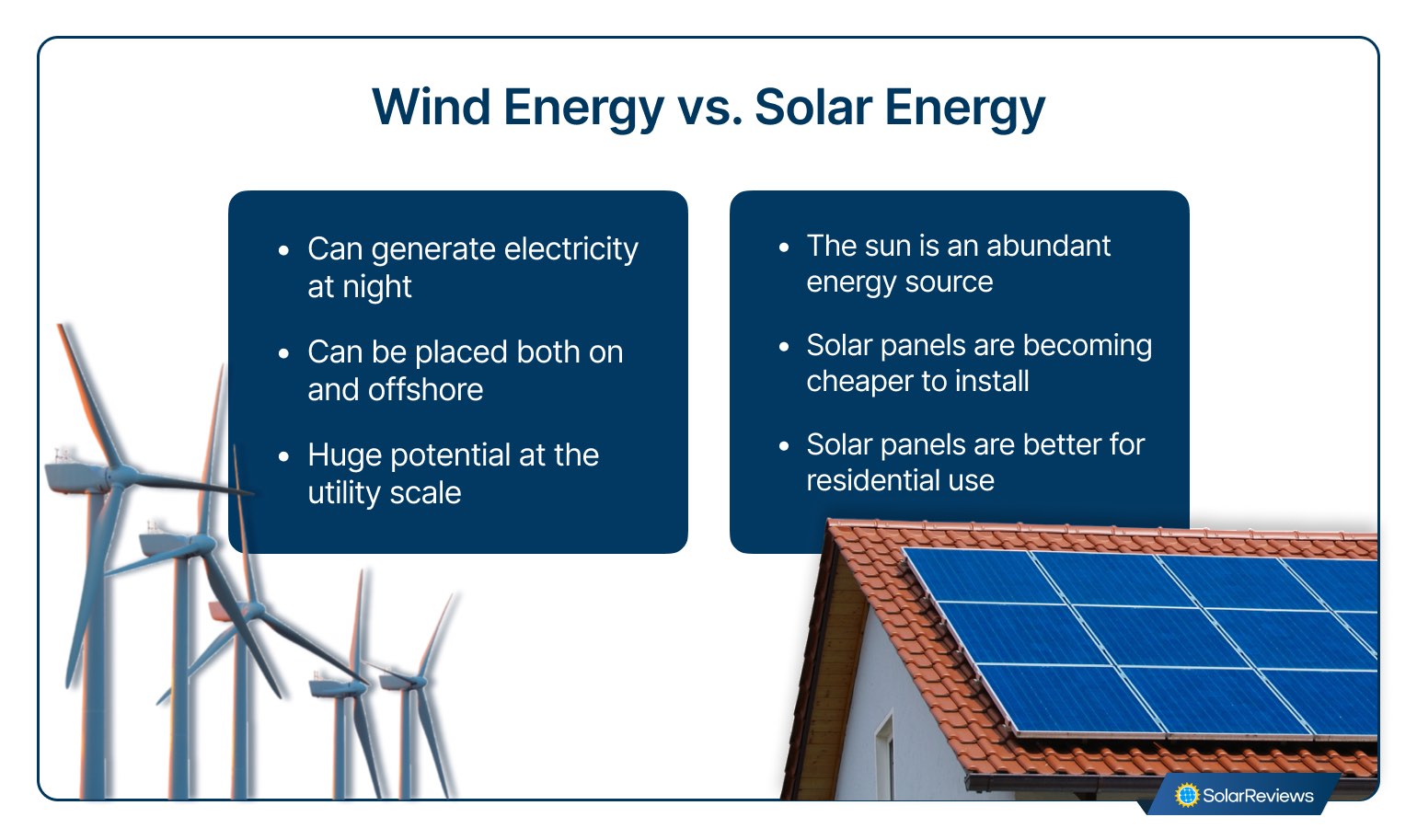
Unlike massive utility-scale turbines, residential wind turbines are designed for much smaller applications, typically ranging from 1 kilowatt (kW) to 10 kW. They capture the kinetic energy of wind and convert it into mechanical power, which then drives a generator to produce electricity. Key factors for their effectiveness include average wind speed at your location, tower height (to get above turbulence), and proximity to obstacles.
The Brain: Hybrid Charge Controller & Inverter
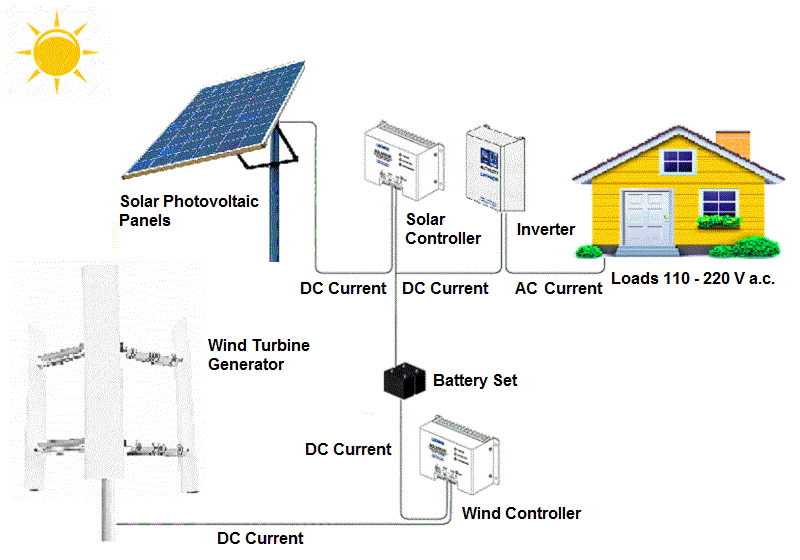
This is the central nervous system of your hybrid system. The hybrid charge controller is crucial for managing the power flow from both the solar panels and the wind turbine. It ensures that batteries are charged optimally and prevents overcharging. The inverter then takes the DC electricity generated by your panels and turbine (and stored in batteries) and converts it into alternating current (AC) electricity, which is what all your home appliances use. Advanced hybrid inverters can seamlessly switch between grid power, solar, wind, and battery power, optimizing for cost and availability.
The Reservoir: Battery Storage Solutions
Batteries are the heart of energy independence in a hybrid system. They store excess electricity generated by your solar panels and wind turbine for use when generation is low (e.g., at night, during calm periods, or during a grid outage). Lithium-ion batteries are popular for their efficiency, longevity, and depth of discharge. Battery storage allows you to maximize self-consumption and provides critical backup power.
The Backbone: Wiring, Safety Disconnects, and Mounting Hardware
While often overlooked, these components are vital for safety and functionality. High-quality wiring ensures efficient power transmission. Safety disconnects provide a quick way to shut down the system for maintenance or emergencies. Robust mounting hardware is essential for securing solar panels to your roof and, critically, for the tower of your wind turbine, ensuring it can withstand various weather conditions.
The Financial Equation: Costs, Savings, and ROI
Let’s talk numbers. Investing in a residential wind and solar hybrid system is a significant decision, and understanding the financial aspects is crucial. While the initial outlay can be substantial, the long-term savings and energy independence can offer a compelling return on investment.
Upfront Investment: What to Expect
The total cost of a residential hybrid system varies widely depending on your energy needs, the size of the system, component quality, and installation complexity. Here’s a general breakdown:
| Component | Estimated Cost Range (Installed) | Notes |
|---|---|---|
| Solar Panels (6-10 kW system) | $18,000 – $35,000 | Includes panels, racking, wiring, labor. |
| Small Wind Turbine (1-5 kW) | $15,000 – $40,000 | Includes turbine, tower, foundation, labor. Higher for larger turbines/towers. |
| Hybrid Inverter & Charge Controller | $2,500 – $8,000 | The brain of the system, manages both sources. |
| Battery Storage (10-20 kWh) | $10,000 – $25,000 | Essential for energy independence and backup power. Lithium-ion. |
| Miscellaneous (BOS, Permitting, etc.) | $5,000 – $10,000 | Balance of system components, electrical upgrades, permits. |
| Total Estimated Cost Range | $50,500 – $118,000+ | Before incentives. Prices fluctuate with market. |
Understanding Installation Costs
Installation is a significant portion of the total cost. For solar, it involves roof access, electrical work, and connecting to your home’s main panel. For wind, it’s more complex, requiring excavation for the tower foundation, crane rental (for taller towers), and specialized electrical connections. The complexity of your site, local labor rates, and the need for any electrical panel upgrades will influence these costs.
Incentives and Rebates: Lowering Your Out-of-Pocket Expense
This is where things get exciting! The U.S. government offers the Investment Tax Credit (ITC), which currently allows you to deduct a significant percentage (30% through 2032) of the cost of installing a new residential renewable energy system from your federal taxes. Many states and local municipalities also offer their own incentives, rebates, and property tax exemptions for renewable energy installations. Be sure to research these programs in your area, as they can dramatically reduce your net cost.
Long-Term Savings and Payback Period
Once installed, your hybrid system immediately begins generating electricity, offsetting what you would normally buy from the utility company. Over time, these savings accumulate. The payback period – how long it takes for your energy savings to offset your initial investment – typically ranges from 8 to 15 years, but this can vary based on:
- Your initial cost (after incentives).
- Your local electricity rates (higher rates mean faster payback).
- Your system’s actual production (which depends on sun, wind, and system efficiency).
- The rate of electricity price inflation (utilities often raise rates).
Beyond financial savings, consider the added value of energy independence, increased home value, and your contribution to a cleaner environment.
| Factor | Impact on Savings/ROI | Notes |
|---|---|---|
| Average Monthly Electricity Bill | Higher bills = greater potential savings. | Annual savings could range from $1,800 to $3,600+. |
| Federal ITC (30%) | Directly reduces net cost by nearly a third. | Crucial incentive; check eligibility and current rates. |
| State/Local Incentives | Further reduce costs, accelerate payback. | Varies widely by location; research diligently. |
| System Lifespan | Longer lifespan = more years of free electricity. | Panels 25-30+ years, Turbines 20+ years, Batteries 10-15 years. |
| Property Value Increase | Adds tangible value to your home. | Studies show significant boosts in resale value for homes with owned solar. |
Is a Hybrid System Right for YOUR Home? Key Factors to Consider
While hybrid systems offer incredible advantages, they aren’t for everyone. The suitability of a wind and solar hybrid system for your home depends heavily on your specific circumstances. Let’s break down the critical factors.
Your Location: Wind Resources & Solar Irradiance
This is arguably the most important factor. You need sufficient solar access AND adequate wind resources to make a hybrid system viable.
- Solar Irradiance: Most of the U.S. has good solar potential, especially in the Southwest. Check solar maps or consult with an installer to assess your home’s specific sun exposure, accounting for shade from trees or buildings.
- Wind Resources: This is trickier for residential applications. You need consistent, non-turbulent wind. Ideal locations are often rural, open areas, coastal regions, or hilltops. Urban and suburban areas with lots of obstacles (buildings, tall trees) usually have turbulent, inconsistent wind, which is poor for turbine performance. The U.S. Department of Energy (DOE) offers wind resource maps, but a professional site assessment is essential.
When it makes sense: If you have both good, unobstructed sun exposure and consistent average wind speeds of at least 10-12 mph (4.5-5.5 m/s) at a suitable tower height, a hybrid system is worth serious consideration. This is often found in more rural or exurban settings.
Energy Needs: Sizing Your System for Your Lifestyle
How much electricity do you actually use? This will dictate the size of your solar array, wind turbine, and battery bank. Review your past 12 months of electricity bills to get an average monthly kilowatt-hour (kWh) usage. A professional installer will conduct a detailed energy audit and help design a system that matches your consumption patterns, considering future needs like electric vehicle charging.
Property & Space Requirements
Solar panels need roof space or ground area with good sun exposure. A wind turbine, however, requires significantly more space and careful siting. You’ll need:
- Clearance: The turbine’s tower needs to be tall enough to clear surrounding obstacles by at least 20 feet to avoid turbulent air, which reduces efficiency and causes wear.
- Setbacks: Local zoning laws will specify minimum distances from property lines, other buildings, and public roads.
- Aesthetics: Be prepared for the visual impact of a turbine, which can be a concern for some homeowners and HOAs.
Grid-Tied vs. Off-Grid: What’s Your Goal?
- Grid-Tied (with battery backup): This is the most common residential setup. Your system remains connected to the utility grid. Excess power can be sent back to the grid (net metering), and you draw from the grid when your generation is low. Batteries provide backup during outages. This offers the best of both worlds: lower bills and energy security.
- Off-Grid: If you’re in a remote location or desire complete energy independence, an off-grid hybrid system is powerful. It requires a larger battery bank and potentially a backup generator to ensure you always have power, even during extended periods of low sun and wind.
The Installation Journey: From Planning to Power-Up
Getting a residential wind and solar hybrid system installed is a multi-step process that requires careful planning and professional execution. Here’s what you can expect.
Site Assessment and System Design
The first step is a thorough site assessment by a qualified installer. They will evaluate:
- Your property’s solar exposure (shade analysis).
- Wind resources using anemometers or historical data specific to your microclimate.
- Your home’s energy consumption.
- Structural integrity of your roof (for solar) and suitable locations for a wind turbine tower.
- Electrical panel capacity and potential upgrade needs.
Based on this assessment, they’ll design a system tailored to your needs, specifying panel type, turbine size, battery capacity, and inverter configuration.
Navigating Permits and Regulations (Zoning, HOAs)
This can be the most challenging part. You’ll need permits from your local building department, and possibly from your utility company for grid interconnection. Wind turbines often face stricter zoning regulations than solar panels due to their height, noise considerations (though modern turbines are very quiet), and visual impact. If you live in a homeowner’s association (HOA) community, you’ll need to understand their rules and gain approval. Start this process early!
Finding the Right Installer (Credentials, Experience)
Do not compromise on your installer. Look for companies with:
- Experience: Specifically with hybrid wind and solar systems.
- Certifications: NABCEP (North American Board of Certified Energy Practitioners) certification is a strong indicator of expertise.
- Licenses and Insurance: Ensure they are properly licensed and insured in your state.
- References: Ask for local references and check online reviews.
- Transparent Proposals: A good installer provides a clear, detailed proposal outlining all costs, components, warranties, and estimated production.
What to Expect During Installation
The installation timeline can vary from a few days for a simple solar-only system to several weeks for a complex hybrid setup. Here’s a general sequence:
- Permit Approval: This must happen before any physical work begins.
- Foundation Work: For the wind turbine tower. This can take several days to cure.
- Mounting Systems: Installation of solar panel racking on the roof and the wind turbine tower.
- Component Installation: Solar panels, wind turbine, inverter, charge controller, and batteries are put in place.
- Electrical Wiring: Connecting all components to your home’s electrical system and the main service panel.
- Inspections: Local building inspectors and utility representatives will inspect the system for safety and compliance.
- System Activation: Once all inspections pass, your system is connected to the grid (if applicable) and powered on!
Living with Hybrid Power: Maintenance and Longevity
Once your hybrid system is up and running, it’s largely hands-off, but a little care goes a long way in ensuring its long-term performance and maximizing your investment.

Routine Checks and Cleaning
- Solar Panels: Generally require minimal cleaning. Rain often takes care of dust. However, if you notice significant dirt, pollen, or bird droppings, a gentle rinse with a hose (during cooler parts of the day) can help. Avoid harsh chemicals or abrasive brushes.
- Wind Turbine: Periodically inspect the blades for any damage or debris. Check the tower for rust or structural issues. The moving parts of the turbine’s generator often require professional annual inspection and lubrication.
- Batteries: If you have lead-acid batteries (less common now for residential), they require regular water top-ups and cleaning of terminals. Lithium-ion batteries are virtually maintenance-free.
- Inverter/Controller: Ensure ventilation isn’t blocked and keep the area around it clean.
Expected Lifespan of Components
Modern renewable energy components are built to last:
- Solar Panels: Typically come with 25-30 year performance warranties, though they often continue producing electricity for 40+ years at slightly reduced efficiency.
- Wind Turbines: Small residential turbines are designed for 20+ years of operation, with proper maintenance.
- Inverters: String inverters usually last 10-15 years, while microinverters or hybrid inverters might last 12-20 years.
- Batteries: Lithium-ion batteries commonly offer 10-15 year warranties or a certain number of charge cycles, equating to a similar lifespan.
Troubleshooting Common Issues
While rare, issues can arise. Common ones include:
- Reduced Production: Often due to shading on solar panels, excessive dirt, or insufficient wind. Check your monitoring system first.
- System Faults: Inverters often display error codes. Consult your system manual or call your installer.
- Power Outages (if grid-tied): If your home loses power and your system isn’t supplying backup, check your battery status and inverter settings.
Always prioritize safety. For any significant issues or electrical work, contact your professional installer.
Making the Smart Choice for a Sustainable Future
Residential wind and solar hybrid systems represent a powerful leap towards energy independence and a sustainable lifestyle. They offer unparalleled reliability, significantly reduce your carbon footprint, and provide a strong hedge against rising energy costs.
While the initial investment and planning can be more involved than a solar-only system, the benefits often outweigh the complexities, especially for homeowners in suitable locations. By carefully assessing your needs, understanding the technology, and partnering with experienced professionals, you can harness the abundant power of both sun and wind, transforming your home into a beacon of clean energy.
Take the first step today. Explore your options, get a professional site assessment, and join the growing number of homeowners enjoying the peace of mind and financial benefits of residential wind and solar power.
Frequently Asked Questions
How much does a residential wind and solar hybrid system cost?
A complete residential wind and solar hybrid system typically ranges from $50,000 to over $118,000 before incentives. This includes solar panels, a small wind turbine with tower, hybrid inverter, charge controller, battery storage, and installation. Final costs depend on system size, component quality, and installation complexity.
Is a hybrid system better than just solar panels?
For suitable locations with both good sun and consistent wind resources, a hybrid system often offers greater reliability and energy consistency than solar-only or wind-only systems. It mitigates the intermittency of a single source by utilizing whichever resource is available (e.g., wind at night/winter, solar during the day/summer), leading to more stable power generation and enhanced energy independence.
What maintenance do these systems require?
Solar panels generally require minimal cleaning (rain often suffices). Wind turbines need periodic inspection of blades and the tower, and professional annual checks of moving parts. Batteries (especially lithium-ion) are largely maintenance-free. Regular monitoring of system performance through an app or dashboard is also recommended.
Do I need a lot of land for a wind turbine?
Yes, a residential wind turbine requires significant space. You need enough land for the tower foundation and to ensure the turbine blades are clear of obstacles (trees, buildings) by at least 20 feet to access clean, non-turbulent wind. Local zoning regulations will also dictate setback requirements from property lines and structures.
Can a hybrid system power my home completely off-grid?
Absolutely. Residential wind and solar hybrid systems are ideal for off-grid living, especially when paired with robust battery storage. The combination of two energy sources provides a more reliable power supply compared to relying on just one, reducing the need for a fossil fuel backup generator. Proper sizing of the system and battery bank is critical for continuous power.
How long do residential wind and solar systems last?
Solar panels typically come with 25-30 year performance warranties and can last 40+ years. Small wind turbines are designed for 20+ years of operation with proper maintenance. Inverters usually last 10-20 years, and lithium-ion batteries commonly have a lifespan of 10-15 years or more, depending on usage cycles.
What permits do I need for installation?
You will generally need building permits from your local municipality. For grid-tied systems, you’ll also need interconnection agreements and approvals from your utility company. Wind turbines, due to their height and potential visual/noise impact, often have additional, stricter zoning and permitting requirements. It’s crucial to consult with your installer and local authorities early in the planning process.