Rooftop Wind Turbines For Homes: The Definitive Guide (Is It Right For You?)
You’re exploring rooftop wind turbines for your home, and I get it – the idea of generating your own clean energy right from your roof is incredibly appealing. Imagine watching your electricity meter slow down, knowing you’re harnessing nature’s power. But let’s be honest, you’ve also probably heard the whispers, maybe even read the outright warnings: noise, vibration, low efficiency, even roof damage. It’s enough to make anyone wonder if it’s a brilliant innovation or just an expensive gimmick.
Table of Contents
- Rooftop Wind Turbines For Homes: The Definitive Guide (Is It Right For You?)
- The Promise vs. The Reality: Are Rooftop Wind Turbines Worth It?
- How Do Rooftop Wind Turbines Work? (The Basics)
- Key Components of a Home Wind Turbine System
- Types of Rooftop Wind Turbines for Residential Use
- Horizontal-Axis Wind Turbines (HAWTs)
- Vertical-Axis Wind Turbines (VAWTs)
- Emerging & “Motionless” Designs (The Innovators)
- The Critical Factor: Is Your Home Suitable for Wind Power?
- Wind Resource Assessment: The Most Important Step
- Roof Structure & Integrity
- Local Zoning & Permitting
- What Does a Rooftop Wind Turbine System Cost? (And Is It Worth It?)
- Turbine Unit Cost
- Installation & Ancillary Equipment
- Total Estimated System Cost
- Potential Savings & ROI
- Government Incentives & Rebates
- Rooftop Wind vs. Solar Panels: A Head-to-Head Comparison
- Hybrid Systems: The Best of Both Worlds?
- Addressing the Common Concerns: Noise, Vibration, & Safety
- Noise Levels
- Structural Integrity & Vibrations
- Safety Considerations
- Installation, Maintenance, and Longevity
- So, Should You Get a Rooftop Wind Turbine? (Making an Informed Decision)
- Actionable Steps for Your Decision:
- Conclusion: Harnessing the Wind, Wisely
Let’s cut through the noise (pun intended) and get to the truth. In this definitive guide, I’m going to lay out everything you need to know about rooftop wind turbines for homes. We’ll explore how they work, the different types available, the real costs, and crucially, when they actually make sense – and when they absolutely don’t. My goal is to equip you with the knowledge to make an informed decision for your unique situation. No fluff, just facts and actionable insights.
The Promise vs. The Reality: Are Rooftop Wind Turbines Worth It?
The vision of a personal wind turbine silently spinning on your roof, churning out free electricity, is powerful. It conjures images of energy independence, reduced carbon footprint, and significantly lower utility bills. And for some homes, in the right conditions, this vision can absolutely become a reality.
However, the skepticism isn’t entirely unfounded. Many early residential wind turbine models, particularly those poorly designed or installed in unsuitable locations, led to widespread disappointment. Homeowners reported issues like:
- Disappointing Power Output: Far less electricity generated than promised.
- Intrusive Noise: A constant hum or whirring sound, sometimes felt as vibrations.
- Structural Concerns: Stress on roof integrity and potential damage.
- High Costs, Low Returns: Long payback periods that never materialized.
So, where does that leave us today? The good news is that technology has advanced. Modern residential wind turbines, especially some innovative vertical-axis and motionless designs, are addressing these past shortcomings. They’re quieter, more durable, and designed for urban and suburban environments. The key isn’t whether they work, but whether they work effectively for your specific home and location. It’s a nuanced answer, and that’s what we’re here to unpack.
How Do Rooftop Wind Turbines Work? (The Basics)
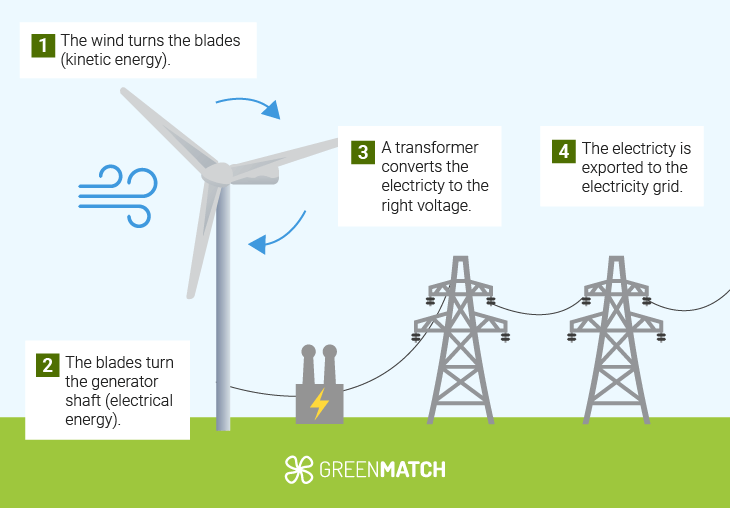
At its core, a wind turbine is a simple machine designed to capture the kinetic energy of moving air and convert it into electricity. Think of it like a fan, but in reverse. Wind pushes against the blades, causing the rotor to spin. This rotational motion then drives a generator, which produces electricity, typically in AC (alternating current) form.
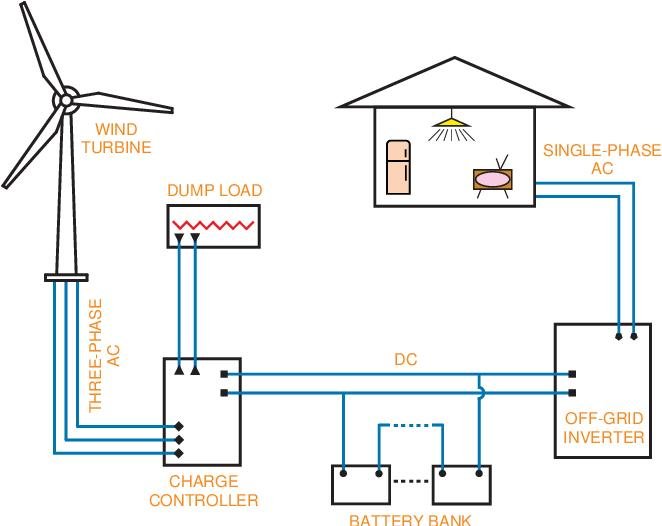
For home use, this electricity is then fed through an inverter, which converts it into a usable voltage and frequency for your household appliances. If you’re connected to the grid, any excess electricity can often be sent back to the utility, potentially earning you credits (net metering). If you’re off-grid, the electricity usually charges a battery bank for storage.
Key Components of a Home Wind Turbine System
- Turbine (Rotor & Blades): This is the visible part that catches the wind. The number, shape, and material of the blades vary greatly depending on the design.
- Generator: Housed within the turbine nacelle (the body behind the blades), this component converts mechanical energy into electrical energy.
- Controller/Inverter: The controller manages the turbine’s operation, protecting it from high winds and optimizing power output. The inverter converts the turbine’s DC output (or variable AC output) into standard household AC power.
- Battery Bank (Optional): For off-grid systems or grid-tied systems wanting energy storage, batteries store excess power generated during windy periods for use when the wind isn’t blowing.
- Mounting System: This is crucial for securing the turbine to your roof, ensuring stability, minimizing vibration, and handling the forces of wind.
Types of Rooftop Wind Turbines for Residential Use
When you picture a wind turbine, you probably think of those massive, three-bladed giants dotting the landscape. While residential turbines operate on the same principle, their design and scale are much different. Not all rooftop turbines are created equal, and understanding the types is vital for making an informed choice.
Horizontal-Axis Wind Turbines (HAWTs)
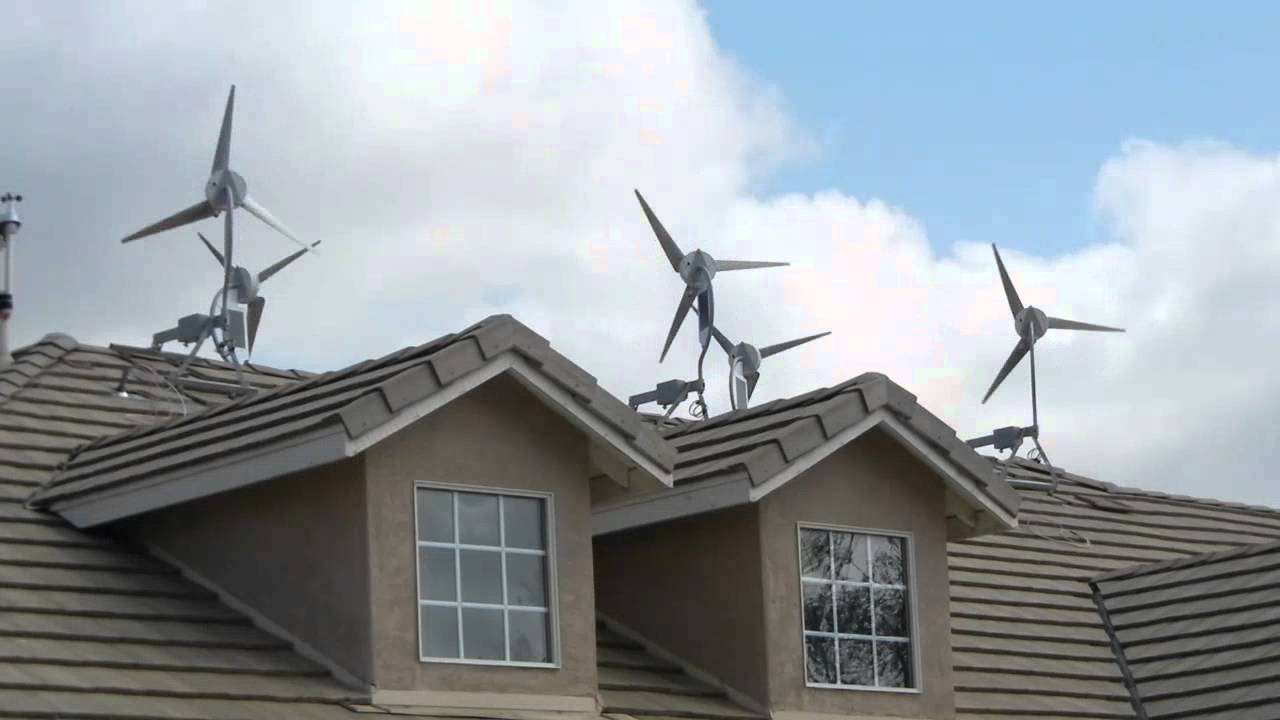
These are the miniature versions of their larger utility-scale cousins. They feature blades that rotate around a horizontal axis, facing into the wind. They often have 2-3 blades and typically require a yaw mechanism to orient themselves into the wind direction.
- Pros: Generally more efficient at converting wind energy into electricity in consistent, high-speed winds. They are a mature technology with predictable performance.
- Cons: Can be noisier and generate more vibration. They are less effective in turbulent or constantly shifting wind directions, common in urban environments. Their rotating blades can also be a visual concern for some homeowners.
Vertical-Axis Wind Turbines (VAWTs)
VAWTs have blades that rotate around a vertical axis. Common designs include Darrieus (egg-beater shape) and Savonius (S-shaped scoops). They don’t need to be pointed into the wind, making them ideal for turbulent, gusty conditions often found on rooftops.
- Pros: Omnidirectional (capture wind from any direction), generally quieter than HAWTs, produce less vibration, and often have a smaller physical footprint. Their lower center of gravity can also be more stable. Visually, they can be less obtrusive.
- Cons: Historically, VAWTs have been less efficient than HAWTs at converting wind into power. However, newer designs and materials are significantly improving their performance, making them increasingly viable for residential applications.
Emerging & “Motionless” Designs (The Innovators)
This is where things get really interesting, as companies are innovating to solve the traditional problems of noise, vibration, and efficiency in complex rooftop environments. You might hear about designs like:
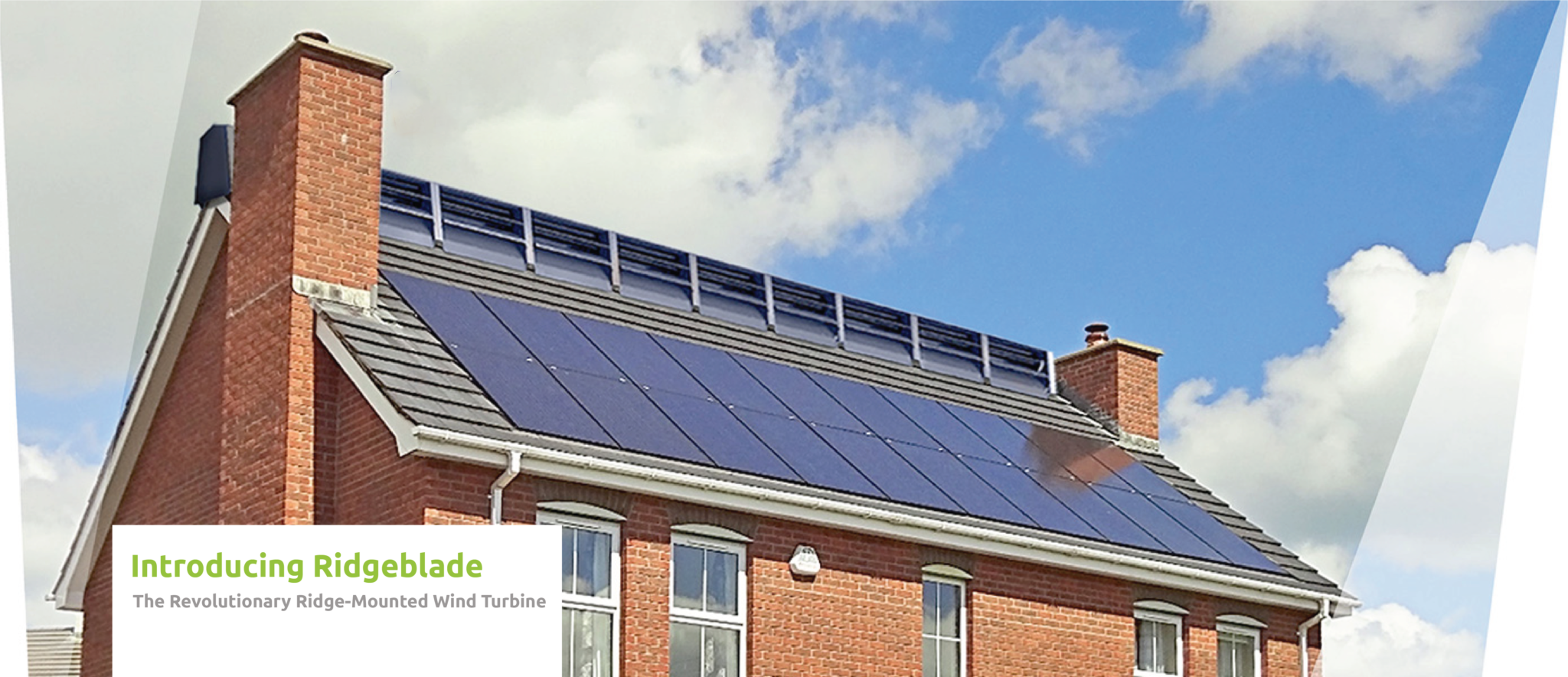
- RidgeBlade Turbines: These are designed to be integrated into the ridge line of a roof, using the natural acceleration of wind over the building. They aim for stealth and efficiency by capitalizing on aerodynamic principles.
- Aeromine Systems: These are a prime example of ‘motionless’ or ‘ducted’ wind systems. They use aerodynamic airfoils (no external moving blades) to capture and amplify wind flow, directing it to internal generators. The promise is silent operation, minimal vibration, and a sleek profile.
- Ducted/Enclosed Turbines: Some designs enclose the turbine blades within a shroud or duct to reduce noise, increase safety, and potentially concentrate airflow.
These newer technologies often address the primary concerns homeowners have about traditional turbines, offering a glimpse into the future of urban wind power.
| Feature | HAWTs (Horizontal Axis) | VAWTs (Vertical Axis) | Emerging/Motionless Designs |
|---|---|---|---|
| Appearance | Traditional propeller-like blades | Egg-beater, helical, or S-shaped designs | Sleek, integrated, often no visible moving parts |
| Wind Direction | Needs to face into the wind (yaw mechanism) | Omnidirectional (works from any direction) | Omnidirectional, uses building aerodynamics |
| Efficiency (Traditional) | High in steady, high-speed winds | Historically lower, improving with modern designs | Varies greatly, aims for high efficiency in turbulent air |
| Noise & Vibration | Can be significant, especially with older models | Generally much quieter, less vibration | Designed for minimal to no noise and vibration |
| Turbulence Tolerance | Poor in turbulent, gusty conditions | Good, handles turbulent urban wind well | Excellent, often designed to harness turbulence |
| Ideal Environment | Open, rural areas with consistent wind | Urban, suburban rooftops with variable wind | Urban/industrial rooftops, where aesthetics/quiet are key |
The Critical Factor: Is Your Home Suitable for Wind Power?
This is arguably the most important section. A rooftop wind turbine isn’t a one-size-fits-all solution. Its effectiveness hinges entirely on your specific location and property characteristics. Skipping this assessment is a recipe for disappointment and wasted investment.
Wind Resource Assessment: The Most Important Step
Unlike sunlight, which is relatively consistent, wind is highly variable. You need a reliable, consistent wind resource for a turbine to be effective. Don’t rely on simply feeling a breeze. You need data.
- Average Wind Speed: Most residential turbines require an average annual wind speed of at least 10-12 mph (4.5-5.4 m/s) to be economically viable. Below this, the power output drops significantly, extending your payback period to unreasonable lengths. You can often find local wind data online from meteorological stations, but a professional site assessment is best.
- Turbulence: This is the killer for many rooftop installations. Buildings, trees, and other obstructions create turbulent, gusty wind – think of it as choppy water. Turbines perform best in smooth, laminar flow (like a calm river). Turbulence reduces efficiency, increases noise, and can cause premature wear on your turbine. If you’re surrounded by tall buildings or dense trees, your rooftop wind resource is likely too turbulent to be effective.
- Height: Wind speed increases with height. While rooftop turbines are by definition on your roof, you still need to ensure the turbine sits above the ‘boundary layer’ of turbulent air created by your house and nearby obstacles. Often, this means the turbine needs to be mounted on a mast that extends a certain distance above your roofline and any surrounding obstructions.
Roof Structure & Integrity
Your roof isn’t just a platform; it’s an integral part of your home’s structure. A wind turbine, even a small one, adds weight and dynamic loads. It’s subjected to forces from the wind itself, which can be considerable in a storm.
- Weight Considerations: Turbines, along with their mounting systems, have a significant weight. Your roof must be able to bear this weight, especially when factoring in snow loads or other environmental stresses.
- Vibration Transfer: Even quiet turbines generate some vibration. This vibration can transfer through the mounting system into your home’s structure, potentially leading to noise inside your living space or, in extreme cases, structural fatigue over time. Proper mounting with vibration dampeners is crucial.
- Professional Assessment: Before even considering a turbine, have a structural engineer or a qualified roofing professional assess your roof’s suitability. They can determine if reinforcement is needed and recommend appropriate mounting solutions.
Local Zoning & Permitting
This is often an overlooked hurdle that can quickly halt your wind power dreams. Residential wind turbines are subject to local regulations that vary widely from city to city, and even neighborhood to neighborhood.
- Noise Ordinances: Many areas have strict rules about noise levels, especially at night. While modern turbines are quieter, they may still exceed limits in densely populated areas.
- Height Restrictions: Most municipalities have limits on the total height of structures, and a turbine on a mast often pushes these boundaries. You might need a variance or special permit.
- Aesthetics & Visual Impact: Some communities or homeowners’ associations (HOAs) have rules regarding the visual appearance of properties. A turbine, even a sleek one, might be deemed visually intrusive.
- Permitting Process: Expect a detailed permitting process involving engineering plans, noise studies, and sometimes public hearings. It can be lengthy and complex.
Always check with your local planning department and HOA (if applicable) early in your research process.
What Does a Rooftop Wind Turbine System Cost? (And Is It Worth It?)
Let’s talk numbers. The cost of a rooftop wind turbine system is a significant factor in determining its viability. It’s not just the turbine itself; it’s a complete system that requires professional installation.
Turbine Unit Cost
Small residential wind turbines typically range from $1,000 to $10,000+ for the turbine unit alone, depending on its power output, technology (HAWT, VAWT, motionless), and manufacturer. Innovative, low-noise designs often sit at the higher end of this spectrum.
Installation & Ancillary Equipment
This is where a significant portion of the cost comes in:
- Mounting System: A sturdy, custom-engineered mount ($500 – $3,000+).
- Inverter & Controller: Essential electronics ($1,000 – $4,000).
- Wiring & Electrical Work: Connecting to your home’s electrical panel ($500 – $2,000+).
- Battery Bank (Optional): For energy storage, this can add another $2,000 – $10,000+, depending on capacity.
- Labor: Professional installation, including roof assessment, engineering, and setup, is crucial and can range from $3,000 – $10,000+ depending on complexity.
- Permits & Inspections: Don’t forget these administrative costs ($100 – $1,000+).
Total Estimated System Cost
Factoring in all components and labor, a complete rooftop wind turbine system for a typical home can range from $8,000 to $25,000 or more. This is a considerable investment, highlighting why a thorough feasibility study is non-negotiable.
Potential Savings & ROI
The financial return on investment (ROI) for a rooftop wind turbine is highly variable and depends on:
- Your Wind Resource: Consistently strong winds mean more power generation.
- Your Electricity Rates: High electricity rates mean more savings per kWh generated.
- System Efficiency & Output: A well-designed, high-performing turbine will naturally yield more.
- Government Incentives: Rebates, tax credits, or other programs can significantly reduce the upfront cost.
For some homes with excellent wind resources and high electricity costs, the payback period could be 5-10 years. For others, it might be 15-20 years, or even never, if the wind resource is poor. Be realistic and demand transparent projections from any installer.

| Component | Estimated Cost Range (USD) | Notes |
|---|---|---|
| Turbine Unit (1-5 kW) | $1,000 – $10,000+ | Varies by power, type (HAWT, VAWT, motionless), brand |
| Inverter/Controller | $1,000 – $4,000 | Converts power to usable household electricity |
| Mounting System | $500 – $3,000+ | Roof-specific, engineered for stability and vibration |
| Electrical Wiring & Integration | $500 – $2,000+ | Connecting turbine to home’s electrical panel |
| Battery Storage (Optional) | $2,000 – $10,000+ | For off-grid or energy resilience; adds significantly to cost |
| Professional Installation Labor | $3,000 – $10,000+ | Site assessment, structural engineering, setup, testing |
| Permits & Inspections | $100 – $1,000+ | Varies by municipality; can be complex |
| TOTAL ESTIMATED SYSTEM COST | $8,000 – $25,000+ | Highly dependent on system size, type, and location |
Government Incentives & Rebates
Don’t forget to investigate federal, state, and local incentives. While the federal Investment Tax Credit (ITC) is most commonly associated with solar, some smaller wind energy systems may also qualify, offering a significant percentage (e.g., 30%) off the installed cost. Many states and local utilities also offer their own rebates or grant programs for renewable energy installations. These incentives can dramatically improve your ROI, so always research what’s available in your area.
Rooftop Wind vs. Solar Panels: A Head-to-Head Comparison
It’s natural to compare rooftop wind turbines with the more common residential solar panels. Both offer renewable energy, but they have distinct advantages and disadvantages. For many homeowners, the question isn’t “wind or solar?” but rather “which makes more sense for *my* home?” or even “could a hybrid system be best?”
- Energy Production Times: Solar panels work best during sunny daylight hours. Wind turbines, however, can produce power 24/7 as long as there’s sufficient wind, including at night or on cloudy days when solar output is low.
- Footprint: Solar panels typically require a larger, unobstructed roof area for optimal sunlight exposure. Wind turbines often need less roof space but require height above obstacles.
- Aesthetics: Solar panels lie relatively flat on the roof. Traditional HAWTs are visually prominent; VAWTs and motionless designs are generally more discreet.
- Maintenance: Both require relatively low maintenance, but turbines have moving parts that may require more frequent checks than static solar panels.
- Efficiency & Consistency: Solar panel efficiency is well-understood and predictable based on sun exposure. Wind turbine efficiency is heavily dependent on consistent, non-turbulent wind.
| Feature | Rooftop Wind Turbines | Rooftop Solar Panels |
|---|---|---|
| Energy Production | 24/7 (with wind), strong in winter/night | Daylight hours only, strongest in summer |
| Primary Resource Needed | Consistent, non-turbulent wind (10-12+ mph avg.) | Unobstructed sunlight (south-facing ideal) |
| Roof Space Required | Relatively compact, but needs height/clearance | Often a larger, continuous area for panels |
| Noise/Vibration | Can be a concern, but greatly reduced in modern designs | Virtually silent |
| Maintenance | Annual checks, potential for mechanical wear | Minimal, occasional cleaning |
| Permitting Complexity | Often more complex (height, noise, aesthetics) | Generally more straightforward, but still required |
| Cost (Installed) | $8,000 – $25,000+ | $15,000 – $30,000+ (for typical home size, pre-incentives) |
Hybrid Systems: The Best of Both Worlds?
For some homes, a hybrid wind and solar system might be the ultimate solution. This combines the strengths of both technologies: solar excels during peak sunny hours, while wind can pick up at night or on cloudy/stormy days. This creates a more consistent and resilient energy supply, potentially reducing your reliance on battery storage or the grid.
Addressing the Common Concerns: Noise, Vibration, & Safety
Let’s tackle the elephants in the room – the very real concerns that have plagued residential wind power’s reputation. The good news is that significant progress has been made.
Noise Levels
Older, poorly designed HAWTs could indeed be quite noisy, generating a distinct whirring or grinding sound that was unwelcome, especially at night. Modern turbines, however, are engineered for quiet operation. VAWTs, by their nature, are often quieter because their blades move at lower tip speeds and operate omnidirectionally, reducing aerodynamic noise.
Even better, the emerging ‘motionless’ or ‘ducted’ designs aim for near-silent operation by moving the power generation internally or by using aerodynamics that don’t involve external spinning blades. Still, always ask for noise specifications (in decibels) and try to find local installations you can visit to hear for yourself before committing.
Structural Integrity & Vibrations
This is a critical concern. A turbine’s weight and the dynamic forces of wind can stress your roof. However, a properly engineered and installed system should mitigate these risks. This means:
- Professional Assessment: A structural engineer must evaluate your roof and home’s structure.
- Robust Mounting: The mounting system should be designed to evenly distribute weight and absorb vibrations, preventing them from transferring into your home.
- Appropriate Sizing: Don’t oversize your turbine for your roof’s capacity.
Reputable installers will prioritize structural integrity and provide warranties for their work, including roof penetration and structural elements.
Safety Considerations
Safety is paramount. While rooftop turbines are typically small, they still involve moving parts at height and electricity. Key safety aspects include:
- Blade Containment/Design: HAWTs have open blades. VAWTs and motionless designs often enclose or integrate blades more safely.
- Overspeed Protection: Turbines must have mechanisms to shut down or brake in excessively high winds to prevent damage or failure.
- Electrical Safety: Proper grounding, circuit protection, and professional electrical installation are non-negotiable to prevent shocks or fire hazards.
- Maintenance Access: The system should be designed for safe, routine maintenance access.
Always ensure your installer is licensed, insured, and adheres to all local building and electrical codes.
Installation, Maintenance, and Longevity
Installing a rooftop wind turbine is not a DIY project. It requires specialized knowledge and equipment to ensure safety, efficiency, and structural integrity. A qualified professional will handle:
- Site Assessment: Detailed wind resource analysis, roof structural evaluation, and shading/obstruction mapping.
- Permitting & Approvals: Navigating local regulations and securing necessary permits.
- Mounting & Electrical Integration: Securely fastening the turbine, wiring it to your home’s electrical system, and installing the inverter and controller.
- Testing & Commissioning: Ensuring the system operates correctly and safely.
Maintenance: While relatively low, small wind turbines do require periodic maintenance, typically an annual check-up. This might include:
- Inspecting blades for wear or damage.
- Checking the mounting system for any loosening.
- Lubricating moving parts (for traditional turbines).
- Verifying electrical connections and controller functionality.
- Cleaning (especially for ducted or motionless systems to maintain airflow).
Longevity: A high-quality residential wind turbine, properly installed and maintained, can have a lifespan of 15-20 years or more. Warranties typically cover the turbine for 5-10 years, and often more for core components. As with any investment, research the manufacturer’s reputation and warranty terms carefully.
So, Should You Get a Rooftop Wind Turbine? (Making an Informed Decision)
After all this information, you’re probably asking yourself the ultimate question. The answer, as I’ve tried to emphasize, isn’t universal. Rooftop wind turbines can be a fantastic investment for the right home in the right location, but a poor one for others.
Rooftop Wind Turbines Make Sense If:
- You have an exceptional wind resource: Consistent average annual wind speeds of 10-12 mph or more, with minimal turbulence. You’re in a relatively open area, perhaps rural or coastal.
- You have high electricity bills: The higher your current utility costs, the more quickly you’ll see a return on your investment.
- Your roof is structurally sound: And can be easily reinforced if needed, to handle the weight and dynamic loads.
- You have favorable local regulations: Permitting for wind turbines is straightforward, and there are no restrictive height or noise ordinances.
- You’re considering a hybrid system: Combining wind with solar can create a more balanced year-round energy production.
- You’re interested in newer, quieter designs: Especially if noise and vibration are primary concerns.
Rooftop Wind Turbines May NOT Be Right For You If:
- You live in a low-wind area: If your average wind speed is below 10 mph, the economics simply won’t work.
- Your property is highly obstructed: Surrounded by tall buildings or dense trees creating significant wind turbulence.
- You have a weak or unsuitable roof structure: Or one that would require prohibitively expensive reinforcement.
- Local zoning is highly restrictive: Strict height limits, noise ordinances, or aesthetic rules make installation impossible or too costly.
- You prioritize immediate ROI: While possible, the payback period can be longer and more uncertain than solar.
Actionable Steps for Your Decision:
- Get a Professional Wind Assessment: This is non-negotiable. Don’t guess. Many renewable energy companies offer this service.
- Consult a Structural Engineer: Have your roof evaluated for its capacity to handle a turbine.
- Research Local Regulations: Contact your city’s planning department and HOA to understand all requirements.
- Get Multiple Quotes: From reputable, licensed installers. Ask for detailed breakdowns of costs, projected energy output, and warranties.
- Compare with Solar: Don’t put all your eggs in one basket. Get a solar quote too, and see which technology (or combination) best fits your needs.
Conclusion: Harnessing the Wind, Wisely
Rooftop wind turbines for homes are not a myth, nor are they universally a scam. They are a legitimate, evolving technology that offers significant potential for homeowners looking to embrace renewable energy. However, unlike solar, their viability is far more dependent on specific environmental and structural factors unique to your property.
By understanding the different types, honestly assessing your home’s suitability, and meticulously researching costs and regulations, you can determine if harnessing the wind is a smart, sustainable choice for your energy future. Approach it with open eyes, armed with data, and you’ll make the right call.
Frequently Asked Questions
Are rooftop wind turbines actually efficient for homes?
The efficiency of a rooftop wind turbine for a home is highly dependent on your specific location’s wind resource. If you have consistent average wind speeds of 10-12 mph (4.5-5.4 m/s) or higher, with minimal turbulence, a modern, well-designed turbine can be efficient. However, in urban areas with low or turbulent wind, efficiency can be very poor, making it an uneconomical investment.
How much do rooftop wind turbines for homes cost?
A complete rooftop wind turbine system for a home can range from $8,000 to $25,000 or more, installed. This includes the turbine unit ($1,000-$10,000+), inverter, mounting system, electrical work, labor, and permits. Optional battery storage can add significantly to the cost.
Do rooftop wind turbines make a lot of noise or cause vibrations?
Older or poorly installed horizontal-axis wind turbines (HAWTs) could be noisy and cause vibrations. However, modern vertical-axis wind turbines (VAWTs) and emerging ‘motionless’ designs are engineered for much quieter operation and minimal vibration. Proper professional installation, including structural assessment and vibration dampeners, is crucial to prevent these issues.
Can I install a rooftop wind turbine in an urban or suburban area?
It’s challenging but possible. Urban and suburban areas often have lower average wind speeds, significant turbulence due to buildings and trees, and stricter zoning/noise regulations. While newer VAWTs and motionless designs are better suited for these environments, a professional wind resource assessment and a check of local permitting requirements are absolutely essential before considering an installation.
What’s the difference between Horizontal-Axis (HAWT) and Vertical-Axis (VAWT) rooftop wind turbines?
HAWTs (like traditional windmills) have blades that rotate horizontally and need to face into the wind. They are generally more efficient in steady, high winds but can be noisy and less effective in turbulent conditions. VAWTs have blades that rotate vertically, are omnidirectional (capture wind from any direction), are generally quieter, and perform better in turbulent, gusty conditions, making them more suitable for many rooftop applications.
Is rooftop wind power better than solar panels for my home?
Neither is universally ‘better.’ Solar panels produce energy during daylight, are generally simpler to install, and have a predictable output. Wind turbines can produce power 24/7 (with wind) but depend on a consistent, strong wind resource, which is harder to guarantee on a rooftop. The best solution often depends on your specific wind and sun availability, local regulations, and energy needs. A hybrid system combining both can also be a powerful option.
What kind of maintenance do rooftop wind turbines require?
Rooftop wind turbines require relatively low maintenance, but professional annual check-ups are recommended. This typically involves inspecting blades, checking mounting systems for stability, lubricating moving parts (for traditional turbines), and verifying electrical connections and controller functionality. Regular maintenance helps ensure longevity and optimal performance.