Sea-Based Wind Farm Energy: Unlocking America’s Offshore Power Potential
Feeling the pinch of rising energy bills? Worried about our climate’s future? The quest for reliable, clean energy has never been more urgent. While solar panels grace rooftops and wind turbines dot our landscapes, a colossal, untapped power source lies just beyond our shores: sea-based wind farm energy, often called offshore wind. This isn’t just about building bigger turbines; it’s about fundamentally shifting how we power our homes and industries, harnessing the relentless, powerful winds of the open ocean.
Table of Contents
- Sea-Based Wind Farm Energy: Unlocking America’s Offshore Power Potential
- What Exactly Are Sea-Based Wind Farms?
- The Unseen Power: Why Offshore Wind Trumps Onshore
- Stronger, More Consistent Winds
- Scale and Space
- Proximity to Demand
- Navigating the Deep: Types of Sea-Based Wind Farm Foundations
- Fixed-Bottom Foundations
- Floating Foundations: The Future is Here
- The Economic Gust: Costs and Benefits of Offshore Wind
- Investment Costs
- Operating Costs
- The Levelized Cost of Energy (LCOE)
- Environmental Footprint: Balancing Power and Preservation
- Positive Impacts
- Potential Challenges
- Mitigation Strategies
- The Road Ahead: Challenges and Future Innovations
- Grid Integration & Transmission
- Permitting & Policy
- Supply Chain Development
- Cutting-Edge Technologies
- Sea-Based Wind Energy in the USA: A Growing Tide
- The Bottom Line: Powering Our Future with Offshore Wind
Imagine a future where vast arrays of turbines silently spin miles off the coast, generating enough electricity to power entire cities, reducing our reliance on fossil fuels, and creating thousands of new jobs. This isn’t science fiction; it’s the rapidly accelerating reality of offshore wind, and it’s poised to be a game-changer for energy independence and environmental sustainability.
What Exactly Are Sea-Based Wind Farms?
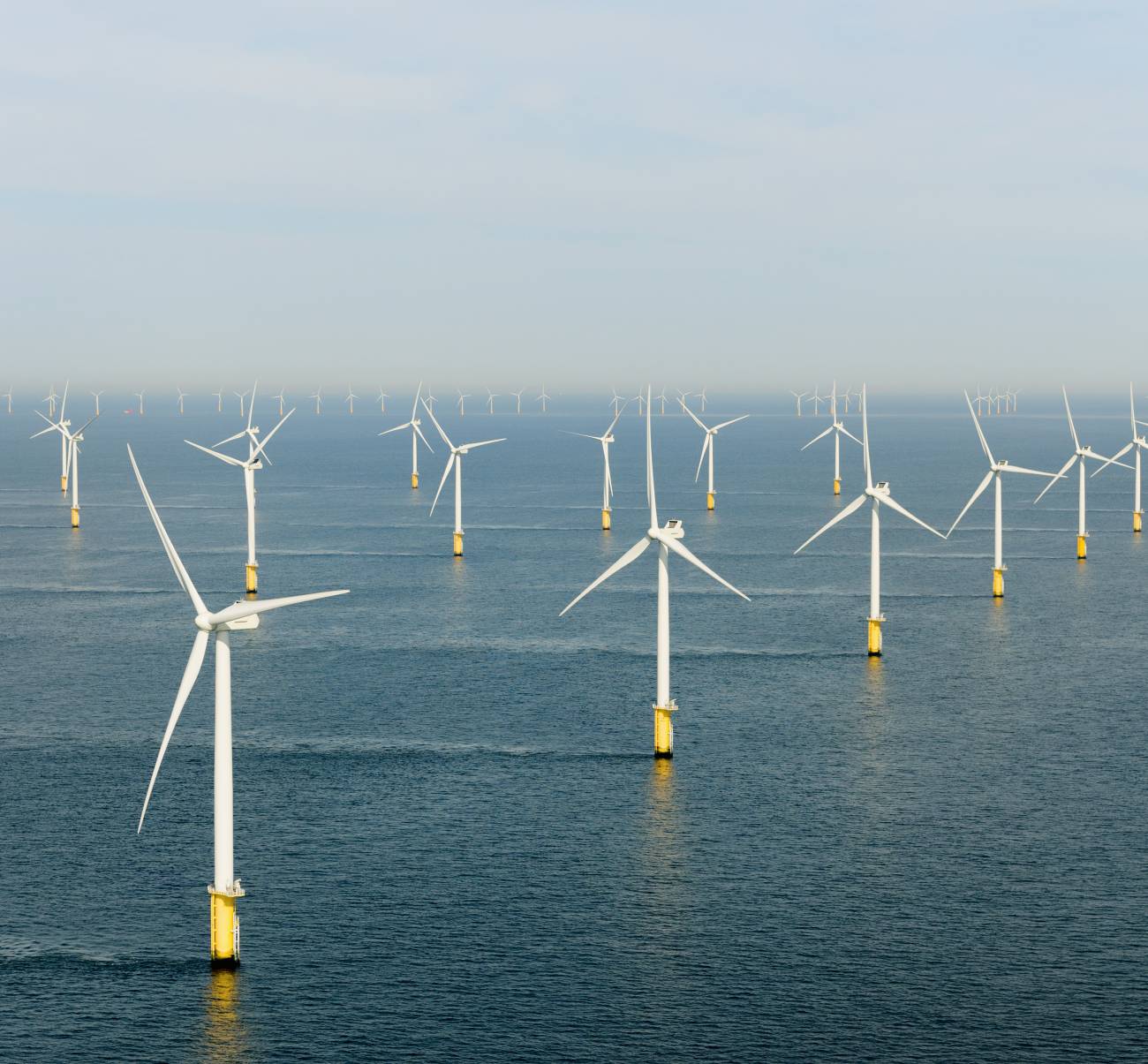
At its core, a sea-based wind farm is a collection of wind turbines installed in a body of water, typically the ocean, to generate electricity. Think of them as their land-based cousins, but designed to withstand the harsh marine environment and capture stronger, more consistent winds.
The process is straightforward: wind spins the large rotor blades, which connect to a shaft. This shaft drives a generator, converting kinetic energy into electricity. What makes offshore unique is the journey that electricity takes. From the turbine, power travels through internal cables to an offshore substation, where its voltage is increased. From there, massive subsea export cables carry this high-voltage electricity to an onshore substation, finally connecting to the national grid to power your home and business.
The key components you’ll find in an offshore wind farm include:
- Wind Turbines: These are the visible giants, comprising blades, a nacelle (housing the generator and gearbox), and a tower.
- Foundations: The critical structures anchoring the turbines to the seabed or allowing them to float.
- Offshore Substation: A marine platform that collects and steps up the voltage of the electricity from multiple turbines.
- Export Cables: High-voltage cables laid on or buried beneath the seabed, transmitting power to shore.
- Onshore Substation: Converts the high-voltage electricity for grid integration.
The Unseen Power: Why Offshore Wind Trumps Onshore
You might wonder why we’d go through the complexity of building power plants in the middle of the ocean. The answer lies in several compelling advantages that make offshore wind a superior, high-capacity energy source.
Stronger, More Consistent Winds
The open ocean is a haven for powerful, unobstructed winds. Unlike land, where winds can be turbulent due to terrain, buildings, and vegetation, sea winds are typically steadier and blow with greater force. This translates directly into more electricity generation. Offshore turbines can achieve significantly higher capacity factors (the ratio of actual energy output over a period to the maximum possible output) compared to their onshore counterparts, often exceeding 40-50%, and sometimes even higher.
Scale and Space
The sheer scale of offshore wind turbines is breathtaking. They are often much larger than onshore models, with blades stretching over 100 meters and towers reaching heights of over 200 meters. This increased size allows them to capture more wind and generate vastly more power per turbine. Crucially, the ocean offers vast tracts of space, mitigating many of the land-use conflicts, noise complaints, and visual impact concerns that often plague onshore wind projects. We can build larger projects with more turbines without encroaching on residential areas or valuable ecosystems on land.
Proximity to Demand
While seemingly remote, many of the most promising offshore wind resources in the U.S. are located off densely populated coastal regions. This proximity to major load centers—cities like New York, Boston, and Los Angeles—means shorter transmission distances for the generated electricity, reducing energy losses and the need for extensive new overland transmission lines.

To truly grasp the difference, let’s lay out a direct comparison:
| Feature | Onshore Wind | Offshore Wind |
|---|---|---|
| Wind Resource | Variable, affected by terrain | Stronger, more consistent, less turbulence |
| Turbine Size | Typically smaller (up to 6 MW) | Much larger (10-18+ MW common) |
| Capacity Factor | ~25-40% | ~40-60% (can be higher for specific sites) |
| Land/Sea Use | Land-intensive, potential for habitat disruption and visual impact | Minimal land use, potential marine habitat interaction |
| Noise | Audible near residences, a common complaint | Minimal impact on human population, marine animal acoustic impact is managed |
| Visual Impact | Can be a significant concern for landscapes | Further from shore, less visual impact, but still a consideration |
| Installation/Maintenance | Easier access, standard equipment | Complex marine operations, specialized vessels, weather-dependent |
| Cost (LCOE) | Generally lower, but increasing due to prime site scarcity | Historically higher, but rapidly decreasing with scale and technology |
Navigating the Deep: Types of Sea-Based Wind Farm Foundations
The choice of foundation is critical for an offshore wind turbine, dictating where it can be installed and how it interacts with the marine environment. Generally, foundations fall into two broad categories: fixed-bottom and floating.
Fixed-Bottom Foundations
These are the most common type for offshore wind farms today, suitable for shallower waters where the turbine is directly anchored to the seabed. Think of them as extensions of the land, providing a stable base.
- Monopile: The simplest and most widely used fixed-bottom foundation. A large steel tube, typically 6-8 meters in diameter, is driven or drilled into the seabed. Ideal for depths up to 40 meters. Relatively quick to install.
- Jacket: Resembling a small offshore oil rig, a jacket foundation is a lattice-like steel structure with three or four legs, individually pinned to the seabed. Used in deeper waters, typically 30-70 meters, or in areas with challenging soil conditions. Offers excellent stability.
- Gravity-Based: A large concrete or steel structure that sits on the seabed, held in place by its immense weight, often filled with ballast material like sand or rocks. Suitable for shallow to medium depths (up to 45 meters) and areas where pile driving is restricted.
Floating Foundations: The Future is Here
As we push into deeper waters, fixed-bottom foundations become prohibitively expensive and technically challenging. This is where floating offshore wind takes center stage. These innovative platforms allow turbines to be installed in waters greater than 60 meters, unlocking access to vast new wind resources, particularly off the U.S. West Coast and in the Gulf of Maine, where the continental shelf drops off steeply.
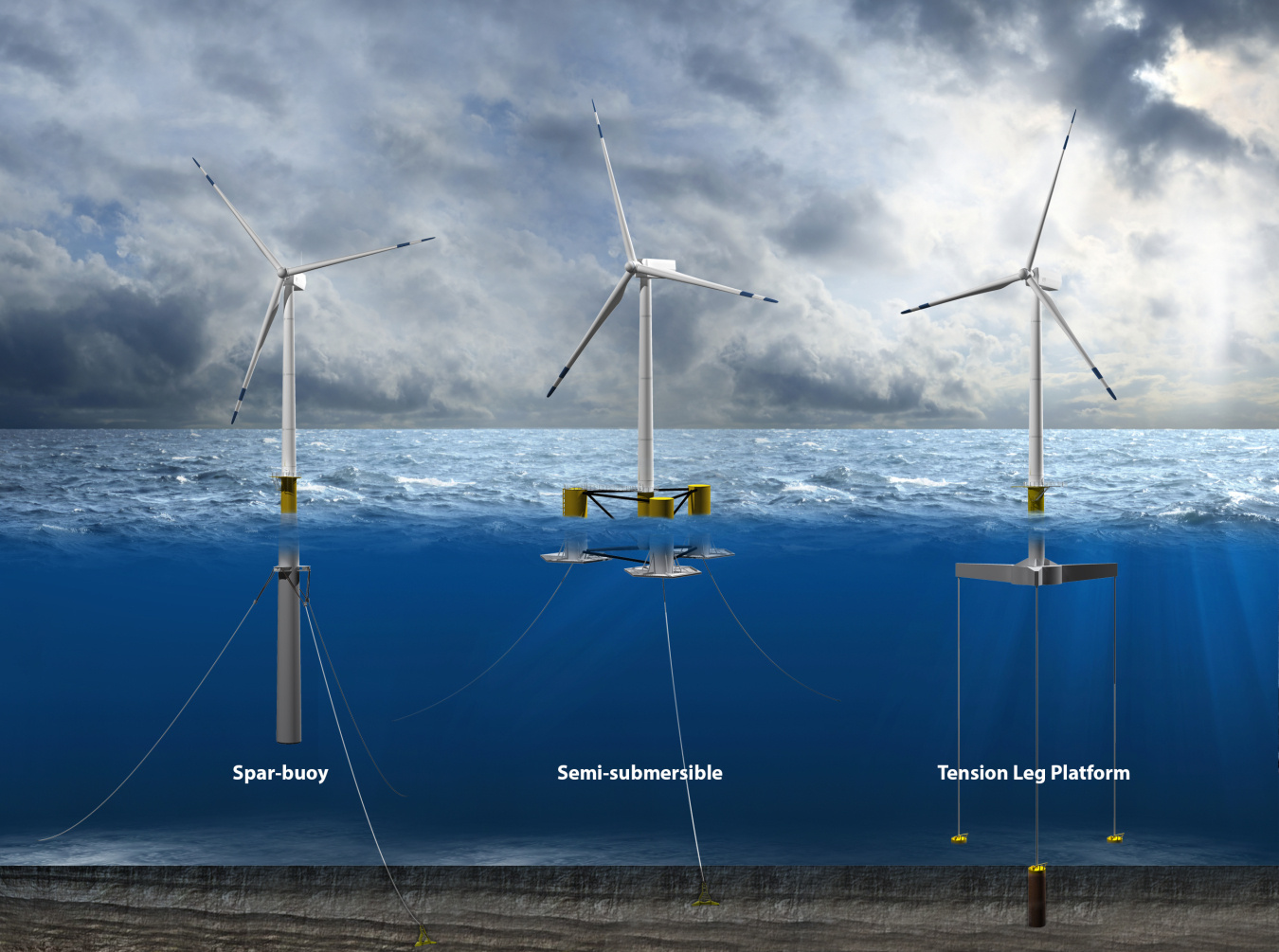
Floating foundations are anchored to the seabed by mooring lines and anchors, but the turbine itself is mounted on a buoyant structure that floats on the surface. Several designs are being developed and tested:
- Spar-Buoy: A large, slender, cylindrical structure with a low center of gravity. Most of the structure is submerged, providing stability. Think of a deep-draft buoy with a turbine on top.
- Semi-Submersible: A platform that uses multiple columns connected by pontoons to provide buoyancy and stability. Partially submerged, it relies on waterplane area for stability, much like a semi-submersible oil rig. Can be towed to site fully assembled.
- Tension-Leg Platform (TLP): A buoyant platform tethered to the seabed by vertical mooring lines held under tension. These lines keep the platform stable and limit vertical motion. This design offers a small footprint and high stability.
Floating wind technology is still maturing, but it holds immense promise for expanding the reach of offshore wind globally, opening up new energy frontiers previously considered inaccessible.
The Economic Gust: Costs and Benefits of Offshore Wind
Investing in offshore wind is a massive undertaking, requiring billions of dollars for project development, construction, and operation. However, the long-term economic and environmental benefits are substantial.
Investment Costs
The initial capital expenditure for an offshore wind farm is high, encompassing everything from turbine manufacturing to grid connection. Key cost drivers include:
- Turbines: The cost of the turbine itself, which includes the blades, nacelle, and tower. Larger, more powerful turbines are more expensive but also more efficient.
- Foundations: Dependent on water depth and seabed conditions. Fixed-bottom foundations are generally cheaper for shallower waters, while floating foundations incur higher costs but unlock deeper sites.
- Installation: Requires specialized heavy-lift vessels, often custom-built, to transport and install massive components. Weather windows, port infrastructure, and skilled labor all influence these costs.
- Electrical Infrastructure: This includes internal array cables, offshore substations, export cables, and onshore substations. Subsea cable laying is a significant expense.
- Development & Permitting: Extensive environmental assessments, site surveys, engineering studies, and regulatory approvals.
Operating Costs
Once operational, an offshore wind farm requires ongoing maintenance and management. These operational expenditures (OpEx) include:
- Maintenance & Servicing: Regular inspections, repairs, and component replacements. This is challenging in the marine environment, requiring specialized vessels and technicians.
- Insurance: Covering risks associated with marine operations, extreme weather, and equipment failure.
- Staffing: Personnel for operations monitoring, logistics, and management.
- Port & Logistics: Maintaining facilities for support vessels and personnel.
The Levelized Cost of Energy (LCOE)
The true measure of a power source’s economic viability is its Levelized Cost of Energy (LCOE), which represents the total cost of building and operating a power plant over its lifetime, divided by the total energy output. It’s essentially the average price the plant must receive for its electricity to break even.
Historically, offshore wind had a higher LCOE than onshore wind or solar. However, due to technological advancements, economies of scale, and increased competition, the LCOE for offshore wind has been rapidly decreasing. This makes it increasingly competitive with traditional energy sources and even other renewables in certain contexts. The U.S. Department of Energy and other bodies track these trends closely, showing a clear path towards cost parity.
Here’s a simplified breakdown of typical offshore wind project costs:
| Component | Approximate Cost Range (USD/MW) | Description |
|---|---|---|
| Turbine & Blades | $1,200,000 – $1,800,000 | The generator, nacelle, tower, and rotor blades. |
| Foundations | $500,000 – $1,500,000+ | Fixed-bottom or floating structure, depending on depth. |
| Installation | $300,000 – $800,000 | Specialized vessels, labor, weather downtime. |
| Electrical Infrastructure | $400,000 – $700,000 | Array cables, offshore substation, export cables, onshore substation. |
| Development & Permitting | $100,000 – $300,000 | Surveys, studies, regulatory approvals. |
| Total Capital Cost (Approx.) | $2,500,000 – $5,000,000+ | Per Megawatt (MW) of installed capacity. |
Note: These figures are highly generalized and can vary significantly based on project size, location, water depth, technology chosen, and market conditions.
Environmental Footprint: Balancing Power and Preservation
While offshore wind is a cornerstone of a decarbonized future, it’s not without its environmental considerations. A responsible approach requires carefully balancing the immense benefits with potential localized impacts.
Positive Impacts
The primary positive environmental impact is the reduction of greenhouse gas emissions. By replacing fossil fuel power plants, offshore wind significantly lowers carbon dioxide, sulfur dioxide, and nitrogen oxide emissions, leading to cleaner air and a healthier planet. This is crucial for mitigating climate change and improving public health. Offshore wind also doesn’t consume water for cooling, a significant advantage over thermal power plants.
Potential Challenges
The marine environment is delicate, and large-scale infrastructure projects require careful planning to minimize disruption:
- Marine Life Disturbance: Construction activities, especially pile driving for fixed foundations, can generate significant underwater noise that may disturb marine mammals (whales, dolphins) and fish.
- Habitat Alteration: Installing foundations and laying cables can disturb the seabed, affecting benthic (bottom-dwelling) organisms and their habitats.
- Collision Risk: While rare, there’s a potential for birds and bats to collide with turbine blades, especially during migration.
- Electromagnetic Fields (EMF): Subsea cables produce weak EMFs, and while studies are ongoing, their long-term effects on marine life are a subject of research.
Mitigation Strategies
To address these challenges, the industry and regulatory bodies employ robust mitigation strategies:
- Advanced Siting: Careful selection of project locations to avoid critical habitats, migration routes, and sensitive ecological areas.
- Quieter Construction Methods: Using technologies like bubble curtains or vibratory pile driving to reduce underwater noise during installation.
- Monitoring & Research: Extensive pre- and post-construction monitoring using acoustic devices, radar, and visual surveys to understand and track impacts on marine species.
- Vessel Protocols: Implementing speed limits and exclusion zones for construction vessels to protect marine mammals.
- Cable Burial: Burying subsea cables to protect them from damage and minimize interaction with the marine environment.
- Artificial Reef Effect: Foundations can sometimes act as artificial reefs, creating new habitats for certain marine species, though the net ecological impact is complex.
The Road Ahead: Challenges and Future Innovations
While the future of offshore wind is bright, there are significant hurdles to overcome and exciting innovations on the horizon.
Grid Integration & Transmission
Connecting massive offshore wind farms to the existing onshore electrical grid is a monumental task. Our current grid infrastructure wasn’t designed for large-scale, intermittent power sources far from land. Challenges include:
- Grid Upgrades: Strengthening transmission lines and substations on land.
- Undersea Cables: Installing hundreds of miles of high-voltage direct current (HVDC) cables, which are expensive and complex.
- Intermittency Management: Wind power isn’t constant. Integrating it requires smart grid technologies, energy storage solutions, and flexible generation sources to maintain grid stability.
Permitting & Policy
In the U.S., the permitting process for offshore wind projects can be lengthy and complex, involving multiple federal and state agencies (like NOAA, BOEM, EPA, and state environmental departments). Streamlining this process while ensuring rigorous environmental review is crucial for accelerating deployment. Clear, stable long-term policy signals and supportive federal and state incentives are also vital for attracting the necessary investment.
Supply Chain Development
The U.S. currently has a nascent offshore wind supply chain. Building out the domestic manufacturing capabilities for massive turbine components, specialized installation vessels, port infrastructure, and a skilled workforce is a significant undertaking. This requires substantial investment and coordination to avoid bottlenecks and create sustainable jobs.
Cutting-Edge Technologies
Innovation continues to drive down costs and expand possibilities:
- Energy Storage Integration: Combining offshore wind with battery storage (offshore or onshore) or pumped hydro storage can make the power output more dispatchable and reliable.
- Green Hydrogen Production: Using excess offshore wind electricity to produce hydrogen via electrolysis, which can then be stored or transported, acting as a flexible energy carrier.
- Multi-Use Platforms & Energy Islands: Imagine offshore platforms that combine wind turbines with aquaculture (fish farming), hydrogen production, or even serve as interconnected hubs for multiple wind farms. The concept of Energy Islands involves creating artificial islands that act as central hubs for grid connection, hydrogen production, and service operations for surrounding wind farms.
- Advanced Materials: Lighter, stronger, and more durable materials for blades and components can improve efficiency and extend turbine lifespan.
Sea-Based Wind Energy in the USA: A Growing Tide
The United States has immense offshore wind potential, particularly along the Atlantic coast, the Great Lakes, and the Pacific coast. The Biden administration has set ambitious goals to deploy 30 gigawatts (GW) of offshore wind by 2030, enough to power over 10 million homes. Several large-scale projects are already under development or construction, marking the beginning of a new era for American energy. This commitment is driving investment, creating jobs, and solidifying offshore wind’s role as a critical pillar of our clean energy transition.
The Bottom Line: Powering Our Future with Offshore Wind
Sea-based wind farm energy represents a powerful solution to our pressing energy challenges. It harnesses an abundant, clean resource, offers high-capacity generation, and aligns perfectly with our goals for decarbonization and energy independence. While the journey isn’t without its complexities, the rapid advancements in technology, coupled with a growing understanding of environmental mitigation, paint a compelling picture for its future.
As we look to build a more sustainable and resilient energy infrastructure, offshore wind stands as a testament to human ingenuity—a bold step towards powering our world with the strength of the ocean’s winds. It’s not just about turbines; it’s about a cleaner, more secure energy future for all of us.
Frequently Asked Questions
How much electricity can an offshore wind farm generate?
Offshore wind farms can generate significant amounts of electricity due to stronger, more consistent winds. Modern large-scale projects can range from hundreds of megawatts (MW) to several gigawatts (GW) of installed capacity. For example, a 1 GW offshore wind farm could power hundreds of thousands to over a million homes, depending on average consumption.
What is the lifespan of an offshore wind turbine?
The typical design lifespan for an offshore wind turbine is around 25 to 30 years. However, with ongoing maintenance, component upgrades, and careful management, many projects may extend their operational life beyond this initial period.
Are offshore wind farms noisy?
Once operational, the noise generated by offshore wind turbines is generally not audible from shore. Underwater noise from turbine operation is minimal. The primary noise concern is during the construction phase, particularly from pile driving. Mitigation measures, such as bubble curtains, are used to reduce these impacts on marine life.
How do offshore wind farms affect marine life?
Offshore wind farms can have both positive and negative impacts on marine life. Potential negative impacts include underwater noise during construction, habitat alteration from foundations and cables, and potential collision risks for birds and bats. However, foundations can also create artificial reef habitats, and strict mitigation strategies, along with careful siting and ongoing monitoring, are employed to minimize adverse effects.
What is the deepest water an offshore wind turbine can be installed in?
Fixed-bottom offshore wind turbines are typically installed in waters up to about 60 meters (200 feet) deep. Beyond this depth, floating offshore wind technologies become necessary. Floating turbines can be deployed in much deeper waters, potentially hundreds of meters deep, opening up vast new ocean areas for wind power generation.
How is electricity transmitted from offshore wind farms to shore?
Electricity from offshore wind farms is transmitted to shore using subsea cables. These cables carry power from individual turbines to an offshore substation, which collects and increases the voltage. From the offshore substation, high-voltage export cables (often HVDC for long distances) transmit the power to an onshore substation, where it connects to the national grid.
What are ‘energy islands’?
Energy islands are large-scale, man-made offshore hubs designed to connect multiple wind farms and potentially facilitate other energy technologies, like green hydrogen production. They act as central points for collecting, converting, and transmitting electricity, making grid integration more efficient and robust, and serving as operational bases for offshore energy activities.