Small Home Wind Turbine Kits: Your Complete Guide to Harnessing Nature’s Power at Home
Dreaming of energy independence? Want to lower those ever-increasing electricity bills and reduce your carbon footprint? You’ve likely considered solar, but what about tapping into the power of the wind right from your backyard? Small home wind turbine kits promise a compelling solution, offering a path to sustainable energy for your property.
Table of Contents
- Small Home Wind Turbine Kits: Your Complete Guide to Harnessing Nature’s Power at Home
- What Exactly Are Small Home Wind Turbine Kits?
- Demystifying the Components: What’s in a Kit?
- Horizontal Axis Wind Turbines (HAWTs) vs. Vertical Axis Wind Turbines (VAWTs)
- Is a Small Wind Turbine Right for Your Home? The Honest Assessment
- Evaluating Your Wind Resource: Location, Location, Location
- Grid-Tied vs. Off-Grid: Which System Suits Your Lifestyle?
- Sizing Your System: How Much Power Do You Really Need?
- Breaking Down the Costs: What You’ll Really Pay for a Small Wind Turbine Kit
- Initial Kit Purchase Price: A Range to Expect
- Beyond the Kit: Installation, Towers, Batteries & Inverters
- Permitting and Interconnection Fees
- Maintenance Costs: Don’t Forget the Long Game
- The Payback: Is a Small Home Wind Turbine Kit a Smart Investment?
- Understanding ROI and Energy Savings
- Government Incentives and Rebates
- The “Unquantifiable” Benefits: Energy Independence and Environmental Impact
- Navigating the Purchase: What to Look for in a Kit
- Key Specifications: Wattage, Rotor Diameter, Cut-in Speed
- Manufacturer Reputation and Warranty: Lessons from the Forums
- System Integration: Compatibility with Solar and Other Renewables (Hybrid Systems)
- Installation: DIY or Pro?
- Site Selection and Tower Height: Crucial Decisions
- Permitting and Zoning: A Local Labyrinth
- Safety First: Working with Heights and Electricity
- Living with Your Wind Turbine: Maintenance and Troubleshooting
- Routine Checks: Keeping Your Turbine Running Smoothly
- Common Issues and How to Address Them
- The Future of Small Wind Power: Innovations on the Horizon
- Conclusion: Is a Small Home Wind Turbine Kit Right for You?
But let’s be honest: you’ve also probably heard the skepticism. Are small wind turbines really worth it? Do they actually generate enough power? What’s the real cost, and how complicated is the installation? These are fair questions, and if you’re like most homeowners, you’re looking for honest answers, not just sales pitches.
This isn’t just another article listing products. I’m here to give you a straightforward, no-nonsense guide to small home wind turbine kits. We’ll cut through the hype, delve into the practicalities, break down the costs, and help you determine if wind power is a smart, sustainable investment for your home. By the time you’re done reading, you’ll know exactly what to expect, what to avoid, and whether a small wind turbine belongs in your energy future.
What Exactly Are Small Home Wind Turbine Kits?
At its core, a small home wind turbine kit is a package designed to capture wind energy and convert it into electricity for residential use. These aren’t the colossal turbines you see in wind farms; they’re scaled-down versions, typically ranging from 400 watts to 10 kilowatts (kW), suitable for powering a single home or supplementing existing power sources.
The beauty of a kit lies in its comprehensiveness. Instead of sourcing individual components, you get a pre-selected set of compatible parts, making the process of assembling your wind power system significantly simpler, especially for DIY enthusiasts or those with basic electrical knowledge.
Demystifying the Components: What’s in a Kit?
While kits vary, most will include the following essential components:
- Turbine Head (Nacelle): This is the heart of the system, housing the generator, blades, and usually a tail fin (for HAWTs) to orient it into the wind.
- Rotor Blades: Designed to catch the wind and spin the generator. The number and design of blades impact efficiency and cut-in speed.
- Tower: Lifts the turbine high enough to catch optimal wind. Towers can be guyed (supported by cables) or freestanding.
- Charge Controller: Manages the electricity generated, preventing overcharging of batteries in off-grid systems or regulating power flow to inverters.
- Inverter: Converts the DC (direct current) electricity produced by the turbine into AC (alternating current) for use in your home or to feed into the grid.
- Batteries (for Off-Grid Systems): Stores excess energy for use when the wind isn’t blowing.
- Wiring and Hardware: All the necessary cables, bolts, and connectors to put it all together.
Horizontal Axis Wind Turbines (HAWTs) vs. Vertical Axis Wind Turbines (VAWTs)
When you picture a wind turbine, you’re likely thinking of a HAWT – the classic propeller-like design. However, VAWTs offer an alternative, particularly for urban or turbulent wind environments. Understanding their differences is key to choosing the right kit.
| Feature | Horizontal Axis Wind Turbines (HAWTs) | Vertical Axis Wind Turbines (VAWTs) |
|---|---|---|
| Appearance | Traditional ‘windmill’ look, blades rotate perpendicular to the ground. | Often egg-beater (Darrieus) or S-shaped (Savonius), blades rotate parallel to the ground. |
| Efficiency | Generally more efficient in steady, directional winds (higher power output for size). | Lower overall efficiency compared to HAWTs for similar swept area. |
| Wind Direction | Must orient into the wind (often with a tail fin or yaw motor). | Omni-directional; don’t need to reorient with changing wind direction. |
| Noise | Can be noisier due to blade tip speed, especially larger models. | Generally quieter, making them potentially better for residential areas. |
| Turbulence Tolerance | Less tolerant of turbulent, gusty winds; can experience more wear and tear. | Better performance in turbulent or urban wind conditions. |
| Installation/Maintenance | Generator is at the top of the tower, requiring specialized equipment for maintenance. | Generator can be at the base, simplifying maintenance and potentially installation. |
| Ideal Use | Open, rural areas with consistent, laminar wind flow. | Urban environments, small spaces, areas with unpredictable wind patterns. |
Is a Small Wind Turbine Right for Your Home? The Honest Assessment
Before you even look at specific kits, the most crucial step is to objectively assess whether your property is a suitable candidate for wind power. This isn’t just about desire; it’s about physics and practicality. Many a homeowner has invested in a turbine only to be disappointed by its output, primarily because they skipped this vital assessment.
Evaluating Your Wind Resource: Location, Location, Location
This is, without a doubt, the single most important factor. No wind, no power. It’s that simple. Small wind turbines need a consistent, unobstructed wind flow to generate meaningful electricity. A breezy day isn’t enough; you need an average annual wind speed of at least 10-12 mph (4.5-5.5 m/s) to justify the investment. Higher is always better.
How do you figure this out?
- Online Wind Maps: Resources like the DOE’s WINDExchange offer regional wind resource maps. These are good for a general idea but aren’t site-specific.
- Local Anemometer: For the most accurate data, install an anemometer (a wind speed measuring device) on a tall mast at your property for at least 12 months. This is the gold standard but requires upfront effort.
- Professional Site Assessment: A renewable energy consultant can perform a detailed wind assessment, taking into account topography, obstacles (trees, buildings), and local weather patterns. This is often worth the cost to avoid a costly mistake.
Don’t underestimate the impact of obstacles. Even a single large tree or neighboring building can create turbulence and reduce the effective wind speed at your turbine’s height. You generally want your turbine’s rotor to be at least 30 feet (9 meters) higher than any obstacle within a 500-foot (150-meter) radius.
Grid-Tied vs. Off-Grid: Which System Suits Your Lifestyle?
Your connection to the utility grid significantly impacts your system design, costs, and benefits.

| Feature | Grid-Tied System | Off-Grid System |
|---|---|---|
| Utility Connection | Connected to the local utility grid. | Completely independent of the utility grid. |
| Battery Storage | Often optional; can use grid as a ‘battery’ via net metering. | Essential for storing energy for non-windy periods. |
| Backup Power | Relies on the grid for backup; typically shuts off during outages for safety (unless paired with battery backup). | Batteries provide continuous power; often paired with a generator for extended calm periods. |
| Complexity | Generally less complex than off-grid, but requires grid interconnection agreements. | More complex due to battery bank management, sizing, and potential generator integration. |
| Cost Implications | Potentially lower initial cost if batteries are omitted. Benefits from net metering. | Higher initial cost due to significant battery bank investment. No grid revenue. |
| Ideal For | Reducing electricity bills, selling excess power back to the grid, supplementing grid power. | Remote homes, cabins, total energy independence, emergency preparedness. |
Sizing Your System: How Much Power Do You Really Need?
This is where realistic expectations meet practical application. You need to match the turbine’s potential output to your home’s energy consumption. Start by looking at your past utility bills to find your average monthly kilowatt-hour (kWh) usage. A typical US home might use anywhere from 500 kWh to 1,500 kWh per month.
A common mistake is to think a 1 kW turbine will supply 1 kW continuously. It won’t. Turbines are rated at their peak output in optimal wind conditions. The average output will be significantly lower. A good rule of thumb is to assume a capacity factor of 25-40% for small home wind turbines. This means a 1 kW turbine, over a month, might realistically produce 1 kW * 24 hours * 30 days * 0.30 (30% capacity factor) = 216 kWh.
So, if your home uses 800 kWh/month, a 1 kW turbine alone won’t cut it. You might need a 3-4 kW system, or a combination of wind and solar. Be realistic about your needs and the turbine’s capabilities based on your specific wind resource.
Breaking Down the Costs: What You’ll Really Pay for a Small Wind Turbine Kit
Let’s talk money. The price of the turbine kit itself is just one piece of the financial puzzle. To avoid sticker shock and buyer’s remorse, it’s crucial to understand all the associated costs.
Initial Kit Purchase Price: A Range to Expect
Small wind turbine kits vary widely in price based on their power output (wattage), design (HAWT vs. VAWT), brand reputation, and included components.
- Micro-turbines (under 1 kW): Often used for RVs, boats, or very small remote applications. Prices typically range from $400 to $1,500.
- Small Home Turbines (1 kW – 5 kW): These are the most common for residential use, designed to supplement or power a portion of a home. Expect prices between $1,500 to $8,000 for the turbine head and basic controller.
- Larger Residential Turbines (5 kW – 10 kW): Capable of significantly offsetting or even eliminating a home’s energy bill in good wind. Prices can range from $8,000 to $25,000+ for the turbine head and core components.
Beyond the Kit: Installation, Towers, Batteries & Inverters
This is where many budget calculations go awry. The kit price is rarely the final price. Here’s what else to factor in:
- Towers: Often sold separately from the turbine head. A sturdy, appropriately sized tower can easily cost as much as, or more than, the turbine itself. Expect $1,000 to $5,000+ depending on height and type (guyed vs. freestanding).
- Batteries (for off-grid or grid-tied with backup): A substantial expense. A sufficient battery bank for a typical home could run from $3,000 to $15,000+, depending on capacity and battery chemistry (lead-acid vs. lithium-ion).
- Inverter: If not included, a good quality inverter compatible with your system and the grid (for grid-tied) can cost $1,000 to $4,000+.
- Installation Labor: Unless you’re an experienced DIYer with the right equipment (and patience!), professional installation is highly recommended due to the height and electrical work involved. This can add $2,000 to $10,000+ to your total cost.
- Wiring and Electrical Components: Cables, disconnects, circuit breakers, grounding equipment – figure $500 to $2,000.
- Foundation: For larger towers, you’ll need a concrete foundation, which can add $1,000 to $3,000+.
Permitting and Interconnection Fees
Don’t forget the paperwork! Most localities require permits for constructing a wind turbine, and if you’re connecting to the grid, your utility company will have interconnection fees and requirements. These can range from a few hundred dollars to over a thousand, plus the time and effort to navigate the bureaucracy.
Maintenance Costs: Don’t Forget the Long Game
Wind turbines require maintenance. While small turbines are generally designed for durability, you’ll need occasional inspections, cleaning, and potential replacement of wear parts (like bearings or blades). If you have batteries, they will eventually need replacement (every 5-15 years depending on type). Factor in an annual budget of $100 to $500 for routine maintenance, potentially more for major component replacements.
| Cost Component | Estimated Range (for 1-2 kW System) | Notes |
|---|---|---|
| Turbine Kit (Head & Controller) | $1,500 – $4,000 | Price varies significantly by brand and quality. |
| Tower (30-60 ft) | $1,000 – $3,500 | Guyed towers are generally less expensive than freestanding. |
| Inverter | $800 – $2,500 | Crucial for converting DC to usable AC. |
| Battery Bank (for Off-Grid/Backup) | $3,000 – $8,000+ | Major cost for off-grid; lifespan and capacity impact price. |
| Installation Labor | $2,000 – $6,000 | Varies by complexity, location, and contractor rates. |
| Permits & Interconnection | $300 – $1,500 | Local regulations and utility requirements. |
| Wiring & Electrical Misc. | $500 – $1,500 | Includes cabling, conduit, safety disconnects. |
| Foundation | $1,000 – $2,500 | Required for most tower types. |
| TOTAL ESTIMATED COST | $10,100 – $29,500+ | This range accounts for variability in components and labor. |
The Payback: Is a Small Home Wind Turbine Kit a Smart Investment?
After looking at those costs, you might be wondering, “Is this even worth it?” It’s a valid question. The answer isn’t a simple yes or no; it depends heavily on your specific circumstances, your financial goals, and what you value most.
Understanding ROI and Energy Savings
The Return on Investment (ROI) for a small wind turbine can be highly variable. In areas with exceptional wind resources and high electricity rates, the financial payback period could be as short as 5-10 years. In less ideal conditions, it could stretch to 15-20 years or even longer, making it a less compelling purely financial investment.
Your energy savings are directly tied to:
- Your average wind speed: More wind = more generation = more savings.
- Your electricity rates: Higher rates mean greater savings per kWh generated.
- Net Metering Policies: If your utility allows you to sell excess power back to the grid (and pays a fair rate), your savings potential increases dramatically.
Always perform a detailed calculation based on your actual wind resource, local electricity rates, and the estimated output of the specific turbine you’re considering. Don’t rely on manufacturer claims alone; they often state peak output in perfect conditions.
Government Incentives and Rebates
This is where the financial picture can improve significantly. Both federal and state governments offer incentives to encourage renewable energy adoption:

- Federal Tax Credit: The Investment Tax Credit (ITC), also known as the Clean Energy Credit, currently offers a 30% tax credit for new residential renewable energy systems, including small wind turbines. This is a dollar-for-dollar reduction in your tax liability, not just a deduction. *Always check the latest IRS guidelines as these programs can change.*
- State and Local Programs: Many states, counties, and even utility companies offer additional rebates, grants, or property tax exemptions for renewable energy installations. Search for programs specific to your area. These can significantly reduce your upfront costs.
The “Unquantifiable” Benefits: Energy Independence and Environmental Impact
Beyond the dollars and cents, there are powerful reasons homeowners choose small wind turbines:
- Energy Independence: Reducing reliance on the grid provides peace of mind, especially in areas prone to power outages. For off-grid living, it’s essential.
- Environmental Stewardship: Generating your own clean electricity significantly reduces your carbon footprint, contributing to a healthier planet.
- Property Value: While harder to quantify, a home with a well-integrated renewable energy system can be more attractive to buyers.
- Community Resilience: Your system can contribute to local grid stability during peak demand if grid-tied.
Navigating the Purchase: What to Look for in a Kit
Once you’ve determined that a small wind turbine is viable for your property, it’s time to choose a kit. This involves more than just picking the cheapest or highest wattage option.
Key Specifications: Wattage, Rotor Diameter, Cut-in Speed
- Rated Wattage (Power Output): This is the maximum power the turbine can generate. As discussed, factor in capacity factor for realistic output.
- Rotor Diameter: A larger rotor diameter captures more wind. It’s often a better indicator of potential output than just wattage, especially in lower wind speeds.
- Cut-in Speed: The minimum wind speed required for the turbine to start producing electricity. Lower cut-in speeds (e.g., 5-7 mph) are generally better, as they allow for more generation time.
- Cut-out Speed: The wind speed at which the turbine shuts down to prevent damage in extreme winds.
- Rated Wind Speed: The wind speed at which the turbine reaches its maximum rated power output.
- Survival Wind Speed: The maximum wind speed the turbine can withstand without being damaged.
Manufacturer Reputation and Warranty: Lessons from the Forums
This is critical. As highlighted in many DIY forums, the durability and reliability of small wind turbines can be a major concern. Some cheaper, no-name brands may promise high wattage but deliver poor performance and fail quickly. Look for:
- Established Manufacturers: Companies with a proven track record in small wind.
- Comprehensive Warranty: A good warranty (e.g., 2-5 years or more) on the turbine head and generator indicates manufacturer confidence. Understand what it covers.
- Customer Reviews and Support: Search independent reviews, not just testimonials on the manufacturer’s site. Good customer support is invaluable if you encounter issues.
- Parts Availability: Can you easily get replacement blades, charge controllers, or other components if needed?
System Integration: Compatibility with Solar and Other Renewables (Hybrid Systems)
For many homes, a hybrid wind and solar system offers the best of both worlds. Wind typically generates more power in winter months and at night, while solar excels in summer and during the day. This complementary power generation smooths out your energy supply.
If you’re considering a hybrid system, ensure your chosen wind turbine kit’s components (especially the charge controller and inverter) are compatible with solar PV systems. Many modern charge controllers and inverters are designed to handle inputs from both wind and solar, simplifying the overall system design and management.
Installation: DIY or Pro?
Installing a small home wind turbine is not a trivial undertaking. It involves working at heights, dealing with significant structural loads, and handling electrical connections. While some smaller kits are marketed as DIY-friendly, consider the risks and complexities carefully.
Site Selection and Tower Height: Crucial Decisions
As discussed, proper site selection is paramount. You need a location with clear, unobstructed wind flow. This often means placing the turbine at a significant height on a robust tower. A higher tower almost always means more access to stronger, less turbulent wind, leading to greater energy production. However, taller towers are more expensive and may face stricter zoning regulations.
Permitting and Zoning: A Local Labyrinth
Before buying anything, check your local zoning laws and homeowner’s association (HOA) rules. You’ll likely need a building permit for the tower and possibly an electrical permit for the wiring. Zoning ordinances may dictate:
- Maximum Tower Height: Often restricted, especially in residential areas.
- Setbacks: Minimum distance from property lines, other buildings, or roads.
- Noise Regulations: While small turbines are generally quieter than their large counterparts, noise can still be a factor.
- Visual Impact: Some communities have aesthetic concerns.
Start these inquiries early. Permitting can be a lengthy process and may even dictate whether a turbine is feasible for your location.
Safety First: Working with Heights and Electricity
This cannot be stressed enough. Installing a wind turbine involves inherent dangers:
- Working at Heights: Falling from a tower can be fatal. Proper safety equipment and training are essential.
- Heavy Lifting: Blades and turbine heads can be heavy and unwieldy.
- High Voltage Electricity: Incorrect wiring or improper grounding can cause electrocution.
- Rotating Blades: Keep a safe distance from spinning blades.
Unless you have professional experience in construction, electrical work, and working at heights, I strongly recommend hiring a qualified installer. They will ensure the system is safely and correctly installed, compliant with all codes, and optimized for performance.
Living with Your Wind Turbine: Maintenance and Troubleshooting
A properly installed small wind turbine, especially from a reputable manufacturer, is designed for years of reliable service. However, like any mechanical system exposed to the elements, it requires periodic attention.
Routine Checks: Keeping Your Turbine Running Smoothly
Here’s what you should regularly monitor:
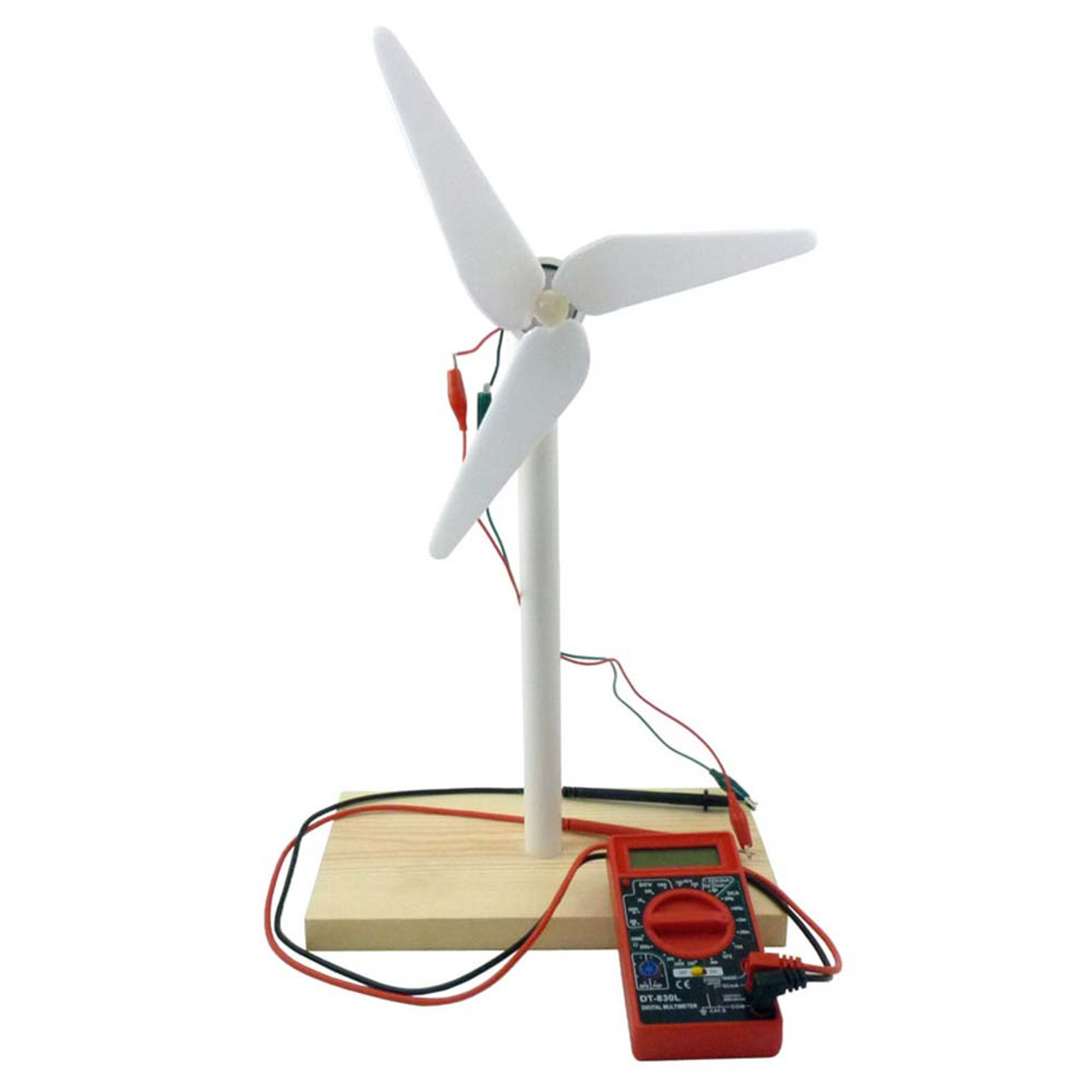
- Visual Inspections (Monthly/Quarterly): From the ground, check for any visible damage to blades, tower, guy wires, and electrical conduits. Look for loose connections or unusual vibrations.
- Noise Monitoring: Pay attention to any new or unusual sounds coming from the turbine. This could indicate bearing issues or other mechanical problems.
- Energy Output Monitoring: Keep an eye on your system’s output. A sudden drop in power generation (not attributable to low wind) could signal an issue.
- Battery Bank Maintenance (if applicable): For lead-acid batteries, regularly check water levels and ensure terminals are clean and tight.
Common Issues and How to Address Them
Addressing the durability concerns raised in forums, here are some common problems:
- Low Power Output: Often due to insufficient wind resource (re-evaluate your site), obstacles, or issues with the charge controller or inverter. Ensure connections are secure.
- Excessive Noise or Vibration: Could indicate unbalanced blades, worn bearings, or loose components. This needs prompt attention to prevent further damage.
- Turbine Not Spinning: Check for obstructions, ensure the cut-in speed is met, or investigate potential electrical faults in the generator or controller.
- Battery Degradation: Over time, batteries lose capacity. Proper charging and maintenance extend their life, but they will eventually need replacement.
- Corrosion: Especially in coastal or harsh environments, metal components can corrode. Regular cleaning and protective coatings can help.
For significant mechanical or electrical issues, always consult your installer or the turbine manufacturer. Attempting complex repairs without proper expertise can be dangerous and void warranties.
The Future of Small Wind Power: Innovations on the Horizon
The small wind industry, while not as rapidly expanding as solar, continues to innovate. We’re seeing advancements in:
- Blade Design: More aerodynamic and quieter blades for improved efficiency and reduced noise.
- Direct Drive Generators: Eliminating gearboxes to reduce maintenance and improve reliability.
- Smart Controls: Better integration with home energy management systems and grid communication.
- Material Science: Lighter, stronger, and more durable materials for longer lifespans.
- Portable and Micro Turbines: Expanding options for camping, emergency backup, and specialized remote applications.
These ongoing developments promise even more efficient, reliable, and user-friendly small wind solutions in the years to come.
Conclusion: Is a Small Home Wind Turbine Kit Right for You?
So, after this deep dive, are small home wind turbine kits worth it? The definitive answer is: it depends entirely on your specific circumstances.
If you live in an area with a strong, consistent wind resource, are prepared for the initial investment (including professional installation), and value energy independence and environmental impact, then a small wind turbine kit can be an incredibly rewarding and powerful addition to your home’s energy profile. Especially when paired with solar in a hybrid system, wind can provide reliable power when the sun isn’t shining.
However, if your property has poor wind, your budget is tight, or you’re looking for an immediate, short-term financial return, you might find other renewable energy solutions or energy efficiency upgrades more suitable. Don’t let the allure of free wind power blind you to the realities of proper site assessment, comprehensive costs, and the need for ongoing maintenance.
Take the time to do your homework: assess your wind, understand all the costs, research reputable manufacturers, and consult with local experts. With careful planning and realistic expectations, a small home wind turbine kit could truly empower your home with clean, renewable energy for decades to come.
Frequently Asked Questions
How much does a small home wind turbine kit cost?
The initial kit itself can range from $400 for micro-turbines to $25,000+ for larger residential systems (1-10 kW). However, the total installed cost, including the tower, inverter, batteries (if off-grid), installation labor, permits, and foundation, typically ranges from $10,000 to over $30,000 for a 1-2 kW system. This figure is highly dependent on system size, components, and local labor rates.
Is my home suitable for a small wind turbine?
Suitability hinges primarily on your average annual wind speed. You need consistent, unobstructed wind flow, ideally averaging 10-12 mph (4.5-5.5 m/s) or more. Obstacles like tall trees or buildings can significantly reduce efficiency. A professional site assessment or monitoring wind speed with an anemometer for a year is highly recommended before investing.
How much power can a small home wind turbine generate?
Turbines are rated by their peak wattage (e.g., 1 kW). However, actual generation is much lower due to variable wind speeds. A good estimate is to factor in a capacity factor of 25-40%. So, a 1 kW turbine might realistically produce 216-345 kWh per month in a good wind location, not a continuous 720 kWh (1kW * 24hr * 30 days).
What’s the difference between HAWTs and VAWTs for home use?
Horizontal Axis Wind Turbines (HAWTs) are the traditional propeller-style, generally more efficient in steady winds but require orientation. Vertical Axis Wind Turbines (VAWTs) are omni-directional, quieter, and perform better in turbulent winds often found in urban areas, but typically have lower overall efficiency for their size compared to HAWTs.
Do small wind turbines require a lot of maintenance?
Small wind turbines require periodic visual inspections, monitoring for unusual noises or vibrations, and checking energy output. Components like batteries (for off-grid systems) will need regular maintenance and eventual replacement. While designed for durability, expect an annual budget of $100-$500 for routine upkeep and potential wear part replacements.
Can I connect a small wind turbine to my home’s existing power grid?
Yes, many small wind turbine systems are designed to be ‘grid-tied.’ This means they connect to your utility’s electrical grid, allowing you to draw power when the wind isn’t blowing and potentially sell excess power back to the grid (net metering) when your turbine is producing more than you’re using. You will need to coordinate with your local utility for interconnection agreements and permits.
Are there incentives for installing a small home wind turbine?
Yes, the U.S. federal government offers the Investment Tax Credit (ITC), currently a 30% tax credit for residential renewable energy systems, including small wind turbines. Many states, counties, and local utilities also offer additional rebates, grants, or property tax incentives. It’s crucial to check current programs in your specific location to maximize your savings.