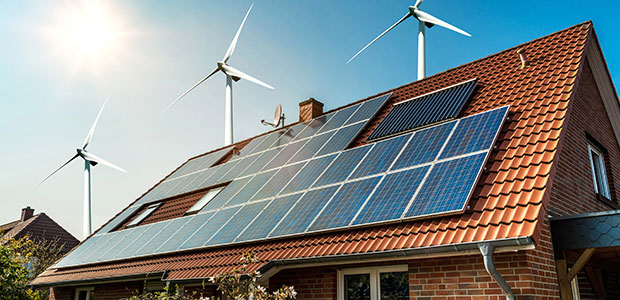
Small Windmills For Home Use: Your Complete Guide to Harnessing Residential Wind Power
Dreaming of slashing your electricity bills? Tired of being at the mercy of the grid? If you’ve ever looked up at the sky and thought, “There’s power in that wind!” then you’re on the right track. Small windmills, or residential wind turbines, offer a compelling path to energy independence, providing a clean, renewable source of power right from your backyard. But let’s be real: is it just a pipe dream, or a practical solution for *your home?
Table of Contents
- Small Windmills For Home Use: Your Complete Guide to Harnessing Residential Wind Power
- Is a Small Wind Turbine Right for YOUR Home? The Crucial First Steps
- Assessing Your Wind Resource: Beyond a Windy Day
- Space & Zoning: Do You Have the Real Estate?
- Energy Needs vs. Wind Production: How Much Power Do You Actually Need?
- Unpacking Small Wind Turbines: Types, Components & How They Work
- Horizontal Axis Wind Turbines (HAWTs): The Classic “Windmill”
- Vertical Axis Wind Turbines (VAWTs): A Newer Contender
- Key Components of a Home Wind System
- What Does a Small Wind System Cost? Breaking Down the Investment
- Initial Purchase & Installation Costs
- Ongoing Maintenance & Longevity
- Incentives & ROI: Making it More Affordable
- Wind vs. Solar vs. Grid: Where Does Small Wind Fit In?
- Wind Power Pros & Cons
- Solar Power Pros & Cons (Brief Comparison)
- Hybrid Systems: The Best of Both Worlds?
- Grid-Tied vs. Off-Grid Systems
- Installation & Permitting: Navigating the Red Tape
- Finding Qualified Installers
- The Permitting Process: What to Expect
- Safety Considerations
- The Future of Small Wind: Innovations & Outlook
- Conclusion: Your Path to Residential Wind Energy
This isn’t about giant wind farms; it’s about making wind work for you, on a residential scale. From understanding if your property is even suitable, to the different types of turbines and what they actually cost, we’re diving deep. My goal? To give you the no-nonsense truth, so you can make an informed decision about bringing the power of the wind home.
Is a Small Wind Turbine Right for YOUR Home? The Crucial First Steps
Before you get swept away by the idea of free energy, let’s anchor ourselves in reality. Small wind turbines aren’t for everyone. The most critical factor? Wind, of course. But it’s more nuanced than just feeling a breeze.
Assessing Your Wind Resource: Beyond a Windy Day
You might think your property is windy, but residential wind energy requires consistent, strong winds. We’re talking about an annual average wind speed of at least 10-12 MPH (4.5-5.4 m/s), ideally 14 MPH (6.26 m/s) or higher, for a small system to be economically viable. Why is this average so important? Because wind power output increases exponentially with wind speed. A slight increase in wind speed can mean a significant jump in power generation.
How do you figure this out?
- Online Resources: Start with the U.S. Department of Energy’s WINDExchange platform or national weather agencies. These often provide wind maps and data for your region. Keep in mind these are general; your specific microclimate might differ.
- Site Assessment: For a truly accurate picture, consider a professional site assessment. They might deploy an anemometer (a wind speed measuring device) on a temporary mast to gather site-specific data over a period.
- Obstacles Matter: Wind isn’t just about speed; it’s about unimpeded flow. Trees, neighboring buildings, hills, or even your own home can create turbulence and block wind. You need to ensure your turbine’s blades will be well above any surrounding obstructions, typically at least 30 feet (9 meters) higher than anything within a 500-foot radius.
Space & Zoning: Do You Have the Real Estate?
Small wind turbines need space – and not just for the tower itself. You’ll need:
- Adequate Land: Towers can be 30 to 100 feet tall or more. Guyed towers (supported by cables) require a much larger footprint than freestanding towers.
- Zoning & Permitting: This is often the biggest hurdle. Local zoning ordinances can have strict rules regarding tower height, setbacks from property lines, noise limits, and aesthetic considerations. Some areas may outright prohibit residential wind turbines. You absolutely must check with your local planning department and homeowners’ association (HOA) early in the process.
Energy Needs vs. Wind Production: How Much Power Do You Actually Need?
Before sizing a system, you need to know your average monthly electricity consumption in kilowatt-hours (kWh). Check your past utility bills for this data. A typical U.S. home uses around 900 kWh per month. Then, you can estimate how much a small wind turbine can contribute.
A 1.5-kW wind turbine in a location with a 14 MPH annual average wind speed can potentially meet the needs of a home requiring 300 kWh per month. To power an entire home, you might need a 5-15 kW turbine, depending on your usage and wind resource.
Here’s a quick reference:
| Turbine Size (kW) | Typical Application | Estimated Monthly Output (kWh) @ 12MPH Avg. Wind |
|---|---|---|
| 0.4 – 1 kW | Charging batteries, small off-grid cabins, RVs, supplemental power | 50 – 150 kWh |
| 1 – 5 kW | Partial home power, off-grid homes, supplemental grid-tied | 150 – 500 kWh |
| 5 – 15 kW | Full home power (grid-tied or robust off-grid), small farm applications | 500 – 1500 kWh+ |
Estimates vary widely based on specific turbine model, tower height, and actual wind resource.
Unpacking Small Wind Turbines: Types, Components & How They Work
Not all windmills are created equal. Understanding the fundamental types and their parts will help you speak confidently with installers and choose the right system for your needs.
Horizontal Axis Wind Turbines (HAWTs): The Classic “Windmill”
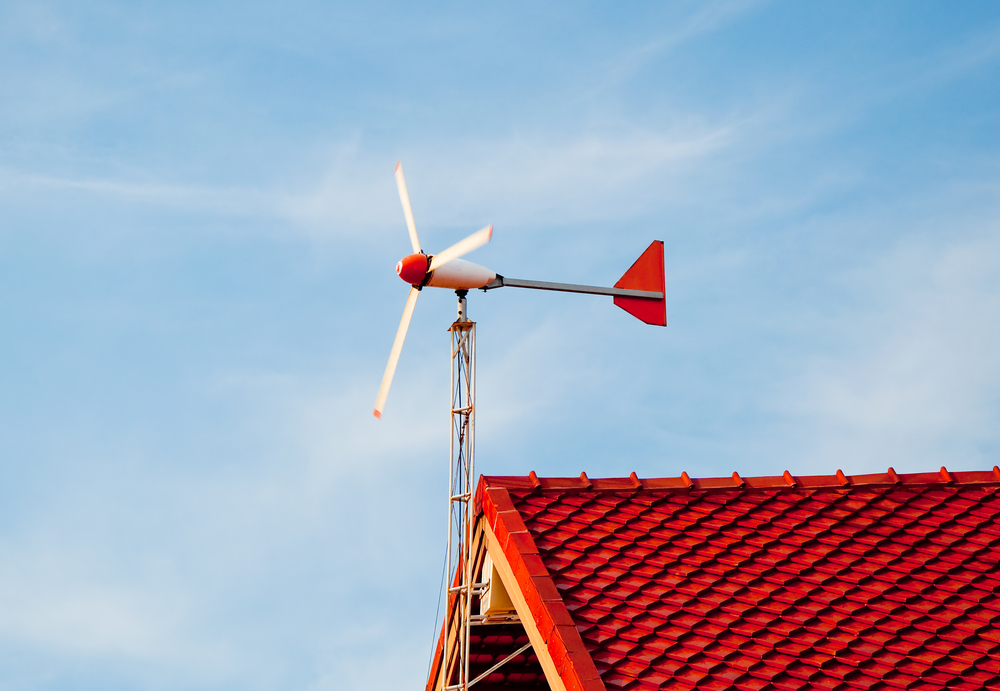
When you picture a wind turbine, you’re likely thinking of a HAWT. These are the most common type, featuring blades that rotate on a horizontal axis, much like an airplane propeller.
- Description: Typically have 2 or 3 blades facing into the wind, mounted on a tall tower. They require a yaw system to orient themselves into the wind.
- Advantages: Generally more efficient at converting wind energy into electricity due to their design. They can capture higher wind speeds at greater tower heights.
- Disadvantages: Require a mechanism to turn into the wind. Can be perceived as less aesthetically pleasing. Noise can be a concern for some, especially larger residential models, although modern designs are much quieter. Potential for bird and bat mortality (though significantly lower for small residential units than large utility-scale ones).
Vertical Axis Wind Turbines (VAWTs): A Newer Contender
VAWTs are less common but are gaining traction, especially for urban or suburban applications due to their unique design.
- Description: Blades rotate around a vertical axis. Common designs include Darrieus (egg-beater shape) and Savonius (S-shaped scoops).
- Advantages: Omnidirectional – they don’t need to orient into the wind, making them effective in turbulent or shifting wind conditions. Often have a lower profile and may be considered more aesthetically pleasing. Generally quieter and less of a visual impact than HAWTs. Potentially safer for birds and bats.
- Disadvantages: Typically less efficient than HAWTs for the same swept area. Can be more complex to maintain depending on design, though some newer designs address this. Higher starting wind speeds might be required for some models.
Key Components of a Home Wind System
Regardless of type, a complete small wind energy system consists of several crucial parts:
- Turbine & Blades: The rotating component that captures wind energy.
- Generator: Converts the rotational energy from the blades into electricity (AC power).
- Tower: Lifts the turbine to a height where it can access cleaner, stronger winds. Crucial for efficiency.
- Charge Controller: Manages the electricity flow from the turbine, preventing overcharging of batteries in off-grid systems or regulating power to the inverter.
- Inverter: Converts the raw AC power from the turbine (which might be variable frequency) into usable AC power for your home (standard 120V/240V, 60Hz) or converts DC battery power to AC.
- Batteries (Optional): Essential for off-grid systems to store excess energy. For grid-tied systems, batteries provide backup power during outages (hybrid system).
- Grid Interconnection Equipment: For grid-tied systems, this includes safety disconnects and metering equipment to connect to the utility grid.
What Does a Small Wind System Cost? Breaking Down the Investment
Let’s talk money. The cost of a small wind system can vary widely, but understanding the breakdown will help you budget effectively.
Initial Purchase & Installation Costs
Expect to pay anywhere from $10,000 to $70,000 or more for a complete installed residential wind system. This wide range depends on turbine size, tower height and type, site complexity, and local labor rates. Here’s a breakdown:
- Turbine Unit Cost: A significant portion. Smaller turbines (under 1 kW) can be a few thousand dollars, while 5-15 kW turbines can run $15,000 – $50,000+.
- Tower & Foundation: This can be 20-30% of the total cost. Taller towers and complex foundations (especially in challenging soil) add significantly.
- Balance of System (BOS): Includes the controller, inverter, wiring, grounding, and safety equipment.
- Installation Labor: Professional installation is crucial for safety and performance. This can vary based on the complexity of the site and the size of the system.
- Permitting & Site Assessment: Don’t forget fees for permits, engineering studies, and potentially a professional wind resource assessment.
| Cost Component | Estimated % of Total Cost (Residential) | Notes |
|---|---|---|
| Turbine (Generator & Blades) | 30% – 50% | Varies greatly by model, brand, and power output. |
| Tower & Foundation | 20% – 35% | Depends on height, type (guyed vs. freestanding), and ground conditions. |
| Inverter, Controller & Electrical | 10% – 20% | Quality components ensure safety and efficiency. |
| Installation Labor | 10% – 20% | Requires specialized equipment and certified technicians. |
| Permitting, Engineering & Site Prep | 5% – 10% | Crucial for compliance and structural integrity. |
Ongoing Maintenance & Longevity
Small wind turbines are generally robust, but they do require some maintenance. Expect:
- Annual Checks: Inspecting blades, tower, wiring, and connections for wear and tear.
- Component Replacement: Bearings, brushes (on some generator types), or other small parts may need replacement over time.
- Lifespan: A well-maintained small wind turbine can last 20-25 years or more.
Incentives & ROI: Making it More Affordable
The upfront cost can be a barrier, but various incentives can significantly improve your Return on Investment (ROI):
- Federal Tax Credit: The Investment Tax Credit (ITC), also known as the Clean Energy Tax Credit, currently offers a 30% tax credit for residential wind energy systems. This is a dollar-for-dollar reduction in your federal tax liability.
- State & Local Programs: Many states, counties, and even utility companies offer additional incentives, rebates, or property tax exemptions for renewable energy. Check the DSIRE (Database of State Incentives for Renewables & Efficiency) website for your area.
- Net Metering: For grid-tied systems, net metering allows you to sell excess electricity generated by your turbine back to the utility grid, often at the retail rate. This effectively turns your meter backward, crediting you for the power you produce.
The payback period for a small wind turbine can range from 6 to 20 years, depending heavily on your wind resource, electricity rates, and available incentives. In truly windy, rural areas with high electricity costs, the ROI can be very attractive.

Wind vs. Solar vs. Grid: Where Does Small Wind Fit In?
You’re exploring renewable energy, so you’ve likely considered solar panels. How do small wind turbines compare, and what about staying connected to the traditional grid?
Wind Power Pros & Cons
Let’s sum up the advantages and disadvantages of residential wind:
- Pros:
- 24/7 Potential: Wind often blows at night and during cloudy weather when solar panels aren’t producing.
- Excellent Winter Production: Wind speeds are typically higher in colder months, complementing solar’s reduced winter output.
- Energy Independence: Reduce reliance on utility companies and hedge against rising electricity prices.
- Clean Energy: Zero emissions during operation.
- Cons:
- Site-Specific: Requires a strong, consistent wind resource and adequate clear space. Not suitable for all homes.
- Intermittency: Wind doesn’t blow constantly. Output fluctuates.
- Noise: While modern turbines are quieter, noise can still be a concern for some, especially in suburban settings.
- Visual Impact: Towers can be tall and visible, potentially impacting aesthetics or neighbor relations.
- Permitting Challenges: Local regulations can be complex and restrictive.
- Higher Upfront Cost: Generally more expensive per watt than solar.
Solar Power Pros & Cons (Brief Comparison)
Solar photovoltaic (PV) systems are the most popular home renewable energy solution for good reason:
- Pros: Mature technology, widespread adoption, relatively straightforward installation (especially on roofs), excellent ROI in sunny areas, generally low maintenance.
- Cons: Only produces power during daylight hours, output significantly reduced on cloudy days and in winter, requires direct sunlight (shading is a major issue), generally not effective at night.
Hybrid Systems: The Best of Both Worlds?
This is often the sweet spot for maximum energy independence and reliability. Combining small wind with solar PV creates a hybrid system that leverages the strengths of both technologies. Wind is often strongest when solar is weakest (winter, night), and vice-versa. This can lead to a more consistent power supply throughout the year and fewer reliance on batteries or the grid.
Grid-Tied vs. Off-Grid Systems
Your choice here significantly impacts system design and cost:
- Grid-Tied Systems: Connected to the utility grid. You use your wind power first, and if you produce too much, you send it back to the grid (net metering). If you don’t produce enough, you draw from the grid. Most common residential setup, as it avoids the high cost and maintenance of large battery banks. No power during grid outages unless you have a battery backup system.
- Off-Grid Systems: Completely independent from the utility grid. Requires a robust battery bank for energy storage and often a backup generator. Much more expensive and complex, but offers true energy independence. Ideal for remote locations where grid connection is unavailable or prohibitively expensive.
Installation & Permitting: Navigating the Red Tape
Once you’ve decided small wind is a viable option for your home, the next steps involve turning your vision into reality. This requires professional help and adherence to regulations.
Finding Qualified Installers
This is not a DIY project. You need experienced professionals. Look for:
- NABCEP Certification: The North American Board of Certified Energy Practitioners (NABCEP) offers certifications for renewable energy installers. This is a strong indicator of expertise.
- Experience with Small Wind: Ensure they have a proven track record specifically with residential wind turbine installations, not just solar.
- References & Reviews: Ask for local references and check online reviews.
- Insured & Licensed: Verify they are fully licensed and insured in your state.
The Permitting Process: What to Expect
This is where patience pays off. The permitting process can be lengthy and complex:
- Local Zoning Ordinances: As mentioned, these dictate tower height, setbacks, and sometimes even visual appearance. Your installer should be familiar with these.
- Building Codes: Structural integrity of the tower and foundation, electrical wiring, and grounding must meet national and local building codes.
- Environmental Reviews: Some municipalities may require studies on potential noise impact, shadow flicker on neighbors, or impact on local wildlife.
- Utility Interconnection Agreement: For grid-tied systems, you’ll need to work with your utility company to get approval to connect your system to their grid.
A good installer will handle most of this paperwork and guide you through the process, but you’ll need to be actively involved.
Safety Considerations
Safety is paramount during and after installation:

- Professional Installation: Critical to prevent accidents during tower erection and ensure all electrical connections are safe.
- Proper Grounding: Essential to protect against lightning strikes.
- Emergency Shut-Offs: Your system will have accessible shut-off mechanisms for maintenance or emergencies.
- Clearances: Maintain safe distances from power lines and other structures.
The Future of Small Wind: Innovations & Outlook
The small wind industry is continually evolving. We’re seeing exciting developments:
- Improved VAWT Designs: Advances in aerodynamics and materials are making VAWTs more efficient and competitive.
- Quieter Turbines: Manufacturers are constantly innovating to reduce noise output, addressing a major homeowner concern.
- Micro-Turbines: Even smaller, highly compact units are emerging for niche applications or supplementary power, sometimes integrating into building structures.
- Smart Integration: Better integration with smart home energy management systems, allowing for optimized energy use and storage.
While solar energy currently dominates the residential renewable market, small wind continues to hold significant potential for homes with the right conditions, particularly when combined with other technologies in a hybrid setup.
Conclusion: Your Path to Residential Wind Energy
Small windmills for home use aren’t a one-size-fits-all solution, but for the right property, they can be a game-changer. They offer a powerful way to reduce your carbon footprint, gain energy independence, and potentially save a significant amount on electricity bills over the long term. If you have a clear, windy site, are prepared for the initial investment, and navigate the local regulations, harnessing the wind for your home could be one of the smartest decisions you make for your energy future. Take the first step: assess your wind resource, understand your energy needs, and then find a qualified professional to guide you through the rest.
Frequently Asked Questions
How much wind do I actually need for a small home turbine to be effective?
For a small home wind turbine to be economically viable, your property should ideally have an annual average wind speed of at least 10-12 MPH (4.5-5.4 m/s), with 14 MPH (6.26 m/s) or higher being excellent. Wind power output increases dramatically with speed, so consistent, strong wind is crucial.
Are small wind turbines noisy?
Modern small wind turbines are significantly quieter than older models. While some operational noise is unavoidable, especially in strong winds, many designs are engineered to minimize sound. Vertical Axis Wind Turbines (VAWTs) are generally quieter than Horizontal Axis Wind Turbines (HAWTs). Local regulations often include noise limits.
What is the typical cost of a small wind turbine system for a home?
A complete installed small wind system for residential use can range from $10,000 to $70,000 or more. This cost depends on the turbine’s size, tower height, installation complexity, and whether it’s grid-tied or off-grid (which adds battery costs). Incentives like the federal tax credit can significantly reduce the net cost.
Can I install a small wind turbine myself?
Installing a small wind turbine is not a DIY project. It involves complex electrical work, heavy equipment for tower erection, and adherence to strict safety and building codes. It’s crucial to hire NABCEP-certified and experienced professionals to ensure safe, efficient, and compliant installation.
Do small wind turbines work when the grid goes down?
A standard grid-tied small wind system will shut down during a power outage to protect utility workers. For your home to have power during a grid outage, you’ll need a hybrid system that includes a battery bank and a specialized inverter, allowing the turbine to charge batteries and power your home independently.
How does a small wind turbine compare to solar panels for home energy?
Small wind turbines can complement solar panels well. Wind often produces power at night and in winter when solar output is lower, and vice versa. Solar panels are generally easier to permit and install (especially on roofs) and have a lower cost per watt. Wind turbines require specific site conditions (strong, clear wind) and can have higher upfront costs and more complex permitting.
What kind of maintenance does a residential wind turbine require?
Small wind turbines typically require annual inspections of blades, tower, wiring, and connections. Over their 20-25 year lifespan, minor component replacements (like bearings or brushes) might be needed. Regular professional checks ensure optimal performance and longevity.