Table of Contents
- Star of the South Wind Farm: Unveiling Australia’s Offshore Energy Giant
- What Exactly is the Star of the South Wind Farm?
- A National First for Offshore Wind
- Strategic Location: Bass Strait’s Power Potential
- Project Vision and Capacity
- The Journey So Far: Project Status and Milestones
- Early Development and Feasibility
- Environmental and Planning Approvals (EES)
- Key Partnerships and Collaborations
- Why Star of the South Matters: Impact and Benefits
- Driving Australia’s Clean Energy Transition
- Economic Boost and Job Creation
- Technological Advancements and Innovation
- Environmental Considerations and Community Engagement
- Deep Dive: Technical Specifications and Infrastructure
- Turbine Technology and Design
- Subsea Cables and Grid Connection
- Operational Aspects and Maintenance
- The Road Ahead: Challenges and Future Outlook
- Navigating Regulatory Hurdles
- Investment and Funding Mechanisms
- Long-Term Vision for Australian Offshore Wind
Star of the South Wind Farm: Unveiling Australia’s Offshore Energy Giant
nnIf you’ve landed here searching for the ‘Star of the Sea Wind Farm,’ it’s easy to get a little turned around. The project you’re likely interested in, and the one making waves across the energy sector, is actually known as the Star of the South Wind Farm. While ‘Star of the Sea’ evokes a similar maritime feel, the official name is ‘Star of the South’ – and it’s a truly monumental undertaking. We’re talking about Australia’s first and most advanced offshore wind farm, a project poised to redefine the country’s energy landscape. Let’s dive deep into what this colossal endeavor means, where it’s located, and why it’s such a game-changer.nn
What Exactly is the Star of the South Wind Farm?
nnAt its core, the Star of the South is more than just a wind farm; it’s a statement about Australia’s commitment to a renewable energy future. Conceived as the nation’s pioneering offshore wind project, it represents a monumental leap in harnessing the vast, consistent power of the ocean winds.nn
A National First for Offshore Wind
nnImagine a project so significant that it becomes the blueprint for an entire new industry. That’s the Star of the South. It’s not just *an offshore wind farm; it’s the first such project in Australia, laying the groundwork for future developments and establishing critical infrastructure, regulatory pathways, and supply chains. Its scale alone is impressive, but its ‘first-mover’ status makes it truly unique. It’s paving the way, showing what’s possible when ambition meets sustainable energy.nn
Strategic Location: Bass Strait’s Power Potential
nnLocation is everything, especially for a wind farm. The Star of the South is strategically positioned in Bass Strait, approximately 10 to 25 kilometers off the coast of Gippsland in Victoria, Australia. Why here? Bass Strait is renowned for its powerful, consistent wind resources – the kind of reliable gusts that make offshore wind economically viable. This area offers vast expanses of relatively shallow waters (for offshore standards) and proximity to existing grid connection points, making it an ideal candidate for large-scale energy generation. The specific project area spans roughly 586 square kilometers, a significant chunk of ocean dedicated to powering homes and industries.nn
Project Vision and Capacity
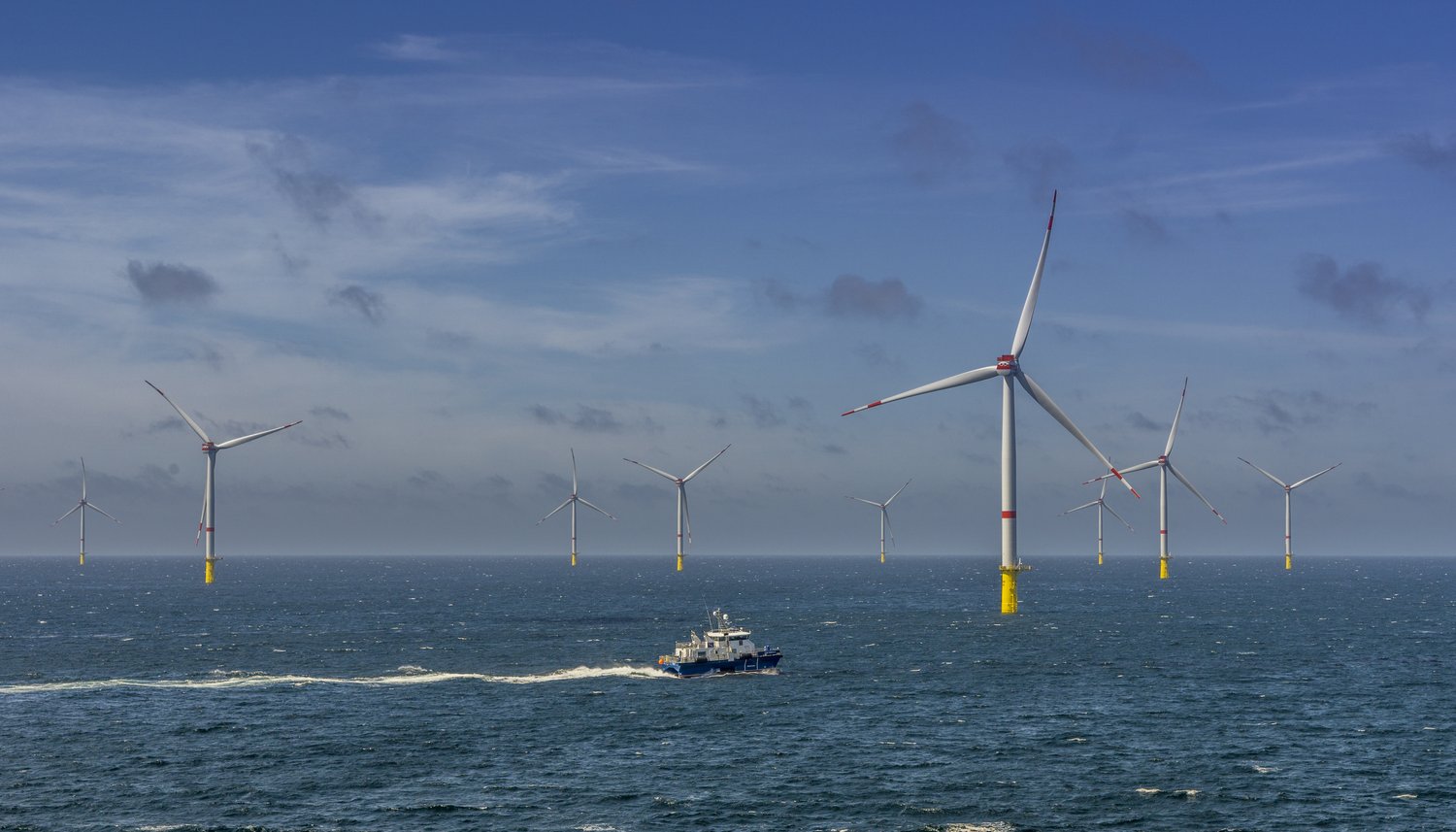
nnThe vision for the Star of the South is nothing short of transformative. Once fully operational, it has the potential to generate up to 2.2 gigawatts (GW) of clean electricity. To put that into perspective, this could power up to 1.2 million Victorian homes, supplying approximately 20% of Victoria’s current electricity needs. This isn’t just about adding more power; it’s about adding clean, renewable* power at a scale that can significantly impact the state’s energy mix and reduce carbon emissions. The sheer number of turbines envisioned – potentially up to 200, each a towering marvel of modern engineering – underscores the project’s massive scope.nnHere’s a quick overview of the Star of the South’s key facts:nn
| Project Aspect | Detail |
|---|---|
| Project Name | Star of the South Wind Farm |
| Location | Bass Strait, off Gippsland coast, Victoria, Australia |
| Distance from Shore | ~10-25 km |
| Project Area | ~586 km² |
| Estimated Turbine Capacity (per unit) | 15-20 MW each |
| Total Maximum Capacity | Up to 2.2 GW (2,200 MW) |
| Homes Powered | Up to 1.2 million Victorian homes |
| Contribution to Victoria’s Power | ~20% of current electricity needs |
| Project Status | Feasibility & Planning – Environmental Approvals Ongoing |
| Developer | Star of the South Wind Farm Pty Ltd (subsidiary of Copenhagen Infrastructure Partners) |
The Journey So Far: Project Status and Milestones
nnDeveloping a project of this magnitude is a marathon, not a sprint. It involves years of meticulous planning, extensive studies, and navigating complex regulatory frameworks.nn
Early Development and Feasibility
nnThe journey for Star of the South began with extensive feasibility studies. This initial phase involved evaluating everything from wind resources and ocean conditions to grid connection points and environmental sensitivities. Securing exploration licenses was a critical early step, allowing detailed investigations to proceed. This stage is all about proving the concept – demonstrating that the project is technically sound, environmentally responsible, and economically viable.nn
Environmental and Planning Approvals (EES)
nnPerhaps the most rigorous phase of any major infrastructure project, especially one in a sensitive marine environment, is the environmental and planning approvals process. For Star of the South, this includes a comprehensive Environmental Effects Statement (EES). This involves detailed assessments of potential impacts on marine life, bird migration, shipping, fishing industries, and local communities. Extensive public consultation and engagement with stakeholders – from indigenous groups to local residents and industry bodies – are integral to this process. It’s about ensuring transparency and addressing concerns proactively, shaping the project to minimize its footprint and maximize its benefits.nn
Key Partnerships and Collaborations
nnThe Star of the South is a truly collaborative effort. The project is being developed by Star of the South Wind Farm Pty Ltd, a subsidiary of the global leader in renewable energy infrastructure, Copenhagen Infrastructure Partners (CIP). But it’s not just about one developer. Success hinges on strong partnerships with government bodies (both state and federal), local councils, research institutions, and a vast network of engineering, environmental, and consulting firms. These collaborations are vital for everything from technical design to navigating regulatory pathways and ensuring local content and job creation.nn
Why Star of the South Matters: Impact and Benefits
nnThe significance of the Star of the South extends far beyond simply generating electricity. It’s a cornerstone for Australia’s energy future, offering profound economic, environmental, and technological advantages.nn
Driving Australia’s Clean Energy Transition
nnAustralia, like many nations, is grappling with the urgent need to decarbonize its energy sector. The Star of the South offers a powerful solution. By providing a substantial source of clean, reliable electricity, it will play a crucial role in reducing greenhouse gas emissions, helping Victoria and Australia meet their climate targets. Offshore wind offers a consistent generation profile that complements other renewables like solar, contributing to a more stable and resilient grid. It’s a key piece of the puzzle for moving away from fossil fuels and towards a truly sustainable energy system.nn
Economic Boost and Job Creation
nnThis project isn’t just about megawatts; it’s about jobs and economic prosperity. The development, construction, and ongoing operation of the Star of the South are expected to create thousands of jobs, both directly and indirectly. This includes roles in engineering, manufacturing, construction, logistics, and marine services. It will foster the development of new supply chains, stimulating local industries and providing significant opportunities for regional development in Gippsland and beyond. Think about all the steel, concrete, cables, vessels, and skilled labor required – it’s a massive economic engine.nn
Technological Advancements and Innovation
nnBeing Australia’s first offshore wind project means pushing technological boundaries and fostering innovation. From the design of massive offshore turbines capable of withstanding harsh marine environments to advanced subsea cabling and sophisticated grid integration techniques, the Star of the South will be a hub for cutting-edge technology. It will drive research and development, build local expertise, and ensure Australia remains at the forefront of renewable energy innovation.nn
Environmental Considerations and Community Engagement
nnWhile the primary environmental benefit is reduced carbon emissions, the project also faces careful scrutiny regarding its immediate ecological footprint. Extensive studies are conducted to understand and mitigate potential impacts on marine ecosystems, bird migration paths, and fishing grounds. The commitment to community engagement ensures that local concerns are heard and addressed, fostering a sense of shared ownership and responsibility. The goal is to develop a project that not only generates clean energy but also coexists harmoniously with its natural and human environment.nn
Deep Dive: Technical Specifications and Infrastructure
nnUnderstanding the sheer scale and complexity of the Star of the South requires a look at the technical marvels involved in its construction and operation.nn
Turbine Technology and Design
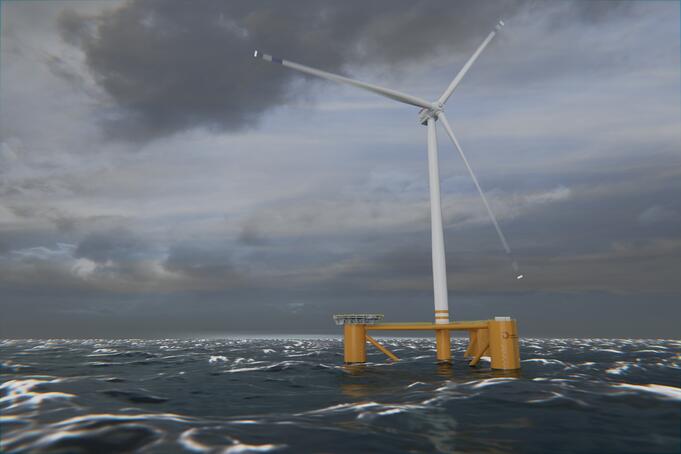
nnThe Star of the South will utilize the latest generation of offshore wind turbines. These are not your average onshore turbines; they are colossal structures, often standing taller than 200 meters from sea level to blade tip, with rotor diameters exceeding 150 meters. Each turbine will have an individual capacity in the range of 15-20 megawatts (MW), designed to capture the powerful and consistent winds of Bass Strait. Their robust engineering ensures they can withstand extreme weather conditions, saltwater corrosion, and the relentless forces of the ocean. Foundation types, whether fixed-bottom monopiles or jackets, will be selected based on specific seabed conditions and water depths.nn
Subsea Cables and Grid Connection
nnGetting the electricity from the offshore turbines to the homes and businesses on land is a critical and complex undertaking. The project involves a vast network of subsea export cables, which will transmit the high-voltage alternating current (HVAC) or direct current (HVDC) power to shore. These cables will be buried beneath the seabed to protect them and minimize environmental impact. Once onshore, the power will connect to the existing electricity transmission network via new or upgraded substations, ensuring seamless integration into Victoria’s grid. This onshore infrastructure, including transmission lines and substations, is a vital component of the overall project.nn
Operational Aspects and Maintenance
nnOperating and maintaining an offshore wind farm presents unique challenges. Specialized vessels and highly trained technicians will be required for routine inspections, maintenance, and any necessary repairs. This includes everything from servicing turbine components at height in challenging marine conditions to managing subsea cable integrity. Advanced monitoring systems will continuously track turbine performance and weather conditions, allowing for proactive maintenance and ensuring optimal energy generation. The logistical complexity of maintaining a fleet of up to 200 turbines far out at sea highlights the expertise required for such an endeavor.nn
The Road Ahead: Challenges and Future Outlook
nnWhile the Star of the South represents incredible promise, its path to full operation involves navigating a series of significant challenges, much like any pioneering project.nn
Navigating Regulatory Hurdles
nnAs Australia’s first offshore wind farm, the project has been instrumental in shaping the country’s regulatory framework for this nascent industry. Establishing clear guidelines for permitting, environmental assessments, marine spatial planning, and grid connection has been a complex undertaking. The project’s progress has directly contributed to the development of Australia’s specific offshore electricity infrastructure legislation. Overcoming these regulatory hurdles efficiently is key to unlocking the full potential of offshore wind in the region.nn
Investment and Funding Mechanisms
nnProjects of this scale require multi-billion dollar investments. Securing sufficient funding from international and domestic investors is an ongoing process. This often involves a mix of equity investment, debt financing, and potentially government support mechanisms or power purchase agreements (PPAs) that provide long-term revenue certainty. Demonstrating a clear return on investment and managing financial risks are paramount to attracting the necessary capital.nn
Long-Term Vision for Australian Offshore Wind
nnThe Star of the South is more than just a standalone project; it’s a catalyst. Its successful development and operation will provide invaluable lessons and build critical capacity for Australia’s emerging offshore wind industry. It sets a precedent, demonstrates feasibility, and stimulates interest in other potential offshore wind zones around the Australian coast. The long-term vision sees Star of the South as the first of many such projects, fundamentally transforming Australia’s energy mix and establishing it as a significant player in the global renewable energy landscape.nnIn essence, the Star of the South Wind Farm is not just building turbines; it’s building a future. It’s a testament to human ingenuity and our collective commitment to a cleaner, more sustainable world. Keep an eye on this project – its success will undoubtedly resonate far beyond the Bass Strait.