The Unseen Connection: What Wind Turbine Blades Are Truly Attached To (And Why It Matters)
Ever gazed at a colossal wind turbine, its massive blades gracefully sweeping through the sky, and wondered: “What exactly are those colossal blades connected to?” You’re not alone. It’s a fundamental question that unravels the ingenious engineering behind wind energy.
Table of Contents
- The Unseen Connection: What Wind Turbine Blades Are Truly Attached To (And Why It Matters)
- The Initial Connection: The Rotor Hub
- More Than Just an Attachment Point
- Pitch Control Mechanism: The Blades’ Brains
- Inside the Nacelle: The Power Train Unveiled
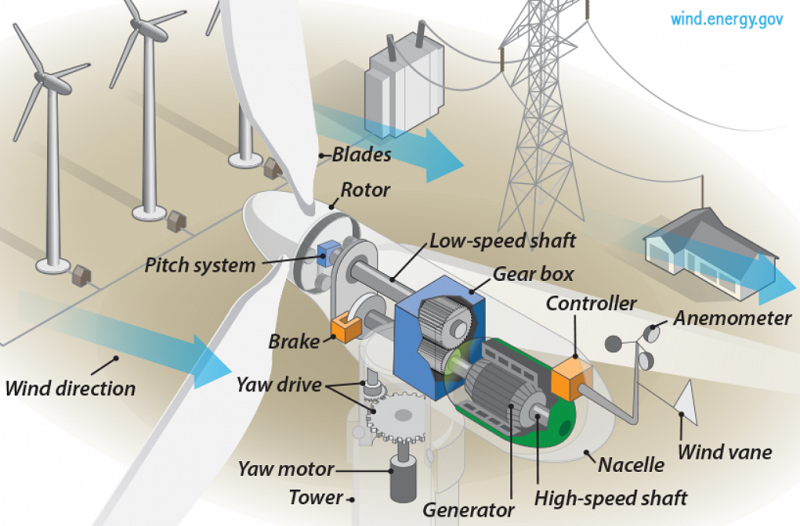
- The Low-Speed Shaft: The First Link in the Chain
- The Gearbox (For Geared Systems): Speeding Things Up
- The High-Speed Shaft: Delivering the Spin
- The Generator: The Heart of Electricity Production
- The Controller: The Brain of the Operation
- The Brake: Safety First
- Geared vs. Direct-Drive Turbines: How the Connection Differs
- Geared Turbines: The Traditional Path
- Direct-Drive Turbines: A Simpler Connection?
- Why This Connection Design Matters for Energy Production
- Efficiency: Maximizing Power Capture
- Reliability & Durability: Engineering for Extreme Conditions
- Maintenance Considerations: How Accessibility and Design Impact Upkeep
- Beyond the Connection: Other Key Components You Should Know
- The Tower: The Foundation for Height
- Anemometer & Wind Vane: The Eyes and Ears
- Yaw Drive & Motor: Facing the Wind
- The Future of Wind Turbine Connections
- Conclusion: A Symphony of Engineering
Let’s cut right to it: The blades in a wind turbine are directly connected to the rotor hub. Think of it as the central nervous system for the blades. This hub, along with the blades, forms the rotor. But that’s just the beginning of the story. From the rotor hub, a meticulously engineered chain of components inside the nacelle — that enormous box sitting atop the tower — translates the wind’s raw kinetic energy into the clean electricity that powers our lives.
Understanding this connection isn’t just a technical detail; it’s key to appreciating how these towering structures efficiently capture the wind and transform it into a usable power source. It’s a symphony of mechanical components working in harmony, each playing a crucial role in the journey from breeze to kilowatt.
The Initial Connection: The Rotor Hub
The first point of contact for the wind’s power is the rotor hub. This robust, often cast-iron or steel component is where all the blades converge and are securely fastened. It’s not just a fancy attachment point; it’s a critical gateway.
More Than Just an Attachment Point
The rotor hub serves several vital functions:
- Blade Integration: It firmly holds the typically three (but sometimes two or more) blades in place, ensuring they can withstand immense forces from the wind.
- Energy Collection: As the wind pushes the blades, the hub collects all that rotational energy, acting as a single unit to transfer it further down the power train.
- Structural Integrity: It’s engineered to bear the significant weight of the blades and the dynamic stresses of their rotation, transferring these loads efficiently to the rest of the turbine structure.
Pitch Control Mechanism: The Blades’ Brains
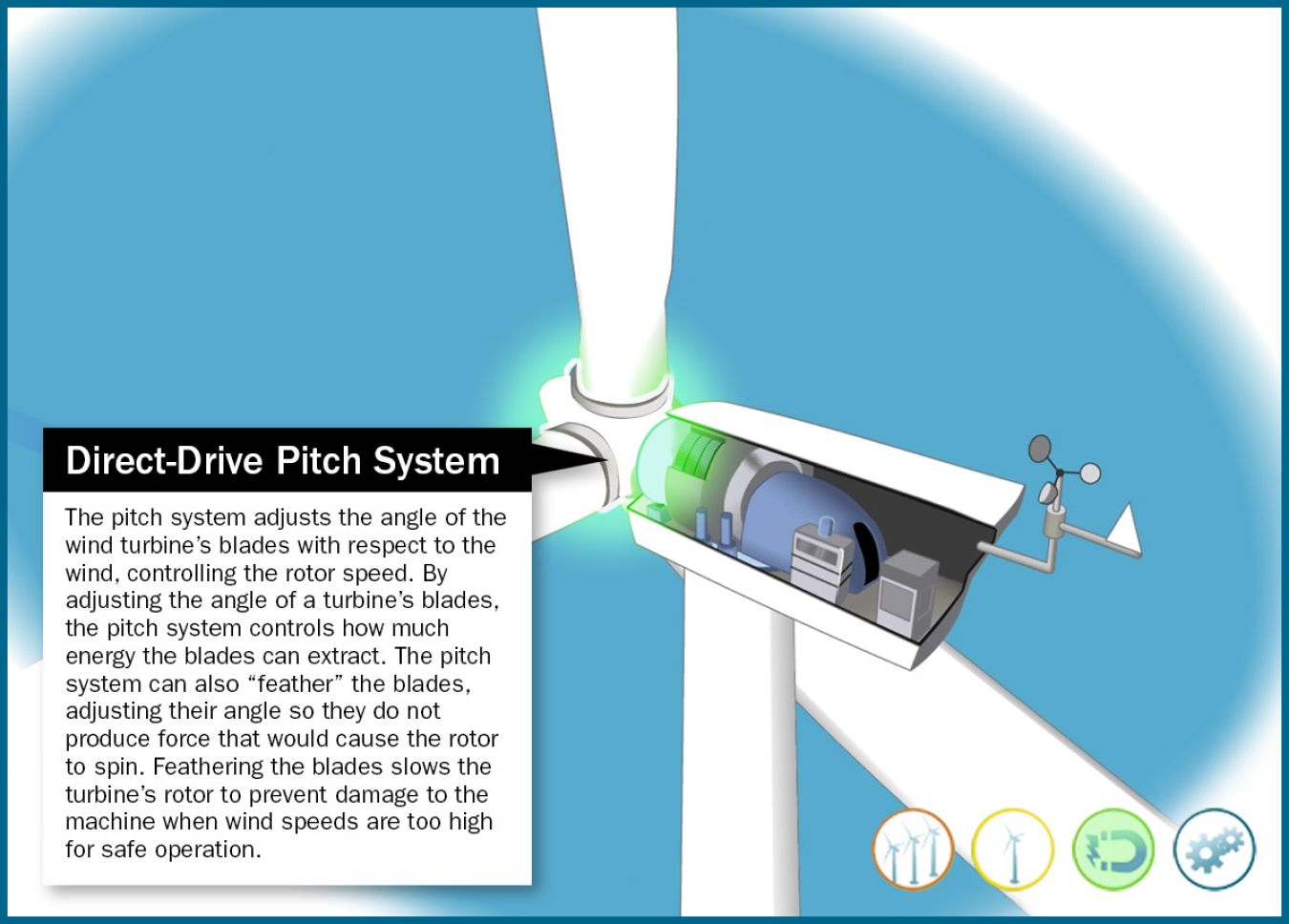
One of the most fascinating aspects of the rotor hub is its role in pitch control. Inside or directly behind the hub, there are mechanisms that allow each blade to rotate along its own longitudinal axis. This ‘pitching’ ability is incredibly important:
- It optimizes energy capture by adjusting the blade angle to the wind speed.
- It protects the turbine from damage during high winds by ‘feathering’ the blades, reducing their surface area exposed to the wind.
- It’s used to stop the turbine for maintenance or in emergencies.
Inside the Nacelle: The Power Train Unveiled
Once the rotor hub begins to spin, its rotational energy is directed into the nacelle. This streamlined housing is essentially the engine room of the wind turbine, packed with an array of complex machinery. It’s where the magic truly happens, converting slow, powerful rotation into high-speed motion for electricity generation.
The Low-Speed Shaft: The First Link in the Chain
Directly connected to the back of the rotor hub is the low-speed shaft. As its name suggests, this shaft rotates at the same relatively slow speed as the blades – typically between 7 to 12 revolutions per minute (RPM). It’s a massive, sturdy shaft designed to handle the enormous torque generated by the spinning blades.
The Gearbox (For Geared Systems): Speeding Things Up
For most conventional wind turbines (known as geared systems), the low-speed shaft feeds its rotation into a crucial component: the gearbox. Why a gearbox? Because the generator needs to spin much, much faster to efficiently produce electricity – often at 1,000 to 1,800 RPM. The gearbox acts as a mechanical accelerator, taking the slow, high-torque input from the low-speed shaft and transforming it into a high-speed, lower-torque output for the generator.
| Feature | Geared Turbines | Direct-Drive Turbines |
|---|---|---|
| Blade Connection | Rotor hub connects to low-speed shaft, then to gearbox. | Rotor hub connects directly to a large, multi-pole generator. |
| Presence of Gearbox | Yes, central to the power train. | No gearbox. |
| Generator Size | Smaller, high-speed generator. | Larger, slower-speed, multi-pole generator. |
| Complexity | Higher mechanical complexity due to gearbox. | Electrically more complex, mechanically simpler. |
| Maintenance | Gearbox is a high-wear component, often requires significant maintenance. | Potentially lower mechanical maintenance due to fewer moving parts. |
| Weight (Nacelle) | Generally lighter nacelle. | Generally heavier nacelle due to large generator. |
The High-Speed Shaft: Delivering the Spin
Exiting the gearbox is the high-speed shaft. This shaft spins rapidly and is directly coupled to the generator. It’s the final mechanical link, delivering the optimized rotational speed required for efficient electricity generation.
The Generator: The Heart of Electricity Production
This is where mechanical energy finally becomes electrical energy. The generator, much like those in conventional power plants, uses principles of electromagnetic induction. As the high-speed shaft spins a rotor (containing magnets) within a stator (containing copper coils), it creates a fluctuating magnetic field that induces an electric current in the coils. Voila! Electricity.
The Controller: The Brain of the Operation
Hidden in the nacelle (or sometimes at the base of the tower) is the controller. This sophisticated computer system constantly monitors the turbine’s operational parameters – wind speed, wind direction, shaft RPM, temperature, power output, and more. It makes real-time adjustments to blade pitch, yaw direction, and other systems to ensure optimal performance, efficiency, and safety.
The Brake: Safety First
Every turbine is equipped with a powerful brake. This isn’t just for emergencies; it’s also used to slow or stop the rotor during very high winds to prevent damage or during maintenance. It typically works by applying mechanical force to the high-speed shaft.
Geared vs. Direct-Drive Turbines: How the Connection Differs
While the overall goal is the same, there are two primary architectures for connecting the blades to the generator, each with distinct advantages and disadvantages:
Geared Turbines: The Traditional Path
As we’ve discussed, geared turbines utilize a gearbox to step up the rotational speed from the low-speed shaft to the high-speed shaft. This design has been the industry standard for decades because it allows for a smaller, more conventional generator.
- Pros: Proven technology, lighter nacelle weight (due to smaller generator), allows for standard generator designs.
- Cons: The gearbox is a complex, high-wear component, requiring significant maintenance and being a common point of failure. It also introduces energy losses due to friction and heat.
Direct-Drive Turbines: A Simpler Connection?
In a direct-drive turbine, the gearbox is eliminated entirely. The low-speed shaft from the rotor hub connects directly to a specially designed, large, multi-pole generator. This generator is capable of producing electricity efficiently at the much slower RPM of the turbine blades.
- Pros: Fewer moving parts (no gearbox), leading to potentially higher reliability and lower mechanical maintenance. Higher efficiency due to the elimination of gearbox losses. Quieter operation.
- Cons: The generator itself is much larger, heavier, and more complex (electrically) than its geared counterpart, leading to a heavier nacelle which requires a stronger tower and foundation. Higher upfront manufacturing cost.
The choice between geared and direct-drive often depends on factors like turbine size, location (onshore vs. offshore), manufacturing costs, and long-term maintenance strategies. Both systems ultimately achieve the same goal: converting wind power into grid-ready electricity, but their internal connection pathways differ significantly at the heart of the nacelle.

Why This Connection Design Matters for Energy Production
The intricate design of how wind turbine blades connect to the power generation system isn’t arbitrary. Every component and every connection point is engineered with specific goals in mind, crucial for the turbine’s overall effectiveness and longevity.
Efficiency: Maximizing Power Capture
The entire connection chain is designed to maximize the conversion of wind energy into electricity. This involves:
- Aerodynamic Blades: The blades themselves are meticulously shaped to capture as much energy as possible from the wind.
- Optimal Gearing (or Direct Drive): Matching the rotor’s speed to the generator’s ideal operating speed (or designing the generator to match the rotor’s speed) is critical for efficient energy conversion. Any mismatch leads to wasted energy.
- Low Friction: Components are designed to minimize frictional losses, ensuring more kinetic energy makes it to the generator.
Reliability & Durability: Engineering for Extreme Conditions
Wind turbines operate in harsh environments, enduring high winds, extreme temperatures, and constant rotational stress. The connections must be:
- Robust: Capable of withstanding tremendous forces and fatigue over decades.
- Precisely Aligned: Misalignment can lead to premature wear and catastrophic failure.
- Materially Advanced: Utilizing strong, lightweight, and corrosion-resistant materials throughout the structure.
Maintenance Considerations: How Accessibility and Design Impact Upkeep
The design of the blade connections and internal nacelle components also has a direct impact on maintenance. While reliability is paramount, components will eventually need servicing or replacement. A well-designed connection system considers:
- Modular Design: Allowing easier replacement of individual components.
- Accessibility: Ensuring technicians can reach and work on parts within the nacelle.
- Monitoring: Sensors embedded throughout the system continuously monitor performance and health, allowing for predictive maintenance.
Beyond the Connection: Other Key Components You Should Know
While the blade-to-generator connection is the heart of electricity generation, other components are essential for the turbine’s overall operation.
The Tower: The Foundation for Height
The immense tower lifts the nacelle and rotor high above the ground, where winds are stronger and less turbulent. Made of steel sections, it’s designed to withstand the immense forces exerted by the wind and the rotating machinery.
Anemometer & Wind Vane: The Eyes and Ears
On top of the nacelle, you’ll often see an anemometer (measures wind speed) and a wind vane (measures wind direction). These instruments feed crucial data to the controller, enabling it to optimize turbine operation and ensure safety.
Yaw Drive & Motor: Facing the Wind
To ensure the blades are always facing directly into the wind for maximum energy capture, the entire nacelle can rotate horizontally. This movement is controlled by the yaw drive and yaw motor, which receive commands from the controller based on wind vane data.
The Future of Wind Turbine Connections
The wind energy industry is continuously innovating, and the connections within wind turbines are no exception:
- Larger Turbines: As turbines grow in size (especially offshore), the demands on structural integrity and component connections increase exponentially, pushing the boundaries of material science and engineering.
- Modular Designs: Future designs aim for even greater modularity, making it easier and faster to replace large components, reducing downtime and maintenance costs.
- Smart Sensors: Advanced sensor networks and AI-driven analytics will provide even deeper insights into component health, allowing for hyper-predictive maintenance and optimized operational strategies.
- New Materials: Research into lighter, stronger composites for blades and improved alloys for shafts and gears continues, promising more efficient and durable connections.
Conclusion: A Symphony of Engineering
So, the next time you see a wind turbine gracefully turning in the breeze, you’ll know that its blades are not just idly spinning. They are meticulously connected to a powerful rotor hub, which in turn engages a sophisticated mechanical chain within the nacelle – a chain that includes shafts, potentially a gearbox, and ultimately a generator. This entire system works in concert to convert the invisible power of the wind into the tangible electricity that flows into our homes and businesses.
It’s a testament to human ingenuity, marrying elegant design with robust engineering to harness one of nature’s most abundant resources. From the tip of a blade to the grid, every connection is vital, making wind energy a cornerstone of our sustainable future.
Frequently Asked Questions
What is the very first component wind turbine blades connect to?
The blades in a wind turbine are directly connected to the rotor hub. The rotor hub is a central, robust component that secures all the blades and gathers their rotational energy as a single unit.
What is the nacelle and what role does it play in the blade’s connection path?
The nacelle is the large enclosure atop the wind turbine tower. It houses the critical components that convert the blades’ rotational energy into electricity, including the low-speed shaft, gearbox (in most turbines), high-speed shaft, generator, controller, and brake. The rotor hub connects to the low-speed shaft inside the nacelle.
Do all wind turbines have a gearbox connected to the blades?
No, not all wind turbines have a gearbox. While most conventional (geared) turbines use a gearbox to increase the rotational speed from the blades to the generator, direct-drive turbines eliminate the gearbox. In these systems, the rotor hub connects directly to a larger, multi-pole generator that can operate efficiently at the slower speeds of the blades.
How does the rotation from the blades ultimately generate electricity?
The blades’ rotation is transferred through the rotor hub to a shaft (either low-speed directly or via a gearbox to a high-speed shaft). This shaft then spins the rotor of a generator. Inside the generator, this mechanical rotation creates a fluctuating magnetic field, which in turn induces an electric current in stationary copper coils, producing electricity through electromagnetic induction.
What is ‘pitch control’ and how does it relate to the blade connection?
Pitch control is the ability to adjust the angle of the wind turbine blades relative to the wind. This mechanism is located within or directly behind the rotor hub. It’s crucial for optimizing energy capture at different wind speeds, protecting the turbine in high winds, and stopping the rotor for maintenance or safety.
Why is the precise engineering of these connections so important?
The precise engineering of wind turbine connections is critical for efficiency, reliability, and durability. It ensures maximum power capture from the wind, withstands immense forces over decades of operation, minimizes energy losses, and facilitates crucial maintenance, all contributing to the turbine’s overall effectiveness and economic viability.