Vertical Axis Wind Turbines for Your RV: Are They Worth the Spin?
Ah, the open road! RV living promises freedom, adventure, and the ability to chase the horizon. But there’s always a catch, isn’t there? For many of us, it’s the constant tug of the power cord, the hum of a generator, or the anxious glance at our battery monitor. You’re seeking true off-grid independence, and you’ve heard whispers about wind power – specifically, Vertical Axis Wind Turbines (VAWTs). They look futuristic, promise silent power, and claim to work in any wind direction. But are they truly the missing piece for your RV’s energy puzzle?
Table of Contents
- Vertical Axis Wind Turbines for Your RV: Are They Worth the Spin?
- Unpacking the “Why”: What is a Vertical Axis Wind Turbine (VAWT)?
- How VAWTs Generate Power (The Basics)
- Key Characteristics of VAWTs
- VAWTs vs. RVs: A Match Made in the Wind (or Not)?
- The Allure: Why RV Owners Consider VAWTs
- The Reality Check: Common Challenges & Drawbacks for RV Use
- VAWTs vs. HAWTs for RVs: A Head-to-Head Comparison
- VAWTs vs. Solar Panels for RV Power: The Renewable Rumble
- What to Look For: Key Considerations When Choosing a VAWT for Your RV
- Power Output (Watts)
- Rated Wind Speed & Cut-In Speed
- Size and Weight
- Mounting Options
- Noise Levels
- Durability & Weather Resistance
- Charge Controller Compatibility
- Cost & ROI
- Installation & Integration: Making a VAWT Work for Your RV
- Site Selection on Your RV
- Mounting Solutions (Fixed vs. Portable)
- Wiring to Your RV’s Battery Bank
- Safety First!
- Real-World Expectations: What Can You Truly Get From an RV VAWT?
- The Verdict: Is a VAWT Right for Your RV?
Let’s be honest, the internet is flooded with product listings and vague promises. What you need is a straight-talk guide to cut through the hype and help you decide if a VAWT is a practical, effective solution for your rig. I’ve dug deep into how these systems work, their real-world performance for RVers, and how they stack up against solar and traditional wind turbines. Stick with me; we’re about to uncover the truth.
Unpacking the “Why”: What is a Vertical Axis Wind Turbine (VAWT)?
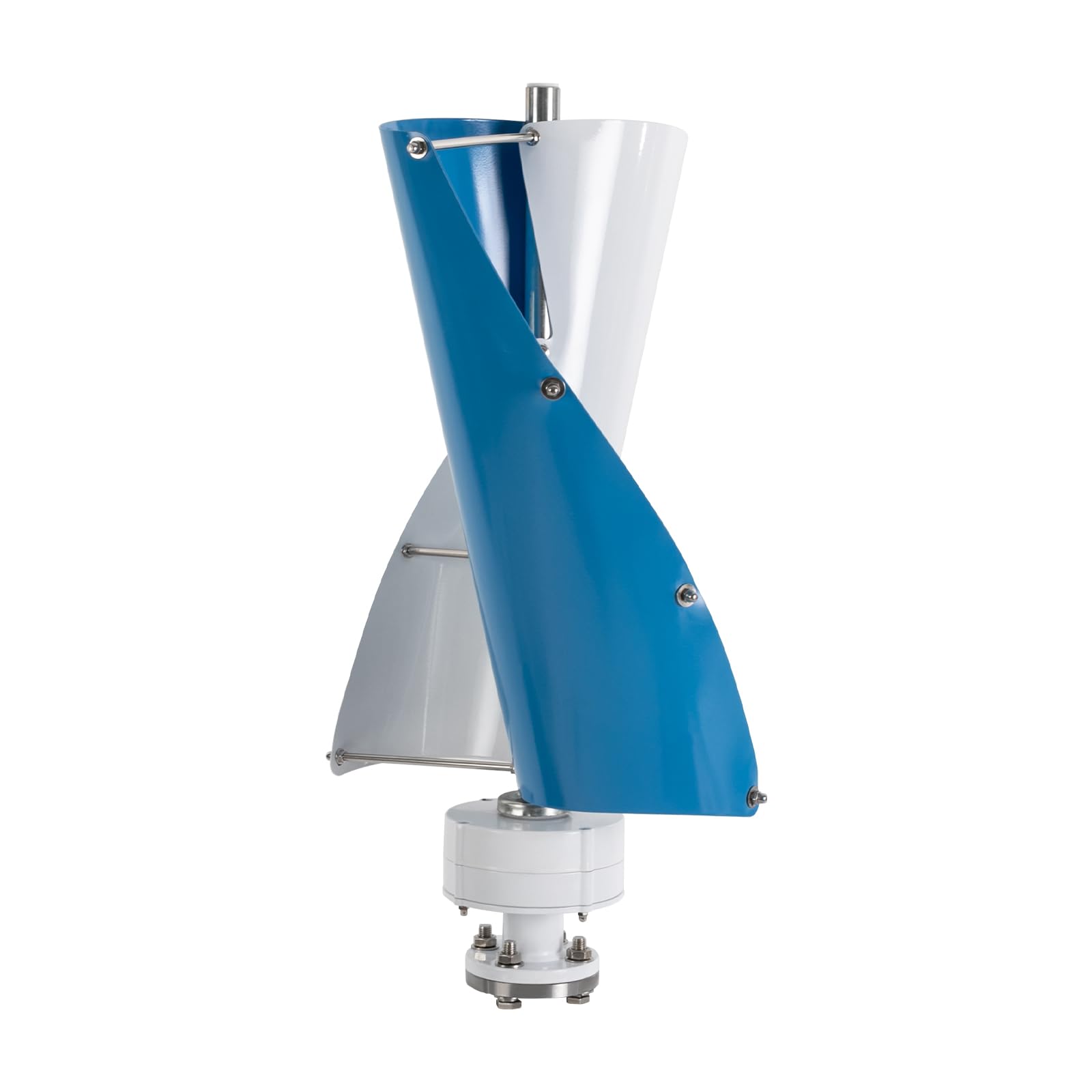
Before we jump into RV specifics, let’s quickly demystify the VAWT. Unlike the familiar “pinwheel” design of Horizontal Axis Wind Turbines (HAWTs), VAWTs have blades that rotate around a vertical shaft. Think of them like an egg beater or a Savonius rotor – compact, often visually distinctive, and designed to operate differently.
How VAWTs Generate Power (The Basics)
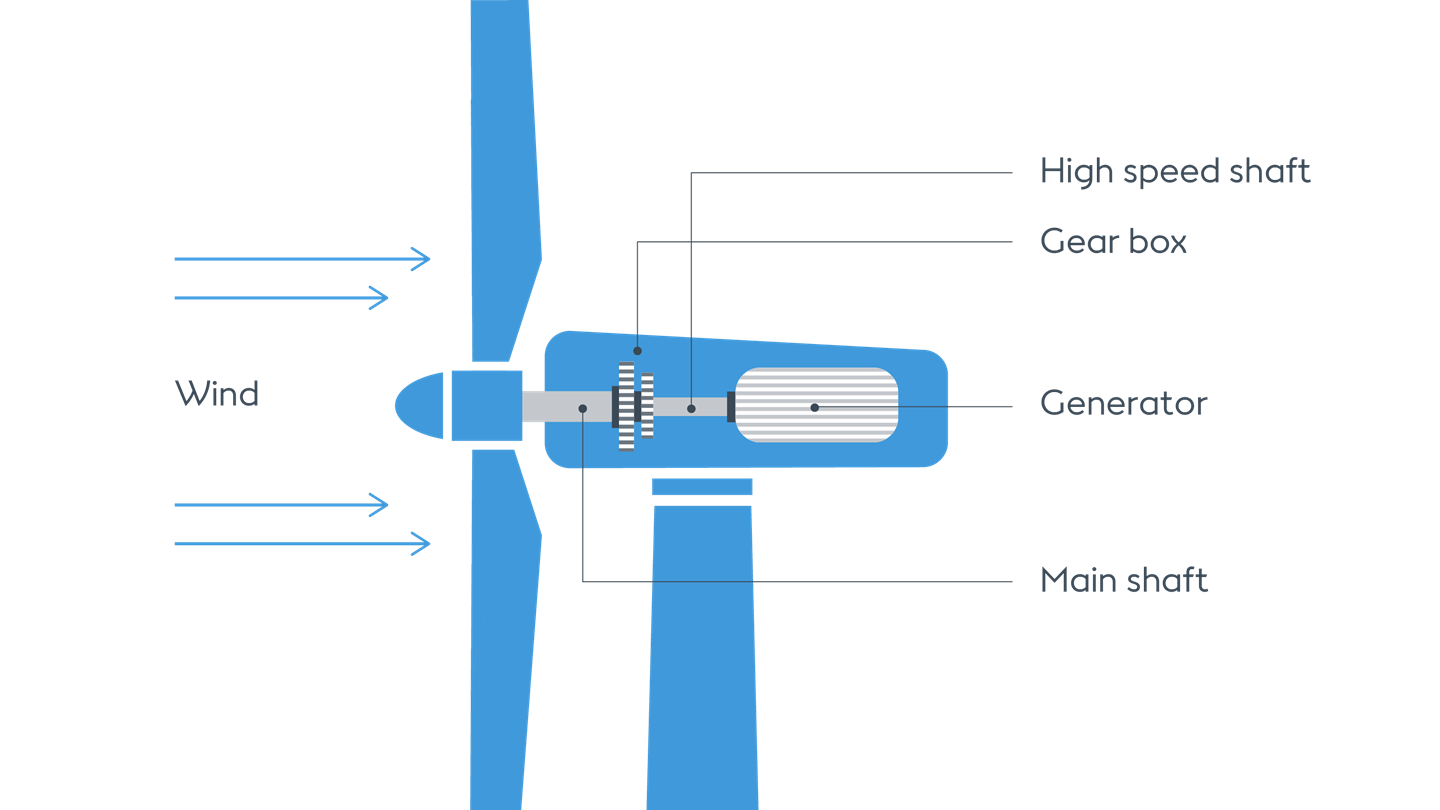
When wind hits the blades of a VAWT, it creates a differential pressure, causing the central shaft to rotate. This rotational energy is then transferred to a generator, which converts mechanical energy into electricity. This electricity is typically fed through a charge controller to your RV’s battery bank, providing a continuous trickle or burst of power, depending on wind conditions.
Key Characteristics of VAWTs
- Omni-Directional: This is their biggest selling point for many. VAWTs don’t need to yaw or orient themselves into the wind. They catch wind from any direction, which theoretically makes them simpler to operate and less reliant on complex tracking mechanisms.
- Generally Quieter: Compared to some HAWTs, VAWTs often operate with less audible noise, which is a major plus when you’re camped close to others or trying to enjoy the tranquility of nature.
- Lower Vibration (Generally): Their vertical design can sometimes lead to smoother operation and less vibration transmitted to the mounting structure, though this varies greatly by model and installation quality.
- Compact Footprint: Many VAWT designs are more vertically oriented, potentially occupying less horizontal space than a HAWT with a similar power rating, which can be crucial on an RV roof or campsite.
VAWTs vs. RVs: A Match Made in the Wind (or Not)?
Alright, let’s get to the crux of it. The theory behind VAWTs sounds promising for RV life, but how does it hold up in practice? Is it a game-changer for off-grid power, or just another gadget?
The Allure: Why RV Owners Consider VAWTs
RV owners, like you, are often drawn to VAWTs for several compelling reasons:
- Space Efficiency (Potentially): A vertical design might seem to fit better on a crowded RV roof than a long-bladed HAWT.
- Omni-Directional Wind Capture: This is HUGE. You don’t have to constantly adjust the turbine as the wind shifts, which is a big deal when parked for extended periods or dealing with turbulent campsite winds.
- Lower Noise (Claimed): No one wants a noisy turbine disrupting their peace or annoying campground neighbors. VAWTs are often marketed as quieter, a definite perk.
- Aesthetic Appeal: Let’s be honest, some VAWT designs look pretty cool and modern, fitting the sleek lines of many RVs better than a traditional windmill.
The Reality Check: Common Challenges & Drawbacks for RV Use
Now for the dose of reality. While VAWTs have their advantages, they come with significant hurdles when adapted for RVs:
- Lower Efficiency Than HAWTs: Generally, VAWTs are less efficient at converting wind energy into electricity than a well-designed HAWT of comparable size. This means you might need a larger VAWT to get the same output.
- Installation Complexity & Stability: Mounting a VAWT securely on an RV can be a nightmare. RV roofs aren’t typically designed for the dynamic loads of a spinning turbine. Vibration can be an issue, and you need a robust, reinforced mast that can withstand highway speeds and strong gusts.
- Wind Speed Requirements: While they catch wind from any direction, many VAWTs require higher cut-in speeds (the wind speed at which they start generating power) to be effective. If you’re often in low-wind areas, it might just sit there.
- Size and Weight (The Elephant in the RV): Even compact VAWTs can be surprisingly heavy and bulky. Think about transporting it, deploying it, and storing it when not in use or when driving. Permanently roof-mounting a large VAWT significantly adds to your RV’s height, weight, and wind resistance while driving.
- Cost vs. Output: For the power they deliver, VAWTs can be quite expensive. When you factor in the turbine, charge controller, mounting hardware, and installation, the watt-per-dollar ratio might not be as favorable as other options.
- Safety Concerns: Spinning blades, even vertical ones, can be a hazard. Clearances for awnings, solar panels, and even curious onlookers are crucial. What about maintenance at height?
- Interference with Other Systems: A VAWT can cast shadows on solar panels, reducing their efficiency. It can also interfere with TV antennas, satellite dishes, or even air conditioners.
VAWTs vs. HAWTs for RVs: A Head-to-Head Comparison
When considering wind power for your RV, VAWTs aren’t your only option. Horizontal Axis Wind Turbines (HAWTs) are the more traditional choice. Here’s a quick comparison to help you weigh your options:
| Feature | Vertical Axis Wind Turbine (VAWT) | Horizontal Axis Wind Turbine (HAWT) |
|---|---|---|
| Wind Direction | Omni-directional (no yawing needed) | Requires yawing mechanism to face wind |
| Efficiency | Generally lower for a given size/cost | Generally higher efficiency |
| Noise Level | Often quieter than HAWTs | Can be louder, especially larger models |
| Vibration | Potentially less transmitted vibration | Can have noticeable vibration |
| Mounting for RV | Can be bulky, top-heavy; roof mounting challenging | Requires stable, often tall mast; long blades need clearance |
| Blade Safety | Blades generally enclosed or closer to axis; less tip speed hazard | Fast-spinning blade tips can be dangerous; wider swing radius |
| Visual Impact | Often perceived as modern/sleek | Traditional “windmill” look |
VAWTs vs. Solar Panels for RV Power: The Renewable Rumble
It’s not really a question of which is “better” for RVs, but rather how they complement each other. Most RVers considering renewable energy start with solar. So, how does a VAWT fit into the picture, or does it replace solar entirely? Here’s a look:
| Feature | Vertical Axis Wind Turbine (VAWT) | Solar Panels |
|---|---|---|
| Generation Time | Day or night, whenever wind blows | Daylight hours only (sun exposure needed) |
| Weather Dependency | Requires consistent wind; less effective in calm conditions | Requires sunshine; less effective on cloudy days or in shade |
| Portability/Deployment | Can be challenging due to size/weight for temporary setups; permanent roof mount adds drag/height | Fixed roof mounts are common; portable ground arrays are easy to set up/stow |
| Maintenance | Moving parts require inspection, lubrication | Minimal maintenance (cleaning, checking connections) |
| Cost-Effectiveness | Higher cost per Watt generated, especially for RV use | Excellent cost per Watt, especially with falling panel prices |
| Space Requirement | Vertical height needed; potential interference with roof-mounted items | Flat roof space needed; less concern for vertical clearance once installed |
My take? For RVs, solar panels generally offer a more reliable and cost-effective primary source of renewable energy. They’re simpler to install, have virtually no moving parts, and are less obtrusive. However, a VAWT can be an excellent complementary power source, particularly for boondockers who frequently find themselves in windy areas, or during seasons with less sunshine (think cloudy winter days).
What to Look For: Key Considerations When Choosing a VAWT for Your RV
If you’re still keen on exploring a VAWT for your RV, here’s what you absolutely need to scrutinize before making a purchase:
Power Output (Watts)
Don’t be swayed by huge numbers like “10,000W VAWT” unless it’s explicitly for marine or industrial use. For RVs, you’re typically looking at models in the 100W to 600W range. Be realistic about your RV’s energy needs. A 100W VAWT might barely keep your fridge running, while a 400W model could help top off batteries for lights and electronics.
Rated Wind Speed & Cut-In Speed
This is critical. The rated power output (e.g., 400W) is usually achieved at a specific, often high, wind speed (e.g., 28 mph). More importantly, check the cut-in speed – the minimum wind speed required for the turbine to start generating *any* power. If it’s too high (e.g., 8-10 mph), it might sit idle in many common RV camping spots. Look for models with lower cut-in speeds (e.g., 5-7 mph) for practical RV use.
Size and Weight
Measure, measure, measure! Consider both the height and the diameter of the turbine. Will it fit on your roof without interfering with other equipment? Can you store it if it’s portable? How much weight will it add to your roof or cargo bay? Remember, RVs have weight limits and clearance restrictions.
Mounting Options
This is where many RV VAWT dreams die. You’ll generally find two categories:
- Roof-Mounted: Requires significant structural reinforcement of your RV’s roof. Adds height and weight, impacts aerodynamics, and often necessitates professional installation.
- Pole-Mounted/Portable Stand: More common for RVers. These are deployed when parked, often using a telescoping mast and guy wires. Easier to set up and take down, but still requires effort and storage space.
Noise Levels
While VAWTs are generally quieter, some models can still produce an annoying hum or whir, especially at higher wind speeds. Read reviews carefully for real-world user experiences regarding noise. Your neighbors (and your sanity) will thank you.
Durability & Weather Resistance
Your RV is exposed to all sorts of weather – sun, rain, snow, salt spray. The VAWT you choose must be built to withstand these conditions. Look for marine-grade components, corrosion-resistant materials, and robust construction.

Charge Controller Compatibility
Most VAWTs come with their own dedicated charge controller. Ensure this controller is compatible with your RV’s existing electrical system (e.g., 12V or 24V) and battery type (lead-acid, lithium, etc.). Ideally, it should integrate seamlessly with your existing solar charge controller if you’re running a hybrid system.
Cost & ROI
VAWTs are an investment. Calculate the total cost, including the turbine, controller, wiring, mounting hardware, and any professional installation. Then, consider how much power it will actually provide and how long it will take to recoup that investment compared to other charging methods.
Installation & Integration: Making a VAWT Work for Your RV
Installing a VAWT on an RV is not a casual DIY project. It requires careful planning and often professional help.
Site Selection on Your RV
Whether roof-mounted or ground-deployed, placement is paramount:
- Clearance: Ensure the turbine has ample clearance from awnings, antennas, satellite dishes, other roof equipment, and most importantly, people.
- Wind Exposure: Position it where it will get the most unobstructed wind flow. Away from tall trees, buildings, or even your own RV’s bulky features.
- Stability: The mounting point must be incredibly stable to handle not just the turbine’s weight, but also the dynamic forces of wind and potential vibration.
Mounting Solutions (Fixed vs. Portable)
- Fixed Roof Mount: This is the most complex. It requires reinforcing the RV’s roof structure, creating a waterproof seal, and ensuring the mast can withstand highway speeds. Vibration dampening is crucial to prevent damage to the RV.
- Portable Pole Mount: Typically involves a telescoping mast that attaches to the RV’s ladder, bumper, or a ground stake. Often uses guy wires for stability. This is generally more feasible for the average RVer but requires setup and takedown time.
Wiring to Your RV’s Battery Bank
This usually involves:
- Charge Controller: The VAWT will connect to its dedicated charge controller, which regulates the power and prevents overcharging your batteries.
- Fuses & Disconnects: Install appropriate fuses and a disconnect switch between the charge controller and your battery bank for safety and maintenance.
- Battery Bank: The charge controller outputs regulated DC power to your RV’s 12V (or 24V) battery bank.
If you have an existing solar system, you’ll need to ensure your wind charge controller can coexist or integrate with it. Some advanced systems allow for hybrid charge controllers that manage both solar and wind inputs.
Safety First!
I can’t stress this enough. A spinning turbine, especially at height, presents risks:
- Clearance: Keep all objects and people well clear of the turbine’s blades.
- Secure Mounting: A turbine coming loose, whether on the roof or a pole, is incredibly dangerous. Double-check all fasteners, guy wires, and mounts regularly.
- Maintenance: Follow the manufacturer’s guidelines for routine inspection and maintenance.
- Disconnect: Always disconnect the turbine from your batteries before performing any maintenance or when driving, especially for portable setups.
Real-World Expectations: What Can You Truly Get From an RV VAWT?
Let’s manage expectations. A small VAWT (100-600W) on an RV is unlikely to power your air conditioner, microwave, or other high-draw appliances for extended periods. Its primary role is typically:
- Battery Trickle Charger: Providing a slow, steady charge to keep your batteries topped off, especially overnight or on cloudy days when solar isn’t active.
- Supplementary Power: Working in conjunction with solar panels to create a more robust hybrid system. This can be fantastic for boondocking in consistently windy locations.
- “Micro” Power: Powering small electronics, lights, and maintaining charge on essential 12V systems.
Don’t expect it to be a magic bullet for all your power needs. Its effectiveness will be directly proportional to the wind resources at your chosen camping spots.

The Verdict: Is a VAWT Right for Your RV?
After all this, the answer isn’t a simple yes or no. A Vertical Axis Wind Turbine for your RV can be a valuable asset, but it’s not for everyone. It’s best suited for a specific kind of RVer:
- Dedicated Boondockers: If you spend significant time off-grid in consistently windy locations.
- Hybrid System Enthusiasts: Those looking to complement their existing solar setup for a more reliable, all-weather power solution.
- Early Adopters/DIYers: Individuals with the technical know-how and willingness to tackle complex installation and integration challenges.
- RVers with Specific Needs: Perhaps you frequently camp in shaded areas where solar is less effective, but wind is prevalent.
For the average RVer who primarily stays in campgrounds with hookups, or those seeking a simple, low-maintenance off-grid solution, solar panels remain the more practical and cost-effective primary option. If you decide to go the VAWT route, be realistic about its capabilities, invest in quality components, and prioritize safe, secure installation. When conditions are right, a VAWT can indeed add an exciting, sustainable spin to your RV’s energy independence.
Frequently Asked Questions
Are Vertical Axis Wind Turbines (VAWTs) good for RVs?
VAWTs can be a good supplementary power source for RVs, especially for boondockers in consistently windy locations, complementing solar panels. However, they generally offer lower efficiency than HAWTs, present installation challenges, and their practical power output might be modest for an RV’s total energy needs.
How much power can an RV VAWT generate?
Most VAWTs suitable for RVs range from 100W to 600W. Their actual output depends heavily on consistent wind speeds and the turbine’s cut-in speed. They typically serve as a trickle charger or supplemental power, rather than a primary energy source for high-demand appliances.
Are VAWTs better than solar panels for RVs?
VAWTs and solar panels excel in different conditions. Solar works best during daylight, while VAWTs generate power day or night when there’s wind. Solar is generally more cost-effective and simpler for primary RV power. A hybrid system combining both is often the most robust solution for varied conditions.
What are the biggest challenges of installing a VAWT on an RV?
Key challenges include finding a stable, reinforced mounting location on the RV (especially the roof), managing the turbine’s size and weight, ensuring proper clearances, mitigating vibration, and integrating the charge controller safely into the RV’s electrical system. Portable pole mounts are often more practical than permanent roof mounts for RVers.
Do VAWTs make a lot of noise for an RV?
VAWTs are generally marketed as quieter than traditional Horizontal Axis Wind Turbines (HAWTs) due to their design. However, noise levels can still vary by model and wind speed. It’s crucial to check specific product reviews and specifications if low noise is a priority, especially in campgrounds.
What wind speed is needed for an RV VAWT to start generating power?
This is known as the ‘cut-in speed’. For practical RV use, look for VAWTs with a lower cut-in speed, ideally in the range of 5-7 mph (8-11 km/h). Turbines with higher cut-in speeds may frequently sit idle in typical camping environments.