
Power Your Home, Your Way: The Ultimate Guide to Wind and Solar Home Power Systems
Tired of rising electricity bills? Dreaming of energy independence? Imagine a home powered not by a distant utility, but by the natural forces right outside your door – the sun and the wind. This isn’t science fiction; it’s the reality of wind and solar home power systems, an increasingly popular solution for homeowners seeking sustainable, reliable, and cost-effective energy.
Table of Contents
- Power Your Home, Your Way: The Ultimate Guide to Wind and Solar Home Power Systems
- What Exactly Are Wind and Solar Home Power Systems?
- Understanding Hybrid Systems: More Than Just Combining Technologies
- Why Go Hybrid? The Synergy of Sun and Wind
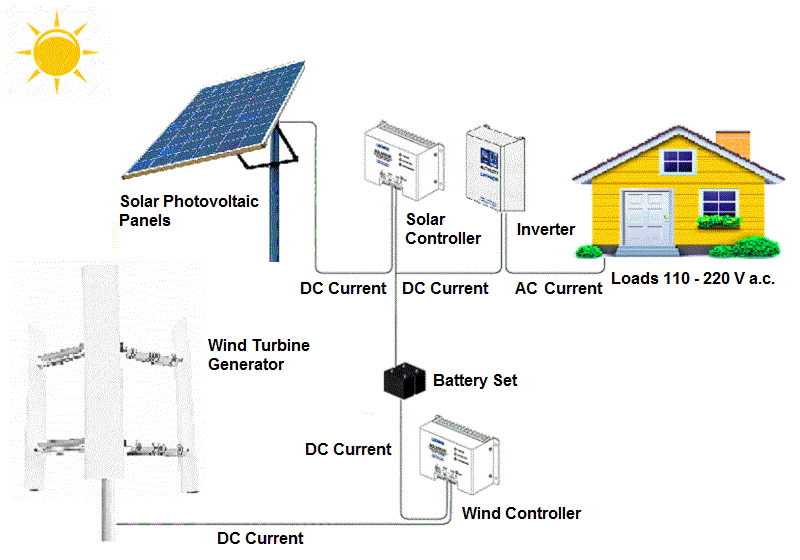
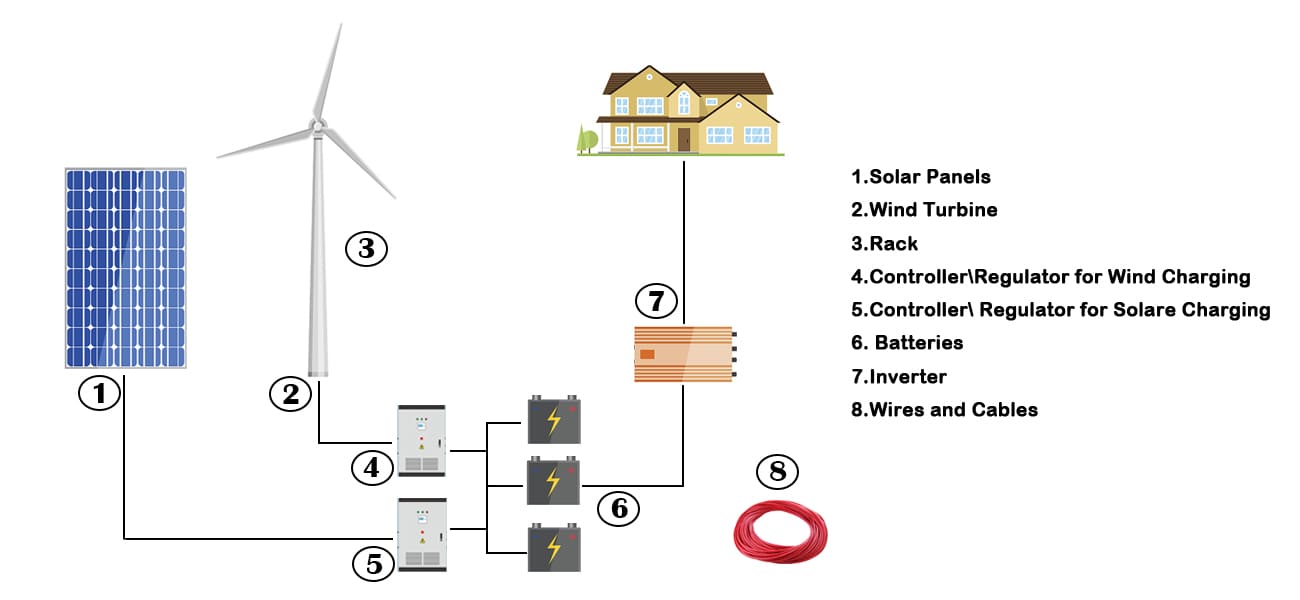
- The Core Components of Your Renewable Energy System
- Solar Panels (Photovoltaic Arrays): Harnessing the Sun’s Power
- Wind Turbines: Capturing the Wind’s Energy
- The Brain: Charge Controllers & Hybrid Inverters
- The Reservoir: Battery Storage Solutions
- The Grid Connection: On-Grid vs. Off-Grid Systems
- Unpacking the Benefits: Why Consider Wind and Solar for Your Home?
- Enhanced Reliability & Energy Independence: Beyond Single-Source Limitations
- Cost Savings Over Time: Reducing Your Utility Bills
- Environmental Impact: A Greener Footprint
- Increased Property Value: A Smart Investment
- The Practical Realities: Potential Challenges and Considerations
- Site Suitability & Resource Availability: Is Your Home a Good Fit?
- Initial Investment & Upfront Costs: The Price Tag
- Permitting & Local Regulations: Navigating the Red Tape
- Maintenance & Longevity: What to Expect
- Aesthetics: Integrating Into Your Property
- How Much Does a Wind and Solar Home Power System Really Cost?
- Solar-Only System Costs: What to Budget
- Wind-Only System Costs: The Turbine Factor
- Hybrid System Costs: The Combined Investment
- Understanding Payback Period & ROI: When Does It Pay Off?
- Incentives & Rebates: Reducing Your Out-of-Pocket Expense
- Is a Hybrid Wind and Solar System Right for YOUR Home?
- Assessing Your Energy Needs: How Much Power Do You Use?
- Analyzing Your Location: Sun, Wind, and Space
- Budget & Financial Goals: What Can You Afford?
- Ideal Scenarios for Hybrid Systems: Where They Shine
- When to Consider Solar-Only or Wind-Only: Alternative Paths
- Getting Started: Your Journey to Renewable Home Power
- Step 1: Initial Assessment & Research
- Step 2: Professional Site Evaluation & System Design
- Step 3: Installation & Permitting
- Step 4: Monitoring & Maintenance
- The Future is Now: Embracing Sustainable Home Energy
Combining the best of both worlds, these hybrid systems offer a compelling alternative to traditional grid power, ensuring your lights stay on even when one resource isn’t optimal. But is it right for you? What does it involve? And how much does it truly cost? Let’s dive in and unlock the secrets to harnessing nature’s power for your home.
What Exactly Are Wind and Solar Home Power Systems?
At its heart, a wind and solar home power system is a smart marriage of two distinct renewable energy technologies: solar photovoltaic (PV) panels and small-scale wind turbines. Instead of relying on just sunshine or just wind, a hybrid system leverages both to generate electricity for your home. It’s about creating a more consistent and resilient energy supply, adapting to nature’s rhythms.
Understanding Hybrid Systems: More Than Just Combining Technologies
Think of it like this: solar panels are fantastic when the sun is shining brightly during the day. Wind turbines, however, can generate power day and night, especially in locations with consistent breezes. When the sun sets or is obscured by clouds, the wind might pick up, and vice-versa. A hybrid system aims to smooth out these fluctuations, providing a more reliable and continuous power output than either system could achieve on its own.
Why Go Hybrid? The Synergy of Sun and Wind
The beauty of a hybrid system lies in its ability to compensate for the intermittent nature of each individual source. Solar energy production typically peaks at midday, while wind energy often peaks in the early morning, evening, or during stormy weather. By integrating both, you create a more balanced and dependable power generation profile. This synergy is particularly valuable in off-grid scenarios, where consistent power is paramount, or in areas with highly variable weather patterns.
The Core Components of Your Renewable Energy System
Whether you opt for solar, wind, or a hybrid setup, several key components work together to turn raw natural energy into usable electricity for your home. Understanding these parts is crucial for designing an effective system.
Solar Panels (Photovoltaic Arrays): Harnessing the Sun’s Power
These are the rectangular arrays you’re probably most familiar with. Solar panels convert sunlight directly into direct current (DC) electricity using the photovoltaic effect. They are typically mounted on rooftops or ground arrays in areas with direct, unobstructed sunlight.
- Types of Solar Panels:
- Monocrystalline: Made from a single crystal of silicon, these are the most efficient panels, offering a sleek, dark appearance. They perform well in high temperatures.
- Polycrystalline: Made from multiple silicon crystals, these are slightly less efficient but more affordable to produce. They have a blueish hue.
- Thin-Film: Made by depositing thin layers of photovoltaic material onto a substrate. Less efficient and require more space, but are flexible and perform better in low-light conditions.
- Key Considerations for Solar: Roof space, shading from trees or buildings, local solar irradiance (how much sun your area gets), and aesthetic preferences.
Wind Turbines: Capturing the Wind’s Energy
Home-scale wind turbines capture the kinetic energy of wind and convert it into electricity. They require a location with consistent, unobstructed wind flow, typically higher than surrounding obstacles.
- Types of Home Wind Turbines:
- Horizontal Axis Wind Turbines (HAWTs): The most common design, resembling traditional windmills with blades rotating around a horizontal axis. Highly efficient but require proper orientation to the wind.
- Vertical Axis Wind Turbines (VAWTs): Blades rotate around a vertical axis. Less common for homes, often less efficient than HAWTs, but can handle turbulent wind better and don’t need to be oriented to the wind direction.
- Key Considerations for Wind: Average wind speed at your location (crucial for energy output), local zoning regulations regarding turbine height and noise, and potential obstructions.
The Brain: Charge Controllers & Hybrid Inverters
These components are the nervous system of your renewable energy setup.
- Charge Controller: Regulates the voltage and current coming from your solar panels and/or wind turbine to safely charge your batteries, preventing overcharging and extending battery life. In a hybrid system, you’ll often have separate charge controllers for each source or a specialized hybrid charge controller.
- Hybrid Inverter: This is a sophisticated device that performs multiple functions. It takes the DC power from your batteries (and sometimes directly from the panels/turbine) and converts it into alternating current (AC) – the type of electricity your home appliances use. A hybrid inverter can also manage power flow between your renewable sources, batteries, and the utility grid (if you’re grid-tied), deciding when to use generated power, charge batteries, or draw from/send to the grid.
The Reservoir: Battery Storage Solutions
Batteries are essential for storing excess energy generated by your solar panels and wind turbine for use during periods of low production (e.g., at night, on cloudy days, or when the wind is still). This is especially critical for off-grid systems.
- Types of Batteries:
- Lead-Acid Batteries: A mature and cost-effective technology, but heavier, require more maintenance (watering), and have a shorter lifespan compared to newer options.
- Lithium-ion Batteries: More expensive upfront but offer higher energy density, longer lifespan, faster charging, and are maintenance-free. Becoming the standard for modern home energy storage.
- Sizing Your Battery Bank: This depends on your daily energy consumption and how many ‘days of autonomy’ (how long you want to run purely on batteries without sun or wind) you desire. This is a critical calculation that often requires professional help.
The Grid Connection: On-Grid vs. Off-Grid Systems
Your connection to the electrical grid significantly impacts your system design.
- On-Grid (Grid-Tied) Systems: These systems remain connected to the utility grid. When your renewables produce more power than you need, the excess can be fed back into the grid, often earning you credits (net metering). When your system isn’t producing enough, you draw power from the grid. Most grid-tied systems require specific inverters that shut down during a grid outage for safety (unless you have a battery backup system with a specific type of inverter).
- Off-Grid Systems: Completely independent from the utility grid. These rely entirely on your renewable sources and battery storage. They offer complete energy independence but require careful sizing and significant battery capacity to ensure continuous power, making them generally more complex and costly upfront.
Unpacking the Benefits: Why Consider Wind and Solar for Your Home?
The appeal of combining wind and solar power goes far beyond just novelty. It offers a suite of tangible advantages for homeowners.
Enhanced Reliability & Energy Independence: Beyond Single-Source Limitations
This is arguably the biggest selling point. A hybrid system provides a more consistent energy supply throughout the day and year. When the sun isn’t shining, the wind might be blowing. This significantly reduces your reliance on a single, intermittent energy source and, for off-grid users, dramatically improves power availability. For grid-tied users with battery backup, it means greater resilience during outages.
Cost Savings Over Time: Reducing Your Utility Bills
Once installed, your system generates free electricity, significantly reducing or even eliminating your monthly utility bills. While the initial investment is substantial, the long-term savings can be immense, especially as energy prices continue to rise. Many systems pay for themselves within 7-15 years, after which you’re essentially getting free power.
Environmental Impact: A Greener Footprint
Harnessing renewable energy means fewer fossil fuels burned, which translates to a reduction in greenhouse gas emissions. By powering your home with wind and solar, you’re actively contributing to a cleaner environment, mitigating climate change, and reducing air pollution.
Increased Property Value: A Smart Investment
Homes equipped with renewable energy systems are often more attractive to potential buyers. Studies have shown that solar panels and other sustainable features can increase property values and make homes sell faster, making your investment a tangible asset.
The Practical Realities: Potential Challenges and Considerations
While the benefits are compelling, it’s crucial to approach wind and solar systems with a realistic understanding of the potential hurdles.
Site Suitability & Resource Availability: Is Your Home a Good Fit?
Not every location is ideal for both wind and solar. You need sufficient, unobstructed sunlight for solar panels and consistent, strong wind for turbines. Urban areas, for instance, often lack the open space and wind resources required for effective wind power, making solar a more practical choice. Rural or coastal properties often have better wind potential.
Initial Investment & Upfront Costs: The Price Tag
Installing a complete wind and solar hybrid system is a significant financial undertaking. Components, labor, and permitting can add up, making the initial cost a barrier for some homeowners. However, various incentives and financing options can help mitigate this.
Permitting & Local Regulations: Navigating the Red Tape
Before you can install, you’ll likely need permits from your local municipality. These regulations can cover everything from building codes and electrical standards to aesthetic guidelines and turbine height restrictions. Navigating this process can be complex and time-consuming, often requiring professional assistance.
Maintenance & Longevity: What to Expect
While both solar panels and wind turbines are designed for longevity, they aren’t entirely maintenance-free. Solar panels require occasional cleaning to maintain efficiency, and wind turbines have moving parts that need periodic inspection, lubrication, and potential replacement of components like blades or bearings over their lifespan (typically 20-25 years for panels, 15-20 years for turbines).
Aesthetics: Integrating Into Your Property
Aesthetics can be a concern for some homeowners. Solar panels, while becoming more streamlined, are still prominent features on a roof. Wind turbines, especially the larger ones needed for significant power generation, are tall structures that can be visually impactful. Consider how these elements will integrate with your home’s appearance and your neighbors’ views.
How Much Does a Wind and Solar Home Power System Really Cost?
This is often the first question homeowners ask, and the answer, unfortunately, is “it varies greatly.” Many factors influence the final price, including system size, component quality, installation complexity, and local labor rates. However, we can provide some realistic ranges to help you budget.
| System Type | Typical Power Output (kW) | Estimated Cost Range (Installed, USD) | Key Cost Drivers |
|---|---|---|---|
| Solar-Only System | 5 kW – 10 kW | $15,000 – $30,000 | Panel efficiency, inverter type, mounting hardware, labor, permitting. |
| Residential Wind Turbine | 1 kW – 5 kW | $15,000 – $50,000 | Turbine size/capacity, tower height, foundation, installation difficulty, permitting. |
| Battery Storage (add-on) | 10 kWh – 20 kWh | $10,000 – $20,000+ | Battery chemistry (Lithium-ion more expensive), capacity, inverter compatibility. |
| Hybrid Wind & Solar System (Grid-Tied with Battery Backup) | 5 kW Solar + 2 kW Wind + 15 kWh Battery | $40,000 – $80,000+ | Complexity of integration, specialized hybrid inverter, larger battery bank, additional labor. |
| Off-Grid Hybrid System (Full Independence) | 7 kW Solar + 3 kW Wind + 30 kWh Battery | $60,000 – $120,000+ | Significantly larger battery bank, backup generator (often recommended), higher redundancy needs. |
Solar-Only System Costs: What to Budget
For a typical U.S. home (around 1,500-2,000 sq ft) needing a 5 kW to 10 kW solar system, you can expect costs to range from $15,000 to $30,000 before incentives. This includes panels, inverter, mounting, wiring, and installation. Prices generally run around $2.50 to $3.50 per watt.
Wind-Only System Costs: The Turbine Factor
Residential wind turbines (1 kW to 5 kW) are less common and often more expensive per kilowatt than solar. A fully installed system, including the turbine, tower, foundation, wiring, and installation, can cost anywhere from $15,000 to $50,000 or more, depending heavily on the turbine’s size and the height of the tower required for optimal wind capture.
Hybrid System Costs: The Combined Investment
A hybrid system combines the costs of both, plus the added complexity of integration and often a more robust battery storage solution and a specialized hybrid inverter. For a mid-sized home looking for significant energy independence (e.g., a 5 kW solar array, a 2 kW wind turbine, and a 10-15 kWh battery bank), you could be looking at an investment in the range of $40,000 to $80,000+. Off-grid systems, requiring larger battery banks and potentially a backup generator, can push these costs even higher, easily exceeding $100,000.
Understanding Payback Period & ROI: When Does It Pay Off?
The payback period is the time it takes for your energy savings to equal your initial investment. For solar-only systems, this often ranges from 7-15 years, heavily influenced by electricity rates and incentives. Hybrid systems might have a slightly longer payback period due to higher initial costs and potentially more complex maintenance. However, the Return on Investment (ROI) also includes increased property value, reduced carbon footprint, and the invaluable benefit of energy security.
Incentives & Rebates: Reducing Your Out-of-Pocket Expense
Don’t forget to factor in incentives! The U.S. federal government offers a significant Investment Tax Credit (ITC), currently 30% for solar (and often applicable to the battery storage component when installed with solar) and sometimes for small wind as well. Many states and local municipalities also offer their own rebates, tax credits, or property tax exemptions. Researching these can dramatically reduce your net cost, making renewable energy more accessible.
Is a Hybrid Wind and Solar System Right for YOUR Home?
Deciding on a hybrid system requires careful consideration of your specific circumstances. It’s not a one-size-fits-all solution.
Assessing Your Energy Needs: How Much Power Do You Use?
Start by understanding your average daily and monthly electricity consumption (look at past utility bills). This will determine the size of the system you need. Are you looking to offset a small portion of your bill, or achieve near-total energy independence? Higher energy demands mean a larger, more expensive system.
Analyzing Your Location: Sun, Wind, and Space
- Solar Potential: Does your property get abundant, unobstructed sunlight throughout the day, particularly during peak hours? Is your roof suitable for panels (angle, integrity, size)?
- Wind Potential: Do you live in an area with consistent average wind speeds (generally 10+ mph is good for small turbines)? Is there enough clear, elevated space for a wind turbine without significant obstructions (trees, buildings) or conflicts with zoning laws? Websites like the National Renewable Energy Laboratory (NREL) offer wind resource maps.
- Available Space: Do you have room for panels, a turbine, batteries, and other equipment?
Budget & Financial Goals: What Can You Afford?
Realistically assess your budget for the initial investment. Are you comfortable with a potentially longer payback period for the added reliability? Factor in available incentives and financing options. Consider if a phased approach (e.g., starting with solar and adding wind later) might be more feasible.
Ideal Scenarios for Hybrid Systems: Where They Shine
A hybrid wind and solar system is often ideal for:

- Off-Grid Homes: Where connecting to the grid is prohibitively expensive or impossible, ensuring consistent power year-round.
- Properties with Variable Weather: Locations where sunny days don’t always align with windy days, creating complementary power generation.
- Homeowners Seeking Maximum Energy Independence & Reliability: Those who want to minimize reliance on the utility grid and have robust backup power.
- Coastal or Rural Locations: Often possess better wind resources than densely populated urban areas.
When to Consider Solar-Only or Wind-Only: Alternative Paths
- Solar-Only: Best for homes with excellent sun exposure, limited space for a wind turbine, or in urban/suburban areas where wind resources are poor or regulations restrict turbines. Also often the most cost-effective entry point into renewable energy.
- Wind-Only: A niche solution, primarily for properties in very windy locations (e.g., open plains, mountaintops, coastal areas) where solar exposure might be limited or space is abundant for a taller turbine. Less common for primary residential power due to higher cost and site-specificity.
Getting Started: Your Journey to Renewable Home Power
The path to powering your home with wind and solar can seem daunting, but breaking it down into manageable steps makes it achievable.
Step 1: Initial Assessment & Research
Start with your own research. Understand your energy consumption, research local wind and solar resources, and investigate federal, state, and local incentives. Read homeowner reviews and familiarize yourself with the basics we’ve covered here.
Step 2: Professional Site Evaluation & System Design
This is where the experts come in. Contact reputable renewable energy installers in your area. They will conduct a thorough site assessment, evaluating your sun exposure, wind patterns, roof integrity, and electrical system. Based on this, they can design a system specifically tailored to your energy needs and property, providing detailed cost estimates and projected energy production.
Step 3: Installation & Permitting
Once you approve the design and financing, the installation process begins. Your chosen installer will handle the necessary permits, procure the equipment, and perform the installation. This typically involves mounting panels and turbines, running electrical conduit, installing inverters and batteries, and connecting everything to your home’s electrical panel. Professional installation ensures safety, compliance with codes, and optimal performance.
Step 4: Monitoring & Maintenance
After installation, most systems come with monitoring software that allows you to track your energy production and consumption. Regular maintenance, as discussed earlier, will ensure your system operates efficiently for decades. Your installer should provide a maintenance schedule and be available for any necessary service.
The Future is Now: Embracing Sustainable Home Energy
Wind and solar home power systems represent a powerful step towards a more sustainable and independent future. They offer a compelling blend of environmental responsibility, long-term financial savings, and enhanced energy security. While the initial investment and planning require diligence, the payoff in terms of reduced bills, a smaller carbon footprint, and peace of mind is immeasurable.
If the idea of harnessing the sun and wind for your home excites you, the time to explore this innovative solution is now. Take the first step, get informed, and connect with professionals who can help turn your renewable energy dreams into a powerful reality.
Frequently Asked Questions
What is a wind and solar home power system?
It’s a hybrid renewable energy system that combines solar photovoltaic (PV) panels and small-scale wind turbines to generate electricity for a home. This setup aims to provide a more consistent and reliable power supply by leveraging both sun and wind resources.
How do hybrid wind and solar systems work together?
Solar panels primarily generate power during daylight hours, while wind turbines can produce electricity day or night, especially when winds are strong. By combining them, the system can balance out the intermittency of each source, ensuring power generation even when one resource is not available, often storing excess energy in batteries for later use.
How much does a typical wind and solar hybrid system cost for a home?
The cost varies significantly based on system size, components, and installation complexity. For a grid-tied system with battery backup, a common range is $40,000 – $80,000+. Off-grid systems requiring larger battery banks can exceed $100,000. These costs are before applying any federal or local incentives.
Are there incentives available for installing wind and solar home power systems?
Yes, the U.S. federal government offers a significant Investment Tax Credit (ITC), currently 30% for solar (which often applies to integrated battery storage). Many states and local municipalities also provide additional rebates, tax credits, or property tax exemptions, which can substantially reduce the net cost.
Is my home suitable for a hybrid wind and solar system?
Suitability depends on several factors: consistent sun exposure for solar panels, average wind speeds (ideally 10+ mph) and unobstructed space for a wind turbine, local zoning regulations, and your home’s energy needs. A professional site assessment is crucial to determine feasibility and optimal system design.
What are the main advantages of a hybrid system over just solar or just wind?
The primary advantage is enhanced reliability and energy independence. A hybrid system provides a more consistent energy supply by compensating for the natural fluctuations of each source (e.g., wind generation when the sun isn’t shining, and vice-versa). This leads to greater energy security and less reliance on the grid.

:max_bytes(150000):strip_icc()/wind-turbine-generator-on-house-roof-90967703-b9619befbf954726ae92dfb6154711f2.jpg)
