Wind Energy For Your Home: The Definitive Guide to Residential Wind Power
Dreaming of a home powered by the invisible force of the wind? You’re not alone. The idea of harnessing nature’s power, reducing your electricity bills, and achieving greater energy independence is incredibly appealing. But let’s cut to the chase: is wind energy a practical solution for *your* home?
Table of Contents
- Wind Energy For Your Home: The Definitive Guide to Residential Wind Power
- Can Wind Energy Power Your Home? The Honest Truth Upfront
- Your Property’s Hidden Power: Assessing Your Wind Resource
- Size Matters: Matching a Turbine to Your Energy Needs
- The Cost Equation: Is the Investment Worth It?
- Local Rules and Neighbors: Navigating Zoning and Permitting
- How Small Wind Systems Work: Decoding the Technology
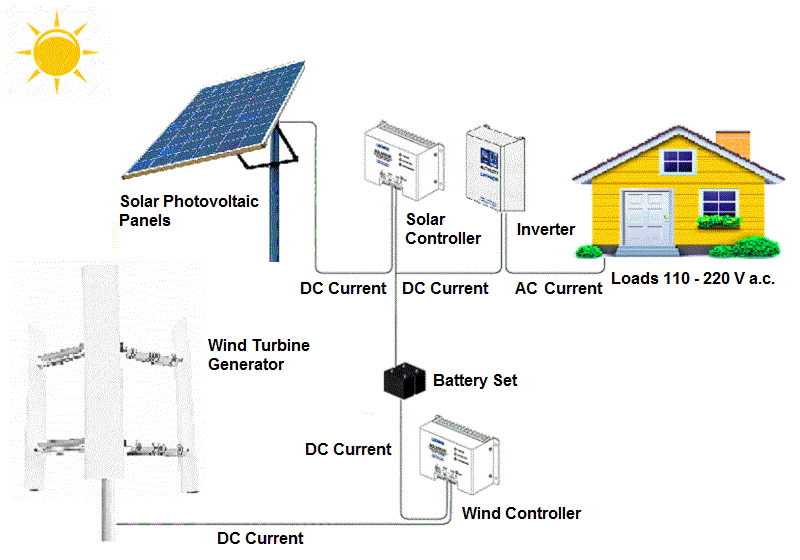
- The Core Components of a Residential Wind Turbine System
- Grid-Tied vs. Off-Grid: What’s Your Connection?
- Grid-Tied Systems: The Most Common Choice
- Off-Grid Systems: Total Energy Independence
- Understanding the Real Costs of Home Wind Power
- Upfront Investment: What to Expect
- Long-Term Ownership: Maintenance, Lifespan, and More
- Unlocking Savings: Incentives and Rebates
- Calculating Your Return on Investment (ROI)
- Wind vs. Solar: A Head-to-Head Comparison for Homeowners
- Where Wind Turbines Excel
- Solar’s Dominance (and Why)
- The Power of Hybrid Systems
- Choosing Your Turbine: Horizontal vs. Vertical Axis
- Horizontal Axis Wind Turbines (HAWTs): The Classic Choice
- Vertical Axis Wind Turbines (VAWTs): A Different Spin
- Making the Right Choice for Your Property
- Your Step-by-Step Feasibility Checklist for Home Wind
- Step 1: Initial Wind Resource Assessment (Beyond Gut Feeling)
- Step 2: Diving Deep into Local Regulations and HOA Rules
- Step 3: Comprehensive Site Evaluation (Space, Obstructions, Safety)
- Step 4: Pinpointing Your Exact Energy Consumption
- Step 5: Professional Consultation and System Design
- The Pros and Cons: Weighing Your Options
- The Undeniable Advantages of Residential Wind
- The Challenges and Considerations
- Next Steps: Finding a Reputable Installer
- Qualities of a Top-Tier Wind Installer
- Crucial Questions to Ask Before Committing
Unlike solar panels, which can be a straightforward addition for many homeowners, residential wind turbines come with a unique set of considerations. It’s not just about wanting one; it’s about whether your property, your local environment, and your wallet are genuinely suited for it. I’m here to give you the unvarnished truth, separating the romantic ideal from the real-world practicality.
This guide will equip you with the knowledge to make an informed decision, covering everything from the mechanics and costs to the essential feasibility checks and honest comparisons with other renewable options like solar. Let’s find out if wind power can truly become a part of your home’s energy future.
Can Wind Energy Power Your Home? The Honest Truth Upfront
Before you get swept away by the thought of a turbine gracefully spinning in your backyard, we need to address some critical factors. Residential wind power isn’t a one-size-fits-all solution. Your success hinges on a few non-negotiable elements.
Your Property’s Hidden Power: Assessing Your Wind Resource
This is the big one. Wind turbines need… well, wind! And not just any wind. They need consistent, strong, and unobstructed wind. A gentle breeze is lovely for a picnic, but it won’t generate enough electricity to power your home efficiently. The ideal scenario involves an average annual wind speed of at least 10-12 mph (4.5-5.5 m/s) at the height where the turbine will be installed (typically 80-120 feet).
Many homes, especially in suburban or heavily treed areas, simply don’t have this consistent wind resource at an economically viable height. Trees, buildings, and uneven terrain create turbulence and block wind flow, drastically reducing a turbine’s efficiency.
Size Matters: Matching a Turbine to Your Energy Needs
Residential wind turbines typically range from 1 kW to 10 kW in capacity. To put that in perspective, the average U.S. home uses around 10,632 kWh of electricity per year, or roughly 886 kWh per month. A 5 kW turbine, operating at its rated capacity for an average amount of time in good wind, might produce 8,000-10,000 kWh annually. However, achieving that rated capacity consistently is rare.
The key is to match the turbine’s potential output to your actual energy consumption. Installing a turbine that’s too small won’t meet your needs, leading to reliance on the grid. One that’s too large is an unnecessary expense, and you might not even be able to sell excess power back to the grid (net metering) depending on local regulations and demand.
The Cost Equation: Is the Investment Worth It?
Let’s be blunt: residential wind turbines are a significant investment. We’re talking anywhere from $10,000 to $70,000 or more, depending on the system size, tower height, and installation complexity. This cost must be weighed against your potential energy savings and available incentives.
For many, the return on investment (ROI) for a residential wind turbine is longer and less certain than for solar panels, especially in areas with moderate wind speeds and low electricity rates. It’s crucial to look beyond the initial excitement and conduct a rigorous financial analysis.
Local Rules and Neighbors: Navigating Zoning and Permitting
This is often the biggest hurdle. Zoning laws, building codes, and homeowners’ association (HOA) rules can be formidable barriers. Most municipalities have regulations regarding:
- Height Restrictions: Towers can be tall (80-120 feet) and may exceed local limits.
- Setback Requirements: Turbines must be a certain distance from property lines, other buildings, and public roads.
- Noise Ordinances: While modern turbines are much quieter, some still produce a audible hum, which can be a concern for neighbors.
- Visual Impact: A turbine is a prominent structure and some communities or HOAs may object on aesthetic grounds.
- Permitting Process: Expect a complex and potentially lengthy process involving multiple permits (building, electrical, environmental).
Before you do anything else, check with your local planning department and HOA. Without their approval, your wind energy dreams will quickly turn into a bureaucratic nightmare.
How Small Wind Systems Work: Decoding the Technology
Understanding the basics of how a small wind system operates demystifies the technology and helps you appreciate its potential – and its limitations.
:max_bytes(150000):strip_icc()/wind-turbine-generator-on-house-roof-90967703-b9619befbf954726ae92dfb6154711f2.jpg)
The Core Components of a Residential Wind Turbine System
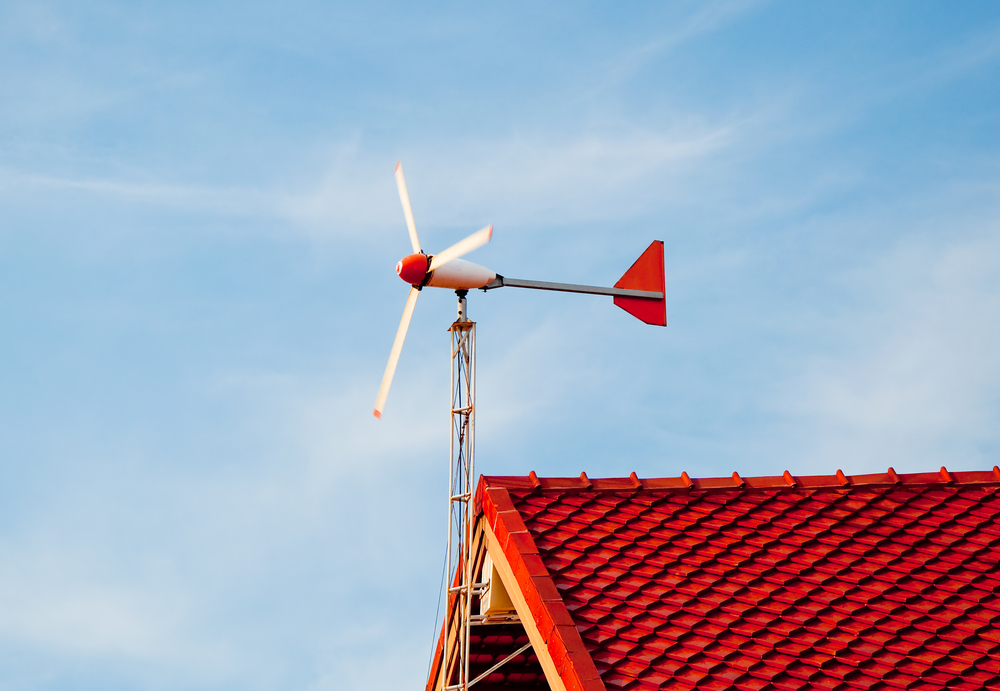
A residential wind power system isn’t just the spinning blades you see; it’s a sophisticated setup of interconnected parts, each playing a vital role:
- Rotor (Blades): The aerodynamic blades capture the wind’s kinetic energy and convert it into rotational energy. Most small turbines have two or three blades.
- Nacelle: This is the housing at the top of the tower, containing the gearbox (in some models), generator, controller, and often a yaw drive to orient the rotor into the wind.
- Generator: Converts the rotational energy from the rotor into electricity (AC power).
- Tower: Supports the nacelle and rotor, elevating them to a height where wind speeds are higher and less turbulent. Towers can be self-supporting (freestanding) or guyed (supported by cables).
- Controller: Manages the turbine’s operation, monitoring wind speed, regulating power output, and shutting down the turbine in extreme winds to prevent damage.
- Inverter: If your system is grid-tied or uses AC appliances, the inverter converts the DC electricity produced by the generator into usable AC electricity, matching the grid’s frequency and voltage.
- Batteries (Optional): For off-grid or hybrid systems, batteries store excess electricity for use when the wind isn’t blowing or demand is high.
- Grid Connection Equipment: For grid-tied systems, this includes meters (often bi-directional for net metering), disconnect switches, and safety equipment to interface with the utility grid.
Grid-Tied vs. Off-Grid: What’s Your Connection?
How you connect your wind system determines how your home uses the generated electricity:
Grid-Tied Systems: The Most Common Choice
Most residential wind systems are grid-tied. This means your turbine is connected to your home’s electrical system, which is also connected to the local utility grid. Key benefits:
- Seamless Power: When your turbine isn’t producing enough power (low wind, maintenance), your home automatically draws electricity from the grid.
- Net Metering: If your turbine produces more electricity than you’re using, the excess can often be sent back to the grid, and you receive credits on your utility bill.
- No Batteries Needed: Eliminates the significant cost and maintenance of battery banks, as the grid acts as your ‘storage.’
The main drawback is that grid-tied systems typically shut down during a power outage to protect utility workers. So, while you reduce your dependence on the grid, you don’t achieve full energy independence from outages without battery backup.
Off-Grid Systems: Total Energy Independence
An off-grid system operates entirely independently of the utility grid. This is common for remote homes, cabins, or anyone seeking complete energy self-sufficiency. Key characteristics:
- Battery Bank Essential: Requires a robust battery bank to store energy for periods of low wind.
- Generator Backup: Often includes a fossil-fuel generator as a backup for extended periods of low wind or high demand when batteries are depleted.
- Higher Initial Cost & Complexity: The need for batteries and potentially a backup generator significantly increases the upfront cost and system complexity.
Off-grid systems offer true independence but demand a greater understanding of energy management and higher investment.
Understanding the Real Costs of Home Wind Power
The financial aspect is often where the rubber meets the road. It’s vital to get a clear picture of what you’ll pay and what you might save.
Upfront Investment: What to Expect
The total installed cost for a small residential wind turbine system can vary widely. Here’s a breakdown of what contributes to the price:
- Turbine Itself: The cost of the turbine unit (rotor, nacelle, generator).
- Tower: The height and type of tower significantly impact cost. Taller towers are more expensive but access better wind.
- Inverter & Balance of System (BOS): Components like the inverter, wiring, switches, and other electrical equipment.
- Installation Labor: Professional installation is crucial for safety and efficiency.
- Foundation & Site Prep: Pouring a concrete foundation for the tower.
- Permitting & Engineering: Costs associated with permits, site assessment, and professional engineering designs.
- Battery Bank (if off-grid/hybrid): This can add thousands or tens of thousands of dollars.
Generally, expect to pay anywhere from $3,000 to $5,000 per kilowatt (kW) for a fully installed small wind system, without batteries. So, a 5 kW system could easily be $15,000 – $25,000, and a 10 kW system $30,000 – $50,000, or even more for complex installations or high towers.
Long-Term Ownership: Maintenance, Lifespan, and More
The upfront cost isn’t the whole story. Consider these long-term factors:
- Maintenance: Turbines require periodic maintenance (annual or every few years), including checking bearings, tightening bolts, inspecting blades, and lubrication. This can cost a few hundred dollars per visit.
- Lifespan: A well-maintained small wind turbine can last 20-25 years or more, similar to solar panels.
- Major Repairs: While rare, major component failures (generator, gearbox) can be costly.
Unlocking Savings: Incentives and Rebates
To offset the significant investment, several incentives may be available:
- Federal Investment Tax Credit (ITC): The same credit for solar also applies to small wind turbines, offering a significant percentage (currently 30%) of the system cost as a tax credit. This is the biggest financial boost for most homeowners.
- State & Local Incentives: Many states, counties, or even utility companies offer additional rebates, grants, or property tax exemptions for renewable energy systems. Check the DSIRE database (Database of State Incentives for Renewables & Efficiency) for specifics in your area.
- Net Metering: While not a direct rebate, net metering policies allow you to sell excess electricity back to the grid, reducing your overall utility bill.
These incentives can dramatically improve the financial viability of a wind turbine system, but they vary widely by location and can change over time. Factor them into your calculations carefully.
Calculating Your Return on Investment (ROI)
Your ROI depends on:
- System Cost (after incentives): Your true out-of-pocket expense.
- Annual Electricity Production: How much kWh your turbine generates.
- Electricity Rates: The price per kWh you currently pay. Higher rates mean faster payback.
- Maintenance Costs: Subtracting these from your savings.
For many, a residential wind system’s payback period can be 10-20 years or even longer. It’s a long-term investment that requires patience and a good wind resource to make economic sense.
| Cost Factor | Typical Range / Impact | Consideration |
|---|---|---|
| Turbine Unit (1-10kW) | $3,000 – $25,000 | Varies by power output, brand, and type. |
| Tower (80-120 ft) | $3,000 – $15,000 | Taller, self-supporting towers are more expensive. Critical for good wind. |
| Inverter & BOS | $2,000 – $10,000 | Includes electrical components, wiring, controllers. |
| Installation Labor | $5,000 – $20,000+ | Highly variable by location, complexity, and crew size. |
| Foundation & Site Prep | $1,000 – $5,000 | Concrete pad for tower, trenching for electrical lines. |
| Permitting & Engineering | $500 – $3,000+ | Mandatory for safety and compliance. Can be complex. |
| Battery Bank (Off-Grid) | $5,000 – $30,000+ | Significant additional cost, depends on capacity and chemistry. |
| Total Installed Cost (1-10kW) | $15,000 – $70,000+ | Before incentives, highly dependent on all factors above. |
| Annual Maintenance | $200 – $500 | Inspections, lubrication, minor adjustments. |
| Lifespan | 20-25 years | Expect long-term operation with proper maintenance. |
Wind vs. Solar: A Head-to-Head Comparison for Homeowners
When considering residential renewable energy, solar power often dominates the conversation. Let’s compare wind and solar to help you understand where each technology truly shines.
Where Wind Turbines Excel
- 24/7 Potential: Wind can blow day or night, offering more consistent generation over a 24-hour cycle compared to solar, which only produces during daylight hours.
- Higher Capacity Factor in Ideal Locations: In consistently windy areas, a wind turbine can operate at a higher capacity factor (percentage of its maximum output) than a solar array, potentially generating more kWh per kW of installed capacity.
- Winter Performance: Wind turbines can perform exceptionally well in winter, especially in cold, open plains where strong winds are common and snow doesn’t impede generation (unlike solar panels that can be covered).
- Smaller Footprint (Relative to Output): A single turbine tower and rotor might take up less ground space than a solar array producing similar annual energy, especially if the solar array is ground-mounted.
Solar’s Dominance (and Why)
- Broader Feasibility: Most homes have a roof that receives adequate sunlight, making solar panels a viable option for a much larger percentage of the population than wind turbines.
- Lower Upfront Cost: Residential solar installations are typically less expensive per watt than wind turbines.
- Easier Installation & Permitting: Solar panel installation is generally less complex and faces fewer zoning restrictions than tall wind turbine towers.
- Quieter Operation & Visual Impact: Solar panels are silent and, when roof-mounted, have a less intrusive visual presence than a towering wind turbine.
- Proven Track Record: The solar industry is more mature, with a larger network of installers, established technologies, and widespread consumer familiarity.
The Power of Hybrid Systems
For true energy independence and robust power generation, a hybrid wind and solar system is often the most effective solution. This approach leverages the strengths of both technologies:
- Solar provides power during sunny days.
- Wind fills the gaps, especially at night or on cloudy, windy days.
Combining the two creates a more consistent and reliable energy supply, reducing the need for extensive battery storage or reliance on the grid. However, hybrid systems also involve higher complexity and cost.
| Feature | Wind Energy for Home | Solar Energy for Home |
|---|---|---|
| Resource Dependence | Consistent, strong, unobstructed wind (day & night). | Direct sunlight (daytime only). |
| Typical Cost (per kW) | $3,000 – $5,000+ | $2,500 – $3,500+ |
| Installation Complexity | High (tall tower, foundation, heavy equipment). | Moderate (roof-mounted, electrical work). |
| Permitting/Zoning | Very Strict (height, setbacks, noise, visual). | Generally easier (building codes, aesthetic reviews). |
| Noise Output | Low hum (modern turbines), but can be a concern. | Silent. |
| Visual Impact | Significant (tall, moving structure). | Moderate (roof or ground array). |
| Space Requirement | Requires significant clear land for tower + setbacks. | Roof space or dedicated ground area. |
| Maintenance | Annual/Biennial mechanical checks. | Minimal, occasional cleaning, inverter checks. |
| Winter Performance | Often excellent in cold, windy conditions. | Reduced due to shorter days, snow cover. |
| Best Use Case | Rural, open properties with high, consistent wind. | Most residential properties with good sun exposure. |
Choosing Your Turbine: Horizontal vs. Vertical Axis
Small wind turbines primarily come in two configurations, each with distinct advantages and disadvantages.
Horizontal Axis Wind Turbines (HAWTs): The Classic Choice
These are what most people picture: the propeller-style turbines with blades that rotate around a horizontal axis, similar to large utility-scale wind farms. They are the most common and efficient type for power generation.
- How they work: The rotor faces directly into the wind, requiring a yaw mechanism (or a tail fin on smaller models) to orient it correctly.
- Advantages: Generally more efficient at converting wind energy into electricity due to their design. They can capture more power from a given wind speed.
- Disadvantages: Require a tall tower to avoid turbulence and achieve optimal wind speeds. Can be perceived as visually intrusive and may have more complex installation. The blades can create some noise.
- Best for: Open, rural properties with consistent, strong winds and sufficient space for a tall tower.
Vertical Axis Wind Turbines (VAWTs): A Different Spin
VAWTs have blades that rotate around a vertical axis. They often look like eggbeaters (Darrieus type) or have a central mast with vertical airfoils (Savonius type).
- How they work: They are omnidirectional, meaning they don’t need to turn into the wind. They can capture wind from any direction.
- Advantages: Can be installed closer to the ground or on rooftops (though rooftop mounting is generally not recommended due to vibration issues). Less intrusive visually for some. Potentially quieter than HAWTs. Easier maintenance as the generator and gearbox are often at ground level.
- Disadvantages: Generally less efficient than HAWTs for the same rotor swept area. Can be less common, leading to fewer certified models and installers. They still need clean, laminar wind to perform well, which can be hard to find at lower heights.
- Best for: Specific niche applications where height restrictions are severe or wind direction is highly variable, but efficiency will likely be lower.
Making the Right Choice for Your Property
For most homeowners looking to generate substantial power, a well-sited HAWT on a tall tower will be the more efficient and cost-effective choice in the long run, assuming your property meets the strict wind and zoning requirements. VAWTs might be considered in specific circumstances but often present a trade-off in efficiency.
Your Step-by-Step Feasibility Checklist for Home Wind
Ready to move beyond contemplation? Here’s a systematic approach to determine if a residential wind turbine is truly viable for your home.
Step 1: Initial Wind Resource Assessment (Beyond Gut Feeling)
Don’t just trust the feeling of a breeze. Real data is essential. Look for resources like:
- State Wind Maps: Many state energy offices or university extensions provide general wind resource maps that can give you a preliminary idea of average wind speeds in your region.
- Online Wind Data: Websites from government agencies (like the NREL’s wind resources) or specialized meteorological services can offer more localized data, often at different heights.
- Local Airport Data: Airports often collect comprehensive wind data, which can be a good (though not perfect) proxy for your area.
- Temporary Anemometer: For the most accurate assessment, consider installing a temporary anemometer on a mast at the proposed turbine height for at least a year. This captures seasonal variations and gives you precise site-specific data.
Target: An average annual wind speed of at least 10-12 mph at 80-120 feet is generally considered the minimum for economic viability.
Step 2: Diving Deep into Local Regulations and HOA Rules
This step can be a deal-breaker. Start early!
- Contact Your Local Planning/Zoning Department: Inquire about specific ordinances regarding wind energy systems, including height limits, setback requirements (distance from property lines, roads, structures), noise limits, and aesthetic guidelines.
- Check Building Codes: Ensure your proposed system complies with all local building and electrical codes.
- Review HOA Bylaws: If you live in a community with a Homeowners’ Association, meticulously review their regulations regarding external structures, height, noise, and visual appearance. Many HOAs have strict rules that could prevent a turbine.
Goal: Understand all legal and community restrictions before investing further. Get any approvals or waivers in writing.
Step 3: Comprehensive Site Evaluation (Space, Obstructions, Safety)
Walk your property with a critical eye, considering:
- Available Land: Do you have enough open, clear space for the turbine tower and its necessary setbacks? Remember, the footprint includes not just the tower base but the entire area defined by setback rules.
- Obstructions: Identify any nearby trees, buildings, hills, or other features that could create wind turbulence or block airflow. Turbines need to be installed significantly higher than any obstructions within a certain radius (often 10x the height of the obstruction).
- Access: Can heavy equipment (cranes, concrete trucks) easily access the proposed installation site?
- Safety: Is the site far enough from homes, public areas, and power lines to ensure safety?
Outcome: Confirm a physically suitable location that meets both practical and regulatory requirements.
 "Home Wind Turbines: When Do They Make Sense? | EnergySage")
Step 4: Pinpointing Your Exact Energy Consumption
You can’t size a system without knowing your demand. Gather at least 12-24 months of electricity bills to:
- Calculate Average Monthly/Annual kWh Usage: This is your baseline.
- Identify Peak Usage: When do you use the most electricity? This can influence system sizing.
- Consider Energy Efficiency Upgrades: Before investing in generation, consider reducing your demand. The cheapest kWh is the one you don’t use. Implementing energy efficiency measures (better insulation, LED lighting, efficient appliances) can significantly reduce the size (and cost) of the wind system you need.
Result: A precise understanding of your energy needs to properly size your potential wind system.
Step 5: Professional Consultation and System Design
This is where you bring in the experts.
- Contact Certified Installers: Seek out at least three reputable small wind turbine installers in your region. They should have experience with site assessments, permitting, and system design.
- Request a Professional Site Assessment: An installer will conduct a detailed assessment, often using sophisticated wind mapping tools and physical inspection, to confirm your wind resource and optimal turbine placement.
- Get Detailed Quotes: Obtain comprehensive quotes that include the turbine, tower, inverter, installation, permitting, and estimated annual energy production.
- Review Financial Projections: Ask for a clear breakdown of costs, expected savings, and an estimated payback period, factoring in any available incentives.
Final Call: With professional input, you can make the most informed decision about moving forward with a residential wind energy system.
The Pros and Cons: Weighing Your Options
Like any significant home investment, residential wind power comes with its own set of advantages and disadvantages.
The Undeniable Advantages of Residential Wind
- Reduced Electricity Bills: If well-sited and sized, a wind turbine can significantly lower or even eliminate your monthly electricity costs, especially in areas with high utility rates.
- Energy Independence & Resilience: Generate your own power, reducing reliance on the grid. With battery backup, you can maintain power during outages.
- Environmental Benefits: Wind energy is a clean, renewable resource. It produces no greenhouse gas emissions, air pollutants, or water waste during operation.
- 24/7 Power Potential: Unlike solar, wind can produce electricity around the clock, day and night, provided the wind is blowing.
- Hedge Against Rising Energy Costs: By generating your own electricity, you insulate yourself from future utility rate hikes.
- Federal & State Incentives: Significant tax credits and rebates can make the investment more affordable.
The Challenges and Considerations
- Site-Specific Requirements: This is the biggest hurdle. Not every home has the necessary wind resource, land, and favorable zoning.
- High Upfront Cost: The initial investment is substantial, potentially tens of thousands of dollars.
- Complex Permitting & Zoning: Navigating local regulations for tall structures can be a lengthy and frustrating process.
- Visual & Noise Impact: Turbines are large, prominent structures. While modern designs are quieter, they can still produce a low hum that some neighbors might object to.
- Intermittency: Wind doesn’t blow constantly. Output fluctuates, requiring either grid connection, battery storage, or a hybrid system with another source like solar.
- Maintenance: Requires periodic professional maintenance to ensure optimal performance and longevity.
- Wildlife Impact: While small residential turbines pose a lower risk than large wind farms, there is still some concern about bird and bat strikes, though mitigation strategies exist.
Next Steps: Finding a Reputable Installer
If, after careful consideration, you believe residential wind energy is a viable option for your home, the next crucial step is finding the right professionals.
Qualities of a Top-Tier Wind Installer
- Experience: Look for installers with a proven track record specifically in small wind turbine installations, not just solar. Wind is a different beast.
- Certifications: Ask about certifications from organizations like the Small Wind Certification Council (SWCC) or NABCEP (North American Board of Certified Energy Practitioners) for their installers.
- Local Expertise: An installer familiar with local wind patterns, permitting offices, and utility interconnection requirements will be invaluable.
- Comprehensive Services: They should offer a full suite of services, including site assessment, system design, permitting assistance, installation, and post-installation support/maintenance.
- References & Reviews: Ask for references from previous small wind customers and check online reviews.
- Warranty & Support: Understand the warranties on both the turbine components and the installation labor.
Crucial Questions to Ask Before Committing
- “What is your experience specifically with residential wind turbines in my area?”
- “Can you provide a detailed site assessment, including wind resource data specific to my property?”
- “What is the estimated annual energy production (kWh) for the proposed system?”
- “What is the total installed cost, including all components, labor, and permitting fees?”
- “What incentives (federal, state, local) am I eligible for, and can you help with the application process?”
- “What are the estimated annual maintenance costs and what does a typical maintenance schedule look like?”
- “What are the warranties on the turbine, inverter, and installation?”
- “Can you provide references from other residential wind customers?”
Choosing to go with home wind energy is a significant decision. By doing your homework, asking the right questions, and partnering with experienced professionals, you can ensure that your investment is sound and your journey towards renewable energy is successful.
Frequently Asked Questions
Is residential wind energy practical for most homes?
No, residential wind energy is only practical for a limited number of homes. It requires specific conditions: consistent, strong, unobstructed wind (ideally 10-12 mph average at turbine height), ample clear land for a tall tower and setbacks, and favorable local zoning regulations. For many homes, particularly in suburban or urban areas, these criteria are difficult to meet, making solar power a more widely accessible option.
How much does it cost to install a home wind turbine?
The total installed cost for a small residential wind turbine system (1-10 kW) can range significantly, typically from $15,000 to $70,000 or more. This includes the turbine, tower, inverter, balance of system, installation labor, foundation, and permitting. The cost can be offset by federal tax credits (like the 30% ITC) and potential state/local incentives, but it remains a substantial investment.
How much power can a home wind turbine generate?
A typical residential wind turbine (1-10 kW) can generate anywhere from 1,000 kWh to 15,000 kWh annually, depending heavily on the turbine’s size, the average wind speed at the site, and the height of the tower. For context, the average U.S. home uses around 10,632 kWh per year. Accurate power output predictions require a professional site-specific wind resource assessment.
Are home wind turbines noisy?
Modern small wind turbines are significantly quieter than older models, but they are not completely silent. They typically produce a low hum or whoosh sound, which is generally designed to be below 55 dB at the property line under normal operating conditions. However, individual sensitivity to noise varies, and local noise ordinances should always be checked.
Can I power my entire house with a wind turbine?
Yes, it is possible to power an entire house with a wind turbine, provided you have an excellent wind resource, a properly sized system, and potentially battery storage or a grid connection for backup. However, achieving 100% energy independence without any grid reliance can be very expensive and complex, often requiring a larger turbine and a robust battery bank, or a hybrid system with solar.
What’s the difference between horizontal and vertical axis wind turbines?
Horizontal Axis Wind Turbines (HAWTs) are the traditional propeller-style turbines that face into the wind. They are generally more efficient for power generation but require tall towers and clear, unobstructed wind. Vertical Axis Wind Turbines (VAWTs) have blades that rotate around a vertical axis, are omnidirectional, and can be installed at lower heights. However, VAWTs are typically less efficient for their size compared to HAWTs.
What are the most common challenges for residential wind power?
The most common challenges include finding properties with adequate and consistent wind resources, navigating restrictive local zoning laws and homeowners’ association (HOA) regulations regarding turbine height and setbacks, the high upfront investment cost compared to other renewable options, and potential visual or noise impact concerns from neighbors.